
Pasta alla Norma
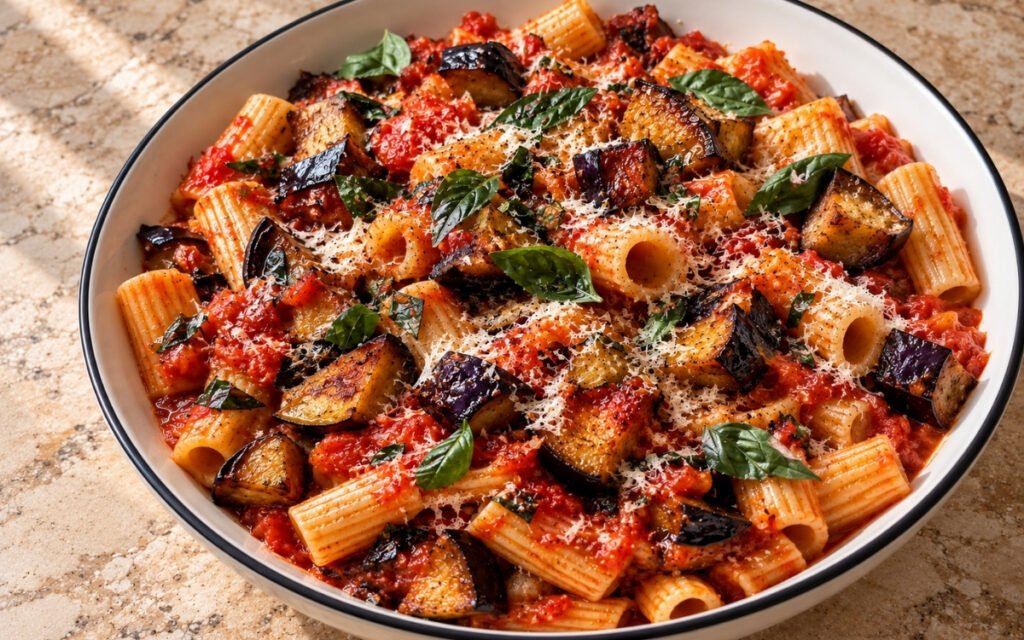
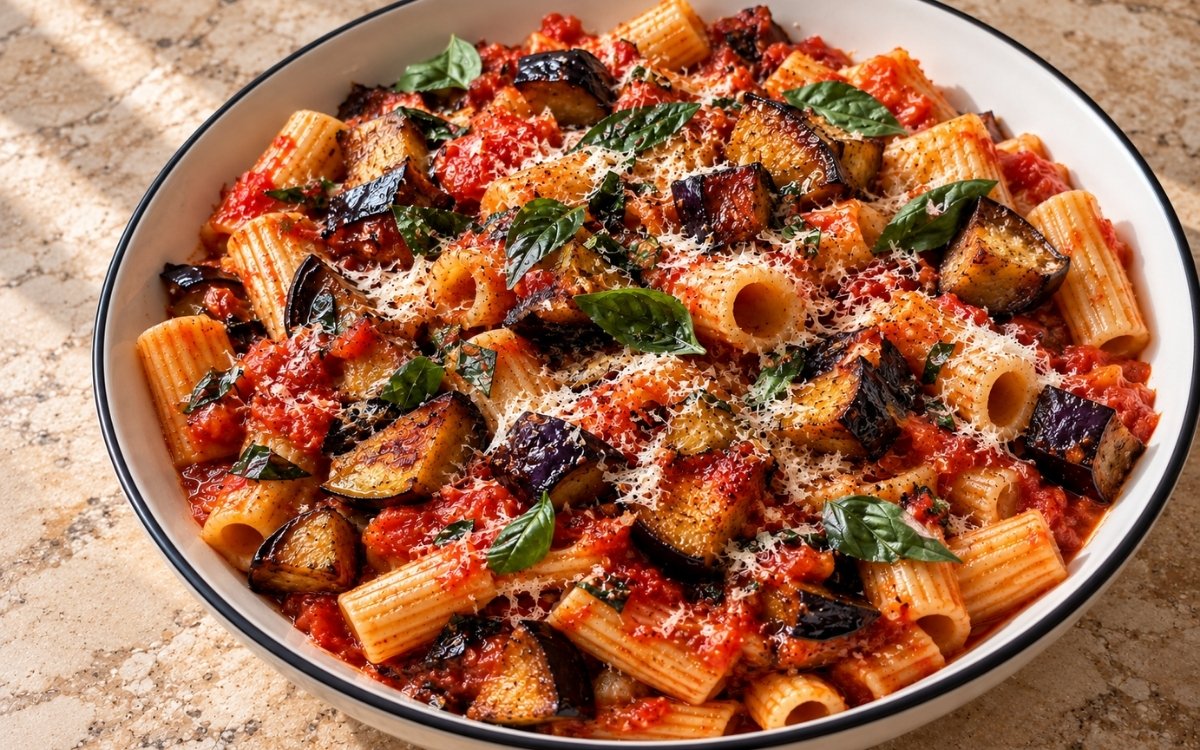
A classical Sicilian pasta with a simple tomato basil sauce, deeply golden fried eggplant, pasta tossed until glossy, and a generous finish of grated ricotta salata, the eggplant browned and silky rather than soggy, with the sauce clinging to the pasta rather than sitting watery in the bowl. Salting the eggplant and letting it rest for a genuine 25 minutes before it ever meets the hot oil is the technique this whole dish depends on for real, deep browning rather than a soggy, oil-heavy result — wet eggplant steams and absorbs too much oil, the same salt-and-rest-eggplant-first principle used elsewhere in this collection whenever a genuinely watery vegetable needs its own moisture drawn out before frying can actually develop colour. Frying in properly small, uncrowded batches at the correct oil temperature is what lets the eggplant brown deeply rather than turning greasy. Tossing the pasta with just enough pasta water, never more tomato sauce, is what keeps the dish glossy and clinging rather than watery. The payoff is a pasta with real, classic Sicilian character — glossy, well-sauced pasta studded with deeply golden, silky eggplant, finished with sharp, dry ricotta salata.
Prep Time : 20 min
Cook Time : 40 min
Servings : 4
20 min
40 min
4
Ingredients
For the Eggplant
• 700–800g eggplant, cut into 2–3cm cubes or thick quarter-moon pieces
• 10g fine sea salt, for salting
• 500–700ml olive oil or neutral oil mixed with olive oil, for frying
• Black pepper, to taste
For the Tomato Sauce
• 45ml extra-virgin olive oil — this one on Amazon
• 4 garlic cloves, lightly crushed
• 800g canned whole peeled tomatoes, crushed by hand, or good passata
• 6g fine sea salt, plus more to taste
• ¼ tsp chili flakes, optional
• 10–12 fresh basil leaves
For the Pasta
• 400g rigatoni, maccheroni, penne, or spaghetti — this one on Amazon
• 4L water
• 28g fine sea salt, for pasta water
For Finishing
• 80–100g ricotta salata, finely grated — Parmesan can work as a fallback, but ricotta salata is the more classical choice — this one on Amazon
• 8–10 fresh basil leaves
• Extra-virgin olive oil, for finishing
• Black pepper, to taste
This post may contain affiliate links. As an Amazon Associate I earn from qualifying purchases, at no additional cost to you.
Directions
- Salt the Eggplant
Cut the eggplant into evenly sized pieces. Place in a colander, toss with the salt, and rest for 25 minutes. Pat very dry with paper towels or a clean towel. Wet eggplant steams and absorbs too much oil. Dry eggplant browns faster and develops the silky, golden exterior needed for Pasta alla Norma. That salting stage draws out real, considerable moisture through osmosis, and the thorough pat-dry that follows removes it before it ever has the chance to interfere with the eggplant’s own ability to fry properly. - Fry the Eggplant
Heat the frying oil in a wide pan to 175–180°C. Fry the eggplant in batches until deeply golden on the outside and tender inside, about 4–6 minutes per batch, depending on size. Transfer to a rack or paper towel-lined tray. Season lightly with black pepper. Do not crowd the pan. Crowding drops the oil temperature and makes the eggplant greasy. The eggplant should be finished before the pasta is tossed. It needs to stay intact enough to show in the final dish, not dissolve fully into the sauce. Frying in properly small batches protects the oil’s own temperature from dropping too far when multiple pieces are added at once — a significant drop lets the eggplant absorb excess oil rather than frying crisp and golden. - Make the Tomato Sauce
Heat the olive oil in a wide pan over medium-low heat. Add the crushed garlic and cook for 1–2 minutes, just until fragrant and lightly golden. Remove the garlic if you want a cleaner sauce. Add the tomatoes, salt, and chili flakes if using. Simmer uncovered for 20–25 minutes, stirring occasionally, until the sauce thickens and tastes rounded. Tear in the basil near the end. The sauce should be bright and thick enough to coat pasta, not watery. Pasta alla Norma depends on a clean tomato sauce, not a heavy ragù-style reduction. That deliberate simplicity, kept genuinely clean rather than built into a heavy reduction, is exactly what lets the fried eggplant remain the dish’s own real focal point rather than competing with an overly assertive sauce. - Cook the Pasta
Bring the water to a boil and salt it well. Cook the pasta until 1–2 minutes shy of al dente. Reserve 250ml pasta water, then drain. The pasta finishes in the sauce, so it must be slightly undercooked when drained. That deliberate undercooking leaves genuine structural headroom for the pasta to finish cooking directly in the sauce, absorbing real flavour it wouldn’t pick up if it arrived already fully done. - Toss the Pasta with Sauce
Add the drained pasta to the tomato sauce. Toss over medium heat, adding reserved pasta water a little at a time until the pasta is glossy and fully coated. Add about two-thirds of the fried eggplant and toss gently for 30–60 seconds. Toss enough to bind the sauce to the pasta, but do not break the eggplant into mush. Some pieces should stay visibly golden and distinct. Adding the pasta water gradually, rather than the reserved sauce, is what actually builds a real, glossy emulsion between the tomato sauce and the starch on the pasta — more sauce alone would simply thin it out without achieving that same clinging texture. - Finish and Serve
Turn off the heat. Add a small handful of grated ricotta salata and toss once more. Plate immediately. Top with the remaining fried eggplant, more ricotta salata, fresh basil, black pepper, and a light drizzle of extra-virgin olive oil. Reserving a portion of both the eggplant and ricotta salata specifically for this final topping, rather than folding everything in together, keeps those elements visible and distinct right at the surface of the finished plate.
*Notes :
- Salting the eggplant and giving it the full 25-minute rest before it ever meets the hot oil deserves genuine recognition as the technique most responsible for whether this dish achieves its characteristic deep, golden browning or turns out soggy and oil-heavy. That salting draws out real, measurable moisture through osmosis, and the thorough drying that follows removes it before it has any chance to interfere with the eggplant’s ability to fry properly, rather than simply steaming in its own residual water.
- Frying the eggplant in properly small, uncrowded batches at a carefully maintained temperature deserves the same attention this technique receives throughout this collection’s other fried components. A crowded pan drops the oil’s temperature meaningfully, and that drop lets the eggplant absorb excess oil before it has any real chance to develop the deeply golden, silky exterior this dish depends on for its whole character.
- Keeping the tomato sauce genuinely simple — garlic, tomato, basil, olive oil, and salt, exactly as the recipe’s own notes specify — deserves respect as a deliberate choice central to this dish’s identity. A more complicated or heavily reduced sauce would compete with the fried eggplant for attention, working against the clean, balanced contrast Pasta alla Norma is specifically built around.
- Tossing the pasta with reserved pasta water, rather than reaching for more tomato sauce when the dish looks dry, deserves genuine attention as a real, functional technique choice. That starchy water is specifically what builds a real, glossy emulsion between the sauce and the pasta — additional sauce alone would simply thin the dish out without achieving that same clinging, cohesive texture.
Why This Recipe Works
This recipe works because the eggplant is salted and rested thoroughly, drawing out real moisture that would otherwise prevent proper browning. Frying it in small, uncrowded batches at the correct temperature protects the oil’s own heat, letting the eggplant develop a genuinely deep, silky exterior.
The tomato sauce stays deliberately simple, letting the eggplant remain the dish’s real focus. The pasta is pulled short of al dente, finishing directly in the sauce, and tossed with reserved pasta water rather than extra sauce, building a real, glossy emulsion.
Reserving a portion of both eggplant and ricotta salata for the final topping delivers the dish at its most visually and texturally complete.
Ingredient Breakdown
Salted, Rested, Thoroughly Dried Eggplant
The critical technique — draws out moisture that would otherwise prevent real browning and cause oil absorption.
Small-Batch, Correctly Heated Frying
The critical technique — protects the oil’s temperature, letting the eggplant develop deep, silky, golden colour.
Deliberately Simple Tomato Sauce
The critical technique — kept clean and uncomplicated so the fried eggplant remains the dish’s real focal point.
Underdone Pasta (1–2 Minutes Shy of Al Dente)
The critical technique — leaves real room for the pasta to finish cooking directly in the sauce.
Pasta Water (Not Extra Sauce) for Loosening
The critical technique — builds a real, glossy emulsion rather than simply thinning the dish out.
Ricotta Salata
The classical finishing cheese — its sharp, dry character delivers the correct, authentically Sicilian finish over Parmesan.
Flavor Structure Explained
This pasta alla Norma follows a layered balance model:
- Glossy, clinging foundation (emulsified tomato sauce, starchy pasta water)
- Deeply golden, silky centrepiece (salted, well-fried eggplant)
- Bright herbal lift (fresh basil)
- Sharp, dry finish (grated ricotta salata)
A glossy tomato sauce, emulsified with starchy pasta water, provides this dish’s clinging, cohesive foundation. Deeply golden, salted, and well-fried eggplant serves as the real centrepiece, its silky texture built through careful moisture control and frying technique. Fresh basil adds bright, classic herbal lift throughout the sauce. Sharp, dry, finely grated ricotta salata finishes the dish with the authentically Sicilian note this pasta is specifically known for, tying every glossy, golden element together.
Common Mistakes to Avoid
- Skipping the Eggplant’s Salting and Resting Step – This leaves it wet, causing it to steam and absorb too much oil. Always salt and rest for the full 25 minutes, then dry thoroughly.
- Crowding the Frying Pan – This drops the oil’s temperature and makes the eggplant greasy rather than golden. Always fry in small, uncrowded batches.
- Overcomplicating the Tomato Sauce – This competes with the eggplant for attention. Always keep it simple: garlic, tomato, basil, olive oil, and salt.
- Boiling the Pasta to Full Al Dente – This leaves no room for it to finish in the sauce. Always pull it 1 to 2 minutes short.
- Adding More Sauce Instead of Pasta Water When the Dish Looks Dry – This thins the dish without building a real emulsion. Always use reserved pasta water.
Variations
Parmesan Fallback Version
Substitute Parmesan for ricotta salata if the latter isn’t available, per the recipe’s own note, accepting that this visually and practically works but doesn’t deliver quite the same salty, dry, authentically Sicilian finish.
Spaghetti Version
Use spaghetti instead of rigatoni or maccheroni, per the recipe’s own guidance, accepting a valid but slightly less classically rustic presentation than the short pasta shapes provide.
Extra-Spicy Version
Include the optional chili flakes in the sauce, or increase them slightly, for a more assertive, lingering heat running throughout the finished dish.
Fully Fried Eggplant Version
Fold all of the fried eggplant into the pasta rather than reserving a portion for topping, for a more evenly distributed eggplant presence throughout every bite instead of a concentrated final garnish.
Storage & Make-Ahead
Ricotta salata is genuinely the classical cheese for this dish, and while Parmesan works both visually and practically as a substitute, ricotta salata is specifically what gives the correct salty, dry, authentically Sicilian finish this pasta is known for.
Use firm eggplant with glossy skin and no spongy soft spots when selecting your produce, since that firmness translates directly into better texture once fried, holding its shape rather than collapsing into mush.
Do not under-brown the eggplant during frying, since pale eggplant tastes noticeably watery and flat rather than developing the rich, silky character this dish depends on, and don’t overcomplicate the tomato sauce beyond its classic, simple ingredient list.
Rigatoni or maccheroni give this dish a strong, rustic look and hold the sauce especially well, though spaghetti remains a valid choice too; if the dish looks dry at any point during tossing, always reach for pasta water rather than more tomato sauce.
This dish is genuinely best served immediately, while the pasta is still glossy and the fried eggplant still holds its own real texture, since both qualities change noticeably the longer the finished plate sits before being eaten.
Frequently Asked Questions
Why does the eggplant need to be salted and rested before frying?
That salting stage draws out real, measurable moisture from the eggplant through osmosis. Wet eggplant steams and absorbs too much oil, so drying it thoroughly afterward is what lets it actually brown deeply rather than turning soggy and greasy.
Why does the eggplant need to fry in small, uncrowded batches?
A crowded pan drops the oil’s temperature significantly, and that drop lets the eggplant absorb excess oil before it has any real chance to develop its characteristic deeply golden, silky exterior.
Why does the tomato sauce need to stay so simple rather than more heavily reduced?
A more complicated or heavily reduced sauce would compete with the fried eggplant for attention. This dish’s whole balance depends on the sauce staying clean and restrained so the eggplant remains the real focal point.
Why is pasta water used to loosen the dish rather than more tomato sauce?
Reserved pasta water builds a real, glossy emulsion between the sauce and the pasta’s own starch. Additional sauce alone would simply thin the dish out without achieving that same clinging, cohesive texture.
Are there other classic Sicilian eggplant, pasta, or fresh salad dishes worth trying?
Sicilian Caponata offers another classic Sicilian eggplant dish worth exploring. Eggplant Parmesan is also worth trying for a different, baked eggplant direction, and Italian Puttanesca Pasta, Sicilian Orange & Fennel Salad, and Aglio e Olio Pasta offer other classic Sicilian and Italian dishes worth exploring.
Nutrition Facts
( per serving )
Calories
~680 kcal
Protein
20 g
Fat
30 g
Carbs
84 g
Calories
~680 kcal
Protein
20 g
Fat
30 g
Carbs
84 g
Related Recipes
Related Recipes

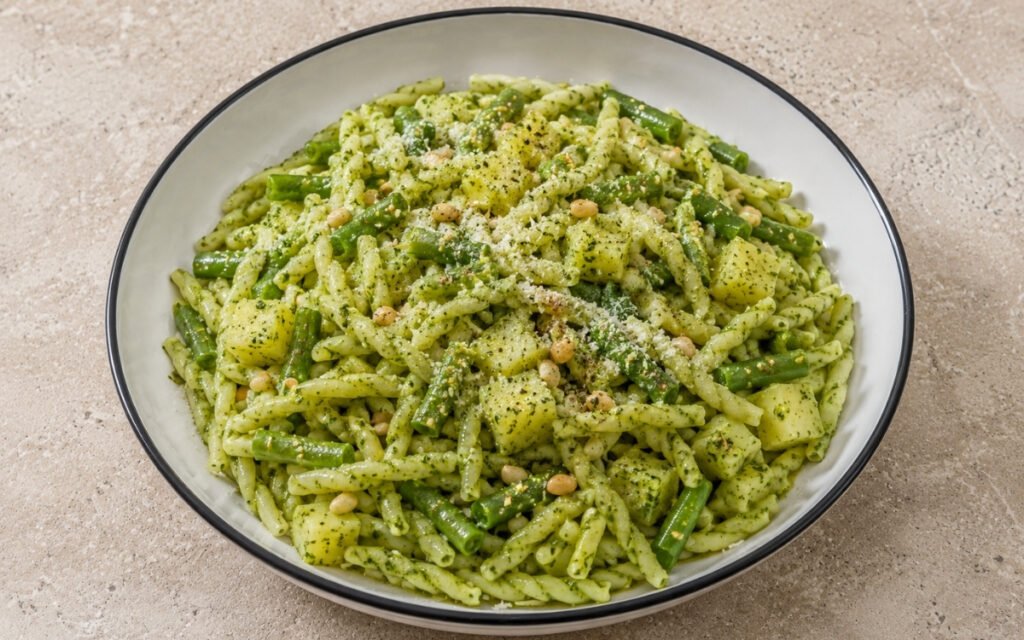
Fresh Homemade Basil Pesto Pasta
Fresh basil pesto with the traditional Ligurian potato and green bean combination — better than any jar.
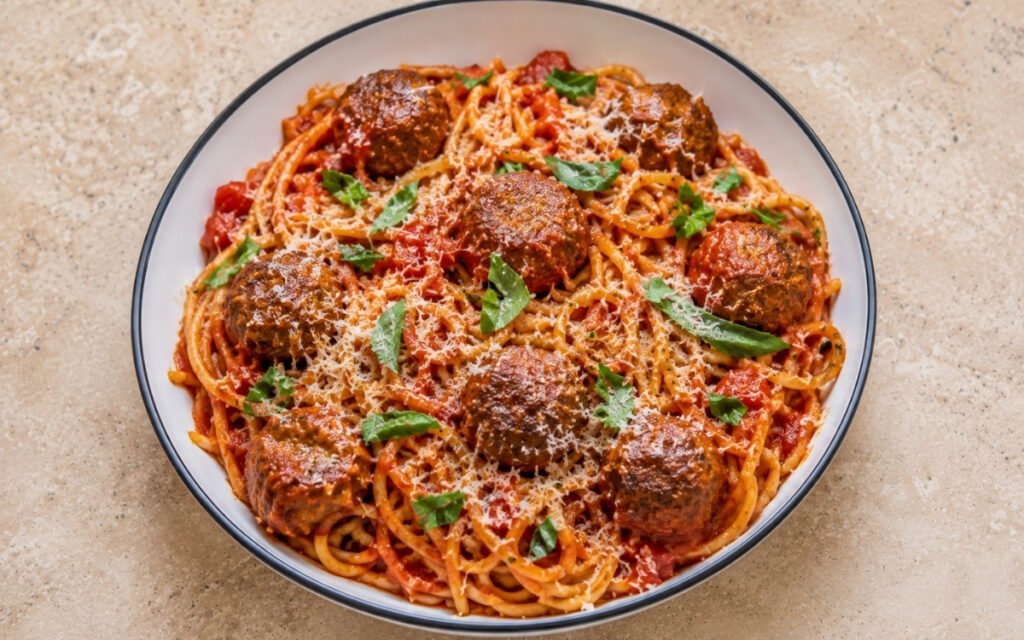
Easy Spaghetti and Meatballs
Beef and pork meatballs on a panade, deeply browned, simmered in San Marzano marinara — 60 minutes.
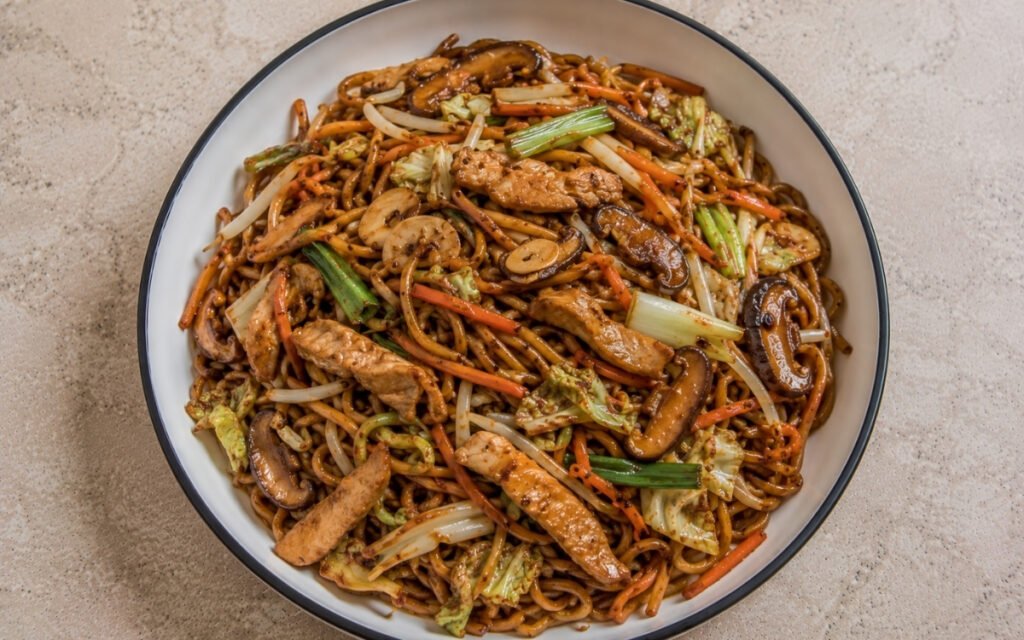
Easy Chicken Chow Mein Noodles
Hong Kong egg noodles crisped in a smoking-hot wok with seared chicken and vegetables — four-component soy sauce, cornstarch glaze, 35 minutes.
You might also like
You might also like
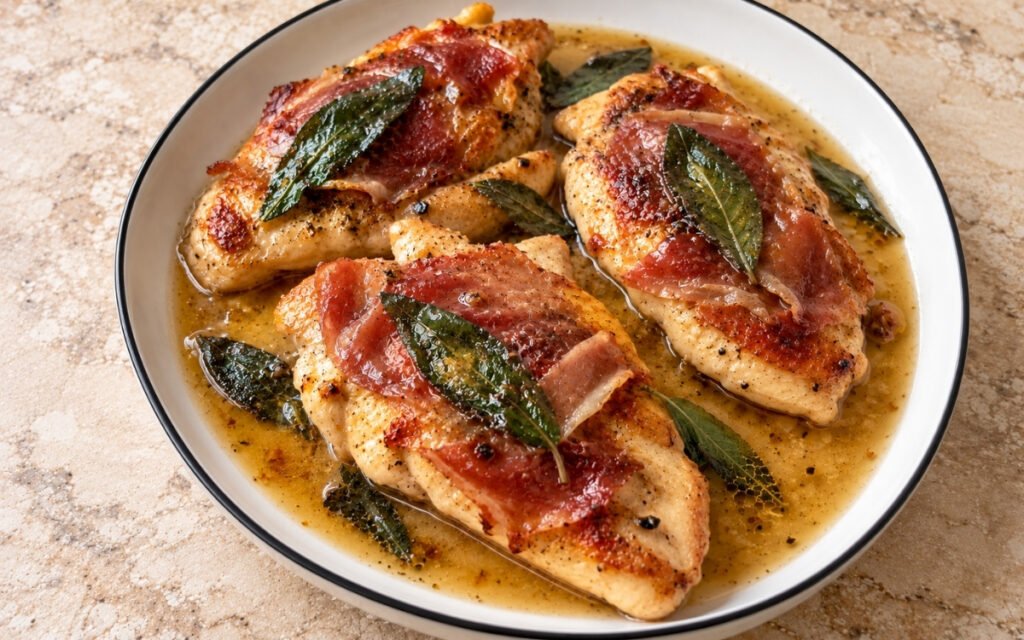
Chicken Saltimbocca
Thin seared chicken cutlets topped with prosciutto and sage, finished in a glossy buttery white wine pan sauce.
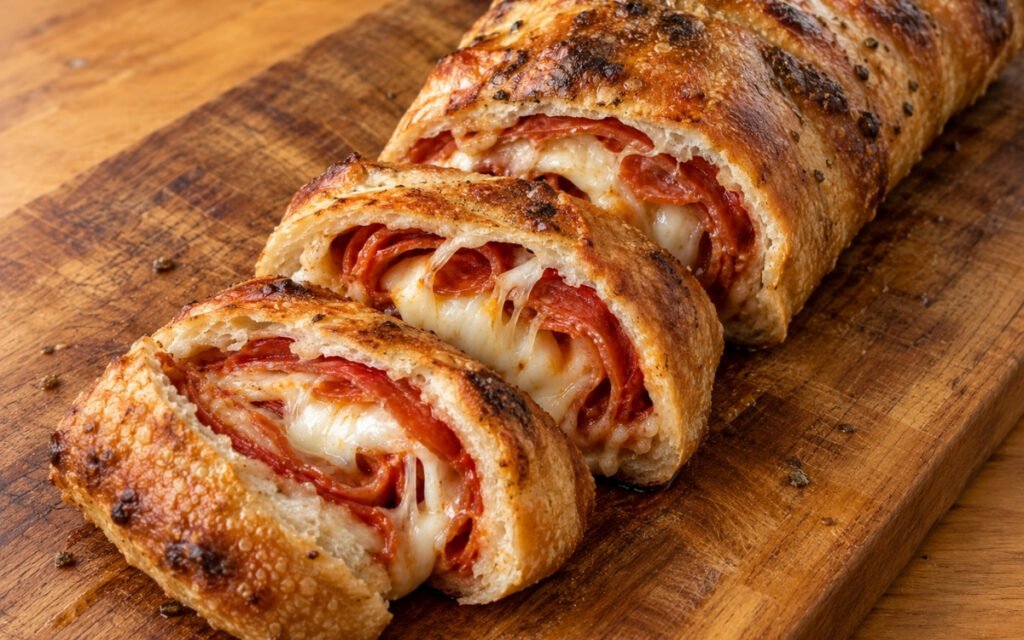
Stromboli with Pepperoni and Cheese
Pizza dough rolled tightly around pepperoni, low-moisture mozzarella, thick tomato sauce, and Parmesan, baked until deeply golden and crisp.
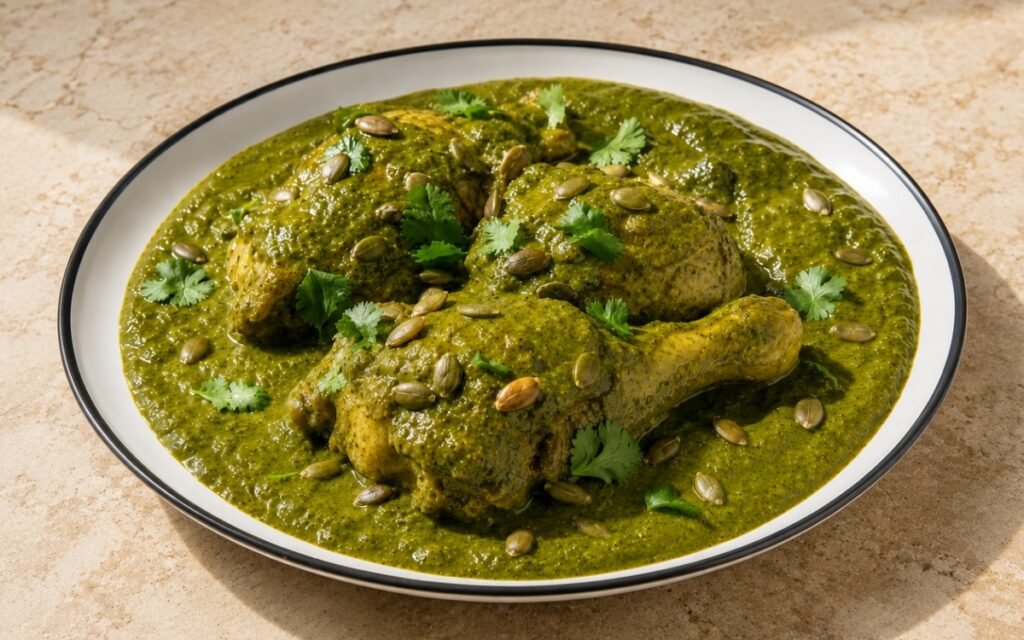
Pipián Verde Chicken
Gently poached chicken finished in a vivid green pipián sauce of roasted tomatillos, pumpkin seeds, green chiles, and herbs.
Pasta alla Norma
Ingredients
Method
- Cut the eggplant into evenly sized pieces. Place in a colander, toss with the salt, and rest for 25 minutes. Pat very dry with paper towels or a clean towel. Wet eggplant steams and absorbs too much oil. Dry eggplant browns faster and develops the silky, golden exterior needed for Pasta alla Norma. That salting stage draws out real, considerable moisture through osmosis, and the thorough pat-dry that follows removes it before it ever has the chance to interfere with the eggplant’s own ability to fry properly.
- Heat the frying oil in a wide pan to 175–180°C. Fry the eggplant in batches until deeply golden on the outside and tender inside, about 4–6 minutes per batch, depending on size. Transfer to a rack or paper towel-lined tray. Season lightly with black pepper. Do not crowd the pan. Crowding drops the oil temperature and makes the eggplant greasy. The eggplant should be finished before the pasta is tossed. It needs to stay intact enough to show in the final dish, not dissolve fully into the sauce. Frying in properly small batches protects the oil’s own temperature from dropping too far when multiple pieces are added at once — a significant drop lets the eggplant absorb excess oil rather than frying crisp and golden.
- Heat the olive oil in a wide pan over medium-low heat. Add the crushed garlic and cook for 1–2 minutes, just until fragrant and lightly golden. Remove the garlic if you want a cleaner sauce. Add the tomatoes, salt, and chili flakes if using. Simmer uncovered for 20–25 minutes, stirring occasionally, until the sauce thickens and tastes rounded. Tear in the basil near the end. The sauce should be bright and thick enough to coat pasta, not watery. Pasta alla Norma depends on a clean tomato sauce, not a heavy ragù-style reduction. That deliberate simplicity, kept genuinely clean rather than built into a heavy reduction, is exactly what lets the fried eggplant remain the dish’s own real focal point rather than competing with an overly assertive sauce.
- Bring the water to a boil and salt it well. Cook the pasta until 1–2 minutes shy of al dente. Reserve 250ml pasta water, then drain. The pasta finishes in the sauce, so it must be slightly undercooked when drained. That deliberate undercooking leaves genuine structural headroom for the pasta to finish cooking directly in the sauce, absorbing real flavour it wouldn’t pick up if it arrived already fully done.
- Add the drained pasta to the tomato sauce. Toss over medium heat, adding reserved pasta water a little at a time until the pasta is glossy and fully coated. Add about two-thirds of the fried eggplant and toss gently for 30–60 seconds. Toss enough to bind the sauce to the pasta, but do not break the eggplant into mush. Some pieces should stay visibly golden and distinct. Adding the pasta water gradually, rather than the reserved sauce, is what actually builds a real, glossy emulsion between the tomato sauce and the starch on the pasta — more sauce alone would simply thin it out without achieving that same clinging texture.
- Turn off the heat. Add a small handful of grated ricotta salata and toss once more. Plate immediately. Top with the remaining fried eggplant, more ricotta salata, fresh basil, black pepper, and a light drizzle of extra-virgin olive oil. Reserving a portion of both the eggplant and ricotta salata specifically for this final topping, rather than folding everything in together, keeps those elements visible and distinct right at the surface of the finished plate.