
Eggplant Parmesan
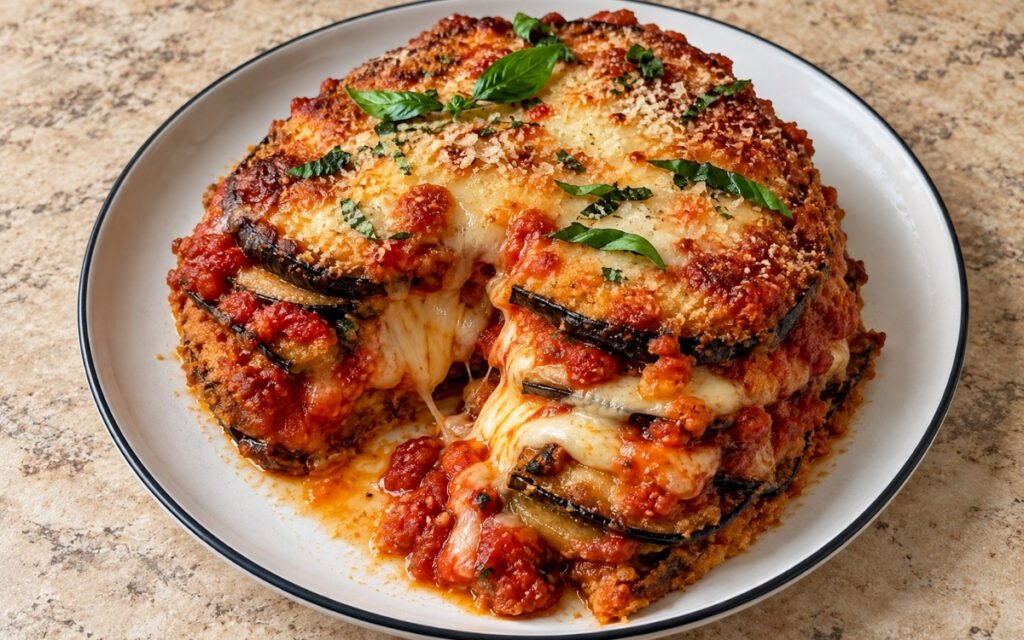
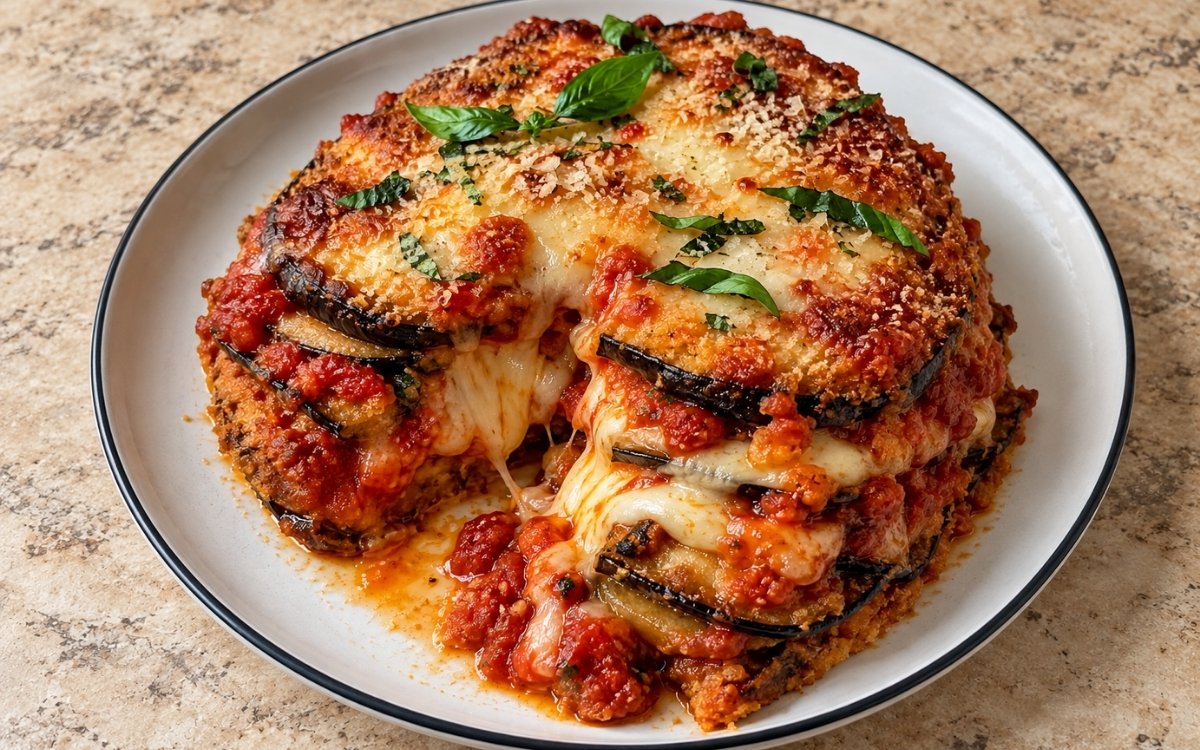
A classical baked Eggplant Parmesan made with breaded fried eggplant slices layered with tomato sauce, mozzarella, Parmesan and basil, then baked until bubbling and deeply flavorful, built around removing excess moisture from the eggplant, frying until properly golden rather than pale, and building the layers lightly enough that the dish stays structured instead of watery. Salting and thoroughly drying the eggplant slices before breading gives adherent breading and proper frying — wet eggplant leads to a soggy coating and oily frying. Frying until evenly golden, never pale, keeps the eggplant from turning soft and losing structure once it bakes further in the oven. Resting the finished bake for a full 15 to 20 minutes before cutting lets the layers set so slices hold together rather than sliding apart. The result is a casserole with clear, structured contrast — distinct, golden fried eggplant layers, bright tomato sauce, and bubbling, browned mozzarella and Parmesan.
Prep Time : 45 min
Cook Time : 45 min
Servings : 6
45 min
45 min
6
Ingredients
For the Eggplant
• 3 large eggplants, about 1.6–1.8kg total
• 18–20g kosher salt, for salting the eggplant
• 120g all-purpose flour — this one on Amazon
• 4 large eggs
• 30ml milk or water
• 180–220g fine dry breadcrumbs
• 60g grated Parmesan or Parmigiano-Reggiano, for the breading
• ½ tsp black pepper
• Neutral oil, for frying
For the Tomato Sauce
• 45ml extra-virgin olive oil — this one on Amazon
• 1 medium onion, finely diced
• 4 garlic cloves, minced
• 2 x 400g cans whole peeled tomatoes, crushed by hand, or 800g passata
• 1 tsp salt, plus more to taste
• ½ tsp black pepper
• Small pinch chili flakes, optional
• 8–10 basil leaves
For Layering
• 400–450g low-moisture mozzarella, shredded or thinly sliced — this one on Amazon
• 80–100g grated Parmesan or Parmigiano-Reggiano — this one on Amazon
• 12–16 basil leaves
This post may contain affiliate links. As an Amazon Associate I earn from qualifying purchases, at no additional cost to you.
Directions
- Slice and Salt the Eggplant
Trim the eggplants and slice lengthwise or into rounds about 8–10mm thick. Lay the slices in a single layer or in stacked layers on trays, salting lightly on both sides. Let sit for 30–45 minutes. Pat very dry with paper towels. This step helps remove excess surface moisture so the breading adheres better and the eggplant fries instead of steaming. Do not skip drying well — wet eggplant leads to soggy coating and oily frying. That salting stage draws out real, measurable moisture through osmosis, and the thorough pat-dry that follows removes it before it ever has the chance to interfere with breading adhesion or proper frying. - Make the Sauce
Heat the olive oil in a saucepan over medium heat. Add the onion and cook for 6–8 minutes until softened but not browned. Add the garlic and cook for 30 seconds. Add the tomatoes, salt, pepper and optional chili flakes. Simmer gently for 20–25 minutes, stirring occasionally, until slightly thickened. Add the basil for the final few minutes. Taste and adjust seasoning. The sauce should be well seasoned but not overly thick. The sauce should be thick enough to coat a spoon lightly, but not reduced into a paste. If it is too thin, the bake becomes watery. If too thick, the layers can dry out. - Bread the Eggplant
Prepare 3 shallow bowls: flour, eggs beaten with the milk or water, and breadcrumbs mixed with the 60g Parmesan and black pepper. Dredge each eggplant slice first in flour, then egg, then breadcrumb mixture. Press lightly so the crumbs adhere. Place on a tray while you finish the rest. Bread only once and keep the coating light and even. A thick heavy crust separates from the eggplant and makes the bake bulky rather than layered. That deliberately light, single coating protects each slice’s own real structural integration with its crust — a heavier, doubled breading would instead sit as a separate, bulkier layer prone to pulling away once baked. - Fry the Eggplant
Heat about 1cm of neutral oil in a wide skillet over medium heat. Fry the eggplant in batches for about 2–3 minutes per side, until golden brown and crisp. Transfer to a rack or paper towel-lined tray. Fry until evenly golden, not pale. Pale slices soften too much in the oven and lose structure. Do not overcrowd the pan or the oil temperature will drop and the eggplant will absorb oil. The slices should be flexible and tender inside, but with a set golden crust outside. That deep golden colour shows the crust has set — pale slices haven’t developed that same set crust, and they soften further once the oven’s own additional heat is applied during baking. - Assemble
Preheat the oven to 200°C / 400°F. Use a medium-to-large baking dish, about 23 x 33cm / 9 x 13 in. Spread a thin layer of sauce on the bottom. Add a layer of fried eggplant, overlapping slightly. Spoon over a light layer of sauce, then scatter some mozzarella, Parmesan and basil. Repeat the layers until everything is used, finishing with sauce, mozzarella and Parmesan on top. Usually you will have 3 layers, depending on your dish and slice size. Do not drown each layer in sauce. Use enough for coverage, but keep it restrained so the eggplant remains defined and the final dish slices cleanly. That deliberate restraint with sauce at every layer, rather than a heavy hand throughout, keeps each eggplant slice distinct and defined rather than dissolving into one saucy mass. - Bake
Bake for 25–30 minutes, until bubbling around the edges and browned on top. If needed, broil for 1–2 minutes at the end for deeper color, watching carefully. Let rest for 15–20 minutes before cutting. Resting is essential. If cut immediately, the layers slide apart and the sauce runs. After resting, the structure sets and the slices hold together. That rest lets the whole casserole’s internal structure firm up considerably, protecting every layered slice from collapsing into a loose, sliding mass the moment a knife touches it too soon.
*Notes :
- Salt and thoroughly dry the eggplant slices before breading. Skip this and the breading turns soggy and oil-heavy instead of crisp and adherent. That salting draws out real, measurable moisture through osmosis, and the thorough drying that follows prevents that residual moisture from interfering with either the breading’s own adhesion or the eggplant’s actual ability to fry rather than steam.
- Fry until golden rather than pulling the eggplant while it’s still pale, because the slices keep cooking in the oven. Pale slices simply haven’t developed the same set, structured crust that properly golden ones have, which is directly why they soften considerably more and lose real structure once they spend additional time baking in the oven.
- Keep the sauce restrained at every layer rather than drowning the eggplant in it. A dish that slices cleanly, with distinct eggplant layers rather than a mushy casserole, depends on that restraint throughout assembly.
- Let the baked dish rest for the full 15 to 20 minutes before cutting; this is a structural step, not just patience. Cutting too early lets the still-loose layers slide apart and the sauce run, undoing much of the careful, layered structure built throughout the rest of the recipe.
Why This Recipe Works
This recipe works because the eggplant is salted and dried thoroughly, protecting both breading adhesion and proper frying. A light, single breading coating stays integrated with each slice rather than separating in a bulky layer. Frying until golden sets a crust that holds up through baking.
The tomato sauce is kept at a specific, lightly thickened consistency, and each layer of assembly uses sauce restrainedly, keeping the eggplant’s own structure defined rather than drowned.
A full 15 to 20-minute rest after baking lets the whole casserole’s structure settle, delivering clean, well-defined slices rather than a sliding, collapsed mass.
Ingredient Breakdown
Salted, Thoroughly Dried Eggplant
Removes excess moisture that would otherwise compromise breading adhesion and proper frying.
Light, Single Breading Coating
Stays integrated with each slice rather than separating as a bulky, disconnected layer.
Golden Fried Eggplant
A real, set crust that holds structure through the additional heat of baking.
Lightly Thickened Tomato Sauce
A deliberate consistency that protects against both a watery bake and dried-out layers.
Restrained Sauce at Each Layer
Keeps the eggplant’s own structure defined, letting the finished dish slice cleanly.
Full 15–20 Minute Post-Bake Rest
Lets the whole casserole’s layered structure firm up for clean, intact slices.
Flavor Structure Explained
The flavors stack up in five layers:
- Crisp, structured foundation (salted, dried, golden fried eggplant)
- Bright tomato depth (lightly thickened, well-seasoned sauce)
- Rich melted body (low-moisture mozzarella)
- Sharp savoury structure (Parmesan or Parmigiano-Reggiano)
- Fresh herbal lift (basil, visible throughout the layers)
Salted, dried, and golden fried eggplant provides this dish’s crisp, structured foundation across every layer. A lightly thickened, well-seasoned tomato sauce contributes bright depth without overwhelming the eggplant’s own defined texture. Low-moisture mozzarella melts into a rich body throughout the assembly. Parmesan or Parmigiano-Reggiano adds real salt and structural body, protecting the dish from tasting flat or overly heavy. Fresh basil, kept visible throughout the layers, finishes the casserole with classic herbal lift that ties every structured layer together.
Common Mistakes to Avoid
- Skipping the Eggplant’s Salting and Drying Step – This leaves it wet, causing soggy breading and oily frying. Always salt, rest, and thoroughly dry it first.
- Applying a Thick, Heavy Breading – This separates from the eggplant and makes the bake bulky. Always bread once, keeping the coating light and even.
- Frying the Eggplant Until Only Pale – This softens too much further during baking, losing structure. Always fry until evenly golden brown.
- Drowning Each Layer in Sauce – This prevents the eggplant from staying defined and the dish from slicing cleanly. Always keep the sauce restrained at every layer.
- Cutting the Dish Immediately After Baking – This lets the layers slide apart and the sauce run. Always let it rest for the full 15 to 20 minutes first.
Variations
Fresh Mozzarella Version
Substitute fresh mozzarella for low-moisture, but drain it very thoroughly beforehand, since fresh mozzarella’s own excess water is considerably harder to manage across so many layers.
Extra-Spicy Version
Increase the chili flakes in the tomato sauce for a more assertive, lingering heat that runs throughout the finished bake rather than sitting only at the surface.
Make-Ahead Component Version
Fry the eggplant and prepare the tomato sauce in advance, storing both separately and assembling the full dish closer to when you actually plan to bake and serve it.
Extra-Herbal Version
Increase the basil worked into the layers, keeping it visible rather than buried so the fresh, classical character stays front and center.
Storage & Make-Ahead
The ideal eggplant slice thickness for this recipe is around 8 to 10mm, since slices cut too thin tend to collapse during baking, while ones cut too thick can stay spongy rather than developing a proper, set structure throughout.
Low-moisture mozzarella works best here because it melts well without releasing too much water, though fresh mozzarella can be used as an alternative provided it is drained very thoroughly first, given how much liquid it would otherwise contribute across so many stacked layers.
Parmesan plays a structural role beyond flavour, adding real salt and body to the dish, so don’t rely on mozzarella alone for the cheese component, or the finished bake will taste noticeably flatter and heavier than intended.
You can fry the eggplant and make the tomato sauce well in advance of actually assembling and baking this dish, storing both components separately until you’re ready to layer everything together and put it in the oven.
The finished dish should be saucy and tender, but never loose or watery, with the top bubbling and showing browned cheese patches while the interior still reveals distinct eggplant layers rather than collapsing into an undifferentiated, mushy casserole.
Frequently Asked Questions
Why does the eggplant need to be salted and dried before it’s breaded?
That salting stage draws out real, measurable moisture through osmosis. Wet eggplant leads directly to soggy coating and oily frying, so thorough drying afterward protects both the breading’s adhesion and the eggplant’s ability to fry rather than steam.
Why does the eggplant need to be fried until golden rather than just lightly coloured?
Pale slices haven’t developed a real, set crust, and they soften considerably more once they spend additional time baking in the oven. Frying until golden protects that structure through the second round of cooking still ahead.
Why does the sauce need to be used so restrainedly at each layer?
Using too much sauce prevents the eggplant from staying defined as its own distinct component, working against the dish’s whole goal of slicing cleanly with visible, structured layers rather than turning into a mushy casserole.
Why is the resting period after baking described as essential?
Cutting into the dish immediately lets the still-loose layers slide apart and the sauce run everywhere. That full 15 to 20-minute rest lets the internal structure set, so the finished slices hold together properly.
Are there other classic eggplant, baked pasta, or Italian comfort food dishes worth trying?
Pasta alla Norma offers another classic eggplant-forward Sicilian dish worth exploring. Sicilian Caponata is also worth trying for a different eggplant preparation, and Baked Ziti, Pasta al Forno, and Chicken Parmigiana offer other hearty, cheese-and-tomato baked Italian comfort food dishes worth exploring.
Nutrition Facts
( per serving )
Calories
~620 kcal
Protein
28 g
Fat
32 g
Carbs
56 g
Calories
~620 kcal
Protein
28 g
Fat
32 g
Carbs
56 g
Related Recipes
Related Recipes

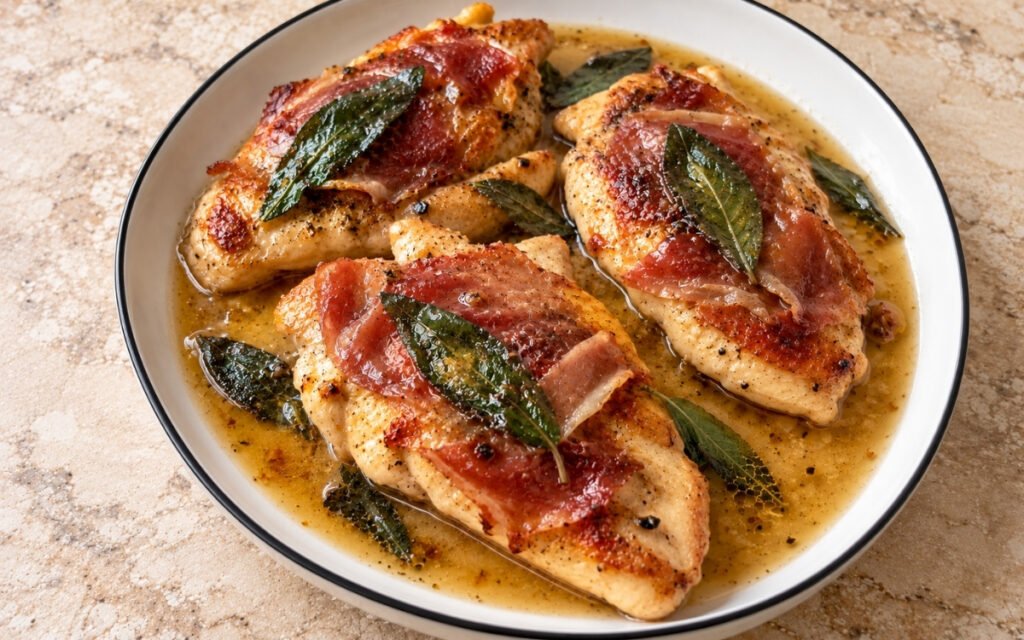
Chicken Saltimbocca
Thin seared chicken cutlets topped with prosciutto and sage, finished in a glossy buttery white wine pan sauce.
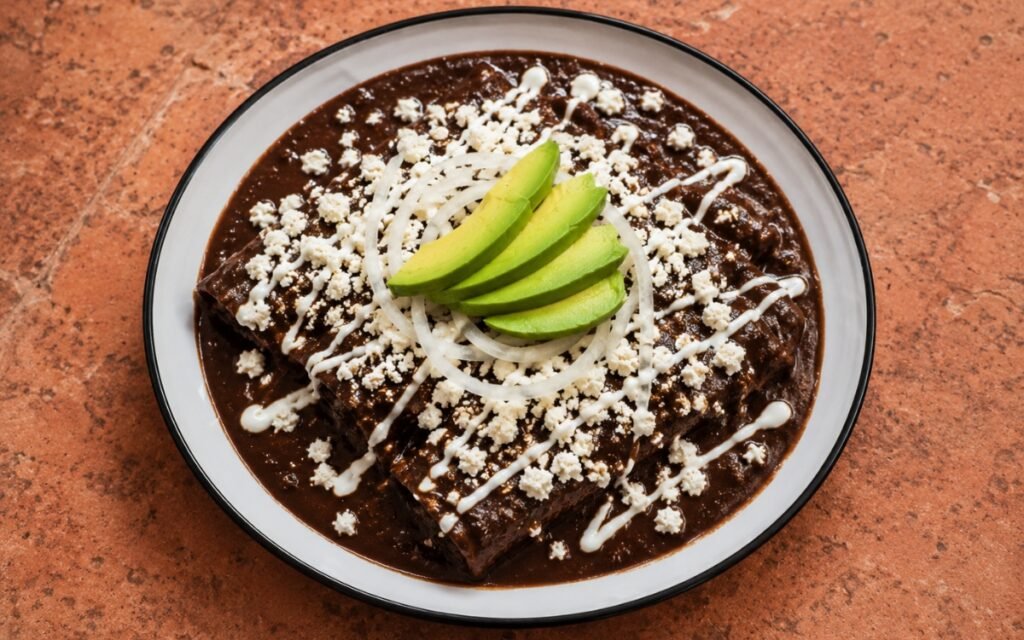
Enfrijoladas
Soft corn tortillas lightly fried, dipped in glossy black bean sauce, folded around queso fresco, and finished with more cheese, crema, onion, and avocado.
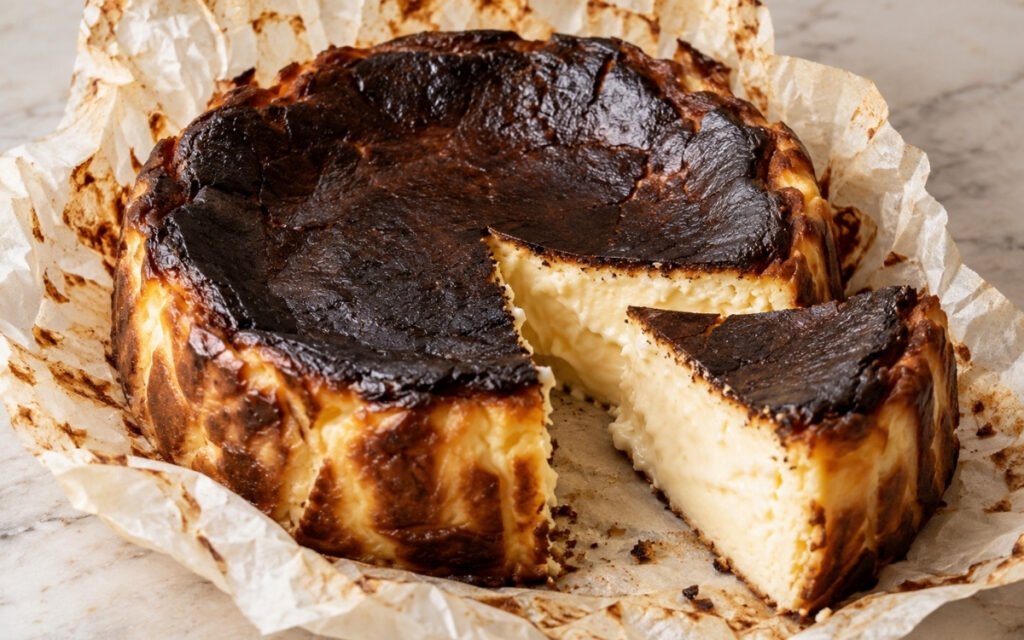
Basque Burnt Cheesecake
A tall, deeply burnt Basque-style cheesecake with a near-black top and a pale ivory custard center that stays soft, creamy, and barely set.
You might also like
You might also like
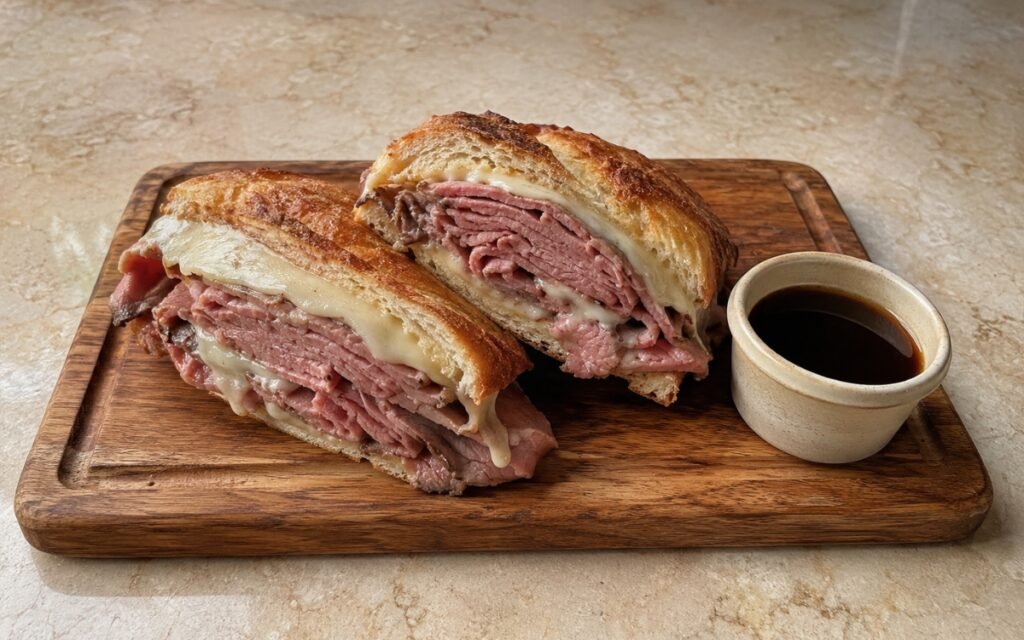
French Dip Sandwich
Thinly sliced, medium-rare roast beef and melted Swiss and provolone piled into a toasted homemade hoagie roll, served with savoury au jus for dipping.
Chicken Saltimbocca
Thin seared chicken cutlets topped with prosciutto and sage, finished in a glossy buttery white wine pan sauce.
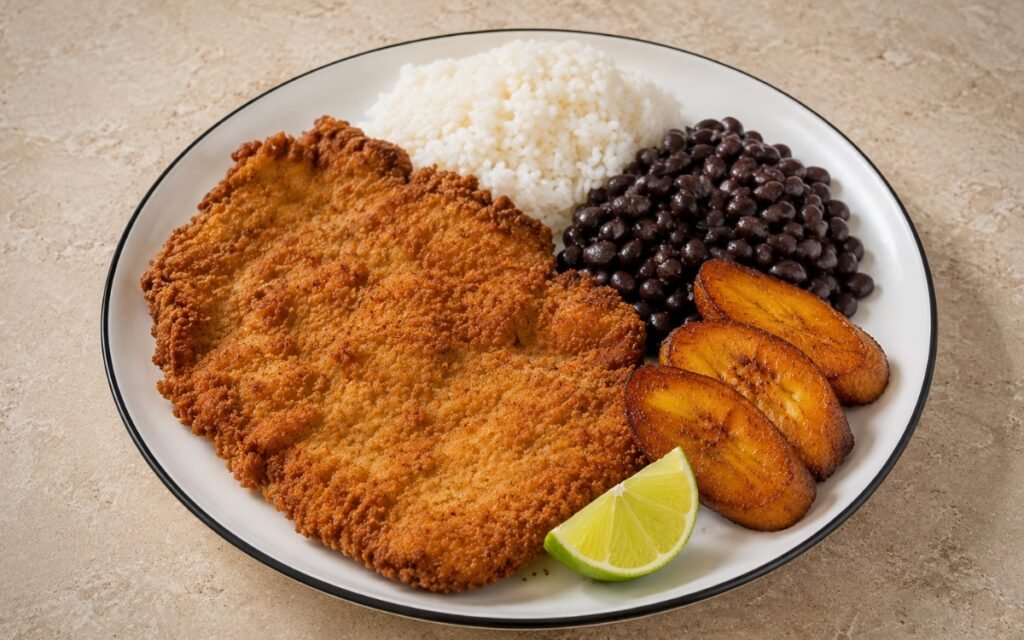
Cuban Bistec Empanizado
Thin, breaded, and fried beef cutlets marinated with garlic and citrus, served with fluffy white rice, black beans, and sweet fried plantains.
Eggplant Parmesan
Ingredients
Method
- Trim the eggplants and slice lengthwise or into rounds about 8–10mm thick. Lay the slices in a single layer or in stacked layers on trays, salting lightly on both sides. Let sit for 30–45 minutes. Pat very dry with paper towels. This step helps remove excess surface moisture so the breading adheres better and the eggplant fries instead of steaming. Do not skip drying well — wet eggplant leads to soggy coating and oily frying. That salting stage draws out real, measurable moisture through osmosis, and the thorough pat-dry that follows removes it before it ever has the chance to interfere with breading adhesion or proper frying.
- Heat the olive oil in a saucepan over medium heat. Add the onion and cook for 6–8 minutes until softened but not browned. Add the garlic and cook for 30 seconds. Add the tomatoes, salt, pepper and optional chili flakes. Simmer gently for 20–25 minutes, stirring occasionally, until slightly thickened. Add the basil for the final few minutes. Taste and adjust seasoning. The sauce should be well seasoned but not overly thick. The sauce should be thick enough to coat a spoon lightly, but not reduced into a paste. If it is too thin, the bake becomes watery. If too thick, the layers can dry out.
- Prepare 3 shallow bowls: flour, eggs beaten with the milk or water, and breadcrumbs mixed with the 60g Parmesan and black pepper. Dredge each eggplant slice first in flour, then egg, then breadcrumb mixture. Press lightly so the crumbs adhere. Place on a tray while you finish the rest. Bread only once and keep the coating light and even. A thick heavy crust separates from the eggplant and makes the bake bulky rather than layered. That deliberately light, single coating protects each slice’s own real structural integration with its crust — a heavier, doubled breading would instead sit as a separate, bulkier layer prone to pulling away once baked.
- Heat about 1cm of neutral oil in a wide skillet over medium heat. Fry the eggplant in batches for about 2–3 minutes per side, until golden brown and crisp. Transfer to a rack or paper towel-lined tray. Fry until evenly golden, not pale. Pale slices soften too much in the oven and lose structure. Do not overcrowd the pan or the oil temperature will drop and the eggplant will absorb oil. The slices should be flexible and tender inside, but with a set golden crust outside. That deep golden colour shows the crust has set — pale slices haven’t developed that same set crust, and they soften further once the oven’s own additional heat is applied during baking.
- Preheat the oven to 200°C / 400°F. Use a medium-to-large baking dish, about 23 x 33cm / 9 x 13 in. Spread a thin layer of sauce on the bottom. Add a layer of fried eggplant, overlapping slightly. Spoon over a light layer of sauce, then scatter some mozzarella, Parmesan and basil. Repeat the layers until everything is used, finishing with sauce, mozzarella and Parmesan on top. Usually you will have 3 layers, depending on your dish and slice size. Do not drown each layer in sauce. Use enough for coverage, but keep it restrained so the eggplant remains defined and the final dish slices cleanly. That deliberate restraint with sauce at every layer, rather than a heavy hand throughout, keeps each eggplant slice distinct and defined rather than dissolving into one saucy mass.
- Bake for 25–30 minutes, until bubbling around the edges and browned on top. If needed, broil for 1–2 minutes at the end for deeper color, watching carefully. Let rest for 15–20 minutes before cutting. Resting is essential. If cut immediately, the layers slide apart and the sauce runs. After resting, the structure sets and the slices hold together. That rest lets the whole casserole’s internal structure firm up considerably, protecting every layered slice from collapsing into a loose, sliding mass the moment a knife touches it too soon.