
Beef Stroganoff
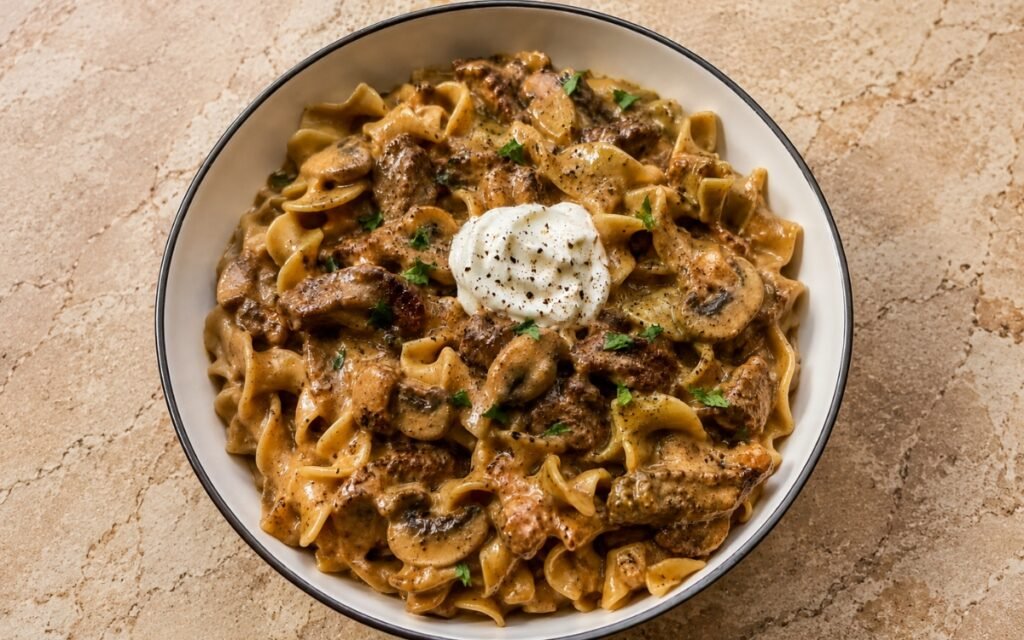
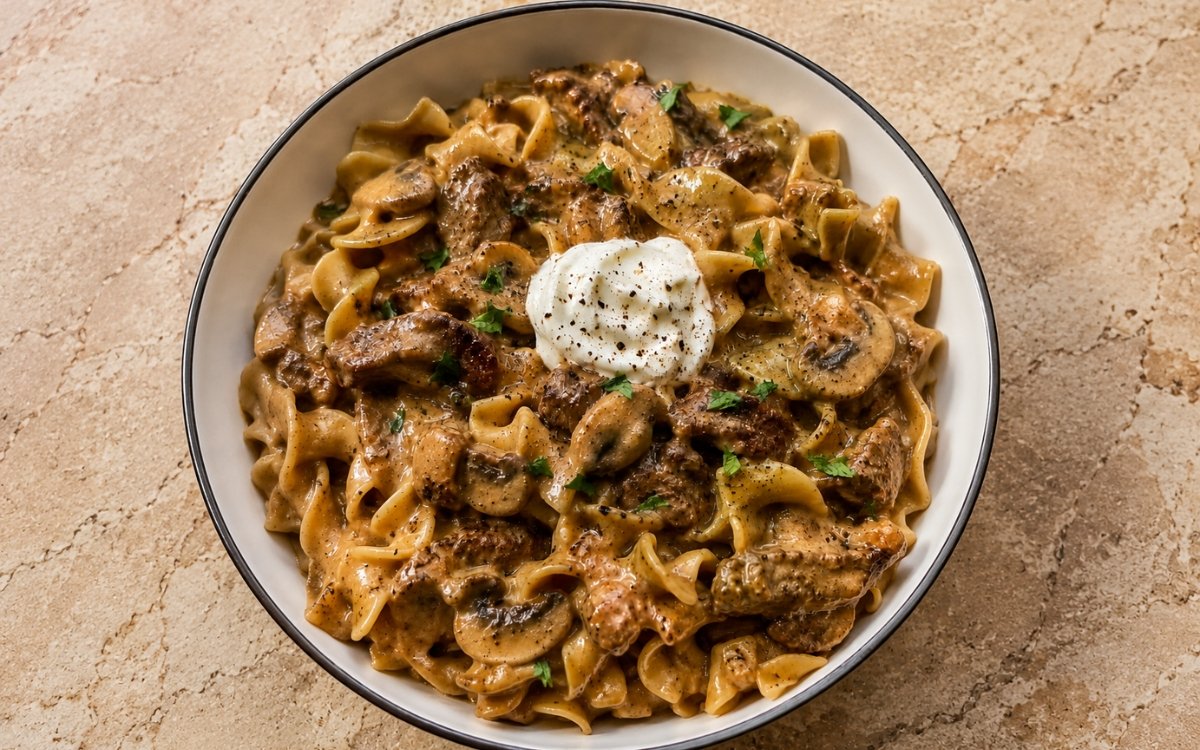
Classic beef stroganoff with tender strips of beef, browned mushrooms, onion, garlic, a rich creamy brown sauce, and buttery egg noodles. Finished with sour cream for that traditional tangy richness. The technique matters here: sear the beef fast over high heat, cook the mushrooms until properly browned, then finish the sauce gently so the sour cream stays smooth and the beef stays tender. Searing the beef hard and fast in properly spaced batches is the technique this whole dish depends on for tender, well-browned strips — a crowded pan traps the meat’s own released moisture, causing it to steam and toughen rather than sear, the same batch-searing-for-tenderness principle used elsewhere in this collection whenever thin-cut beef needs real colour without turning tough. Cooking the mushrooms until they actually brown, without stirring them constantly, is what builds the deep savoury flavour this sauce depends on rather than a flatter, paler result. Adding the sour cream only over very low heat, and returning the beef only briefly at the very end, is what keeps the finished sauce smooth and the meat tender rather than split or overcooked. The payoff is a stroganoff that’s genuinely rich, glossy, and tender — well-browned beef and mushrooms in a creamy, tangy brown sauce over buttery egg noodles.
Prep Time : 20 min
Cook Time : 30 min
Servings : 4
20 min
30 min
4
Ingredients
For the Egg Noodles
• 320g egg noodles — this one on Amazon
• 15g unsalted butter
• Fine sea salt, for the pasta water
For the Beef
• 700g beef, cut into thin strips (best options: sirloin, rump, striploin, or ribeye)
• 8g fine sea salt
• 3g freshly ground black pepper
• 10g all-purpose flour
• 15ml neutral oil
• 15g unsalted butter — this one on Amazon
For the Stroganoff Sauce
• 15ml neutral oil or butter, if needed
• 250g yellow onion, thinly sliced or finely diced
• 3 garlic cloves, minced
• 350g mushrooms, sliced (cremini, white mushrooms, or a mix)
• 12g Dijon mustard — this one on Amazon
• 10ml Worcestershire sauce — this one on Amazon
• 5g sweet paprika — this one on Amazon
• 2g black pepper
• 20g all-purpose flour
• 500ml beef stock
• 120g sour cream
• 10–15g chopped parsley
• Extra black pepper, for finishing
This post may contain affiliate links. As an Amazon Associate I earn from qualifying purchases, at no additional cost to you.
Directions
- Prepare the Beef
Pat the beef dry very well with paper towels. Slice into thin strips, then season with the salt and black pepper. Sprinkle over the flour and toss lightly so the beef is very thinly coated. That light flour coating helps the beef brown a little better and later helps the sauce cling and thicken slightly without becoming heavy. Drying the beef thoroughly before this whole process even begins is what allows the flour to adhere cleanly and the meat to sear properly rather than steaming against any residual surface moisture. - Cook the Egg Noodles
Bring a large pot of salted water to a boil. Cook the egg noodles until just tender according to the package directions. Drain, then toss with the butter so they stay glossy and separate. Set aside. Do not overcook the noodles. They should stay soft but still hold their shape because they will sit under the sauce. Tossing the noodles with butter immediately after draining coats each strand before they have a chance to stick together, keeping them genuinely separate rather than clumped by the time they’re plated. - Sear the Beef
Heat the oil and butter in a large skillet or sauté pan over high heat. Once hot, add the beef in batches and sear very quickly, just 45 to 90 seconds per batch, until lightly browned on the outside but not fully cooked through. Transfer the beef to a plate. Do not crowd the pan. If the beef is crowded, it will steam instead of sear, release too much liquid, and turn tougher. High heat and short cooking are the keys to tender stroganoff beef. That deliberately brief, hot sear is calibrated to build real colour on the outside while leaving the interior genuinely underdone — this dish’s final stage depends on that headroom to finish the beef gently rather than overcooking it twice. - Brown the Mushrooms
Lower the heat to medium-high. Add a touch more oil or butter if needed, then add the mushrooms. Cook them without stirring too often until they release their moisture and begin to brown properly, about 6 to 8 minutes. Add the onion and cook for another 4 to 5 minutes until softened. Stir in the garlic and cook for about 30 seconds. Let the mushrooms actually brown. This is where much of the deep savory flavor comes from. Pale mushrooms will give a flatter sauce. Stirring only occasionally, rather than constantly, gives the mushrooms genuine, sustained contact with the hot pan — that patience is exactly what allows them to move past simply releasing moisture and into actual browning, which constant stirring would interrupt before it ever really develops. - Build the Sauce
Add the Dijon mustard, Worcestershire sauce, paprika, and black pepper. Stir briefly. Sprinkle in the flour and stir for about 1 minute so it coats the vegetables and cooks slightly. Gradually pour in the beef stock while stirring, scraping up any browned bits from the bottom of the pan. Bring to a gentle simmer and cook for 4 to 6 minutes until the sauce thickens to a glossy, creamy brown consistency. Cooking the flour briefly in the fat and vegetables before any liquid is added, rather than adding it straight to the stock, is what cooks out its raw taste and lets it properly thicken the sauce once the stock does go in. - Finish the Stroganoff
Lower the heat to very low. Stir in the sour cream until smooth. Return the beef and any accumulated juices to the pan. Stir gently and warm through for 1 to 2 minutes, just until the beef is heated and barely finished cooking. Stir in part of the parsley and taste for salt and pepper. After the sour cream goes in, do not boil the sauce hard. Gentle heat keeps it smooth and prevents splitting. Also, the beef should only return at the end so it stays tender and juicy. Sour cream’s proteins are genuinely vulnerable to curdling under high heat, and keeping this final stage at very low heat is what protects the sauce’s smooth emulsion while also giving the deliberately underdone beef exactly the brief, gentle finish it needs. - Serve
Divide the buttery egg noodles among 4 bowls. Spoon the beef stroganoff over the top. Finish each serving with a small spoonful of sour cream, chopped parsley, and freshly ground black pepper. Serving immediately captures the dish at its glossiest and the beef at its most tender, right before either the sauce or the meat has any chance to change texture as it sits.
*Notes :
- Searing the beef hard and fast in properly spaced batches deserves recognition as the technique most responsible for whether this stroganoff’s meat turns out tender or tough. A crowded pan traps the collective moisture the beef releases, dropping the pan’s temperature and causing the meat to steam in that trapped liquid rather than actually searing against the hot surface — working in batches, even though it takes a little longer, is what protects every strip’s texture.
- Letting the mushrooms brown properly, resisting the urge to stir them constantly, deserves the same attention this technique receives throughout this collection’s other browned-vegetable sauces. Real browning only develops through sustained, largely undisturbed contact with the hot pan — mushrooms stirred too frequently release their moisture and simply simmer in it rather than actually developing the deep, savoury colour this sauce depends on for real depth.
- Cooking the flour briefly in the fat before any stock is added, rather than whisking it directly into the liquid, is a genuine, deliberate technique worth understanding on its own terms. That brief cook removes flour’s raw, starchy taste and coats it properly in fat, which is what allows it to thicken the sauce smoothly and cleanly once the stock joins, rather than leaving any raw flour taste or uneven, lumpy thickening.
- The recipe’s own explicit warning against boiling the sauce hard once the sour cream is added deserves genuine respect. Sour cream’s proteins are meaningfully more heat-sensitive than the rest of the sauce, and a hard boil at this final stage risks the whole sauce splitting into a curdled, unpleasant texture — the low, gentle heat specified here protects that smooth emulsion right through to serving.
Why This Recipe Works
This recipe works because the beef is seared hard and fast in properly spaced batches, protecting its tenderness while building real colour and leaving genuine headroom for a gentle final finish. The mushrooms are browned properly through patient, mostly undisturbed cooking, building real savoury depth.
The flour is cooked briefly in fat before any liquid joins, allowing smooth, clean thickening. The sour cream is stirred in only over very low heat, and the beef returns only briefly at the very end, protecting both the sauce’s emulsion and the meat’s tenderness right through to serving.
Ingredient Breakdown
Thinly Sliced, Batch-Seared Beef
The centrepiece — seared hard and fast in properly spaced batches, protecting tenderness while building real colour.
Properly Browned Mushrooms
The flavour foundation — patient, mostly undisturbed cooking is what builds genuine savoury depth.
Flour Cooked Briefly in Fat
The critical thickening technique — removes raw flour taste and enables smooth, clean sauce thickening.
Low-Heat Sour Cream Addition
The critical finishing technique — protects the sauce’s smooth emulsion from splitting under too much heat.
Briefly Returned Beef
The finishing technique — added only at the very end, keeping the meat tender rather than overcooked.
Flavor Structure Explained
This beef stroganoff follows a layered balance model:
- Savoury seared foundation (batch-seared beef strips)
- Deep umami body (properly browned mushrooms, onion, garlic)
- Rich glossy sauce (beef stock, Dijon, Worcestershire, flour)
- Tangy creamy finish (sour cream)
- Neutral buttery base (egg noodles)
Batch-seared beef strips provide this dish’s savoury foundation, their tenderness protected by proper searing technique. Properly browned mushrooms, onion, and garlic contribute deep, genuine umami body. Beef stock, Dijon mustard, and Worcestershire sauce build a rich, glossy sauce base. Sour cream, added only over gentle heat, finishes the dish with classic tangy creaminess. Buttery egg noodles provide a neutral, hearty foundation that lets the rich sauce and tender beef take center stage.
Common Mistakes to Avoid
- Crowding the Pan While Searing the Beef – This causes it to steam and turn tough rather than sear. Always work in properly spaced batches.
- Stirring the Mushrooms Too Often – This prevents real browning and produces a flatter-tasting sauce. Always let them cook mostly undisturbed.
- Adding the Flour Directly to the Stock – This risks a raw taste and uneven thickening. Always cook it briefly in the fat first.
- Boiling the Sauce Hard After the Sour Cream Is Added – This risks the sauce splitting. Always keep this final stage at very low heat.
- Returning the Beef to the Pan Too Early – This risks overcooking meat that was already deliberately seared underdone. Always add it back only at the very end.
Variations
Extra-Mushroom Version
Increase the mushrooms slightly for a more mushroom-forward, umami-rich sauce.
Lighter Version
Substitute Greek yogurt for sour cream, stirring it in with the same low-heat care to avoid splitting.
Extra-Tangy Version
Increase the Dijon mustard slightly for a sharper, more mustard-forward sauce.
Rice Version
Serve over steamed rice instead of egg noodles for a different, equally classic pairing.
Storage & Make-Ahead
Best served fresh, since the sauce can thicken and the beef can toughen slightly on reheating.
Leftovers can be refrigerated for a couple of days; reheat gently over low heat with a splash of stock to loosen the sauce, taking care not to boil it hard.
The egg noodles can be cooked ahead and tossed with a little extra butter before reheating gently alongside the sauce.
Frequently Asked Questions
Why does the beef need to be seared in properly spaced batches rather than all at once?
A crowded pan traps the collective moisture the beef releases, causing it to steam rather than sear. Working in batches gives every strip direct contact with the hot pan, protecting its tenderness.
Why do the mushrooms need to cook mostly undisturbed rather than being stirred constantly?
Real browning only develops through sustained contact with the hot pan. Mushrooms stirred too frequently release their moisture and simmer in it rather than actually browning, producing a flatter-tasting sauce.
Why is the flour cooked briefly in the fat before the stock is added?
That brief cook removes the flour’s raw, starchy taste and coats it properly in fat, allowing it to thicken the sauce smoothly and cleanly once the liquid is added.
Why can’t the sauce be boiled hard after the sour cream goes in?
Sour cream’s proteins are meaningfully more heat-sensitive than the rest of the sauce, and a hard boil risks it splitting into a curdled texture. Low, gentle heat protects that smooth emulsion.
Are there other classic beef, meatball, or creamy pasta dishes worth trying?
Swedish Meatballs is worth exploring for a related creamy, beef-based comfort dish. Braised Beef Chuck Steak and Classic Mashed Potatoes are also worth trying, and Pappardelle with White Sausage Ragu offers another rich, creamy pasta direction worth exploring.
Nutrition Facts
( per serving )
Calories
~680 kcal
Protein
40 g
Fat
30 g
Carbs
58 g
Calories
~680 kcal
Protein
40 g
Fat
30 g
Carbs
58 g
Related Recipes
Related Recipes

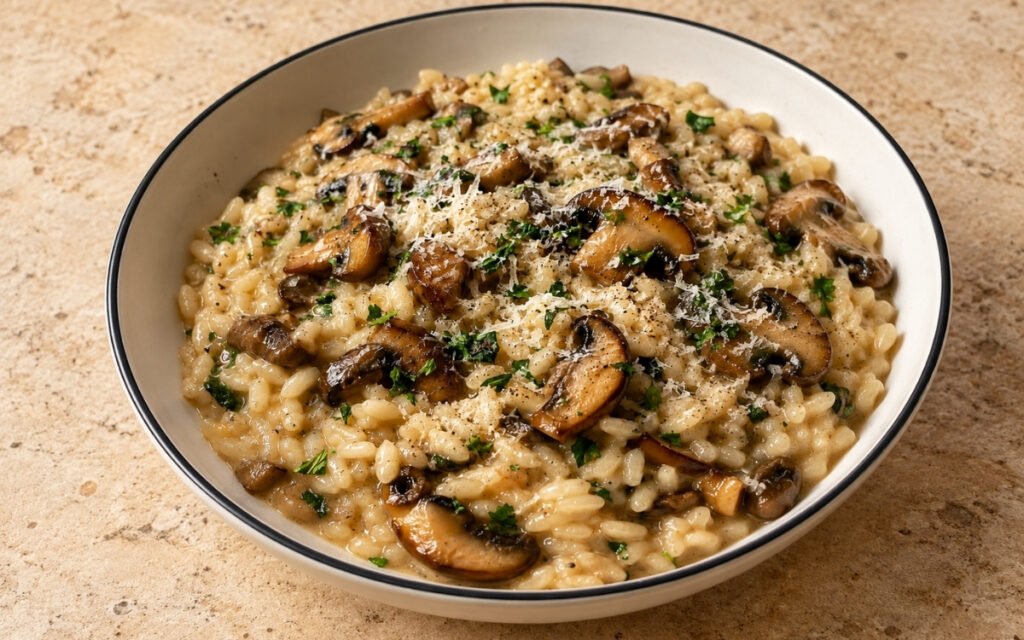
Mushroom Risotto
Creamy Arborio or Carnaroli rice with browned meaty mushrooms, white wine, shallot, and Parmesan, finished loose and silky.
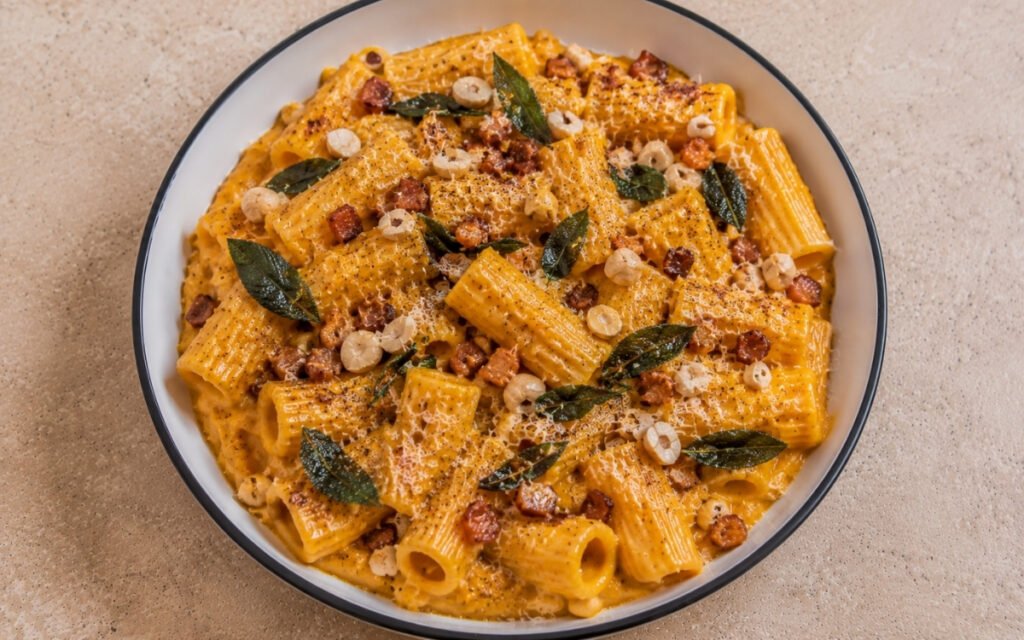
Creamy Pumpkin Sauce Pasta with Pancetta
Pumpkin cream sauce in pancetta fat, topped with crispy pancetta, fried sage, and hazelnuts — 40 minutes.
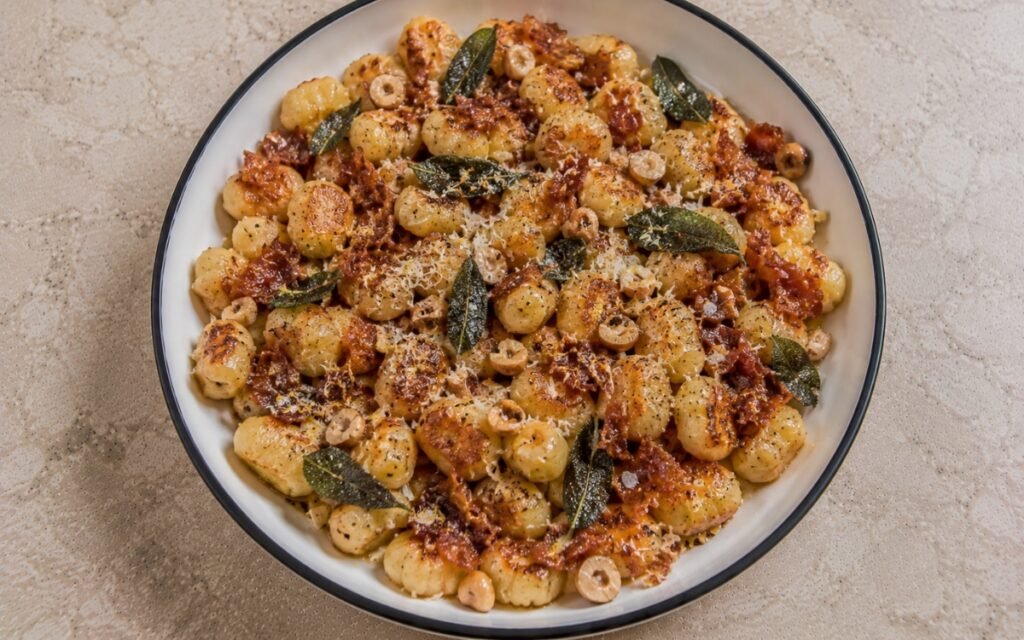
Brown Butter Sage Gnocchi
Pillowy gnocchi coated in nutty brown butter with fragrant sage leaves, golden edges, and a rich, buttery finish.
You might also like
You might also like
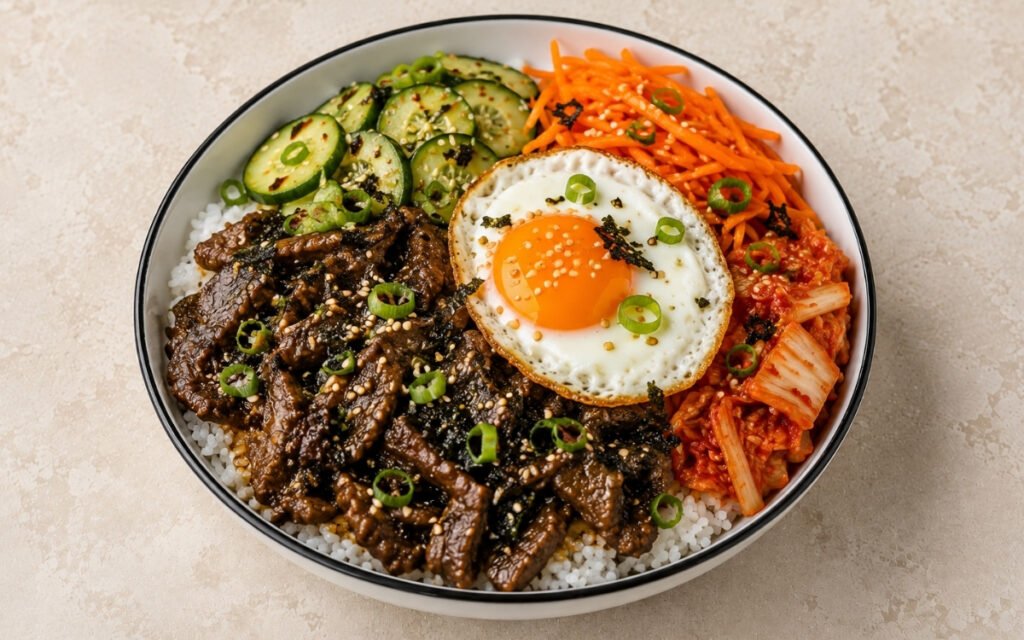
Korean Beef Bulgogi Rice Bowl
Caramelized beef bulgogi over rice with kimchi, pickled cucumber, carrots, a fried egg, scallions, and sesame.
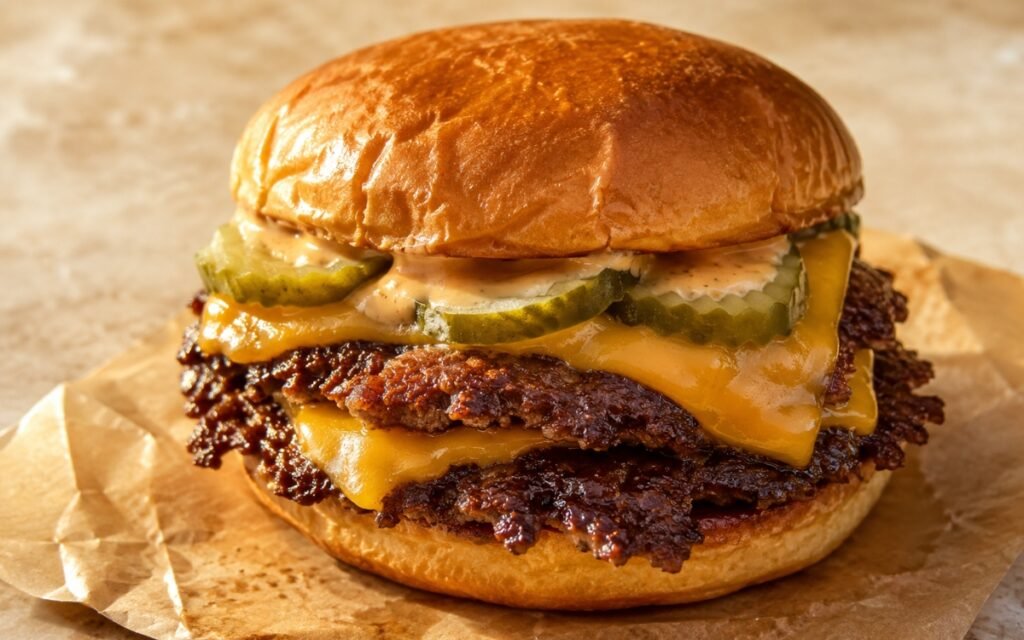
Double Smash Burger
Two thin smashed beef patties with melted American cheese, tangy burger sauce and dill pickle planks on a butter-toasted bun.
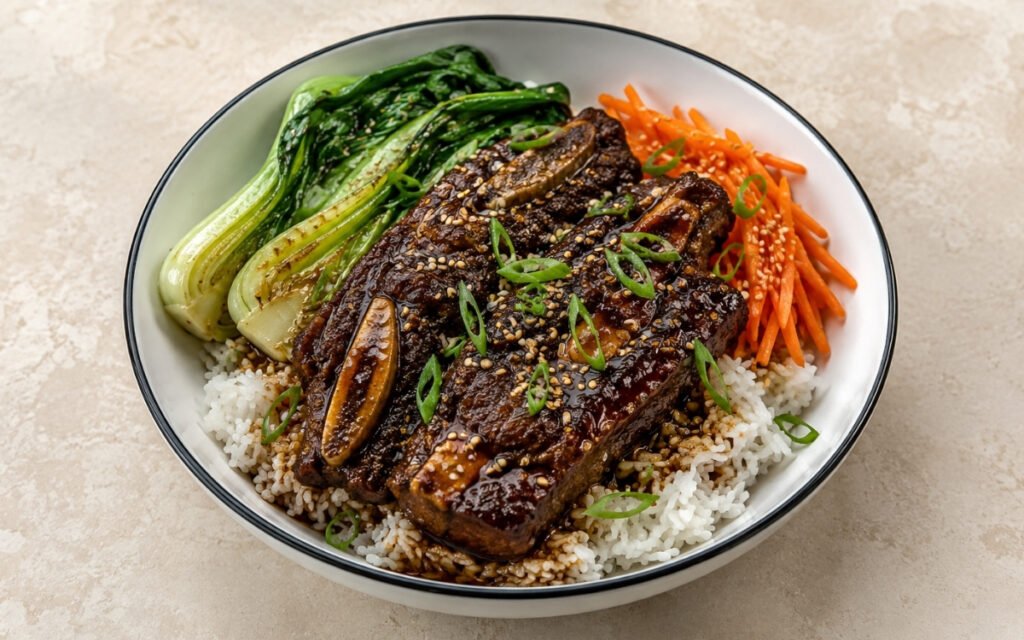
Korean-Style Braised Beef Rice Bowl
Bone-in short ribs braised 2 hours in soy-mirin-gochugaru-star anise liquid — strained, reduced to a glossy sauce, shredded beef returned. Over jasmine rice with bok choy.
Beef Stroganoff
Ingredients
Method
- Pat the beef dry very well with paper towels. Slice into thin strips, then season with the salt and black pepper. Sprinkle over the flour and toss lightly so the beef is very thinly coated. That light flour coating helps the beef brown a little better and later helps the sauce cling and thicken slightly without becoming heavy. Drying the beef thoroughly before this whole process even begins is what allows the flour to adhere cleanly and the meat to sear properly rather than steaming against any residual surface moisture.
- Bring a large pot of salted water to a boil. Cook the egg noodles until just tender according to the package directions. Drain, then toss with the butter so they stay glossy and separate. Set aside. Do not overcook the noodles. They should stay soft but still hold their shape because they will sit under the sauce. Tossing the noodles with butter immediately after draining coats each strand before they have a chance to stick together, keeping them genuinely separate rather than clumped by the time they’re plated.
- Heat the oil and butter in a large skillet or sauté pan over high heat. Once hot, add the beef in batches and sear very quickly, just 45 to 90 seconds per batch, until lightly browned on the outside but not fully cooked through. Transfer the beef to a plate. Do not crowd the pan. If the beef is crowded, it will steam instead of sear, release too much liquid, and turn tougher. High heat and short cooking are the keys to tender stroganoff beef. That deliberately brief, hot sear is calibrated to build real colour on the outside while leaving the interior genuinely underdone — this dish’s final stage depends on that headroom to finish the beef gently rather than overcooking it twice.
- Lower the heat to medium-high. Add a touch more oil or butter if needed, then add the mushrooms. Cook them without stirring too often until they release their moisture and begin to brown properly, about 6 to 8 minutes. Add the onion and cook for another 4 to 5 minutes until softened. Stir in the garlic and cook for about 30 seconds. Let the mushrooms actually brown. This is where much of the deep savory flavor comes from. Pale mushrooms will give a flatter sauce. Stirring only occasionally, rather than constantly, gives the mushrooms genuine, sustained contact with the hot pan — that patience is exactly what allows them to move past simply releasing moisture and into actual browning, which constant stirring would interrupt before it ever really develops.
- Add the Dijon mustard, Worcestershire sauce, paprika, and black pepper. Stir briefly. Sprinkle in the flour and stir for about 1 minute so it coats the vegetables and cooks slightly. Gradually pour in the beef stock while stirring, scraping up any browned bits from the bottom of the pan. Bring to a gentle simmer and cook for 4 to 6 minutes until the sauce thickens to a glossy, creamy brown consistency. Cooking the flour briefly in the fat and vegetables before any liquid is added, rather than adding it straight to the stock, is what cooks out its raw taste and lets it properly thicken the sauce once the stock does go in.
- Lower the heat to very low. Stir in the sour cream until smooth. Return the beef and any accumulated juices to the pan. Stir gently and warm through for 1 to 2 minutes, just until the beef is heated and barely finished cooking. Stir in part of the parsley and taste for salt and pepper. After the sour cream goes in, do not boil the sauce hard. Gentle heat keeps it smooth and prevents splitting. Also, the beef should only return at the end so it stays tender and juicy. Sour cream’s proteins are genuinely vulnerable to curdling under high heat, and keeping this final stage at very low heat is what protects the sauce’s smooth emulsion while also giving the deliberately underdone beef exactly the brief, gentle finish it needs.
- Divide the buttery egg noodles among 4 bowls. Spoon the beef stroganoff over the top. Finish each serving with a small spoonful of sour cream, chopped parsley, and freshly ground black pepper. Serving immediately captures the dish at its glossiest and the beef at its most tender, right before either the sauce or the meat has any chance to change texture as it sits.