
Beef Chow Fun
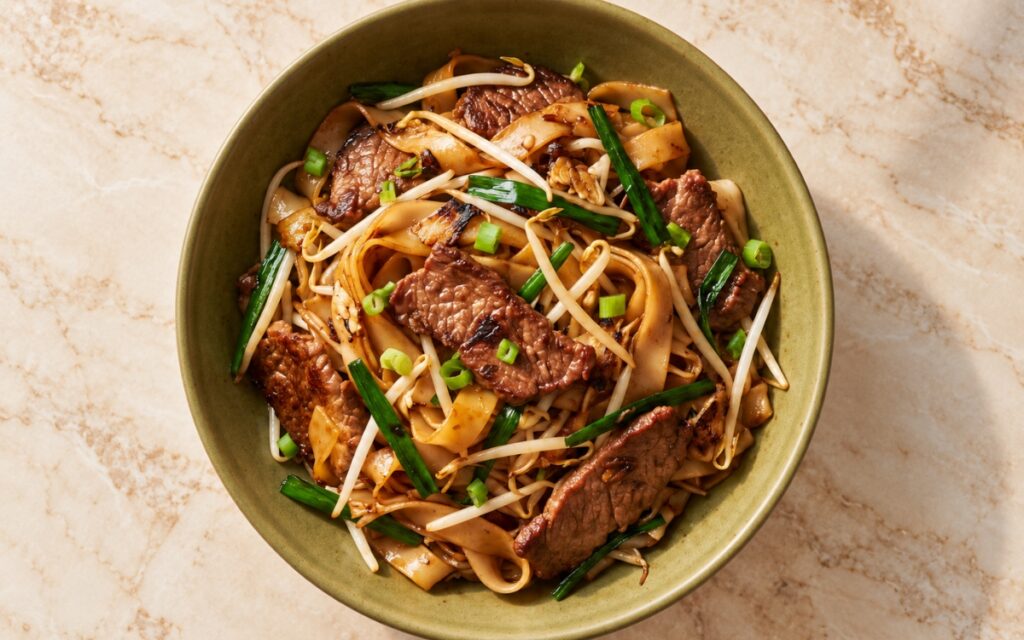
Classic Cantonese-style Beef Chow Fun made with broad, glossy fresh rice noodles stir-fried over fierce heat with thinly sliced seared beef, crisp bean sprouts, Chinese chives, scallions, and garlic in a dark soy-based wok sauce, the key being the contrast between silky, lightly charred noodles and fresh, crunchy greens. Letting the noodles sit against the hot wok before tossing, rather than stirring constantly, is the technique this whole dish depends on for real wok hei — constant stirring steams the noodles and tears them into shreds instead of charring them, the same dry-hot-wok-for-char principle used elsewhere in this collection whenever a stir-fry’s final flavour depends on uninterrupted contact with genuinely hot metal. Slicing the beef thinly across the grain and marinating it briefly with cornstarch is what keeps every strip tender and juicy through the fierce heat of the wok. Searing the beef only until browned at the edges, then returning it at the end, is what lets it finish cooking without turning tough. The payoff is a noodle main with real, smoky Cantonese character — glossy broad noodles with a few wok-charred patches, tender beef slices, crunchy sprouts, and bright green chive and scallion contrast.
Prep Time : 25 min
Total Time : 1 hr 15 min
Servings : 4
25 min
1 hr 15 min
4
Ingredients
For the Beef and Marinade
• 600g flank steak, sirloin, or rump steak
• 1 tbsp light soy sauce
• 1 tbsp Shaoxing wine
• 1 tsp oyster sauce
• 1 tsp cornstarch
• ½ tsp sugar
• ¼ tsp white pepper
• 1 tsp neutral oil
For the Noodles and Vegetables
• 800g fresh wide rice noodles (ho fun / shahe fen)
• 250g bean sprouts
• 120–150g Chinese chives (garlic chives), cut into 5–6cm lengths
• 4 scallions, cut into 4–5cm batons, plus a little extra sliced scallion for garnish if wanted
• 3 cloves garlic, thinly sliced
• 2–3 tbsp neutral oil, for stir-frying
For the Stir-Fry Sauce
• 2 tbsp light soy sauce
• 1½ tbsp dark soy sauce
• 1½ tbsp oyster sauce
• 1 tbsp Shaoxing wine
• 1 tsp sugar
• ½ tsp white pepper
• 1 tsp sesame oil
Directions
- Marinate the Beef
Slice the beef thinly across the grain into bite-size strips, cutting against the visible muscle fibres. Combine in a bowl with the light soy sauce, Shaoxing wine, oyster sauce, cornstarch, sugar, white pepper, and 1 tsp neutral oil, mixing until every strip is lightly and evenly coated. Let it stand for 20–30 minutes while you prepare everything else, but not for hours, since this is a short stir-fry marinade, not a braise. The strips should look genuinely glossy and lightly coated rather than sitting in liquid. That thin cornstarch coating is what shields the beef from the wok’s fierce heat, keeping it juicy instead of dry. - Loosen the Noodles
Gently separate the fresh rice noodles by hand into loose ribbons. If they are cold and firm, let them come closer to room temperature first. If refrigerated noodles are stuck together, warm them very briefly so they loosen, but do not soak them heavily or they may break, and do not rinse them unless absolutely necessary. The ribbons should lift apart freely, with no clumps. That genuinely careful separation now is what protects the noodles later, since the stir-fry moves far too fast to untangle them in the wok. - Mix the Sauce
In a small bowl, combine the light soy sauce, dark soy sauce, oyster sauce, Shaoxing wine, sugar, white pepper, and sesame oil, stirring until the sugar dissolves. Set the bowl beside the stove where it can be poured in one smooth motion. The sauce should look dark, glossy, and deliberately modest in volume, because chow fun should finish glossy, not wet. That dark soy is what supplies the classic brown colour and slightly caramelised look the finished noodles are known for. - Prep the Vegetables
Wash the bean sprouts and dry them well. Cut the Chinese chives into 5–6cm lengths, the scallions into 4–5cm batons, and slice the garlic thinly. Keep each ingredient in its own pile within arm’s reach of the stove, with the extra sliced scallion set aside for garnish if wanted. Keep the vegetables simple and classical, with no broccoli, carrots, peppers, or onions. Drying the sprouts genuinely thoroughly is what stops stray water from cooling the wok and steaming the noodles when the final toss begins. - Sear the Beef
Heat a wok or large heavy pan over very high heat until just smoking. Add 1 tbsp of the stir-fry oil and swirl to coat. Add the beef in a single layer and sear for about 45–60 seconds per side, just until browned at the edges and mostly cooked, then remove it immediately to a plate. If the pan is small, cook the beef in 2 batches. The beef should not be cooked fully through at this stage. That brief sear is what genuinely builds browned flavour while leaving the strips tender enough to finish later without toughening. - Stir-Fry the Noodles
Reheat the wok over high heat and add the remaining 1–2 tbsp oil. Add the garlic and scallion batons and stir-fry for 10–15 seconds until fragrant. Add the noodles and spread them across the wok surface, letting them sit for 30–45 seconds to pick up heat and a few lightly charred spots before tossing. Pour the sauce around the edge of the wok, then toss and lift carefully for 1–2 minutes until the noodles are evenly coloured. Return the beef, then add the bean sprouts and chives and toss for 30–45 seconds, just until the sprouts wilt slightly and the chives soften. Remove immediately. On a home stove, work in 2 smaller batches, dividing the noodles, sauce, beef, and vegetables equally. That speed and restraint is what keeps the noodles charred and silky rather than mushy. - Serve
Divide the chow fun between 4 bowls or plates and serve immediately, garnishing with a little extra sliced scallion if wanted. The finished dish should show glossy broad noodles, visible dark soy colour, a few wok-charred patches, tender beef slices distributed prominently, crunchy bean sprouts, and green chive and scallion contrast. Serving it straight from the wok is what genuinely captures the noodles at their silkiest and the sprouts at their crispest, before steam softens either.
*Notes :
- Cooking over very high heat in a dry, uncrowded wok deserves genuine recognition as the technique most directly responsible for the wok hei that defines this dish. The recipe’s own explicit statement that this dish “depends on very high heat and speed” reflects the reality that a crowded or under-heated wok steams the noodles, leaving them pale and soft rather than smoky and lightly charred.
- Slicing the beef thinly across the grain deserves the same attention this technique receives throughout this collection’s other quick-seared beef dishes. Cutting against the muscle fibres shortens them, so each strip stays genuinely tender after only 45–60 seconds per side, while the cornstarch coating holds the juices in during the sear.
- Handling the wide rice noodles gently deserves genuine respect as the detail most directly responsible for whether the finished dish has whole, silky ribbons. The recipe’s own warning that wide rice noodles “tear easily” explains why they are separated by hand beforehand, never soaked heavily, and left to sit undisturbed at the start of the stir-fry rather than stirred aggressively.
- Keeping the sauce measured and the vegetables minimal deserves attention as a genuine, checkable standard rather than a loose approximation. The recipe’s own goal that chow fun “should be glossy, not wet” gives a visible cue, noodles that shine with no liquid pooling in the wok, and sticking to beef, sprouts, chives, and scallions keeps the dish recognisably classical.
Why This Recipe Works
This recipe works because the beef is sliced thinly across the grain and given a short cornstarch marinade, which keeps it genuinely tender through fierce heat. Searing it in a single layer and removing it early lets it finish gently in the final toss rather than overcooking. The noodles are separated beforehand and left to sit against the hot metal, picking up genuine light char without tearing. A measured dark soy sauce coats them in colour and gloss rather than liquid, and the bean sprouts and chives go in last, so the finished bowl keeps its fresh crunch against silky, smoky noodles.
Ingredient Breakdown
Very High Heat and a Dry Wok
The critical technique — fierce, uncrowded heat lightly chars the noodles and builds the smoky wok hei authentic chow fun needs.
Fresh Wide Rice Noodles (Ho Fun / Shahe Fen)
The critical ingredient choice — broad fresh ribbons give the silky, chewy texture this dish is built around.
Beef Sliced Across the Grain
The critical technique — cutting against the fibres shortens them, keeping each strip tender after a brief, fierce sear.
Cornstarch in the Marinade
The structural choice — a thin protective coating helps the beef stay juicy through the wok’s intense heat.
Dark Soy Sauce
The defining flavour ingredient — it supplies the deep brown colour and slightly caramelised look without making the noodles taste sweet.
Chinese Chives and Bean Sprouts (Added Last)
The finishing technique — adding them in the final seconds keeps them crisp and green instead of wilted.
Flavor Structure Explained
This beef chow fun follows a layered balance model:
- Silky, charred foundation (fresh wide rice noodles, wok-charred patches)
- Tender, savoury centrepiece (thinly sliced seared beef)
- Dark, glossy depth (dark soy sauce, light soy sauce, oyster sauce, Shaoxing wine)
- Fresh, crunchy contrast (bean sprouts, Chinese chives)
- Aromatic finishing note (garlic, scallion, sesame oil)
Fresh wide rice noodles with a few wok-charred patches provide this dish’s silky, smoky foundation. Thinly sliced seared beef adds a tender, savoury centrepiece distributed through every bowl. Dark and light soy, oyster sauce, and Shaoxing wine layer in glossy, savoury depth, while bean sprouts and Chinese chives deliver fresh, crunchy contrast. Garlic, scallion, and a touch of sesame oil add the aromatic finishing note that ties the whole dish together.
Common Mistakes to Avoid
- Overcrowding the Wok – This drops the temperature, so the noodles and beef steam instead of charring. Always cook in 2 smaller batches on a home stove.
- Stirring the Noodles Too Aggressively – This shreds the delicate ribbons and prevents any charred patches from forming. Always let them sit briefly against the hot wok, then lift and toss gently.
- Adding Too Much Sauce – This leaves the noodles wet and sticky rather than glossy. Always pour in only the measured sauce, around the edge of the wok.
- Cooking the Beef Fully Through During the Sear – This leaves the strips tough and dry once they return to the wok. Always remove them when just browned and finish them in the final toss.
- Adding the Sprouts and Chives Too Early – This wilts them into the noodles and loses their fresh crunch. Always add them last and toss for only 30–45 seconds.
Variations
Dried Noodle Version
Substitute dried wide rice noodles, cooked until just tender, drained very well, lightly oiled, and cooled before stir-frying, per the recipe’s own note, when fresh ho fun is not available.
Sirloin or Rump Version
Swap the flank steak for sirloin or rump, per the recipe’s own note that both work well, slicing them just as thinly across the grain for equally tender strips.
Heavy Pan Version
Use a large heavy pan in place of a wok, per the recipe’s own suggestion, heating it until just smoking and cooking in 2 smaller batches to keep the heat high.
Extra-Scallion Version
Finish each bowl with a little additional thinly sliced scallion, per the recipe’s own garnish suggestion, for a fresher, sharper green note against the dark soy-coated noodles.
Storage & Make-Ahead
Buy fresh wide rice noodles (ho fun or shahe fen) for the most authentic result, and let cold, firm noodles come closer to room temperature before separating them gently by hand so the ribbons do not tear.
The sauce can be mixed and the vegetables washed, dried, and cut earlier in the day, but keep the beef marinade to the 20–30 minute window rather than leaving it for hours.
Chow fun is at its best served immediately from the wok, because the noodles lose their gloss and the sprouts lose their crunch as the dish sits and steams.
Refrigerate leftovers in an airtight container within an hour of cooking and eat within 2 days, reheating in a hot wok or pan with a small splash of water until steaming throughout.
If using dried noodles, cook them until just tender, drain very well, oil them lightly, and cool them completely, which can all be done earlier in the day so they are ready for the wok.
Frequently Asked Questions
Why does the beef need to be sliced across the grain before marinating?
Cutting against the muscle fibres shortens them, so each strip stays tender even after a fierce sear. Slicing with the grain leaves long fibres that turn chewy and tough in the wok.
Why are the noodles left to sit in the wok before they are tossed?
Letting them rest against the hot metal for a short moment is what builds the light charred patches and smoky wok hei. Stirring constantly instead steams and shreds the delicate ribbons.
Why is the beef seared first and removed before the noodles go in?
Searing it in a single layer builds browned flavour without overcooking it, and removing it early keeps the strips tender. It returns near the end to finish cooking in the final toss.
Why do the bean sprouts and Chinese chives go in at the very end?
Both cook in seconds, so adding them last keeps the sprouts crunchy and the chives bright and fresh. Added earlier, they wilt into the noodles and lose their contrast.
Are there other classic stir-fried noodle, beef stir-fry, or scallion noodle dishes worth trying?
Pad See Ew — Thai Stir-Fried Wide Noodles offers another classic wide-noodle direction worth exploring. Mongolian Beef and Noodles and Easy Chicken Chow Mein Noodles are also worth trying for other savoury directions, and Peking Beef Stir-Fry Bowl and Shanghai Scallion Oil Noodles offer other noodle dishes worth exploring.
Nutrition Facts
( Per Serving )
Calories
~630 kcal
Protein
38 g
Fat
24 g
Carbs
60 g
Calories
~630 kcal
Protein
38 g
Fat
24 g
Carbs
60 g
Related Recipes
Related Recipes
-

Filipino Pork Adobo Bowl
Pork belly braised in soy sauce, cane vinegar, garlic and bay leaves until glossy, served over jasmine rice with scallions and garlic chips.
-
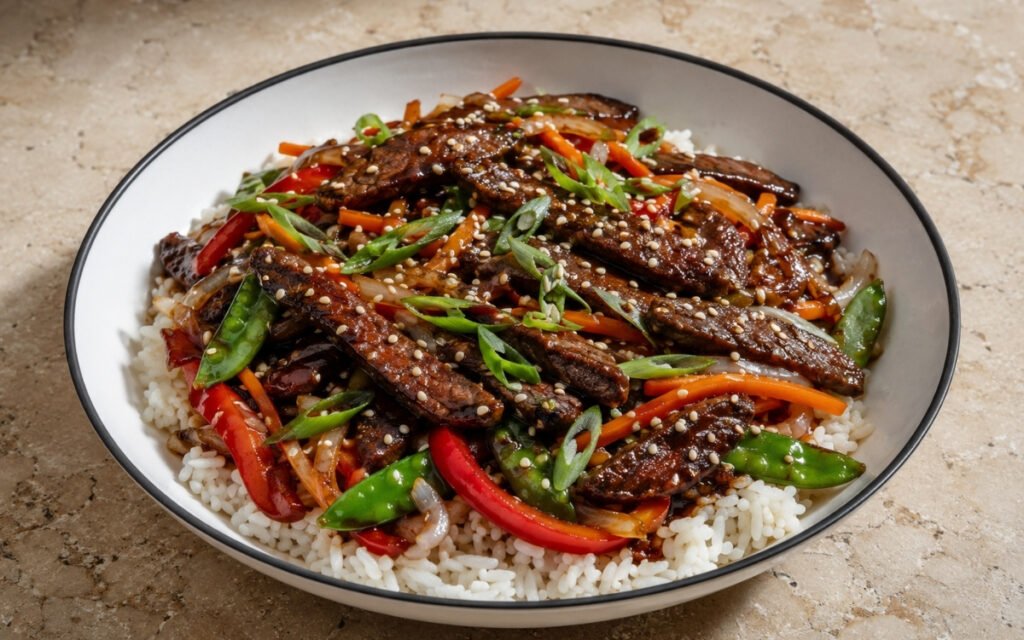
Peking Beef Stir-Fry Bowl
Tender flank steak in sticky Peking sauce with vegetables over jasmine rice—ready in 40 minutes.
-
Tonkatsu with Cabbage Slaw
Golden panko-crusted pork cutlet, sliced and served over fine cabbage with fluffy rice, glossy sauce, and lemon.


You might also like
You might also like
-
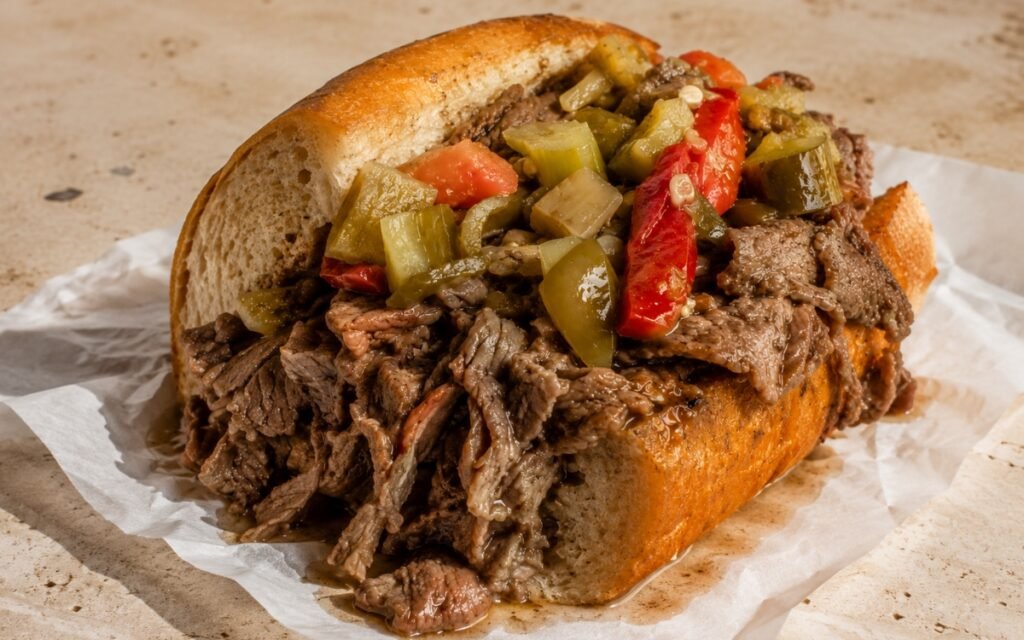
Italian Beef Sandwich
Thin-sliced roast beef warmed in a heavily seasoned au jus, piled into crusty homemade French rolls with sharp giardiniera and roasted peppers.
-
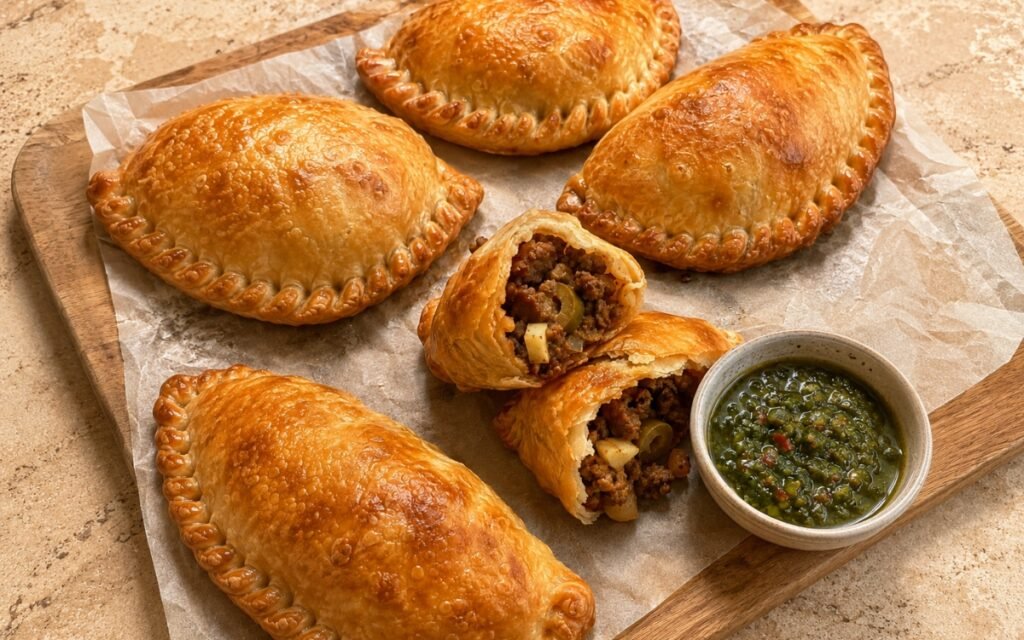
Beef Empanadas
Flaky, blistered baked pastry sealed around a savory beef filling with paprika, cumin, green olives, and hard-boiled egg.
-
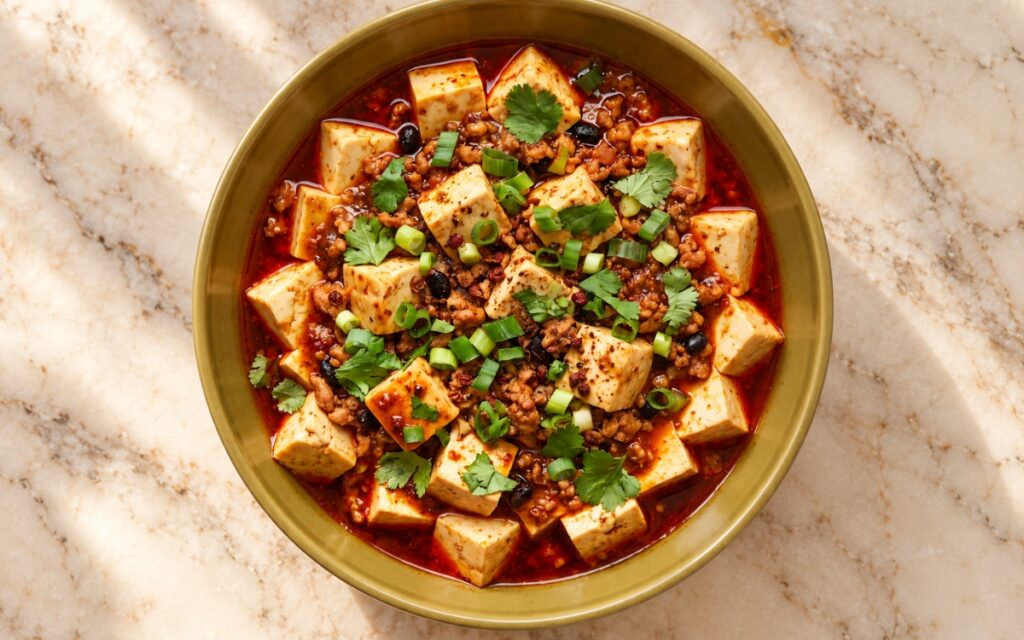
Mapo Tofu
Soft tofu cubes in a glossy brick-red chili oil sauce with browned minced pork, doubanjiang, fermented black beans and numbing Sichuan pepper.

Beef Chow Fun
Ingredients
Method
- Slice the beef thinly across the grain into bite-size strips, cutting against the visible muscle fibres. Combine in a bowl with the light soy sauce, Shaoxing wine, oyster sauce, cornstarch, sugar, white pepper, and 1 tsp neutral oil, mixing until every strip is lightly and evenly coated. Let it stand for 20–30 minutes while you prepare everything else, but not for hours, since this is a short stir-fry marinade, not a braise. The strips should look genuinely glossy and lightly coated rather than sitting in liquid. That thin cornstarch coating is what shields the beef from the wok’s fierce heat, keeping it juicy instead of dry.
- Gently separate the fresh rice noodles by hand into loose ribbons. If they are cold and firm, let them come closer to room temperature first. If refrigerated noodles are stuck together, warm them very briefly so they loosen, but do not soak them heavily or they may break, and do not rinse them unless absolutely necessary. The ribbons should lift apart freely, with no clumps. That genuinely careful separation now is what protects the noodles later, since the stir-fry moves far too fast to untangle them in the wok.
- In a small bowl, combine the light soy sauce, dark soy sauce, oyster sauce, Shaoxing wine, sugar, white pepper, and sesame oil, stirring until the sugar dissolves. Set the bowl beside the stove where it can be poured in one smooth motion. The sauce should look dark, glossy, and deliberately modest in volume, because chow fun should finish glossy, not wet. That dark soy is what supplies the classic brown colour and slightly caramelised look the finished noodles are known for.
- Wash the bean sprouts and dry them well. Cut the Chinese chives into 5–6cm lengths, the scallions into 4–5cm batons, and slice the garlic thinly. Keep each ingredient in its own pile within arm’s reach of the stove, with the extra sliced scallion set aside for garnish if wanted. Keep the vegetables simple and classical, with no broccoli, carrots, peppers, or onions. Drying the sprouts genuinely thoroughly is what stops stray water from cooling the wok and steaming the noodles when the final toss begins.
- Heat a wok or large heavy pan over very high heat until just smoking. Add 1 tbsp of the stir-fry oil and swirl to coat. Add the beef in a single layer and sear for about 45–60 seconds per side, just until browned at the edges and mostly cooked, then remove it immediately to a plate. If the pan is small, cook the beef in 2 batches. The beef should not be cooked fully through at this stage. That brief sear is what genuinely builds browned flavour while leaving the strips tender enough to finish later without toughening.
- Reheat the wok over high heat and add the remaining 1–2 tbsp oil. Add the garlic and scallion batons and stir-fry for 10–15 seconds until fragrant. Add the noodles and spread them across the wok surface, letting them sit for 30–45 seconds to pick up heat and a few lightly charred spots before tossing. Pour the sauce around the edge of the wok, then toss and lift carefully for 1–2 minutes until the noodles are evenly coloured. Return the beef, then add the bean sprouts and chives and toss for 30–45 seconds, just until the sprouts wilt slightly and the chives soften. Remove immediately. On a home stove, work in 2 smaller batches, dividing the noodles, sauce, beef, and vegetables equally. That speed and restraint is what keeps the noodles charred and silky rather than mushy.
- Divide the chow fun between 4 bowls or plates and serve immediately, garnishing with a little extra sliced scallion if wanted. The finished dish should show glossy broad noodles, visible dark soy colour, a few wok-charred patches, tender beef slices distributed prominently, crunchy bean sprouts, and green chive and scallion contrast. Serving it straight from the wok is what genuinely captures the noodles at their silkiest and the sprouts at their crispest, before steam softens either.