
Chicken Chow Mein
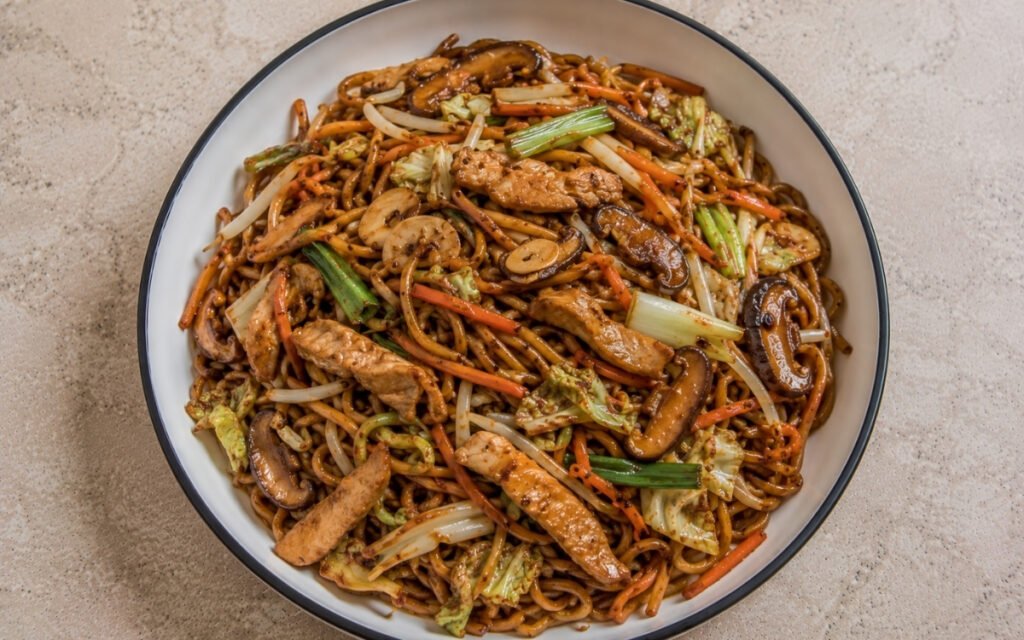
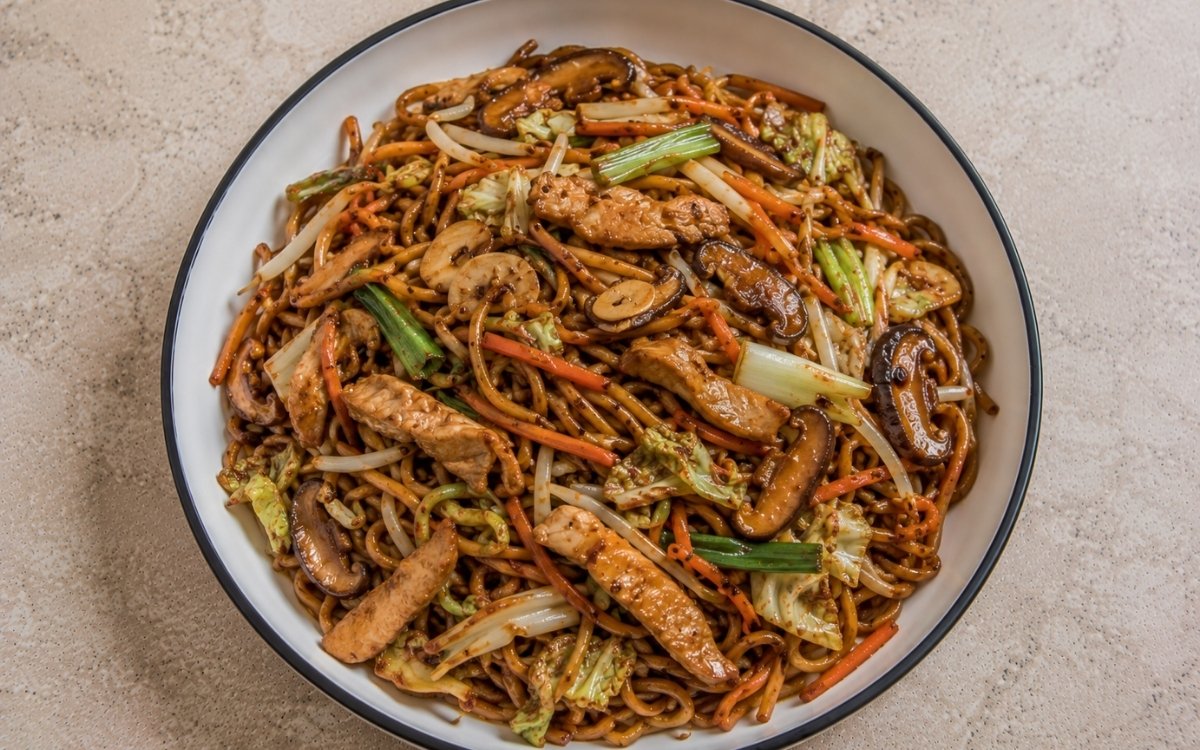
The Chinese takeout classic made properly at home — Hong Kong-style egg noodles blanched, tossed in oil, and then allowed to sit undisturbed in a smoking-hot wok for 30 seconds before being tossed with the vegetables, producing the slight crispness on the noodle exterior that separates restaurant chow mein from home versions. Chicken thighs seared golden and set aside while the aromatics and vegetables take their turn at maximum heat. A four-component sauce — light soy, dark soy, oyster sauce, and Shaoxing wine — thickened with a cornstarch slurry into the glossy, clinging coating that makes every strand taste of the dish. Thirty-five minutes.
Prep Time : 20 min
Cook Time : 15 min
Servings : 4
20 min
15 min
4
Ingredients
For the Chicken and Noodles
• 500g boneless, skinless chicken thighs, cut into thin strips
• 400g fresh Hong Kong-style egg noodles
• 2g salt for blanching noodles
• 60ml neutral oil (vegetable or peanut), divided
• 15ml toasted sesame oil — this one on Amazon
For the Vegetables
• 200g napa cabbage, roughly chopped
• 150g bean sprouts
• 120g shiitake mushrooms, stems removed and sliced
• 100g carrots, julienned
• 80g scallions, cut into 2-inch pieces (white and green parts separated)
• 30g fresh ginger, peeled and julienned
• 20g garlic (about 5 cloves), thinly sliced
For the Chow Mein Sauce
• 60ml light soy sauce
• 30ml oyster sauce — this one on Amazon
• 15ml dark soy sauce — this one on Amazon
• 45ml Shaoxing wine — this one on Amazon
• 10g granulated sugar
• 5g white pepper
• 60ml chicken stock
• 10g cornstarch mixed with 15ml water
This post may contain affiliate links. As an Amazon Associate I earn from qualifying purchases, at no additional cost to you.
Directions
- Blanch and Prepare the Noodles
Bring a large pot of water to a full rolling boil and add the 2g of salt. Add the 400g of fresh Hong Kong-style egg noodles and cook for exactly 2 minutes — fresh egg noodles are thin and cook very quickly, and 2 minutes produces a just-tender noodle with slight resistance remaining. Drain immediately and rinse under cold running water until completely cooled — the cold rinse stops cooking instantly and removes excess surface starch that would cause the thin noodles to clump together into a solid mass within minutes. Toss the rinsed noodles with 5ml of the neutral oil, coating every strand. Spread on a large plate or tray rather than leaving in a bowl — spreading prevents the bottom layer from being compressed and sticking while the top layer dries. Set aside completely ready before the wok is turned on. - Mix the Sauce and Slurry
In a small bowl, combine the 60ml of light soy sauce, 30ml of oyster sauce, 15ml of dark soy sauce, 45ml of Shaoxing wine, 10g of sugar, 5g of white pepper, and 60ml of chicken stock. Whisk until the sugar is completely dissolved. The four-component soy combination is the specific technique that produces depth and visual colour simultaneously: light soy provides the primary salt and savoury umami throughout the dish; dark soy provides a deeper, slightly molasses-sweet flavour and the characteristic deep brown colour that makes authentic chow mein visually distinct from a pale stir-fry; oyster sauce adds a concentrated sweet-savoury secondary umami layer with more body than soy alone; Shaoxing wine adds the aromatic, slightly fermented grain depth that is the background note in virtually every authentic Chinese stir-fry sauce. In a separate small bowl, combine the 10g of cornstarch with 15ml of water, stirring until completely smooth and lump-free. The slurry is added at the final stage and thickens the sauce from a liquid coating to a glossy, clinging sauce that adheres to every noodle strand. Stir the slurry immediately before using — cornstarch settles rapidly and will be fully separated if not restirred. - Sear the Chicken
Heat the wok over the highest available heat for 2–3 full minutes until a drop of water evaporates immediately and completely on contact with the surface. Add 25ml of the neutral oil and swirl to coat the entire wok surface. When the oil begins to shimmer and the first wisps of smoke appear, add the 500g of chicken strips in a single layer. The chicken must be cut to uniform thinness — approximately 5mm thick, cut across the grain of the thigh meat — so every piece reaches the correct internal temperature at the same time. Leave completely undisturbed for 90 seconds. The undisturbed contact with the smoking surface produces the caramelised, golden crust that contributes savoury depth to both the chicken and the wok’s cooking medium — the chicken fat rendered during this sear enriches the surface for subsequent cooking steps. Stir-fry for a further 2–3 minutes, turning the strips occasionally, until golden-brown on most surfaces and just cooked through. Transfer to a plate with all accumulated juices — these juices return to the wok at the combination step and contribute concentrated chicken flavour to the final sauce. - Stir-Fry Aromatics and Vegetables in Stages
Return the wok to high heat without cleaning it — the chicken fond remains on the surface and will be incorporated into the vegetables. Add the remaining 15ml of neutral oil. Add the julienned ginger and thinly sliced garlic simultaneously. Stir-fry for exactly 20 seconds, moving continuously — at the wok’s temperature, thin garlic slices and fine ginger julienne bloom their aromatic compounds explosively within 10 seconds and move toward burning within 30. The 20-second window produces fragrant, slightly cooked aromatics without bitterness. Add the white scallion parts, julienned carrots, and sliced shiitake mushrooms. Stir-fry for 2 minutes, tossing continuously but allowing brief stationary contact with the hot wok surface — the brief contacts produce the slight char at vegetable edges that is the visual and flavour signature of wok cooking. The shiitake will release moisture and then caramelise as the moisture evaporates. Add the napa cabbage and stir-fry for 1 minute until it begins to wilt at the edges while retaining crunch at the centres — napa cabbage at full wilt produces a watery, soft result; the brief 1-minute treatment leaves it tender-crisp. Add the bean sprouts and green scallion parts. Toss for 30 seconds — enough to heat the sprouts through while preserving their crunch completely. - Add the Noodles and Develop the Crust
Push all the vegetables to the outer edges of the wok, clearing a space in the centre. Add the remaining 15ml of neutral oil to the centre. Add the cooked, oiled noodles to the oil in the centre well. Spread them out with tongs and leave completely undisturbed for 30 seconds. This 30-second stationary contact with the hot, oiled wok surface is the technique step most responsible for the textural quality of restaurant chow mein — the noodles’ exterior surface caramelises very slightly against the wok, producing the characteristic slightly crisped, slightly smoky exterior that is absent from noodles that are simply tossed from the moment of entry. After 30 seconds, toss the noodles together with the vegetables from the outer edges. Return the seared chicken pieces and every drop of the accumulated resting juices to the wok. - Finish with Sauce and Slurry
Pour the entire prepared sauce mixture over the noodles, chicken, and vegetables. Toss vigorously for 1–2 minutes using a scooping and folding motion — the scooping action lifts the sauce from the bottom of the wok and folds it over the noodles rather than simply stirring, which distributes the sauce more evenly through the full depth of the ingredients. Give the cornstarch slurry an immediate stir to redistribute the settled starch, then drizzle it around the perimeter of the wok rather than pouring it into the centre — the perimeter drizzle allows the slurry to hit the hot wok surface briefly before being incorporated, which initiates the starch gelatinisation faster than cold slurry poured into the centre of the dish. Toss for 30 seconds as the sauce visibly thickens and develops the glossy sheen that coats each noodle strand. Drizzle the 15ml of toasted sesame oil over the finished dish and toss once more to distribute — the sesame oil goes in last because its aromatic compounds are volatile and would largely dissipate if added earlier in the cooking process. Serve immediately.
*Notes :
- Hong Kong-style egg noodles are the specific noodle format for chow mein — thin, springy, made from wheat flour and egg, with a slightly yellow colour from the egg content and a characteristic chewiness that holds up well under high-heat wok cooking without becoming soft or mushy. They are available fresh or dried in Asian grocery stores, typically in the refrigerated section as vacuum-packed portions. The fresh version requires only 2 minutes of blanching; the dried version requires cooking according to the package directions but should be pulled slightly underdone as they finish in the wok. Using any noodle format other than egg noodles — rice noodles, udon, or wheat noodles without egg — changes the dish’s character significantly. Rice noodles are the format for chow fun (a different dish); udon produces a Japanese-adjacent result; egg noodles are the format that makes this specifically chow mein.
- Dark soy sauce in this recipe is not interchangeable with light soy sauce for colour purposes. Dark soy sauce has been reduced and caramelised during its production, producing a thick, slightly molasses-sweet sauce with a deep mahogany colour. Even a small quantity — 15ml against 60ml of light soy — produces the characteristic deep, rich brown colour of authentic chow mein. Without dark soy, the dish will be correctly seasoned but pale and visually flat. Both are essential.
- The cornstarch slurry’s perimeter addition technique is a standard professional wok cooking practice: adding the slurry to the hot wok surface rather than directly into the sauce centre initiates gelatinisation on the thin layer of slurry that hits the surface before the bulk of it is tossed in, producing a faster, more uniform thickening.
Why This Recipe Works
This recipe works because it applies the correct wok technique at each stage: maximum preheat for the chicken sear, staged vegetable addition in order of cooking time required, the 30-second undisturbed noodle contact for surface crisping, and the perimeter slurry addition for fast, even sauce thickening.
The four-component sauce produces the colour, depth, and glossy coating quality that any single-component sauce cannot. The chicken thigh’s fat content keeps the protein moist through the sear and the final sauce toss. And the sesame oil added last preserves its volatile aromatic quality at serving.
Ingredient Breakdown
Hong Kong-Style Egg Noodles
The specific format for chow mein — thin, egg-enriched, springy, and heat-tolerant; the 30-second undisturbed wok contact produces the characteristic slightly crisped exterior.
Chicken Thighs (Thinly Sliced, Seared Undisturbed)
The fat-tolerant protein that stays juicy through high-heat searing; its caramelised crust contributes depth to the wok’s cooking surface.
Light Soy, Dark Soy, Oyster Sauce, Shaoxing Wine
The four-component sauce — light soy for umami-salt, dark soy for deep colour and molasses sweetness, oyster sauce for concentrated savoury-sweet depth, Shaoxing wine for aromatic grain complexity.
Cornstarch Slurry (Perimeter Addition)
The sauce thickener — added around the wok’s perimeter to initiate fast gelatinisation on the hot surface before the full toss.
Toasted Sesame Oil (Last)
The aromatic finish — added after all cooking is complete to preserve its volatile fragrant compounds at maximum intensity.
Flavor Structure Explained
This chicken chow mein follows a layered balance model:
- Sweet-savory umami core (soy sauces, oyster sauce, Shaoxing wine)
- Savory protein depth (chicken, stock)
- Aromatic signature (ginger, garlic, sesame oil)
- Textural contrast (noodles, vegetables, bean sprouts)
- Balanced coating (sauce integration)
The sauce defines the foundation with a sweet-salty-umami coating that clings to every noodle. Chicken builds a deeper savory layer through caramelisation and added stock richness. Ginger, garlic, and sesame oil create the aromatic identity, giving the dish its distinctive profile. Texture plays a critical role — crisped noodles, tender vegetables, and crunchy sprouts keep each bite dynamic. The structure relies on even coating and balance, ensuring all elements are present simultaneously rather than separately.
Common Mistakes to Avoid
- Not Preheating the Wok Sufficiently – The most consequential error — inadequate heat produces steamed, pale chicken and vegetables without caramelisation, and noodles that do not crisp. Preheat for the full 2–3 minutes.
- Not Separating the Noodles Before Adding – Clumped noodles in the wok will not separate during cooking. Always spread the blanched noodles on a plate and separate completely before the wok step.
- Skipping the 30-Second Noodle Rest – Moving the noodles immediately after adding them removes the direct surface contact that produces the slight crisp exterior. Leave undisturbed for the full 30 seconds.
- Using Light Soy Only – Without dark soy, the dish is pale and visually flat regardless of flavour. Both soy types are essential.
- Forgetting to Stir the Slurry Before Adding – Cornstarch settles within minutes of mixing. Always stir immediately before adding — a settled slurry produces uneven thickening with raw starch lumps.
- Adding Sesame Oil Early – Sesame oil’s aromatic compounds are volatile and largely dissipate under prolonged heat. Always add last, after the heat is off or at the final toss.
Variations
Beef Chow Mein
Replace the chicken thighs with 500g of thinly sliced flank steak, cut against the grain into 5mm strips and briefly marinated in 15ml of soy sauce, 5ml of sesame oil, and 5g of cornstarch for 10 minutes before searing. The beef sear time is 60–90 seconds per side for medium doneness.
Shrimp Chow Mein
Replace the chicken with 500g of large peeled shrimp. Sear for 90 seconds per side until just pink — they return to the wok at the combination step and finish there. The shrimp’s sweetness works particularly well with the dark soy’s molasses notes.
Vegetarian Version
Omit the chicken and replace the chicken stock with vegetable stock. Add 200g of extra-firm tofu pressed dry and cubed, pan-fried until golden on all sides, returned at the combination step. Replace oyster sauce with hoisin sauce for a comparable sweet-savoury depth without shellfish.
Dry Chow Mein
After the sauce is added, increase the heat to the absolute maximum and toss the noodles against the wok surface aggressively, allowing them to develop more extensive crisping. The reduced sauce amount and additional wok contact produces a drier, crispier noodle that some people specifically prefer.
Storage & Make-Ahead
Assembled chow mein is best served immediately, since the noodles continue to absorb the sauce during storage and lose some of their lightly crisp exterior texture. It can be refrigerated for up to 2 days. To reheat it, use a dry wok or skillet over high heat with a small splash of water and soy sauce, tossing vigorously for about 2 minutes to bring back some of the surface texture.
The sauce base can be kept in a sealed jar in the refrigerator for up to 2 weeks. Making a larger batch is a smart way to make weeknight wok cooking faster and easier.
For the best workflow, all of the vegetables, sauce, slurry, and blanched noodles can be prepared up to 2 hours in advance. Once everything is ready, the actual wok-cooking process takes about 15 minutes from start to finish.
Frequently Asked Questions
What are Hong Kong-style egg noodles and where do I find them?
Hong Kong-style egg noodles are thin wheat-and-egg noodles — approximately 2mm in diameter — with a slightly springy, chewy texture and pale yellow colour from the egg content. Available in the refrigerated section of Chinese and Asian grocery stores, typically vacuum-sealed in individual portions. The dried version works as a substitute with adjusted cooking time.
What is Shaoxing wine and can I substitute it?
Shaoxing wine is a Chinese fermented rice wine with a dry, slightly nutty, complex aromatic character — the standard cooking wine in Chinese cuisine. Available at Asian grocery stores and increasingly at mainstream supermarkets in the cooking wine section. Dry sherry is the closest Western substitute at equal quantity. Mirin is too sweet for direct substitution — use half the quantity if substituting.
What is dark soy sauce?
Dark soy sauce is soy sauce that has been reduced and caramelised during production, producing a thicker, less salty, slightly sweet sauce with a deep mahogany colour. It is used primarily for colour rather than saltiness — a small amount transforms the visual appearance of a stir-fry significantly. Available at Asian grocery stores alongside regular soy sauce.
Can I use breast meat instead of thigh?
Breast meat works but is less forgiving than thigh — the lower fat content means it dries out quickly under the high heat of wok cooking. If using breast, slice thinner (3–4mm) and reduce the sear time to 60 seconds per side.
Why does restaurant chow mein taste different from home versions?
The primary difference is heat — restaurant wok burners produce 10–15 times more BTU than home stoves, producing the wok hei (breath of the wok) character that is essentially impossible to fully replicate at home. The techniques in this recipe — maximum preheat, small batches, undisturbed contact — are the strategies that get as close as possible with domestic equipment.
Nutrition Facts
( per serving )
Calories
~750 kcal
Protein
38 g
Fat
31 g
Carbs
75 g
Calories
~750 kcal
Protein
38 g
Fat
31 g
Carbs
75 g
Related Recipes
Related Recipes

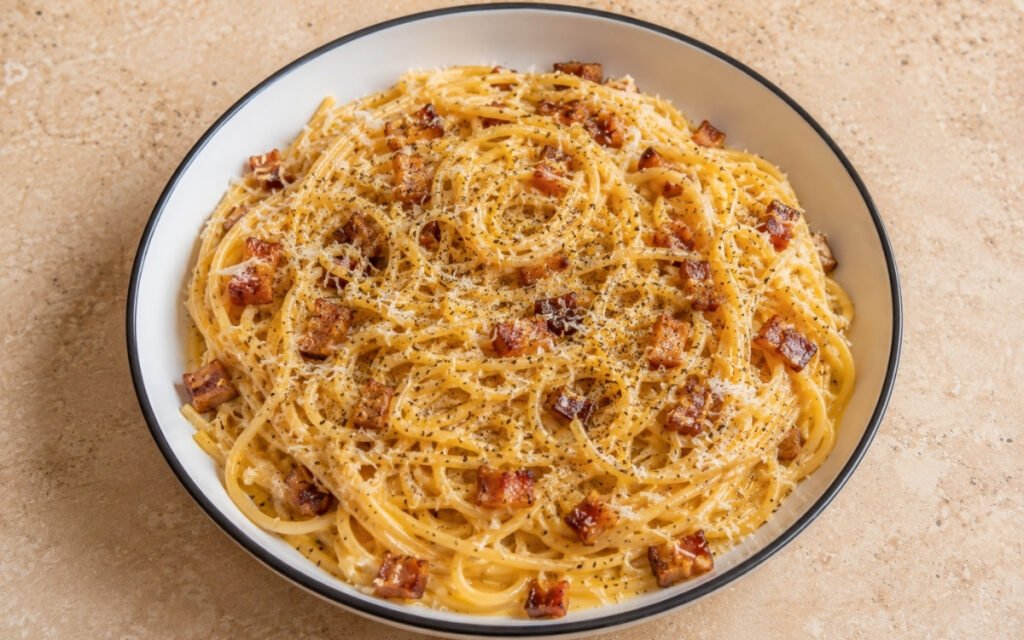
Easy Authentic Carbonara Pasta
Six ingredients, the 45-second cooling window, and continuous tossing — authentic Roman egg emulsion, no cream needed.
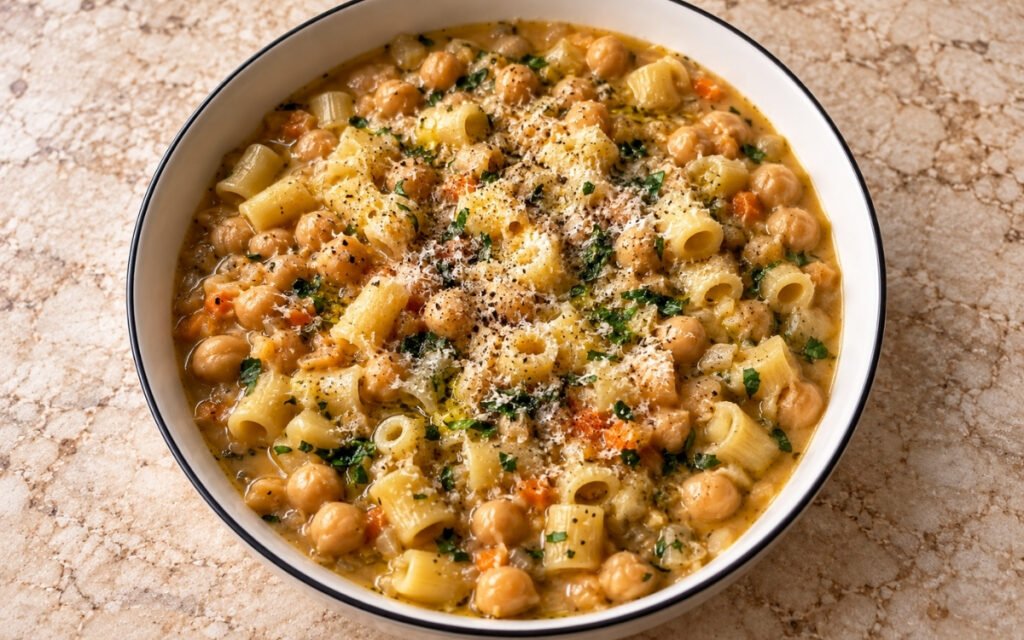
Pasta e Ceci
Small pasta and chickpeas in a thick, creamy brothy base with soffritto, garlic, and rosemary. Rustic Italian comfort food.
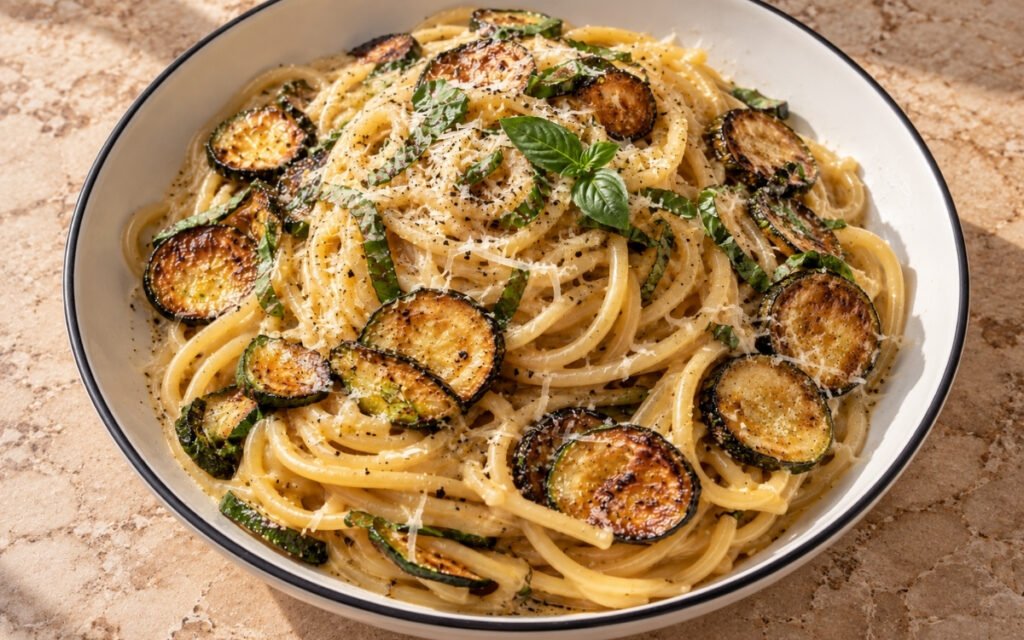
Spaghetti alla Nerano
Fried zucchini rounds tossed with spaghetti in a glossy, emulsified Pecorino Romano sauce, finished with black pepper and fresh basil.
You might also like
You might also like
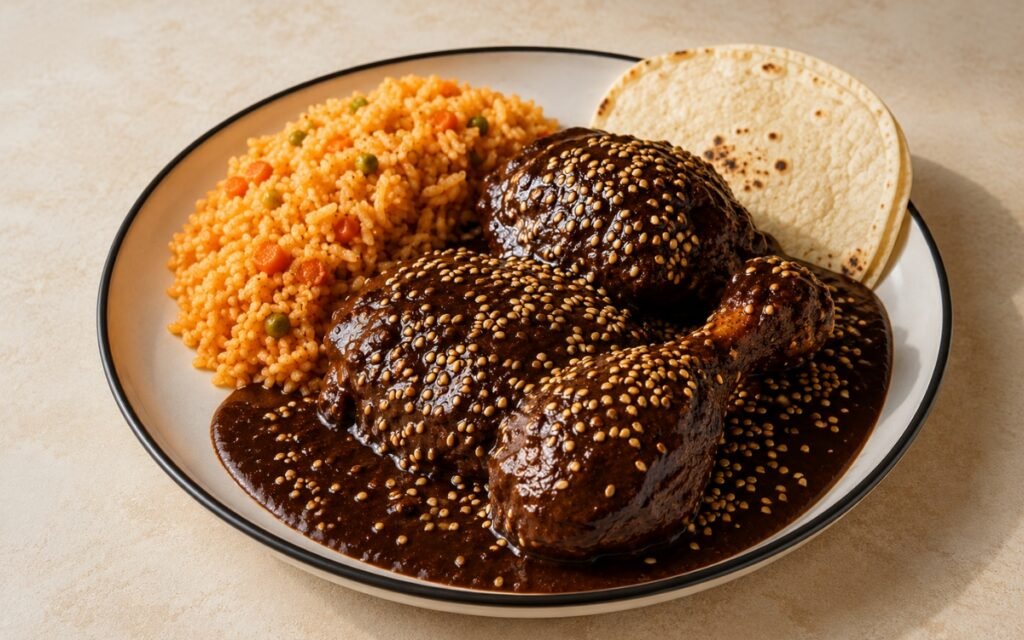
Chicken Mole Poblano
Gently poached chicken finished in deep, glossy mole poblano sauce, topped with toasted sesame seeds, served with Mexican rice and warm tortillas.
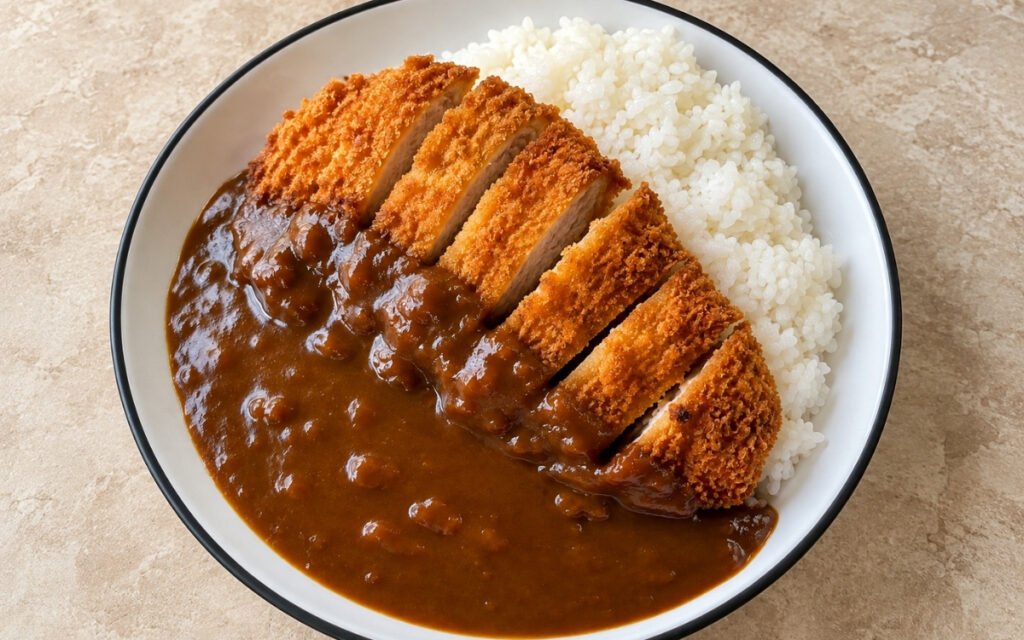
Katsu Curry — Japanese Pork Cutlet Curry
Crisp golden panko-breaded pork cutlets, fluffy white rice, and a thick glossy dark-brown curry sauce, savory-sweet and rich.
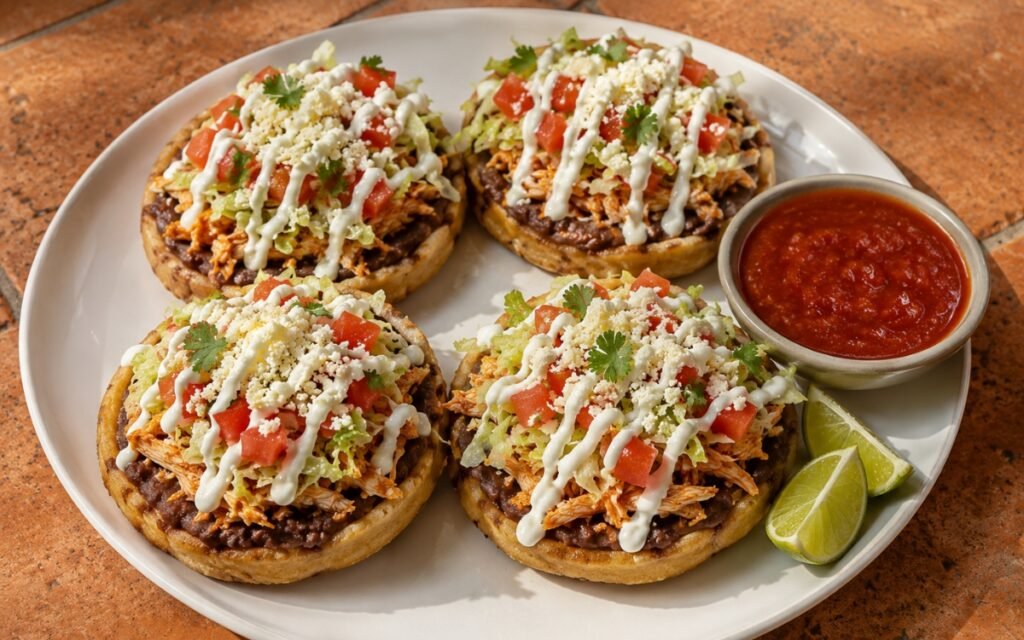
Pollo Sopes with Refried Beans
Thick masa sopes shaped with a raised rim, fried golden, and layered with refried black beans, adobo-simmered shredded chicken, lettuce, tomato, and crema.
Easy Chicken Chow Mein Noodles
Ingredients
Method
- Bring a large pot of water to a full rolling boil and add the 2g of salt. Add the 400g of fresh Hong Kong-style egg noodles and cook for exactly 2 minutes — fresh egg noodles are thin and cook very quickly, and 2 minutes produces a just-tender noodle with slight resistance remaining. Drain immediately and rinse under cold running water until completely cooled — the cold rinse stops cooking instantly and removes excess surface starch that would cause the thin noodles to clump together into a solid mass within minutes. Toss the rinsed noodles with 5ml of the neutral oil, coating every strand. Spread on a large plate or tray rather than leaving in a bowl — spreading prevents the bottom layer from being compressed and sticking while the top layer dries. Set aside completely ready before the wok is turned on.
- In a small bowl, combine the 60ml of light soy sauce, 30ml of oyster sauce, 15ml of dark soy sauce, 45ml of Shaoxing wine, 10g of sugar, 5g of white pepper, and 60ml of chicken stock. Whisk until the sugar is completely dissolved. The four-component soy combination is the specific technique that produces depth and visual colour simultaneously: light soy provides the primary salt and savoury umami throughout the dish; dark soy provides a deeper, slightly molasses-sweet flavour and the characteristic deep brown colour that makes authentic chow mein visually distinct from a pale stir-fry; oyster sauce adds a concentrated sweet-savoury secondary umami layer with more body than soy alone; Shaoxing wine adds the aromatic, slightly fermented grain depth that is the background note in virtually every authentic Chinese stir-fry sauce. In a separate small bowl, combine the 10g of cornstarch with 15ml of water, stirring until completely smooth and lump-free. The slurry is added at the final stage and thickens the sauce from a liquid coating to a glossy, clinging sauce that adheres to every noodle strand. Stir the slurry immediately before using — cornstarch settles rapidly and will be fully separated if not restirred.
- Heat the wok over the highest available heat for 2–3 full minutes until a drop of water evaporates immediately and completely on contact with the surface. Add 25ml of the neutral oil and swirl to coat the entire wok surface. When the oil begins to shimmer and the first wisps of smoke appear, add the 500g of chicken strips in a single layer. The chicken must be cut to uniform thinness — approximately 5mm thick, cut across the grain of the thigh meat — so every piece reaches the correct internal temperature at the same time. Leave completely undisturbed for 90 seconds. The undisturbed contact with the smoking surface produces the caramelised, golden crust that contributes savoury depth to both the chicken and the wok’s cooking medium — the chicken fat rendered during this sear enriches the surface for subsequent cooking steps. Stir-fry for a further 2–3 minutes, turning the strips occasionally, until golden-brown on most surfaces and just cooked through. Transfer to a plate with all accumulated juices — these juices return to the wok at the combination step and contribute concentrated chicken flavour to the final sauce.
- Return the wok to high heat without cleaning it — the chicken fond remains on the surface and will be incorporated into the vegetables. Add the remaining 15ml of neutral oil. Add the julienned ginger and thinly sliced garlic simultaneously. Stir-fry for exactly 20 seconds, moving continuously — at the wok’s temperature, thin garlic slices and fine ginger julienne bloom their aromatic compounds explosively within 10 seconds and move toward burning within 30. The 20-second window produces fragrant, slightly cooked aromatics without bitterness. Add the white scallion parts, julienned carrots, and sliced shiitake mushrooms. Stir-fry for 2 minutes, tossing continuously but allowing brief stationary contact with the hot wok surface — the brief contacts produce the slight char at vegetable edges that is the visual and flavour signature of wok cooking. The shiitake will release moisture and then caramelise as the moisture evaporates. Add the napa cabbage and stir-fry for 1 minute until it begins to wilt at the edges while retaining crunch at the centres — napa cabbage at full wilt produces a watery, soft result; the brief 1-minute treatment leaves it tender-crisp. Add the bean sprouts and green scallion parts. Toss for 30 seconds — enough to heat the sprouts through while preserving their crunch completely.
- Push all the vegetables to the outer edges of the wok, clearing a space in the centre. Add the remaining 15ml of neutral oil to the centre. Add the cooked, oiled noodles to the oil in the centre well. Spread them out with tongs and leave completely undisturbed for 30 seconds. This 30-second stationary contact with the hot, oiled wok surface is the technique step most responsible for the textural quality of restaurant chow mein — the noodles’ exterior surface caramelises very slightly against the wok, producing the characteristic slightly crisped, slightly smoky exterior that is absent from noodles that are simply tossed from the moment of entry. After 30 seconds, toss the noodles together with the vegetables from the outer edges. Return the seared chicken pieces and every drop of the accumulated resting juices to the wok.
- Pour the entire prepared sauce mixture over the noodles, chicken, and vegetables. Toss vigorously for 1–2 minutes using a scooping and folding motion — the scooping action lifts the sauce from the bottom of the wok and folds it over the noodles rather than simply stirring, which distributes the sauce more evenly through the full depth of the ingredients. Give the cornstarch slurry an immediate stir to redistribute the settled starch, then drizzle it around the perimeter of the wok rather than pouring it into the centre — the perimeter drizzle allows the slurry to hit the hot wok surface briefly before being incorporated, which initiates the starch gelatinisation faster than cold slurry poured into the centre of the dish. Toss for 30 seconds as the sauce visibly thickens and develops the glossy sheen that coats each noodle strand. Drizzle the 15ml of toasted sesame oil over the finished dish and toss once more to distribute — the sesame oil goes in last because its aromatic compounds are volatile and would largely dissipate if added earlier in the cooking process. Serve immediately.