Traditional Turkish Kuru Fasulye
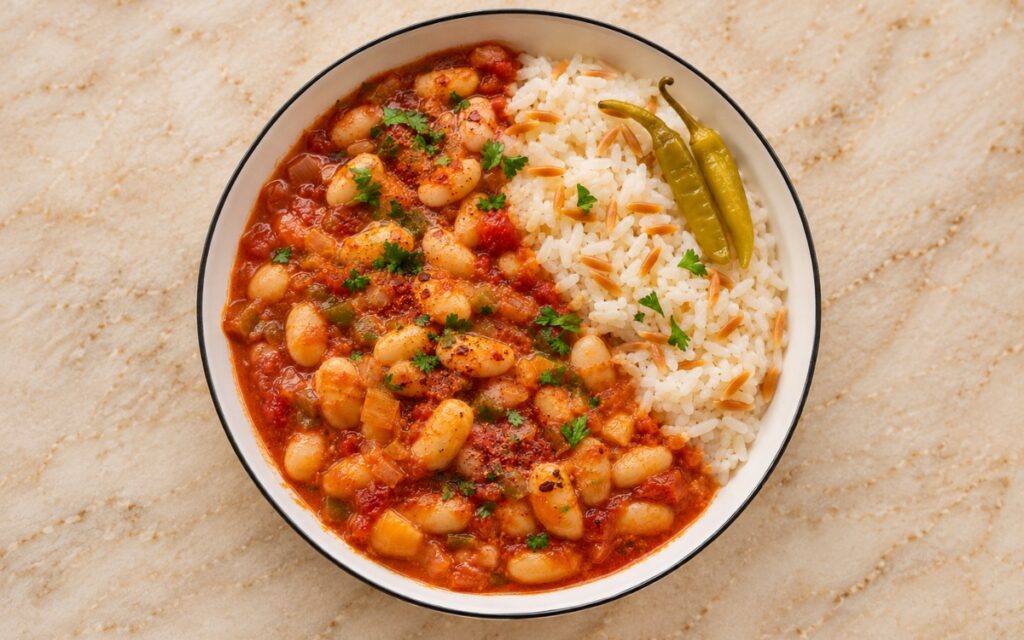
Traditional Turkish kuru fasulye is a meatless white bean stew of plump, tender beans slowly simmered in a rich sauce of tomato, sweet red pepper paste, softened onion, green peppers, butter, and warm Turkish spices, served with buttery rice pilav, toasted orzo, and pickled green peppers, the key being the contrast between creamy beans in a glossy brick-red sauce and clean, fluffy rice. Frying the tomato and pepper pastes in butter and oil before any liquid goes in, rather than stirring them straight into the pot, is the technique this whole stew depends on for its deep flavour — raw paste tastes flat and sharp, the same bloom-the-paste-in-fat principle used elsewhere in this collection whenever a concentrated paste forms a sauce base. Cooking the beans most of the way before they meet the acidic sauce is what lets them turn creamy without splitting. Resting the stew for ten minutes before serving is what lets the sauce settle and cling to every single bean. The payoff is a bowl with real, lokanta-style comfort — creamy whole beans, glossy sauce, buttery rice, and a sharp pickled pepper on the side.
- Prep Time : 20 min
- Total Time : 12 hr 5 min
- Servings : 4
Ingredients
For the White Beans
- 360g dried large white beans, preferably Turkish Dermason or cannellini beans
- 1.5 litres cold water, for soaking
- Fresh water, for pre-cooking the soaked beans
For the Turkish Tomato and Pepper Sauce
- 160g yellow onion, finely diced
- 80g green Turkish sivri peppers, deseeded and cut into small pieces
- 200g ripe tomatoes, peeled and finely chopped
- 40g tomato paste (domates salçası)
- 25g sweet Turkish red pepper paste (tatlı biber salçası)
- 25g unsalted butter
- 25ml olive oil
- 4g sweet paprika
- 1g Turkish pul biber, plus a little for finishing
- 1g freshly ground black pepper
- 7g fine sea salt, adjusted to taste
- 500–650ml hot water or reserved bean cooking liquid, as needed
For the Turkish Rice Pilav
- 200g Turkish Baldo or Osmancık rice
- 30g orzo pasta (arpa şehriye)
- 25g unsalted butter
- 10ml olive oil
- 340ml hot water
- 3g fine sea salt
For Finishing and Serving
- 10g unsalted butter
- 1g sweet paprika
- 8g fresh flat-leaf parsley, finely chopped
- 8 small pickled Turkish green peppers (sivri biber turşusu), about 2 per serving
Directions
- Soak and Pre-Cook the White Beans
Rinse the dried beans, discard any damaged ones, and soak them in 1.5 litres of cold water for 8–12 hours, preferably overnight. Drain, rinse, and cover with fresh water by 4–5cm, bring to a boil, skim off the foam, then simmer gently for 45–70 minutes, until the beans are about 80–90% tender, with intact skins and slight resistance in the centre. Drain, keeping some of the cooking liquid for the stew. That partial cooking is what lets the beans soften in the sauce without splitting. - Build the Tomato and Pepper Base
Heat 25g of butter and 25ml of olive oil in a heavy pot over medium heat, add the diced onion, and cook for 6–8 minutes until soft and lightly golden, then add the green peppers for 3–4 minutes. Stir in the tomato paste and sweet pepper paste and fry for about 2 minutes until they darken and smell fragrant, then add the paprika, pul biber, and black pepper for 15–20 seconds. Add the chopped tomatoes and cook for 5–6 minutes into a thick base. That frying is what removes the raw edge from the pastes. - Simmer the Beans in the Sauce
Add the partly cooked beans to the base with about 500ml of hot bean cooking liquid or water and stir gently to coat. Bring to a simmer, lower the heat, and cook partially covered for 25–35 minutes, stirring carefully every 8–10 minutes, adding about 5g of salt in the last 10 minutes and adjusting to taste. Simmer uncovered for 5–10 minutes if watery, or add a little hot water if too thick. Rest off the heat for 10 minutes. That gentle simmering is what thickens the sauce naturally without breaking the beans. - Cook the Rice Pilav
Rinse the rice until the water runs mostly clear, soak it in lukewarm water for 15–20 minutes, and drain well. Melt 25g of butter with 10ml of olive oil in a medium saucepan, toast the orzo for 2–3 minutes until golden-brown, then stir in the rice for 2–3 minutes to coat the grains. Add 340ml of hot water and the salt, bring to a gentle boil, cover tightly, and cook on low for 12–15 minutes, then rest covered for 10–15 minutes and fluff with a fork. That resting is what gives separate, fluffy grains. - Make the Paprika Butter
Melt the remaining 10g of butter in a small saucepan over low heat, add the 1g of sweet paprika, and stir for 10–15 seconds, just until the butter turns reddish-golden and aromatic. Remove it from the heat immediately and keep it warm for finishing, since paprika scorches very quickly and turns bitter. The butter should be glossy, with no dark particles. That short, gentle warming is what releases the colour and sweetness of the paprika without burning it. - Assemble and Serve
Spoon the warm beans into four shallow bowls, letting the thick brick-red sauce and the small pieces of onion and pepper show between the beans. Add a neat portion of rice pilav along one side of each bowl, keeping it mostly separate from the sauce, and place two pickled green peppers beside the rice. Drizzle a little paprika butter over the beans, then finish with a pinch of pul biber and the parsley. Serve immediately. That separate rice is what keeps the grains fluffy while the beans stay glossy.
*Notes :
- Pre-cooking the beans before they meet the tomato and pepper sauce deserves genuine recognition as the technique most directly responsible for beans that turn creamy rather than split or stay hard. Acid and salt slow the softening of the skins, so beans that are mostly tender before the sauce goes in finish gently and keep their shape, whereas raw beans simmered in the sauce can stay firm for hours.
- Frying the tomato and pepper pastes deserves the same attention this technique receives throughout this collection’s other paste-based stews. Cooking the pastes in butter and oil for a couple of minutes darkens them, evaporates their raw, metallic edge, and deepens their sweetness, whereas stirring them in with liquid leaves a flat, sharp sauce, and burning them makes the whole pot bitter.
- Using sweet pepper paste rather than a hot one deserves genuine respect as the detail most directly responsible for the stew’s balanced, traditional flavour. Sweet biber salçası gives warm, rounded colour and depth, and any heat is then added separately with pul biber, which lets each cook adjust the spice level without disturbing the character of the sauce.
- Resting the stew for 10 minutes off the heat deserves attention as a genuine, checkable finishing cue rather than a loose approximation. During the rest the starch released by the beans settles into the sauce, making it more cohesive and glossy, so the sauce coats the beans instead of running thinly to the bottom of the bowl.
Why This Recipe Works
This recipe works because each element is cooked to its own best point before the bowl is assembled. Soaking and pre-cooking the beans makes them creamy without splitting, and frying the pastes in butter and oil gives the sauce depth rather than rawness. A gentle simmer lets bean starch thicken the sauce naturally, and a short rest off the heat makes the sauce cling to every bean. Buttery pilav with toasted orzo and sharp pickled peppers then supply the fluffy, tangy contrast that keeps the rich stew balanced, so each spoonful tastes hearty, glossy, and fresh rather than heavy or one-note.
Ingredient Breakdown
Large White Beans (Dermason or Cannellini)
The structural foundation — they turn creamy yet keep their shape, giving the stew its hearty body.
Tomato Paste and Sweet Pepper Paste
The core flavour-building stage — fried until dark, they give the sauce its deep brick-red colour and sweetness.
Pul Biber and Paprika
The defining flavour ingredient — they add warm, mild heat and colour, with extra pul biber adjusted to taste.
Butter and Olive Oil
The flavour foundation — they carry the spices and make the sauce glossy and gently rich.
Toasted Orzo in the Pilav
The critical technique — browned in butter first, it adds nutty flavour and the classic Turkish pilav texture.
Pickled Green Peppers
The finishing touch — their sharp acidity cuts through the rich stew and refreshes each mouthful.
Flavor Structure Explained
This Turkish kuru fasulye follows a layered balance model:
- Creamy, hearty foundation (tender white beans)
- Sweet, savoury depth (fried tomato and pepper pastes, onion, and green pepper)
- Warm, gentle heat (paprika, pul biber, and black pepper)
- Rich, buttery body (butter, olive oil, and toasted orzo pilav)
- Sharp, fresh finish (pickled green peppers and parsley)
Tender white beans provide the creamy, hearty foundation of the bowl, soft inside and still intact. Fried tomato and pepper pastes with onion and green pepper add sweet, savoury depth, while paprika, pul biber, and black pepper bring warm, gentle heat. Butter, olive oil, and toasted orzo pilav supply a rich, buttery body beside the stew, and pickled peppers with parsley give a sharp, fresh finish that ties this dish together.
Common Mistakes to Avoid
- Skipping the Soak – This leaves the beans hard and unevenly cooked. Always soak them for 8–12 hours and discard the soaking water.
- Adding Raw Beans to the Sauce – This keeps them firm because acid slows softening. Always pre-cook them until about 80–90% tender first.
- Not Frying the Pastes – This leaves a raw, sharp taste. Always fry the pastes in the butter and oil until darker and fragrant.
- Boiling the Stew Hard – This splits the beans into a mash. Always keep it at a gentle, steady simmer and stir carefully.
- Stirring the Rice While It Cooks – This makes it gummy and sticky. Always cover tightly, keep the heat low, and rest it before fluffing.
Variations
Canned Bean Version
Use about 850–900g of drained cooked white beans, skip the soaking and pre-cooking, reduce the added liquid to 300–400ml, and simmer for 15–20 minutes until the flavours come together.
Spicier Version
Replace part of the sweet pepper paste with hot pepper paste and add extra pul biber, which raises the heat while the tomato, onion, and butter keep the sauce rounded.
Meat Version
Add browned cubes of beef or lamb at the start for a traditional etli kuru fasulye, which needs a longer simmer until the meat is tender and enriches the sauce.
Brown Rice Version
Serve the stew with a nutty brown rice or bulgur pilav instead, which gives a chewier, earthier side and a slightly different texture while still balancing the rich tomato sauce.
Storage & Make-Ahead
The bean stew can be made one to two days ahead and refrigerated, and its flavour often improves after resting, so it is a good dish to cook in advance and reheat before serving.
Refrigerate the beans and rice separately at 4°C or below for up to 3 days, cooling the cooked rice promptly, because rice left warm for long can be unsafe to eat later.
Reheat the stew gently with a splash of water to loosen the sauce, stirring carefully so the beans stay whole, and warm the rice with a little water until steaming through.
The bean stew freezes well for up to 3 months, but the rice is best made fresh for the best fluffy texture, so cook a new batch of pilav when serving thawed stew.
Serve the pickled peppers cold from their jar and the paprika butter freshly made, because together they supply the sharp and rich accents that lift each bowl of beans at the table.
Frequently Asked Questions
Why are the beans pre-cooked before they go into the tomato sauce?
Acid and salt slow the softening of bean skins, so beans that are mostly tender before the sauce goes in finish creamy and whole, instead of staying firm or splitting during a long simmer.
Why are the tomato and pepper pastes fried before the liquid is added?
Frying in butter and oil darkens the pastes and cooks off their raw, metallic edge, which builds the deep, sweet flavour and rich colour that a stirred-in raw paste cannot give.
Why should the stew be simmered gently rather than boiled?
A vigorous boil knocks the beans against each other and splits their skins, turning them into a mash, while a gentle simmer lets their starch thicken the sauce and keeps them plump.
Why is the orzo toasted before the rice is added to the pilav?
Browning the orzo in butter adds a nutty flavour and golden colour, and coating the rice in the same fat helps keep every grain separate, glossy, and fluffy.
Are there other classic stew, bean, or soup dishes worth trying?
Brazilian Moqueca (Bahian Fish Stew) and Korean Army Stew / Budae Jjigae both offer other classic stew directions worth exploring. Carne en su Jugo, Dal Makhani, and Poblano Chicken Chili Soup are also worth trying for other bean-based simmered dishes.
Nutrition Facts
( Per Serving )
- Calories
- ~720 kcal
- Protein
- 25 g
- Fat
- 22 g
- Carbs
- 105 g
-

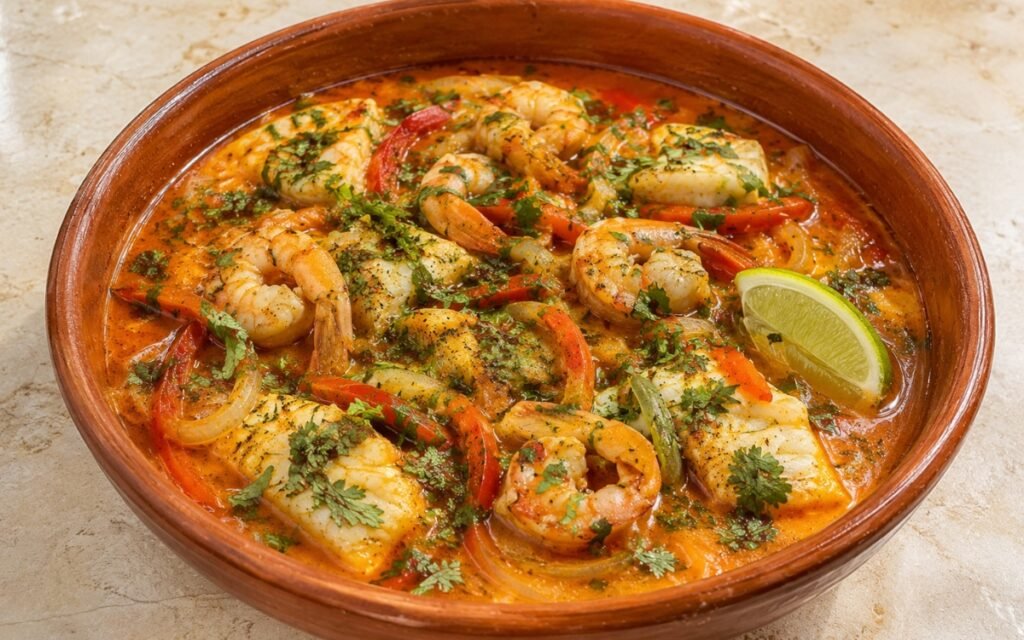
Brazilian Moqueca (Bahian Fish Stew)
White fish and shrimp simmered gently in a vivid orange coconut-tomato broth enriched with dendê palm oil, onion, and pepper.
-
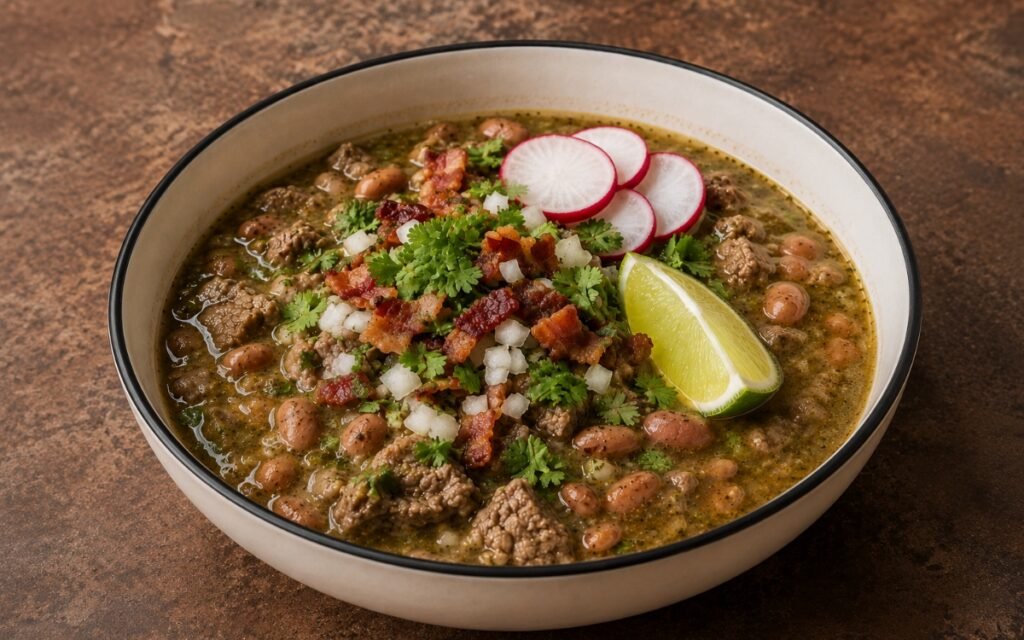
Carne en su Jugo
Finely chopped, batch-browned beef simmered briefly in a savory tomatillo broth with pinto beans, topped with crispy bacon and fresh garnishes.
-
Dal Makhani
Classical-style dal makhani with whole black lentils and kidney beans, slow-cooked into a thick, velvety, creamy dal with butter and cream.

-
Caribbean Coconut Rice and Beans
Classic Caribbean-style coconut rice and beans made with fluffy long-grain rice, red kidney beans, coconut milk, scallions, thyme, and gentle allspice.
-
Turkish Piyaz Bean Salad
Traditional Turkish white bean salad with tomatoes, onions, eggs, and tangy sumac dressing.
-
Ropa Vieja Cubana
Slow-braised, shredded beef simmered in a rich tomato sauce with peppers, onion, and green olives, served with white rice, black beans, and fried plantains.