
Turkish Piyaz Bean Salad
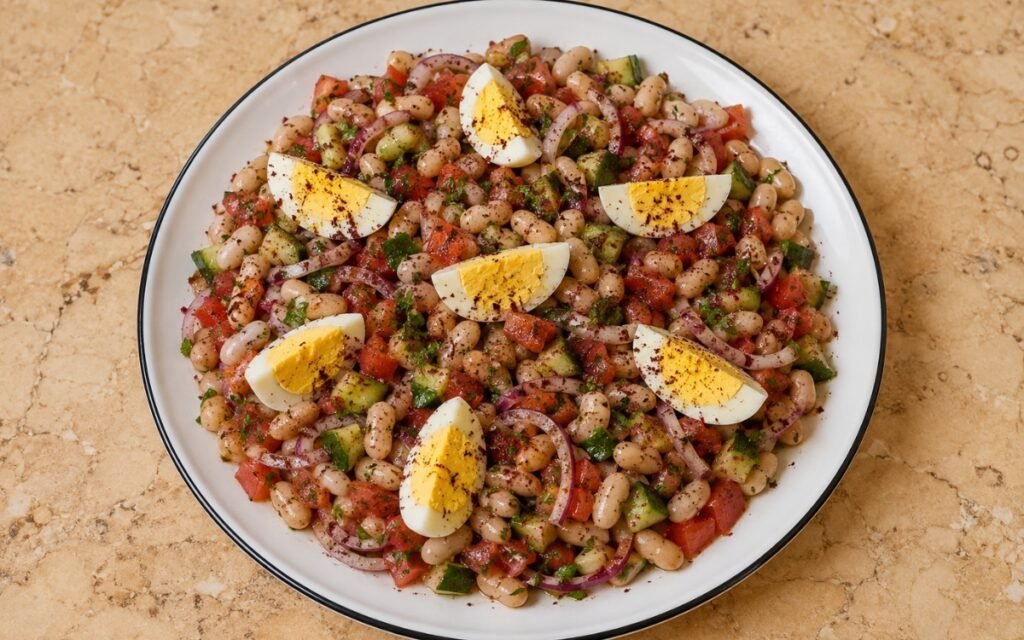
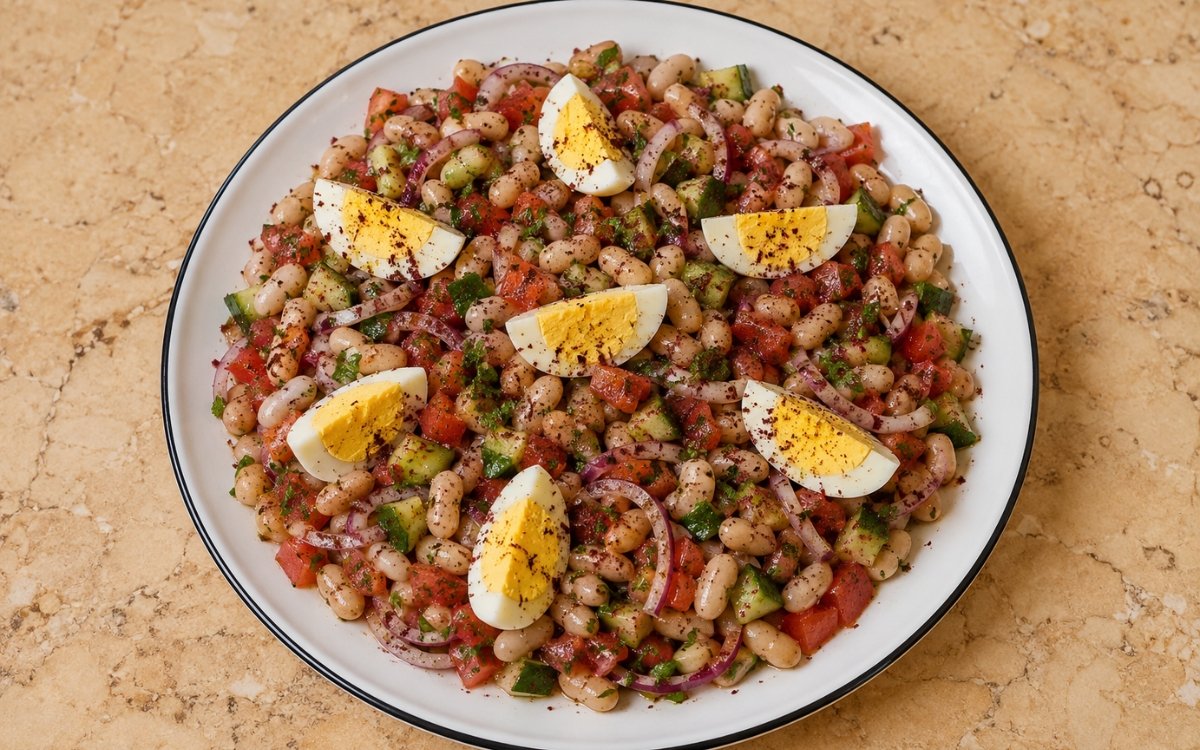
This refreshing Turkish white bean salad features tender cannellini beans tossed with tomatoes, onions, and hard-boiled eggs in a tangy sumac dressing. A traditional mezze dish that’s perfect as a light side or starter, bringing authentic Mediterranean flavors to your table.
Prep Time : 150 min
Cook Time : 0 min
Servings : 4
15 min
0 min
4
Ingredients
Piyaz Bean Salad Base
• 400g canned cannellini beans, drained and rinsed
• 2 large tomatoes, diced
• 1 small red onion, thinly sliced
• 2 hard-boiled eggs, quartered
• 1 small cucumber, diced
• 30g fresh parsley, chopped
Dressing
• 3 tablespoons olive oil — this one on Amazon
• 2 tablespoons lemon juice
• 1 teaspoon sumac — this one on Amazon
• 1/2 teaspoon salt
• 1/4 teaspoon black pepper
This post may contain affiliate links. As an Amazon Associate I earn from qualifying purchases, at no additional cost to you.
Directions
- Prepare and Rinse the Cannellini Beans
Open the canned cannellini beans and pour them into a colander. Rinse thoroughly under cold running water for about 30 seconds while gently turning them with your hands. This removes the canning liquid, which can have a metallic taste and excess starch that may dull the dressing. Allow the beans to drain completely for one minute so excess water does not dilute the dressing. Transfer the drained beans to a large mixing bowl. - Dice the Tomatoes and Cucumber
Wash and dry the tomatoes and cucumber. Cut the tomatoes into small cubes approximately 8–10 mm in size, removing any tough core sections if present. If the tomatoes are very juicy, gently scoop out some of the seed pulp to prevent the salad from becoming watery. Dice the cucumber into similarly sized cubes so that the vegetables remain balanced throughout the salad. Add both the diced tomatoes and cucumber to the bowl with the beans. - Prepare the Red Onion
Peel the red onion and slice it as thinly as possible using a sharp knife or mandoline. Thin slices are important because they soften slightly when dressed and integrate better with the other ingredients. If the onion tastes very sharp or pungent, briefly rinse the slices under cold water and pat them dry with paper towels to mellow their bite while preserving their crisp texture. Add the onion slices to the mixing bowl. - Chop the Fresh Parsley
Rinse the parsley thoroughly and shake off excess water. Using a sharp knife, finely chop the leaves and tender stems. The parsley should be chopped finely enough to distribute evenly throughout the salad but not so finely that it turns into a paste. Add the chopped parsley to the bowl with the beans and vegetables. - Prepare the Hard-Boiled Eggs
Peel the hard-boiled eggs and cut each egg into four wedges using a sharp knife. The egg yolks add richness while the whites contribute gentle structure to the finished salad. Set the egg quarters aside for plating later rather than mixing them directly into the bowl. - Prepare the Sumac Lemon Dressing
In a small bowl combine the olive oil, lemon juice, sumac, salt, and black pepper. Whisk vigorously for about 20 seconds until the mixture becomes lightly emulsified and evenly speckled with sumac. The dressing should taste bright, tangy, and slightly fruity from the sumac, with the olive oil providing smooth richness. - Combine the Salad
Pour the prepared dressing evenly over the beans and vegetables in the bowl. Using a large spoon or salad tongs, gently fold the ingredients together until everything is evenly coated. Stir carefully so the beans remain intact and do not break apart. - Rest and Plate
Allow the salad to rest for 8–10 minutes at room temperature so the beans can absorb the lemon and sumac dressing. Transfer the salad to a serving platter and arrange the egg quarters neatly on top. Garnish with additional parsley or a light sprinkle of sumac if desired. - Serve
Turkish Piyaz can be served immediately at room temperature or lightly chilled. The flavors deepen slightly after resting, making it an excellent mezze dish alongside grilled meats, fish, or flatbread.
*Notes :
- Turkish piyaz is traditionally served as part of a mezze spread, where it functions as a refreshing, protein-rich side dish. The beans provide a creamy base that absorbs the tangy dressing while remaining light and satisfying.
- Cannellini beans work especially well because their soft interior and thin skin absorb the dressing quickly without falling apart. If using dried beans instead of canned, they should be cooked until fully tender but still holding their shape.
- Sumac is a defining flavor in many Middle Eastern and Turkish dishes. It contributes a tart, citrus-like brightness with subtle berry notes that complement the lemon juice and olive oil.
- Thinly slicing the onion ensures that its flavor remains balanced rather than overwhelming the salad. If the onion flavor becomes too sharp, briefly rinsing it in cold water reduces its intensity while maintaining its crisp texture.
- Although the salad can be chilled, serving it closer to room temperature often produces the best flavor because olive oil remains fluid and aromatic.
Why This Turkish Piyaz Bean Salad Works
Turkish Piyaz works because it balances creaminess, acidity, herbal freshness, and richness.
Cannellini beans provide a soft and creamy base that absorbs the lemon and olive oil dressing. Tomatoes and cucumber introduce freshness and natural sweetness, while red onion adds a sharp aromatic contrast.
The dressing combines bright citrus acidity from lemon juice with fruity tang from sumac and smooth richness from olive oil. Hard-boiled eggs add extra protein and richness, turning the salad into a more substantial dish.
Together these components create a balanced salad that feels both light and satisfying.
Ingredient Breakdown
Cannellini Beans
These beans provide the creamy backbone of the salad and absorb the dressing beautifully.
Tomatoes
Tomatoes add natural sweetness and juiciness that contrast with the tangy dressing.
Cucumber
Cucumber contributes refreshing crunch and lightness.
Red Onion
Red onion adds sharpness and aromatic complexity.
Parsley
Parsley introduces bright herbal freshness and color.
Hard-Boiled Eggs
Eggs add richness and additional protein, making the salad more filling.
Lemon Juice
Lemon juice delivers acidity that brightens the entire dish.
Olive Oil
Olive oil provides smooth richness that balances the citrus.
Sumac
Sumac contributes tangy, citrus-like flavor with subtle fruitiness.
Flavor Structure Explained
The flavor balance in Turkish Piyaz is built on a classic Mediterranean framework.
Lemon juice provides the primary acidity that lifts the dish and keeps it refreshing. Olive oil softens the acidity while adding richness and depth. Sumac amplifies the citrus notes and adds a subtle fruity tang.
Beans deliver creamy texture, tomatoes provide sweetness, and cucumber adds refreshing crunch. Onion introduces sharp aromatic contrast, while parsley brightens the overall flavor.
The eggs round out the salad by contributing richness and body.
Common Mistakes to Avoid
- Not Rinsing the Beans – Skipping the rinse can leave the beans tasting starchy and dull.
- Cutting Vegetables Too Large – Large chunks disrupt the delicate balance of the salad and prevent the dressing from distributing evenly.
- Overmixing the Salad – Aggressive stirring can break the beans and create a mushy texture.
- Adding Eggs Too Early – Mixing the eggs into the bowl can cause them to crumble and disappear into the salad.
Variations
Onion-Heavy Piyaz
Increase the amount of red onion for a sharper, more traditional mezze flavor.
Herb Variation
Add fresh dill or mint alongside parsley for additional herbal complexity.
Spicy Version
Add a pinch of Aleppo pepper or red chili flakes for gentle heat.
Chickpea Variation
Substitute chickpeas for cannellini beans for a firmer texture.
Storage & Make-Ahead
This piyaz salad stores well in the refrigerator for up to 2 days in an airtight container.
Because beans absorb the dressing over time, the salad may taste slightly stronger the next day. Stir gently before serving and refresh the flavor with a small squeeze of lemon juice if needed.
For best presentation, store the eggs separately and add them just before serving.
Freezing is not recommended because the vegetables lose their crisp texture when thawed.
Frequently Asked Questions
Can I use dried beans instead of canned?
Yes. Cook dried cannellini beans until tender, allow them to cool, and then proceed with the recipe.
What does sumac taste like?
Sumac has a tangy, lemon-like flavor with subtle berry notes that enhance citrus dishes.
Can I make Turkish Piyaz ahead of time?
Yes, the salad can be made several hours in advance, but it is best within 24 hours.
Is this piyaz salad served warm or cold?
Traditionally it is served at room temperature or lightly chilled, depending on preference.
Nutrition Facts
( per serving )
Calories
~185 kcal
Protein
9 g
Fat
11 g
Carbs
14 g
Calories
~185 kcal
Protein
9 g
Fat
11 g
Carbs
14 g
Related Recipes
Related Recipes

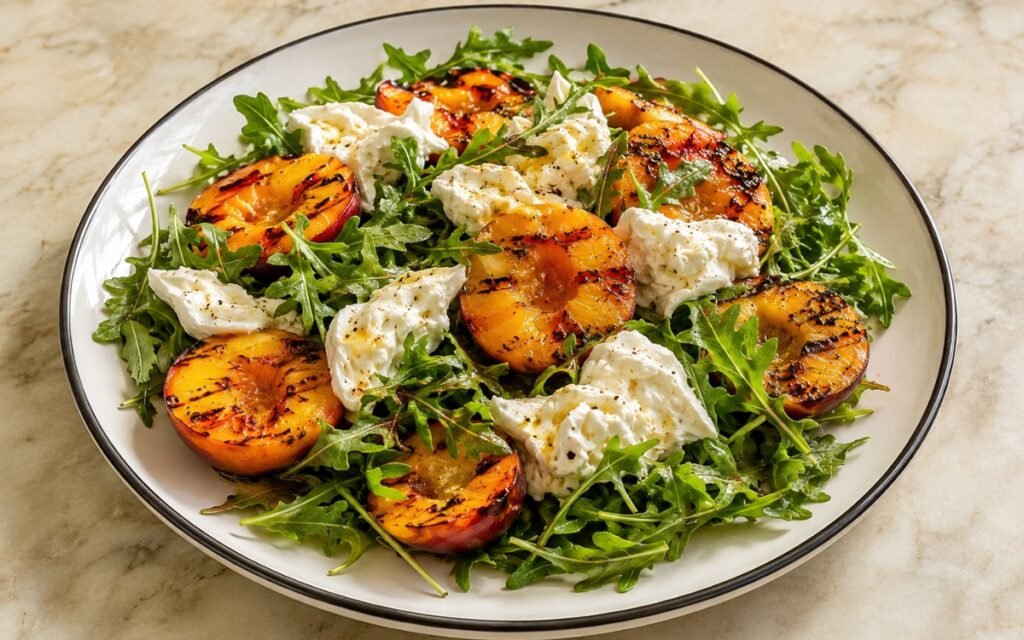
Grilled Peach and Burrata Salad
Caramelized grilled peaches with creamy burrata, arugula, and honey balsamic drizzle for summer.
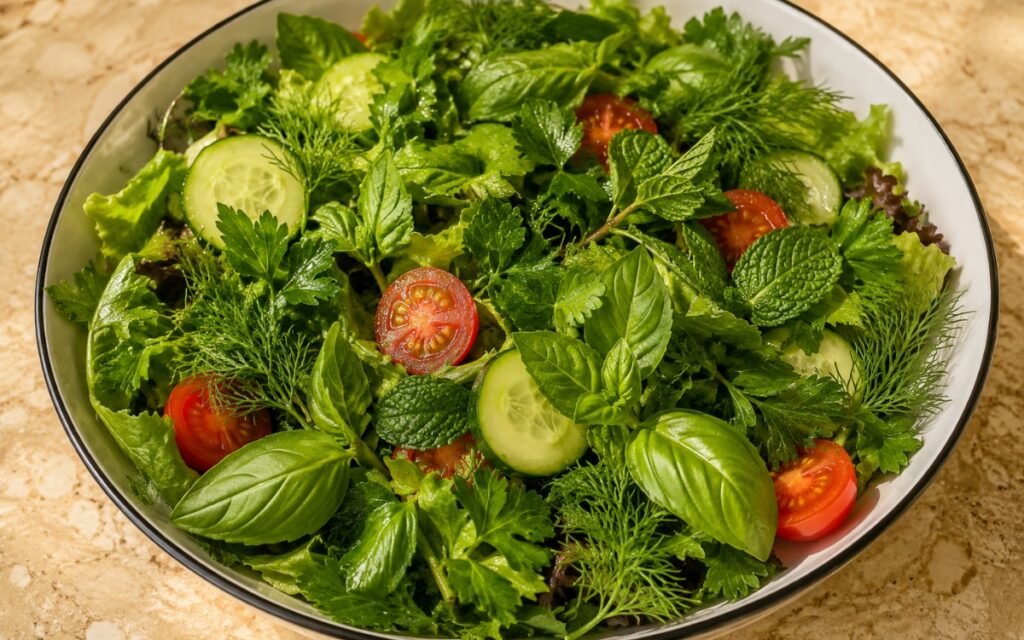
Fresh Herb Green Salad
Mixed greens loaded with fresh parsley, dill, basil, and mint, dressed with bright lemon vinaigrette.
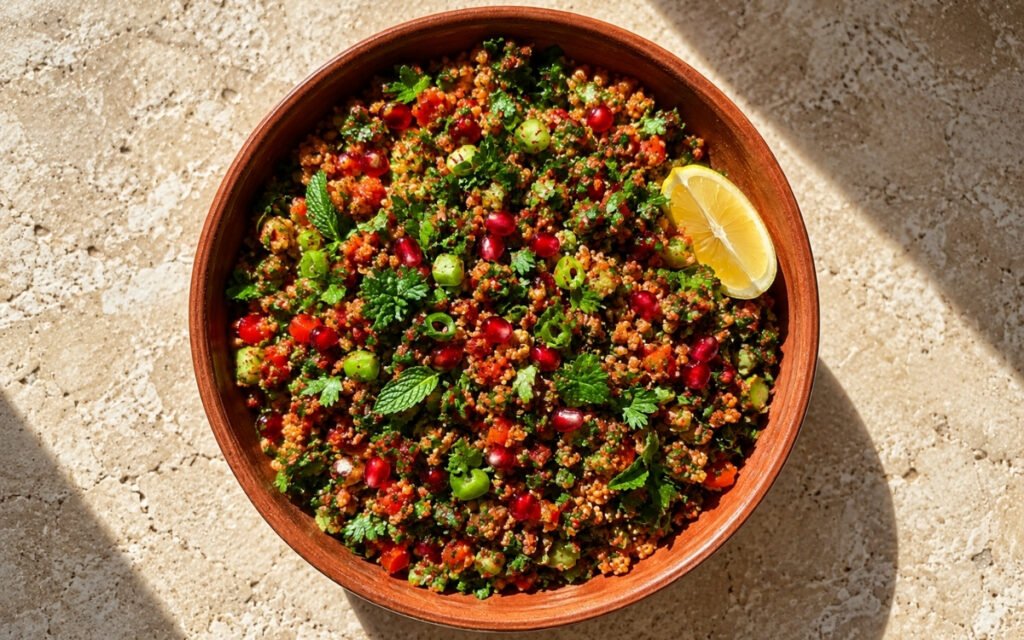
Turkish Bulgur Salad (Kısır)
Fine bulgur softened in hot water, worked with tomato paste, pepper paste, olive oil, lemon, and pomegranate molasses, finished with parsley, mint, and fresh vegetables.
You might also like
You might also like
Red Chimichurri (Chimichurri Rojo)
Smoky chimichurri rojo with roasted red pepper, chipotle in adobo, and fresh herbs — the bolder, deeper alternative to the classic green version.
Peach Lemon Infused Water
Ripe peaches skin-on and lightly muddled, sliced peaches and lemon rounds cold-infused in 3L water — removed after 4 hours. Warm, fragrant, and peachy.
Watermelon Mint Fizz Mocktail
Blended strained watermelon with lime and cold-infused mint over club soda — vivid pink and cool.


Turkish Piyaz Bean Salad
Ingredients
Method
- Open the canned cannellini beans and pour them into a colander. Rinse thoroughly under cold running water for about 30 seconds while gently turning them with your hands. This removes the canning liquid, which can have a metallic taste and excess starch that may dull the dressing. Allow the beans to drain completely for one minute so excess water does not dilute the dressing. Transfer the drained beans to a large mixing bowl.
- Wash and dry the tomatoes and cucumber. Cut the tomatoes into small cubes approximately 8–10 mm in size, removing any tough core sections if present. If the tomatoes are very juicy, gently scoop out some of the seed pulp to prevent the salad from becoming watery. Dice the cucumber into similarly sized cubes so that the vegetables remain balanced throughout the salad. Add both the diced tomatoes and cucumber to the bowl with the beans.
- Peel the red onion and slice it as thinly as possible using a sharp knife or mandoline. Thin slices are important because they soften slightly when dressed and integrate better with the other ingredients. If the onion tastes very sharp or pungent, briefly rinse the slices under cold water and pat them dry with paper towels to mellow their bite while preserving their crisp texture. Add the onion slices to the mixing bowl.
- Rinse the parsley thoroughly and shake off excess water. Using a sharp knife, finely chop the leaves and tender stems. The parsley should be chopped finely enough to distribute evenly throughout the salad but not so finely that it turns into a paste. Add the chopped parsley to the bowl with the beans and vegetables.
- Peel the hard-boiled eggs and cut each egg into four wedges using a sharp knife. The egg yolks add richness while the whites contribute gentle structure to the finished salad. Set the egg quarters aside for plating later rather than mixing them directly into the bowl.
- In a small bowl combine the olive oil, lemon juice, sumac, salt, and black pepper. Whisk vigorously for about 20 seconds until the mixture becomes lightly emulsified and evenly speckled with sumac. The dressing should taste bright, tangy, and slightly fruity from the sumac, with the olive oil providing smooth richness.
- Pour the prepared dressing evenly over the beans and vegetables in the bowl. Using a large spoon or salad tongs, gently fold the ingredients together until everything is evenly coated. Stir carefully so the beans remain intact and do not break apart.
- Allow the salad to rest for 8–10 minutes at room temperature so the beans can absorb the lemon and sumac dressing. Transfer the salad to a serving platter and arrange the egg quarters neatly on top. Garnish with additional parsley or a light sprinkle of sumac if desired.
- Turkish Piyaz can be served immediately at room temperature or lightly chilled. The flavors deepen slightly after resting, making it an excellent mezze dish alongside grilled meats, fish, or flatbread.