Dal Makhani
A classical-style dal makhani made with whole black lentils and a small amount of kidney beans, slow-cooked until the lentils break down into a thick, velvety, creamy dal while still keeping some whole lentils visible. The finish is rich and glossy with butter, cream, and a deep tomato-onion base.

- Prep Time : 20 min
- Total Time : 10 hr 35 min
- Servings : 6
Ingredients
For the Lentils
- 300 g whole black urad dal
- 60 g dried kidney beans
- 1.8 L water, for soaking
- 1.5 L fresh water, for cooking
- 1 bay leaf
- 2 green cardamom pods
- 1 black cardamom pod
- 1 small cinnamon stick
- 1 tsp salt
For the Masala Base
- 2 tbsp neutral oil or ghee
- 40 g unsalted butter
- 1 medium onion, finely chopped
- 1 to 2 green chilies, finely chopped
- 1 tbsp ginger-garlic paste
- 250 g tomato puree or very finely chopped tomatoes
- 1 tbsp tomato paste, optional
- 1 tsp salt, plus more to taste
For the Spices
- 1 tsp cumin seeds
- 1 tsp ground coriander
- ½ tsp turmeric
- 1 tsp Kashmiri chili powder
- ½ tsp hot chili powder, optional
- 1 tsp garam masala
For Finishing
- 30–50 g unsalted butter
- 80–120 ml heavy cream
- ½ tsp crushed kasuri methi
- ¼ tsp garam masala
- ½ to 1 tsp sugar, only if needed to balance acidity
- 1 small handful cilantro leaves, roughly chopped
Optional Dhungar Finish
- 1 small piece natural lump charcoal
- ½ tsp ghee
Directions
- Soak the Dal and Beans
Rinse the black urad dal and kidney beans very well, then soak them together in plenty of water for 8–12 hours, until fully hydrated and noticeably swollen. Poorly soaked lentils and beans take longer to cook and never quite reach the same creamy final texture. - Cook the Lentils
Drain the soaked lentils and beans and add them to a pot with 1.5 L fresh water, the bay leaf, green cardamom, black cardamom, cinnamon stick, and 1 teaspoon salt. Bring to a boil, skim off any foam, then reduce to a gentle simmer. Cover partially and cook for 1½ to 2 hours, stirring occasionally, until both the urad dal and kidney beans are fully tender — the urad should squash easily between your fingers and the kidney beans should be completely soft inside with no chalky center. Add hot water as needed during cooking to keep everything submerged. Reserve the cooking liquid rather than draining the pot completely; the lentils and their starchy liquid go into the final dal together. - Build the Masala
Heat the oil or ghee with the 40 g butter in a separate heavy pan over medium heat. Add the cumin seeds and let them sizzle briefly, then add the onion and cook for 8–10 minutes until soft and golden, neither pale nor deeply browned. Add the green chilies and ginger-garlic paste and cook 1 minute more, until the raw smell is gone. Add the tomato puree, the optional tomato paste, the salt, coriander, turmeric, Kashmiri chili powder, optional hot chili powder, and garam masala. Cook this masala over medium to medium-low heat for 10–15 minutes, stirring often, until it darkens slightly, thickens, and the fat starts separating lightly at the edges. This stage needs its full time — a tomato base that’s undercooked here leaves the final dal tasting sharp and unfinished. - Combine and Slow-Cook
Add the cooked lentils and beans along with their cooking liquid to the masala, stirring thoroughly. Use the back of a spoon or a masher to lightly mash part of the dal directly in the pot, without pureeing it, so you end up with a mix of broken-down lentils for creaminess and visible whole lentils for the classic texture. Simmer uncovered or partially covered on very low heat for 45–60 minutes, stirring often, especially along the bottom and sides so it doesn’t catch, adding splashes of hot water only if needed. This long, slow stage is what turns the dish into dal makhani rather than a quicker lentil curry, and the texture should come out thick, creamy, glossy, and cohesive by the end. - Finish with Butter and Cream
Once the dal is thick and velvety, stir in the 30–50 g butter, the cream, crushed kasuri methi, and the final ¼ teaspoon garam masala. Simmer 5–10 minutes more on very low heat, then taste and adjust the salt, adding ½ teaspoon sugar only if the tomatoes still taste a little sharp, tasting again before adding more. The finished dal should be rich and spoon-coating, with visible whole black lentils suspended in a creamy, dark brown base. - Optional Charcoal Smoke
For a more restaurant-style finish, heat a small piece of charcoal until red hot, place a small metal bowl in the center of the cooked dal, set the hot charcoal in it, drizzle over the ½ teaspoon ghee, and immediately cover the pot tightly for 2–3 minutes. Keep this brief — leaving the smoke too long turns it harsh rather than subtle. Remove the charcoal bowl and stir gently. - Serve
Spoon the dal into a serving bowl, swirl a little cream over the top, and scatter lightly with cilantro. Serve hot. The finished dal should look slow-cooked, creamy, and luxurious, with a gentle sheen and visible whole lentils throughout.
*Notes :
- Classical dal makhani is built on whole black urad dal specifically, not split black lentils, and that distinction matters for the final texture — whole urad holds its shape through the long simmer in a way split lentils can’t quite replicate.
- The small amount of kidney beans in this recipe adds structure and body to the dish, but urad dal should still make up most of what’s in the pot; too many kidney beans shift the texture and flavor away from a classical dal makhani.
- Lentils that go into the masala even slightly undercooked never become properly creamy later, no matter how much butter or cream gets added at the finishing stage — the full 1½ to 2 hours of initial cooking is what sets up everything that follows.
- Dal makhani catches easily on the bottom of the pot once it thickens during the long slow-cook stage, so regular stirring through that stretch matters more here than in a thinner, quicker-cooking lentil dish.
Why This Recipe Works
Soaking the lentils and beans thoroughly before cooking shortens the time needed to reach full tenderness and sets up the creamy texture the dish depends on later. Cooking the tomato-onion masala down until it thickens and releases oil at the edges concentrates its flavor before the lentils are ever added, avoiding the raw, sharp taste an undercooked tomato base would leave behind. Mashing only a portion of the dal directly in the pot builds a creamy body around the whole lentils rather than turning the dish into a smooth puree, preserving the texture dal makhani is known for. The long, slow simmer after everything is combined is what actually transforms the dish from a basic lentil curry into something with real depth, and finishing with butter and cream only at the end adds richness without diluting that built-up flavor.
Ingredient Breakdown
Whole black urad dal
The defining ingredient of a classical dal makhani, holding its shape through the long simmer while still contributing to the dish’s creamy body.
Kidney beans, in a smaller quantity
Add structure and a slightly different texture alongside the urad dal without taking over the dish.
Slow-cooked tomato-onion masala
Concentrated until thick and glossy before the lentils go in, this base carries much of the dish’s underlying flavor.
Partially mashed lentils
Thicken the dal naturally into a creamy body while leaving enough whole lentils visible for the dish’s classic texture.
Finishing butter and cream
Added only once the dal is already thick and velvety, enriching the dish without thinning it out.
Flavor Structure Explained
This dish follows a layered balance model:
- Mild, earthy centerpiece (whole black urad dal and kidney beans)
- Deep, savory base (slow-cooked tomato-onion masala)
- Unified richness (long slow-cook once combined)
- Luxurious finish (butter and cream)
- Aromatic top note (kasuri methi and garam masala)
Whole black urad dal and kidney beans serve as this dish’s mild, earthy centerpiece, their texture built through a long soak and simmer before the masala is ever added. The slow-cooked tomato-onion masala contributes a deep, savory base, concentrated through extended cooking in its own pan. The long slow-cook that follows, once everything is combined, melds those two components into a unified richness rather than two separate parts in the same pot. Butter and cream, stirred in only once the dal is already thick and velvety, add a luxurious finish. A final aromatic top note from kasuri methi and garam masala rounds out the dish right at the end.
Common Mistakes to Avoid
- Undercooking the lentils and beans – This leaves them unable to become properly creamy later, no matter how much dairy is added; always cook until both mash easily with no chalky center.
- Rushing the tomato masala – This leaves a raw, sharp flavor running through the finished dal; always cook until it thickens and releases oil at the edges.
- Mashing all the lentils instead of a portion – This turns the dish into more of a smooth puree than a classic dal makhani; always leave some lentils whole.
- Not stirring often enough during the slow simmer – This lets the thickened dal catch on the bottom; always stir regularly, especially toward the end.
Variations
Vegan Version
Replace the butter with a neutral oil or vegan butter alternative and swap the heavy cream for a full-fat plant-based cream or coconut cream.
Pressure Cooker Shortcut Version
Cook the soaked lentils and beans in a pressure cooker for about 25–30 minutes instead of simmering on the stovetop for 1½ to 2 hours, then proceed with the masala as written.
Extra-Smoky Version
Use the optional charcoal dhungar finish for a more pronounced restaurant-style smokiness throughout the dish.
Lighter Version
Reduce the finishing butter and cream by about half for a lighter version that keeps the same overall flavor with less richness.
Storage & Make-Ahead
Cook the lentils and beans up to 2 days ahead and store them in their cooking liquid in the refrigerator, which speeds up finishing the dish on the day you plan to serve it.
Store the finished dal makhani in an airtight container in the refrigerator for up to 4 days — the flavor often improves after a day or two as it continues to settle.
Reheat gently on the stovetop over low heat, stirring often and loosening with a splash of hot water if the dal has thickened too much in the fridge.
Freeze the finished dal for up to 3 months, thawing in the refrigerator overnight before reheating gently on the stove.
Frequently Asked Questions
Can I use split black lentils instead of whole urad dal?
Whole urad dal is what gives dal makhani its classical texture, and split lentils break down differently, so the result won’t have quite the same visible whole-lentil texture, even though the flavor stays similar.
Why is my dal thin instead of thick and creamy?
This usually means the lentils needed more time in the slow-cook stage, or that not enough of them were mashed to build body. Continuing to simmer and mashing a bit more directly in the pot both help.
Can I make this in a pressure cooker to save time?
Yes, cooking the soaked lentils and beans under pressure for about 25–30 minutes replaces the 1½ to 2 hour stovetop simmer, though the masala and slow-cook stages stay the same afterward.
Why does dal makhani taste better the next day?
The flavors continue settling into the lentils as the dish rests, which is why many people consider it even better reheated than freshly made.
What else pairs well with this dal makhani?
Red Lentil Dal Tadka and Chana Masala share a similar slow-built masala approach if you want to round out a vegetarian Indian spread, and Saag Paneer makes a good creamy counterpart for the same meal. For sides, Homemade Garlic Butter Naan is ideal for scooping up the dal, and Plain Steamed Basmati Rice is a simple base to serve it over.
Nutrition Facts
( Per Serving )
- Calories
- ~420 kcal
- Protein
- 15 g
- Fat
- 22 g
- Carbs
- 40 g
-

Ropa Vieja Cubana
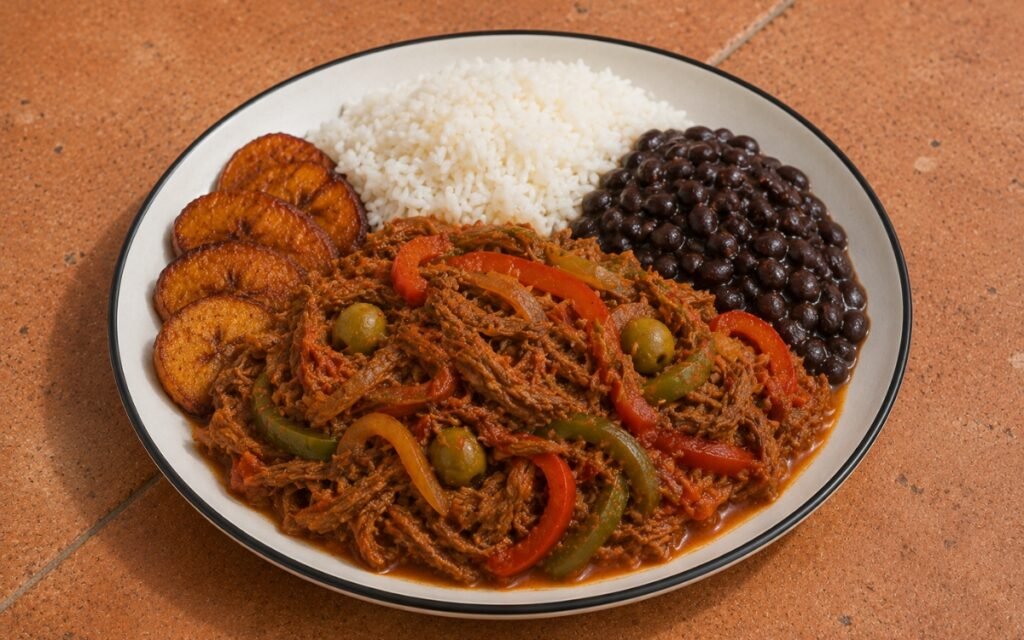
Slow-braised, shredded beef simmered in a rich tomato sauce with peppers, onion, and green olives, served with white rice, black beans, and fried plantains.
-
Katsu Curry — Japanese Pork Cutlet Curry
Crisp golden panko-breaded pork cutlets, fluffy white rice, and a thick glossy dark-brown curry sauce, savory-sweet and rich.
-
Thai Green Curry Chicken
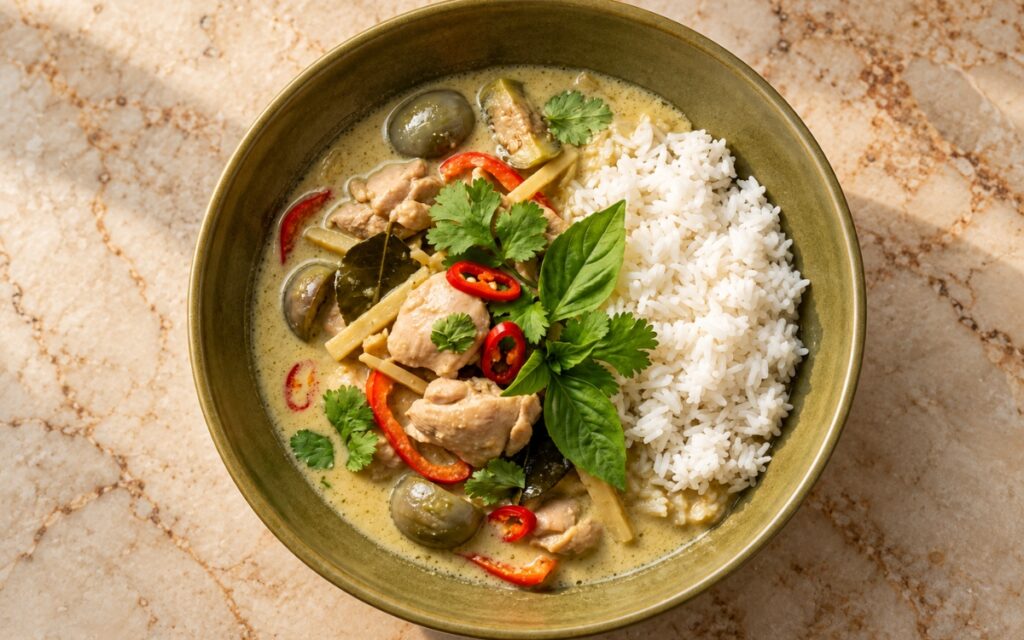
Chicken thighs simmered in a creamy green coconut curry with Thai eggplant, red pepper, lime leaves and Thai basil, served with jasmine rice.

-
Braised Beef Chuck Steak
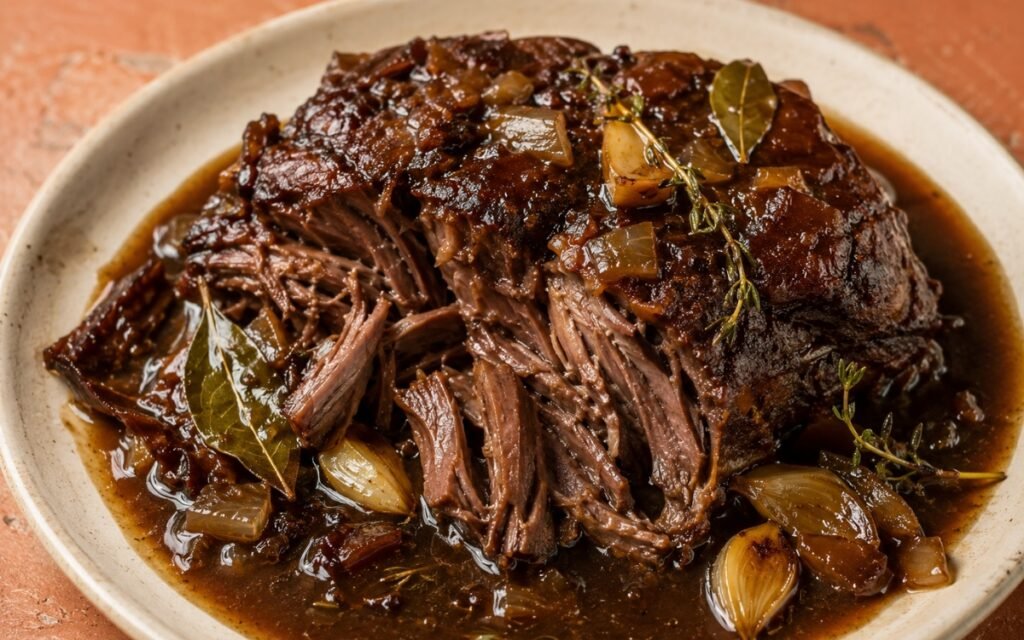
Tough chuck steak transforms into fork-tender perfection through slow braising with wine and aromatics.
-
Red Lentil Dal Tadka
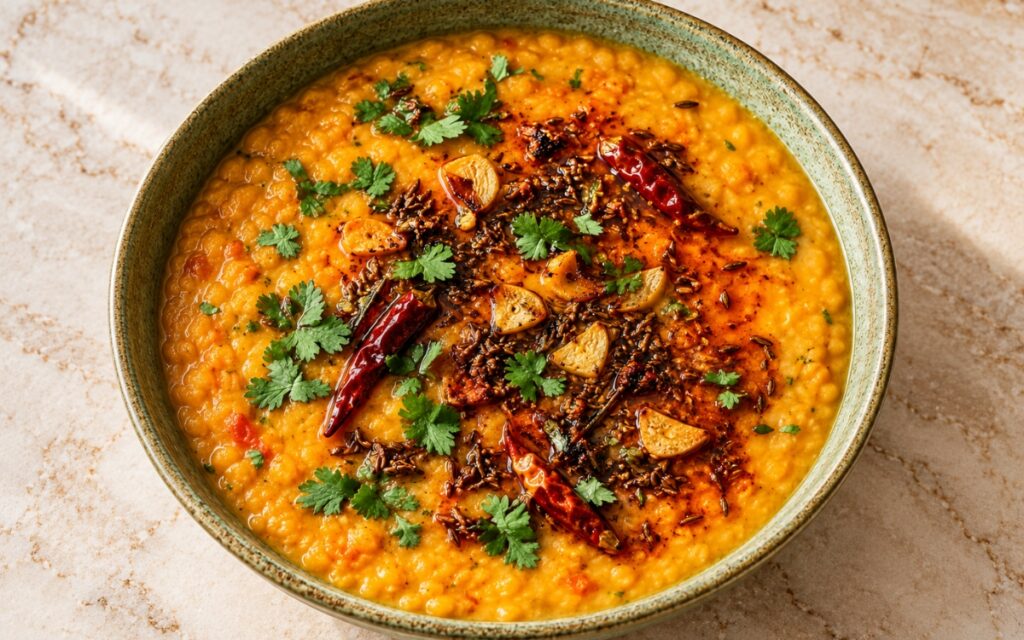
Classical red lentil dal simmered until creamy, finished with a sizzling hot ghee tadka of cumin, garlic, and dried red chilies.
-
Dominican Pollo Guisado
A classic Dominican braise of browned bone-in chicken in a glossy reddish-orange tomato sauce with onions and peppers, served over fluffy white rice.