
Dominican Pollo Guisado
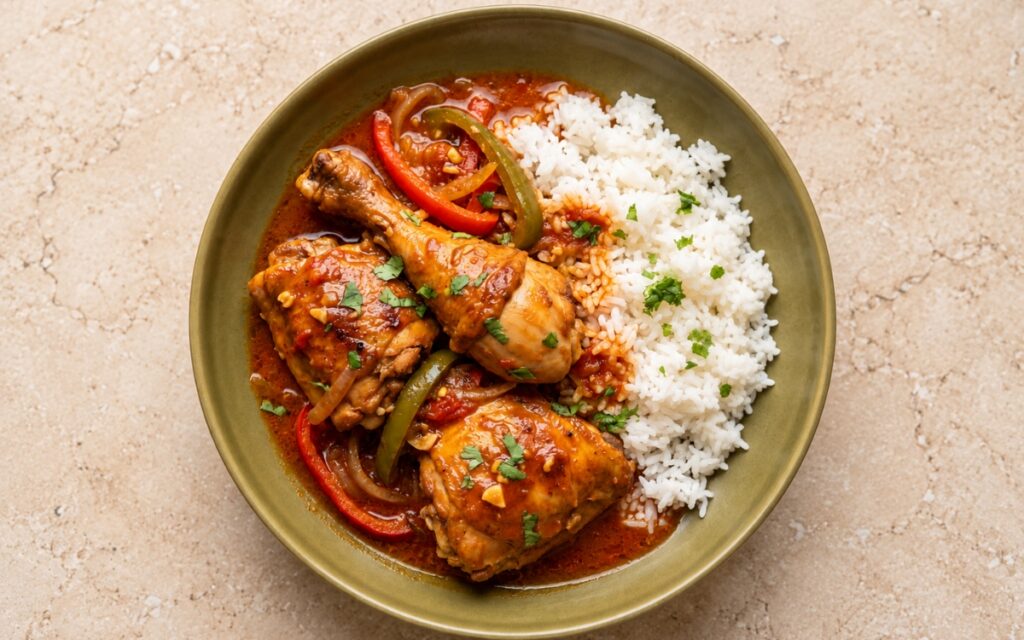
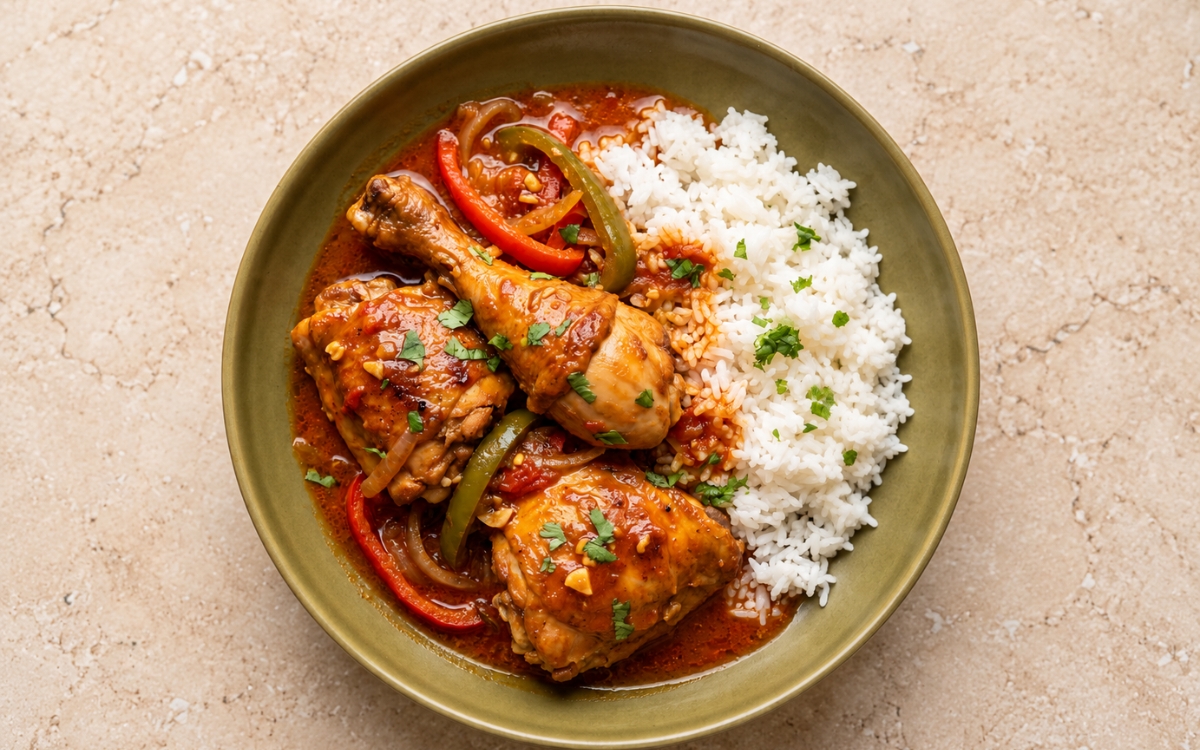
Classic Dominican-style braised chicken in which bone-in thighs and drumsticks are browned to a deep amber, then simmered in a glossy reddish-orange tomato sauce with sliced onion, red and green peppers, garlic, and cilantro, served over fluffy white rice, the key being the contrast between dark, caramelised chicken and bright, tomato-forward sauce. Melting a little sugar in hot oil until it turns medium amber before the chicken goes in, rather than simply searing the chicken in plain oil, is the technique this whole guisado depends on for its signature deep colour and rounded savoury-sweet flavour — pushed a few seconds too far, the sugar turns bitter and takes the whole sauce with it, the same watch-the-caramel principle used elsewhere in this collection whenever a sweetened base must be coloured without burning. Seasoning the chicken with lime, vinegar, soy sauce, garlic, and oregano is what lets the flavour reach well beyond the skin. A gentle, mostly covered simmer is what turns the bone-in pieces fork-tender while the sauce thickens into a glossy coat. The payoff is a guisado with real depth — deeply browned, tender chicken, soft onions and peppers that still hold their shape, a spoonable sauce, and fluffy rice to catch every drop.
Prep Time : 20 min
Total Time : 1 hr 5 min
Servings : 4
20 min
1 hr 5 min
4
Ingredients
For the Chicken
• 1.4–1.6kg bone-in chicken pieces, about 8 pieces total (thighs, drumsticks, and split bone-in breasts if using)
• 1½ tsp kosher salt, or to taste
• 1 tsp black pepper
• 1½ tsp dried oregano
• 4 garlic cloves, finely minced
• 1 tbsp lime juice
• 1 tbsp white vinegar
• 1 tbsp soy sauce
• 1 tbsp neutral oil
For the Guisado Base
• 2 tbsp neutral oil
• 1½ tsp sugar
• 1 medium yellow onion, sliced
• ½ red bell pepper, cut into strips
• ½ green bell pepper, cut into strips
• 3 garlic cloves, sliced or finely chopped
• 2 tbsp tomato paste, or 80ml tomato sauce
• 120g crushed tomato, or canned diced tomato, lightly crushed
• 1 bay leaf
• ½ tsp paprika or mild sazón-style seasoning, optional, for colour
• 350–475ml water or light chicken stock
• 2 tbsp chopped cilantro, plus a little extra for garnish
For the White Rice
• 400g long-grain white rice
• 650ml water
• 1 tbsp neutral oil
• 1 tsp kosher salt
Directions
- Season the Chicken
Pat the chicken pieces completely dry with paper towels, then combine them in a large bowl with the 1½ tsp kosher salt, 1 tsp black pepper, 1½ tsp dried oregano, 4 minced garlic cloves, 1 tbsp lime juice, 1 tbsp white vinegar, 1 tbsp soy sauce, and 1 tbsp neutral oil. Rub the seasoning over every surface and under any folds of skin until the pieces look lightly coated and nothing pools in the bowl. Leave them at room temperature for at least 20 minutes while you slice the vegetables and rinse the rice, or cover and refrigerate for up to 4 hours. That dry, evenly seasoned surface is what lets the chicken brown instead of steam. - Cook the White Rice
Rinse the 400g rice until the water runs mostly clear and drain it well. Bring the 650ml water to a boil in a medium pot with the 1 tbsp oil and 1 tsp kosher salt, add the rice, stir once, and cook uncovered over medium heat for 8–10 minutes until most of the water is absorbed and small steam holes appear on the surface. Stir once gently, reduce the heat to very low, cover tightly, and steam for 15 minutes, then turn off the heat and rest it, still covered, for 10 minutes before fluffing. The rice keeps its heat happily while the chicken finishes. That uninterrupted steam is what leaves the grains fluffy and separate rather than wet. - Brown the Chicken
Heat a wide heavy pot or deep sauté pan over medium heat, add the 2 tbsp oil, then sprinkle in the 1½ tsp sugar. Let it melt and darken to a medium amber, which takes about a minute, and lay the chicken in a single layer the moment it reaches that colour. Brown for about 3 minutes per side, in two batches if the pieces crowd, until the surface is deep golden; the chicken does not need to cook through yet. If the sugar turns dark brown or smokes before the chicken goes in, wipe the pot and start again. That quick caramel is what gives the dish its deep brown colour without bitterness. - Build the Sauce
Set the browned chicken on a plate, lower the heat slightly, and leave the rendered fat and browned bits in the pot. Add the sliced onion, the red and green pepper strips, and the 3 sliced garlic cloves, then cook for 3 minutes, stirring and scraping up the browned bits. Stir in the 2 tbsp tomato paste, 120g crushed tomato, bay leaf, and ½ tsp paprika or sazón if using, and cook for about 1 minute until the tomato darkens slightly and smells cooked. If the base looks dry, add a small splash of water before anything scorches. The vegetables should soften but keep their shape. That scraped-up fond is what carries much of the final flavour. - Braise the Chicken
Return all the chicken to the pot, nestling the pieces into the sauce, and pour in 350ml water or light stock so the liquid comes partway up the chicken without covering it. Bring to a gentle simmer, cover, and cook over low to medium-low heat for 25 minutes, turning the chicken once halfway through. Uncover and simmer for about 5 minutes more, until the chicken is fully tender, the vegetables are soft, the sauce is glossy and lightly thickened, and a little reddish-orange oil shows at the edges. Add up to 125ml more liquid only if the sauce reduces too far, then stir in the 2 tbsp cilantro. Check breast pieces about 5 minutes earlier; every piece must read at least 74°C at the thickest part. That gentle simmer is what keeps the chicken tender and the sauce glossy instead of greasy. - Finish and Serve
Taste the sauce and adjust the salt if needed, then remove the bay leaf. Fluff the rested rice with a fork and plate a generous mound on each plate. Spoon 2 pieces of chicken and plenty of sauce alongside, letting a little sauce run naturally toward the rice, and garnish lightly with the extra chopped cilantro. The sauce should be spoonable and rich, loose enough to soak the rice, with the browned chicken surfaces still visible beneath it. That runoff into the rice is what makes every forkful taste of the whole pot.
*Notes :
- The sugar caramel deserves genuine recognition as the technique most directly responsible for the deep colour of the finished guisado. The recipe’s own warning not to “let the sugar turn dark brown or black before adding the chicken, or the sauce will taste bitter” matters because sugar moves from amber to scorched within seconds, so the chicken must go into the pot the moment the caramel reaches medium amber.
- Drying the chicken before seasoning deserves the same attention this technique receives throughout this collection’s other browned and braised dishes. Surface moisture turns to steam in a hot pan, so damp pieces turn grey rather than golden, and the lime, vinegar, soy sauce, and garlic coating then fails to build the browned fond that carries much of the final flavour.
- The gentle simmer deserves genuine respect as the detail most directly responsible for tender chicken and a glossy, balanced sauce. The recipe’s own instruction to keep the simmer gentle, because “A hard boil tightens the chicken and makes the sauce greasy”, explains why the pot should barely bubble, so the connective tissue in the thighs and drumsticks softens slowly while the vegetables flavour the liquid.
- The final sauce consistency deserves attention as a genuine, checkable readiness cue rather than a loose approximation. The recipe’s target of a sauce that is “spoonable and rich, not watery” without turning into a heavy paste is confirmed when the sauce coats a spoon glossily, a little reddish-orange oil shows at the edges, and the onions and pepper strips remain visible.
Why This Recipe Works
This recipe works because a short sugar caramel gives the chicken a deep brown colour, while dry, well-seasoned surfaces let it brown properly instead of steaming. Cooking the tomato paste and crushed tomato until they darken turns raw acidity into a rich, rounded base, and the scraped-up browned bits add savoury depth. A gentle covered braise softens the bone-in pieces without toughening them, and a short uncovered finish thickens the sauce. Plain, fluffy white rice then catches the sauce, so each forkful balances rich tomato against a neutral base, and the finished plate tastes deep, tender, and properly layered.
Ingredient Breakdown
Melted Sugar Caramel (Medium Amber)
The critical technique — a brief caramel in hot oil gives the chicken deep brown colour without bitterness.
Dry, Seasoned Bone-In Chicken
The structural choice — dry thighs and drumsticks brown properly, while bone and skin keep the meat juicy.
Lime, Vinegar, and Soy Sauce
The flavour foundation — a little acid and soy seasons deeply and adds colour while the dish stays tomato-forward.
Tomato Paste and Crushed Tomato
The core flavour-building stage — cooking the tomatoes until they darken turns raw acidity into a rich, reddish-orange sauce.
Onion, Peppers, and Garlic
The structural foundation — softened but still-visible strips add sweetness, body, and the home-style look of a proper guisado.
Plain Steamed White Rice
The finishing touch — fluffy, separate grains soak up the sauce, balancing the rich chicken with a clean, neutral base.
Flavor Structure Explained
This Dominican pollo guisado follows a layered balance model:
- Deep, savoury foundation (browned chicken, caramelised sugar, oregano)
- Bright, tomato-forward body (tomato paste, crushed tomato, lime, vinegar)
- Sweet, soft vegetable layer (onion, red and green peppers, garlic)
- Umami background note (soy sauce, bay leaf, paprika or sazón)
- Fresh, clean finish (cilantro, plain white rice)
Browned chicken and a touch of caramel supply the deep, savoury foundation of the pot. Tomato paste and crushed tomato, sharpened by a little lime and vinegar, give the sauce its bright, reddish-orange body. Onion, peppers, and garlic soften into a sweet vegetable layer, while soy sauce and bay leaf add a quiet umami note. Cilantro and plain white rice finish the plate with freshness and a neutral base that ties the guisado together.
Common Mistakes to Avoid
- Letting the Sugar Turn Dark Brown – This makes the caramel bitter, and that bitterness spreads through the whole sauce. Always add the chicken the moment the sugar reaches medium amber.
- Browning Damp Chicken – This makes the pieces steam and turn grey instead of golden, so the sauce lacks depth. Always pat the chicken completely dry before seasoning.
- Boiling the Braise Hard – This tightens the meat and leaves the sauce greasy instead of glossy. Always keep the simmer gentle and the liquid only partway up the chicken.
- Cooking the Vegetables Until They Disappear – This leaves a flat sauce with no visible onion or pepper strips. Always soften them for about 3 minutes so they keep some shape.
- Stirring the Rice While It Steams – This releases starch and makes the grains sticky and wet. Always stir once, cover tightly, and rest the rice covered before fluffing.
Variations
Thigh-and-Drumstick Version
Use only a mix of thighs and drumsticks, as the recipe’s own note suggests is the most classical choice, for very tender, juicy meat that holds up to the full braising time.
Bone-In Breast Version
Include split bone-in breasts and check them about 5 minutes earlier than the dark meat, as the recipe’s own note advises, so they stay tender instead of drying out.
Light Stock Version
Braise in light chicken stock instead of water for a deeper savoury background, keeping the salt gentle so the tomato and caramel notes still lead the sauce.
Sazón Version
Stir in the optional mild sazón-style seasoning instead of paprika for a more savoury colour and aroma, while keeping the sauce reddish-orange and tomato-forward.
Storage & Make-Ahead
Season the chicken up to 4 hours ahead, covered in the refrigerator, because the extra time deepens the flavour, then bring it out about 20 minutes before browning so it colours evenly.
Cool leftover chicken and sauce within 1 hour and store them in an airtight container in the refrigerator for up to 3 days, because the flavour often improves after resting.
Reheat the guisado gently in a covered pot over low heat with a splash of water until the sauce is simmering and the chicken reaches 74°C, so the meat stays tender and moist.
Freeze the cooled chicken and sauce in an airtight container for up to 2 months, then thaw overnight in the refrigerator and reheat gently on the stove with a little water added.
Store leftover rice separately in the refrigerator for up to 3 days and reheat it covered with a splash of water, so the grains stay fluffy instead of drying out.
Frequently Asked Questions
Why is sugar melted in the oil before the chicken goes in?
The melted sugar turns medium amber and coats the chicken as it browns, creating the deep colour typical of pollo guisado, but it must not go dark brown or black or the sauce will taste bitter.
Why is the chicken patted dry before it is seasoned?
Dry skin browns instead of steaming, so the surface develops the golden crust and browned bits that flavour the sauce, and the seasoning then stays on the chicken instead of pooling in the bowl.
Why should the braise stay at a gentle simmer instead of a rolling boil?
A hard boil tightens the chicken and makes the sauce greasy, while a gentle simmer softens the connective tissue slowly and lets the sauce thicken into a glossy coat.
Why is the rice covered and rested after steaming?
The covered rest lets the trapped steam finish cooking every grain evenly, and leaving the lid on keeps the rice fluffy and separate instead of wet, sticky, or unevenly cooked.
Are there other classic Dominican, Cuban, or Caribbean rice dishes worth trying?
La Bandera Dominicana offers another classic Dominican direction worth exploring. Puerto Rican Arroz con Gandules and Cuban Mojo Chicken Rice Bowl are also worth trying for other Caribbean rice and chicken directions, and Caribbean Coconut Rice and Beans and Ropa Vieja Cubana offer other rice-and-beans and Cuban beef dishes worth exploring.
Nutrition Facts
( Per Serving )
Calories
~880 kcal
Protein
46 g
Fat
36 g
Carbs
90 g
Calories
~880 kcal
Protein
46 g
Fat
36 g
Carbs
90 g
Related Recipes
Related Recipes
-

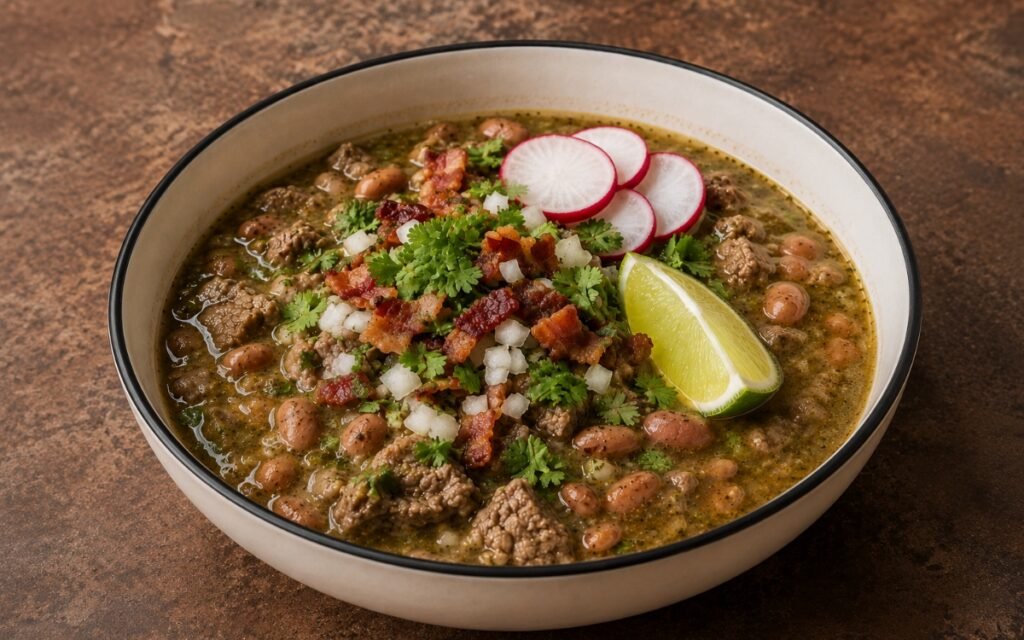
Carne en su Jugo
Finely chopped, batch-browned beef simmered briefly in a savory tomatillo broth with pinto beans, topped with crispy bacon and fresh garnishes.
-
Banh Mi Rice Bowl
A Vietnamese-inspired rice bowl of seared lemongrass pork, jasmine rice, quick-pickled carrot and daikon, cucumber, fresh herbs and nước chấm-style sauce.
-
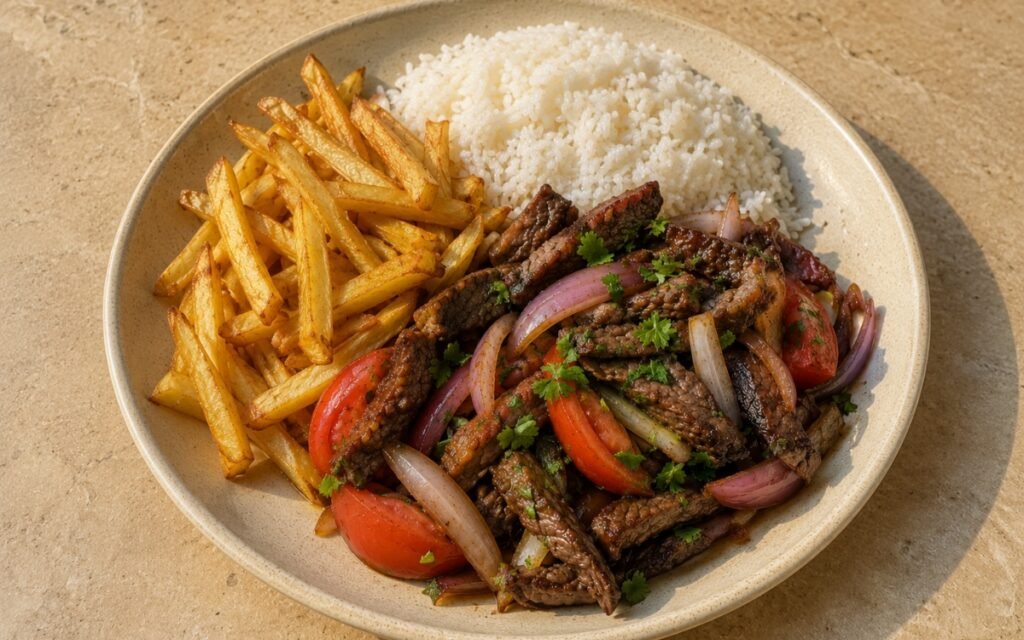
Peruvian Lomo Saltado
Deeply seared beef strips tossed fast with feathered shallots, tomato wedges, and a glossy soy-vinegar sauce, served with double-fried fries and rice.

You might also like
You might also like
-
Chicken Kathi Roll Wraps
Soft homemade flatbreads rolled around spiced, lightly charred chicken, bell peppers, lemony onions, green chutney and a cooling yogurt sauce.
-
Alambre Tacos
Soft corn tortillas filled with charred steak, smoky bacon, blistered peppers and onions, and melted Oaxaca cheese, finished with salsa roja, cilantro, and scallions.
-
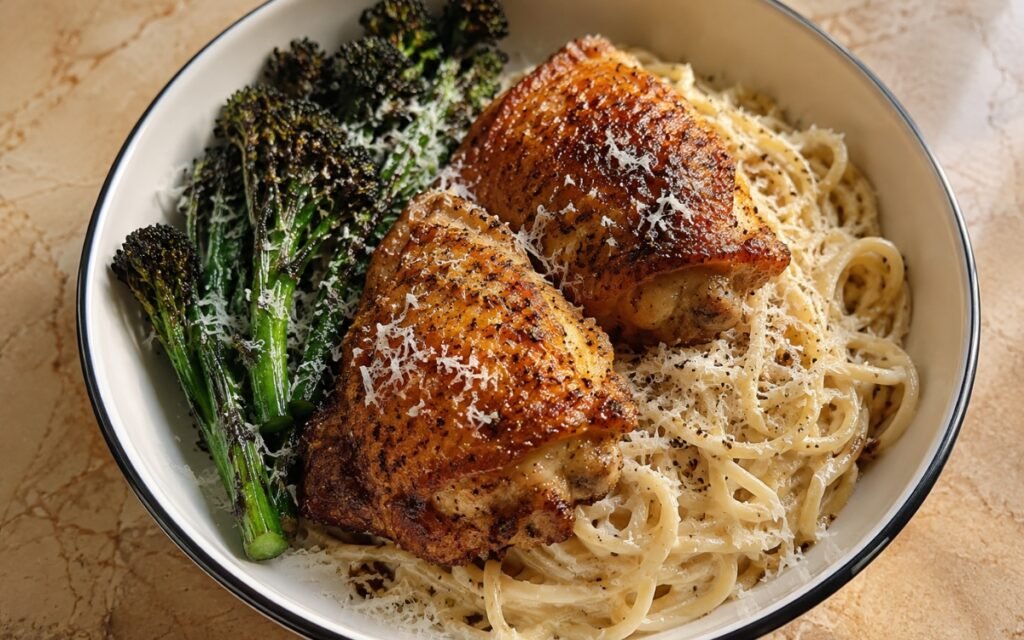
Baked Chicken Thighs with Cheesy Spaghetti
Smoked paprika crispy chicken thighs, cacio e pepe spaghetti with tempered cheese paste, and charred broccolini — one bowl, Parmesan over everything, 55 minutes.


Dominican Pollo Guisado
Ingredients
Method
- Pat the chicken pieces completely dry with paper towels, then combine them in a large bowl with the 1½ tsp kosher salt, 1 tsp black pepper, 1½ tsp dried oregano, 4 minced garlic cloves, 1 tbsp lime juice, 1 tbsp white vinegar, 1 tbsp soy sauce, and 1 tbsp neutral oil. Rub the seasoning over every surface and under any folds of skin until the pieces look lightly coated and nothing pools in the bowl. Leave them at room temperature for at least 20 minutes while you slice the vegetables and rinse the rice, or cover and refrigerate for up to 4 hours. That dry, evenly seasoned surface is what lets the chicken brown instead of steam.
- Rinse the 400g rice until the water runs mostly clear and drain it well. Bring the 650ml water to a boil in a medium pot with the 1 tbsp oil and 1 tsp kosher salt, add the rice, stir once, and cook uncovered over medium heat for 8–10 minutes until most of the water is absorbed and small steam holes appear on the surface. Stir once gently, reduce the heat to very low, cover tightly, and steam for 15 minutes, then turn off the heat and rest it, still covered, for 10 minutes before fluffing. The rice keeps its heat happily while the chicken finishes. That uninterrupted steam is what leaves the grains fluffy and separate rather than wet.
- Heat a wide heavy pot or deep sauté pan over medium heat, add the 2 tbsp oil, then sprinkle in the 1½ tsp sugar. Let it melt and darken to a medium amber, which takes about a minute, and lay the chicken in a single layer the moment it reaches that colour. Brown for about 3 minutes per side, in two batches if the pieces crowd, until the surface is deep golden; the chicken does not need to cook through yet. If the sugar turns dark brown or smokes before the chicken goes in, wipe the pot and start again. That quick caramel is what gives the dish its deep brown colour without bitterness.
- Set the browned chicken on a plate, lower the heat slightly, and leave the rendered fat and browned bits in the pot. Add the sliced onion, the red and green pepper strips, and the 3 sliced garlic cloves, then cook for 3 minutes, stirring and scraping up the browned bits. Stir in the 2 tbsp tomato paste, 120g crushed tomato, bay leaf, and ½ tsp paprika or sazón if using, and cook for about 1 minute until the tomato darkens slightly and smells cooked. If the base looks dry, add a small splash of water before anything scorches. The vegetables should soften but keep their shape. That scraped-up fond is what carries much of the final flavour.
- Return all the chicken to the pot, nestling the pieces into the sauce, and pour in 350ml water or light stock so the liquid comes partway up the chicken without covering it. Bring to a gentle simmer, cover, and cook over low to medium-low heat for 25 minutes, turning the chicken once halfway through. Uncover and simmer for about 5 minutes more, until the chicken is fully tender, the vegetables are soft, the sauce is glossy and lightly thickened, and a little reddish-orange oil shows at the edges. Add up to 125ml more liquid only if the sauce reduces too far, then stir in the 2 tbsp cilantro. Check breast pieces about 5 minutes earlier; every piece must read at least 74°C at the thickest part. That gentle simmer is what keeps the chicken tender and the sauce glossy instead of greasy.
- Taste the sauce and adjust the salt if needed, then remove the bay leaf. Fluff the rested rice with a fork and plate a generous mound on each plate. Spoon 2 pieces of chicken and plenty of sauce alongside, letting a little sauce run naturally toward the rice, and garnish lightly with the extra chopped cilantro. The sauce should be spoonable and rich, loose enough to soak the rice, with the browned chicken surfaces still visible beneath it. That runoff into the rice is what makes every forkful taste of the whole pot.