
Saag Paneer
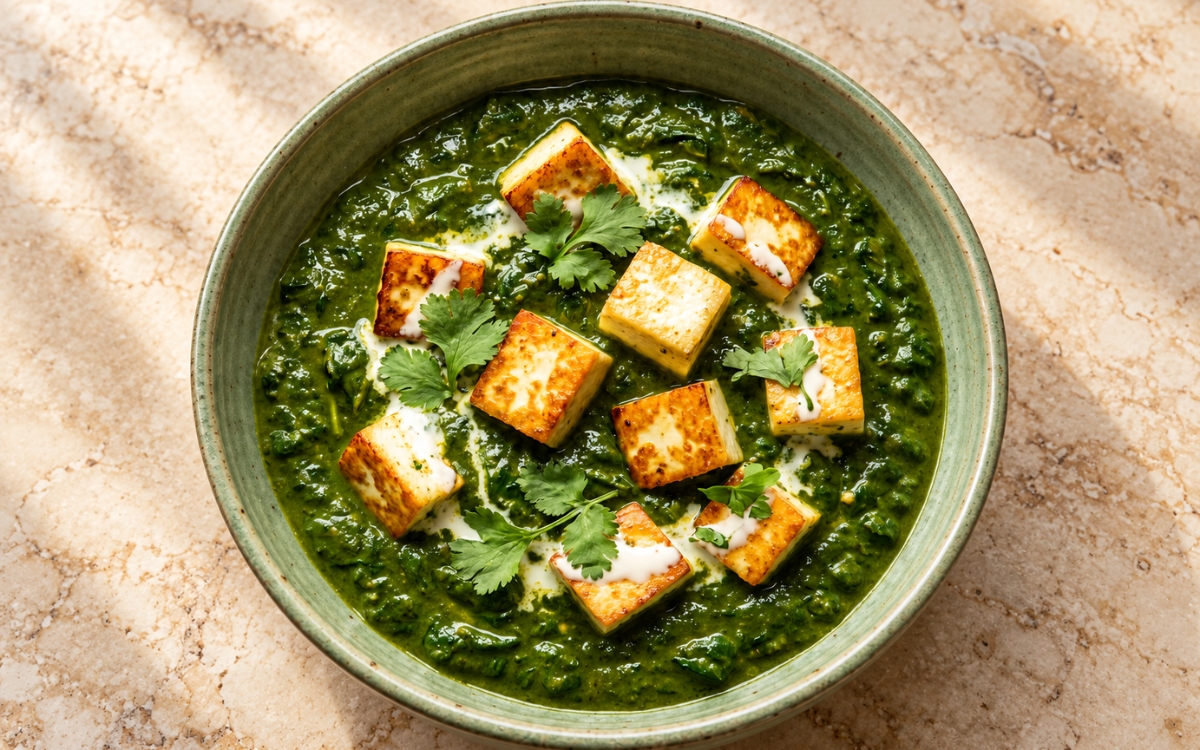
A classical-style saag paneer made with lightly browned paneer cubes in a thick, deep-green spinach-based gravy enriched with aromatics, spices, and a little cream. The sauce stays smooth but keeps some spinach texture, with distinct paneer pieces that stay soft inside and lightly golden on the edges.

Prep Time : 20 min
Total Time : 50 min
Servings : 4
20 min
50 min
4
Ingredients
For the Paneer
• 450 g paneer, cut into 2.5 cm / 1-inch cubes
• 2 tbsp neutral oil or ghee, for frying
• ¼ tsp fine salt
For the Greens
• 700 g spinach, tough stems removed
• 100 g mustard greens or more spinach, optional, for a more classical saag flavor
• 2 green chilies, roughly chopped
• 20 g ginger, roughly chopped
• 3 garlic cloves, roughly chopped
• 3 tbsp water, only if needed for blending
For the Curry Base
• 2 tbsp ghee or neutral oil
• 1 medium onion, finely chopped
• 2 garlic cloves, finely grated or crushed
• 10 g ginger, finely grated or crushed
• 1 medium tomato, finely chopped, or 120 g canned crushed tomato
• 1 tsp cumin seeds
• ½ tsp turmeric
• 1 tsp ground coriander
• ½ tsp Kashmiri chili powder or mild chili powder
• ½ tsp garam masala
• ½ tsp fine salt, plus more to taste
For Finishing
• 3–4 tbsp heavy cream
• 1 tbsp butter or ghee
• ½ tsp kasuri methi, crushed between your fingers
• Pinch sugar, optional, if the greens taste sharp or overly earthy
• 2–3 tbsp hot water, only if needed to loosen the sauce
For Garnish
• 1 tbsp cream
• A few cilantro leaves
Directions
- Prepare and Blanch the Greens
Bring a large pot of well-salted water to a boil. Add the spinach and optional mustard greens and blanch for 1½ to 2 minutes, just until fully wilted and bright green. Transfer the greens immediately to a bowl of very cold water or ice water to stop the cooking, then drain well and squeeze out the excess moisture gently. This quick shock in cold water is what sets the color and takes the raw harshness off the greens without dulling them. - Blend the Saag Base
Add the blanched greens, green chilies, rough-chopped ginger, and rough-chopped garlic to a blender or food processor and blend to a thick puree. For a more classical texture, stop short of completely silky-smooth — mostly smooth with a little lingering texture is correct here. Add only a spoon or two of water if the blender needs help moving. - Fry the Paneer
Heat the 2 tablespoons oil or ghee in a skillet over medium heat. Add the paneer cubes in a single layer and fry for 1–2 minutes per side until lightly golden on several faces, then sprinkle lightly with the ¼ teaspoon salt. Keep the frying brief and avoid deep browning, since paneer turns rubbery with too much time in the pan. Transfer to a plate; if you want extra-soft paneer, dip the fried cubes briefly in warm water for 5 minutes, then drain before adding them to the sauce. - Build the Curry Base
Heat the 2 tablespoons ghee or oil in a wide pan or kadai over medium heat. Add the cumin seeds and cook for 20–30 seconds until fragrant, then add the chopped onion and cook for 7–9 minutes, stirring often, until soft and lightly golden. Add the grated garlic and ginger and cook 30–45 seconds more. Add the tomato and cook for 4–5 minutes until softened and reduced, with the fat just starting to separate at the edges. Stir in the turmeric, ground coriander, chili powder, garam masala, and ½ teaspoon salt, cooking for 20–30 seconds; add a splash of water if the pan looks dry so the spices don’t scorch. - Cook the Saag
Add the spinach puree to the pan and mix it well into the onion-spice base. Cook over low to medium-low heat for 6–8 minutes, stirring often, until the raw blended smell is gone and the mixture has thickened slightly. The saag should look deep green, glossy, and thick enough to hold the paneer without turning pasty; loosen with 2–3 tablespoons hot water if it gets too thick. Taste at this stage, adding more salt if needed, and a tiny pinch of sugar if the greens taste sharp or metallic. - Finish with Paneer and Cream
Lower the heat to low and stir in the butter or ghee, crushed kasuri methi, and 3–4 tablespoons cream. Add the paneer cubes and fold gently to coat, simmering very gently for just 2–3 minutes, only until the paneer is heated through. Keep this stage at a bare simmer — boiling hard once the cream and paneer are in can dull the color, split the finish, and toughen the paneer. - Serve
Transfer to a serving bowl and finish with a small drizzle of cream and a few cilantro leaves. Serve hot.
*Notes :
- Classical saag paneer leads with spinach rather than tomato, so the sauce should read as earthy, creamy, and gently spiced instead of tasting like a tomato-forward curry. The small amount of tomato here is there to add body and a light tang, not to dominate the flavor.
- Blanching and immediately shocking the greens in cold water is the single step most responsible for keeping the finished sauce a vivid green rather than a duller, more olive tone; skipping the ice-water shock lets residual heat continue cooking the greens and dulling their color.
- The blended puree should stay thick rather than watery, since any excess water carries through to the finished dish and leaves it thin instead of rich. Adding only as much water as needed to keep the blender moving is worth paying attention to for exactly this reason.
- Mustard greens add a more traditional depth to the saag’s flavor, but they’re genuinely optional — using all spinach in their place still gives a good result, just with a slightly milder, less assertive greens flavor.
Why This Recipe Works
Blanching the greens briefly and shocking them in cold water locks in their color before any of the slower cooking that follows has a chance to dull it. Blending the greens to a mostly smooth, lightly textured puree — rather than completely silky — keeps some character in the final sauce instead of flattening it into a uniform paste. Browning the paneer briefly before it goes into the sauce adds a little textural contrast at the edges while the interior stays soft, and finishing with cream, butter, and kasuri methi only at the very end layers in richness and aroma without overcooking the dairy or toughening the paneer.
Ingredient Breakdown
Blanched and shocked spinach
The base of the dish’s color and flavor; the quick dip in cold water after blanching is what keeps the green vivid rather than dulled.
Mustard greens (optional)
Adds a more traditional, slightly peppery depth to the saag that spinach alone doesn’t fully replicate.
Lightly fried paneer
Browned just enough to add texture at the edges while staying soft inside; overfrying turns it rubbery.
Tomato
Present in a smaller quantity than in most other curries in this style, adding body and a light tang rather than leading the flavor.
Kasuri methi
A small quantity that adds the familiar restaurant-style aroma associated with saag paneer, without needing much of it.
Heavy cream and butter
Added only at the end, they round out the dish’s richness without needing a long simmer to incorporate.
Flavor Structure Explained
This dish follows a layered balance model:
- Vivid, earthy centerpiece (blanched and shocked spinach)
- Light warmth and tang (onion-tomato-spice base)
- Aromatic top note (kasuri methi and garam masala)
- Soft richness (cream and butter)
- Textural contrast (lightly fried paneer)
Blanched and shocked spinach serves as this dish’s vivid, earthy centerpiece, its color locked in by the quick plunge into cold water right after cooking. The onion-tomato-spice base underneath contributes a light warmth and tang that supports the spinach rather than competing with it. Kasuri methi and garam masala finish the dish with an aromatic top note that reads last on the palate. Cream and butter, folded in at the end, add a soft richness over the greens. Lightly fried paneer cubes provide a textural contrast, staying mild enough to let the spinach lead the dish.
Common Mistakes to Avoid
- Skipping the ice-water shock after blanching – This lets the greens dull in color from residual heat; always shock them in cold water right after blanching.
- Over-frying the paneer – This makes it chewy and rubbery instead of soft; always keep the frying to 1–2 minutes per side.
- Blending the greens too wet – This makes the finished sauce thin and weak; always add only as much water as the blender needs to keep moving.
- Boiling hard after the cream and paneer go in – This can dull the color and toughen the paneer; always keep this final stage at a gentle simmer.
Variations
Mustard-Greens-Forward Version
Use a roughly equal mix of spinach and mustard greens for a more pronounced, traditional saag flavor with a slightly peppery edge.
Richer Version
Increase the cream to 5 tablespoons and add 1 extra teaspoon of butter at the finishing stage for a noticeably more indulgent sauce.
Lighter Version
Reduce the cream to 2 tablespoons and skip the butter, finishing instead with a small amount of plain yogurt stirred in off the heat.
Chicken Version
Add shredded cooked chicken in place of the paneer during the finishing stage for a similar sauce built around a different protein.
Storage & Make-Ahead
Make the spinach puree up to a day ahead and keep it covered in the refrigerator, which saves time on the day the dish is finished.
Store the finished saag paneer in an airtight container in the refrigerator for up to 3 days, though the color will mellow slightly with time.
Reheat gently on the stovetop over low heat, stirring often and loosening with a splash of hot water or cream if the sauce has thickened in the fridge.
Freeze the sauce without the paneer for up to 2 months, adding freshly fried paneer after thawing and reheating, since previously frozen paneer tends to turn rubbery.
Frequently Asked Questions
Why did my sauce turn out dull green instead of vivid?
This almost always comes back to the blanching step. Shocking the greens in ice water immediately after blanching is what locks in the bright color, and skipping that step lets residual heat dull it.
Can I skip frying the paneer?
Yes, though frying it briefly adds a bit of texture and color at the edges that unfried paneer won’t have. The dish still works well either way.
Why is my paneer rubbery?
This usually means it was fried too long or over heat that was too high. A brief 1–2 minutes per side is enough, and a short warm-water soak afterward can soften paneer that still feels firm.
Can I make this less rich?
Reducing the cream and skipping the added butter at the finishing stage lightens the dish noticeably without changing the core spinach flavor.
What else pairs well with this saag paneer?
Palak Chicken Curry and Paneer Butter Masala share a similar spiced, creamy approach if you want to build out a vegetarian-friendly Indian spread, and Dal Makhani makes a good companion lentil dish for the same meal. For bread, Homemade Garlic Butter Naan is ideal for scooping up the sauce, and Aloo Gobi rounds out the table as a simpler vegetable side.
Nutrition Facts
( Per Serving )
Calories
~580 kcal
Protein
26 g
Fat
47 g
Carbs
13 g
Calories
~580 kcal
Protein
26 g
Fat
47 g
Carbs
13 g
Related Recipes
Related Recipes
-

Chicken Tikka Masala
Classic chicken tikka masala with charred marinated chicken in a rich tomato-cream sauce, served with jasmine rice for a complete meal.
-
Idli Sambar Bowl
Soft steamed idlis served in bowls of warm, brothy toor dal and vegetable sambar with a thick spoonful of fresh coconut chutney.


You might also like
You might also like
-
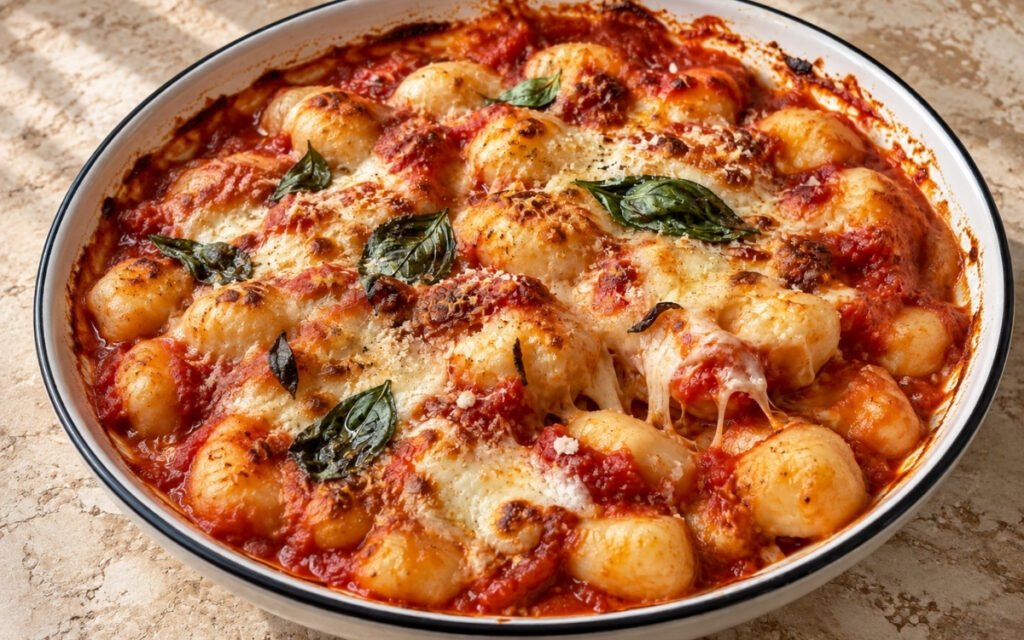
Gnocchi alla Sorrentina
Soft potato gnocchi baked in a simple tomato basil sauce with melted mozzarella, Parmesan, and bubbling browned cheese on top.
-
Dominican Pollo Guisado
A classic Dominican braise of browned bone-in chicken in a glossy reddish-orange tomato sauce with onions and peppers, served over fluffy white rice.
-
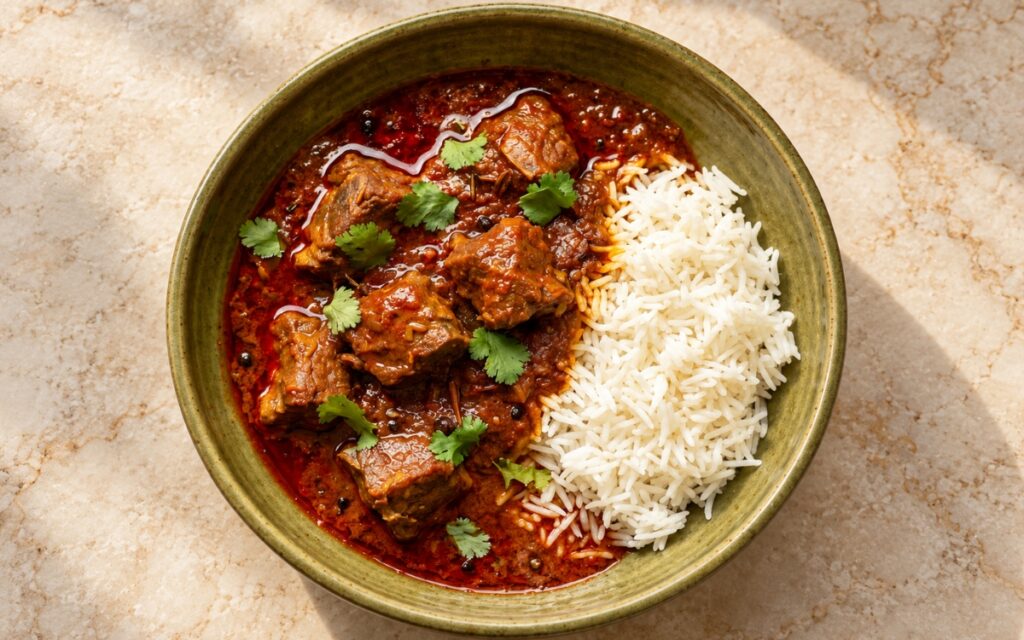
Rogan Josh Lamb Curry
Classical-style lamb rogan josh with tender slow-braised lamb in a deep red, richly spiced yogurt curry sauce, served with jasmine rice.

Saag Paneer
Ingredients
Method
- Bring a large pot of well-salted water to a boil. Add the spinach and optional mustard greens and blanch for 1½ to 2 minutes, just until fully wilted and bright green. Transfer the greens immediately to a bowl of very cold water or ice water to stop the cooking, then drain well and squeeze out the excess moisture gently. This quick shock in cold water is what sets the color and takes the raw harshness off the greens without dulling them.
- Add the blanched greens, green chilies, rough-chopped ginger, and rough-chopped garlic to a blender or food processor and blend to a thick puree. For a more classical texture, stop short of completely silky-smooth — mostly smooth with a little lingering texture is correct here. Add only a spoon or two of water if the blender needs help moving.
- Heat the 2 tablespoons oil or ghee in a skillet over medium heat. Add the paneer cubes in a single layer and fry for 1–2 minutes per side until lightly golden on several faces, then sprinkle lightly with the ¼ teaspoon salt. Keep the frying brief and avoid deep browning, since paneer turns rubbery with too much time in the pan. Transfer to a plate; if you want extra-soft paneer, dip the fried cubes briefly in warm water for 5 minutes, then drain before adding them to the sauce.
- Heat the 2 tablespoons ghee or oil in a wide pan or kadai over medium heat. Add the cumin seeds and cook for 20–30 seconds until fragrant, then add the chopped onion and cook for 7–9 minutes, stirring often, until soft and lightly golden. Add the grated garlic and ginger and cook 30–45 seconds more. Add the tomato and cook for 4–5 minutes until softened and reduced, with the fat just starting to separate at the edges. Stir in the turmeric, ground coriander, chili powder, garam masala, and ½ teaspoon salt, cooking for 20–30 seconds; add a splash of water if the pan looks dry so the spices don’t scorch.
- Add the spinach puree to the pan and mix it well into the onion-spice base. Cook over low to medium-low heat for 6–8 minutes, stirring often, until the raw blended smell is gone and the mixture has thickened slightly. The saag should look deep green, glossy, and thick enough to hold the paneer without turning pasty; loosen with 2–3 tablespoons hot water if it gets too thick. Taste at this stage, adding more salt if needed, and a tiny pinch of sugar if the greens taste sharp or metallic.
- Lower the heat to low and stir in the butter or ghee, crushed kasuri methi, and 3–4 tablespoons cream. Add the paneer cubes and fold gently to coat, simmering very gently for just 2–3 minutes, only until the paneer is heated through. Keep this stage at a bare simmer — boiling hard once the cream and paneer are in can dull the color, split the finish, and toughen the paneer.
- Transfer to a serving bowl and finish with a small drizzle of cream and a few cilantro leaves. Serve hot.