
Roasted Cauliflower and Chickpea Salad with Tahini
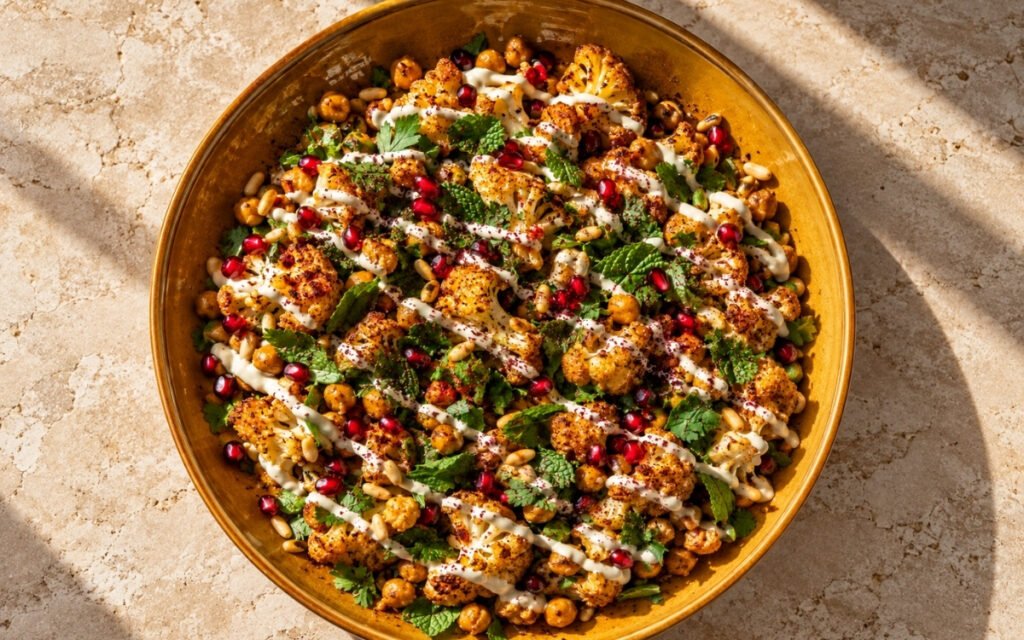
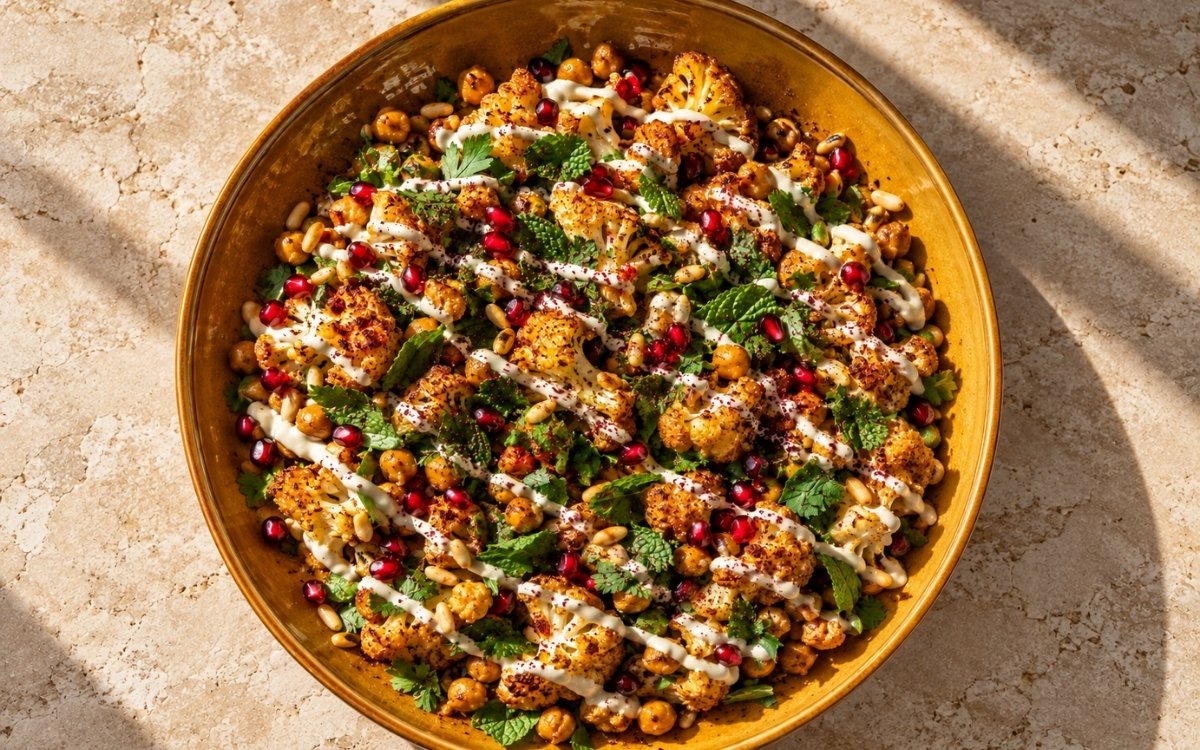
A warm Middle Eastern-style salad of deeply roasted cauliflower and crisp-edged chickpeas finished with tahini sauce, fresh herbs, toasted pine nuts, pomegranate seeds, and sumac, the key being aggressive roasting, dry chickpeas, and a pourable but thick tahini dressing. Drying the drained chickpeas thoroughly before they ever meet the oven is the technique this whole salad depends on for real, crisp texture — wet chickpeas steam instead of crisp during roasting, the same dry-before-roasting principle used elsewhere in this collection whenever a wet, drained legume’s own crisping ability depends on genuinely removing surface moisture first. Never overcrowding the roasting trays is what protects the cauliflower’s own deep, real caramelization from being lost to trapped steam. Adding the cold water to the tahini gradually while whisking constantly is what produces a smooth, thick but drizzleable sauce rather than a broken or overly thin one. The payoff is a salad with real, warm Middle Eastern contrast — deeply golden roasted cauliflower and crisp chickpeas against fresh herbs, bright pomegranate, and a thick, pourable tahini sauce.
Prep Time : 20 min
Cook Time : 30–35 min
Servings : 4
20 min
30–35 min
4
Ingredients
For the Cauliflower and Chickpeas
• 1 large cauliflower, about 900g to 1kg, cut into medium florets
• 2 cans chickpeas, drained and rinsed (about 480g drained weight total), or 450–500g cooked chickpeas
• 4 tbsp olive oil
• 1½ tsp ground cumin — this one on Amazon
• 1 tsp ground coriander — this one on Amazon
• 1 tsp paprika — this one on Amazon
• 1 tsp kosher salt, plus more to taste
• ½ tsp black pepper
For the Tahini Dressing
• 90g tahini — this one on Amazon
• 45–60ml lemon juice
• 1 small garlic clove, very finely grated
• 60–90ml cold water, as needed
• 2 tbsp extra-virgin olive oil — this one on Amazon
• ½ tsp kosher salt
For Finishing
• 25g flat-leaf parsley, roughly chopped
• 15–20g mint leaves, roughly torn or chopped
• 35–40g toasted pine nuts
• 60–80g pomegranate seeds
• 1½–2 tsp sumac — this one on Amazon
• Extra olive oil, optional
• Extra salt and black pepper, to taste
This post may contain affiliate links. As an Amazon Associate I earn from qualifying purchases, at no additional cost to you.
Directions
- Prep for Roasting
Heat the oven to 220°C / 425°F. If you have convection, use it. Line 2 large trays with parchment or roast directly on lightly oiled trays for better browning. Drain the chickpeas well, then dry them thoroughly with paper towels or a clean kitchen towel. Remove any loose skins if convenient. Place the cauliflower in a large bowl. Add the chickpeas, olive oil, cumin, coriander, paprika, salt, and black pepper. Toss very well until evenly coated. Divide between the 2 trays in a single layer. Do not overcrowd the trays. Crowding traps steam and prevents the dark roasted edges that make the salad. That deliberate spread across two trays, rather than one crowded pan, gives every floret and chickpea real, direct contact with the hot tray surface — crowding would instead trap moisture and steam the vegetables rather than letting them properly char. - Roast the Cauliflower and Chickpeas
Roast for 30–35 minutes, rotating the trays and tossing once halfway through. The cauliflower should be deeply golden with browned, crisp edges and fully tender. The chickpeas should be lightly crisp, a little wrinkled, and golden. If needed, give the trays an extra 3–5 minutes for more color. Roast until you see real caramelization. Pale cauliflower will taste flat and watery. That real, deep caramelization reflects genuine Maillard browning having taken place — a paler result pulled too early would still taste noticeably flatter despite being technically cooked through. - Make the Tahini Dressing
While the vegetables roast, whisk together the tahini, lemon juice, garlic, olive oil, and salt. The mixture will tighten at first. Add the cold water gradually, whisking constantly, until you get a smooth, thick but drizzleable sauce. Taste and adjust with more lemon, salt, or water as needed. The dressing should be thick enough to sit in clear zigzags over the salad, not so thin that it disappears into the bowl. That gradual water addition, whisked in constantly rather than dumped, is what lets the tahini’s own emulsion actually smooth back out after initially seizing — a sudden large addition would risk it staying broken and grainy instead. - Toast the Pine Nuts
Toast the pine nuts in a dry skillet over medium-low heat for 2–4 minutes, stirring often, until lightly golden. Transfer immediately to a plate to stop the cooking. Pine nuts burn very quickly; do not leave them unattended. That immediate transfer off the hot pan protects the pine nuts from their own genuinely narrow margin between properly toasted and burnt, given how quickly residual heat alone can push them past that point. - Assemble the Salad
Let the cauliflower and chickpeas cool for 5–10 minutes so they stay warm but not piping hot. Transfer to a wide bowl or platter. Add most of the parsley and mint and toss lightly. Reserve some herbs for the top. Drizzle the tahini generously over the salad in wide zigzags. Scatter over the pomegranate seeds, toasted pine nuts, remaining herbs, and sumac. Taste and finish with extra salt, black pepper, and a small drizzle of olive oil if needed. That brief cooling period protects the fresh herbs from wilting the moment they meet the vegetables — genuinely piping hot cauliflower would begin cooking and dulling the parsley and mint almost instantly.
*Notes :
- Drying the drained chickpeas thoroughly before they ever go into the oven deserves genuine recognition as the technique most directly responsible for whether this salad achieves real, crisp texture. The recipe’s own explicit warning that “wet chickpeas steam instead of crisp” reflects a real, common failure point — that thorough drying is what protects their ability to actually roast crisp rather than merely heating through while staying soft.
- Never overcrowding the roasting trays deserves the same attention this technique receives throughout this collection’s other high-heat roasted vegetable dishes. The recipe’s own explicit note that crowding “traps steam and prevents the dark roasted edges that make the salad” reflects real understanding of how directly tray space affects the finished cauliflower’s own colour and flavour.
- Adding the cold water to the tahini gradually, whisking constantly, deserves genuine attention as the technique responsible for the dressing’s whole defining consistency. The recipe’s own explicit note that the mixture “will tighten at first” reflects a real, expected stage in this process — patient, gradual water addition is specifically what lets that initial seizing smooth back out into a genuinely pourable sauce.
- Letting the roasted vegetables cool briefly before the fresh herbs are added deserves respect as a real, functional timing choice rather than simple patience. Genuinely piping hot cauliflower and chickpeas would begin wilting and dulling the parsley and mint almost immediately on contact, undermining the fresh, vivid finish this salad depends on.
Why This Recipe Works
This recipe works because the chickpeas are dried thoroughly before roasting, protecting their own ability to crisp rather than steam. The trays are never overcrowded, letting the cauliflower develop real, deep caramelization rather than staying pale and watery.
The tahini dressing is built with cold water added gradually and whisked constantly, producing a smooth, thick but pourable sauce rather than a broken one.
The pine nuts are toasted and transferred immediately, protecting them from burning. The vegetables are given a brief cooling period before the fresh herbs are added, protecting their own vivid colour and aroma right through to serving.
Ingredient Breakdown
Thoroughly Dried Chickpeas
The critical technique — removes surface moisture that would otherwise cause the chickpeas to steam rather than crisp.
Uncrowded Roasting Trays
The critical technique — protects real, deep caramelization from being lost to trapped steam.
Real, Deep Caramelization (Not Pale)
The critical technique — genuine Maillard browning is what gives the roasted vegetables their real flavour, distinct from a flat, pale result.
Gradually Watered Tahini Dressing
The critical technique — constant whisking lets the initially seized mixture smooth back into a genuinely pourable sauce.
Immediately Transferred Pine Nuts
The critical technique — protects against burning given their genuinely narrow toasting margin.
Brief Cooling Before Herbs Are Added
The finishing technique — protects the fresh parsley and mint from wilting on contact with hot vegetables.
Flavor Structure Explained
This roasted cauliflower and chickpea salad follows a layered balance model:
- Deeply caramelized, crisp foundation (roasted cauliflower and chickpeas)
- Warm background spice (cumin, coriander, paprika)
- Rich, tangy sauce (thick, lemony tahini dressing)
- Fresh herbal lift (parsley, mint)
- Sweet-tart, crunchy finish (pomegranate seeds, toasted pine nuts, sumac)
Deeply caramelized, crisp-edged roasted cauliflower and chickpeas provide this salad’s substantial, genuinely warm foundation. Cumin, coriander, and paprika layer in classic Middle Eastern background spice throughout. A thick, lemony tahini dressing ties the dish together with rich, tangy body. Fresh parsley and mint add bright herbal lift, kept vivid through careful timing. Pomegranate seeds, toasted pine nuts, and a final dusting of sumac finish the salad with sweet-tart, crunchy, and sharp contrast that ties every component of this warm, satisfying dish together.
Common Mistakes to Avoid
- Not Drying the Chickpeas Thoroughly – This causes them to steam rather than crisp during roasting. Always dry them well before tossing with oil and spices.
- Overcrowding the Roasting Trays – This traps steam and prevents real caramelization. Always spread the cauliflower and chickpeas across two trays in a single layer.
- Pulling the Vegetables While Still Pale – This produces a flat, watery flavour. Always roast until genuinely deep golden with real caramelized edges.
- Adding All the Water to the Tahini at Once – This risks the sauce staying broken and grainy. Always add it gradually, whisking constantly.
- Adding the Fresh Herbs to Piping Hot Vegetables – This wilts and dulls them almost immediately. Always let the roasted components cool briefly first.
Variations
Extra-Nutty Version
Increase the toasted pine nuts for a more pronounced, crunchy, nutty presence throughout the finished salad.
Extra-Spiced Version
Increase the cumin and paprika slightly for a more assertive, warmly spiced roasted vegetable base.
Make-Ahead Version
Roast the cauliflower and chickpeas ahead of time, per the recipe’s own guidance, adding the herbs, tahini, pine nuts, and pomegranate closer to serving so everything stays fresh and vibrant.
Extra-Tangy Version
Increase the lemon juice in the tahini dressing slightly for a sharper, more assertive acidity that cuts more directly through the roasted flavours.
Storage & Make-Ahead
The best texture for this dish comes from roasting the cauliflower in medium florets rather than tiny ones, since small florets dry out before they have the chance to char properly.
For genuinely crisp chickpeas, they must be dried very well before roasting, since wet chickpeas steam instead of crisping, undermining the whole point of this stage.
Parsley gives real body to the finished salad while mint adds freshness, so use both together for the most classical, balanced flavour rather than relying on just one herb.
If the tahini dressing becomes too thick, loosen it with a little more cold water; if too loose, whisk in a bit more tahini, and remember the salad needs enough lemon to cut through the richness and lift the roasted flavours.
Roast the cauliflower and chickpeas ahead of time if you like, but add the herbs, tahini, pine nuts, and pomegranate close to serving so everything stays fresh and vibrant, and serve the finished dish warm or at room temperature, never fridge-cold.
Frequently Asked Questions
Why do the chickpeas need to be dried so thoroughly before roasting?
Wet chickpeas steam rather than crisping in the oven’s heat. Thorough drying removes that surface moisture, protecting their ability to actually develop the lightly crisp, wrinkled texture this salad depends on.
Why do the roasting trays need to stay uncrowded?
A crowded tray traps steam around the cauliflower and chickpeas, preventing the dark, real caramelization that gives this salad its flavour. Spreading everything across two trays instead lets real, direct heat reach every piece.
Why does the cold water need to be added to the tahini gradually rather than all at once?
The tahini mixture initially tightens and seizes as lemon juice is added. Gradually whisking in cold water is what lets that seized mixture smooth back out into a genuinely pourable, cohesive sauce.
Why do the roasted vegetables need to cool slightly before the fresh herbs are added?
Genuinely piping hot cauliflower and chickpeas would begin wilting and dulling the parsley and mint almost instantly on contact, working against the fresh, vivid finish this salad is built around.
Are there other classic Middle Eastern chickpea, grain, or cauliflower dishes worth trying?
Egyptian Balela offers another classic chickpea-forward salad direction worth exploring. Freekeh Grain Salad and Classic Tabbouleh Salad are also worth trying for other classic Middle Eastern grain salads, and Classic Hummus and Roasted Cauliflower Rice offer other chickpea and cauliflower-forward dishes worth exploring.
Nutrition Facts
( per serving )
Calories
~480 kcal
Protein
16 g
Fat
30 g
Carbs
40 g
Calories
~480 kcal
Protein
16 g
Fat
30 g
Carbs
40 g
Related Recipes
Related Recipes

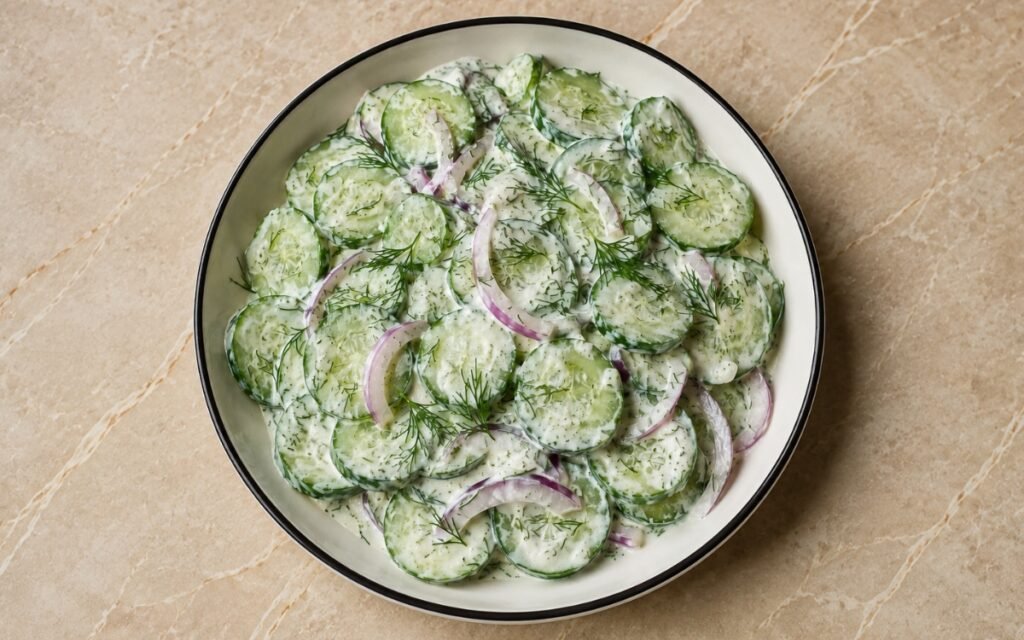
The Best Creamy Cucumber Salad
Crisp cucumbers tossed in tangy sour cream dressing with fresh dill, red onion, and garlic.
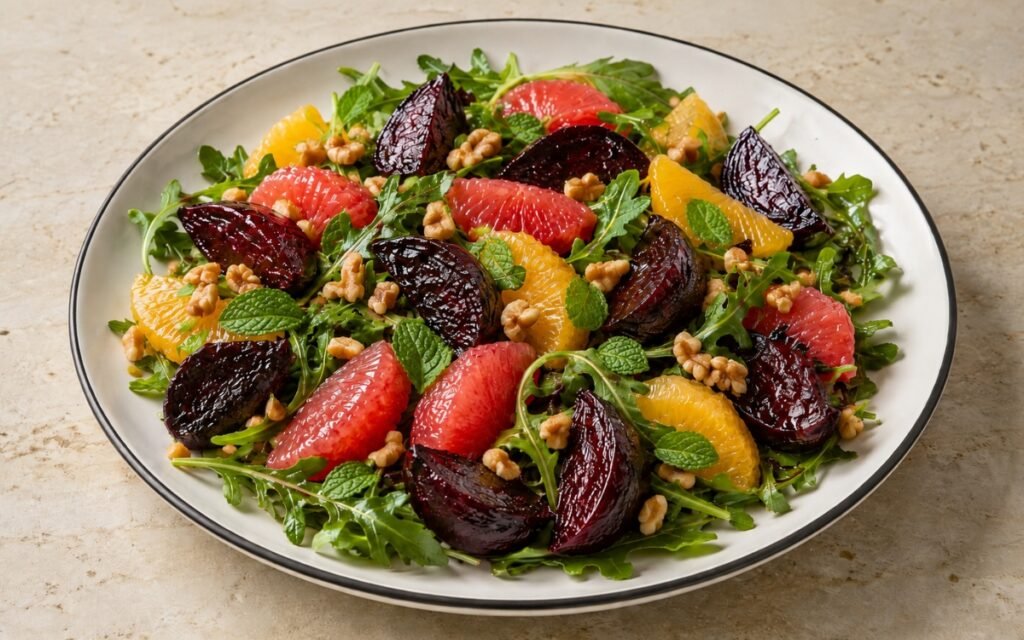
Roasted Beet and Citrus Salad
Earthy roasted beets with bright citrus segments, arugula, walnuts, and citrus vinaigrette.
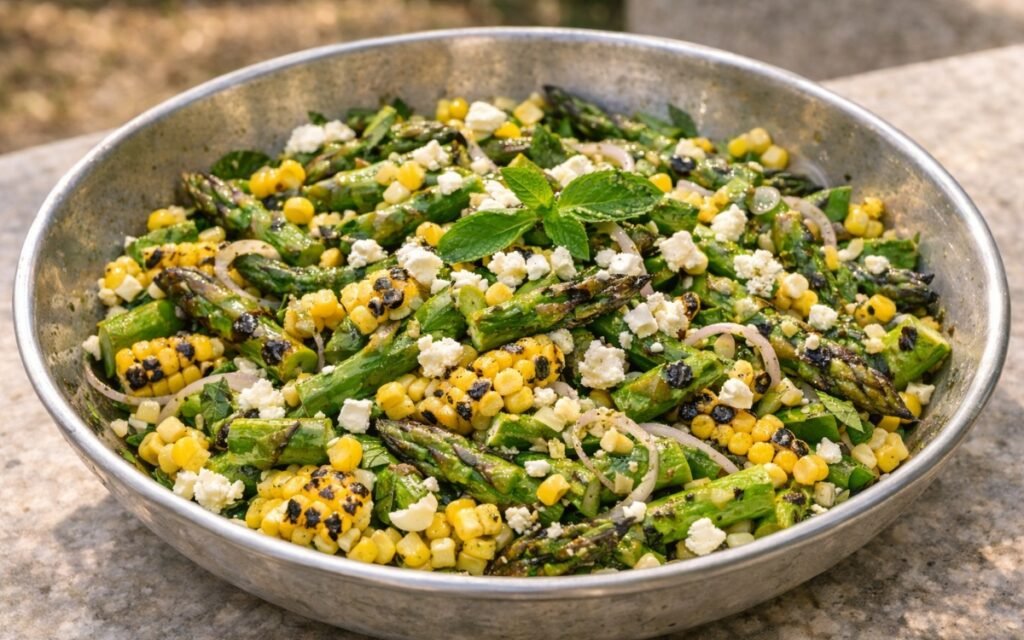
Grilled Asparagus & Corn Salad
Charred asparagus and caramelised corn with ice-water shallots, feta, and lemon vinaigrette — a smoky, bright summer salad ready in 35 minutes.
You might also like
You might also like
Pork Tamales with Salsa Verde
Braised, shredded pork in a glossy red chile sauce, wrapped in tender, broth-hydrated masa, and steamed in corn husks. Served with bright salsa verde.
Mushroom Risotto
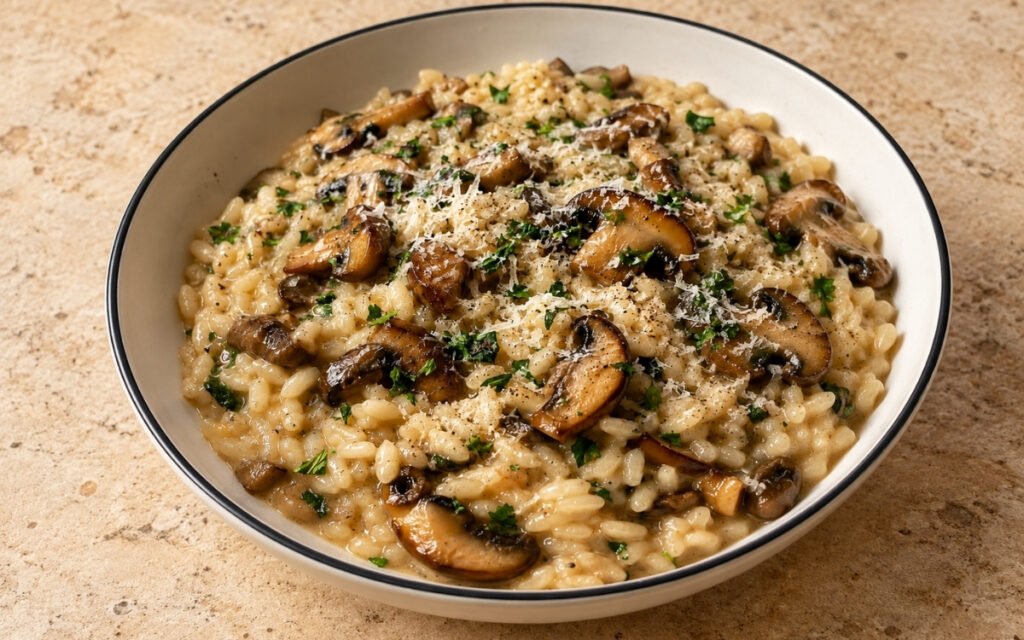
Creamy Arborio or Carnaroli rice with browned meaty mushrooms, white wine, shallot, and Parmesan, finished loose and silky.
Baked Mac and Cheese
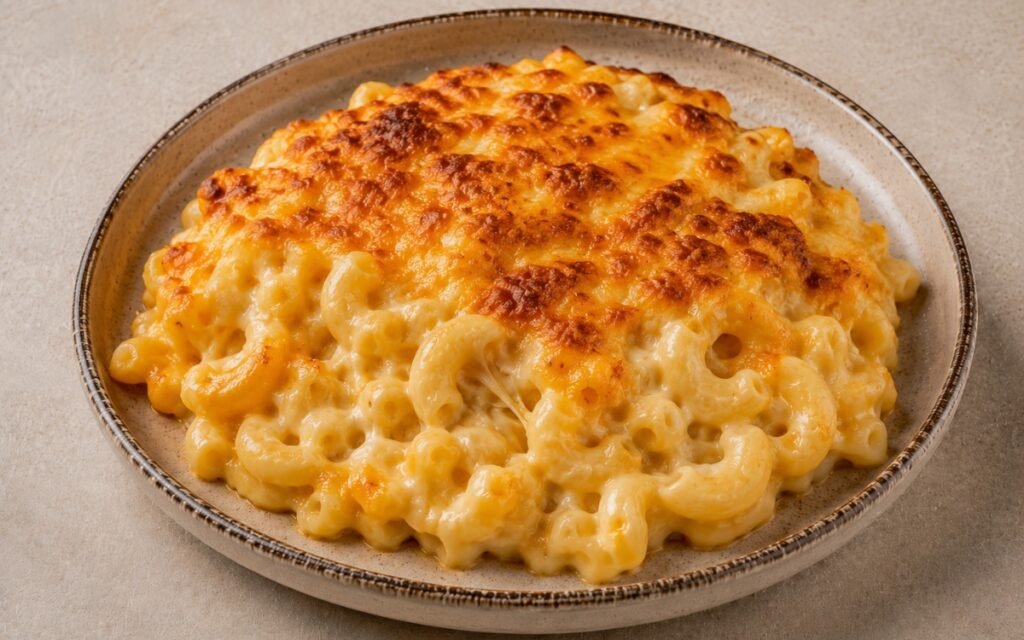
Cheddar, Gruyère, and mozzarella melted into a béchamel off the heat — layered with underdone macaroni, baked bubbling, broiled golden. Serves 12.

Roasted Cauliflower and Chickpea Salad with Tahini
Ingredients
Method
- Heat the oven to 220°C / 425°F. If you have convection, use it. Line 2 large trays with parchment or roast directly on lightly oiled trays for better browning. Drain the chickpeas well, then dry them thoroughly with paper towels or a clean kitchen towel. Remove any loose skins if convenient. Place the cauliflower in a large bowl. Add the chickpeas, olive oil, cumin, coriander, paprika, salt, and black pepper. Toss very well until evenly coated. Divide between the 2 trays in a single layer. Do not overcrowd the trays. Crowding traps steam and prevents the dark roasted edges that make the salad. That deliberate spread across two trays, rather than one crowded pan, gives every floret and chickpea real, direct contact with the hot tray surface — crowding would instead trap moisture and steam the vegetables rather than letting them properly char.
- Roast for 30–35 minutes, rotating the trays and tossing once halfway through. The cauliflower should be deeply golden with browned, crisp edges and fully tender. The chickpeas should be lightly crisp, a little wrinkled, and golden. If needed, give the trays an extra 3–5 minutes for more color. Roast until you see real caramelization. Pale cauliflower will taste flat and watery. That real, deep caramelization reflects genuine Maillard browning having taken place — a paler result pulled too early would still taste noticeably flatter despite being technically cooked through.
- While the vegetables roast, whisk together the tahini, lemon juice, garlic, olive oil, and salt. The mixture will tighten at first. Add the cold water gradually, whisking constantly, until you get a smooth, thick but drizzleable sauce. Taste and adjust with more lemon, salt, or water as needed. The dressing should be thick enough to sit in clear zigzags over the salad, not so thin that it disappears into the bowl. That gradual water addition, whisked in constantly rather than dumped, is what lets the tahini’s own emulsion actually smooth back out after initially seizing — a sudden large addition would risk it staying broken and grainy instead.
- Toast the pine nuts in a dry skillet over medium-low heat for 2–4 minutes, stirring often, until lightly golden. Transfer immediately to a plate to stop the cooking. Pine nuts burn very quickly; do not leave them unattended. That immediate transfer off the hot pan protects the pine nuts from their own genuinely narrow margin between properly toasted and burnt, given how quickly residual heat alone can push them past that point.
- Let the cauliflower and chickpeas cool for 5–10 minutes so they stay warm but not piping hot. Transfer to a wide bowl or platter. Add most of the parsley and mint and toss lightly. Reserve some herbs for the top. Drizzle the tahini generously over the salad in wide zigzags. Scatter over the pomegranate seeds, toasted pine nuts, remaining herbs, and sumac. Taste and finish with extra salt, black pepper, and a small drizzle of olive oil if needed. That brief cooling period protects the fresh herbs from wilting the moment they meet the vegetables — genuinely piping hot cauliflower would begin cooking and dulling the parsley and mint almost instantly.