
Spanish Escalivada with Burrata & Capers
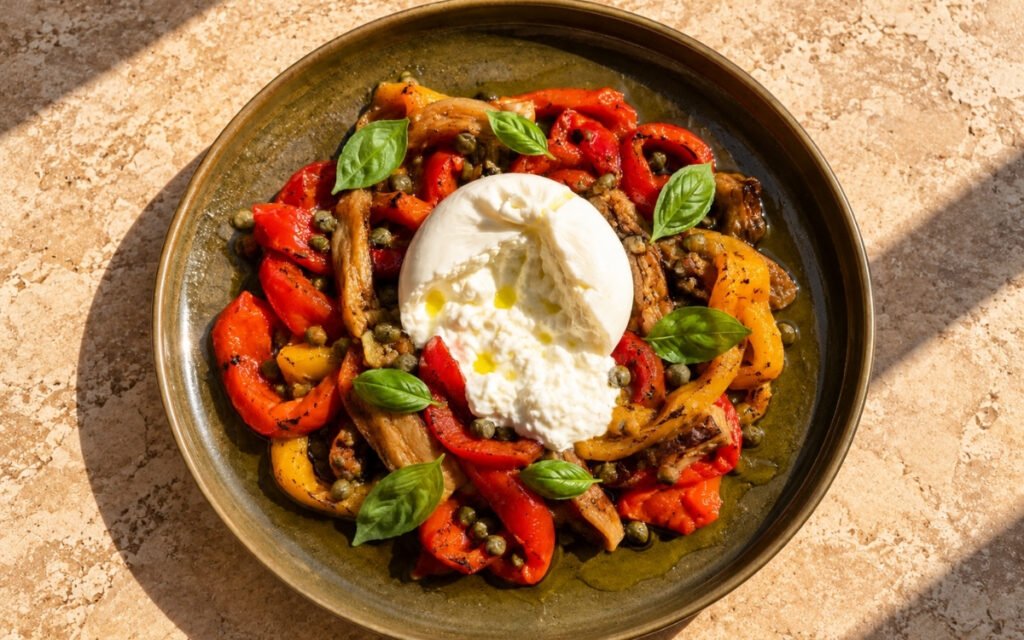
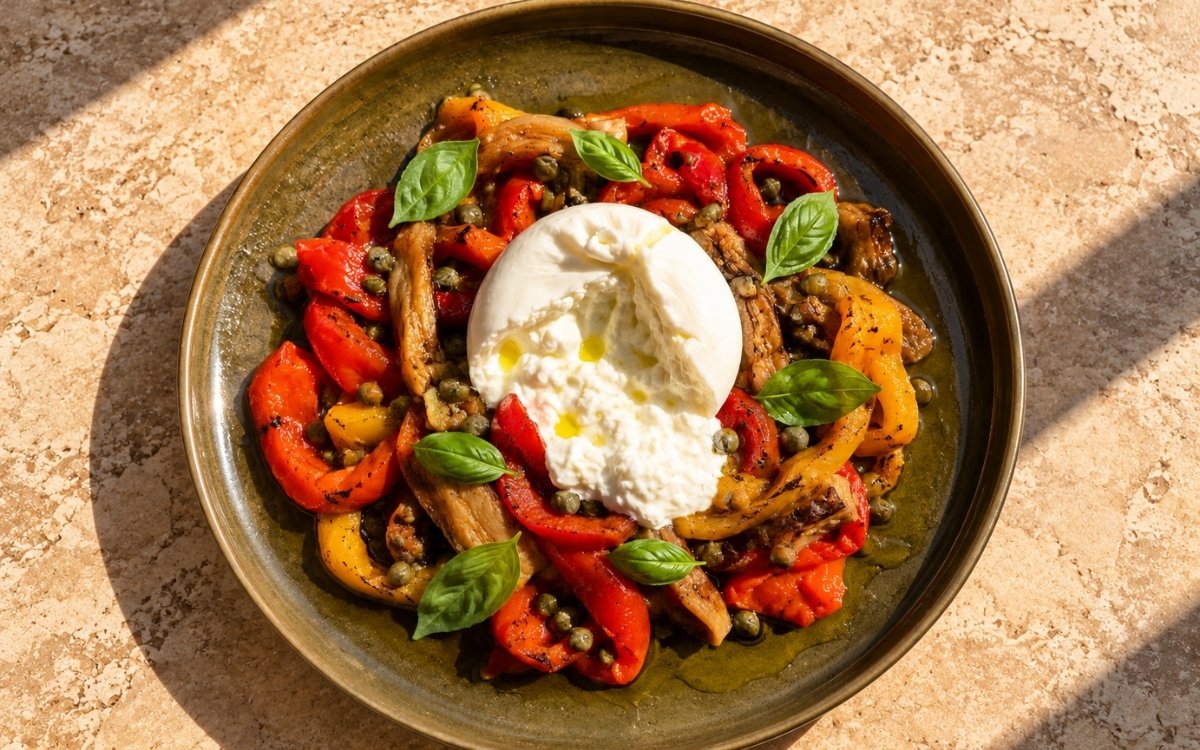
A Catalan-style escalivada of fully roasted peppers, eggplant, and onion, peeled and torn into soft smoky strips, then dressed generously with olive oil and a little vinegar, finished with 2 burrata balls total, torn open over the top so the cream runs into the vegetables, plus capers and basil for a bright, briny finish. Roasting every vegetable until genuinely fully soft and slightly smoky, never just coloured, is the technique this whole dish depends on for real, silky texture — eggplant especially should feel almost collapsed and custardy inside, the same roast-to-genuine-softness principle used elsewhere in this collection whenever a whole roasted vegetable’s own final texture depends on real doneness rather than surface colour alone. Never rinsing the peeled vegetables under water is what protects their own concentrated, roasted flavour from being washed away. Letting the dressed vegetables rest briefly before serving is what allows them to genuinely absorb the olive oil and vinegar rather than sitting merely coated. The payoff is a dish with real, classic Catalan contrast — soft, smoky, silky roasted vegetables against creamy torn burrata, briny capers, and fresh basil.
Prep Time : 20 min
Cook Time : 50–60 min
Servings : 4
20 min
50–60 min
4
Ingredients
For the Roasted Vegetables
• 3 large red bell peppers (about 600g)
• 2 large yellow bell peppers (about 400g)
• 2 medium eggplants (about 700–800g total)
• 2 medium onions (about 250–300g total)
• 2 tbsp olive oil
• Fine salt, to taste
• Freshly ground black pepper, to taste
For the Dressing
• 60ml extra-virgin olive oil — this one on Amazon
• 1 tbsp sherry vinegar or red wine vinegar — this one on Amazon
• 1 small garlic clove, very finely grated or mashed to a paste, optional but good
• ½ tsp fine salt, plus more to taste
For the Finish
• 2 burrata balls (about 125g each; 250g total) — this one on Amazon
• 2 tbsp capers, drained — this one on Amazon
• Small handful fresh basil leaves
• Extra olive oil, for drizzling
• Flaky salt, to finish
This post may contain affiliate links. As an Amazon Associate I earn from qualifying purchases, at no additional cost to you.
Directions
- Roast the Vegetables
Heat the oven to 220°C / 425°F. Place the peppers, eggplants, and onions on a tray. Rub lightly with the 2 tbsp olive oil. Roast until the vegetables are deeply softened and lightly charred: peppers for 30–40 minutes, turning once or twice, until blistered, collapsed, and blackened in spots; eggplants for 45–55 minutes, turning once, until the skin is wrinkled and the flesh feels completely soft all the way through; onions for 40–50 minutes, until tender in the center and lightly charred outside. If some vegetables finish earlier, remove them as they are ready. The vegetables must be fully soft and slightly smoky, not just colored. Eggplant especially should feel almost collapsed and custardy inside. That real, thorough softening reflects genuine internal doneness rather than surface colour alone — a vegetable pulled while only lightly browned would still carry a firmer, less silky interior than escalivada actually depends on. - Steam and Peel
Transfer the hot peppers to a bowl and cover tightly with a plate or wrap for 15 minutes to steam. Let all vegetables cool enough to handle. Then peel the peppers, remove stems and seeds, and tear into wide strips; peel the eggplants if needed, or scrape the flesh away from the skin, then tear into long soft strips; peel the onions, discard any dry or overly charred outer layers, and separate into soft strips or petals. Collect any juices from the tray or vegetables and keep them. Do not rinse the vegetables under water after peeling — that washes away flavor. Just wipe or peel off the loose skin. That covered steaming period genuinely loosens the peppers’ own skin from the flesh beneath, making it considerably easier to peel cleanly without tearing the tender roasted flesh underneath. - Dress the Escalivada
In a bowl, mix the 60ml olive oil, vinegar, garlic if using, and ½ tsp salt. Add the roasted pepper strips, eggplant, onion, and any reserved roasting juices. Toss very gently so the vegetables stay in soft strips rather than breaking down completely. Taste and adjust with more salt and black pepper. Let the vegetables rest for 15–20 minutes so they absorb the dressing. Escalivada is best when the vegetables sit briefly in the dressing before serving. The flavor should be mellow, lightly smoky, and glossy with olive oil. That genuinely gentle tossing protects the vegetables’ own real, soft strip shape — vigorous mixing would break them down into something closer to a mash, losing the distinct, silky texture this dish is built around. - Assemble
Arrange the dressed vegetables on a wide shallow serving plate. Place the 2 burrata balls in the center. Tear or open them so the creamy interior spills onto the peppers and eggplant. Scatter over the capers and basil leaves. Drizzle with a little more olive oil and finish with flaky salt. Serve at room temperature or slightly warm. Tearing the burrata open specifically over the vegetables, rather than slicing it neatly to the side, is what lets its own creamy interior spill naturally onto the roasted pepper and eggplant, genuinely combining the two components right at the moment of serving.
*Notes :
- Roasting every vegetable until genuinely fully soft and slightly smoky, never pulling them once merely coloured, deserves recognition as the technique most directly responsible for this dish’s whole defining texture. The recipe’s own explicit note that eggplant “should feel almost collapsed and custardy inside” reflects a real, checkable doneness target — surface browning alone doesn’t guarantee that same real, internal softness.
- Never rinsing the peeled vegetables under water deserves genuine attention as a real, deliberate restraint given how directly it protects the dish’s own flavour. The recipe’s own explicit warning that rinsing “washes away flavor” reflects a common instinct worth resisting — the loose skin should be wiped or peeled away, never rinsed, to keep the vegetables’ own concentrated, roasted character intact.
- Letting the dressed vegetables rest for a genuine 15–20 minutes before serving deserves the same attention this technique receives throughout this collection’s other rested, marinated vegetable dishes. That window is specifically what lets the olive oil and vinegar actually absorb into the roasted vegetables, rather than simply sitting on their surface as a separate, unabsorbed coating.
- Tossing the dressed vegetables only gently deserves genuine respect as the detail responsible for escalivada’s whole classic presentation. The recipe’s own explicit instruction to keep the vegetables “in soft strips rather than breaking down completely” reflects real understanding of how easily this dish could turn into a mash rather than staying visually and texturally distinct.
Why This Recipe Works
This recipe works because every vegetable is roasted until genuinely fully soft, protecting the dish’s own silky, custardy texture. The peppers are steamed briefly after roasting, loosening their skin for clean peeling. The vegetables are never rinsed, protecting their own concentrated, roasted flavour.
A gentle toss with the dressing keeps them in real, soft strips rather than breaking down, and a genuine resting period lets them fully absorb the olive oil and vinegar. Tearing the burrata directly over the vegetables at the very end delivers the dish’s whole intended combination of creamy cheese and smoky, dressed vegetables right at serving.
Ingredient Breakdown
Fully Roasted, Genuinely Soft Vegetables
The critical technique — real internal doneness, not just surface colour, produces the dish’s characteristic silky, custardy texture.
Steamed, Peeled Peppers
The critical technique — a covered steam loosens the skin, letting it be removed cleanly without tearing the flesh.
Never Rinsed
The critical technique — protects the vegetables’ own concentrated, roasted flavour from being washed away.
Gently Tossed Dressing
The critical technique — keeps the vegetables in real, distinct soft strips rather than breaking them down into a mash.
Rested Before Serving (15–20 Minutes)
The critical technique — lets the olive oil and vinegar genuinely absorb rather than sitting on the surface.
Torn, Spilling Burrata
The finishing technique — combines the creamy cheese directly with the vegetables right at the moment of serving.
Flavor Structure Explained
This escalivada follows a layered balance model:
- Soft, smoky foundation (fully roasted peppers, eggplant, onion)
- Glossy, mellow dressing (olive oil, sherry vinegar, optional garlic)
- Rich, creamy centre (torn burrata)
- Sharp, briny accent (capers)
- Fresh herbal finish (basil)
Fully roasted peppers, eggplant, and onion provide this dish’s soft, genuinely smoky foundation, their texture protected through real, thorough roasting. A glossy, mellow olive oil and sherry vinegar dressing ties the vegetables together with classic Catalan character. Torn burrata adds a rich, creamy centre right at the middle of the plate. Briny capers contribute a sharp, cutting accent against all that richness, and fresh basil finishes the dish with bright herbal lift that ties every component of this classic Spanish dish together.
Common Mistakes to Avoid
- Pulling the Vegetables Before They’re Genuinely Soft – This leaves them firmer and less silky than escalivada depends on. Always roast until fully soft and slightly collapsed.
- Rinsing the Vegetables After Peeling – This washes away real, concentrated roasted flavour. Always wipe or peel off the loose skin instead.
- Tossing the Dressed Vegetables Too Vigorously – This breaks them down into a mash rather than distinct strips. Always toss gently.
- Skipping the Resting Period Before Serving – This leaves the dressing sitting on the surface rather than absorbed. Always let the vegetables rest for 15 to 20 minutes.
- Slicing the Burrata Neatly Instead of Tearing It – This misses the dish’s own intended, spilling combination of cheese and vegetables. Always tear it open directly over the plate.
Variations
Grilled Version
Roast the vegetables over an open flame or grill instead of in the oven, per the recipe’s own note on this giving an even more traditional smoky flavour, for a more authentically Catalan finished result.
Traditional Minimal Version
Dress the roasted vegetables with only olive oil and salt, omitting burrata, capers, and basil, per the recipe’s own note that these additions are less classically Catalan, for a simpler, more traditional presentation.
Make-Ahead Version
Prepare the escalivada base up to a day ahead and keep it chilled, per the recipe’s own guidance, bringing it back to room temperature and adding the burrata, capers, and basil only right before plating.
Extra-Briny Version
Increase the capers slightly for a sharper, more assertive briny contrast against the sweet roasted peppers and rich burrata.
Storage & Make-Ahead
The most classical method for this dish is roasting whole vegetables until soft and smoky, then peeling and dressing simply with olive oil and salt, and onion is a classical addition even though some versions use only peppers and eggplant.
The best final texture has the peppers silky and sweet, the eggplant soft and almost creamy, and the onion tender without any crunch, so give every vegetable the full roasting time it genuinely needs to reach that point.
Burrata and basil are not the most traditional Catalan finish, but they work very well here and match a more elevated plated style, so add them only at the very end rather than mixing them into the dressed vegetables earlier.
Capers are likewise more of a finishing accent than part of the classic base, but their briny bite genuinely balances the sweet roasted peppers and rich burrata, so don’t skip them if you want that same contrast.
The escalivada base can be made a full day ahead and kept chilled, brought back to room temperature before serving, and if the vegetables feel watery, let them drain for a few minutes before dressing while keeping a little of their natural juice, since it’s genuinely part of the flavour.
Frequently Asked Questions
Why do the vegetables need to be roasted until genuinely, fully soft rather than just colored?
Eggplant in particular should feel almost collapsed and custardy inside once properly roasted. Surface browning alone doesn’t guarantee that same real, internal softness this dish’s whole texture depends on.
Why shouldn’t the peeled vegetables be rinsed under water?
Rinsing washes away real, concentrated roasted flavour that took the full roasting time to develop. Wiping or peeling off the loose skin protects that flavour instead.
Why do the dressed vegetables need to rest before serving?
That resting period lets the olive oil and vinegar genuinely absorb into the roasted vegetables, rather than sitting on their surface as a separate, unabsorbed layer.
Why is the burrata torn open over the vegetables rather than sliced neatly?
Tearing lets the burrata’s own creamy interior spill naturally onto the peppers and eggplant, genuinely combining the two components right at the moment of serving, rather than keeping them entirely separate on the plate.
Are there other classic Mediterranean roasted vegetable, farro, or fresh salad dishes worth trying?
Sicilian Caponata offers another classic Mediterranean vegetable dish worth exploring. Italian Farro Salad is also worth trying for a different, grain-based direction, and Burrata with Grilled Peach Salad, Roasted Red Pepper Sauce, and Panzanella with Heirloom Tomatoes offer other classic Mediterranean dishes worth exploring.
Nutrition Facts
( per serving )
Calories
~420 kcal
Protein
12 g
Fat
32 g
Carbs
24 g
Calories
~420 kcal
Protein
12 g
Fat
32 g
Carbs
24 g
Related Recipes
Related Recipes

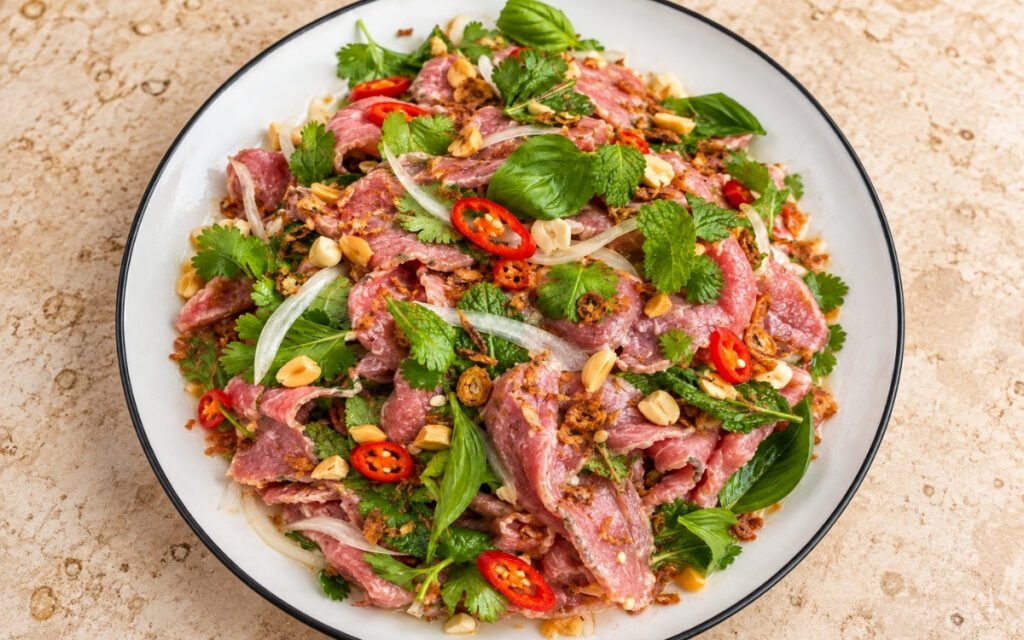
Vietnamese Rare Beef Salad — Bò Tái Chanh
Very thinly sliced tender beef briefly cured in lime juice, tossed with fish sauce dressing, fresh herbs, roasted peanuts and crispy fried shallots.
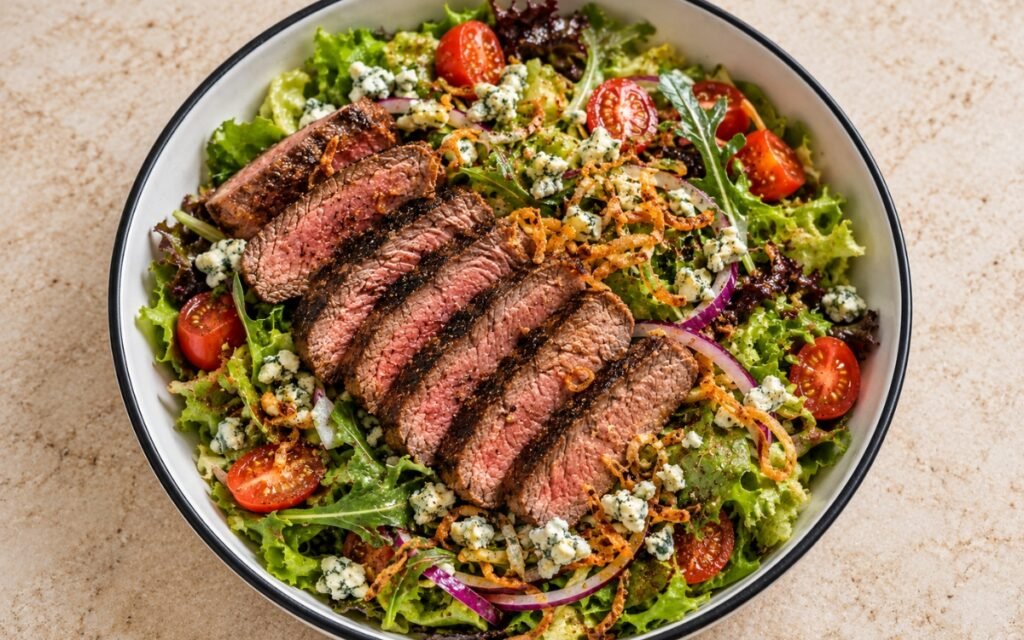
Steakhouse Steak Salad with Blue Cheese
Sliced medium-rare seared steak over crisp greens with cherry tomatoes, red onion, blue cheese crumbles, and crispy fried shallots.
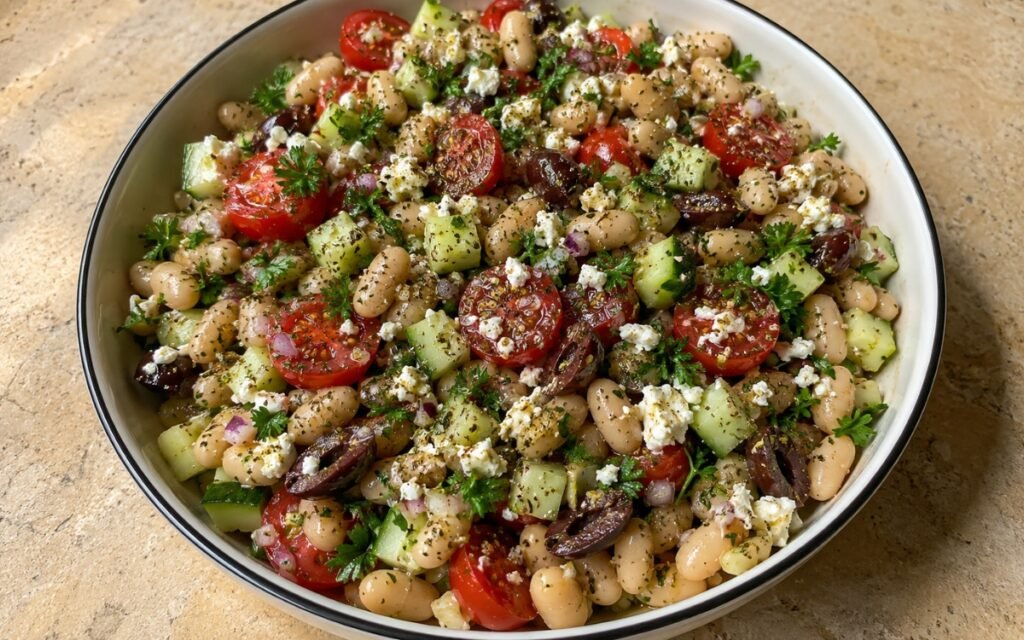
Za’atar White Bean Salad
Creamy white beans with za’atar, fresh vegetables, Kalamata olives, and tangy feta cheese.
You might also like
You might also like
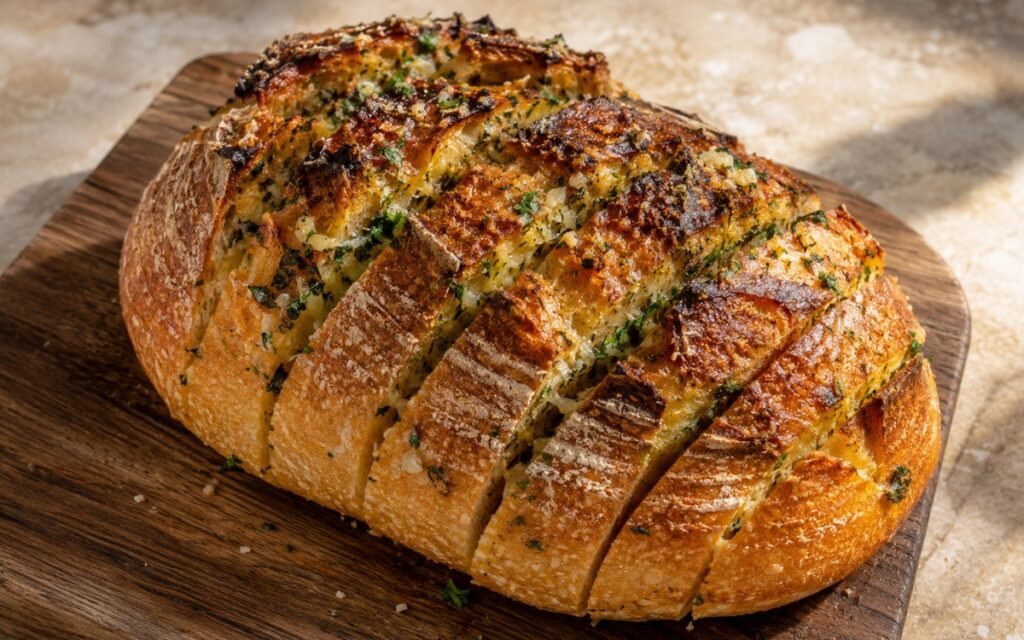
Sourdough Garlic Bread
Sourdough spread with genuinely soft garlic herb butter, baked foil-wrapped then unwrapped until golden and crisp. Rich and aromatic.
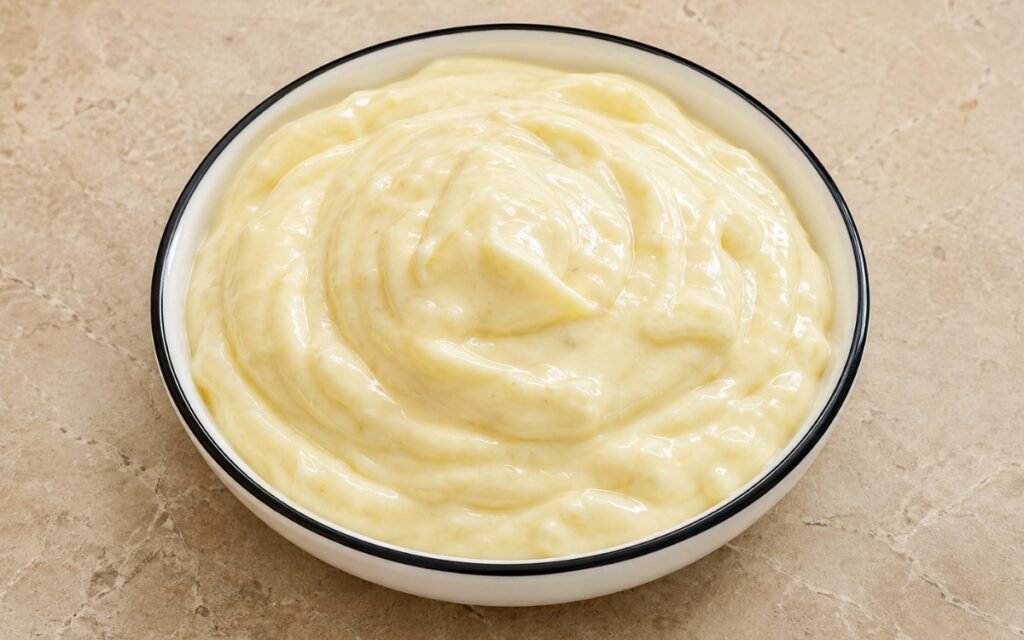
Classic Garlic Aioli (Weeknight Version)
Quick garlic aioli with authentic flavor in 10 minutes—no emulsion technique or fancy tools needed!
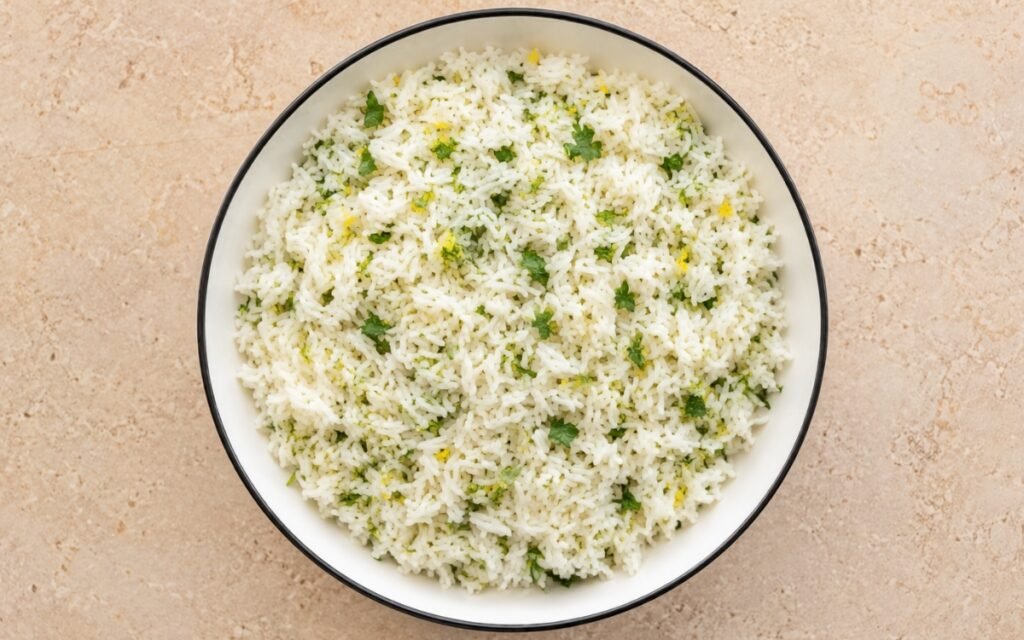
Greek Lemon Rice
Rice rinsed clear, cooked with garlic, broth, and lemon juice undisturbed until fluffy, finished with fresh herbs and zest. Bright and tangy.
Spanish Escalivada with Burrata & Capers
Ingredients
Method
- Heat the oven to 220°C / 425°F. Place the peppers, eggplants, and onions on a tray. Rub lightly with the 2 tbsp olive oil. Roast until the vegetables are deeply softened and lightly charred: peppers for 30–40 minutes, turning once or twice, until blistered, collapsed, and blackened in spots; eggplants for 45–55 minutes, turning once, until the skin is wrinkled and the flesh feels completely soft all the way through; onions for 40–50 minutes, until tender in the center and lightly charred outside. If some vegetables finish earlier, remove them as they are ready. The vegetables must be fully soft and slightly smoky, not just colored. Eggplant especially should feel almost collapsed and custardy inside. That real, thorough softening reflects genuine internal doneness rather than surface colour alone — a vegetable pulled while only lightly browned would still carry a firmer, less silky interior than escalivada actually depends on.
- Transfer the hot peppers to a bowl and cover tightly with a plate or wrap for 15 minutes to steam. Let all vegetables cool enough to handle. Then peel the peppers, remove stems and seeds, and tear into wide strips; peel the eggplants if needed, or scrape the flesh away from the skin, then tear into long soft strips; peel the onions, discard any dry or overly charred outer layers, and separate into soft strips or petals. Collect any juices from the tray or vegetables and keep them. Do not rinse the vegetables under water after peeling — that washes away flavor. Just wipe or peel off the loose skin. That covered steaming period genuinely loosens the peppers’ own skin from the flesh beneath, making it considerably easier to peel cleanly without tearing the tender roasted flesh underneath.
- In a bowl, mix the 60ml olive oil, vinegar, garlic if using, and ½ tsp salt. Add the roasted pepper strips, eggplant, onion, and any reserved roasting juices. Toss very gently so the vegetables stay in soft strips rather than breaking down completely. Taste and adjust with more salt and black pepper. Let the vegetables rest for 15–20 minutes so they absorb the dressing. Escalivada is best when the vegetables sit briefly in the dressing before serving. The flavor should be mellow, lightly smoky, and glossy with olive oil. That genuinely gentle tossing protects the vegetables’ own real, soft strip shape — vigorous mixing would break them down into something closer to a mash, losing the distinct, silky texture this dish is built around.
- Arrange the dressed vegetables on a wide shallow serving plate. Place the 2 burrata balls in the center. Tear or open them so the creamy interior spills onto the peppers and eggplant. Scatter over the capers and basil leaves. Drizzle with a little more olive oil and finish with flaky salt. Serve at room temperature or slightly warm. Tearing the burrata open specifically over the vegetables, rather than slicing it neatly to the side, is what lets its own creamy interior spill naturally onto the roasted pepper and eggplant, genuinely combining the two components right at the moment of serving.