Traditional Spanish Croquetas de Jamón
Traditional Spanish croquetas de jamón are a classic tapa of 24 plump oval croquettes, each with a thin, deeply golden breadcrumb shell around a luxuriously creamy béchamel generously studded with finely chopped jamón serrano or jamón ibérico, made by cooking butter, flour, and whole milk until silky, chilling the filling overnight, shaping it, coating it in fine breadcrumbs, and frying it until crisp. Cooking the béchamel slowly and thoroughly until it holds a thick, glossy ribbon, rather than stopping as soon as it thickens, is the technique this whole croquette depends on for a filling that is firm enough to shape yet molten in the centre — a thin or raw-tasting béchamel leaks out in the oil and a pasty one turns stodgy, the same patient-roux principle used elsewhere in this collection whenever a cooked sauce must become a shapeable filling. Chilling the filling for at least 6 hours is what lets it firm into a clean shape. Sealing every surface with a thin, continuous coating is what keeps the croquette from splitting in hot oil. The payoff is a croqueta with real, classic contrast — a brittle golden shell around a soft, velvety, ham-rich centre.

- Prep Time : 35 min
- Total Time : 9 hr 15 min
- Servings : 4
Ingredients
For the Jamón Béchamel Filling
- 1 litre whole milk (3.5% fat)
- 100g unsalted butter
- 110g all-purpose wheat flour
- 200g jamón serrano or jamón ibérico, finely chopped into 3–5mm pieces
- 0.5g finely ground white pepper (approximately ¼ teaspoon)
- 0.3g freshly grated nutmeg (approximately ⅛ teaspoon)
- 0–2g fine sea salt, only if necessary after tasting
For the Traditional Breadcrumb Coating
- 90g all-purpose wheat flour, for the first coating
- 3 large eggs (approximately 150g without shells), beaten
- 200g fine, dry, unseasoned white breadcrumbs (pan rallado fino)
For Deep-Frying
- 1.5–2 litres mild Spanish olive oil or another neutral-flavored, high-heat frying oil, sufficient to submerge the croquettes in the chosen pot
For Finishing and Serving
- 8g fresh flat-leaf parsley, finely chopped
- 20g thinly sliced jamón serrano, optional, for a subtle garnish
- 60g prepared Spanish alioli, optional, for a small accompaniment
Directions
- Prepare the Jamón and Warm the Milk
Trim any tough rind or hard exterior fat from the 200g jamón, keep the softer cured fat for richness, and cut the ham into irregular pieces 3–5mm across so they stay recognisable in the filling. Divide it into 50g for flavouring the butter and 150g for folding into the finished béchamel. Warm the 1 litre whole milk in a medium saucepan over low heat to about 50–60°C, warm but not boiling. Measure the butter, flour, white pepper, and nutmeg beside the stove, and set out a shallow rectangular dish of about 20 × 30cm for cooling. Warm milk is what keeps the sauce smooth. - Build the Butter, Jamón, and Flour Base
Melt the 100g butter in a wide, heavy-bottomed pan over medium-low heat, letting it foam lightly without browning. Stir in the first 50g jamón for 30–45 seconds, just until the butter smells of cured ham, and avoid frying it hard or dark. Add all 110g flour at once, stir immediately with a wooden spatula or heat-resistant whisk, and cook for 3–4 minutes, scraping the corners, until the roux is pale ivory, cohesive, and slightly sandy with the raw flour smell gone. Do not let it colour. A pale roux is what keeps the béchamel creamy. - Cook the Béchamel
Lower the heat and whisk in about 150ml of the warm milk until the paste is smooth, then another 150ml, and continue in additions of 150–200ml, whisking out lumps before each one. When all the milk is in, raise the heat to medium-low to a gentle simmer, switch to a broad spatula, and cook for 16–22 minutes, stirring almost continuously and scraping the corners. Add the white pepper and nutmeg after about 10 minutes. The béchamel is ready when a spatula drawn across the pan briefly exposes the base and the sauce falls in a thick ribbon. Slow cooking is what hydrates the flour and removes its raw taste. - Fold in the Jamón and Chill the Filling
Reduce the heat to its lowest setting, fold in the remaining 150g jamón, and cook for about 2 minutes, stirring often. Taste a cooled spoonful and add up to 2g salt only if genuinely needed, then remove the pan from the heat and add no cheese, cream, or extra thickener. Spread the hot filling in the prepared dish in a layer 2–3cm thick, press food-safe film directly onto the surface to prevent a skin, cool it briefly on a rack, and refrigerate at 4°C or below for at least 6 hours, preferably 8 hours or overnight. Chilling is what sets the starch and the butter into a shapeable filling. - Portion and Shape the Croquettes
Line a tray with parchment and take the firm filling out of the refrigerator just before shaping. Weigh it and divide by 24, since it should yield about 1.3–1.4kg, or about 54–58g per croquette. Portion it with a small scoop or two tablespoons, dampen your hands lightly, and roll each portion between your palms into a plump cylinder about 6–7cm long and 3–3.5cm thick, with softly rounded ends and no tight compression. Place the 24 croquettes apart on the tray and chill them for 15–20 minutes if they soften. Gentle shaping is what avoids cracks that would leak in the oil. - Apply the Fine Breadcrumb Coating
Set out three shallow dishes with the 90g flour, the 3 beaten eggs, and the 200g fine breadcrumbs, and take the croquettes from the refrigerator in small groups. Roll each one through the flour and shake off the excess so the coat is very thin, turn it in the egg and let the excess drip away, then roll it through the crumbs with gentle pressure, paying attention to the rounded ends where gaps form. The shell should be thin, continuous, and fine with no exposed filling. Return the coated croquettes to a clean tray and chill for 15–20 minutes. A sealed coating is what stops the filling from escaping. - Heat the Frying Oil
Pour 1.5–2 litres of oil into a deep, heavy 20–24cm saucepan or Dutch oven to a depth of 6–7cm, never more than halfway up the pot, so the croquettes will be fully submerged with room for bubbling. Clip a frying thermometer to the side with its tip submerged but off the bottom and heat the oil over medium heat to 175–180°C. While it heats, set a wire rack over a tray and put out a spider strainer, keeping the croquettes chilled until the oil is ready. Plan on 4–5 croquettes per batch. A steady temperature is what crisps the shell before the filling overheats. - Deep-Fry Until Deeply Golden
Lower the first 4–5 cold croquettes into the oil with a spider strainer and keep it as close to 175–180°C as possible, never below about 170°C. Leave them undisturbed for the first 45–60 seconds so the coating sets, then move them gently if they stick. Fry for about 3–4 minutes in total until the shell is an even rich amber-gold with tiny toasted crumbs, then lift them onto the rack to drain. Let the oil return to temperature before each batch, and tear the first croquette open to confirm that the filling is hot and creamy. Cold croquettes in hot oil are what keep the centre creamy. - Rest, Garnish, and Serve the Croquetas
Rest the croquettes on the rack in a single layer for about 2 minutes so excess oil drains and the heat evens out, never stacking or covering them, or hold them in a low oven at 80–90°C for only a few minutes. Warm four plates and arrange six croquettes on each, five whole and one pulled gently into two jagged halves to show the pale, glossy filling with its pink and red jamón. Sprinkle about 2g parsley on each plate, add about 5g thin jamón and about 15g alioli beside the croquettes if you like, and serve at once. A brief rest is what keeps the shell crisp and the centre silky.
*Notes :
- Cooking the béchamel until it holds a thick ribbon deserves genuine recognition as the technique most directly responsible for a filling that can be shaped yet stays creamy when hot. Sixteen to twenty-two minutes of stirring hydrates the flour fully and evaporates moisture, whereas an undercooked sauce stays slack and floury, leaks through the crust in the oil, and tastes of raw starch.
- Chilling the filling for at least six hours deserves the same attention this technique receives throughout this collection’s other fried croquettes and fritters. Cold sets the starch network and solidifies the butter, so the mixture holds a clean oval without extra flour, whereas a warm or lightly chilled filling smears, sticks to the hands, and bursts when it meets 175–180°C oil.
- Coating every surface thinly and continuously deserves genuine respect as the detail most directly responsible for croquettes that do not split. A thin layer of flour, egg, and fine crumbs seals the ends and seams of each oval, whereas gaps or thick clumps of crumb let the molten filling push out through the weak point and cloud the oil.
- Holding the oil at 175–180°C deserves attention as a genuine, checkable setting rather than a guess by sizzle. At that temperature the shell sets and browns within about four minutes while the filling only warms through, whereas cooler oil soaks the coating and a hotter bath colours it before the centre heats, so a thermometer and small batches matter.
Why This Recipe Works
This recipe works because the filling is engineered to be firm when cold and molten when hot. A slowly cooked, pale béchamel with a high flour ratio becomes shapeable after chilling, and its small pieces of jamón add salt, fat, and savour. A thin, sealed coating of flour, egg, and fine crumbs protects each croquette in oil held at 175–180°C. Small batches and a brief rest keep the shell crisp. The result is a golden, brittle croqueta that breaks open to reveal a silky, ham-studded centre.
Ingredient Breakdown
Whole Milk and Butter Béchamel (1 Litre)
The structural foundation — slowly cooked, it becomes firm when chilled and silky when fried.
Jamón Serrano or Ibérico (200g)
The flavour centrepiece — small pieces of cured ham give savour, salt, and visible contrast.
Flour (110g in the Filling)
The thickening element — a roux at this ratio makes a béchamel that holds its shape after chilling.
Overnight Chilling (8 Hours)
The critical technique — cold firms the starch and butter so the filling shapes cleanly and survives frying.
Fine Breadcrumbs and Egg (200g, 3 Eggs)
The protective shell — a thin, continuous coating browns evenly and seals in the filling.
Mild Frying Oil (1.5–2 Litres)
The cooking medium — deep, stable oil at 175–180°C crisps the shell quickly without greasiness.
Flavor Structure Explained
This Spanish croqueta de jamón follows a layered balance model:
- Creamy, milky foundation (butter, flour, and whole milk béchamel)
- Savoury, cured depth (chopped jamón serrano or ibérico)
- Warm, subtle seasoning (white pepper and nutmeg)
- Crisp, toasted shell (fine breadcrumbs fried golden)
- Fresh, creamy finish (parsley and optional alioli)
The béchamel gives the croqueta its creamy, milky foundation, while chopped jamón adds a savoury, cured depth in every bite. White pepper and nutmeg bring a warm, subtle seasoning that lifts the milk without announcing itself, and the fine breadcrumbs fry into a crisp, toasted shell around the soft centre. Parsley and optional alioli add a fresh, creamy finish that ties this croqueta de jamón together.
Common Mistakes to Avoid
- Undercooking the Béchamel – This leaves a slack, floury filling that leaks in the oil. Always cook it 16–22 minutes until a spatula leaves a track and the sauce falls in a ribbon.
- Shaping a Warm Filling – This smears, sticks, and bursts when fried. Always chill the filling for at least 6 hours, preferably overnight, before shaping.
- Leaving Gaps in the Coating – This lets the molten filling escape and cloud the oil. Always seal the ends and keep the coating thin and continuous.
- Frying in Cool Oil – This soaks the shell and makes the croquettes greasy. Always hold the oil at 175–180°C and fry only 4–5 at a time.
- Stacking the Hot Croquettes – This traps steam and softens the crust. Always rest them in a single layer on a wire rack for about 2 minutes.
Variations
Jamón Ibérico Version
Use jamón ibérico in place of serrano, which gives a richer, more complex flavour and a more refined fat profile, though a good serrano is perfectly traditional and slightly more assertive.
Plain Serving Version
Serve the croquetas without alioli, parsley, or extra ham, as many bars do, which gives the most traditional presentation and lets the contrast of crisp shell and creamy centre stand alone.
Frozen Croquette Version
Freeze the breaded croquettes on a parchment-lined tray until firm, then bag them for up to 2 months and fry directly from frozen, which allows a make-ahead tapa with a slightly longer cooking time.
Olive Oil Frying Version
Fry the croquettes in a mild Spanish olive oil instead of a neutral oil, which is traditional in Spain and adds a clean, gentle flavour while handling 175–180°C without trouble.
Storage & Make-Ahead
The béchamel can be prepared up to 2 days before shaping if it is cooled promptly and stored covered at 4°C or below, with film pressed onto the surface to stop a skin from forming.
Fully shaped and breaded croquettes can be refrigerated for about 24 hours before frying, which makes the dish easy to organise, provided they are kept uncovered on a tray or loosely covered so that moisture does not soften the crumbs.
Freeze uncooked, breaded croquettes on a parchment-lined tray until firm and then transfer them to airtight containers for up to 2 months, frying them directly from frozen without thawing and allowing extra time.
Fried croquettes are best eaten immediately, and any leftovers should be refrigerated promptly in an airtight container at 4°C or below for up to 2 days, then reheated until thoroughly hot.
Reheat leftovers on a wire rack in a preheated 190°C conventional oven for about 8–12 minutes until hot and crisp again, since a microwave steams the shell and leaves a limp coating.
Frequently Asked Questions
Why must the béchamel be chilled for at least 6 hours?
Cold sets the starch network and solidifies the butter, so the soft sauce becomes firm enough to portion and shape cleanly, whereas a warm filling smears, sticks, and bursts in the hot oil.
Why is the béchamel cooked for so long?
Sixteen to twenty-two minutes of stirring hydrates the flour and removes its raw taste while evaporating moisture, so the sauce turns thick, glossy, and shapeable instead of loose and floury.
Why do croquettes split during frying?
A filling that is not cold enough, gaps in the coating, too much moisture, crowding, and oil that is too cool all weaken the shell, so the molten centre bursts through at the weakest point.
Why are the croquettes fried at 175–180°C?
At this temperature the crumb shell sets and browns in about 3–4 minutes while the filling only heats through, whereas cooler oil soaks the coating and hotter oil colours it before the centre is hot.
Are there other classic croquette, fried, or Spanish tapas dishes worth trying?
Brazilian Coxinha, Supplì al Telefono, and Arancini all offer other classic fried and breaded croquette directions worth exploring. Spanish Alioli is worth making as the garlic sauce that suits croquetas, while Spanish Tortilla / Tortilla Española is another Spanish tapa for the same table.
Nutrition Facts
( Per Serving — 6 croquettes )
- Calories
- ~850 kcal
- Protein
- 32 g
- Fat
- 54 g
- Carbs
- 59 g
-

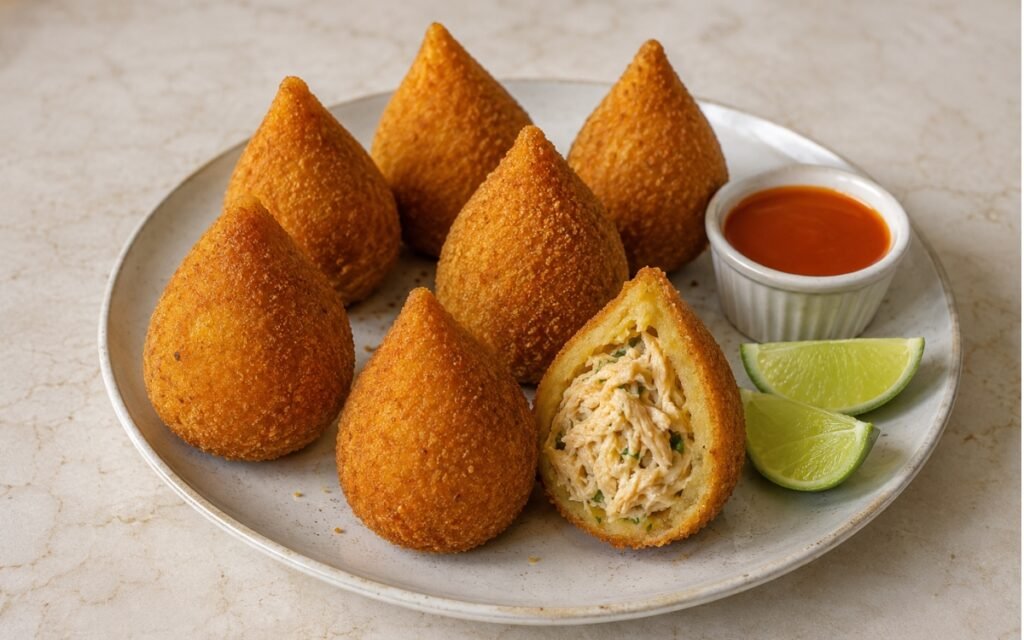
Brazilian Coxinha
Creamy shredded chicken filling wrapped in cooked-starch dough, shaped into classic teardrops, and fried until deeply golden and crisp.
-
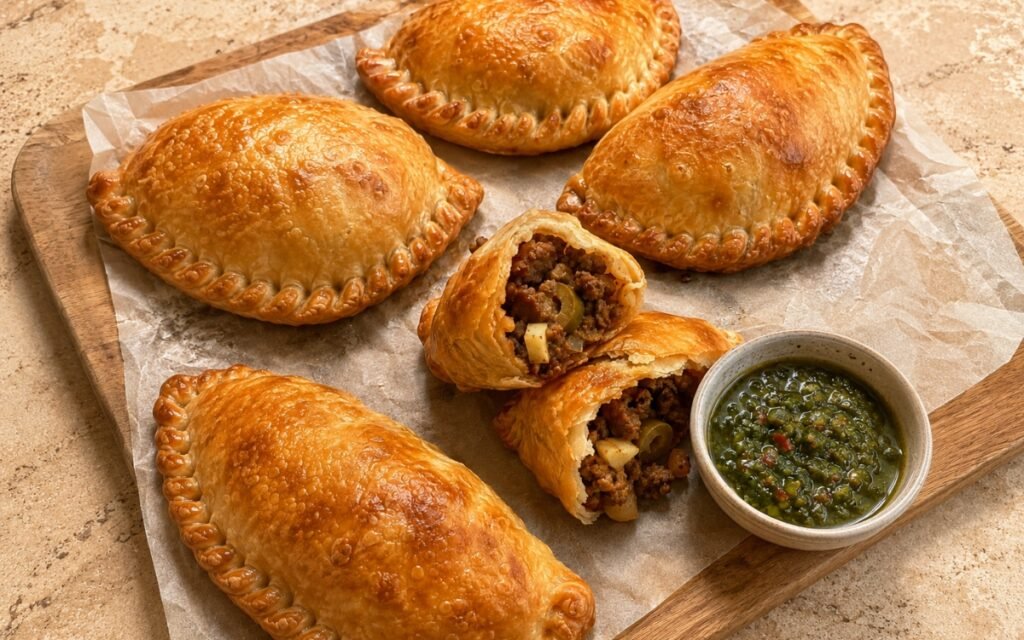
Beef Empanadas
Flaky, blistered baked pastry sealed around a savory beef filling with paprika, cumin, green olives, and hard-boiled egg.
-
Crispy Mozzarella Sticks
Cold low-moisture mozzarella double-coated through two flour-egg-Italian breadcrumb sequences — fried at 175°C for the shattering crust and full molten stretch, with mushroom powder dipping sauce.

-
Classic Garlic Aioli (Weeknight Version)
Quick garlic aioli with authentic flavor in 10 minutes—no emulsion technique or fancy tools needed!
-
Patatas Bravas with Mayonnaise-Style Aioli
Potatoes parboiled, shaken rough, roasted on a preheated tray — smoky bravas sauce with sherry vinegar, creamy garlic aioli.
-
Spanish Escalivada with Burrata & Capers
Fully roasted peppers, eggplant, and onion, peeled and torn into soft smoky strips, dressed with olive oil, finished with torn burrata, capers, and basil.