Ponzu Sauce
Traditional Japanese ponzu sauce is a light, refreshing citrus-soy dipping sauce made with fresh yuzu juice, Japanese soy sauce, rice vinegar, mirin, kombu, and bonito flakes, with a delicate translucent amber-brown colour and a thin, freely flowing consistency. Infusing the kombu and bonito cold in the refrigerator, rather than simmering them into the sauce, is the technique this whole ponzu depends on for its clean umami, because heat dulls fresh citrus aroma and a quiet overnight steep builds depth without cooking away the brightness, the same gentle-infusion principle used elsewhere in this collection whenever a delicate aroma must survive. Simmering only the mirin first is what softens its alcohol without turning it into syrup. Straining gently through a fine sieve, and then adjusting by taste one small change at a time, is what keeps the sauce clear instead of cloudy and balanced instead of swinging too salty or too sharp. The payoff is a citrus-forward, tangy, savoury sauce with real, rounded depth — lightly sweet, clean on the finish, and ready for dumplings, grilled fish, cold noodles, and sliced vegetables.

- Prep Time : 10 min
- Total Time : 2 hr 12 min
- Servings : 12
Ingredients
For the Citrus-Soy Base
- 65ml Japanese soy sauce (koikuchi shoyu)
- 65ml freshly squeezed yuzu juice, or 45ml lemon juice plus 20ml lime juice
- 20ml unseasoned Japanese rice vinegar
- 20ml hon mirin
- 20ml water
For the Umami Infusion
- 4g dried kombu, about one 5 × 5cm piece
- 5g katsuobushi (Japanese dried bonito flakes)
For Finishing
- 1 thin lemon half-moon slice
- 1 small green scallion, finely sliced into rings
- ½ tsp very finely grated fresh yuzu or lemon zest
Directions
- Prepare the Mirin
Pour the 20ml hon mirin into a small saucepan and bring it to a gentle simmer over medium-low heat for 1–2 minutes. Remove the pan from the heat and let the mirin cool completely before using it. The mirin should stay clear and aromatic, without reducing into a syrup, and it should smell sweet and mellow rather than sharp. Do not let it thicken. That brief simmer is what softens the alcohol without concentrating the sweetness, which ponzu needs to stay light. - Combine the Ponzu Base
In a clean glass bowl or jar, combine the soy sauce, strained yuzu juice, rice vinegar, cooled mirin, and water, then stir gently until the liquid is even. Taste it for a balance of citrus acidity, savoury soy, and gentle sweetness. The liquid should look translucent amber-brown, smell freshly citrusy, and run thin like water. Use freshly squeezed juice with seeds and large pulp strained out. That freshness is what carries the aroma, because bottled juice is only acceptable when it is unsweetened. - Infuse with Kombu and Bonito
Add the 4g kombu and 5g bonito flakes directly to the ponzu, cover the bowl or jar, and refrigerate for at least 2 hours, or 6–12 hours for deeper umami. Do not boil the combined sauce at any point. The liquid should slowly pick up a rounded savoury depth while staying bright and clear. Keep it cold throughout. That cold steep is what extracts dashi-like flavour without cooking away the citrus, because heat dulls the aroma of fresh juice. - Strain the Sauce
Set a fine-mesh sieve over a clean bowl and pour the infused ponzu through it, letting it drip without pressing on the bonito flakes. For an exceptionally clear sauce, strain it a second time through a coffee filter, then discard the solids. The sauce should run through clear amber-brown, with no flecks of bonito floating in it. Resist squeezing. That patience is what keeps fine particles out, because pressing the flakes pushes cloudiness into the liquid. - Adjust the Final Flavor
Taste the strained sauce and correct it in small steps. Add a few drops of citrus juice if it needs more acidity, a little soy sauce if it lacks savoury depth, or a splash of cold water if it tastes too salty. Measure the finished yield and aim for about 180ml. The sauce should taste citrus-forward, tangy, savoury, and lightly sweet, with clean umami and no heavy aftertaste. Change one element at a time. That discipline is what keeps the balance from swinging, because soy, acid, and water each shift the others. - Finish and Serve
Pour the chilled ponzu into a small shallow white ceramic dipping bowl with a thin black rim. Lay one thin lemon half-moon slice against the inner edge, add a small cluster of sliced scallion rings to one side, and finish with a delicate scattering of fresh citrus zest. The surface should ripple gently, with a few golden citrus-oil droplets and no thick swirls. Serve it chilled. That cool temperature is what keeps the citrus aroma bright when the sauce meets the table.
*Notes :
- Infusing cold in the refrigerator deserves genuine recognition as the technique most directly responsible for how this ponzu tastes. Kombu and bonito release their savoury compounds slowly into cold liquid over several hours, and because the sauce is never heated, the volatile oils in the fresh citrus stay intact instead of cooking away into something flat, dull, and one-dimensional.
- Choosing fresh yuzu or a lemon and lime blend deserves the same attention this collection gives to every acid-led sauce. Yuzu has a floral, resinous perfume that bottled juice loses quickly, and a combination of 45ml lemon juice and 20ml lime juice is a practical substitute that keeps the finished sauce bright, sharp, and pleasantly aromatic.
- Using Japanese koikuchi soy sauce deserves genuine respect as the detail most directly responsible for the correct colour and salt level. Dark Chinese soy sauce is far heavier and darker, so it overpowers the citrus and turns the translucent amber liquid murky and opaque, which hides the bright freshness this sauce is meant to show.
- Keeping the sauce thin deserves attention as a genuine, checkable sign of authenticity rather than a missing step. Ponzu is never reduced into a glaze like teriyaki, and adding cornstarch, flour, or sugar syrup would cloud the liquid and bury the clean citrus and delicate umami that make it work so well as a dipping sauce.
Why This Recipe Works
This recipe works because every decision protects the freshness of the citrus. Only the mirin is cooked, and it is cooled before it meets the juice, so the alcohol softens without any heat reaching the acid. Kombu and bonito then steep cold, which adds dashi-like depth rather than boiled bitterness. Straining without pressing keeps the liquid clear instead of cloudy, and tasting at the end lets you balance acid, salt, and water by small amounts. The result is a thin, bright, savoury sauce with clean umami, a gentle sweetness, and a fresh citrus finish.
Ingredient Breakdown
Fresh Yuzu Juice
The citrus backbone — its floral, resinous acidity defines authentic ponzu, with lemon and lime as a practical stand-in.
Japanese Soy Sauce
The savoury base — koikuchi shoyu gives balanced salt and colour without the heaviness of dark soy sauce.
Hon Mirin
The gentle sweetness — real mirin rounds the acidity once its alcohol is softened, without the sugar of teriyaki.
Kombu and Bonito
The umami infusion — a cold steep adds dashi-like depth without cooking, keeping the citrus bright.
Cold Infusion
The critical technique — refrigerated steeping extracts flavour slowly and keeps the heat-sensitive citrus aroma intact.
Fine Straining
The finishing control — draining without pressing leaves a clear amber liquid free of cloudy bonito particles.
Flavor Structure Explained
This ponzu sauce follows a layered balance model:
- Bright citrus acidity (fresh yuzu juice, rice vinegar)
- Savoury soy foundation (Japanese soy sauce)
- Gentle rounded sweetness (hon mirin)
- Clean dashi-like umami (kombu, bonito flakes)
- Fresh aromatic finish (citrus zest, scallion)
Fresh yuzu juice and rice vinegar give the sauce its bright, tangy lead, and Japanese soy sauce anchors it with savoury depth. Hon mirin adds a gentle sweetness that rounds the acidity without making the sauce sugary. Kombu and bonito add quiet umami in the background, while citrus zest and scallion lift the finish with fresh aroma, so the sauce tastes tangy, savoury, and clean from the first dip to the last.
Common Mistakes to Avoid
- Boiling the Combined Sauce – This weakens the fresh citrus aroma and flattens the flavour. Always keep the infusion cold in the refrigerator and heat only the mirin.
- Squeezing the Bonito Flakes – This pushes fine particles through the sieve and clouds the sauce. Always let the liquid drip through the fine sieve without pressing.
- Using Dark Chinese Soy Sauce – This overpowers the citrus and turns the sauce too dark. Always choose Japanese koikuchi soy sauce for a translucent amber colour.
- Thickening or Sweetening It – This moves ponzu toward a teriyaki-style glaze and hides the citrus. Always keep it thin, tangy, and free of cornstarch, flour, or syrup.
- Over-Reducing the Mirin – This concentrates it into a sweet syrup that unbalances the light sauce. Always simmer it for only 1–2 minutes and cool it completely.
Variations
Lemon and Lime Version
Use 45ml lemon juice and 20ml lime juice in place of yuzu for an easy, widely available citrus blend that stays bright, sharp, and pleasantly aromatic.
Sudachi or Kabosu Version
Replace the yuzu with fresh sudachi or kabosu juice where you can find it, for another traditional Japanese citrus character with a slightly greener, sharper edge.
Deeper Umami Version
Extend the cold infusion to 6–12 hours in the refrigerator for a rounder, more savoury sauce that still keeps its bright citrus lead and clear amber colour.
Extra Clear Version
Strain the finished sauce a second time through a coffee filter before serving for an exceptionally clear, glossy ponzu that looks especially elegant in a small dipping bowl.
Storage & Make-Ahead
Refrigerate the strained ponzu in a clean, airtight glass jar at 4°C or below for up to 5 days, because the fresh citrus juice is perishable, and the steady cold keeps both its aroma and its flavour bright.
Make the sauce the day before serving if you can, because a longer cold infusion gives the kombu and bonito more time to build rounded, gentle umami without any heat touching the citrus.
Strain out the kombu and bonito once the infusion is finished, because leaving them in the sauce for days makes it taste fishy and slightly bitter rather than clean and bright.
Keep the garnishes of lemon slice, scallion, and zest separate until serving, because they soften and discolour in the sauce over time, and freshly cut ones give the best aroma and colour at the table.
Stir or shake the cold ponzu gently before pouring it, because the citrus oils and soy settle slightly while it rests, and a quick turn brings the flavour back together evenly.
Frequently Asked Questions
Why is the kombu and bonito infused cold rather than simmered?
Cold infusion draws out gentle dashi-like umami without cooking the sauce, whereas heating fresh citrus juice weakens its aroma and can turn the kombu slightly slimy and the bonito harsh and fishy.
Why use fresh yuzu juice instead of bottled?
Fresh yuzu juice has a brighter, more floral aroma that bottled juice loses quickly, although unsweetened bottled yuzu juice is acceptable, and a lemon and lime blend is a practical substitute.
Why does the mirin get simmered before it is added?
A brief 1–2 minute simmer softens the raw alcohol so it does not taste sharp, and cooling it fully keeps the sauce fresh, whereas boiling it longer would reduce it into a sweet syrup.
Why is ponzu never thickened like teriyaki?
Ponzu is meant to be a thin, translucent dipping sauce that keeps its citrus aroma prominent, whereas thickening it with starch or sugar would cloud the liquid and bury the clean umami.
Are there other classic Japanese dumpling, cold noodle, or grilled fish dishes worth trying?
Japanese Pork Gyoza — Pan-Fried Dumplings is a natural partner for citrus-soy dipping, and Cold Soba Noodle Salad suits a tangy, savoury dressing. Japanese Cucumber Salad (Sunomono) is another light Japanese salad worth exploring, Grilled Salmon Fillets is a simple grilled fish that welcomes a splash of citrus, and Soy Ginger Glaze offers another soy-based sauce direction.
Nutrition Facts
( Per Serving — 15ml )
- Calories
- ~10 kcal
- Protein
- 1 g
- Fat
- 0 g
- Carbs
- 1 g
-

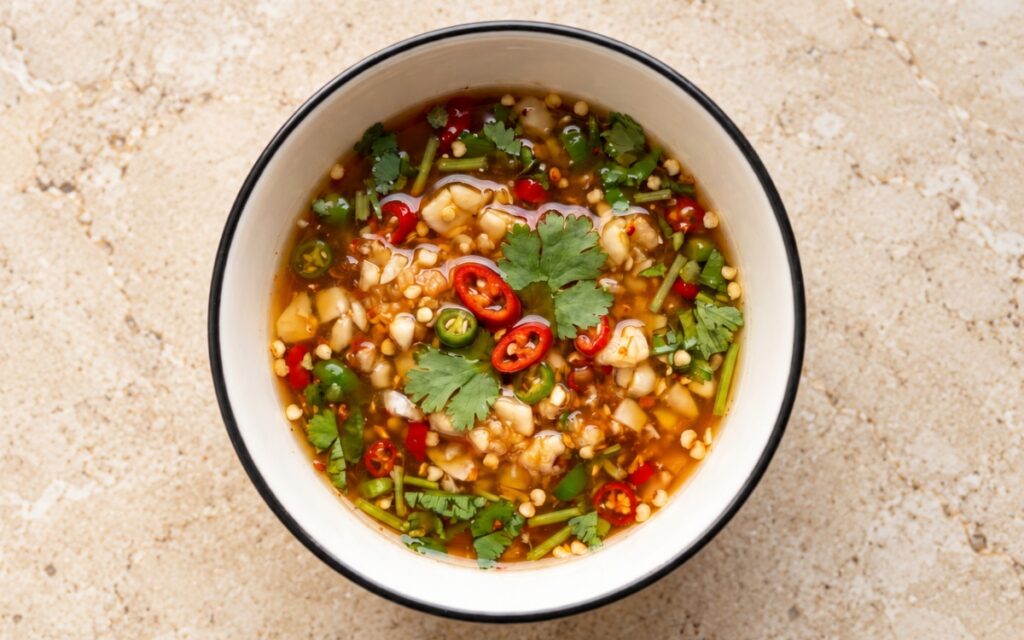
Jeow Som (Lao Sour Dipping Sauce)
A thin, bright Lao dipping sauce of fresh lime juice, fish sauce, palm sugar, pounded garlic, bird’s eye chillies and cilantro.
-
Citrus Olive Oil Dressing
Three citrus fruits and quality olive oil create a bright, layered 10-minute dressing for everything.
-
Avocado & Mango Salsa
Sweet mango, creamy avocado, sharp red onion, and jalapeño in a lime-herb dressing — the condiment that makes every Mexican and South American dish taste complete.
-
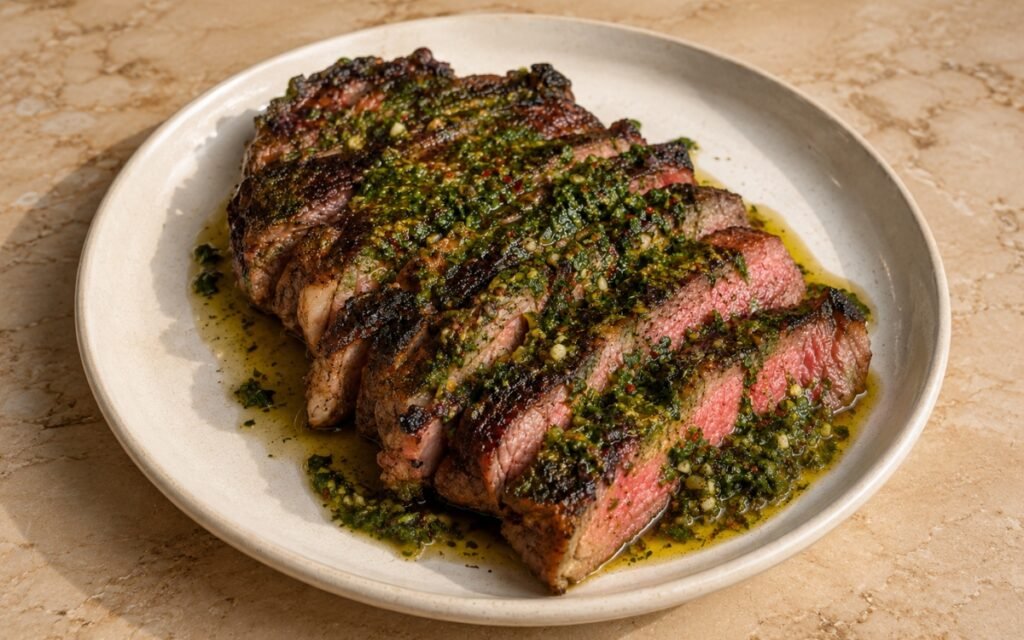
Argentine Chimichurri Steak
Thick, dry-brined steak grilled until deeply charred with a pink medium-rare centre, finished with loose, hand-chopped chimichurri.
-
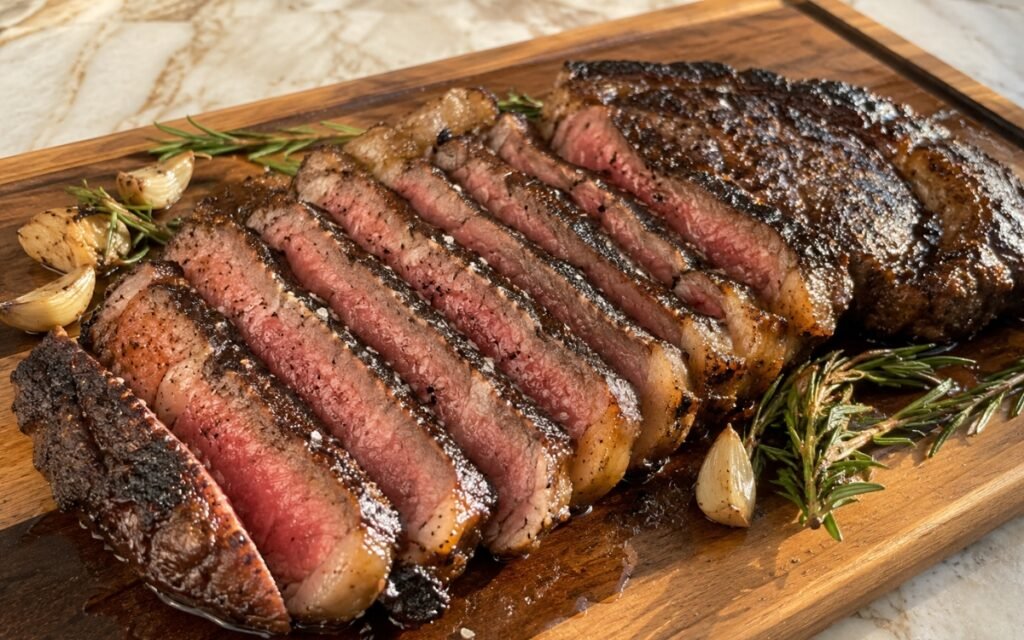
Classic Ribeye Steak
Marbled ribeye seared to perfection and basted with garlic herb butter for steakhouse flavor.
-
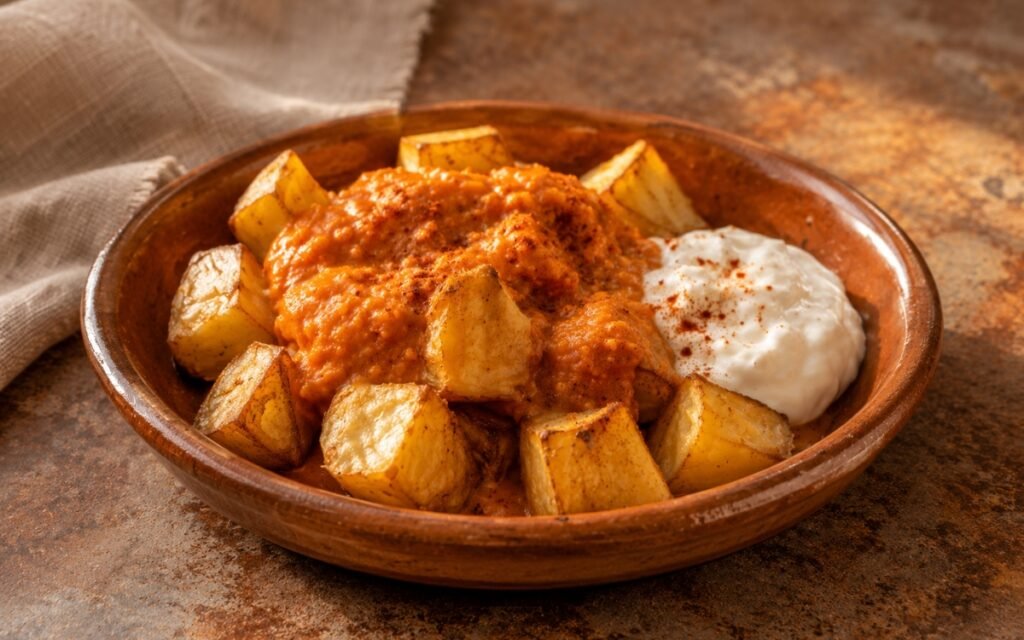
Patatas Bravas with Mayonnaise-Style Aioli
Potatoes parboiled, shaken rough, roasted on a preheated tray — smoky bravas sauce with sherry vinegar, creamy garlic aioli.