
Jeow Som (Lao Sour Dipping Sauce)
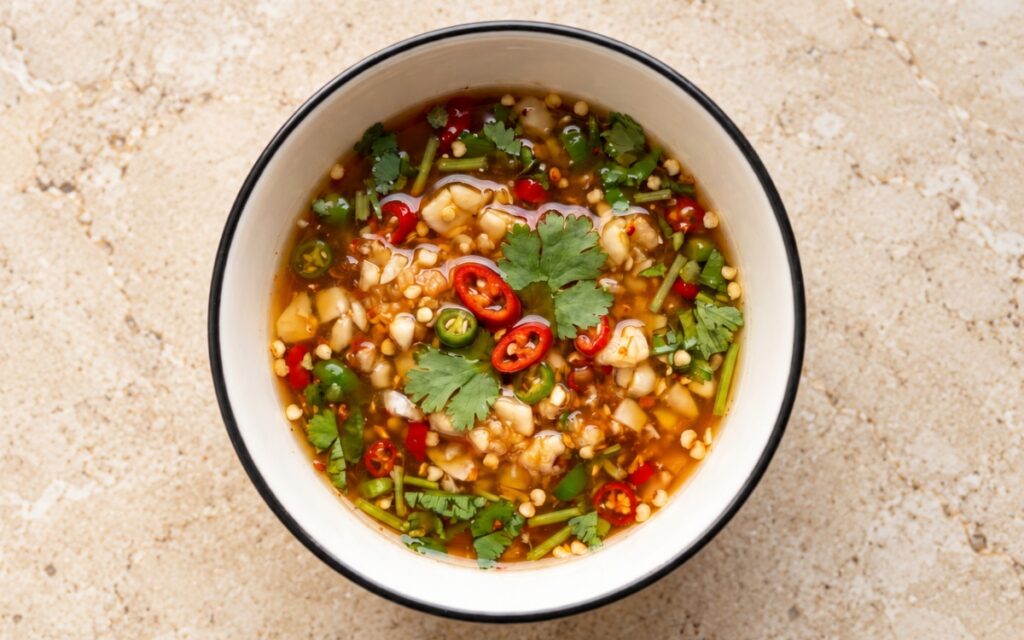
A thin, bright Lao dipping sauce of fresh lime juice, fish sauce and a little palm sugar, loaded with coarsely pounded garlic, red and green bird’s eye chillies and finely chopped cilantro, the key being a loose, glossy, rustic texture with visible chilli seeds and small garlic pieces suspended throughout. Pounding the garlic, chillies and sugar only until bruised and broken into rough pieces, rather than grinding them to a smooth paste, is the technique this whole sauce depends on for its rustic texture and clean, layered heat — a fine paste clouds the liquid, turns the garlic harsh and makes the sauce look muddy instead of translucent, the same bruise-don’t-purée principle used elsewhere in this collection whenever a mortar is used for fresh aromatics. Dissolving the sugar completely in warm water and lime juice is what lets the sweetness round the sharp acidity and salty fish sauce evenly instead of settling as grains at the bottom. Adding the cilantro only at the end and resting the sauce for 5 minutes is what keeps the herbs bright while the flavours meld. The payoff is a jeow som with real, vivid balance — sharp lime, deep salty fish sauce, fresh chilli heat, pungent garlic and a light, rounded sweetness.
Prep Time : 15 min
Total Time : 20 min
Servings : 12
15 min
20 min
12
Ingredients
For the Sauce Base
• 120ml fresh lime juice, plus a little extra to adjust
• 120ml fish sauce
• 75ml warm water, plus a small splash extra to adjust
• 25g palm sugar or light brown sugar, plus a pinch extra to adjust
For the Pounded Aromatics
• 6 large garlic cloves, coarsely chopped
• 8 red bird’s eye chillies, sliced or roughly chopped
• 6 green bird’s eye chillies, sliced or roughly chopped
For the Herb Finish
• 12g cilantro leaves and tender stems, finely chopped
• 2 extra red chillies, thinly sliced, for garnish
• A few small cilantro leaves, for garnish
Directions
- Prepare the Aromatics
Peel the 6 large garlic cloves and chop them coarsely into rough pieces about the size of a lentil, rather than mincing them fine. Slice or roughly chop the 8 red and 6 green bird’s eye chillies, keeping most of the seeds with the flesh for the classic speckled look and full heat. Finely chop the 12g cilantro leaves and tender stems until the pieces are small enough to suspend through a thin sauce instead of clumping together. Thinly slice the 2 extra red chillies for garnish and set them aside with a few small cilantro leaves. If using palm sugar, shave or break the 25g into small crumbs with a knife so it dissolves easily later. That coarse first cut is what gives the garlic its genuinely rustic, visible pieces in the finished sauce. - Pound the Base
Place the chopped garlic, the red and green chillies and the 25g sugar in a large mortar. Pound with short, firm strokes for about 1–2 minutes, scraping the sides down once or twice, just until the garlic has broken into small rough pieces and the chillies are bruised, split and releasing their juices. The mixture should look wet, chunky and speckled with seeds, with the sugar already beginning to melt into the chilli and garlic juices — never smooth or pasty. If the palm sugar is still in hard lumps, press them against the side of the mortar with the pestle before going on. Stop as soon as the texture is rough and juicy. That restrained pounding is what releases the garlic and chilli oils while keeping the loose, rustic texture this sauce genuinely depends on. - Build the Sauce
Transfer the pounded mixture to a bowl if your mortar is small, scraping out every bit of juice. Add the 120ml lime juice, the 120ml fish sauce and the 75ml warm water, then stir for about 1 minute until the sugar has fully dissolved and no grains remain on the bottom. The liquid should look thin, glossy and lightly amber-red, running freely off a spoon rather than coating it. Taste for balance: it should be sharply sour, clearly salty, spicy and only lightly sweet. If it tastes too salty, add a little more lime juice or a small splash of water; if it tastes too sharp, add a little more sugar, a pinch at a time, stirring until dissolved. That warm-water dissolve is what blends the sugar evenly without cooking or dulling the fresh lime. - Finish and Rest
Stir the chopped cilantro through the sauce until it is evenly suspended rather than floating in a clump on top. Let the sauce sit for 5 minutes at room temperature so the garlic, chilli and lime flavours meld slightly and the chilli seeds begin to release their heat into the liquid. Just before serving, stir once more, because the solids settle quickly, then spoon or pour the sauce into small dipping bowls. Garnish with the thinly sliced red chillies and the small cilantro leaves, making sure each bowl gets plenty of garlic, chilli and seeds rather than just the liquid from the top. That short rest with the herbs added last is what lets the flavours come together while the cilantro stays genuinely bright green and fresh.
*Notes :
- Coarse pounding deserves genuine recognition as the technique most directly responsible for whether this sauce looks and tastes like real jeow som or like a cloudy chilli dressing. The recipe’s own instruction, “Do not pound into a paste,” matters because a fine paste releases harsh, raw garlic compounds into the whole liquid and turns it muddy — rough, bruised pieces flavour the sauce steadily while staying visible and pleasantly chewy.
- Freshly squeezed lime juice deserves the same attention this ingredient receives throughout this collection’s other bright Southeast Asian sauces and dressings, because sourness is the sauce’s defining note. The recipe’s own note that “bottled juice flattens the brightness” reflects how pasteurised juice loses the volatile citrus aromas of fresh limes — it leaves a sharp but dull acidity that the fish sauce and garlic then overpower.
- Dissolving the sugar completely in warm water deserves genuine respect as the detail most directly responsible for a genuinely balanced finish. Palm sugar dissolves slowly in cold lime juice and fish sauce, so undissolved grains settle at the bottom and the first spoonfuls taste harsh while the last taste sweet — warm water melts it fully without cooking the fresh lime.
- The thin, translucent body deserves attention as a genuine, checkable readiness cue rather than a loose approximation. The recipe’s own reminder that “Jeow Som should not be thickened” means the finished sauce should run freely off a spoon, glossy and lightly amber-red, with garlic, chilli seeds and cilantro suspended through it rather than bound into a thick, syrupy dip.
Why This Recipe Works
This recipe works because every step protects the sauce’s fresh, sharp character while building genuine depth. Pounding the garlic, chillies and sugar only until bruised releases their oils and juices without creating a cloudy paste, so the sauce stays loose and rustic. Warm water then dissolves the sugar completely, letting a small amount of sweetness round out the fresh lime and salty fish sauce evenly. Tasting before the herbs go in allows the balance to be corrected with lime, water or sugar, and a short rest lets the flavours meld while the late cilantro stays vivid, giving a glossy, spoonable sauce that is sour, salty and fiery.
Ingredient Breakdown
Coarse Mortar Pounding (Never a Paste)
The critical technique — bruising garlic and chillies releases their oils while keeping the rustic, chunky texture jeow som needs.
Red and Green Bird’s Eye Chillies (Seeds In)
The defining flavour ingredient — two colours give layered fruity and grassy heat, and the seeds supply the classic speckled look.
Freshly Squeezed Lime Juice
The critical ingredient choice — fresh juice keeps the volatile citrus aromas that bottled juice loses, giving genuinely bright, clean sourness.
Good-Quality Fish Sauce
The flavour foundation — it supplies the deep salty, savoury backbone, so a clean, well-made bottle noticeably improves the whole sauce.
Palm Sugar Dissolved in Warm Water
The critical technique — warm water melts the sugar completely, so a small amount rounds the acidity evenly.
Cilantro Added Last
The finishing touch — stirring it in at the end keeps its colour bright and its fresh, herbal flavour clear.
Flavor Structure Explained
This jeow som follows a layered balance model:
- Sharp, sour foundation (fresh lime juice)
- Deep, salty backbone (fish sauce)
- Fiery, pungent core (red and green bird’s eye chillies, pounded garlic)
- Light, rounding sweetness (palm sugar or light brown sugar)
- Fresh herbal lift (cilantro leaves and tender stems)
Fresh lime juice lays down the sharp, sour foundation that defines jeow som from the first taste. Fish sauce adds a deep, salty backbone, giving the sour liquid genuine savoury weight. Bruised bird’s eye chillies and coarsely pounded garlic form the fiery, pungent core, releasing heat and aroma steadily as the sauce rests. A small amount of palm sugar softens the edges without making it sweet, and chopped cilantro brings the fresh herbal lift that ties this jeow som together.
Common Mistakes to Avoid
- Pounding the Aromatics Into a Paste – This clouds the sauce, makes the garlic harsh and loses the rustic texture. Always stop pounding once the garlic is in small rough pieces.
- Using Bottled Lime Juice – This gives a flat, dull sourness that the fish sauce and garlic quickly overpower. Always squeeze the limes fresh just before making the sauce.
- Leaving the Sugar Undissolved – This leaves grains at the bottom and an uneven balance from spoonful to spoonful. Always stir with the warm water until no grains remain.
- Adding the Cilantro Too Early – This dulls the herbs to a darker green and mutes their fresh flavour. Always stir the cilantro in at the very end.
- Thickening the Sauce – This turns a light dipping sauce into a heavy, syrupy dip that no longer clings properly. Always keep jeow som genuinely thin, loose and pourable.
Variations
Extra-Hot Version
Pound 4–6 more bird’s eye chillies into the base, per the recipe’s own note to add extra chillies rather than chilli powder, for a fiercer sauce that still keeps its fresh, clean heat and speckled look.
Milder Version
Use only 4 red and 3 green bird’s eye chillies and scrape out about half of the seeds, for a gentler sauce that keeps its bright sourness and rustic garlic texture with far less burn.
Light Brown Sugar Version
Use the light brown sugar option instead of palm sugar, for a sauce that dissolves even more quickly and tastes a little cleaner, losing only some of palm sugar’s soft caramel depth.
Looser Pouring Version
Add an extra splash of warm water and a little more lime juice, per the recipe’s own note on correcting saltiness, for a thinner, gentler sauce suited to drizzling over grilled fish or vegetables.
Storage & Make-Ahead
Use plump, heavy, thin-skinned limes and a good-quality fish sauce, since the recipe’s own notes single out fresh lime juice and fish sauce quality as the keys to its flavour.
Chop the garlic and chillies up to a few hours ahead and keep them covered in the fridge, but squeeze the limes and pound the base only shortly before serving for the brightest flavour.
Jeow som is best served fresh on the day it is made, but it can be held covered in the refrigerator for several hours, with the cilantro garnish added just before serving.
Stir the sauce well every time before serving, because the garlic, chilli seeds and cilantro settle quickly and each bowl should get its share of solids as well as liquid.
Serve the sauce at cool room temperature in small, shallow dipping bowls, letting chilled sauce stand for a few minutes first so the lime and garlic aromas open up again.
Frequently Asked Questions
Why should the garlic and chillies be pounded rather than finely minced or blended?
Pounding crushes the cells and releases oils and juices into the sauce, while still leaving rough, visible pieces. Blending or fine mincing pushes the garlic towards a harsh, cloudy paste and loses the genuinely rustic texture jeow som is known for.
Why is warm water used instead of cold water?
Palm sugar dissolves slowly in cold liquid, so it can sit at the bottom as grains. Warm water melts it completely and evenly without being hot enough to cook the garlic or dull the fresh lime juice.
Why is the cilantro stirred in only at the very end?
Cilantro is delicate, and the acid and salt in the sauce darken and soften it quickly. Adding it last keeps its colour bright green and its fresh, herbal flavour clear against the sharp lime and fish sauce.
Why does the sauce rest for 5 minutes before serving?
A short rest gives the pounded garlic and chillies time to release more flavour and heat into the liquid. The lime, fish sauce and sugar settle into a more rounded balance while the cilantro still stays fresh.
Are there other classic Lao and Thai larb, salad, or noodle bowl dishes worth trying?
Larb Moo Pork Lettuce Cups offers another classic larb direction worth exploring alongside this sauce. Crispy Rice Salad (Nam Khao Tod) and Larb Gai — Thai Minced Chicken Salad are also worth trying for other bright, herb-heavy salad directions, and Lemongrass Pork Vermicelli Bowls and Thai Green Papaya Shrimp Salad offer other fresh Southeast Asian dishes worth exploring.
Nutrition Facts
( Per Serving — 30ml )
Calories
~20 kcal
Protein
1 g
Fat
0 g
Carbs
4 g
Calories
~20 kcal
Protein
1 g
Fat
0 g
Carbs
4 g
Related Recipes
Related Recipes
-

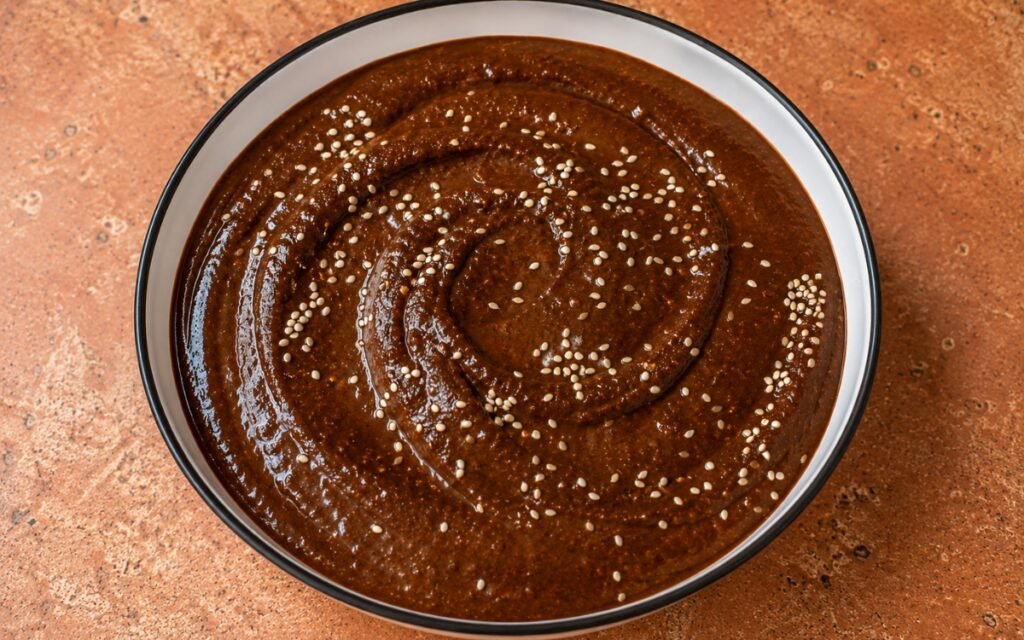
Mole Poblano Sauce
A deep red-brown mole poblano sauce built from dried chiles, roasted aromatics, nuts, seeds, spices, and Mexican chocolate, layered and fried for richness.
-
Crispy Fish Tacos with Slaw
Homemade corn tortillas filled with golden crispy fried fish, cabbage slaw, lime crema, and pico de gallo.
-
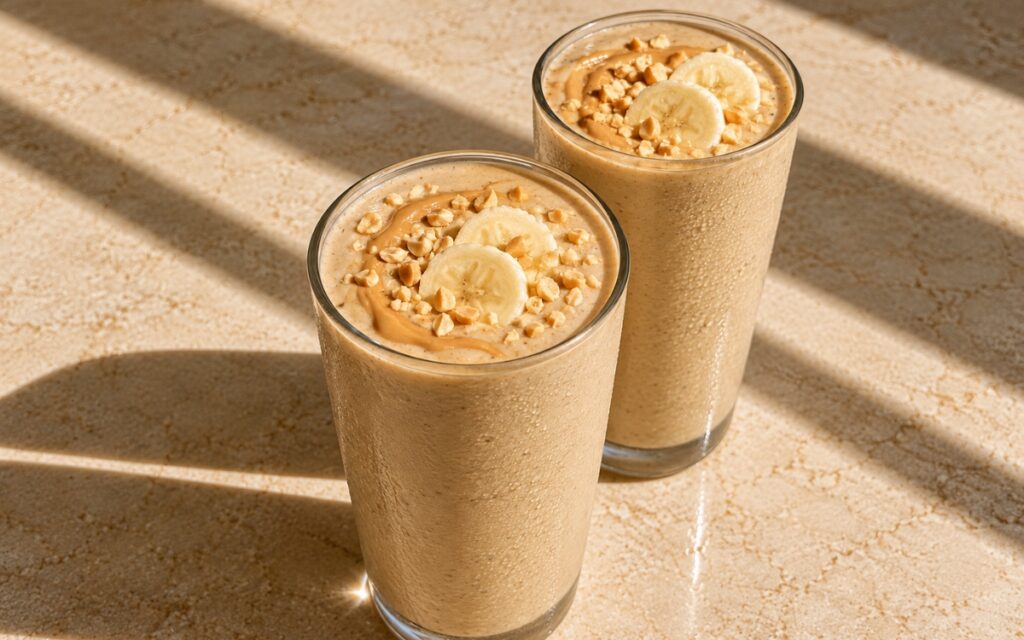
Peanut Butter Banana Protein Smoothie
A thick, creamy peanut butter banana smoothie blended with banana, peanut butter, Greek yogurt and protein powder, finished with peanut butter, peanuts, and banana coins.

You might also like
You might also like
-
Iced Hazelnut Latte
Hazelnut syrup, cold milk, and ice topped with freshly brewed espresso, finished with a thin foam layer and light caramel drizzle.
-
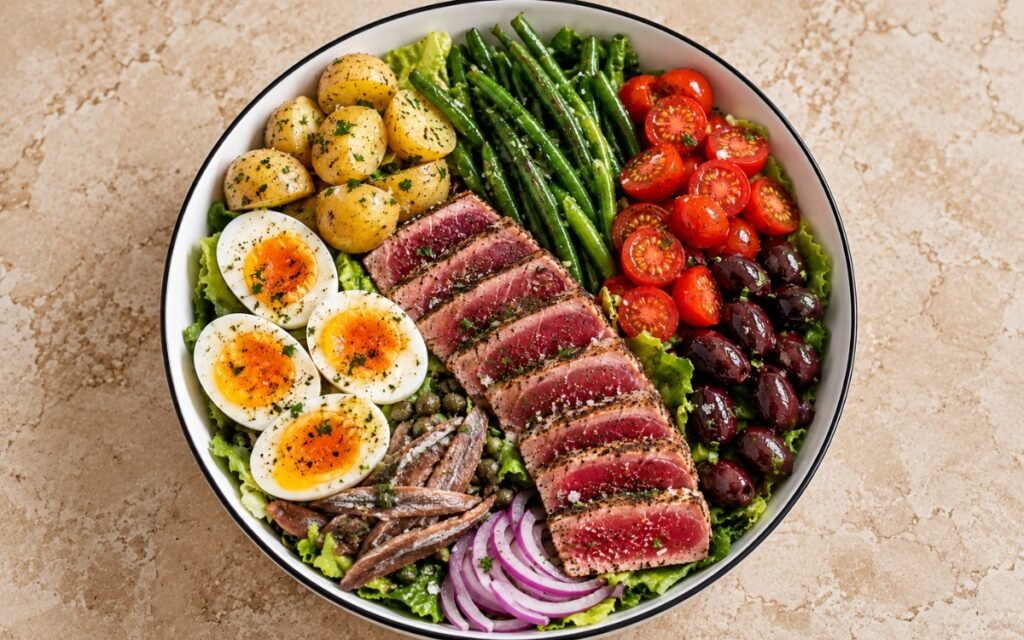
Tuna Niçoise Salad
Seared rare tuna, jammy eggs, haricots verts, baby potatoes, olives, and anchovies composed over crisp greens with a sharp mustard vinaigrette.
-
Pizza Bianca Caprese
Creamy cheese base topped with thinly sliced heirloom tomatoes, arugula, Parmigiano-Reggiano, basil, and balsamic glaze over a blistered crust.



Jeow Som (Lao Sour Dipping Sauce)
Ingredients
Method
- Peel the 6 large garlic cloves and chop them coarsely into rough pieces about the size of a lentil, rather than mincing them fine. Slice or roughly chop the 8 red and 6 green bird’s eye chillies, keeping most of the seeds with the flesh for the classic speckled look and full heat. Finely chop the 12g cilantro leaves and tender stems until the pieces are small enough to suspend through a thin sauce instead of clumping together. Thinly slice the 2 extra red chillies for garnish and set them aside with a few small cilantro leaves. If using palm sugar, shave or break the 25g into small crumbs with a knife so it dissolves easily later. That coarse first cut is what gives the garlic its genuinely rustic, visible pieces in the finished sauce.
- Place the chopped garlic, the red and green chillies and the 25g sugar in a large mortar. Pound with short, firm strokes for about 1–2 minutes, scraping the sides down once or twice, just until the garlic has broken into small rough pieces and the chillies are bruised, split and releasing their juices. The mixture should look wet, chunky and speckled with seeds, with the sugar already beginning to melt into the chilli and garlic juices — never smooth or pasty. If the palm sugar is still in hard lumps, press them against the side of the mortar with the pestle before going on. Stop as soon as the texture is rough and juicy. That restrained pounding is what releases the garlic and chilli oils while keeping the loose, rustic texture this sauce genuinely depends on.
- Transfer the pounded mixture to a bowl if your mortar is small, scraping out every bit of juice. Add the 120ml lime juice, the 120ml fish sauce and the 75ml warm water, then stir for about 1 minute until the sugar has fully dissolved and no grains remain on the bottom. The liquid should look thin, glossy and lightly amber-red, running freely off a spoon rather than coating it. Taste for balance: it should be sharply sour, clearly salty, spicy and only lightly sweet. If it tastes too salty, add a little more lime juice or a small splash of water; if it tastes too sharp, add a little more sugar, a pinch at a time, stirring until dissolved. That warm-water dissolve is what blends the sugar evenly without cooking or dulling the fresh lime.
- Finish and Rest
- Stir the chopped cilantro through the sauce until it is evenly suspended rather than floating in a clump on top. Let the sauce sit for 5 minutes at room temperature so the garlic, chilli and lime flavours meld slightly and the chilli seeds begin to release their heat into the liquid. Just before serving, stir once more, because the solids settle quickly, then spoon or pour the sauce into small dipping bowls. Garnish with the thinly sliced red chillies and the small cilantro leaves, making sure each bowl gets plenty of garlic, chilli and seeds rather than just the liquid from the top. That short rest with the herbs added last is what lets the flavours come together while the cilantro stays genuinely bright green and fresh.