
Crispy Fish Tacos with Slaw
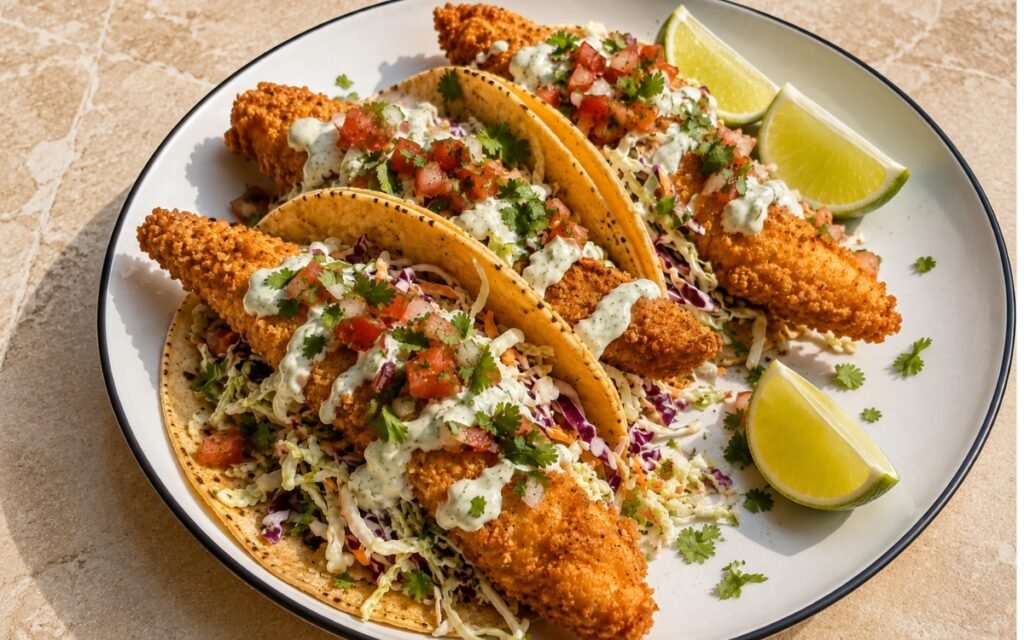
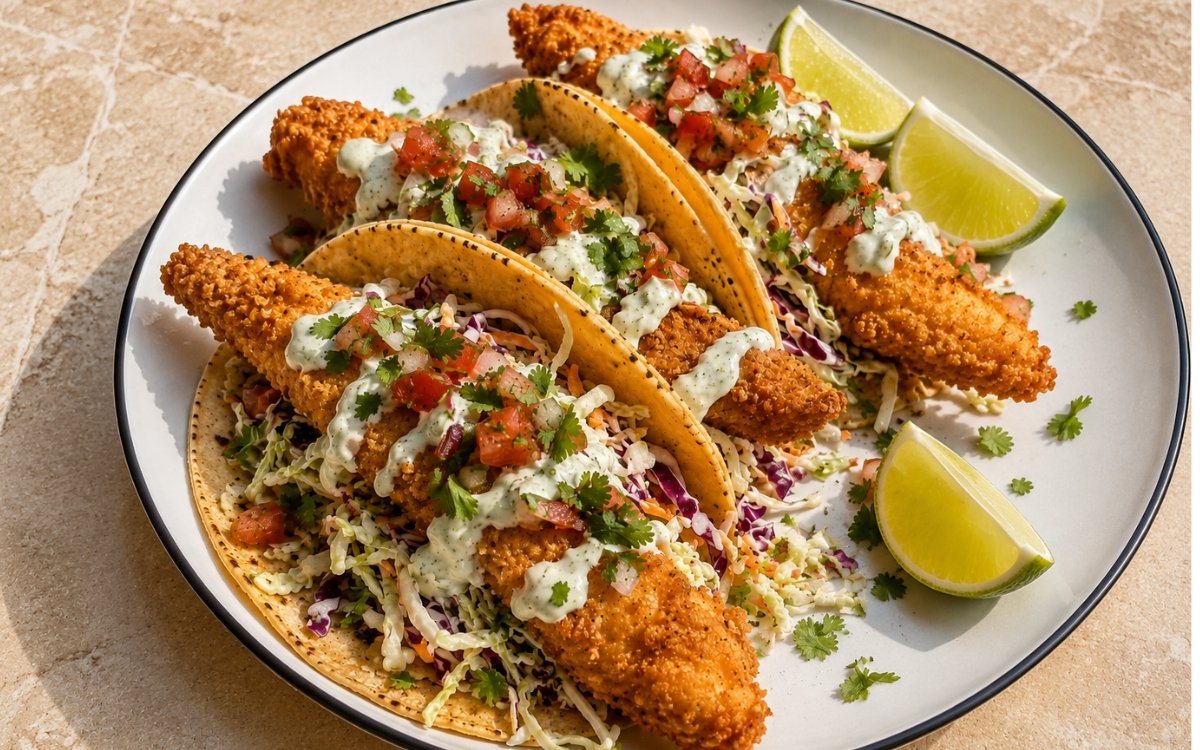
Golden crispy fried white fish tucked into warm homemade corn tortillas with crunchy cabbage slaw, creamy lime crema, pico de gallo, cilantro, and lime. The key is frying the fish hot and fast so the coating stays crisp while the fish stays juicy and fresh inside. Whisking cold sparkling water into the batter only briefly, just until combined, is the technique this whole coating depends on for real crispness — that cold carbonation keeps the batter light and full of tiny bubbles that fry up into a delicate, crackling crust, the same cold-carbonated-batter principle used elsewhere in this collection whenever a fried coating needs to stay genuinely crisp rather than dense. Frying in small batches at a maintained 175–180°C is what keeps the oil temperature from dropping, which is exactly what protects the batter’s crispness during the actual cook. Keeping the freshly fried fish spaced out rather than piled together is what stops the crust from steaming itself soft immediately after frying. The payoff is a taco with real contrast — deeply golden, crackling-crisp fish against cool lime crema, crunchy slaw, and bright pico de gallo.
Prep Time : 35 min
Cook Time : 30 min
Servings : 4
35 min
30 min
4
Ingredients
For the Homemade Corn Tortillas — ⅔ batch (Full recipe — see Homemade Corn Tortillas)
• 160g masa harina — this one on Amazon
• 2g fine sea salt
• 200g warm water, approximately 40°C
For the Fish
• 900g firm white fish fillets, cut into 16 strips, about 50–60g each (cod, haddock, pollock, halibut, or similar)
• 1 tsp fine sea salt
• ½ tsp black pepper
• 1 tsp garlic powder
• 1 tsp sweet paprika
• ½ tsp ground cumin
• 2 tbsp lime juice
For the Crispy Coating
• 180g all-purpose flour
• 60g cornstarch
• 2 tsp baking powder
• 1 tsp fine sea salt
• ½ tsp black pepper
• ½ tsp garlic powder
• ½ tsp paprika
• 300–360ml cold sparkling water (or cold light beer if you ever want that variation)
• Neutral oil, for frying
For the Cabbage Slaw
• 250g finely shredded green cabbage
• 120g finely shredded red cabbage
• 60g shredded carrot
• 2 tbsp lime juice
• 1 tbsp neutral oil or olive oil
• ½ tsp fine sea salt
• ¼ tsp black pepper
For the Lime Crema
• 160g sour cream or Greek yogurt
• 2 tbsp mayonnaise
• 1 tbsp lime juice
• 1 small garlic clove, very finely grated
• 1 tbsp chopped cilantro
• ¼ tsp fine sea salt
• 1 to 2 tbsp water, if needed, to loosen
For Serving / Garnish
• Pico de gallo, from Pico de Gallo recipe
• Fresh cilantro leaves
• Lime wedges
This post may contain affiliate links. As an Amazon Associate I earn from qualifying purchases, at no additional cost to you.
Directions
- Prepare the Small Corn Tortillas
Prepare the Homemade Corn Tortilla dough according to its separate recipe, using 160g masa harina, 2g fine sea salt, and 200g warm water at about 40°C. Once the dough has rested, divide it into 16 equal balls of about 22g each. Keep the dough balls covered at all times so the masa does not dry out. Press each tortilla to about 11.4cm / 4.5 inches in diameter. Cook on a dry hot skillet or griddle until lightly charred, flexible, and just cooked through. Stack immediately under a towel so they steam and stay pliable. That trapped steam is exactly what keeps the tortillas soft and pliable through assembly, rather than stiffening as they cool uncovered. - Make the Slaw
In a bowl, toss the green cabbage, red cabbage, carrot, lime juice, oil, salt, and pepper. Mix well and set aside. It should stay fresh and crunchy, not heavily dressed. Keeping the dressing light, rather than heavy-handed, is what preserves the cabbage’s own real crunch — an overdressed slaw softens considerably faster, working against the textural contrast this taco depends on. - Make the Lime Crema
In a small bowl, stir together the sour cream or Greek yogurt, mayonnaise, lime juice, garlic, cilantro, and salt. Add a little water if needed until it becomes smooth and spoonable. Set aside. Adding water gradually rather than all at once protects the crema from thinning past the ideal spoonable consistency, since it’s far easier to loosen it further than to bring it back once too much liquid has already gone in. - Prepare the Pico de Gallo
Make your Pico de Gallo recipe separately and keep it chilled until serving. - Season the Fish
Pat the fish very dry with paper towels, then cut it into 16 strips, each about 50–60g. Season lightly with the salt, black pepper, garlic powder, paprika, cumin, and lime juice. Let sit for about 10 minutes while you prepare the batter. Drying the fish thoroughly before it ever meets the wet batter matters directly here — any residual surface moisture would work against the batter’s own ability to adhere cleanly and fry up crisp rather than soggy. - Heat the Oil
Pour neutral oil into a deep skillet, saucepan, or Dutch oven to a depth of about 4–5cm. Heat to 175–180°C. Reaching and holding this specific temperature range before frying begins is what gives the batter its best chance at frying up genuinely crisp rather than greasy — oil that’s too cool lets the batter absorb excess fat before it ever sets. - Make the Batter
In a bowl, whisk together the flour, cornstarch, baking powder, salt, pepper, garlic powder, and paprika. Pour in the cold sparkling water and whisk just until combined. It should look like a thick but light batter. A few tiny lumps are fine. Stopping the whisking the moment the batter comes together, rather than continuing until perfectly smooth, is what protects the sparkling water’s own carbonation — overworking the batter knocks out those tiny bubbles that are specifically responsible for its light, crisp fried texture. - Fry the Fish
Dip each fish strip into the batter, let the excess drip off slightly, then lower carefully into the hot oil. Fry in batches for about 3 to 4 minutes, turning as needed, until the coating is deeply golden, crisp, and the fish is just cooked through. Transfer to a rack or paper towel-lined tray and lightly season with a tiny pinch of salt while hot. To keep the fish crisp but not overcooked: keep the oil at 175–180°C, fry in small batches so the oil temperature does not drop too much, use strips sized around 50–60g each, pull the fish as soon as the coating is golden and the fish flakes easily, and do not leave the cooked fish piled tightly together, or the crust will soften. Frying in properly small batches is what protects the oil’s own temperature from dropping too far when cold fish is added — a significant temperature drop is exactly what would let the batter soak up excess oil rather than frying crisp. - Warm the Tortillas
If needed, rewarm the tortillas briefly on a dry skillet, then wrap them again in a towel to keep soft and warm. - Assemble the Tacos
Place a little cabbage slaw in each tortilla. Top with one piece of crispy fish. Spoon over lime crema, then add pico de gallo and fresh cilantro. Serve with lime wedges on the side. Placing the slaw down first, directly against the tortilla, gives the fried fish a slightly raised, drier base to sit on rather than settling directly against any moisture the tortilla itself might carry.
*Notes :
- Whisking the batter only until just combined, rather than to full smoothness, deserves genuine respect as the technique most responsible for whether this coating fries up light and crackling or dense and heavy. Cold sparkling water’s own carbonation is what gives the batter its characteristic lightness, and that carbonation is genuinely fragile — overworking the batter knocks those bubbles right back out, producing a noticeably flatter, less crisp fried result regardless of how hot the oil is.
- Maintaining that specific 175–180°C oil temperature, and frying in properly small batches to protect it, deserves the same attention this collection gives to every fried preparation. Adding too much cold fish at once drops the oil’s temperature meaningfully, and oil that’s cooled even somewhat lets the batter absorb excess fat before it has a chance to properly set and crisp — small batches are what keep that temperature genuinely stable throughout the frying process.
- Keeping the freshly fried fish spaced out on a rack rather than piled together deserves recognition as a small but genuinely consequential detail. Fish stacked while still hot traps its own steam against the surrounding pieces, and that trapped moisture softens the crust considerably faster than letting each piece cool with real airflow around it.
- Keeping the slaw’s dressing genuinely light, rather than heavily coated, protects a real textural quality this taco depends on. Cabbage tossed too generously with dressing softens meaningfully faster than a lightly dressed batch — that restraint is what keeps the slaw contributing real, fresh crunch against the crisp fried fish rather than turning limp before serving.
Why This Recipe Works
This recipe works because the fish is dried thoroughly before battering, giving the coating something clean to adhere to. The batter is whisked only until combined, preserving the cold sparkling water’s carbonation for a genuinely light, crisp fry.
Frying at a maintained 175–180°C, in properly small batches, protects the oil’s temperature and keeps the coating from turning greasy.
Spacing the fried fish out on a rack protects its crust from softening under trapped steam, and a lightly dressed slaw preserves real crunch. Assembling everything together, with the fish placed last, delivers the taco at its best textural contrast.
Ingredient Breakdown
Thoroughly Dried Fish Strips
The critical prep step — removes moisture the wet batter needs a clean surface to adhere to.
Briefly Whisked, Carbonated Batter
The critical technique — cold sparkling water’s bubbles, preserved by minimal mixing, are what give the coating its light, crisp texture.
Maintained 175–180°C Oil (Small Batches)
The critical frying technique — protects oil temperature so the batter fries crisp rather than absorbing excess fat.
Spaced, Unstacked Fried Fish
The finishing technique — protects the crust from steaming soft under trapped moisture from other pieces.
Lightly Dressed Cabbage Slaw
The textural contrast — kept minimally dressed to preserve real crunch against the crisp fried fish.
Flavor Structure Explained
This crispy fish taco follows a layered balance model:
- Crisp, crackling foundation (fried, sparkling-water-battered fish)
- Cool creamy finish (lime crema)
- Crunchy fresh contrast (cabbage and carrot slaw)
- Bright fresh accent (pico de gallo)
- Soft warm base (homemade corn tortillas)
Crisp, sparkling-water-battered fish provides this taco’s genuinely crackling, golden foundation. Lime crema finishes the dish with cool, creamy richness. Cabbage and carrot slaw, lightly dressed, adds real crunch and freshness beneath the fish. Pico de gallo layers in bright, fresh acidity, and soft, warm corn tortillas tie every component together into one balanced, textured taco.
Common Mistakes to Avoid
- Battering Wet Fish – This prevents the coating from adhering cleanly. Always pat the fish thoroughly dry first.
- Overmixing the Batter – This knocks out the sparkling water’s carbonation, producing a denser fry. Always whisk only until just combined.
- Frying at Too Low a Temperature – This lets the batter absorb excess oil before setting. Always maintain 175–180°C.
- Overcrowding the Frying Oil – This drops the temperature and produces greasy, soggy results. Always fry in small batches.
- Piling the Fried Fish Together – This traps steam and softens the crust. Always keep pieces spaced out on a rack.
Variations
Extra-Crunchy Version
Dust the fish lightly in plain flour before dipping into the batter, per the recipe’s own suggestion, for additional crunch.
Beer Batter Crispy Fish Tacos
Substitute cold light beer for sparkling water, per the recipe’s own note, for a slightly different flavour.
Lighter Crema Version
Use Greek yogurt instead of sour cream for a lighter, tangier lime crema.
Extra-Spicy Version
Add a dash of hot sauce to the fish seasoning or serve with extra hot sauce at the table.
Storage & Make-Ahead
These are best assembled right before serving so the fish stays crisp.
The slaw, lime crema, and pico de gallo can all be made ahead and refrigerated separately until assembly.
Fried fish is best eaten fresh and does not hold or reheat well while staying crisp.
Frequently Asked Questions
Why does the batter need to be whisked only until just combined rather than fully smooth?
Cold sparkling water’s own carbonation is what gives the batter its characteristic lightness, and that carbonation is genuinely fragile. Overworking the batter knocks those bubbles out, producing a denser, less crisp fried result.
Why does the oil need to stay at such a specific, maintained temperature?
Oil that’s too cool lets the batter absorb excess fat before it has a chance to properly set and crisp. Frying in small batches, rather than crowding the oil, is what keeps that temperature genuinely stable throughout.
Why shouldn’t the freshly fried fish be piled together?
Fish stacked while still hot traps its own steam against the surrounding pieces, and that trapped moisture softens the crust considerably faster than letting each piece cool with real airflow around it.
Why does the slaw need to stay lightly dressed rather than more heavily coated?
Cabbage tossed too generously with dressing softens meaningfully faster than a lightly dressed batch. That restraint protects the fresh crunch this taco depends on for real textural contrast against the fried fish.
Are there other fish, seafood taco, or fried fish dishes worth trying?
Blackened Salmon Tacos offers a related but differently prepared fish taco worth exploring. Fish Tacos with Mango Salsa and Shrimp Tacos with Lime Crema are also worth trying for other seafood taco directions, and British Fish and Chips offers a related fried-fish classic worth exploring.
Nutrition Facts
( per serving )
Calories
~680 kcal
Protein
38 g
Fat
30 g
Carbs
62 g
Calories
~680 kcal
Protein
38 g
Fat
30 g
Carbs
62 g
Related Recipes
Related Recipes

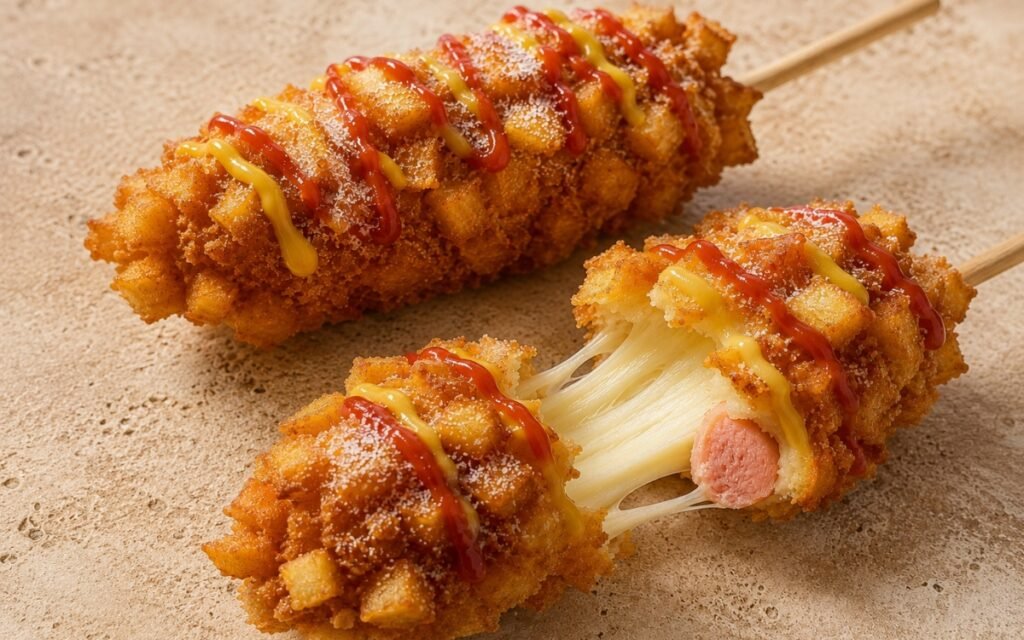
Korean Corn Dogs
Yeasted batter, chilled potato cube crust, panko, and stretchy mozzarella — fried at 175°C with continuous rotation, finished with sugar and salt, drizzled with gochujang sauce.
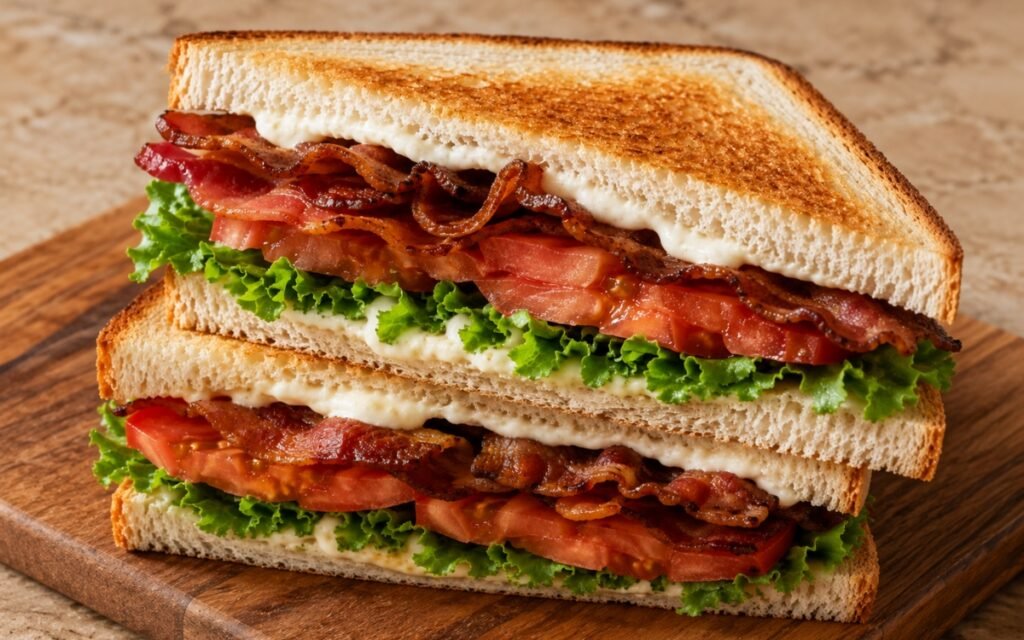
BLT Sandwich
Toasted white bread with crispy bacon, ripe tomato, crisp lettuce, and a generous layer of mayonnaise.
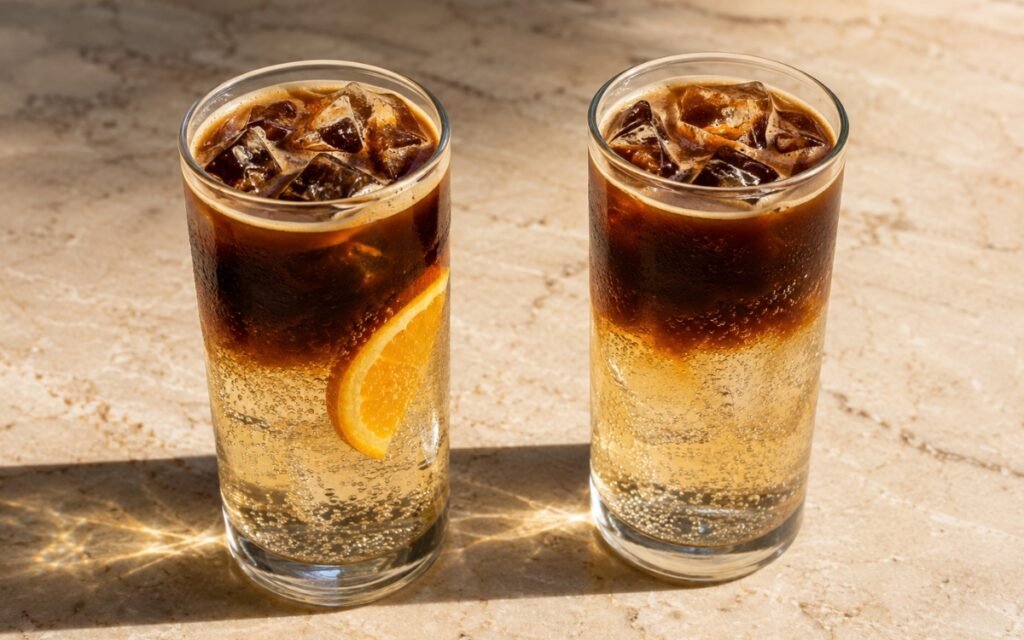
Espresso Tonic Mocktail
Cooled fresh espresso gently layered over chilled, fully sparkling tonic water for a crisp, bitter, minimal drink.
You might also like
You might also like
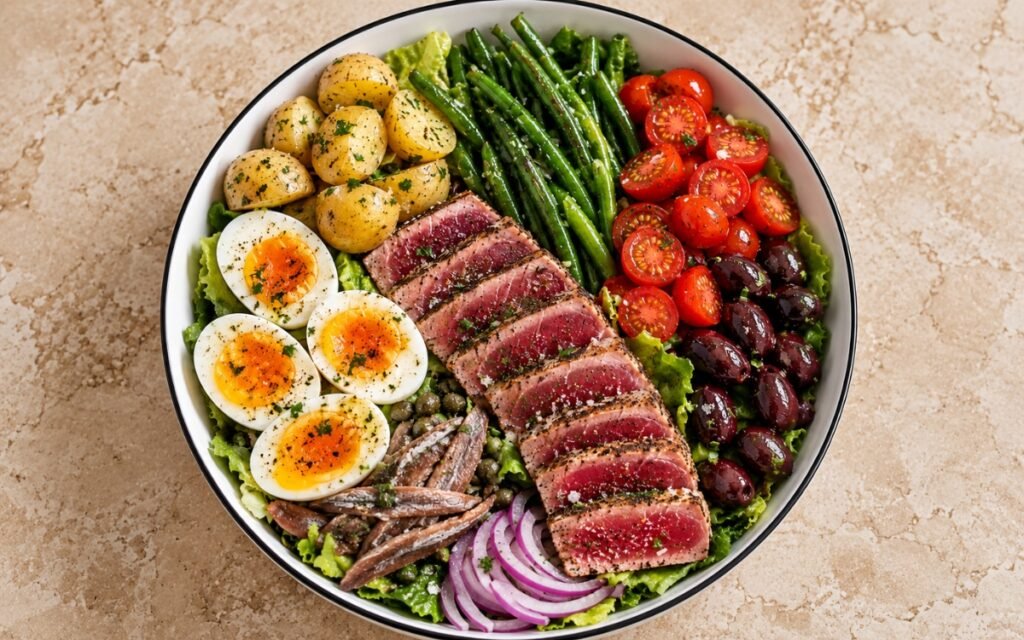
Tuna Niçoise Salad
Seared rare tuna, jammy eggs, haricots verts, baby potatoes, olives, and anchovies composed over crisp greens with a sharp mustard vinaigrette.
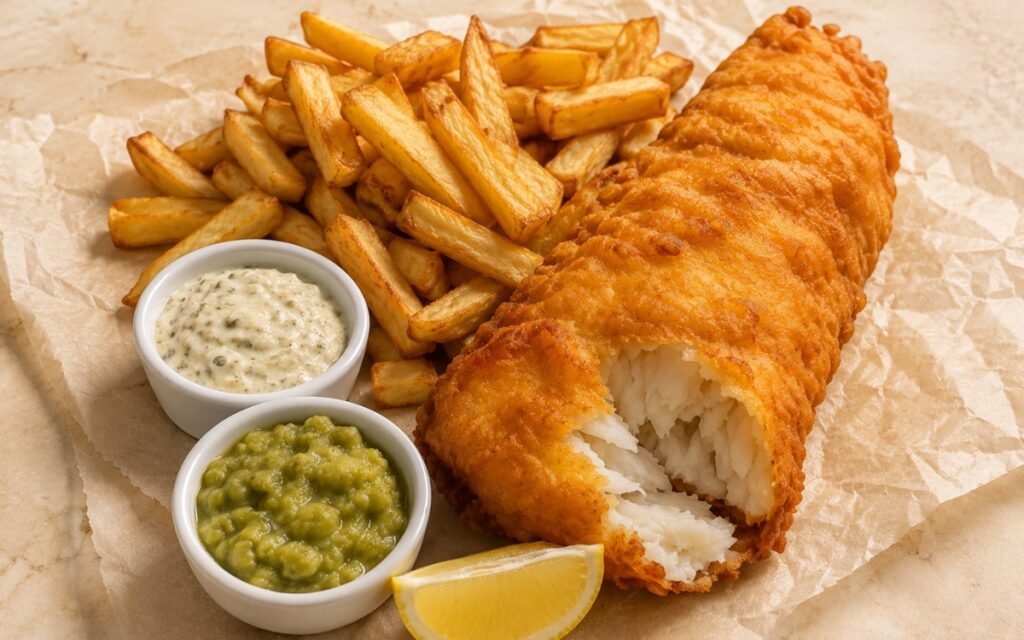
Classic British Fish and Chips
Beer-battered cod fried until crisp and puffed, served with fluffy double-fried chips, rustic mushy peas, and sharp tartar sauce.
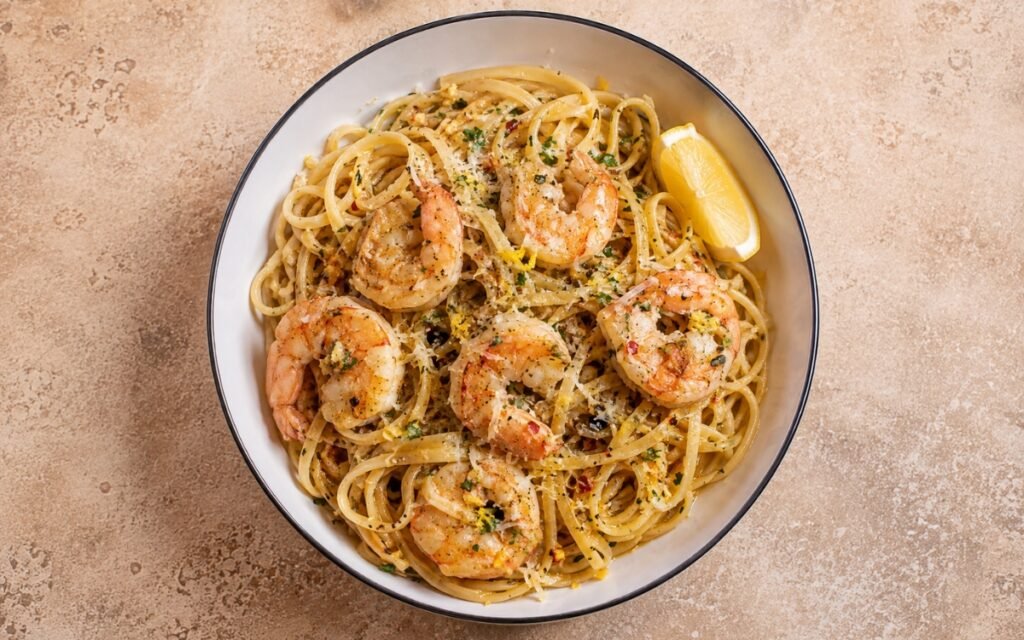
Shrimp Scampi Pasta
Linguine finished in a glossy garlic butter lemon sauce with tender shrimp, parsley, chili flakes, and Parmesan.
Crispy Fish Tacos with Slaw
Ingredients
Method
- Prepare the Homemade Corn Tortilla dough according to its separate recipe, using 160g masa harina, 2g fine sea salt, and 200g warm water at about 40°C. Once the dough has rested, divide it into 16 equal balls of about 22g each. Keep the dough balls covered at all times so the masa does not dry out. Press each tortilla to about 11.4cm / 4.5 inches in diameter. Cook on a dry hot skillet or griddle until lightly charred, flexible, and just cooked through. Stack immediately under a towel so they steam and stay pliable. That trapped steam is exactly what keeps the tortillas soft and pliable through assembly, rather than stiffening as they cool uncovered.
- In a bowl, toss the green cabbage, red cabbage, carrot, lime juice, oil, salt, and pepper. Mix well and set aside. It should stay fresh and crunchy, not heavily dressed. Keeping the dressing light, rather than heavy-handed, is what preserves the cabbage’s own real crunch — an overdressed slaw softens considerably faster, working against the textural contrast this taco depends on.
- In a small bowl, stir together the sour cream or Greek yogurt, mayonnaise, lime juice, garlic, cilantro, and salt. Add a little water if needed until it becomes smooth and spoonable. Set aside. Adding water gradually rather than all at once protects the crema from thinning past the ideal spoonable consistency, since it’s far easier to loosen it further than to bring it back once too much liquid has already gone in.
- Make your Pico de Gallo recipe separately and keep it chilled until serving.
- Pat the fish very dry with paper towels, then cut it into 16 strips, each about 50–60g. Season lightly with the salt, black pepper, garlic powder, paprika, cumin, and lime juice. Let sit for about 10 minutes while you prepare the batter. Drying the fish thoroughly before it ever meets the wet batter matters directly here — any residual surface moisture would work against the batter’s own ability to adhere cleanly and fry up crisp rather than soggy.
- Pour neutral oil into a deep skillet, saucepan, or Dutch oven to a depth of about 4–5cm. Heat to 175–180°C. Reaching and holding this specific temperature range before frying begins is what gives the batter its best chance at frying up genuinely crisp rather than greasy — oil that’s too cool lets the batter absorb excess fat before it ever sets.
- In a bowl, whisk together the flour, cornstarch, baking powder, salt, pepper, garlic powder, and paprika. Pour in the cold sparkling water and whisk just until combined. It should look like a thick but light batter. A few tiny lumps are fine. Stopping the whisking the moment the batter comes together, rather than continuing until perfectly smooth, is what protects the sparkling water’s own carbonation — overworking the batter knocks out those tiny bubbles that are specifically responsible for its light, crisp fried texture.
- Dip each fish strip into the batter, let the excess drip off slightly, then lower carefully into the hot oil. Fry in batches for about 3 to 4 minutes, turning as needed, until the coating is deeply golden, crisp, and the fish is just cooked through. Transfer to a rack or paper towel-lined tray and lightly season with a tiny pinch of salt while hot. To keep the fish crisp but not overcooked: keep the oil at 175–180°C, fry in small batches so the oil temperature does not drop too much, use strips sized around 50–60g each, pull the fish as soon as the coating is golden and the fish flakes easily, and do not leave the cooked fish piled tightly together, or the crust will soften. Frying in properly small batches is what protects the oil’s own temperature from dropping too far when cold fish is added — a significant temperature drop is exactly what would let the batter soak up excess oil rather than frying crisp.
- If needed, rewarm the tortillas briefly on a dry skillet, then wrap them again in a towel to keep soft and warm.
- Place a little cabbage slaw in each tortilla. Top with one piece of crispy fish. Spoon over lime crema, then add pico de gallo and fresh cilantro. Serve with lime wedges on the side. Placing the slaw down first, directly against the tortilla, gives the fried fish a slightly raised, drier base to sit on rather than settling directly against any moisture the tortilla itself might carry.