
Fish Tacos with Mango Salsa and Chipotle Crema
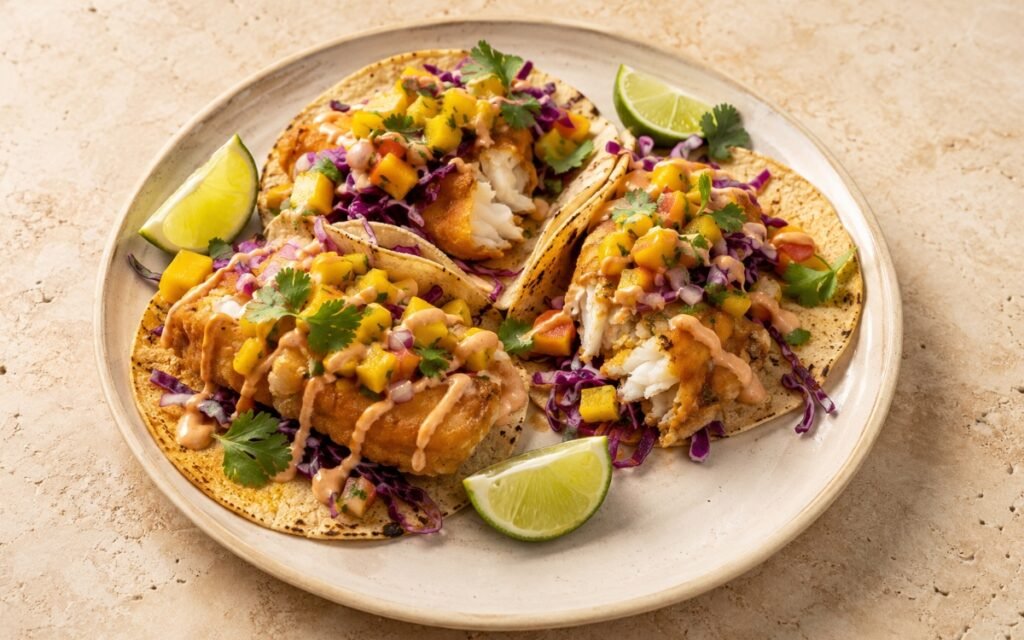
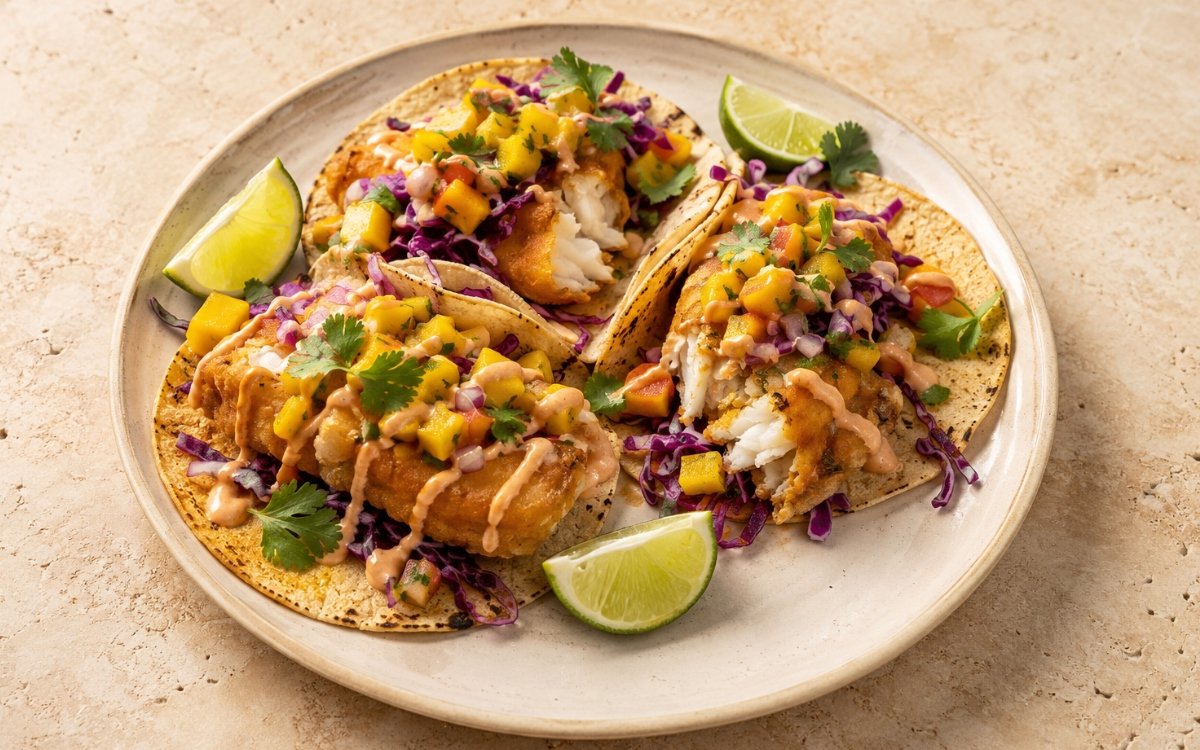
Open small corn tortillas filled with crispy battered cod — golden, spiced, and slightly broken to show the white flaky fish inside — topped with bright mango salsa, thin purple cabbage, chipotle crema drizzled in pale orange threads, fresh cilantro, and lime. The double-coating technique on the fish, a dry dredge followed by a cold sparkling-water batter, is what produces a genuinely crisp, shatter-light crust rather than a soggy or greasy one — the dry dredge gives the wet batter something to cling to, while the cold, slightly lumpy batter itself fries lighter than a smooth, overworked one, the same principle used elsewhere in this collection wherever a cold-batter fry needs real lift. Drying the fish thoroughly before dredging matters just as much as the batter itself; any surface moisture works against adhesion and produces patchy, sliding coating instead of an even crust. The mango salsa is folded gently rather than mashed, keeping the fruit in distinct, juicy pieces that stay bright against the cabbage’s purple and the fish’s gold. The payoff is a taco built entirely around textural and colour contrast — crisp battered fish, crunchy cabbage, juicy salsa, and a cool, thick crema — each staying visually and texturally distinct rather than blurring into one filling.
Prep Time : 45 min
Cook Time : 35 min
Servings : 8
45 min
35 min
8
Ingredients
For The Homemade Corn Tortillas
• 240g masa harina — this one on Amazon
• 3g fine sea salt
• 300g warm water, approximately 40°C
For the Crispy Battered Cod
• 1.2kg cod fillets, cut into 24 pieces, about 50g each
• 8g kosher salt
• 3g freshly cracked black pepper
• 30ml fresh lime juice
• Neutral oil, for deep frying or shallow frying
For the Dry Dredge
• 120g all-purpose flour
• 40g cornstarch
• 4g kosher salt
• 3g smoked paprika — this one on Amazon
• 2g ground cumin — this one on Amazon
• 2g garlic powder
• 1g cayenne pepper
For the Spiced Batter
• 180g all-purpose flour
• 80g cornstarch
• 8g baking powder
• 6g kosher salt
• 5g smoked paprika
• 3g ground cumin
• 2g garlic powder
• 1g cayenne pepper
• 330–380ml very cold sparkling water or cold lager
For the Mango Salsa
• 650g ripe mango, peeled and diced small
• 80g red bell pepper, finely diced
• 60g red onion, finely diced
• 25g fresh cilantro, finely chopped
• 45ml fresh lime juice
• 3g kosher salt, plus more to taste
• 1 small jalapeño, deseeded and finely diced, optional
For the Chipotle Crema
• 300g sour cream
• 2 chipotle peppers in adobo — this one on Amazon
• 25g adobo sauce
• 30ml fresh lime juice
• 3g kosher salt
• 2g smoked paprika
• 1g ground cumin
• 15–30ml water, only if needed to loosen
For the Purple Cabbage
• 400g red cabbage, sliced very thin
• 20ml fresh lime juice
• 3g kosher salt
For Garnishing and Serving
• 30g fresh cilantro leaves
• 4 limes, cut into wedges
• Mango salsa, from above
• Chipotle crema, from above
• Thin purple cabbage, from above
This post may contain affiliate links. As an Amazon Associate I earn from qualifying purchases, at no additional cost to you.
Directions
- Prepare the Small Corn Tortillas
Prepare the Homemade Corn Tortilla dough according to its separate recipe. Divide the rested dough into 24 equal balls of about 22g each. Keep the dough balls covered at all times so the masa does not dry out. Press each tortilla to about 11.4cm / 4.5 inches diameter and cook on a dry hot skillet or comal until lightly charred, flexible, and cooked through. Stack immediately under a towel so the tortillas steam and stay soft. Do not overcook them; they need to stay pliable for open tacos. The smaller diameter keeps the open-faced taco in proportion — a full-size tortilla would leave a single piece of fish looking sparse and make the taco awkward to eat by hand. - Prepare the Mango Salsa
Combine the diced mango, red bell pepper, red onion, cilantro, lime juice, salt, and jalapeño if using. Fold gently so the mango stays in visible pieces. Taste and adjust with more lime or salt if needed. The salsa should be bright, juicy, and spoonable, not crushed into a mash. Gentle folding rather than stirring or mashing is the deciding factor between a salsa with genuine mango texture and one that turns into a wet purée — ripe mango is soft enough that vigorous mixing breaks it down almost immediately. - Prepare the Chipotle Crema
Blend the sour cream, chipotle peppers, adobo sauce, lime juice, salt, smoked paprika, and cumin until smooth. Add water 15ml at a time only if the crema is too thick to drizzle. The final texture should fall from a spoon in thick ribbons, not run like liquid. Blending the chipotle peppers directly into the sour cream, rather than mincing them by hand, distributes their smoky heat and colour evenly throughout the crema instead of leaving pockets of concentrated spice — the pale orange threads this produces when drizzled are as much a visual signature of the dish as a flavour one. - Prepare the Purple Cabbage
Toss the thinly sliced red cabbage with lime juice and salt. Let it sit for 10–15 minutes while preparing the fish. The cabbage should soften slightly but stay crisp and vivid purple. The brief lime-and-salt sit is a light quick-pickle rather than a full ferment — just enough acid and time to soften the cabbage’s raw edge and draw out a little moisture, while the short window keeps it well short of losing its crunch or vivid colour. - Season the Cod
Pat the cod pieces dry with paper towels. Season with salt, black pepper, and lime juice. Let sit for 10 minutes, then pat lightly dry again before dredging. Wet fish will make the batter slide off and fry unevenly. The second pat-dry after the 10-minute rest matters because the salt and lime juice draw moisture to the fish’s surface during that time — skipping this second drying step undoes the benefit of the first one, leaving a wet surface right before the coating stage that matters most. - Prepare the Dredge and Batter
In one bowl, mix the dry dredge ingredients. In a second bowl, whisk the flour, cornstarch, baking powder, salt, smoked paprika, cumin, garlic powder, and cayenne. Add 330ml very cold sparkling water or lager and whisk just until combined. Add more liquid only if needed. The batter should be thick enough to coat the fish but loose enough to drip slowly. Do not overmix it. A slightly lumpy cold batter fries lighter than a perfectly smooth overworked one. Overmixing develops gluten in the flour, producing a denser, chewier crust rather than the light, shattering one this recipe is built around — a few lumps left in the batter is a sign it’s been handled correctly, not a mistake to fix. - Heat the Oil
Heat neutral oil in a heavy pot to 175–180°C for deep frying. For shallow frying, use enough oil to come 1–1.5cm up the side of the skillet and heat over medium-high until shimmering. The oil temperature matters. Too cool and the batter turns greasy; too hot and the outside burns before the cod flakes. This temperature window is a genuine balance point specific to fish, which cooks through quickly — the batter needs to crisp and set at roughly the same rate the thin cod pieces cook, and oil outside this range throws that timing off in one direction or the other. - Fry the Fish
Working in batches, coat each cod piece in the dry dredge, shake off the excess, then dip into the spiced batter. Let excess batter drip off for a second, then carefully lower into the hot oil. Fry for 3–4 minutes, turning as needed, until deeply golden, crisp, and cooked through. The fish should flake easily inside and register about 60–63°C in the thickest part. Transfer to a rack, not paper towels, so the bottom stays crisp. Season lightly with salt while hot. Do not crowd the pan. Crowding drops the oil temperature and gives you pale, greasy fish instead of crisp golden fish. Salting immediately after frying, while the surface is still hot and slightly oily, is what allows the salt to actually adhere — salted fish left to cool first won’t hold the seasoning nearly as well. - Warm the Tortillas
Just before assembly, rewarm the tortillas on a dry skillet for 10–15 seconds per side until soft and flexible. Keep them covered in a towel. This is a brief warm-through rather than a second cook, purely restoring pliability and heat right before the tacos are built. - Assemble the Tacos
Place 3 warm corn tortillas per serving on plates or a wooden board. Add a small handful of purple cabbage to one side of each tortilla. Place one crispy battered cod piece on each taco, keeping some of the broken white fish interior visible. Spoon mango salsa over the fish. Drizzle chipotle crema in thick pale orange threads across each taco. Finish with fresh cilantro leaves. Leaving part of the fish’s flaky white interior visible, rather than covering the cod completely with toppings, is a deliberate plating choice — it signals the fish’s freshness and doneness at a glance and keeps the crust’s texture visible against the surrounding colour. - Serve
Serve immediately with lime wedges between the tacos. Squeeze fresh lime over the tacos just before eating. The fish should still be crisp, the cabbage fresh, the mango bright, and the crema thick enough to cling to the filling. The crisp batter is the most time-sensitive element on the plate — it begins softening the moment it sits under the moisture of the salsa and crema, so serving without delay is what preserves the contrast between crunchy fish and everything else.
*Notes :
- The double-coating system — dry dredge first, then a cold, cornstarch-lightened batter — is worth understanding as two distinct jobs rather than one combined step. The dry dredge gives the wet batter a slightly textured, absorbent surface to grip onto, since batter dipped directly onto bare, moist fish tends to slide and pool unevenly. The batter itself, kept cold and only lightly mixed, fries into a lighter, more shattering crust than a smooth, room-temperature batter would, largely because the cold temperature slows gluten development and the sparkling water or lager’s carbonation adds extra lift as it hits the hot oil.
- Cod is specified here rather than a more delicate white fish for a structural reason. A firm, flaky fish like cod holds together through the coating, resting, and frying process without falling apart, while more delicate fillets can break down before the batter has fully set, leaving pieces of loose fish floating in the frying oil. Substituting a much more delicate fish without accounting for that difference is a common way to end up with a messier, less consistent fry.
- The purple cabbage’s brief lime-and-salt treatment is doing more work than it might appear to at first glance. Raw red cabbage straight from the head can taste sharp and slightly bitter; the short 10–15 minute rest in acid and salt softens that raw edge and draws out a little excess moisture, producing a cabbage that’s more pleasant to eat raw while still retaining real crunch and its vivid colour — the goal is a meaningfully softened bite, not a full pickle.
- This taco’s finishing order — cabbage, then fish, then salsa, then crema — is not arbitrary. Building from the bottom up in that sequence keeps the crema visible and unbroken on top rather than mixed into or hidden beneath the salsa, which is specifically why the recipe calls for adding the crema after the mango salsa rather than before. The pale orange threads of crema against the vivid mango and purple cabbage are as much a part of the dish’s identity as its flavour.
Why This Recipe Works
This recipe works because every component is built to protect its own specific texture through to the final assembly: the fish gets a genuine crisp crust from the combination of thorough drying, a dry dredge, and a cold, lightly mixed batter fried at a carefully held temperature; the cabbage gets a brief acid treatment that softens without fully pickling it.
The mango salsa is folded rather than mashed to stay chunky and juicy; and the chipotle crema is blended smooth specifically so it drizzles in clean, visible threads. Assembling and serving immediately is what keeps all of that careful texture work intact by the time the taco reaches the table.
Ingredient Breakdown
Cod Fillets
The specified fish — firm and flaky enough to hold together through dredging, battering, and frying without breaking apart.
Dry Dredge Before Wet Batter
The double-coating technique — the dry layer gives the wet batter a surface to properly cling to rather than sliding off.
Cold Sparkling Water or Lager Batter
The crisping mechanism — cold temperature and light mixing keep gluten development low, while carbonation adds lift for a shatter-light crust.
Gently Folded Mango Salsa
The texture-preserving technique — keeps the mango in distinct, juicy pieces rather than breaking it down into a mash.
Blended Chipotle Crema
The finishing sauce — smooth and pourable specifically so it drizzles in clean, visible pale orange threads across the assembled taco.
Flavor Structure Explained
This fish taco follows a layered balance model:
- Crisp savoury foundation (battered, fried cod)
- Bright fruity sweetness (mango salsa)
- Tangy crunchy contrast (purple cabbage)
- Cool smoky richness (chipotle crema)
- Fresh sharp finish (cilantro, lime)
The crispy battered cod defines the taco with a well-seasoned, savoury crunch that gives way to flaky, mild fish underneath. Mango salsa layers in bright, juicy sweetness with a little sharpness from red onion and optional jalapeño. Purple cabbage contributes tangy crunch that cuts through the fried batter’s richness. Chipotle crema adds a cool, smoky, slightly spicy creaminess that ties the sweet and savoury elements together. Fresh cilantro and a final squeeze of lime finish each bite with clean, bright acidity that keeps the whole taco from feeling heavy.
Common Mistakes to Avoid
- Not Drying the Fish Thoroughly Before Dredging – Surface moisture makes the dry dredge and batter slide off unevenly, producing patchy, greasy results. Always pat the fish dry both before seasoning and again right before dredging.
- Overmixing the Batter – Excessive mixing develops gluten and produces a denser, chewier crust instead of a light, shattering one. Always whisk just until combined, leaving a few small lumps.
- Crowding the Frying Oil – Too many pieces at once drops the oil temperature and results in pale, greasy fish instead of crisp, golden fish. Always fry in batches with space between pieces.
- Mashing the Mango Salsa Instead of Folding – Vigorous mixing breaks the ripe mango down into a wet purée, losing the distinct juicy pieces the salsa is built on. Always fold gently.
- Draining the Fried Fish on Paper Towels – Paper towels trap steam underneath the fish and soften the bottom crust. Always transfer to a wire rack instead.
Variations
Spicier Version
Add a third chipotle pepper to the crema and include the optional diced jalapeño in the mango salsa for a noticeably sharper heat throughout the taco.
Grilled Fish Tacos
Skip the dredge and batter entirely, and instead season the cod pieces with the same salt, pepper, and lime, then grill for 2–3 minutes per side for a lighter, non-fried version of the same flavour profile.
With Shrimp Instead of Cod
Substitute 1.2kg of large peeled, deveined shrimp for the cod, following the identical dredge, batter, and fry method, reducing the fry time to about 2–3 minutes given the shrimp’s smaller, faster-cooking size.
Extra-Crunchy Slaw Version
Toss the purple cabbage with a small amount of thinly sliced green cabbage and shredded carrot alongside the lime and salt for a fuller, more traditional slaw topping.
Storage & Make-Ahead
The dry dredge and batter dry ingredients can be mixed and stored in separate airtight containers for up to 1 week; add the cold liquid to the batter mix only right before frying.
Mango salsa can be refrigerated in a sealed container for up to 2 days; drain any excess liquid that collects before serving. Chipotle crema can be refrigerated in a sealed container for up to 5 days.
Purple cabbage can be refrigerated for up to 2 days in its lime-salt liquid, though it will continue softening slightly the longer it sits.
Tortilla dough is best used fresh the same day; pressed, cooked tortillas can be stacked and refrigerated for up to 2 days before rewarming.
Fried fish is best eaten immediately; it loses its crisp texture within an hour and does not reheat well, becoming soft rather than crisp.
Frequently Asked Questions
Why coat the fish in a dry dredge before dipping it in batter?
The dry dredge gives the wet batter a textured surface to properly grip, rather than sliding off bare, moist fish. Skipping this step often results in patchy, uneven coating with bare spots where the batter has slid away during frying.
Why does the batter need to stay cold and only lightly mixed?
Cold temperature slows gluten development in the flour, and light mixing avoids developing it further, both of which keep the crust light and shattering rather than dense and chewy. The carbonation in cold sparkling water or lager also adds extra lift as the batter hits the hot oil.
Why use cod specifically instead of a more delicate white fish?
Cod is firm and flaky enough to hold together through seasoning, resting, dredging, and frying without breaking apart. More delicate fish can fall apart before the batter has fully set, leaving loose pieces in the frying oil and a messier result.
Why toss the cabbage in lime juice and salt before serving instead of using it raw?
Raw red cabbage straight from the head can taste sharp and slightly bitter. A brief 10–15 minute rest in lime and salt softens that raw edge and draws out a little moisture, making it more pleasant to eat while it still stays crisp and vividly coloured.
What are some good swaps or additions for the toppings here?
If you want a change from the classic mango salsa, Avocado Mango Salsa works well in its place — it brings the same bright mango sweetness with a creamier avocado base that pairs nicely against the crispy fish and cool crema. For an even fresher, sharper bite alongside everything else, spoon a little Pico de Gallo over the top of the assembled taco — its raw tomato-onion acidity adds another layer of brightness on top of the mango and lime.
Nutrition Facts
( per serving )
Calories
~590 kcal
Protein
32 g
Fat
24 g
Carbs
62 g
Calories
~590 kcal
Protein
32 g
Fat
24 g
Carbs
62 g
Related Recipes
Related Recipes

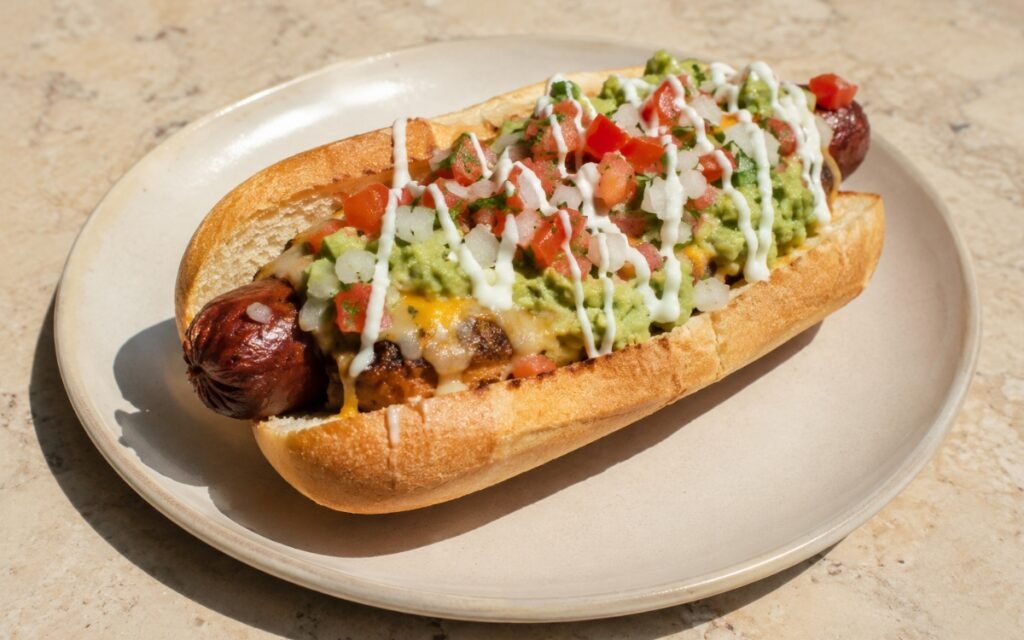
Mexican Hot Dog
Bacon-wrapped smoked frankfurters seared crisp, topped with melted Mexican cheese, guacamole, fresh pico de gallo, and a crema drizzle.
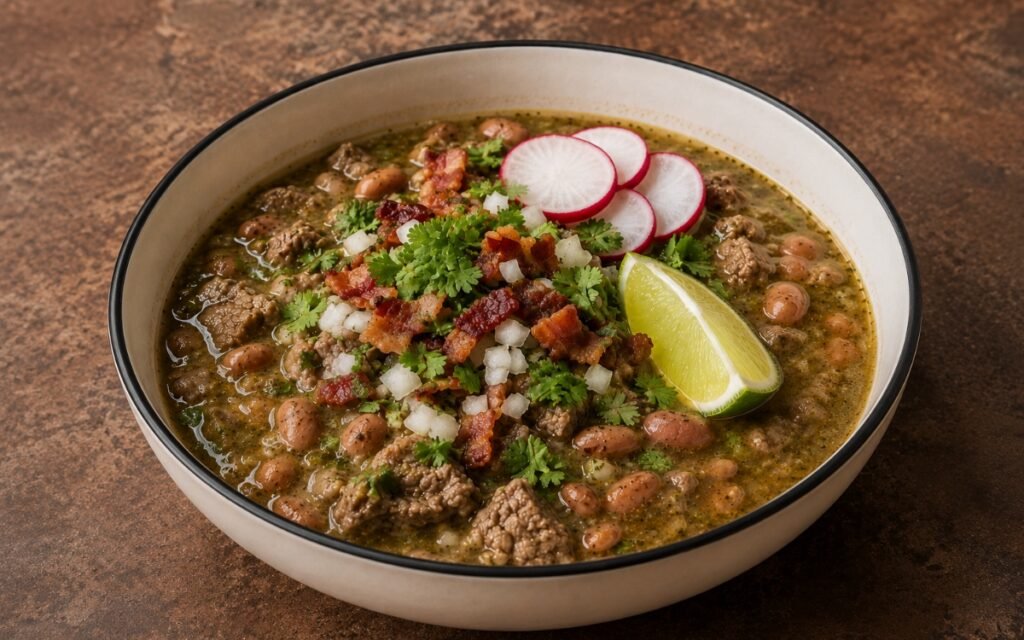
Carne en su Jugo
Finely chopped, batch-browned beef simmered briefly in a savory tomatillo broth with pinto beans, topped with crispy bacon and fresh garnishes.
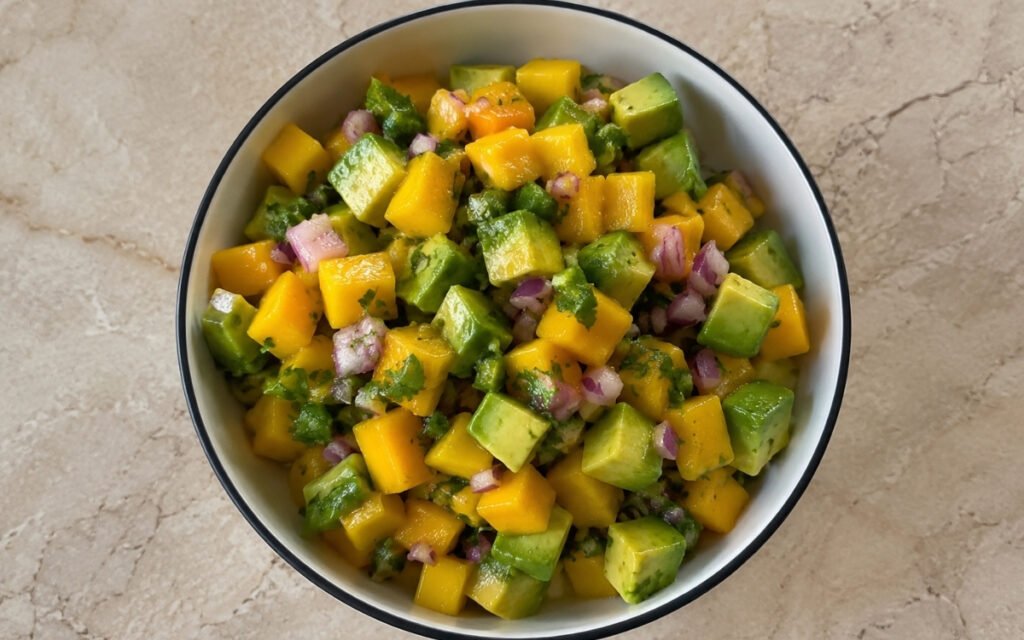
Avocado & Mango Salsa
Sweet mango, creamy avocado, sharp red onion, and jalapeño in a lime-herb dressing — the condiment that makes every Mexican and South American dish taste complete.
You might also like
You might also like
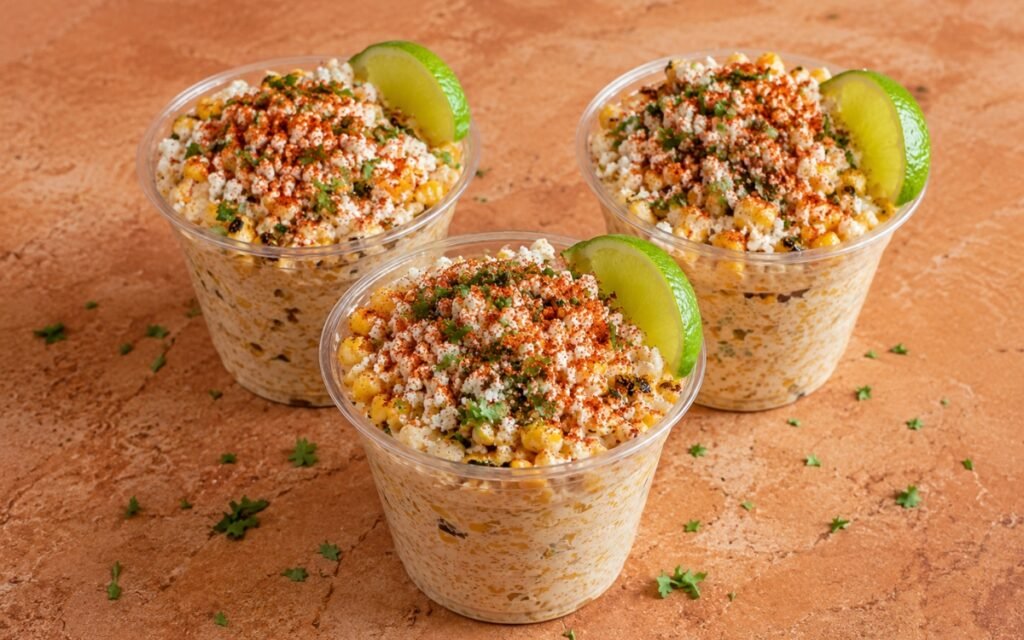
Elote en Vaso (Mexican Street Corn Cup)
Charred grilled corn kernels mixed hot into a glossy mayonnaise-crema base, piled into cups with heavy cotija and a dusting of chilli powder.
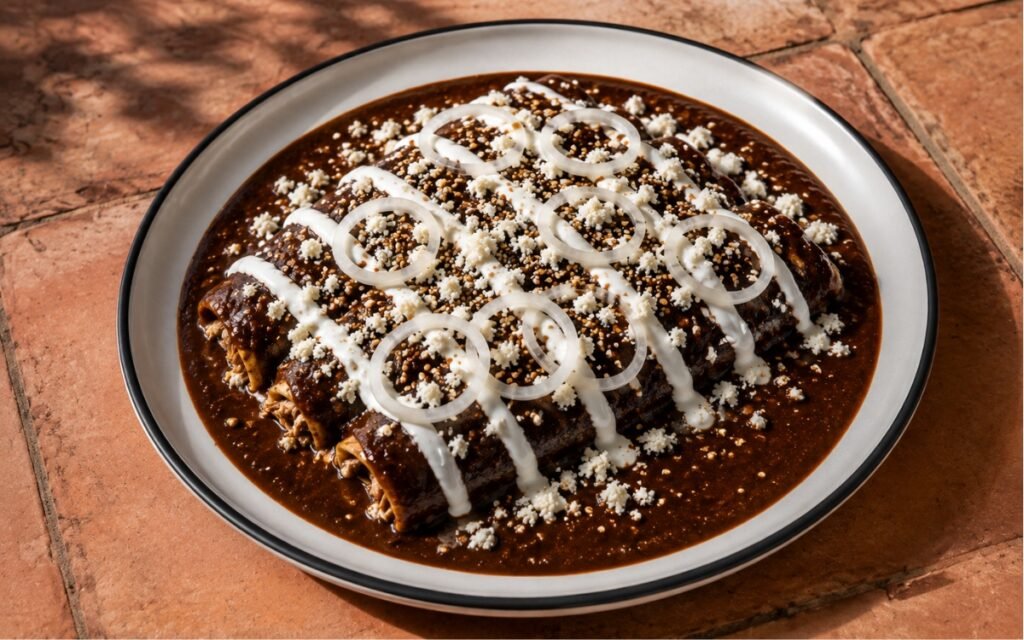
Chicken Enmoladas with Mole Poblano
Soft corn tortillas filled with tender shredded chicken, folded, and blanketed in glossy mole poblano, finished with crema and queso fresco.
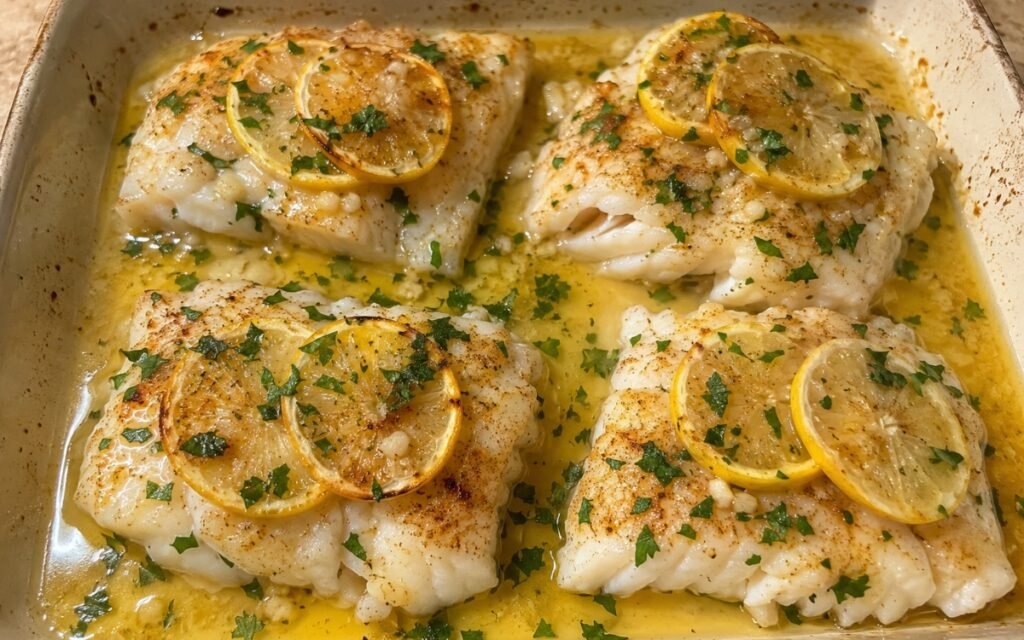
Lemon Butter Baked Cod
Cod fillets baked snugly in garlicky lemon butter, topped with lemon slices until flaky, finished with pan juices and parsley. Elegant and effortless.
Fish Tacos with Mango Salsa and Chipotle Crema
Ingredients
Method
- Prepare the Homemade Corn Tortilla dough according to its separate recipe. Divide the rested dough into 24 equal balls of about 22g each. Keep the dough balls covered at all times so the masa does not dry out. Press each tortilla to about 11.4cm / 4.5 inches diameter and cook on a dry hot skillet or comal until lightly charred, flexible, and cooked through. Stack immediately under a towel so the tortillas steam and stay soft. Do not overcook them; they need to stay pliable for open tacos. The smaller diameter keeps the open-faced taco in proportion — a full-size tortilla would leave a single piece of fish looking sparse and make the taco awkward to eat by hand.
- Combine the diced mango, red bell pepper, red onion, cilantro, lime juice, salt, and jalapeño if using. Fold gently so the mango stays in visible pieces. Taste and adjust with more lime or salt if needed. The salsa should be bright, juicy, and spoonable, not crushed into a mash. Gentle folding rather than stirring or mashing is the deciding factor between a salsa with genuine mango texture and one that turns into a wet purée — ripe mango is soft enough that vigorous mixing breaks it down almost immediately.
- Blend the sour cream, chipotle peppers, adobo sauce, lime juice, salt, smoked paprika, and cumin until smooth. Add water 15ml at a time only if the crema is too thick to drizzle. The final texture should fall from a spoon in thick ribbons, not run like liquid. Blending the chipotle peppers directly into the sour cream, rather than mincing them by hand, distributes their smoky heat and colour evenly throughout the crema instead of leaving pockets of concentrated spice — the pale orange threads this produces when drizzled are as much a visual signature of the dish as a flavour one.
- Toss the thinly sliced red cabbage with lime juice and salt. Let it sit for 10–15 minutes while preparing the fish. The cabbage should soften slightly but stay crisp and vivid purple. The brief lime-and-salt sit is a light quick-pickle rather than a full ferment — just enough acid and time to soften the cabbage’s raw edge and draw out a little moisture, while the short window keeps it well short of losing its crunch or vivid colour.
- Pat the cod pieces dry with paper towels. Season with salt, black pepper, and lime juice. Let sit for 10 minutes, then pat lightly dry again before dredging. Wet fish will make the batter slide off and fry unevenly. The second pat-dry after the 10-minute rest matters because the salt and lime juice draw moisture to the fish’s surface during that time — skipping this second drying step undoes the benefit of the first one, leaving a wet surface right before the coating stage that matters most.
- In one bowl, mix the dry dredge ingredients. In a second bowl, whisk the flour, cornstarch, baking powder, salt, smoked paprika, cumin, garlic powder, and cayenne. Add 330ml very cold sparkling water or lager and whisk just until combined. Add more liquid only if needed. The batter should be thick enough to coat the fish but loose enough to drip slowly. Do not overmix it. A slightly lumpy cold batter fries lighter than a perfectly smooth overworked one. Overmixing develops gluten in the flour, producing a denser, chewier crust rather than the light, shattering one this recipe is built around — a few lumps left in the batter is a sign it’s been handled correctly, not a mistake to fix.
- Heat neutral oil in a heavy pot to 175–180°C for deep frying. For shallow frying, use enough oil to come 1–1.5cm up the side of the skillet and heat over medium-high until shimmering. The oil temperature matters. Too cool and the batter turns greasy; too hot and the outside burns before the cod flakes. This temperature window is a genuine balance point specific to fish, which cooks through quickly — the batter needs to crisp and set at roughly the same rate the thin cod pieces cook, and oil outside this range throws that timing off in one direction or the other.
- Working in batches, coat each cod piece in the dry dredge, shake off the excess, then dip into the spiced batter. Let excess batter drip off for a second, then carefully lower into the hot oil. Fry for 3–4 minutes, turning as needed, until deeply golden, crisp, and cooked through. The fish should flake easily inside and register about 60–63°C in the thickest part. Transfer to a rack, not paper towels, so the bottom stays crisp. Season lightly with salt while hot. Do not crowd the pan. Crowding drops the oil temperature and gives you pale, greasy fish instead of crisp golden fish. Salting immediately after frying, while the surface is still hot and slightly oily, is what allows the salt to actually adhere — salted fish left to cool first won’t hold the seasoning nearly as well.
- Just before assembly, rewarm the tortillas on a dry skillet for 10–15 seconds per side until soft and flexible. Keep them covered in a towel. This is a brief warm-through rather than a second cook, purely restoring pliability and heat right before the tacos are built.
- Place 3 warm corn tortillas per serving on plates or a wooden board. Add a small handful of purple cabbage to one side of each tortilla. Place one crispy battered cod piece on each taco, keeping some of the broken white fish interior visible. Spoon mango salsa over the fish. Drizzle chipotle crema in thick pale orange threads across each taco. Finish with fresh cilantro leaves. Leaving part of the fish’s flaky white interior visible, rather than covering the cod completely with toppings, is a deliberate plating choice — it signals the fish’s freshness and doneness at a glance and keeps the crust’s texture visible against the surrounding colour.
- Serve immediately with lime wedges between the tacos. Squeeze fresh lime over the tacos just before eating. The fish should still be crisp, the cabbage fresh, the mango bright, and the crema thick enough to cling to the filling. The crisp batter is the most time-sensitive element on the plate — it begins softening the moment it sits under the moisture of the salsa and crema, so serving without delay is what preserves the contrast between crunchy fish and everything else.