
Grapefruit Cardamom Tonic Mocktail
Tonic water is the specifically correct base for this preparation rather than club soda — the quinine’s dry, bittersweet finish alongside the grapefruit’s own natural bitterness produces a layered, specifically sophisticated bitter profile that makes this drink taste genuinely adult. A drink built on two sources of bitterness — tonic’s quinine and grapefruit’s naringin — requires the specific aromatic balance that cardamom provides: simultaneously floral, warm, and slightly sweet without adding any additional bitterness of its own. The cardamom pods lightly crushed before simmering — just enough to crack the outer hull and allow the volatile aromatic compounds from the seeds inside to enter the surrounding liquid during the gentle simmer — then the grapefruit zest steeped off heat in the warm cardamom syrup for the preserved citrus aromatic oils. Fresh grapefruit juice stirred in cold after the syrup cools. The most refined mocktail in this collection — bitter, aromatic, and completely elegant.
Prep Time : 10 min
Cook Time : 3-5 min
Servings : 4
10 min
3-5 min
4
Ingredients
For the Grapefruit Cardamom Base
• 300ml fresh grapefruit juice — approximately 2 large grapefruits
• 150ml water
• 40g light brown sugar — this one on Amazon
• Zest of 1 grapefruit — from the same grapefruits used for juice
• 8 green cardamom pods, lightly crushed — this one on Amazon
For the Garnish
• 4 thick grapefruit slices — approximately 1cm thick
This post may contain affiliate links. As an Amazon Associate I earn from qualifying purchases, at no additional cost to you.
Directions
- Build the Cardamom Syrup
Lightly crush the 8 green cardamom pods — use the flat side of a heavy knife or the bottom of a small pan, applying a single firm press to crack the hull without fully breaking the pods apart. The goal is to split the outer hull open so the small, dark, intensely fragrant seeds inside are exposed to the surrounding liquid during cooking, while keeping the pod structure relatively intact for easy straining. Fully crushed cardamom produces a more aggressively flavoured, slightly grainier extract; lightly cracked pods produce a more controlled, aromatic extraction that integrates smoothly into a sparkling drink context. Add the cracked cardamom pods, 150ml of water, and 40g of light brown sugar to a small saucepan. Place over medium-low heat and bring to a gentle simmer, stirring occasionally until the sugar dissolves completely. Simmer for 3–5 minutes — the steady, gentle heat drawing the cardamom’s essential oils, primarily linalool, eucalyptol, and various terpene compounds, out of the seeds and into the surrounding syrup. Cardamom is specifically more heat-stable than elderflower or rose in its aromatic compounds — a brief simmer at gentle temperature extracts the warm, specifically floral, slightly sweet character at its most pleasant intensity. The brown sugar’s molasses adds a caramel-adjacent warmth that amplifies the cardamom’s own warm-spiced depth in the way white sugar’s neutral sweetness would not. - Add Grapefruit Zest Off Heat and Steep
Remove the saucepan from the heat. Add the zest of 1 grapefruit — zested from the same grapefruits before juicing, which is the correct sequence: the zest tool travels over an intact surface more effectively than over cut fruit. Cover the saucepan immediately. Allow the cardamom and zest to steep together off heat for 10 minutes. The grapefruit zest’s volatile aromatic compounds — primarily limonene and nootkatone, the latter being the specific compound responsible for grapefruit’s characteristic bitter-aromatic quality — are preserved at the off-heat steeping temperature. Cooked with the syrup they would evaporate; steeped off heat they infuse completely into the warm cardamom-sugar medium. The 10-minute combined steep also continues drawing cardamom character from the cracked pods as the temperature declines. After 10 minutes, strain through a fine-mesh sieve into a clean jug. Press lightly on the cardamom pod hulls and zest pieces to extract any remaining infused syrup. Discard all solids. - Add Grapefruit Juice and Chill
Allow the strained cardamom syrup to cool for 5–10 minutes until it is no longer hot — warm to the touch is acceptable. Stir in the 300ml of fresh grapefruit juice. Fresh grapefruit juice’s volatile aromatic compounds — particularly the nootkatone that carries the characteristic grapefruit bitterness and the limonene that provides the citrus brightness — are sensitive to both heat and oxidation. Added to a warm but not hot syrup, they integrate cleanly into the sweetened cardamom base without significant evaporative loss. Taste the combined base. It should be simultaneously sweet from the syrup, tart and specifically bitter-citrusy from the grapefruit juice, and warmly aromatic from the cardamom. Adjust if needed — if the grapefruit’s bitterness is too assertive for preference, a small additional quantity of brown sugar syrup can be stirred through; if the sweetness is too prominent, a small squeeze of additional grapefruit juice balances it. Remember that the base will be diluted by both tonic water and ice at serving — it should taste slightly more concentrated and assertive in isolation than the intended final drink. Transfer to the refrigerator and chill completely — a minimum of 30 minutes. - Assemble and Serve
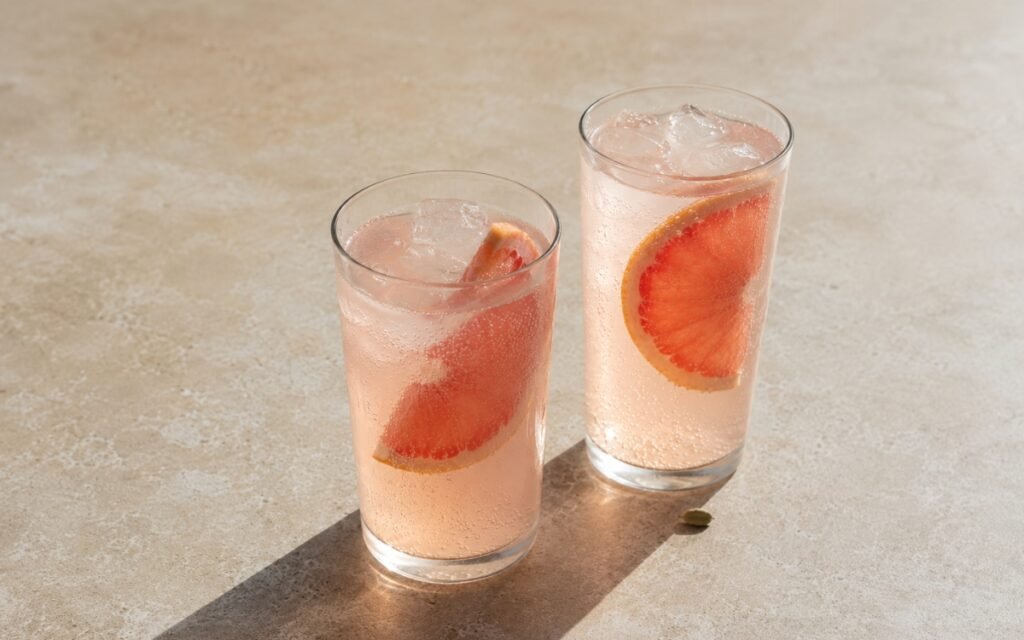
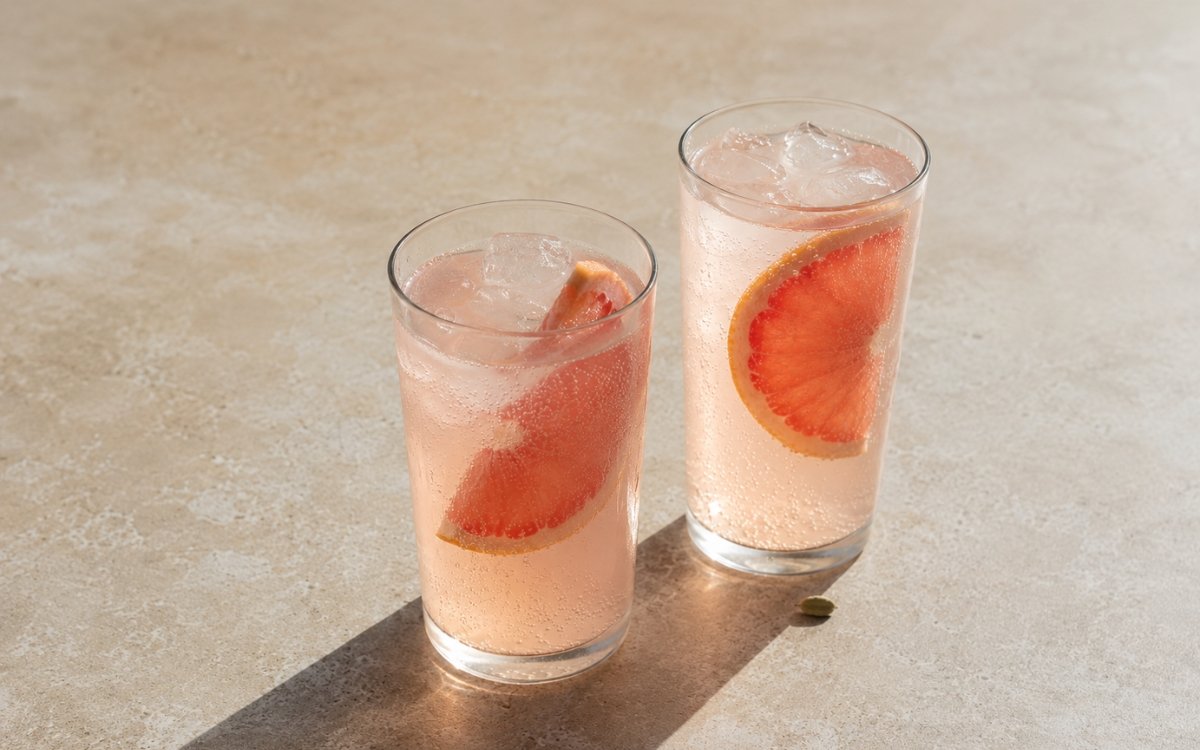
Fill four tall glasses generously with ice cubes. Divide the chilled grapefruit cardamom base evenly — approximately 110–115ml per glass. This is a higher base-to-soda ratio than most other preparations in this collection because the tonic water’s bitterness and the grapefruit’s bitterness need the full syrup concentration to produce the correct balanced bitter-sweet-aromatic profile in the glass. Stir briefly against the ice. Top each glass with approximately 125ml of chilled tonic water, poured gently down the inner side of the glass. Stir once or twice gently. Prepare the grapefruit garnish: cut 4 thick slices — approximately 1cm — from the cross-section of the remaining grapefruit. The thickness is intentional — a thin grapefruit slice provides primarily visual appeal; a thick slice holds enough juice that squeezing it into the drink at the table adds a meaningful fresh grapefruit contribution rather than a decorative drop. Tuck each thick slice into the drink against the ice. Serve immediately, with the suggestion to squeeze the grapefruit slice into the drink just before the first sip for an additional burst of fresh bitterness and juice.
*Notes :
- Green cardamom — Elettaria cardamomum, the small, pale green pods of South Asian and Middle Eastern spice commerce — is the specifically correct variety for this preparation. Green cardamom’s aromatic character is warm, floral, slightly sweet, and specifically citrusy-adjacent — complementary to grapefruit’s bitter citrus without competing. Black cardamom (a completely different plant, Amomum subulatum) has a smoky, camphor-adjacent, menthol character that is appropriate in savory cooking but would clash with the grapefruit’s citrus notes. Always the small, pale green pods.
- The grapefruit variety affects the finished drink significantly. Ruby or pink grapefruit juice has a slightly sweeter, slightly less bitter, more vibrantly coloured character than white grapefruit — producing a pale blush-pink base that is visually more appealing in the glass. White grapefruit juice has a more assertive, more classic grapefruit bitterness that is specifically appropriate if maximum bitter complexity is the goal. Both are correct; ruby grapefruit is specifically recommended for the visual appeal and the slightly more approachable bitterness profile.
Why This Mocktail Works
This recipe works because the cardamom is simmered for the controlled extraction of its warm, floral aromatics; the grapefruit zest is added off heat to preserve its specific nootkatone-and-limonene aromatic character; the fresh juice is added to the cooled syrup rather than warm; and tonic water rather than club soda provides the second bitterness register that makes the grapefruit-and-cardamom combination specifically more sophisticated than either ingredient alone would suggest.
Ingredient Breakdown
Cardamom Pods Lightly Crushed (Not Fully Broken)
The controlled aromatic extraction — cracked hull exposing seeds without releasing hull’s less pleasant compounds; brief simmer drawing warm floral aromatics at pleasant intensity.
Brown Sugar (Caramel-Adjacent Warmth)
The flavour-amplifying sweetener — specifically complementary to cardamom’s warm-spiced character.
Grapefruit Zest (Off Heat, Covered)
The aromatic citrus thread — nootkatone and limonene preserved by covered off-heat steeping; the same compound family as the juice but in more concentrated aromatic form.
Fresh Grapefruit Juice (Added to Warm-But-Not-Hot Syrup)
The primary bitter citrus character — added at the temperature that allows integration without evaporative aromatic loss.
Tonic Water (Two-Register Bitterness)
The adult-complexity element — quinine’s dry bitterness alongside grapefruit’s naringin producing a specifically sophisticated layered bitter profile.
Thick Grapefruit Slice (Squeezeable at the Table)
The fresh juice contribution at serving — thick enough to provide meaningful juice volume when squeezed.
Flavor Structure Explained
This Grapefruit cardamom tonic follows a layered balance model:
- Complex bitter-citrus core (grapefruit)
- Warm aromatic spice (cardamom)
- Dry bittersweet depth (tonic water)
- Rounded sweet balance (brown sugar)
- Crisp sparkling finish (carbonation)
Grapefruit defines the foundation with a uniquely layered combination of sweetness, acidity, and bitterness that creates a more sophisticated citrus profile than lemon or lime alone. Cardamom adds warm floral spice and aromatic complexity, softening the grapefruit’s sharper edges while enhancing its fragrance. Tonic water contributes a second bitter layer through quinine, creating depth and reinforcing the drink’s dry, adult character. Brown sugar rounds both bitter elements with gentle caramel warmth, ensuring balance rather than harshness. Carbonation lifts the entire composition, delivering a crisp, refreshing finish that keeps the bitterness lively and elegant rather than heavy.
Common Mistakes to Avoid
- Fully Breaking the Cardamom Pods Rather Than Lightly Cracking – Fully crushed cardamom releases hull compounds alongside the seed aromatics — producing a harsher, less pleasant extraction. Always lightly crack to expose the seeds.
- Using Club Soda Instead of Tonic Water – Club soda provides neutral effervescence without the bitterness that creates the specific sophisticated double-bitter profile. Always tonic water for this preparation.
- Adding Fresh Grapefruit Juice While the Syrup Is Hot – Hot grapefruit juice evaporates the nootkatone and volatile aromatic compounds that define its specific character. Always allow to cool before adding.
- Using Thin Rather Than Thick Grapefruit Garnish – A thin slice is decorative only. A thick slice holds enough juice for the at-table squeeze to add meaningful fresh grapefruit flavour.
- Not Covering During the Grapefruit Zest Steep – Uncovered, the nootkatone and volatile citrus aromatics escape as steam. Always cover during the 10-minute off-heat steep.
Variations
With Pink Peppercorns
Add 6–8 lightly crushed pink peppercorns to the saucepan alongside the cardamom — their specifically fruity, gently warming pepper character adds a delicate spiced dimension without the astringency of black pepper.
With Rosemary
Add 1 small rosemary sprig to the saucepan during the final 2 minutes of the cardamom simmer — the rosemary’s camphor-adjacent herbal character alongside the cardamom and grapefruit produces a more complex, more assertively botanical version.
Extra Bitter
Increase the tonic water to 600ml at assembly, slightly reducing the grapefruit-cardamom base proportion — the tonic’s quinine is more prominent and the drink leans more specifically toward the tonic-and-bitter category.
With Honey Instead of Brown Sugar
Replace the brown sugar with 35g of honey — the honey’s own floral aromatic compounds specifically amplify the cardamom’s florality and produce a slightly more aromatic, slightly more complex version of the sweetened base.
Storage & Make-Ahead
Grapefruit cardamom base can be refrigerated in a sealed jar for up to 3 days. The cardamom flavor becomes slightly deeper during the first 24 hours of storage, while the bright aromatic character of the fresh grapefruit juice gradually fades over time. For the best balance of freshness and flavor, it is best used within 48 hours of preparation.
Once assembled, the drinks are not suitable for storage and should be served immediately.
Frequently Asked Questions
Why tonic water rather than club soda?
Tonic water contains quinine — a bittering compound from cinchona bark — that provides a dry, bittersweet finish. Grapefruit’s naringin provides a second, different source of bitterness. Together they produce a specifically layered, complex bitter profile that makes this drink taste genuinely sophisticated. Club soda provides only effervescence; the second bitterness register is absent.
Why lightly crush rather than fully break the cardamom pods?
Lightly cracking the hull exposes the seeds for aromatic extraction while keeping the pod structure intact for easy straining. Fully crushed pods release not just the seeds’ pleasant aromatic compounds but also compounds from the hull that can contribute a harsher, less refined character in a sparkling drink context.
Why add the grapefruit zest off heat?
Grapefruit zest’s primary aromatic character comes from nootkatone and limonene — volatile compounds that evaporate rapidly at cooking temperature. Added off heat in a covered saucepan, they infuse into the warm syrup while the temperature declines, providing the specific grapefruit aromatic depth that cooking would destroy.
Ruby versus white grapefruit?
Ruby or pink grapefruit has a slightly sweeter, slightly less bitter, more vibrantly pink-tinged juice — producing a visually more attractive base and a slightly more approachable bitterness. White grapefruit has more assertive, classic grapefruit bitterness. Both are correct; the choice depends on preferred bitterness intensity and visual preference.
What other grapefruit-based mocktails share this flavour direction?
The Paloma Fizz Mocktail uses the same grapefruit base in a specifically Mexican direction — the paloma format with its tequila-adjacent profile providing a different but equally compelling grapefruit-forward drinking experience. The Grapefruit Tonic Mocktail is the simpler, more direct grapefruit-and-tonic preparation without the cardamom’s aromatic complexity — a cleaner, more immediately accessible version of the same primary flavour combination.
Nutrition Facts
( per serving )
Calories
~75 kcal
Protein
0 g
Fat
0 g
Carbs
19 g
Calories
~75 kcal
Protein
0 g
Fat
0 g
Carbs
19 g
Related Recipes
Related Recipes

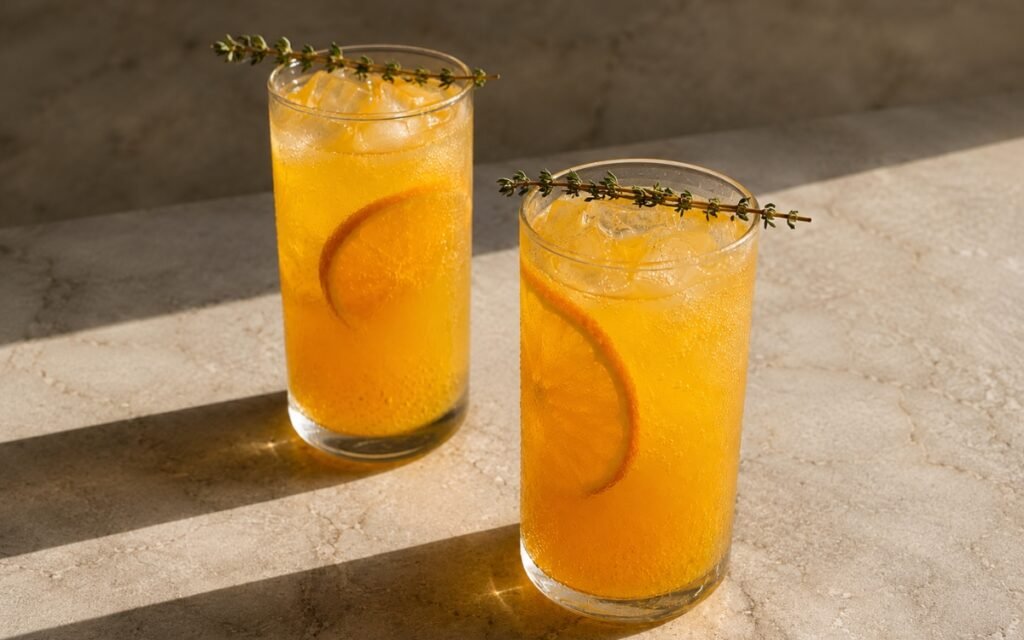
Mango Turmeric Tonic Mocktail
Tropical mango and earthy turmeric with thyme over tonic water — golden, warm, and bittersweet.
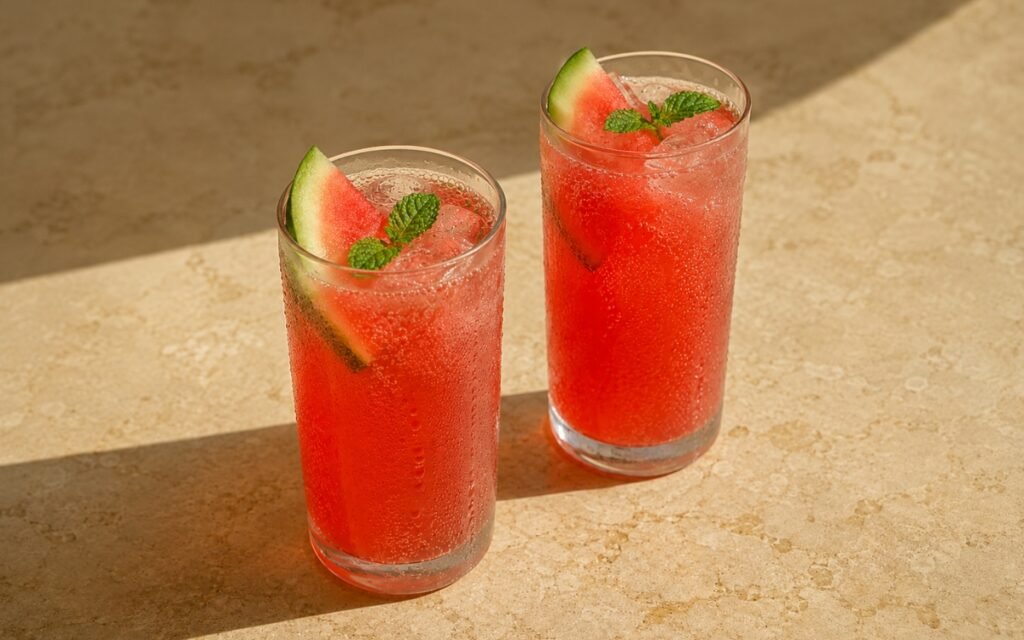
Watermelon Mint Fizz Mocktail
Blended strained watermelon with lime and cold-infused mint over club soda — vivid pink and cool.
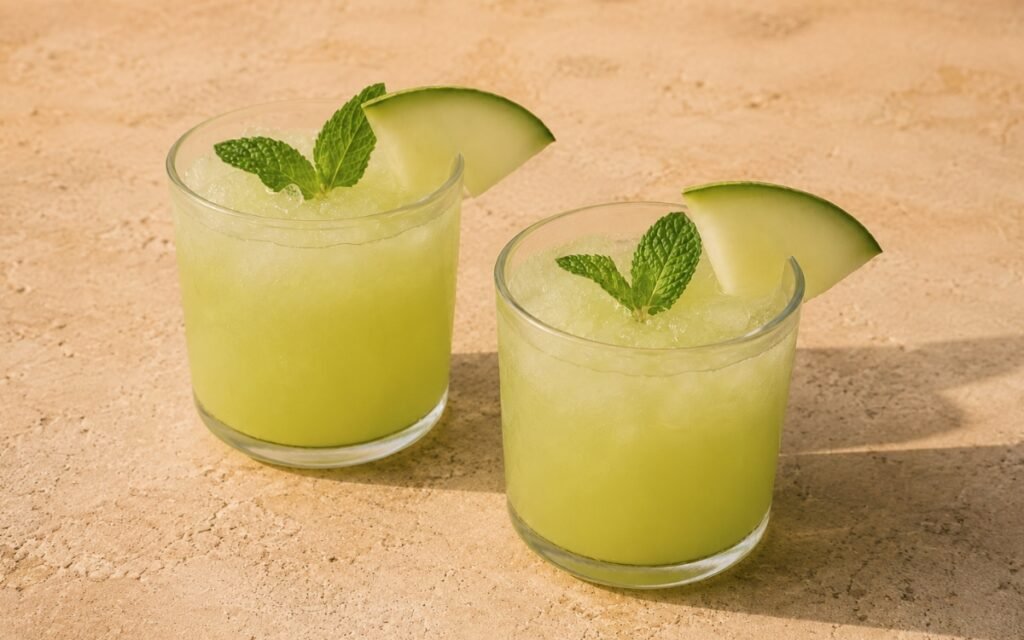
Melon Mint Agua Fresca Mocktail
Ripe honeydew blended with lime and honey, mint cold-infused — still, pale green, and cooling.
You might also like
You might also like
Mint Pineapple White Tea Cooler
White tea at 75–80°C for 3–4 minutes, fresh pineapple blended and strained — ginger infused 5–7 minutes, mint clapped and infused last, chilled. Tropical and herbal.
Pear Lemonade
Ripe pears at low heat with honey, lemon zest off heat — 150ml lemon only so pear leads, salt, cold water, chilled. Pale, delicate, and pear-forward.
Fresh Pineapple Lemonade
Pineapple blended and strained cold, ginger syrup steeped exactly 5 minutes — lemon juice and salt added cold, chilled. Tropical, bright, and sharply refreshing.
Grapefruit Cardamom Tonic Mocktail
Ingredients
Method
- Lightly crush the 8 green cardamom pods — use the flat side of a heavy knife or the bottom of a small pan, applying a single firm press to crack the hull without fully breaking the pods apart. The goal is to split the outer hull open so the small, dark, intensely fragrant seeds inside are exposed to the surrounding liquid during cooking, while keeping the pod structure relatively intact for easy straining. Fully crushed cardamom produces a more aggressively flavoured, slightly grainier extract; lightly cracked pods produce a more controlled, aromatic extraction that integrates smoothly into a sparkling drink context. Add the cracked cardamom pods, 150ml of water, and 40g of light brown sugar to a small saucepan. Place over medium-low heat and bring to a gentle simmer, stirring occasionally until the sugar dissolves completely. Simmer for 3–5 minutes — the steady, gentle heat drawing the cardamom’s essential oils, primarily linalool, eucalyptol, and various terpene compounds, out of the seeds and into the surrounding syrup. Cardamom is specifically more heat-stable than elderflower or rose in its aromatic compounds — a brief simmer at gentle temperature extracts the warm, specifically floral, slightly sweet character at its most pleasant intensity. The brown sugar’s molasses adds a caramel-adjacent warmth that amplifies the cardamom’s own warm-spiced depth in the way white sugar’s neutral sweetness would not.
- Remove the saucepan from the heat. Add the zest of 1 grapefruit — zested from the same grapefruits before juicing, which is the correct sequence: the zest tool travels over an intact surface more effectively than over cut fruit. Cover the saucepan immediately. Allow the cardamom and zest to steep together off heat for 10 minutes. The grapefruit zest’s volatile aromatic compounds — primarily limonene and nootkatone, the latter being the specific compound responsible for grapefruit’s characteristic bitter-aromatic quality — are preserved at the off-heat steeping temperature. Cooked with the syrup they would evaporate; steeped off heat they infuse completely into the warm cardamom-sugar medium. The 10-minute combined steep also continues drawing cardamom character from the cracked pods as the temperature declines. After 10 minutes, strain through a fine-mesh sieve into a clean jug. Press lightly on the cardamom pod hulls and zest pieces to extract any remaining infused syrup. Discard all solids.
- Allow the strained cardamom syrup to cool for 5–10 minutes until it is no longer hot — warm to the touch is acceptable. Stir in the 300ml of fresh grapefruit juice. Fresh grapefruit juice’s volatile aromatic compounds — particularly the nootkatone that carries the characteristic grapefruit bitterness and the limonene that provides the citrus brightness — are sensitive to both heat and oxidation. Added to a warm but not hot syrup, they integrate cleanly into the sweetened cardamom base without significant evaporative loss. Taste the combined base. It should be simultaneously sweet from the syrup, tart and specifically bitter-citrusy from the grapefruit juice, and warmly aromatic from the cardamom. Adjust if needed — if the grapefruit’s bitterness is too assertive for preference, a small additional quantity of brown sugar syrup can be stirred through; if the sweetness is too prominent, a small squeeze of additional grapefruit juice balances it. Remember that the base will be diluted by both tonic water and ice at serving — it should taste slightly more concentrated and assertive in isolation than the intended final drink. Transfer to the refrigerator and chill completely — a minimum of 30 minutes.
- Fill four tall glasses generously with ice cubes. Divide the chilled grapefruit cardamom base evenly — approximately 110–115ml per glass. This is a higher base-to-soda ratio than most other preparations in this collection because the tonic water’s bitterness and the grapefruit’s bitterness need the full syrup concentration to produce the correct balanced bitter-sweet-aromatic profile in the glass. Stir briefly against the ice. Top each glass with approximately 125ml of chilled tonic water, poured gently down the inner side of the glass. Stir once or twice gently. Prepare the grapefruit garnish: cut 4 thick slices — approximately 1cm — from the cross-section of the remaining grapefruit. The thickness is intentional — a thin grapefruit slice provides primarily visual appeal; a thick slice holds enough juice that squeezing it into the drink at the table adds a meaningful fresh grapefruit contribution rather than a decorative drop. Tuck each thick slice into the drink against the ice. Serve immediately, with the suggestion to squeeze the grapefruit slice into the drink just before the first sip for an additional burst of fresh bitterness and juice.