
Grapefruit Tonic Mocktail
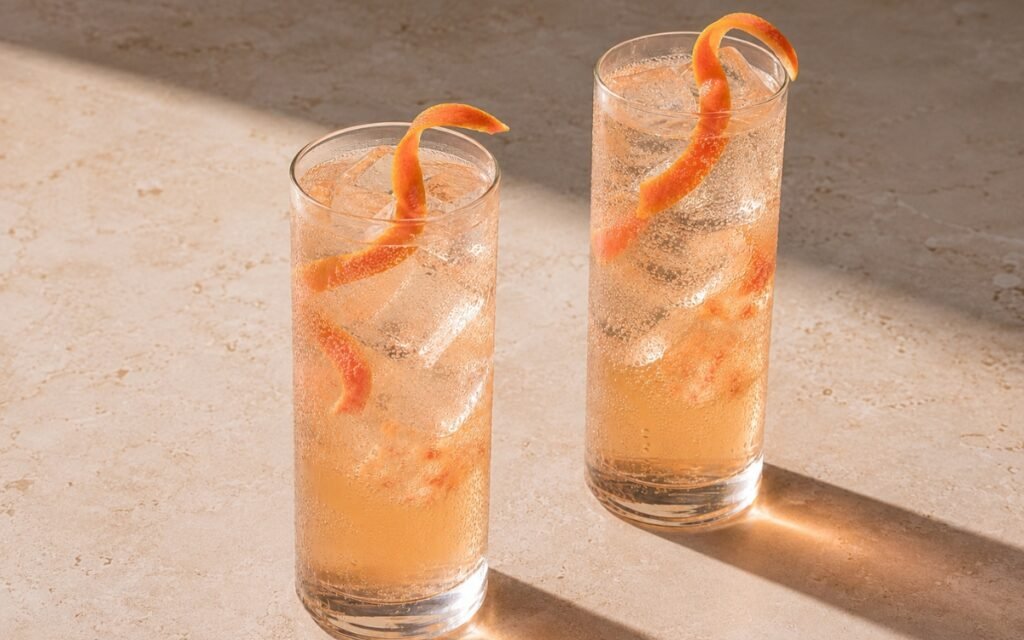
A clean, bitter-leaning grapefruit tonic built with brown sugar grapefruit peel syrup, lightly mashed fresh grapefruit pulp for texture, and crisp tonic water. Dry, structured, and refreshingly grown-up.
Prep Time : 10 min
Cook Time : 5 min
Servings : 4
10 min
5 min
4
Ingredients
Grapefruit Peel Brown Sugar Syrup
• ½ cup (100 g) light brown sugar
• ½ cup (120 ml) water
• 2 strips pink grapefruit peel (colored layer only, no white pith)
• Pinch of fine sea salt
Grapefruit Base
• 1½ cups pink grapefruit pulp, spooned (seeds removed)
Mocktail Base
• 360–400 ml chilled tonic water — this one on Amazon
To Serve
• Ice
• Pink grapefruit peel twists
This post may contain affiliate links. As an Amazon Associate I earn from qualifying purchases, at no additional cost to you.
Directions
- Make the Grapefruit Peel Syrup Carefully
In a small saucepan combine the brown sugar and water and heat gently over medium heat, stirring just until the sugar fully dissolves. Do not allow the mixture to boil — boiling dulls aromatic oils and creates cooked sweetness. Remove from heat, add the grapefruit peel strips and a pinch of fine sea salt, then cover and let steep for about 6–8 minutes. This short infusion builds structured bitterness without harsh pith extraction. Remove and discard the peel and allow the syrup to cool completely before using. - Prepare the Grapefruit Texture Base
Spoon the fresh pink grapefruit pulp into a bowl, carefully removing any seeds. Lightly mash with a fork only a few times to release juice while keeping small juicy segments intact. The goal is controlled texture and freshness — not purée. This step creates a more cocktail-like mouthfeel rather than a thin juice profile. - Build the Bitter-Sweet Base
In a large pitcher combine the mashed grapefruit pulp with about 80 ml of the cooled grapefruit peel syrup. Stir gently until evenly distributed. Taste deliberately — the mixture should feel bright, structured, lightly sweet, and clearly bitter. Adjust syrup gradually if needed. - Add Ice and Carbonation
Fill the pitcher generously with ice. Slowly pour in the chilled tonic water and stir once or twice only to integrate while preserving carbonation. Over-agitation will flatten the drink and reduce its refreshing bite. - Serve Immediately
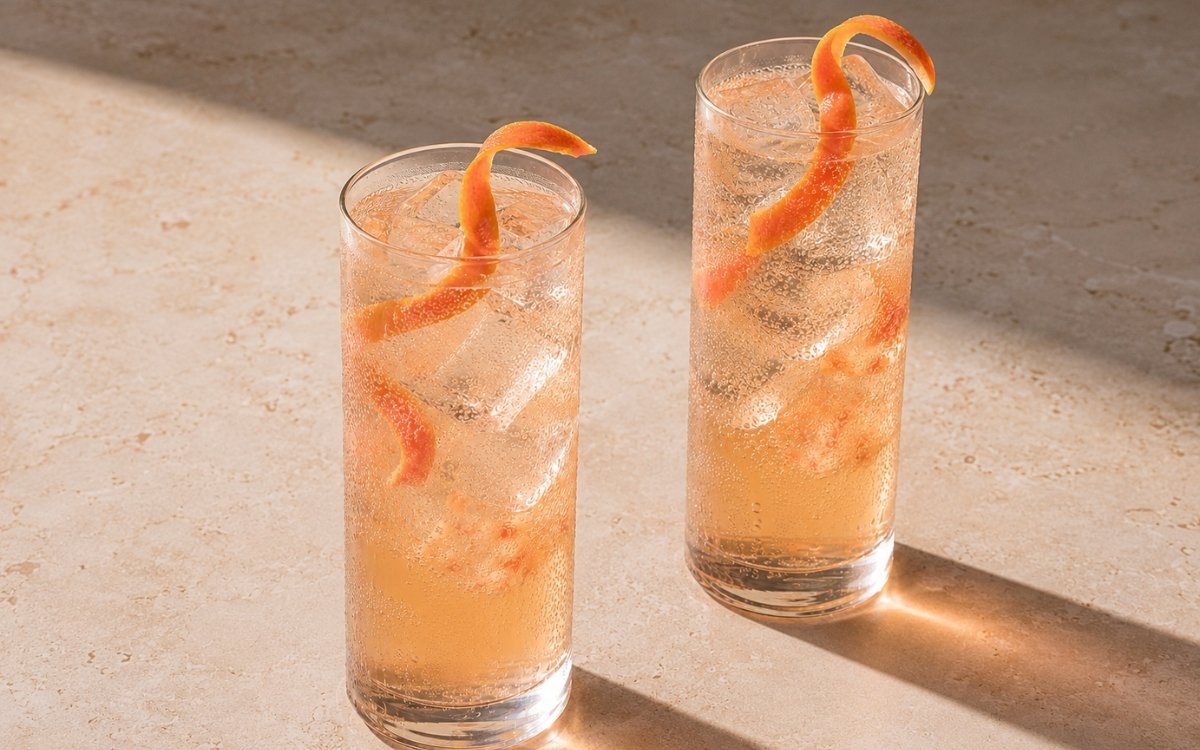
Pour into ice-filled glasses and garnish with pink grapefruit peel twists. Serve right away while the drink remains lively, bitter-leaning, and texturally fresh.
*Notes :
- Grapefruit bitterness is highly variable depending on ripeness and variety. Always balance sweetness cautiously rather than assuming fixed ratios.
- Peel infusion time is critical. Even slight over-steeping extracts excessive bitterness and resinous notes that dominate the drink.
- Tonic water contributes both carbonation and quinine bitterness. Choosing a high-quality tonic dramatically improves perceived structure and finish.
- Salt enhances citrus clarity and lengthens the aftertaste without making the drink taste salty. Proper use increases drinkability.
- Maintaining pulp texture creates a more substantial mouthfeel and prevents the drink from feeling diluted or soda-like.
- This drink is designed for immediate consumption. As carbonation fades, sweetness becomes more dominant and bitterness feels heavier.
Why This Mocktail Works
This mocktail works because it layers natural grapefruit bitterness with controlled sweetness and carbonation-driven dryness. Fresh pulp provides authentic citrus intensity while maintaining a tactile element that mimics stirred cocktails.
Brown sugar syrup softens sharp bitterness and adds subtle depth without masking grapefruit’s identity. The short peel infusion builds aromatic complexity while avoiding harsh pith extraction.
Tonic water completes the structure by adding effervescence and quinine bitterness. Together these elements create a drink that feels adult, refreshing, and balanced rather than sugary or thin.
Ingredient Breakdown
Pink grapefruit pulp
Brings vivid acidity and natural bitterness straight from the fruit’s flesh, while the fine texture of the pulp adds a satisfying weight and body to the drink. The raw freshness grounds the recipe and makes every sip taste genuinely fruit-forward rather than artificially flavored.
Grapefruit peel
Releases intensely fragrant citrus oils from the zest, layering an aromatic complexity that the juice alone cannot provide. These oils introduce a controlled, resinous bitterness that lingers pleasantly on the palate, adding depth and sophistication without tipping the balance toward harsh or astringent.
Light brown sugar
Softens the grapefruit’s sharp bitterness and bright acidity with a gentle, approachable sweetness. The trace molasses content brings a quiet caramel warmth that rounds out the citrus edges, creating a smooth, cohesive backbone that holds the more aggressive flavors in comfortable balance.
Fine sea salt
Works as a flavor amplifier rather than a seasoning, heightening the perception of citrus brightness and making the grapefruit’s freshness more vivid and immediate. A small amount also extends the finish noticeably, leaving a clean, mineral quality on the palate long after each sip
Tonic water
Provides the drink’s essential structure through lively carbonation and a firm, quinine-driven dryness. The bubbles lift and carry aromatics to the nose while the inherent bitterness of the tonic weaves seamlessly with the grapefruit’s natural bite, creating a long, dry, and satisfyingly crisp finish.
Flavor Structure Explained
This mocktail follows a layered balance model:
- Citrus bitterness and body (fresh grapefruit pulp)
- Controlled sweetness (brown sugar syrup)
- Aromatic lift (grapefruit peel oils)
- Dry tonic bitterness (quinine)
- Texture and refreshment (carbonation + salt)
The pulp defines mouthfeel and intensity while tonic sharpens perceived dryness. Proper sweetness restraint ensures the drink stays structured and grown-up rather than fruity or soft.
Common Mistakes to Avoid
- Over-infusing grapefruit peel — creates harsh, lingering bitterness.
- Adding too much syrup — destroys dry tonic balance.
- Blending the pulp — removes intentional texture and freshness.
- Using warm tonic water — flattens carbonation and dulls flavor.
- Skipping salt — reduces citrus clarity and finish length.
- Pre-mixing too far in advance — carbonation fades and bitterness dominates.
Variations
Herbal Grapefruit Tonic
Add a small thyme or rosemary sprig during serving for subtle aromatic complexity and a more aperitif-style character.
Extra-Bitter Aperitivo Style
Increase tonic slightly and reduce syrup for a sharper, drier profile suited for pre-dinner sipping.
Citrus Blend Version
Replace part of the grapefruit pulp with blood orange segments for softer bitterness and deeper color contrast.
Spicy Grapefruit Twist
Add a very thin slice of fresh jalapeño during the base stage for gentle warmth that enhances bitterness perception.
Storage & Make-Ahead
The grapefruit peel syrup can be prepared up to 4–5 days in advance and stored refrigerated in a sealed container. Shake or stir before use.
Fresh grapefruit pulp can be prepared shortly before serving and kept chilled for up to several hours without significant flavor loss.
The finished mocktail should not be stored once assembled. If carbonation fades, rebuild the drink with fresh tonic rather than trying to revive it.
Frequently Asked Questions
Can I use bottled grapefruit juice instead of fresh pulp?
You can, but the drink will lose texture and aromatic intensity. Fresh pulp provides a more authentic cocktail feel.
Why is tonic water important here?
Its bitterness and carbonation create the dry structure that defines this mocktail’s adult character.
Can I make this sweeter?
Yes, but add syrup gradually. Too much sweetness quickly overwhelms grapefruit balance.
What if my grapefruit is very bitter?
Reduce peel infusion time and increase sweetness slightly to maintain harmony.
Nutrition Facts
( per ~200 ml serving )
Calories
~65 kcal
Protein
0 g
Fat
0 g
Carbs
~16
Calories
~65 kcal
Protein
0 g
Fat
0 g
Carbs
~16 g
Related Recipes
Related Recipes

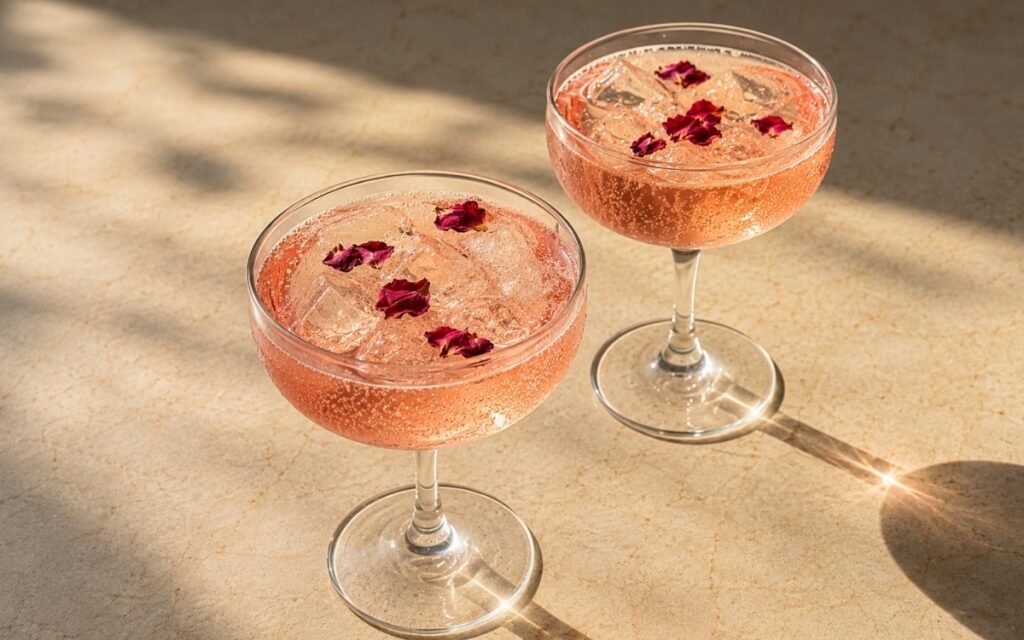
Rose Hibiscus Mocktail
Refined floral fizz with subtle orange peel, light tartness, crisp bubbles, elegant structure without sugary weight.
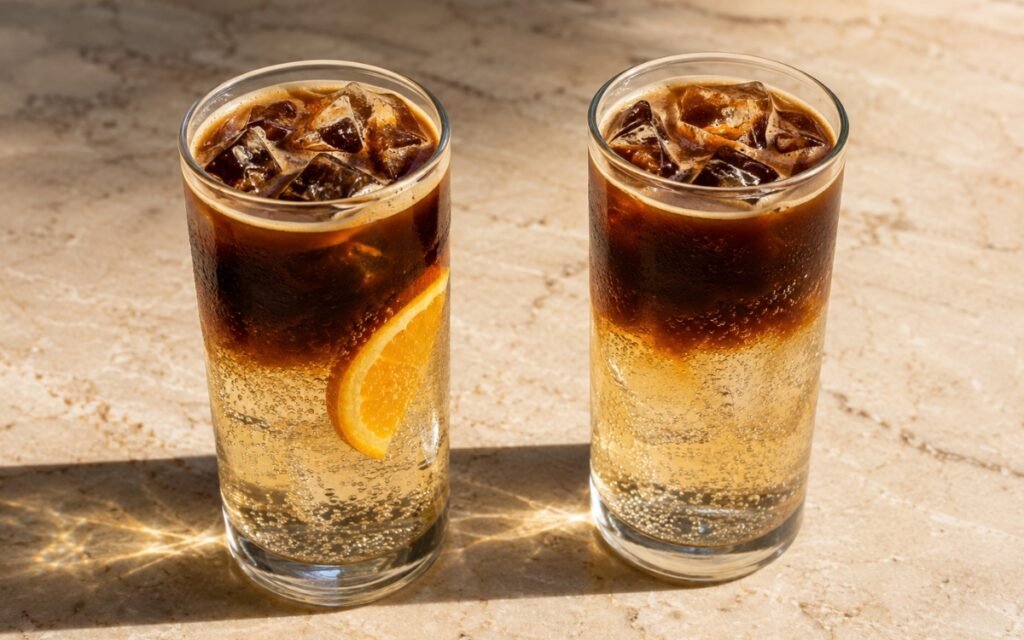
Espresso Tonic Mocktail
Cooled fresh espresso gently layered over chilled, fully sparkling tonic water for a crisp, bitter, minimal drink.
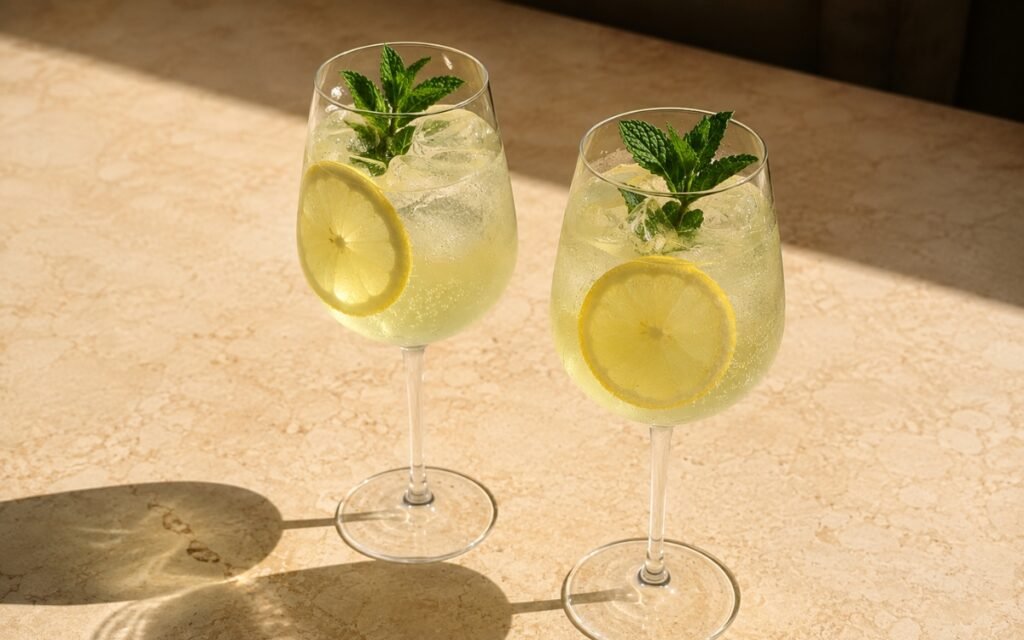
Mint Lemonade Spritz — French Style Mocktail
Lemon zest syrup with honey, fresh lemon juice cold, mint infused 20 minutes, white verjus — topped with club soda in wine glasses. Pale, crisp, and specifically French.
You might also like
You might also like
Pomegranate Lemonade
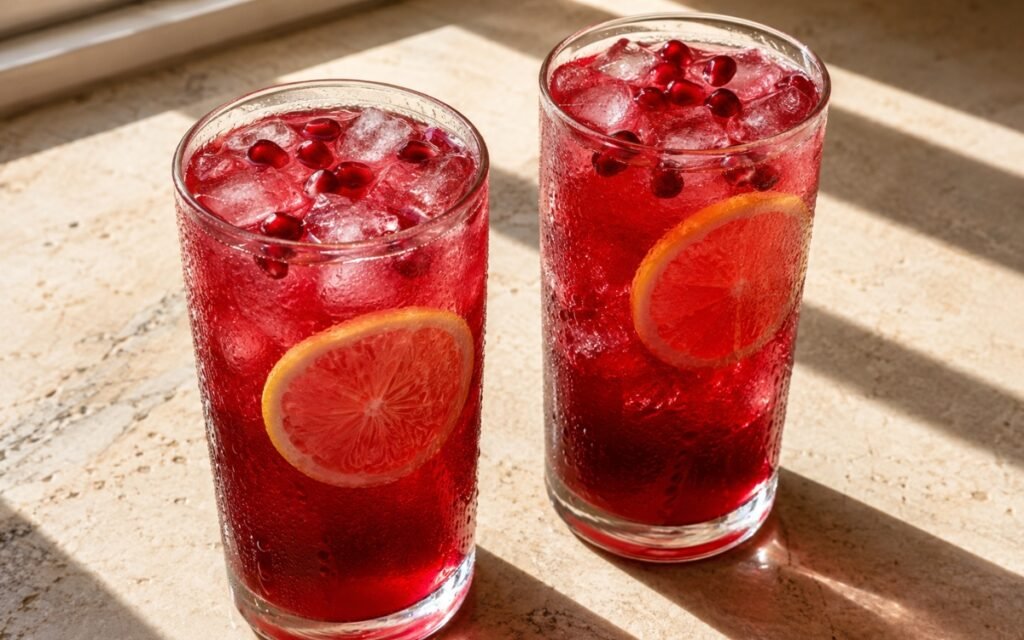
Honey-lemon syrup with zest off heat, 500ml pure pomegranate juice — fresh lemon, salt for anti-astringency, cold water, chilled. Ruby-red and grown-up.
Cherry Lemonade
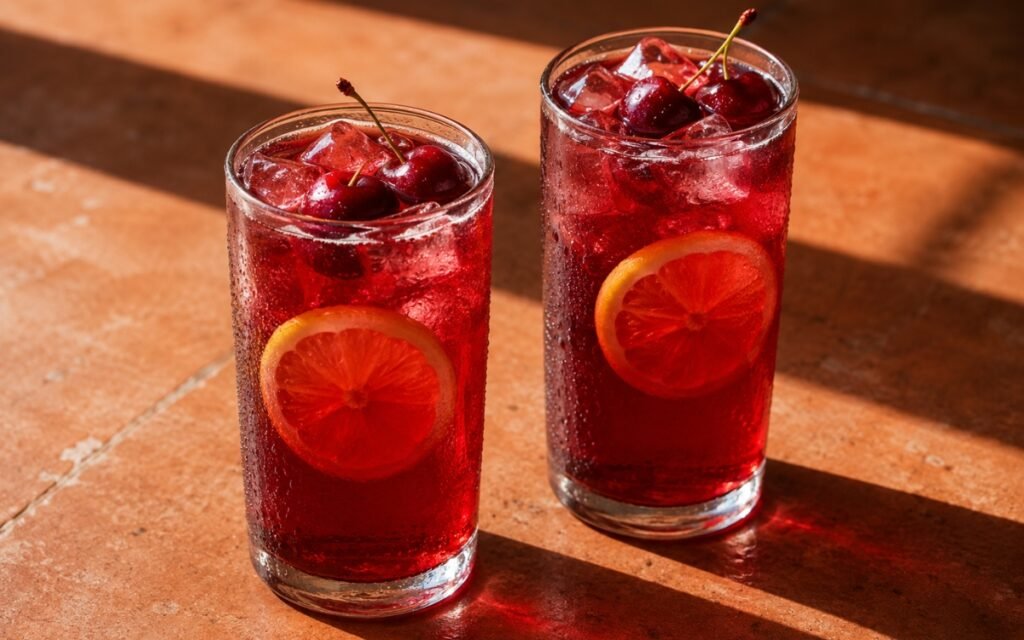
Cherries simmered with honey for extraction, lemon zest 10 minutes off heat — combined with fresh lemon juice, salt, cold water, chilled. Rich, ruby, and citrus-forward.
Yuzu Green Iced Tea (with Honey)
Green tea at 75–80°C for 2–3 minutes, yuzu peel infused cold 4–5 minutes — honey dissolved warm, yuzu juice for lift, chilled. Crisp, complex, citrus-forward.
Grapefruit Tonic Mocktail
Ingredients
Method
- In a small saucepan combine the brown sugar and water and heat gently over medium heat, stirring just until the sugar fully dissolves. Do not allow the mixture to boil — boiling dulls aromatic oils and creates cooked sweetness. Remove from heat, add the grapefruit peel strips and a pinch of fine sea salt, then cover and let steep for about 6–8 minutes. This short infusion builds structured bitterness without harsh pith extraction. Remove and discard the peel and allow the syrup to cool completely before using.
- Spoon the fresh pink grapefruit pulp into a bowl, carefully removing any seeds. Lightly mash with a fork only a few times to release juice while keeping small juicy segments intact. The goal is controlled texture and freshness — not purée. This step creates a more cocktail-like mouthfeel rather than a thin juice profile.
- In a large pitcher combine the mashed grapefruit pulp with about 80 ml of the cooled grapefruit peel syrup. Stir gently until evenly distributed. Taste deliberately — the mixture should feel bright, structured, lightly sweet, and clearly bitter. Adjust syrup gradually if needed.
- Fill the pitcher generously with ice. Slowly pour in the chilled tonic water and stir once or twice only to integrate while preserving carbonation. Over-agitation will flatten the drink and reduce its refreshing bite.
- Pour into ice-filled glasses and garnish with pink grapefruit peel twists. Serve right away while the drink remains lively, bitter-leaning, and texturally fresh.