
Citrus Olive Oil Dressing
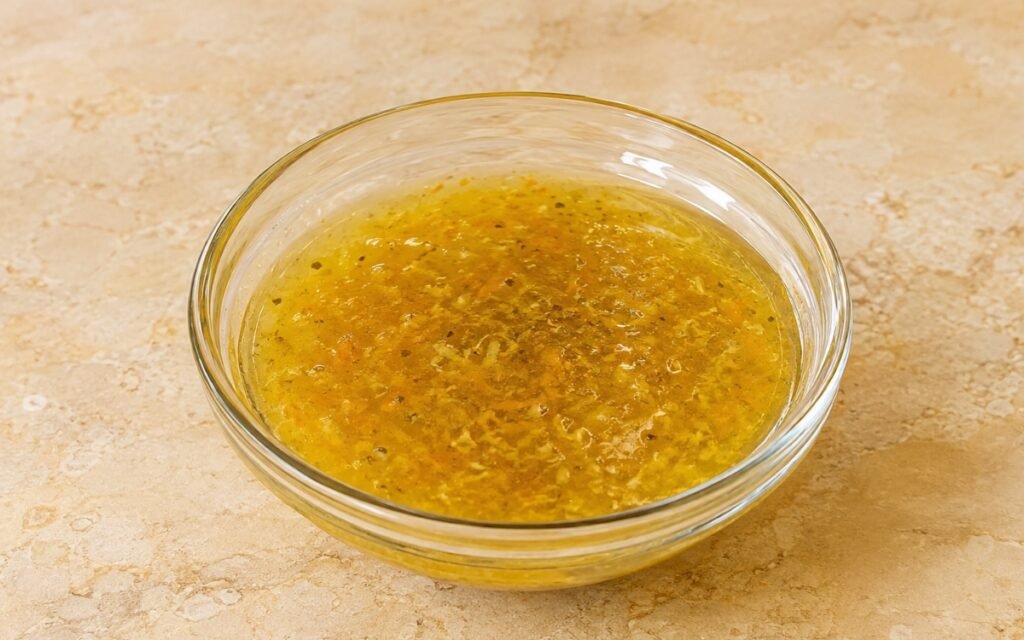
This vibrant multi-citrus dressing layers lemon’s sharp brightness, orange’s sweet warmth, and lime’s tropical edge into a beautifully balanced oil dressing. Versatile and bright, it transforms salads, grain bowls, grilled fish, and roasted vegetables with effortless, sunshine-forward flavor.
Prep Time : 10 min
Cook Time : 0 min
Servings : 4
10 min
0 min
4
Ingredients
Citrus Base
• 25ml fresh lemon juice
• 20ml fresh orange juice
• 15ml fresh lime juice
Citrus Zest
• 5g lemon zest
• 5g orange zest
Aromatics
• 5g garlic, 1 small clove, finely grated
• 2g fresh ginger, finely grated, optional
Oil
• 90ml extra-virgin olive oil — this one on Amazon
Seasoning
• 3g salt
• Freshly ground black pepper to taste
This post may contain affiliate links. As an Amazon Associate I earn from qualifying purchases, at no additional cost to you.
Directions
- Zest Before Juicing
Always zest citrus first — once cut, the peel becomes too soft to work cleanly. Use a Microplane and remove only the colorful outer layer, avoiding bitter white pith. Set the zest aside. - Juice and Balance the Citrus
Juice the lemon, orange, and lime, straining out seeds and excess pulp. Each fruit serves a role: lemon brings sharp acidity, orange adds sweetness and body, and lime contributes a light tropical brightness. - Build the Dressing Base
In a small bowl or jar, combine the citrus juices, reserved zest, Dijon mustard, honey, grated garlic, and optional grated ginger. Whisk until smooth and fully dissolved. At this stage the mixture will taste strongly acidic — this is expected. - Add Salt and Prepare to Emulsify
Stir in the salt before adding oil. Begin whisking steadily if working in a bowl, or prepare to seal and shake if using a jar. - Emulsify with Olive Oil
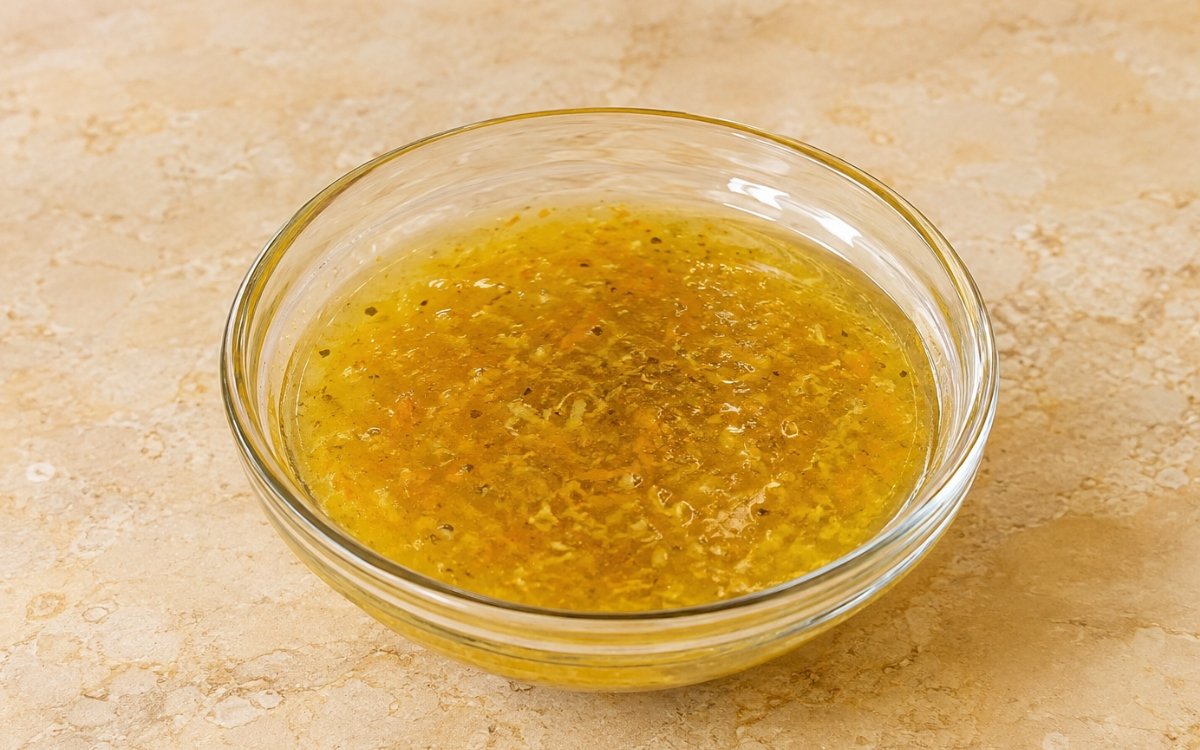
Drizzle the olive oil in slowly while whisking, or shake vigorously for about 30 seconds. The dressing should become lightly emulsified and take on a warm golden-orange color. - Taste and Fine-Tune
Adjust the balance as needed — more lemon for brightness, honey for softness, or orange juice for roundness. Finish with freshly ground black pepper, which enhances citrus aromas.
*Notes :
- The three-citrus approach reflects a broader culinary principle: using multiple sources of the same flavor category creates more complexity than a single source because each contributes different ratios of aromatic compounds, acids, and sugars. A lemon-only dressing is sharp and clean. An orange-only dressing is sweet and mild. A lime-only dressing is tropical and slightly bitter. Combining all three produces a citrus character with depth, range, and interest that none provides alone.
- The ratio of the three juices is deliberately weighted toward lemon, which provides the strongest acid backbone, with orange and lime in supporting roles. Reversing the ratios — using more orange than lemon — produces a sweeter, milder dressing with less assertive acidity. Adjust to personal preference and intended application.
- This dressing has excellent crossover versatility: it works equally well as a Mediterranean dressing (with a bold, grassy olive oil) and as an Asian-influenced dressing (with lighter oil and added ginger). The base character accommodates many different flavor contexts.
Why This Recipe Works
This recipe works by exploiting the complementary differences between three citrus fruits rather than relying on a single fruit for all citrus character. The multi-citrus acid base is more complex than any single-fruit dressing, and the combination of fresh juice with zest from two of the fruits provides both acidity and concentrated aromatic oils for full citrus presence. Honey bridges the citrus acidity to the olive oil’s richness seamlessly.
Ingredient Breakdown
Lemon Juice
Primary acid — the sharpest, cleanest citrus note providing the dressing’s acid backbone.
Orange Juice
Secondary sweetness and fruity depth — softens lemon’s sharpness and adds warmth.
Lime Juice
Tropical, slightly floral edge — adds the third dimension of citrus complexity.
Lemon and Orange Zest
Concentrated aromatic oils from both citruses — provide fragrant complexity far beyond juice alone.
Honey
Natural sweetness that bridges the citrus acidity and olive oil richness.
Fresh Ginger (optional)
Warm, spicy undertone that complements citrus naturally and broadens the dressing’s application.
Flavor Structure Explained
This dressing follows a layered balance model:
- Multi-layered citrus core (lemon, orange, lime)
- Controlled sweetness (honey)
- Warm aromatic depth (garlic, ginger)
- Smooth fat base (olive oil)
- Bright fresh finish (citrus balance)
Citrus defines the structure, with lemon leading in sharpness, orange adding warmth and sweetness, and lime bringing a fresh edge. Honey bridges the acidity, softening without dulling. Garlic and optional ginger add a warm, savory-spicy layer that grounds the brightness. Olive oil provides body and cohesion, carrying the citrus while rounding the texture. The combined effect stays bright and lifted, but structured enough to feel complete rather than sharp or thin.
Common Mistakes to Avoid
- Juicing Before Zesting – Always zest before cutting and juicing — it is almost impossible to zest a juiced citrus fruit properly.
- Grating the Pith – White pith contributes bitterness, not flavor. Use only the outermost colored layer.
- Using Only One Citrus – Single-citrus versions of this recipe lack the layered complexity that makes it distinctive. Use all three.
Variations
Blood Orange Version
Replace regular orange with blood orange during season for a more dramatic color and slightly more complex, berry-tinged flavor.
Grapefruit Citrus Olive Oil Dressing
Replace lime with pink grapefruit for a more bitter, sophisticated citrus combination.
Asian Citrus Olive Oil Dressing
Add 5ml sesame oil and 10ml soy sauce to the base, replace olive oil with a neutral oil, and increase the ginger for an Asian-inspired variation.
Citrus Tahini Dressing
Whisk in 30g tahini for a nutty, creamy citrus dressing excellent on grain bowls and roasted vegetables.
Storage & Make-Ahead
Store in an airtight jar in the refrigerator for up to 5 days. Fresh citrus juice loses some aromatic freshness over time, so the dressing is at its brightest within the first 2 days. Shake vigorously before each use. The zest flavors actually deepen over time, which partially compensates for the juice’s slight fading. Remove from the refrigerator 10 minutes before serving.
Frequently Asked Questions
Can I use bottled citrus juice?
Bottled juice lacks the fresh aromatic compounds that define this dressing’s bright character. Fresh juice is essential for this recipe in particular.
What salads pair best?
Fennel and orange salad; arugula with citrus segments; grain bowls with roasted vegetables; fish tacos; grilled shrimp; Asian-style slaws.
Can I use this as a marinade?
Excellent for fish, shrimp, and chicken. Marinate fish for 15–20 minutes maximum; chicken for up to 2 hours. The citrus acid will begin to denature proteins with extended exposure.
What if I only have two of the three citrus fruits?
Lemon plus orange is the best two-fruit combination. Lemon provides the acid backbone and orange provides sweetness — lime is the most dispensable of the three.
Nutrition Facts
( per serving )
Calories
~95 kcal
Protein
0 g
Fat
9 g
Carbs
5 g
Calories
~95 kcal
Protein
0 g
Fat
9 g
Carbs
5 g
Related Recipes
Related Recipes

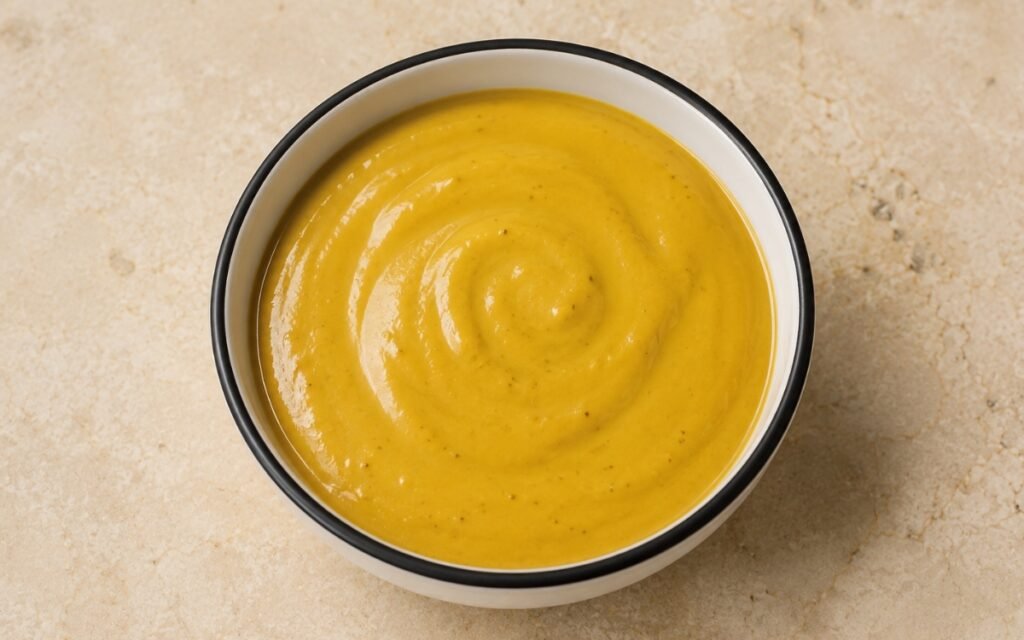
Quick Honey Mustard Sauce
Sweet-tangy honey mustard perfection in 5 minutes — better than any bottled version.
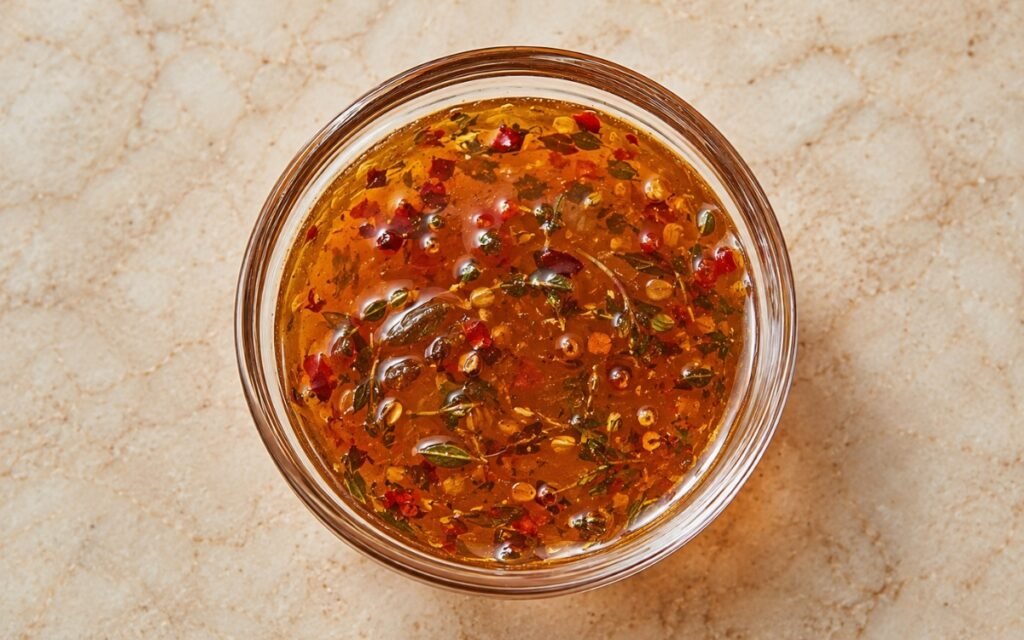
Spicy Honey Drizzle
Honey infused with chili heat and vinegar — 10-minute sweet-heat drizzle for everything.
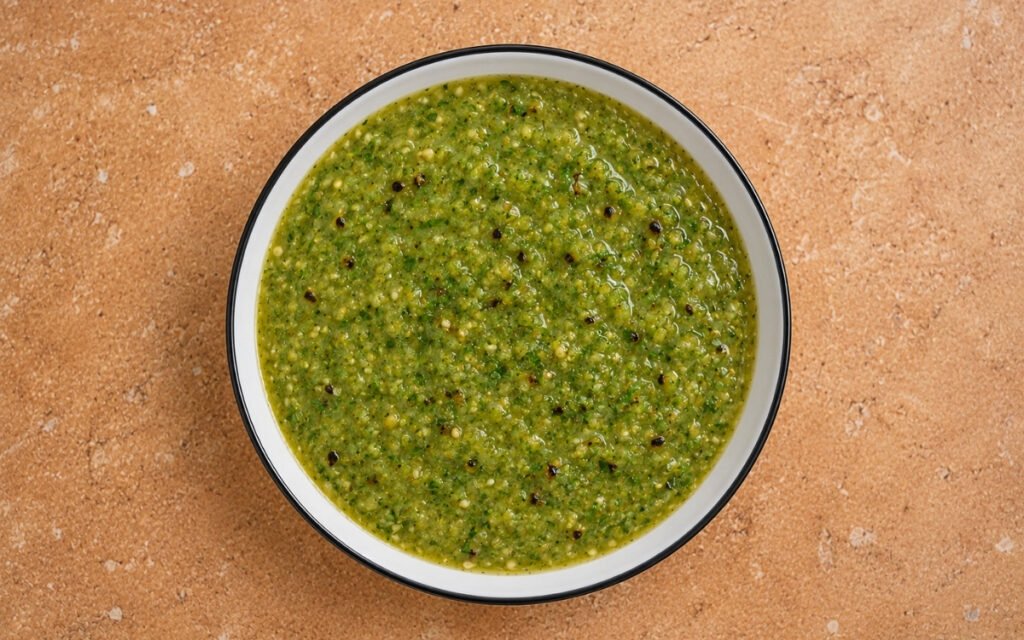
Salsa Verde
Broiled tomatillos and sweet onion blended with jalapeño, garlic, and fresh cilantro — rich, smoky, herby Mexican salsa verde ready in 30 minutes.
You might also like
You might also like
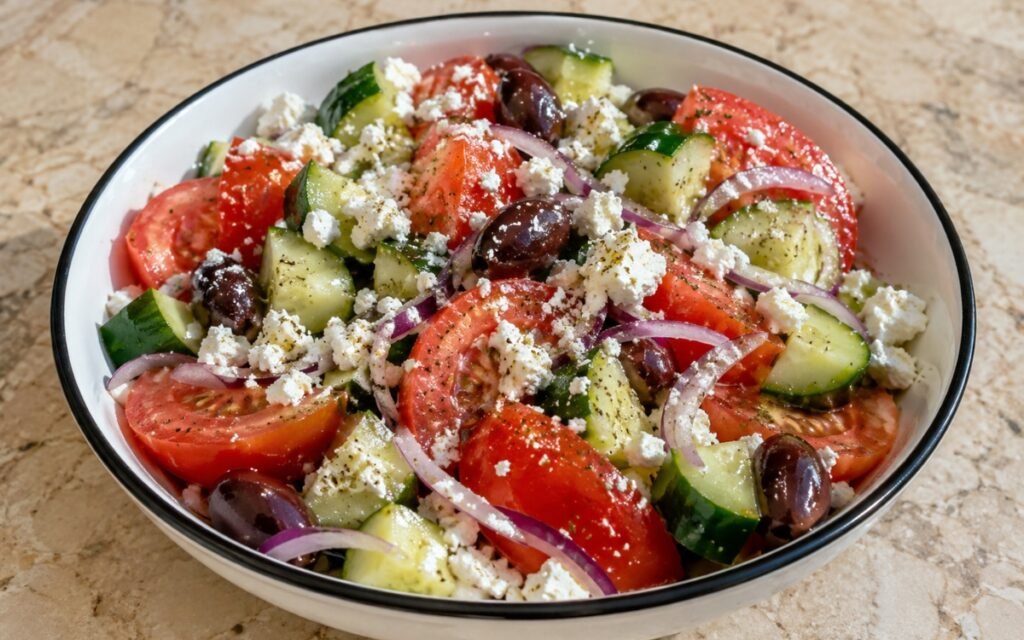
Authentic Greek Village Side Salad
Authentic Greek village salad with cucumbers, tomatoes, olives, and feta in lemon-oregano dressing.
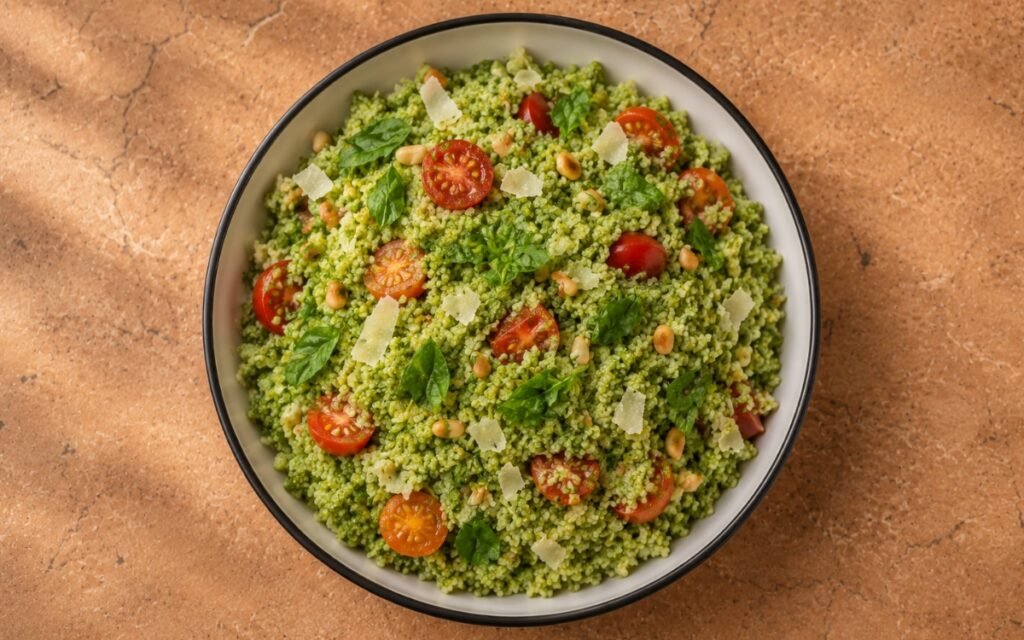
Green Pesto Couscous
Basil pesto pulsed gently, tossed with warm couscous until coated, finished with tomatoes and Parmesan. Vibrant and herbaceous.
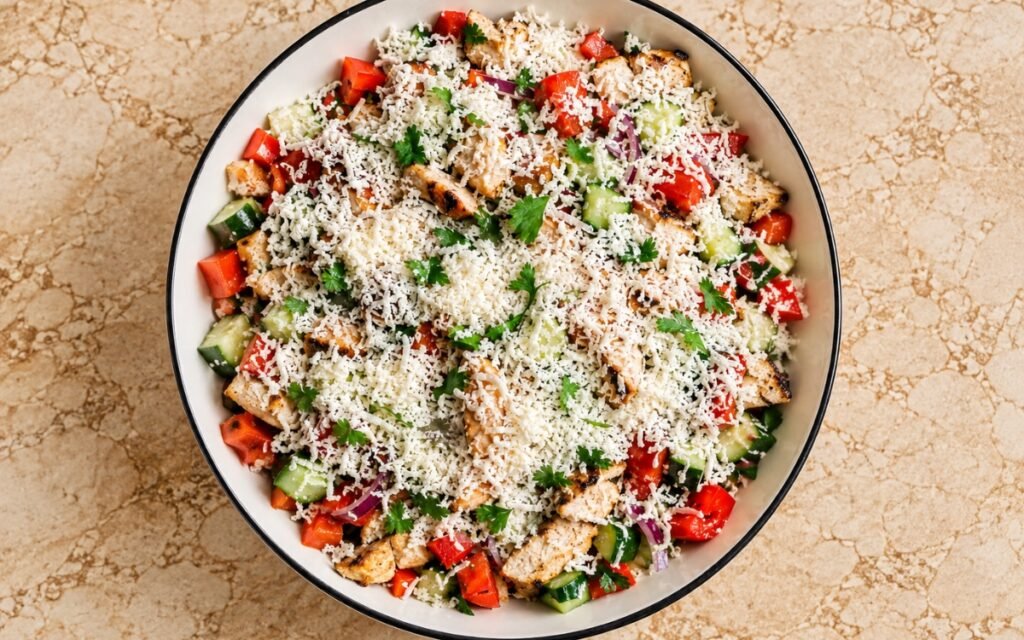
Balkan Shopska Chicken Salad
Diced tomato, cucumber, roasted red pepper, red onion, grilled chicken, and parsley under a heavy blanket of finely grated sirene cheese.
Citrus Olive Oil Dressing
Ingredients
Method
- Always zest citrus first — once cut, the peel becomes too soft to work cleanly. Use a Microplane and remove only the colorful outer layer, avoiding bitter white pith. Set the zest aside.
- Juice the lemon, orange, and lime, straining out seeds and excess pulp. Each fruit serves a role: lemon brings sharp acidity, orange adds sweetness and body, and lime contributes a light tropical brightness.
- In a small bowl or jar, combine the citrus juices, reserved zest, Dijon mustard, honey, grated garlic, and optional grated ginger. Whisk until smooth and fully dissolved. At this stage the mixture will taste strongly acidic — this is expected.
- Stir in the salt before adding oil. Begin whisking steadily if working in a bowl, or prepare to seal and shake if using a jar.
- Drizzle the olive oil in slowly while whisking, or shake vigorously for about 30 seconds. The dressing should become lightly emulsified and take on a warm golden-orange color.
- Adjust the balance as needed — more lemon for brightness, honey for softness, or orange juice for roundness. Finish with freshly ground black pepper, which enhances citrus aromas.