Yakitori Tare Sauce
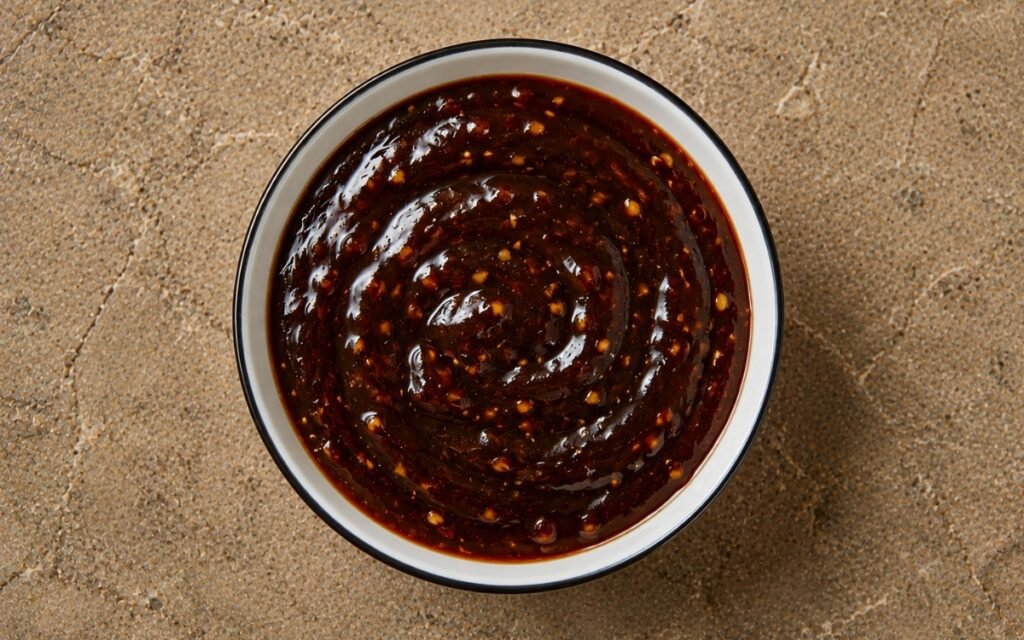
Traditional Japanese yakitori tare is a deeply concentrated, glossy, soy-based glaze made from Japanese soy sauce, hon mirin, sake, and sugar, slowly reduced until thick and syrupy with a dark mahogany-brown colour, intense sweet-savoury umami, and a rich lacquered finish that caramelizes beautifully over the heat of the grill. Reducing it further than an everyday teriyaki is the technique this whole sauce depends on, because the extra concentration is what lets it cling to a skewer through repeated brushing, the same patient-reduction principle used throughout this collection whenever a glaze has to hold up against fire. Using real hon mirin and unsalted sake keeps the sweetness and the salt in balance, since a salted cooking sake turns a long reduction harshly salty and a sweetened mirin-style seasoning shifts the whole balance. Measuring toward about 360ml rather than trusting the clock, and stopping while the tare is still brushable, is what prevents a hard, caramel-like result that no brush can spread, because tare keeps thickening as it cools. The payoff is a thick, sticky tare for brushing in thin layers onto chicken skewers, thighs, wings, meatballs, and grilled mushrooms.

- Prep Time : 5 min
- Total Time : 40 min
- Servings : 12
Ingredients
For the Mirin and Sake
- 180ml hon mirin (Japanese sweet rice wine)
- 180ml Japanese sake, unsalted
For the Soy Sauce and Sugar
- 180ml Japanese soy sauce (koikuchi shoyu)
- 85g granulated sugar
Directions
- Combine the Ingredients
Pour the mirin and sake into a medium heavy-bottomed saucepan, bring to a gentle simmer over medium heat, and cook for about 2 minutes. Add the soy sauce and granulated sugar and stir until the sugar has dissolved completely and the mixture is uniform. It should look smooth, dark amber-brown, and completely free of undissolved sugar. Use genuine hon mirin and unsalted sake. That choice is what keeps the finished reduction from turning excessively salty, which salted cooking sake would cause. - Reduce the Tare
Bring the sauce back to a gentle simmer, reduce the heat to medium-low, and simmer uncovered for 25–35 minutes, stirring occasionally and more often toward the end as the sugar concentrates. Let it become darker, glossier, and more concentrated until it reaches about 360ml, with a deep reddish-mahogany colour and a noticeably thicker body than ordinary teriyaki. Keep the simmer gentle, never an aggressive boil, and watch the volume more than the clock. That patience is what builds the concentrated flavour without scorching the sugar. - Check the Glaze Consistency
Dip a clean spoon into the reduced sauce, lift it slowly, and let the tare run back into the pan. It should coat the spoon evenly and fall in slow, cohesive ribbons. Take the pan off the heat when the sauce is thick enough to coat a basting brush without dripping straight off. It should be glossy, sticky, and syrup-like, with a dark mahogany centre and ruby-amber edges. Do not reduce it until extremely thick while hot. That restraint is what keeps the tare brushable once it cools. - Cool and Store
Let the saucepan cool for 10–15 minutes, then transfer the tare to a clean heatproof glass jar or airtight container, refrigerate promptly, and let it cool completely. Stir gently before using. The cooled sauce should look smooth and intensely glossy, with thick rounded folds and a lacquer-like appearance. That full cooling is what shows the real consistency, because tare thickens considerably as it cools and should still brush on easily. - Glaze the Yakitori
Grill the chicken skewers until they are nearly cooked through, then brush a thin layer of tare over the exposed surfaces and return them to moderate heat for 30–60 seconds. Turn, brush the other side, and repeat with another thin layer if you like, letting each coat caramelize first, until the chicken reaches 74°C (165°F) inside. The skewers should turn a glossy, dark amber-brown with lightly caramelized edges. Brush on late, in thin layers. That layering is what builds a lacquered finish without burning the sugar.
*Notes :
- Keeping to the clean four-ingredient foundation deserves genuine recognition as what makes this a traditional tare and not a general sauce. Soy sauce, mirin, sake, and sugar are all it takes, and although some yakitori restaurants add depth by simmering chicken bones or aromatics in their tare, this version stays simple so the reduction itself can carry the flavour.
- Understanding how tare differs from teriyaki deserves the same attention as the reduction itself, because it explains the longer cooking. Tare is usually more concentrated and sticky, designed for repeated brushing onto grilled skewers, whereas teriyaki is often a somewhat lighter pan glaze, so the longer reduction here is the whole point of the recipe.
- Watching the volume rather than the timer deserves honest explanation as the control that makes the result repeatable from batch to batch. A wide saucepan reduces faster than a narrow one, so checking for about 360ml and a ribbon that falls slowly from the spoon tells you more than any stated cooking time can.
- Keeping a clean portion for finishing deserves a clear and genuine note about food safety on the grill at the table. Never return sauce that has touched raw chicken, or a used basting brush, to the storage container, so portion out what you need into a separate bowl and brush from that.
Why This Recipe Works
This recipe works because a short ingredient list is reduced with care until it becomes a sticky glaze. Mirin and sake bring sweetness, aroma, and gloss, soy sauce adds savoury umami, and sugar provides the body that helps the sauce cling. Simmering the alcohol first and reducing gently concentrates everything without scorching, and watching the volume stops the reduction at the right point. Because the sauce is thicker than a teriyaki, thin layers build a lacquered, caramelized coating on grilled chicken, while the finished tare stays brushable and balanced between sweet and salty.
Ingredient Breakdown
Japanese Soy Sauce
The savoury foundation — koikuchi shoyu gives balanced saltiness and umami, unlike dark Chinese soy sauce.
Hon Mirin
The gloss and sweetness — real mirin brings natural sweetness, subtle complexity, and the characteristic shiny finish.
Unsalted Sake
The aroma — it balances the sweetness and adds depth without making the long reduction too salty.
Granulated Sugar
The body and stickiness — white sugar gives clean sweetness and helps build the sticky, caramelized glaze.
Long, Gentle Reduction
The critical technique — slow simmering concentrates the tare into a syrupy glaze without scorching the sugar.
Thin Layers of Tare
The glazing technique — several light coats caramelize in turn and give a better lacquer than one heavy coat.
Flavor Structure Explained
This yakitori tare follows a layered balance model:
- Concentrated savoury umami (Japanese soy sauce)
- Natural sweetness and gloss (hon mirin)
- Aromatic depth (unsalted sake)
- Sticky, clean sweetness (granulated sugar)
- Gentle caramel finish (long, slow reduction)
Japanese soy sauce provides the concentrated savoury umami that anchors the tare, and hon mirin adds natural sweetness along with the glossy shine. Unsalted sake brings an aromatic depth that softens the sweetness, while granulated sugar adds the clean, sticky body that makes the sauce cling to a skewer. The long, slow reduction then develops a gentle caramel finish, so the tare tastes sweet and salty at once, with a rich, rounded depth that deepens further over the heat.
Common Mistakes to Avoid
- Using Salted Cooking Sake – This turns a long reduction harshly salty. Always use unsalted Japanese sake and genuine hon mirin.
- Boiling Aggressively – This scorches the sugars and leaves a bitter taste. Always keep a gentle simmer and stir more often toward the end.
- Reducing Until Extremely Thick – This leaves a hard, caramel-like sauce once cooled. Always stop while it is still brushable and coats a spoon in slow ribbons.
- Brushing One Heavy Coat – This burns before it caramelizes. Always apply several thin layers and let each one set before the next.
- Reusing Contaminated Sauce – This is unsafe. Always keep a clean portion for finishing, and never return used sauce or a used brush to the jar.
Variations
Tsukune Version
Brush the tare over chicken meatballs on skewers in thin layers while they grill, for a sticky, caramelized finish that suits the soft, juicy texture of tsukune.
Mushroom Version
Use the tare to glaze grilled shiitake or king oyster mushrooms in the final minutes, for a savoury, vegetarian take on yakitori with the same lacquered shine.
Wing Version
Toss cooked chicken wings in a small portion of warmed tare, then return them to the grill briefly, for a sweet-savoury glaze that clings to every surface.
Lighter Version
Stop reducing a few minutes earlier, at about the 400ml mark, for a thinner, more pourable sauce that works as a general teriyaki-style glaze.
Storage & Make-Ahead
Refrigerate the tare in a clean airtight container at 4°C or below for up to 7 days, because this homemade sauce is not shelf-stable and needs the cold to stay fresh and safe.
Freeze the tare in airtight portions for up to 3 months, then thaw it in the refrigerator and stir before using, because freezing keeps the flavour while stirring restores the smooth, glossy body.
Make the tare a day or two ahead if you can, because a rest in the refrigerator lets the soy, mirin, and sake settle together, and the flavour tastes rounder and deeper when you grill.
Cool the tare for 10–15 minutes before refrigerating it, because sealing it hot traps steam under the lid, which thins the surface and shortens how long the sauce stays at its best.
Portion out the amount you need into a separate clean bowl before grilling, because a basting brush that has touched raw chicken should never go back into the main jar of sauce.
Frequently Asked Questions
Why is the tare reduced further than a teriyaki sauce?
The extra concentration gives a sticky, syrupy body that clings through repeated brushing, whereas a lighter teriyaki runs off skewers more easily and does not build the same lacquered coat.
Why use unsalted sake and real hon mirin?
They bring aroma, sweetness, and gloss without adding extra sodium, whereas salted cooking sake concentrates into a harshly salty reduction and sweetened mirin-style seasoning changes the sugar balance of the sauce.
Why brush the tare on in thin layers near the end of grilling?
The sugar content burns quickly over direct heat, so several light coats caramelize in turn, whereas one heavy coat chars on the surface before the chicken is cooked through.
Why is it important not to reduce the sauce until extremely thick?
The tare thickens considerably as it cools, so stopping while it is still brushable keeps it usable, whereas over-reducing leaves a hard, sticky caramel that will not spread evenly.
Are there other classic yakitori, grilled chicken skewer, or Japanese chicken dishes worth trying?
Japanese Chicken Yakitori Rice Bowl is also worth trying as the classic Japanese chicken-and-glaze combination served over rice, and Grilled Chicken Skewers with Honey Sriracha Glaze offers another grilled chicken skewer with a sticky glaze. Teriyaki Chicken Rice Bowl and Teriyaki Glazed Salmon Fillets are also worth trying for other soy, mirin, and sugar glazes, while Japanese Oyakodon offers another Japanese chicken dish built on a sweet-savoury sauce.
Nutrition Facts
( Per Serving — 30ml )
- Calories
- ~65 kcal
- Protein
- 1 g
- Fat
- 0 g
- Carbs
- 12 g
-

Soy Ginger Glaze
Glossy soy sauce, mirin, honey and fresh ginger reduce into a sticky 8-minute glaze for salmon, chicken and tofu.
-
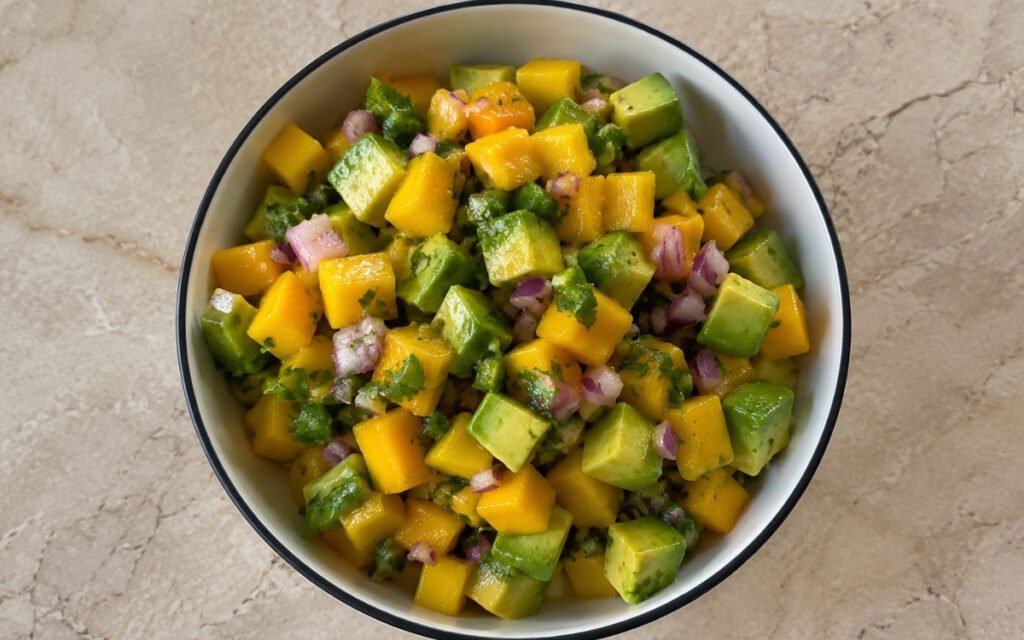
Avocado & Mango Salsa
Sweet mango, creamy avocado, sharp red onion, and jalapeño in a lime-herb dressing — the condiment that makes every Mexican and South American dish taste complete.
-
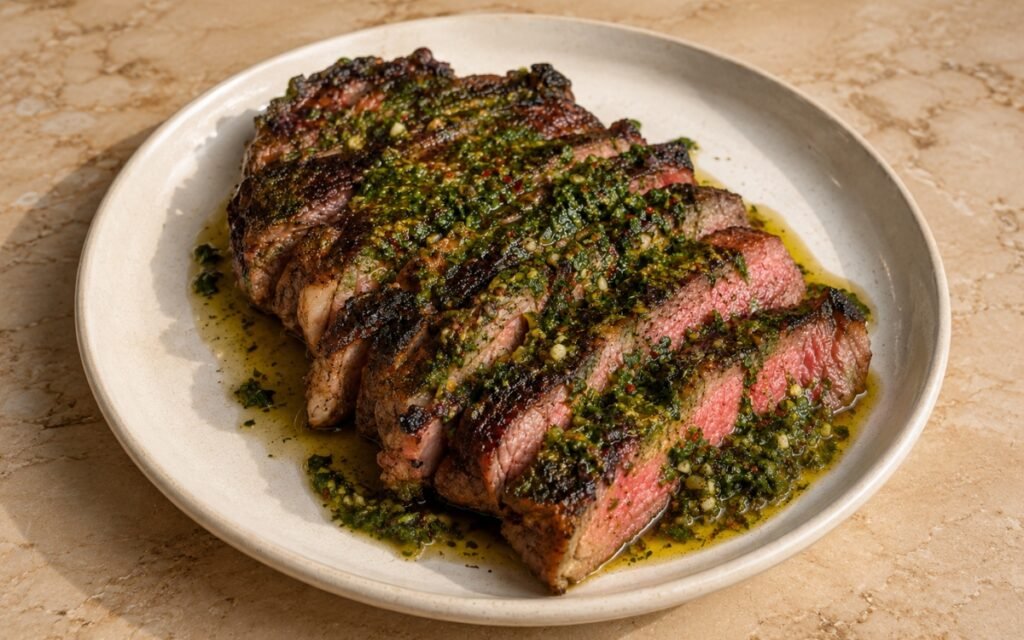
Argentine Chimichurri Steak
Thick, dry-brined steak grilled until deeply charred with a pink medium-rare centre, finished with loose, hand-chopped chimichurri.
-
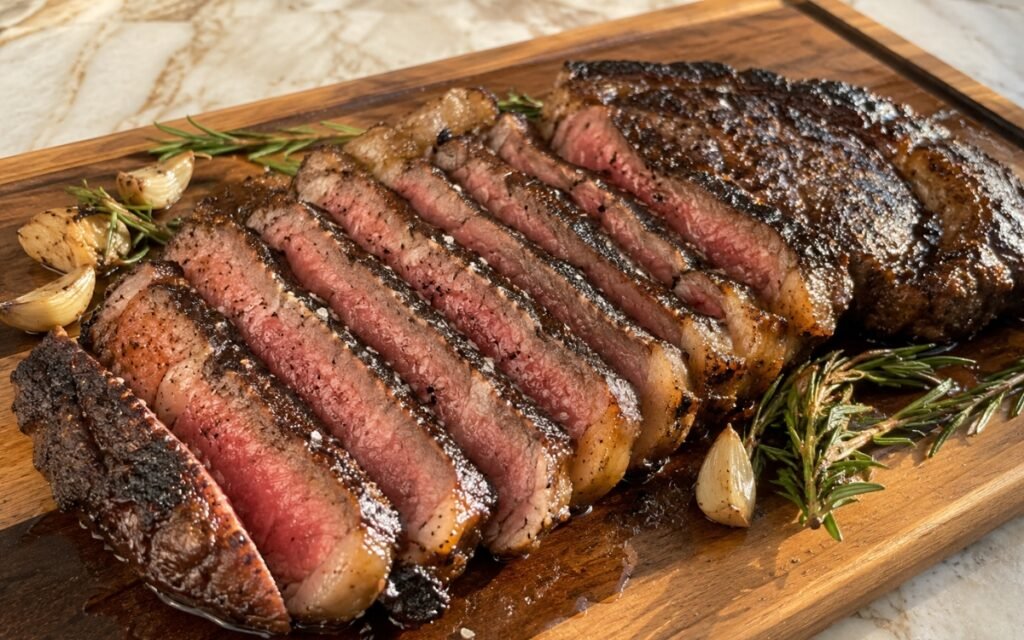
Classic Ribeye Steak
Marbled ribeye seared to perfection and basted with garlic herb butter for steakhouse flavor.
-
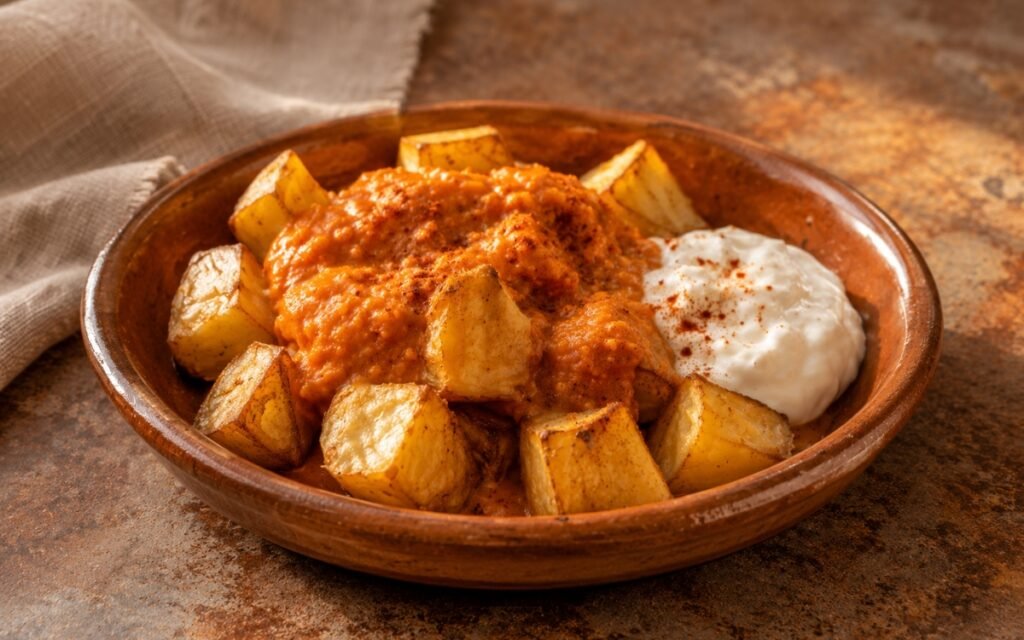
Patatas Bravas with Mayonnaise-Style Aioli
Potatoes parboiled, shaken rough, roasted on a preheated tray — smoky bravas sauce with sherry vinegar, creamy garlic aioli.
-
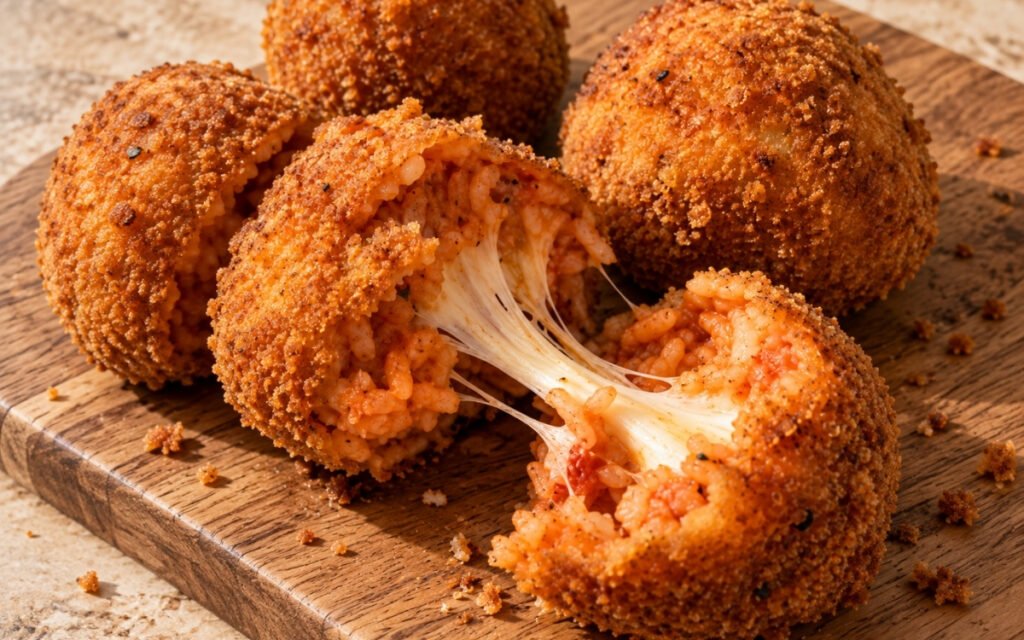
Supplì al Telefono
Oblong fried rice croquettes made with a tomato-enriched rice base, filled with mozzarella, breaded and fried until deeply golden.