Spanish Chorizo al Vino Tinto
Traditional Spanish chorizo al vino tinto, chorizo in red wine, is a classic tapa of 600g of thick paprika-rich semi-cured chorizo rounds lightly browned and then simmered gently in 350ml of dry Spanish red wine with sliced garlic and bay leaf, until the wine reduces into a glossy, mahogany-red sauce coated with the sausage’s own paprika oil, finished with fresh parsley and served hot in a terracotta cazuela. Browning the slices only lightly over medium heat and keeping the wine at a gentle simmer, rather than frying the sausage crisp or boiling the wine hard, is the technique this whole dish depends on for tender, juicy chorizo and a sauce that tastes of wine and smoked paprika — high heat burns the paprika and toughens the sausage, the same gentle-heat principle used elsewhere in this collection whenever a cured sausage is cooked in liquid. Using semi-cured cooking chorizo is what keeps it tender after simmering. Reducing the wine to a fluid glaze is what makes it cling. The payoff is a chorizo with real, savoury depth — plump, lightly caramelised rounds in a dark, concentrated, wine-rich sauce.

- Prep Time : 10 min
- Total Time : 37 min
- Servings : 4
Ingredients
For the Chorizo
- 600g Spanish semi-cured cooking chorizo (chorizo oreado), about 4 sausages, sliced into 1–1.5cm thick rounds
- 10ml extra virgin olive oil, only if needed to prevent sticking
For the Red Wine Sauce
- 350ml dry Spanish red wine, preferably Tempranillo or Garnacha
- 12g garlic (about 3 cloves), peeled and thickly sliced
- 2 dried bay leaves
For Finishing
- 8g fresh flat-leaf parsley, finely chopped
Directions
- Prepare the Chorizo and Aromatics
Take any outer packaging off the 600g chorizo, leaving the natural edible casing in place, and slice the sausages into rounds 1–1.5cm thick so that each keeps its circular shape with the dark red meat and pale fat visible. Peel the 12g garlic and slice the cloves into thick pieces about 3–4mm wide, then measure out the 350ml wine and have the 2 bay leaves and the 8g parsley ready. The rounds should be even in thickness. Semi-cured cooking chorizo is what stays tender in the wine, whereas very dry slicing chorizo turns firm and chewy. - Lightly Brown the Chorizo
Heat a wide, heavy skillet over medium heat and lay in the chorizo slices in a single layer, working in two batches if needed, adding a little of the 10ml olive oil only if the pan is dry and the sausage starts to stick. Cook for 1½–2 minutes on the first side until golden patches form and the slices release some paprika-coloured fat, then turn and cook for 1 minute more. Lift them onto a plate and leave the red fat in the skillet. Never fry them crisp or over high heat, because burnt paprika makes the fat bitter. - Infuse the Garlic and Bay Leaves
Lower the heat to medium-low and add the sliced garlic to the red fat left in the skillet, cooking it gently for 45–60 seconds until fragrant and lightly golden. Add the 2 bay leaves, stir briefly, and pour in the 350ml red wine, scraping the base of the skillet to lift the browned sausage residue. Bring to a gentle simmer for about 2 minutes, until the wine takes on a deep reddish-brown colour from the paprika fat. Garlic that stays pale and tender is what lends aroma without bitterness. - Simmer the Chorizo in Red Wine
Return the browned chorizo and any juices to the skillet and spread the slices in a fairly even layer so the wine surrounds most of them. Reduce the heat to low and simmer gently and steadily, uncovered, for 12–15 minutes, turning the slices once halfway through, until the sausage is cooked through and glossy and the wine has reduced substantially. Add no salt, since the chorizo is already seasoned. If the chorizo was sold raw or partly cooked, check that it reaches 71°C inside. A gentle simmer is what lets the chorizo absorb wine without toughening. - Reduce and Glaze the Chorizo
If the wine is still thin once the chorizo is cooked, lift the slices out onto a plate and raise the heat to medium, simmering the liquid for 3–5 minutes until about 100–150ml of concentrated sauce remains, including the rendered fat, glossy and lightly syrupy so it coats the back of a spoon but still flows. Return the chorizo and toss for 1–2 minutes to coat each slice, then take the pan off the heat before the sauce turns sticky. Removing the sausage for the reduction is what stops it overcooking. - Garnish and Serve
Transfer the chorizo and its reduction to a warm, shallow terracotta cazuela, arranging the slices in a loose, overlapping mound with cut surfaces and browned edges showing. Tuck the softened garlic slices between the pieces, set one bay leaf near the edge for presentation, to be removed before eating, and spoon the glossy red sauce over the top so that a shallow pool gathers at the base. Scatter the 8g parsley over the dish and serve at once, dividing it into 4 portions. Serving hot is what keeps the paprika oil fluid and the sauce silky.
*Notes :
- Lightly browning the chorizo before adding the wine deserves genuine recognition as the technique most directly responsible for the paprika-rich base of the sauce. A minute or two on each side renders just enough red fat and caramelises the surface, whereas frying until crisp or over high heat scorches the paprika, makes the fat taste bitter, and leaves the sausage tough.
- Choosing semi-cured cooking chorizo deserves the same attention this technique receives throughout this collection’s other cured-sausage dishes. Chorizo oreado retains enough moisture and fat to turn tender in liquid, whereas very dry, fully cured chorizo becomes firm and chewy when simmered, and raw Mexican chorizo has an entirely different texture and seasoning.
- Keeping the wine at a gentle simmer deserves genuine respect as the detail most directly responsible for tender sausage and a balanced sauce. A steady, low simmer reduces the wine without evaporating it too fast, whereas aggressive boiling toughens the chorizo, leaves the sauce greasy and over-concentrated, and brings out the harsh raw-alcohol aroma.
- Reducing the sauce to a fluid glaze deserves attention as a genuine, checkable consistency cue rather than a loose approximation. The sauce should coat the back of a spoon yet still flow, whereas reducing it to a sticky, caramel-like paste removes the dipping sauce for bread, and adding sugar, honey, or tomato is not needed.
Why This Recipe Works
This recipe works because each element is cooked just enough. Browning the semi-cured chorizo lightly renders paprika-red oil without burning it, and softened garlic and bay leaf flavour that fat before the wine goes in. A gentle simmer lets the sausage absorb wine and stay tender while the liquid reduces slowly instead of evaporating. Lifting the slices out for any extra reduction makes a fluid, glossy glaze that coats them without sticking or turning to caramel. The result is plump, deeply savoury chorizo in a wine-rich, mahogany sauce.
Ingredient Breakdown
Semi-Cured Chorizo Oreado (600g)
The defining ingredient — a paprika-rich sausage that stays tender when simmered and gives the sauce its red oil.
Dry Spanish Red Wine (350ml)
The sauce foundation — Tempranillo or Garnacha reduces into a glossy burgundy glaze with the sausage fat.
Light Browning
The critical technique — a brief sear renders paprika fat and adds caramelised edges without burning or toughening the slices.
Sliced Garlic (12g)
The aromatic base — gently softened in the red fat, it adds fragrance without turning bitter.
Bay Leaf (2)
The quiet background note — it adds a subtle herbal depth to the wine that balances the paprika and fat.
Fresh Flat-Leaf Parsley (8g)
The finishing touch — a light scatter adds green freshness against the rich, dark sauce.
Flavor Structure Explained
This Spanish chorizo al vino tinto follows a layered balance model:
- Smoky, savoury foundation (paprika-rich semi-cured chorizo)
- Deep, fruity body (reduced dry Spanish red wine)
- Rich, spiced gloss (rendered paprika oil)
- Soft, aromatic accent (sliced garlic and bay leaf)
- Fresh, green finish (flat-leaf parsley)
The chorizo gives the dish its smoky, savoury foundation, and the reduced Spanish red wine adds a deep, fruity body that lifts it. Rendered paprika oil provides a rich, spiced gloss, while garlic and bay leaf add a soft, aromatic accent underneath. A scatter of parsley contributes a fresh, green finish that cuts through the richness and ties this tapa together.
Common Mistakes to Avoid
- Frying the Chorizo Crisp – This dries the sausage and burns the paprika into a bitter fat. Always brown the slices lightly over medium heat for only 1½–2 minutes on the first side.
- Using Fully Cured Chorizo – This turns chewy and firm when simmered. Always choose semi-cured Spanish cooking chorizo, known as chorizo oreado.
- Boiling the Wine Hard – This toughens the sausage and leaves a greasy, over-concentrated sauce. Always keep a low, steady simmer for 12–15 minutes.
- Adding Salt – This pushes an already seasoned sausage and a concentrated sauce past the point of balance. Always taste at the end and rely on the chorizo for seasoning.
- Reducing to a Sticky Glaze – This removes the fluid sauce that bread should soak up. Always stop when the sauce coats a spoon but still flows freely.
Variations
Garnacha Version
Use a drinkable dry Garnacha instead of Tempranillo, as the recipe’s notes allow, which gives a fruitier, rounder sauce, while avoiding sweet wines that would produce an overly sugary reduction.
Bread-Soaking Version
Serve the hot chorizo with plenty of crusty Spanish bread, as is traditional in small earthenware dishes, so that every guest can soak up the wine and paprika-infused oil.
Make-Ahead Version
Cook the chorizo several hours ahead and refrigerate it, then reheat it gently in its sauce with a small splash of water if the reduction has become too thick.
Single-Batch Version
Brown the slices in one wide, even layer in a larger skillet instead of two batches, which saves a few minutes but requires the pan to be wide enough to avoid crowding.
Storage & Make-Ahead
The chorizo can be cooked several hours ahead, cooled, and refrigerated in its sauce at 4°C or below, which lets the wine and paprika oil settle and deepen in flavour.
Reheat gently in its sauce over low heat, adding a small splash of water if the reduction has thickened, until the chorizo is thoroughly hot and the sauce is fluid again.
Refrigerate leftovers promptly at 4°C or below and eat them within 3 days, covered, with the sauce poured over them so they stay moist.
Freezing is possible for up to 2 months in an airtight container, although the sauce may separate slightly on reheating, and gentle stirring brings it back together.
Serve the chorizo hot in small earthenware dishes with crusty Spanish bread, since the rendered paprika oil is part of the dish and should not be drained away.
Frequently Asked Questions
Why is the chorizo only lightly browned before the wine goes in?
A minute or two per side renders enough paprika-red fat for the sauce and caramelises the surface, whereas frying it crisp or too hot burns the paprika and makes the fat bitter.
Why must the chorizo be semi-cured rather than fully cured?
Semi-cured chorizo oreado keeps enough moisture and fat to turn tender in wine, whereas very dry slicing chorizo becomes chewy and firm during the 12–15 minutes of simmering.
Why is the wine simmered gently rather than boiled?
A low, steady simmer lets the sausage absorb wine and keeps it tender while the sauce reduces slowly, whereas boiling toughens the meat and leaves a greasy, harsh sauce.
Why is no salt added to this dish?
Spanish chorizo is already well seasoned, and the wine reduces and concentrates the sausage’s salt, so extra salt would quickly push the glossy sauce past balance.
Are there other classic chorizo, sausage, or Iberian tapas dishes worth trying?
Chorizo Breakfast Burritos and Pappardelle White Sausage Ragù both offer other ways to cook sausage worth exploring, one with chorizo and one simmered into a sauce for pasta. Portuguese Pork Bifana is also worth trying as another Iberian pork dish, while Patatas Bravas with Mayonnaise-Style Aioli is a classic Spanish tapa for the same table and Sourdough Bread is a bread worth baking for soaking up the wine and paprika oil.
Nutrition Facts
( Per Serving )
- Calories
- ~620 kcal
- Protein
- 33 g
- Fat
- 48 g
- Carbs
- 4 g
-

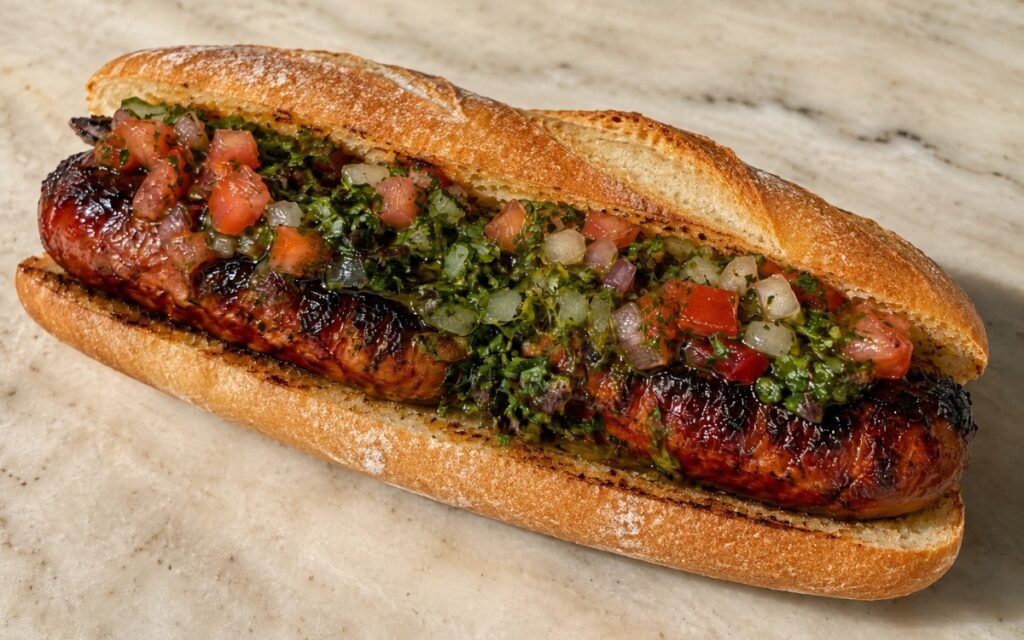
Argentine Choripán
Butterflied Argentinian chorizo seared until deeply charred and glossy, stuffed into a toasted roll with generous chimichurri and tomato-shallot salsa.
-
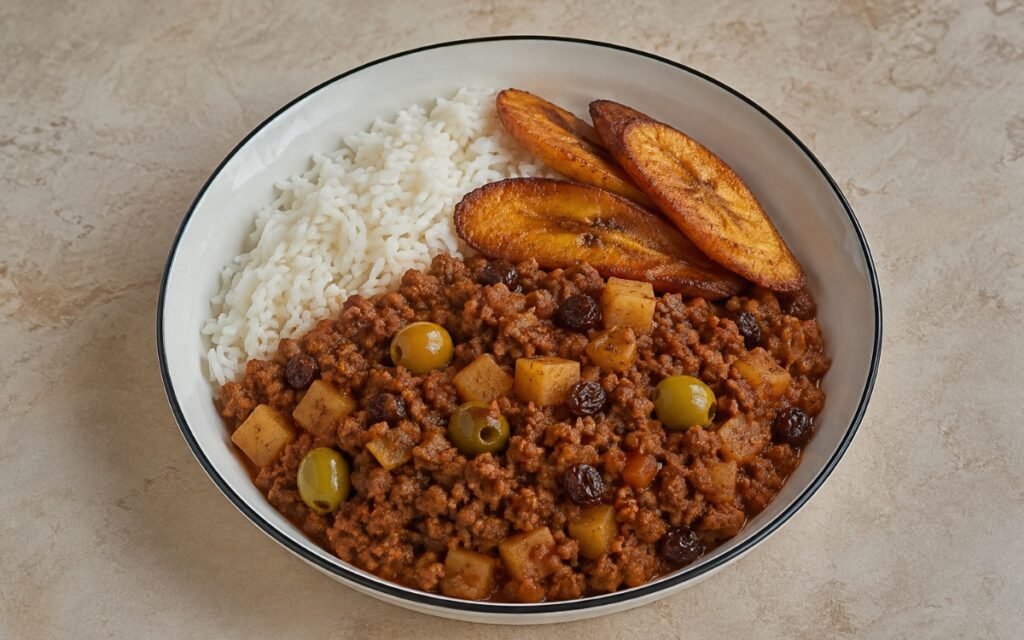
Cuban Picadillo
Seasoned ground beef simmered in a savory tomato sauce with green olives, raisins, and tender diced potatoes.
-
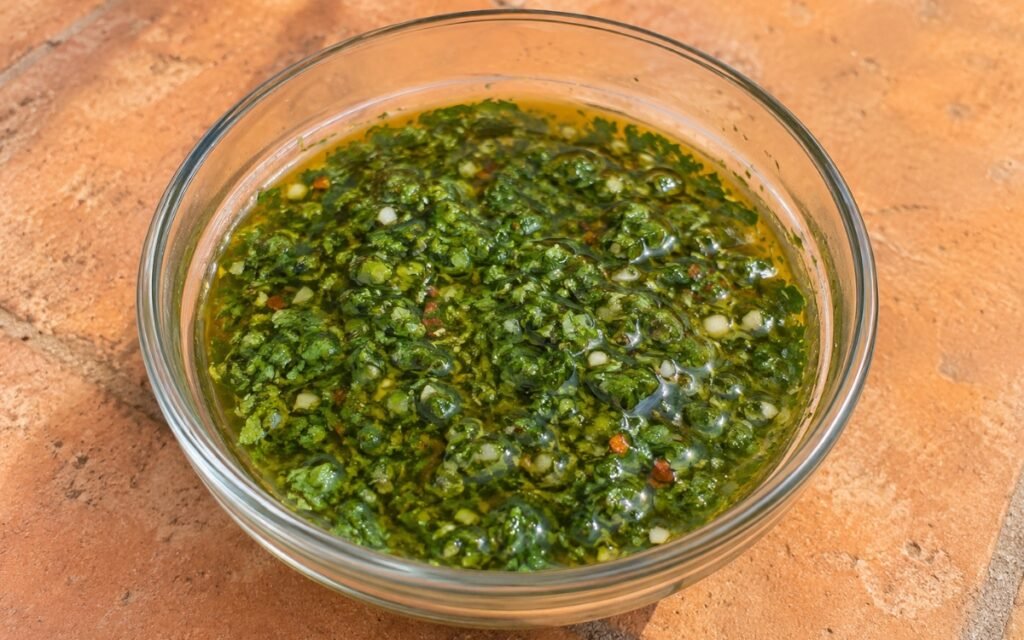
Classic Chimichurri Sauce
Bold parsley, garlic, oregano, and chili blended with olive oil deliver sharp, herbaceous punch and heat.
-
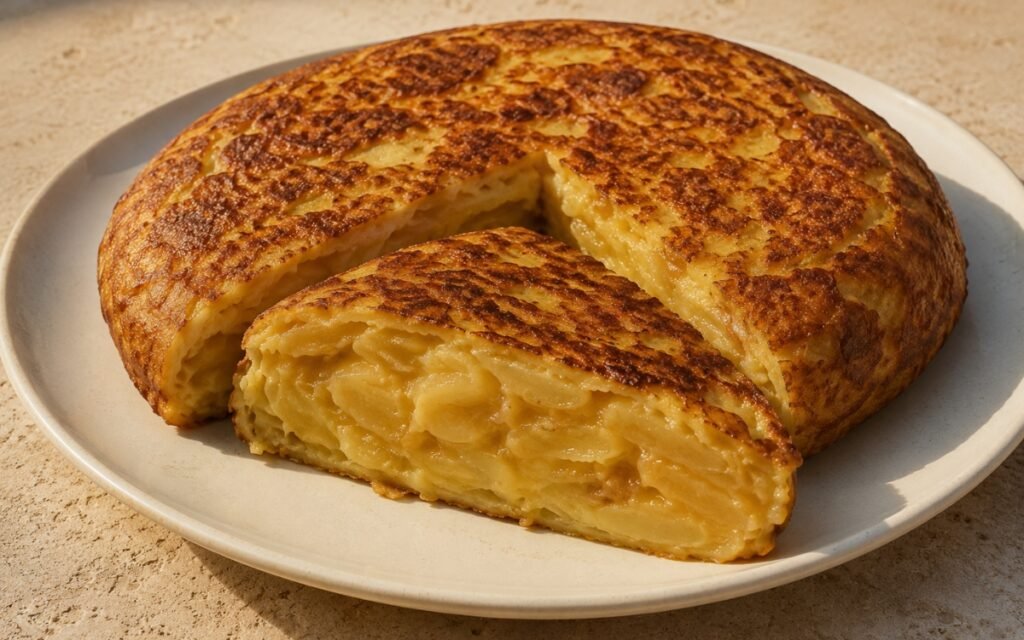
Spanish Tortilla / Tortilla Española
Thin potato slices gently cooked in olive oil, folded into beaten eggs, and cooked slowly for a golden exterior and soft, custardy centre.
-
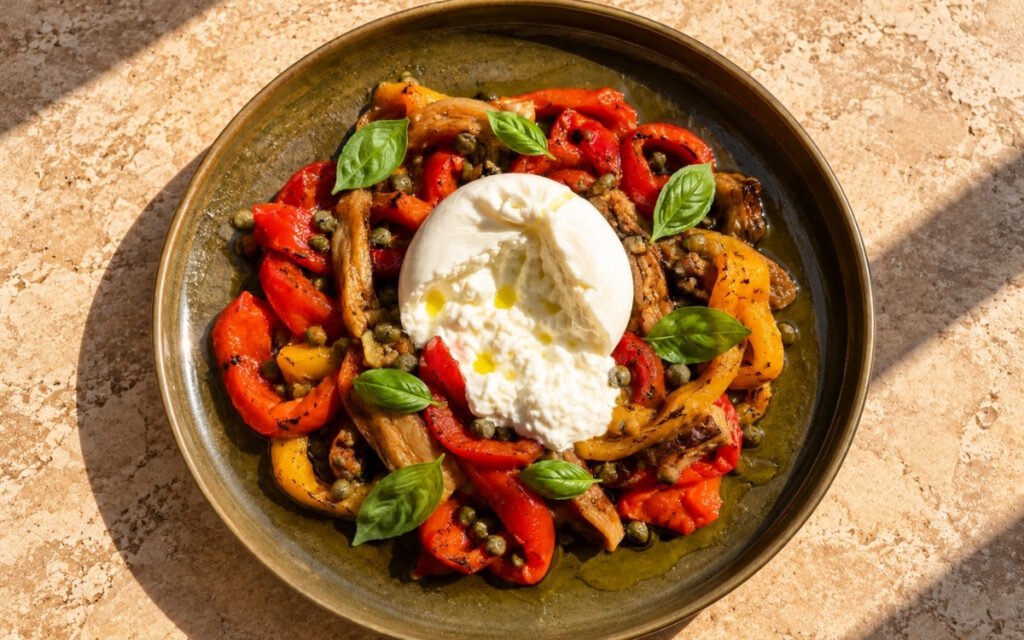
Spanish Escalivada with Burrata & Capers
Fully roasted peppers, eggplant, and onion, peeled and torn into soft smoky strips, dressed with olive oil, finished with torn burrata, capers, and basil.
-
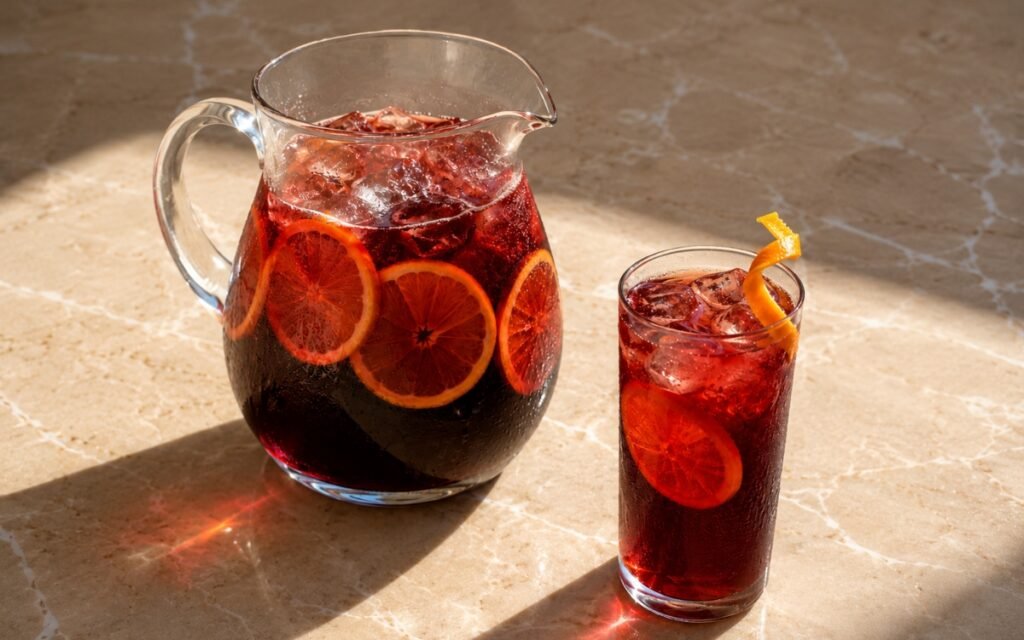
Virgin Spanish Sangria
Wine-like citrus mocktail with macerated fruit and verjus, lightly tannic, bright, festive, and convincingly grown-up.