Traditional Spanish Boquerones en Vinagre
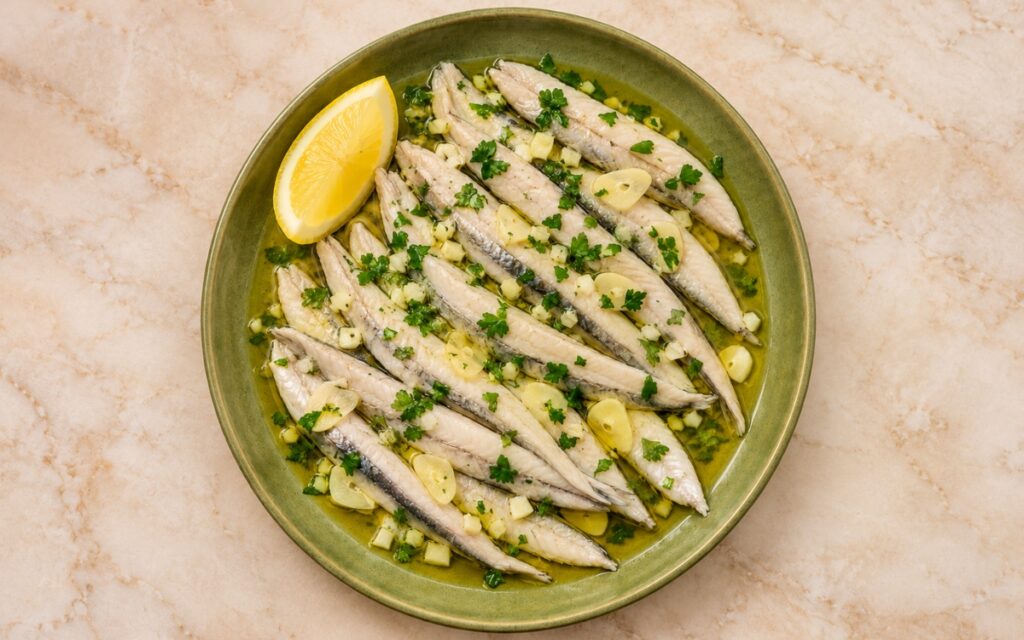
Traditional Spanish boquerones en vinagre are a classic tapa of 48 fresh European anchovy fillets marinated in diluted white wine vinegar until the delicate flesh turns from translucent pink to pale ivory-white and firms slightly, then drained and dressed with generous extra virgin olive oil, finely chopped raw garlic, and flat-leaf parsley before being served chilled with a lemon wedge. Freezing the fillets at −20°C (−4°F) or colder for at least 168 hours (7 days) before marinating, rather than trusting the vinegar to make them safe, is the technique this whole tapa depends on for fish that can be eaten raw-textured with confidence — vinegar changes the colour and texture of the flesh but does not reliably destroy Anisakis parasites, the same safety-before-flavour principle used elsewhere in this collection whenever fish is eaten uncooked. Diluting the vinegar with water is what keeps the fillets tender rather than rubbery. Draining them well before dressing is what keeps the olive oil clear and fruity. The payoff is a plate of boquerones with real, silky delicacy — bright and tangy, ivory-white, glossy with golden oil, and scattered with raw garlic and parsley.
- Prep Time : 30 min
- Total Time : 184 hr 30 min
- Servings : 4
Ingredients
For the Anchovies
- 600g fresh whole European anchovies (Engraulis encrasicolus), about 24 medium fish, yielding 48 individual side fillets
- 10g fine sea salt, for the marinade
For the Vinegar Marinade
- 400ml Spanish white wine vinegar (about 5% acidity)
- 150ml cold water
For the Garlic and Parsley Dressing
- 120ml Spanish extra virgin olive oil
- 12g fresh garlic (about 3 cloves), divided: 8g finely minced and 4g sliced extremely thin
- 20g fresh flat-leaf parsley, finely chopped, divided: about three-quarters for the oil and the rest for garnish
For Serving
- 1 lemon, cut into 4 wedges
Directions
- Clean and Fillet the Anchovies
Remove the heads and entrails from the 24 whole anchovies, open each fish along the belly, and lift out the backbone with its attached ribs. Separate the two sides of each fish to give about 48 fillets, leaving the delicate silver-grey skin attached, and rinse them briefly under cold running water to remove blood and debris. Rest the fillets in a bowl of ice-cold water for about 10 minutes to draw out the remaining blood, then drain and pat dry, discarding any that show unusual discolouration, damage, or visible parasites. Thorough cleaning is what gives the fillets their clean ivory-white colour later. - Freeze for Parasite Safety
Arrange the cleaned fillets in a single layer in a shallow freezer-safe container, separating layers with parchment if needed, seal tightly, and freeze them in a domestic freezer that holds −20°C (−4°F) or colder for a total of at least 168 hours (7 days), checking the freezer with a thermometer. Vinegar marination does not replace this parasite-control step: it does not reliably destroy Anisakis parasites. If you cannot verify that your freezer holds −20°C (−4°F) or colder, buy anchovies from a supplier who can document that the fish was already frozen to this standard instead. Spanish food-safety guidance also names boquerones en vinagre as a dish that needs this freezing step, and the US FDA Food Code (§3-402.11) sets the same −20°C (−4°F), 168-hour requirement for raw or marinated fish. Freezing destroys parasites but does not remove every food-safety risk, so keep the fish cold, handle it cleanly, and eat it within the storage time given below. - Thaw Slowly in the Refrigerator
Move the container to the refrigerator at 4°C or below and thaw the fillets for 8–12 hours, about 10 hours in practice, until they are completely defrosted and no ice crystals remain. Drain off any liquid released during thawing before you continue, and keep the fish cold throughout, never thawing it on the counter or in warm water. The fillets should look intact, moist, and pale pinkish-white. Slow thawing in the cold is what protects the fragile flesh and keeps the fish within safe handling temperatures. - Marinate in White Wine Vinegar
Stir the 400ml white wine vinegar, 150ml cold water, and 10g fine sea salt together in a nonreactive glass or food-safe container until the salt dissolves, then arrange the thawed fillets in shallow layers, skin side down where practical, and pour the mixture over them until they are completely submerged. Cover and refrigerate at 4°C or below for 4–6 hours, about 5 hours in practice, checking from 4 hours. The flesh is ready when it has turned from translucent pink to opaque ivory-white, even through the thicker central sections, and feels tender and slightly firm. Cold acid is what whitens the proteins without making the fish rubbery. - Drain and Prepare the Dressing
Lift the fillets out of the marinade, discard the liquid, drain them thoroughly in a fine colander, and blot away the surface vinegar gently with paper towels without squeezing the fish. Mince 8g of the garlic into very small irregular pieces, slice the remaining 4g garlic extremely thin, and chop the 20g parsley finely, keeping a few small leaf fragments for garnish. Stir the 120ml olive oil with the minced garlic and about three-quarters of the parsley until the oil is clear golden-green with suspended flecks. Draining well is what stops leftover vinegar from diluting the dressing. - Dress and Rest the Anchovies
Arrange the drained fillets in a shallow glass container, spoon the garlic and parsley oil over them so it reaches between the layers, and scatter on the thin garlic slices, keeping several visible near the surface. Cover and refrigerate for about 1 hour so the oil, garlic, and parsley flavours settle into the marinated fish, then separate any fillets that have stuck together. The fish should still look pale ivory-white, tender, and coated in fragrant golden oil. Never warm the dressed fish, because cold is what preserves the texture the vinegar set. - Arrange and Serve
Chill four plates and arrange about 12 fillets on each in a loose, slightly overlapping fan with the pale ivory flesh facing up and some silver-grey skin edges visible. Spoon the garlic-infused oil over the fillets, leaving a shallow glossy pool beneath the fish, then scatter the reserved parsley and garlic slices over the top. Set one lemon wedge on the rim of each plate, keeping it apart from the fish, and serve chilled, letting the oil loosen for a few minutes if it thickened in the refrigerator. Serving cold is what keeps the fillets silky and the oil fruity.
*Notes :
- Freezing the fillets at −20°C (−4°F) or colder for at least 168 hours (7 days) deserves genuine recognition as the step most directly responsible for making this dish safe to eat. Vinegar turns the flesh opaque and firm, but that colour change comes from acid altering the proteins rather than from cooking, and it does not reliably kill Anisakis larvae, so only the freezer provides parasite control.
- Marinating in vinegar diluted with water deserves the same attention this technique receives throughout this collection’s other cold-cured fish dishes. The 400ml to 150ml ratio moderates the acidity so the fillets turn ivory-white and tender within 4–6 hours, whereas undiluted vinegar or a long soak pushes them to a firm, rubbery, sharply sour texture.
- Draining and blotting the fillets deserves genuine respect as the detail most directly responsible for a clear, fruity oil dressing. Vinegar clinging to the fish would mix into the olive oil and make it cloudy and sharp, whereas well-drained fillets let the oil, raw garlic, and parsley taste clean, and the oil stays golden rather than turning into a thick emulsion.
- Keeping everything refrigerated at 4°C or below deserves attention as a genuine, checkable safeguard rather than a loose habit. The marinated fish is not a shelf-stable preserve, so marinating, resting, and storing all happen in the cold, and any leftovers with an unusual odour or discolouration should be discarded rather than tasted.
Why This Recipe Works
This recipe works because each step handles a different risk. Freezing at −20°C (−4°F) for at least 168 hours (7 days) provides parasite control, which vinegar alone cannot, and slow thawing in the refrigerator keeps the fish cold and intact. A diluted white wine vinegar marinade then turns the flesh ivory-white while keeping it tender. Thorough draining keeps the finishing oil clear, and an hour of resting lets raw garlic and parsley soften into the fish. The result is delicate, tangy boquerones with a clean, bright flavour and a silky texture.
Ingredient Breakdown
Fresh European Anchovies (600g)
The defining ingredient — clean-smelling, firm fish give delicate fillets that turn pale and tender in the vinegar.
Freezing at −20°C (7 Days)
The critical safeguard — freezing is the parasite-control step that vinegar marination cannot replace.
Diluted White Wine Vinegar (400ml to 150ml)
The critical technique — moderated acidity whitens the flesh while it stays tender and lightly firm.
Spanish Extra Virgin Olive Oil (120ml)
The silky finish — mild, fruity oil coats the fillets and carries the garlic and parsley.
Raw Garlic and Flat-Leaf Parsley
The fresh aromatic layer — minced garlic and chopped parsley add sharp, green notes, and sliced garlic gives the presentation.
Lemon Wedge
The finishing touch — an optional squeeze brightens the plate, kept separate so the fish is not over-acidified.
Flavor Structure Explained
This Spanish boquerones en vinagre dish follows a layered balance model:
- Delicate, marine foundation (marinated anchovy fillets)
- Bright, tangy acidity (white wine vinegar)
- Silky, fruity richness (Spanish extra virgin olive oil)
- Sharp, aromatic lift (raw garlic and flat-leaf parsley)
- Fresh citrus accent (lemon wedge)
The fillets provide the delicate, marine foundation, and the white wine vinegar firms them lightly and gives a bright, tangy acidity without turning them sour. Olive oil adds a silky, fruity richness that softens the acid, while raw garlic and parsley contribute a sharp, aromatic lift. A squeeze of lemon is an optional fresh accent, and the cold temperature keeps every layer clean and clear, a balance that ties this tapa together.
Common Mistakes to Avoid
- Skipping the Freezing Step – Vinegar does not replace parasite control. Always freeze the fillets at −20°C (−4°F) or colder for 168 hours (7 days), or buy documented pre-frozen fish.
- Marinating at Room Temperature – This lets the delicate fish warm into unsafe territory and spoils its texture. Always keep the marinating, resting, and serving stages refrigerated at 4°C or below.
- Marinating Too Long – This makes the fillets firm, rubbery, and sharply acidic. Always check from 4 hours and stop once the flesh is uniformly ivory-white and tender.
- Dressing Dripping Fillets – This lets vinegar dilute and cloud the olive oil dressing. Always drain the fillets thoroughly and blot them gently without squeezing.
- Using Dark Vinegar – This stains the flesh and hides the pale ivory colour. Always use clear white wine vinegar rather than balsamic or other dark vinegars.
Variations
Olives and Bread Version
Serve the boquerones alongside olives, crusty bread, or other Spanish appetizers, as is common in tapas bars, so the bread can soak up the garlic and parsley oil.
Lemon-Free Classic Version
Leave out the lemon wedge, since the vinegar already provides acidity, which gives a plainer, more traditional plate where the oil and garlic carry the finish.
Arbequina Oil Version
Dress the fillets in a mild, fruity Arbequina extra virgin olive oil, which keeps the oil clear and golden and gives a gentler, rounder background to the tangy fish.
Sliced Garlic Only Version
Skip the minced garlic and use only the extremely thin garlic slices, which gives a milder garlic note that suits guests who find raw minced garlic too sharp.
Storage & Make-Ahead
The anchovies can be marinated and dressed several hours before serving, because their texture is best when the vinegar stage is stopped at the correct point and the fish then rests in olive oil.
Keep the prepared boquerones refrigerated at 4°C or below, covered in a shallow glass container, and preferably eat them within 24–48 hours of dressing.
Do not treat this recipe as a shelf-stable preserve, and discard any leftovers that show an unusual odour, discolouration, or other deterioration instead of tasting them to check.
Freeze the cleaned fillets ahead for the full 168 hours (7 days) at −20°C (−4°F) or colder, which means the marinating can be planned for the day before you want to serve the tapa.
Serve the boquerones cold or lightly chilled and let the oil loosen for a few minutes if it has thickened in the refrigerator, but never warm the dressed fish.
Frequently Asked Questions
Why must the anchovies be frozen before they are marinated?
Vinegar changes the colour and texture of the flesh but does not reliably kill Anisakis parasites, so freezing at −20°C (−4°F) or colder for at least 168 hours (7 days) provides the parasite control that the marinade cannot, although it does not remove every food-safety risk.
Why is the vinegar diluted with water?
Mixing 400ml of vinegar with 150ml of water moderates the acidity, so the fillets turn ivory-white and tender within 4–6 hours instead of becoming firm, rubbery, and overly sour.
Why do the fillets turn white in the vinegar?
The acid changes the proteins in the flesh, turning it from translucent pink to opaque ivory-white, but that colour change is not cooking and does not make the fish parasite-safe.
Why are the fillets drained and blotted before dressing?
Leftover vinegar would mix into the olive oil and turn it cloudy and sharp, whereas drained fillets let the garlic, parsley, and fruity oil stay clear and clean on the plate.
Are there other classic seafood, Iberian, or cold fish dishes worth trying?
Traditional Portuguese Garlic Shrimp is another Iberian seafood dish built on olive oil and garlic, and Deep Fried Calamari and Traditional Portuguese Pastéis de Bacalhau are also worth trying for other classic seafood directions, one fried and one made with salt cod. Tuna Niçoise Salad offers another Mediterranean way to serve tuna, while Sourdough Bread is a bread worth baking for mopping up the garlic oil.
Nutrition Facts
( Per Serving — 12 fillets )
- Calories
- ~420 kcal
- Protein
- 30 g
- Fat
- 31 g
- Carbs
- 3 g
-

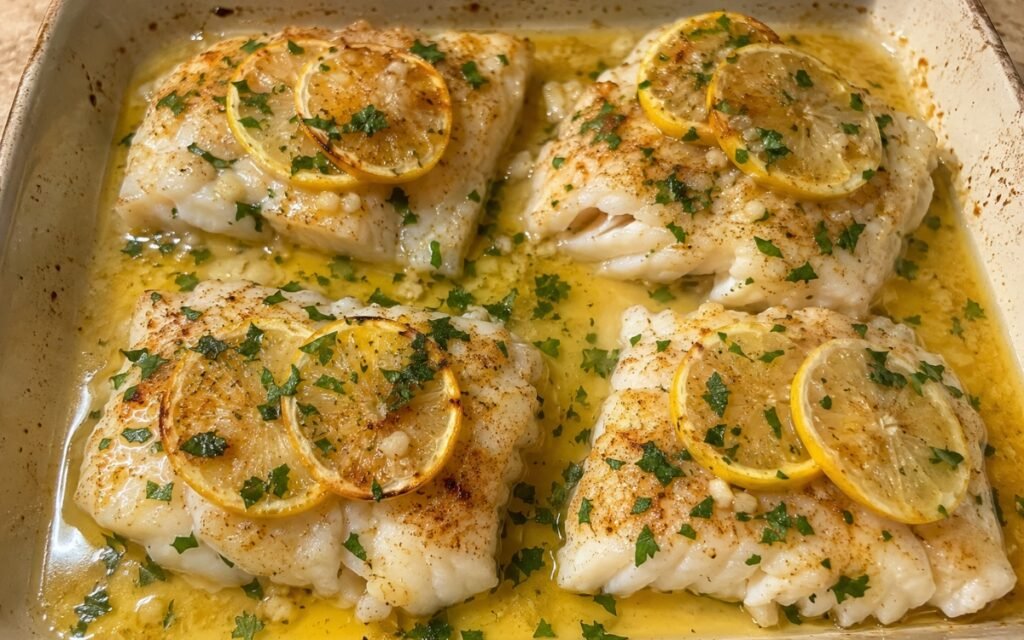
Lemon Butter Baked Cod
Cod fillets baked snugly in garlicky lemon butter, topped with lemon slices until flaky, finished with pan juices and parsley. Elegant and effortless.
-
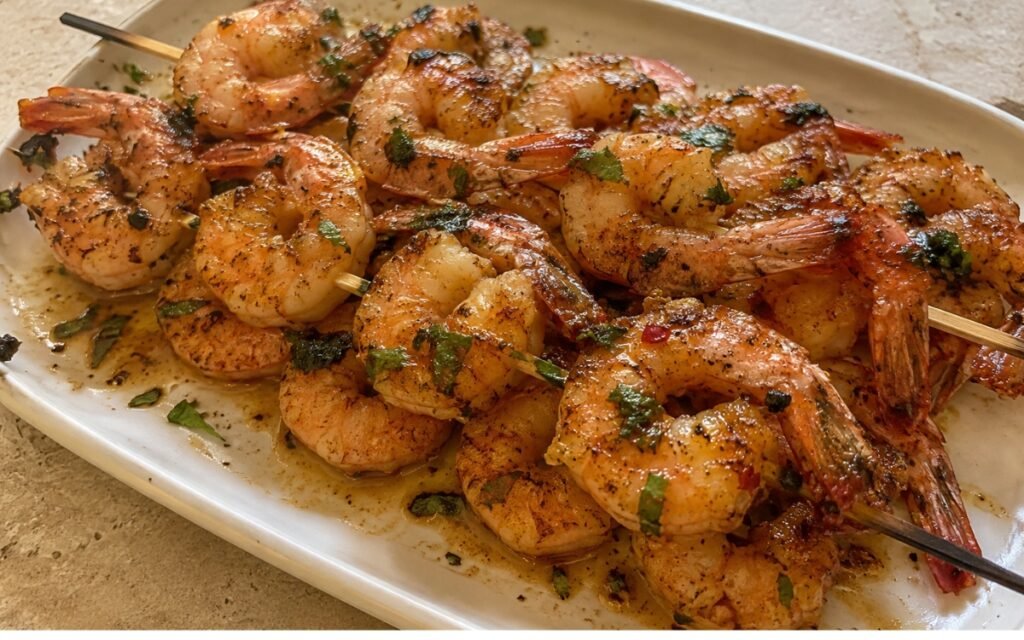
Garlic Shrimp Skewers
Shrimp marinated 30 minutes in garlic herb butter, threaded on double skewers, grilled fast with fresh butter basting until charred. Juicy and garlicky.
-
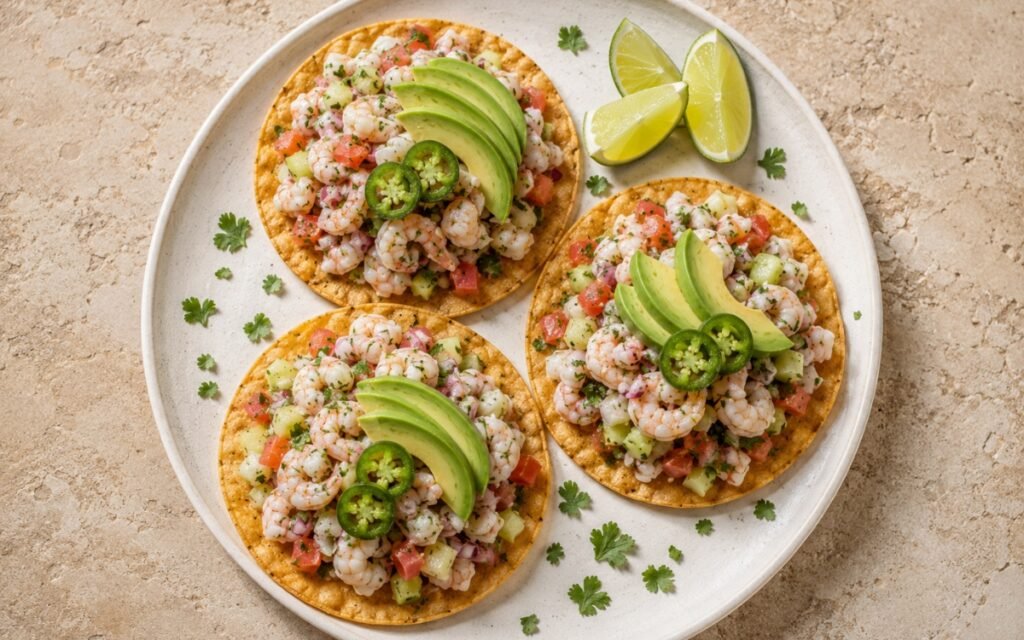
Shrimp Ceviche Tostadas
Tart hibiscus white tea with fresh ginger and orange, delicately spiced, bright, and elegantly balanced for warm days.
-
Patatas Bravas with Mayonnaise-Style Aioli
Potatoes parboiled, shaken rough, roasted on a preheated tray — smoky bravas sauce with sherry vinegar, creamy garlic aioli.
-
Virgin Spanish Sangria
Wine-like citrus mocktail with macerated fruit and verjus, lightly tannic, bright, festive, and convincingly grown-up.
-
Pickled Red Onion
Thin, evenly sliced red onion pickled in a bright vinegar-lime brine with bay leaf, peppercorns, and coriander seeds.