Traditional Portuguese Pastéis de Bacalhau
Traditional Portuguese pastéis de bacalhau are salt cod and potato fritters made with tender flakes of desalted cod, fluffy mashed potato, onion, garlic, parsley, and eggs, shaped into elongated ovals with two spoons and fried until deeply golden and lightly crisp outside while staying soft, moist, and fluffy inside, the key being the contrast between a thin crust and a tender, fish-flecked centre. Mashing floury potatoes dry and warm, rather than blending them into a smooth, wet purée, is the technique this whole mixture depends on for fritters that hold their shape — wet or gluey potato spreads in the hot oil and turns dense, the same dry-base-first principle used elsewhere in this collection whenever a mixture must be shaped and fried. Poaching the cod gently and draining it well is what keeps the filling firm and flavourful. Chilling the mixture before shaping is what makes the ovals easy to mould and stable in the oil. The payoff is a plate with real, comforting crunch — golden shells, fluffy potato, salty cod flakes, and a bright squeeze of lemon over everything.

- Prep Time : 25 min
- Total Time : 1 hr 35 min
- Servings : 4
Ingredients
For the Salt Cod
- 450g desalted salt cod (bacalhau demolhado), weighed after desalting, skin and bones removed
- 1 dried bay leaf
- Water, for poaching
For the Potato and Cod Mixture
- 550g floury potatoes, preferably Agria or another high-starch variety, weighed after peeling
- 80g yellow onion, very finely diced
- 10g garlic (about 2 cloves), finely minced
- 20ml extra-virgin olive oil
- 2 large eggs (about 100g without shells)
- 20g fresh flat-leaf parsley, finely chopped
- 1g freshly ground black pepper
- Fine sea salt, only if needed
For Deep-Frying
- 1–1.5 litres mild olive oil or sunflower oil, enough for deep-frying
For Finishing and Serving
- 1 lemon, cut into 4 wedges
- 8g fresh flat-leaf parsley, roughly chopped
Directions
- Poach and Flake the Salt Cod
Start with properly desalted cod; if using fully salted cod, rinse it and soak it in cold water in the refrigerator for 24–48 hours beforehand, changing the water every 8–12 hours, which is not counted in the times above. Cover the desalted cod with cold water in a saucepan with the bay leaf, heat until just below a simmer, and poach for 5–7 minutes until opaque and flaky. Drain well, cool slightly, flake into small strands, and remove any bones. That thorough draining is what keeps excess water out of the mixture. - Cook and Mash the Potatoes
Place the peeled potatoes in a saucepan, cutting only very large ones, cover with cold water, and bring to a gentle boil. Cook for 18–25 minutes until completely tender, then drain and return them to the warm, empty pan over low heat for 1–2 minutes to steam off surface moisture. Pass through a ricer or mash until smooth and fluffy, then spread in a shallow bowl until warm rather than hot. That dry, floury mash is what lets the fritters hold their shape. - Soften the Onion and Garlic
Heat the 20ml of olive oil in a small skillet over medium-low heat, add the finely diced onion, and cook for 5–6 minutes, stirring occasionally, until soft and translucent. Add the garlic for 30–45 seconds until fragrant, then take the pan off the heat and let it cool slightly. The onion should be soft and lightly golden, with no crunchy pieces. That gentle cooking is what removes the raw bite and keeps the flavour sweet. - Mix and Chill the Fritter Mixture
In a large bowl, combine the mashed potato, flaked cod, softened onion and garlic, parsley, and black pepper, folding gently. Beat the eggs separately and add them gradually until the mixture is moist, cohesive, and thick enough to hold its shape on a spoon, tasting a small cooked sample before adding any salt. Cover and chill for 30 minutes. That chilling is what firms the mixture so it can be shaped without spreading. - Shape the Oval Pastéis
Divide the chilled mixture into 16 equal portions of about 65–70g each. Moisten two large tablespoons with water or oil, scoop one portion onto the first spoon, and pass it back and forth between the spoons, compressing gently into an elongated oval with rounded, slightly tapered ends about 7–8cm long and 3–4cm wide. Set each on a lightly oiled or parchment-lined tray without any flour, breadcrumbs, or batter. That light handling is what keeps the interior fluffy instead of dense. - Deep-Fry the Pastéis
Pour the frying oil into a deep, heavy saucepan to a depth of 5–6cm, filling it no more than halfway, and heat to 175°C. Lower in 4 fritters at a time, leaving space between them, and fry for 4–5 minutes, turning gently once the crust has set, until evenly golden-brown and firm enough to lift. Drain on a wire rack and let the oil return to 175°C before the next batch. Break one open to check the centre is hot. That steady temperature is what gives a crisp crust without greasiness. - Garnish and Serve
Let the fritters drain for 1–2 minutes, then arrange four per serving, or pile them on a shared plate. Tear one open into two uneven halves to show the fluffy interior with its white cod flakes, scatter the chopped parsley lightly over the top, and place a lemon wedge beside each serving. Serve immediately while hot and crisp. That prompt serving is what keeps the shells crisp and the centres moist and steaming.
*Notes :
- Mashing the potatoes dry and warm deserves genuine recognition as the technique most directly responsible for fritters that keep their oval shape in the hot oil. Floury potatoes that are steamed off and riced give a light, relatively dry base that absorbs the egg, whereas a blender or wet mash turns gluey and spreads into the oil as a dense, heavy paste.
- Draining the poached cod thoroughly deserves the same attention this technique receives throughout this collection’s other salt-cod dishes. Any water left on the flakes loosens the mixture and makes shaping difficult, and it turns to steam in the fryer, so well-drained cod keeps the filling cohesive, firm enough for the spoons, and moist inside without becoming wet.
- Shaping the fritters with two spoons deserves genuine respect as the detail most directly responsible for the traditional elongated oval form. Rolling the mixture into balls compresses it and changes the texture, while passing a portion between two moistened spoons forms a smooth quenelle with tapered ends and keeps the interior light, fluffy, and generously flecked with cod.
- Holding the oil near 175°C deserves attention as a genuine, checkable frying cue rather than a loose approximation. Oil that is too cool lets the fritters absorb grease and fall apart, whereas oil that is too hot darkens the crust before the centre is hot, so a thermometer and small batches keep every pastel golden and fully cooked.
Why This Recipe Works
This recipe works because every step controls moisture and structure before the oil is ever hot. Poached, drained cod stays flaky, and dry, riced potato gives a light base that binds with egg without turning sticky. Chilling firms the mixture so it can be shaped with two spoons into neat ovals, and no coating is needed because the crust forms naturally. Frying at a steady 175°C in small batches then makes a thin, crisp shell around a fluffy, moist, fish-flecked centre, so every fritter is cooked through without turning greasy, heavy, or dry.
Ingredient Breakdown
Desalted Salt Cod
The defining flavour ingredient — properly soaked, it gives pronounced salty-fish flavour while its flakes stay visible inside each fritter.
Floury Potatoes (Agria)
The structural foundation — high-starch potatoes mash dry and light, so the mixture holds its oval shape in oil.
Eggs
The critical technique — added gradually, they bind the mixture and add tenderness without making it too wet to shape.
Two-Spoon Shaping
The finishing technique — passing the mixture between moistened spoons forms the traditional tapered oval without compressing the centre.
Onion, Garlic, and Parsley
The flavour foundation — softened onion and garlic with fresh parsley season the mild potato and cod.
Lemon Wedges
The finishing touch — a squeeze cuts through the fried richness and brightens the salty fish.
Flavor Structure Explained
This Portuguese salt cod fritter follows a layered balance model:
- Salty, savoury foundation (flaked desalted salt cod)
- Soft, fluffy body (mashed floury potato and egg)
- Sweet, aromatic base (softened onion and garlic)
- Crisp, golden shell (deep-fried crust)
- Fresh, bright finish (parsley and lemon)
Flaked salt cod gives the fritters their salty, savoury foundation, visible in every bite. Mashed potato and egg provide a soft, fluffy body that holds the fish together, while softened onion and garlic add a sweet, aromatic base beneath it. The deep-fried shell brings a crisp, golden contrast to the tender centre, and parsley and a squeeze of lemon give a fresh, bright finish that cuts through the richness and ties this fritter together.
Common Mistakes to Avoid
- Leaving the Cod Wet – This loosens the mixture and makes shaping impossible. Always drain and flake the poached cod well before mixing.
- Blending the Potatoes – This makes them gluey and dense. Always rice or mash floury potatoes while they are dry and warm.
- Skipping the Chilling Time – This leaves the mixture soft, so the ovals spread. Always chill it for 30 minutes before shaping.
- Frying in Cool Oil – This lets the fritters soak up grease and break apart. Always hold the oil at about 175°C and fry in small batches.
- Coating the Fritters – This changes the traditional thin crust. Always fry them plain, letting the crust form naturally from the mixture.
Variations
Air-Fryer Version
Brush the shaped fritters lightly with olive oil and air-fry at 200°C for about 12–15 minutes, turning once, giving a lighter result with a thinner, less crisp crust than deep-frying.
Smaller Bite Version
Shape the mixture into 24 smaller ovals and fry them for 3–4 minutes each, which makes a tapas-style petisco that cooks faster while keeping the same fluffy centre.
Extra-Herby Version
Increase the parsley in the mixture to 30g and add a little finely chopped coriander, which gives a greener, fresher fritter without changing the texture or the traditional cod flavour.
Freezer Version
Freeze the shaped, uncooked fritters on a tray, then pack them airtight for up to 2 months and fry from frozen, allowing extra time until the centres are fully hot.
Storage & Make-Ahead
The fritter mixture can be prepared and refrigerated, covered, at 4°C or below for up to 24 hours before shaping and frying, which also makes the shaping easier because the mixture is firmer and holds together.
Shaped, uncooked fritters can be frozen individually on a tray and then moved to airtight containers for up to 2 months, then fried directly from frozen with a little more cooking time.
Cooked leftovers should be refrigerated at 4°C or below and eaten within 2 days of cooking, because the potato and fish are perishable and the crust softens noticeably as the fritters cool.
Reheat leftovers in a 190°C oven or an air fryer until thoroughly hot and lightly crisp again, since the microwave steams the shells and makes the crust soft, damp, and greasy within seconds.
Serve the fritters straight from the fryer after a brief drain, because their thin crust is at its best in the first few minutes and the fluffy centre is best while it is still hot and steaming.
Frequently Asked Questions
Why are floury potatoes used for the fritter mixture?
High-starch potatoes cook into a light, relatively dry mash that absorbs the egg without turning sticky, so the mixture holds its oval shape in the fryer instead of spreading into a dense, greasy lump.
Why is the cod poached gently and drained well?
Gentle poaching keeps the flakes tender and moist, and thorough draining removes the surface water that would loosen the mixture, make shaping difficult, and cause the fritters to fall apart in the oil.
Why is the mixture chilled before shaping?
Cold firms the potato, cod, and egg together, so the mixture is thick enough to hold on a spoon and keeps its tapered shape when it meets the hot oil, rather than slumping.
Why are no flour or breadcrumbs used on the outside?
The crust of an authentic pastel forms directly from the potato, cod, and egg, and an added coating would turn it thick and heavy instead of the thin, delicate golden shell that defines it.
Are there other classic fritter, potato, or fried snack dishes worth trying?
Aloo Tikki Chaat and Crispy Zucchini Fritters both offer other classic fritter directions worth exploring. American Corn Dogs and Arancini are also worth trying for other deep-fried snacks, and Thin & Crispy Baked Potato Fries offers another potato-based snack.
Nutrition Facts
( Per Serving — 4 fritters )
- Calories
- ~560 kcal
- Protein
- 40 g
- Fat
- 24 g
- Carbs
- 44 g
-

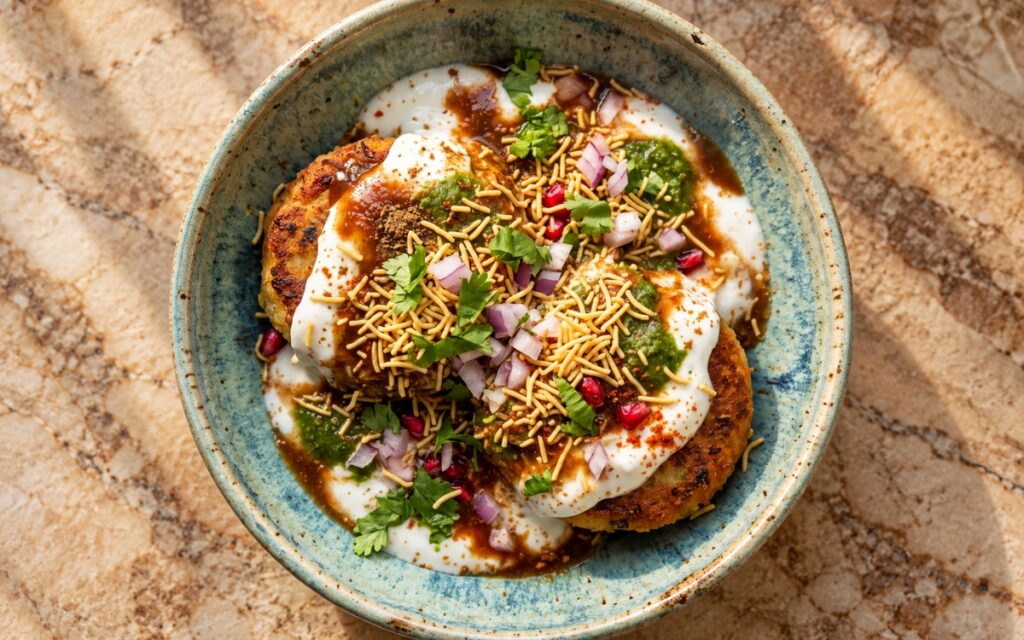
Aloo Tikki Chaat
Crisp, shallow-fried spiced potato tikkis topped with yogurt, tamarind chutney, green chutney, sev, red onion, cilantro and tangy chaat spices.
-
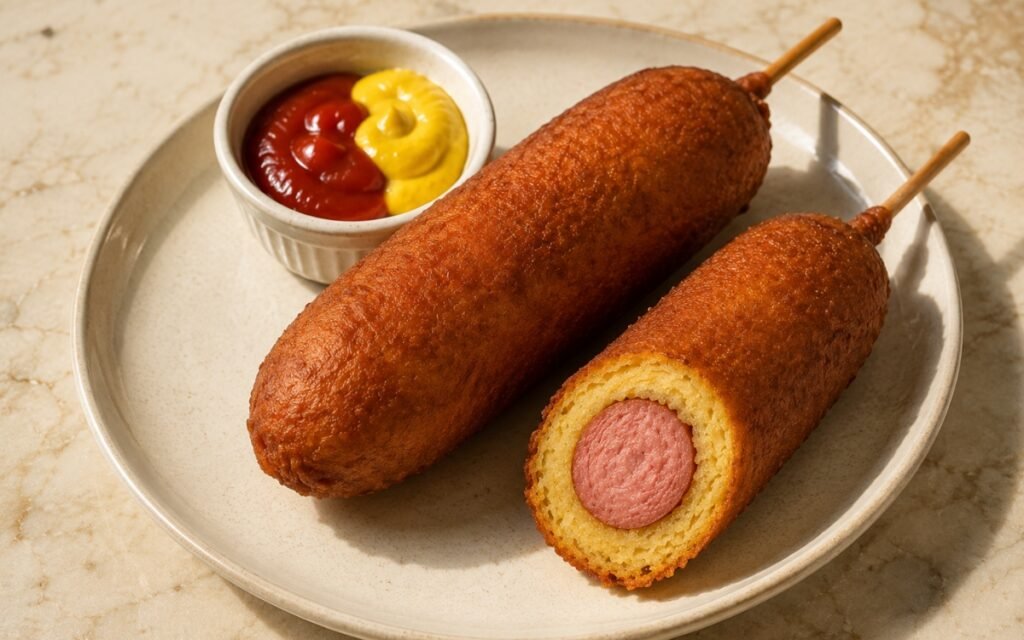
American Corn Dogs
Smoked frankfurters dusted in flour, dipped in thick cornmeal batter, and deep-fried until deeply golden, crisp, and slightly bumpy.
-
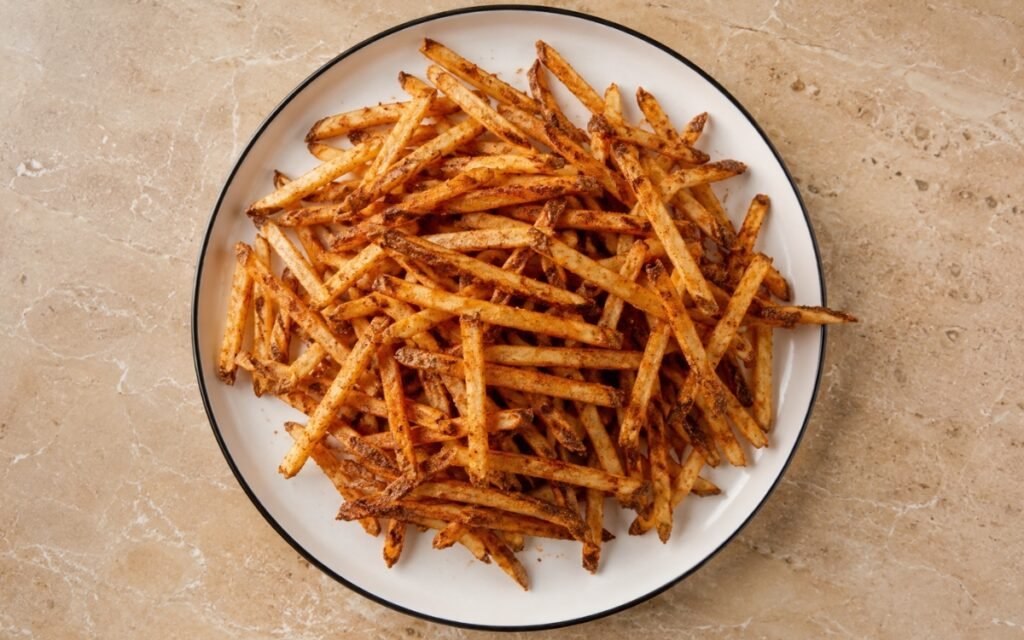
Thin & Crispy Baked Potato Fries
Potatoes cut uniformly, soaked to remove starch, dried thoroughly, lightly oiled, roasted uncrowded until golden. Crisp without deep frying.
-
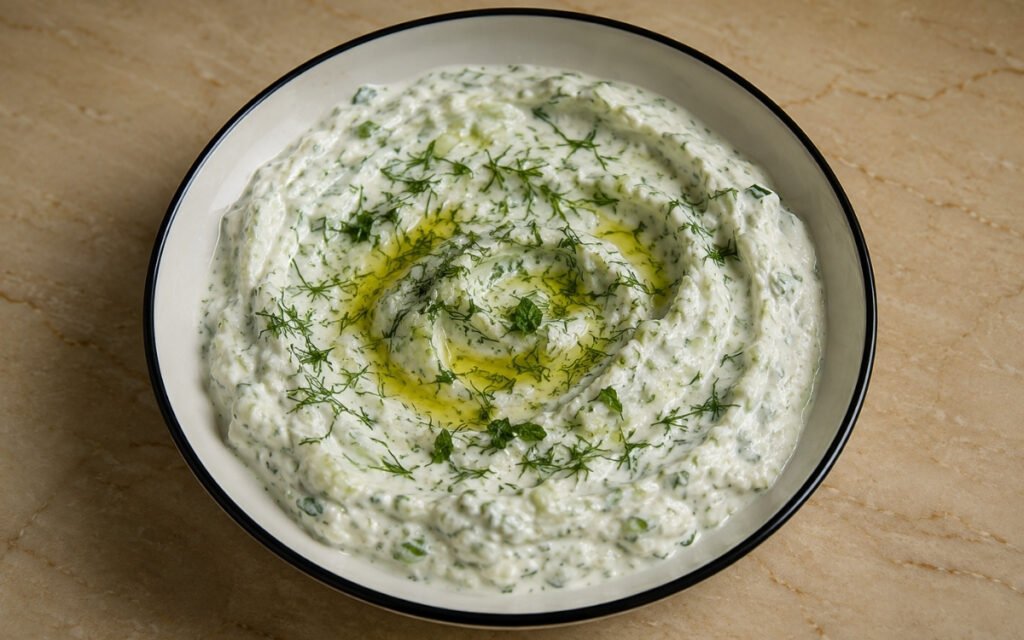
Authentic Tzatziki
Thick, creamy Greek tzatziki with squeezed cucumber, fresh dill, mint, and lemon — the real thing in 30 minutes.
-
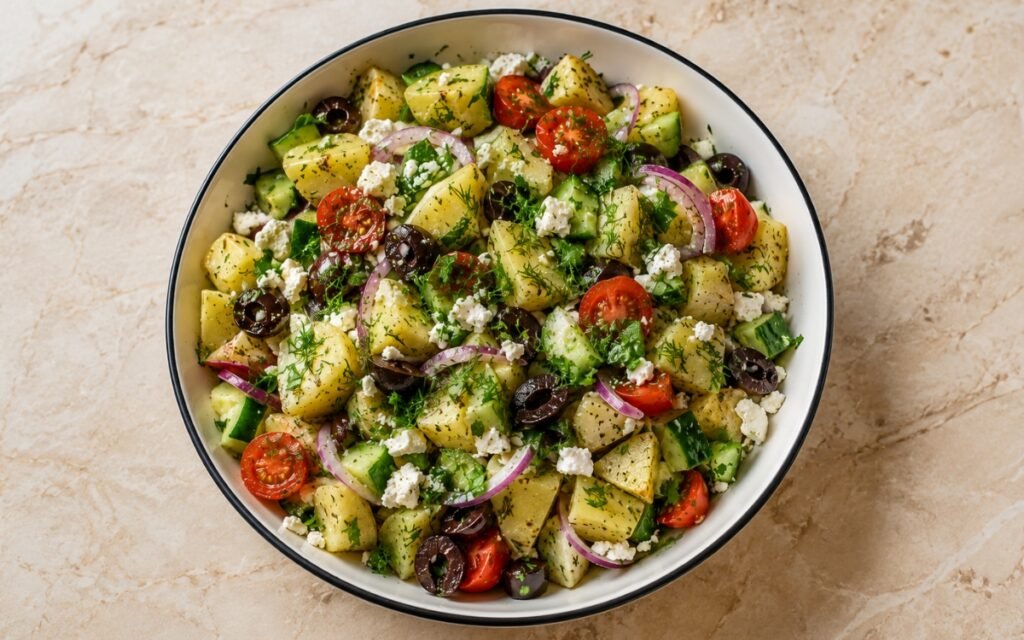
Greek-Style Potato Salad
Potatoes dressed warm for absorption, vegetables added once cooled, feta folded in gently, chilled to integrate. Bright and briny.
-
Masala Dosa with Potato Filling
Large, crisp fermented rice-and-lentil dosas folded around a warmly spiced, lightly chunky South Indian potato masala, golden and lacy at the edges.