
Masala Dosa with Potato Filling
A classic South Indian masala dosa — a large, thin, golden crêpe of fermented rice-and-lentil batter folded around a warmly spiced potato masala, the dosa cooking up lacy-crisp while the filling stays soft, fragrant with mustard seeds and curry leaves, and lightly chunky rather than mashed smooth. Grinding the urad dal on its own until light and fluffy, rather than blending it into the rice as one dense paste, is the technique this whole dosa depends on for proper fermentation and real crispness — aerated urad dal gives fermentation gas a structure to collect in, letting the batter rise and turn gently tangy, the same aerate-before-you-ferment principle used elsewhere in this collection whenever a batter’s own lightness depends on structure built before fermentation begins. Leaving the rice portion with a very slight fine grain, instead of grinding it to an ultra-smooth paste, is what lets each dosa dry out and crisp into a thin, shattering sheet. Heating the tawa until water drops dance, but never so hot that the batter seizes, is what keeps every dosa thin and evenly golden. The payoff is a dosa with real, restaurant-style contrast — a crisp, deep-golden, faintly tangy shell giving way to a soft, warmly spiced, lemon-brightened potato filling.

Prep Time : 40 min
Total Time : 13 hr 25 min
Servings : 4
40 min
13 hr 25 min
4
Ingredients
For the Dosa Batter
• 240g idli rice or parboiled short-grain rice
• 80g urad dal (skinned split black gram)
• 15g chana dal
• 1 tsp fenugreek seeds
• 20g poha (flattened rice)
• 8g fine salt
• Water, as needed for soaking and grinding
For the Potato Filling
• 650g potatoes, preferably waxy or all-purpose
• 2 tbsp neutral oil or ghee
• 1 tsp black mustard seeds
• 1 tsp urad dal
• 1 tsp chana dal
• Pinch of asafoetida, optional but classical
• 10–12 curry leaves
• 1 medium onion, thinly sliced
• 2 green chillies, finely sliced
• 15g ginger, finely grated or minced
• ½ tsp ground turmeric
• Salt, to taste
• 60–100ml water, as needed
• 2 tbsp chopped cilantro
• 1–2 tsp lemon juice
For Cooking the Dosas
• Neutral oil, ghee, or a mix, as needed
Optional Accompaniments
• Coconut chutney
• Sambar
Directions
- Soak the Batter Ingredients
Rinse the 240g rice in several changes of water until the water runs mostly clear. Combine it with the 15g chana dal and the fenugreek seeds in a large bowl, cover generously with water and soak for 4–6 hours. Rinse the 80g urad dal separately and soak it in its own bowl of water for the same 4–6 hours. Both should swell visibly, and a soaked rice grain should break easily between your fingers when ready. Keep the poha aside for now, since it needs only a short soak just before grinding. That separate soak is what allows the urad dal to be ground entirely on its own at the next stage, which is exactly where the batter’s genuine lightness is built. - Grind the Batter
About 20 minutes before grinding, soak the 20g poha in water for 15–20 minutes. Drain the urad dal and grind it first, adding cold water a little at a time, only enough to keep the blades moving, until very smooth, light and fluffy, almost mousse-like. Scrape it into a large bowl. Drain the rice mixture and the poha and grind them together, adding water gradually, until mostly smooth but with a very slight fine grain still perceptible between your fingertips. Combine both batters thoroughly by hand. The batter should be thick but pourable — looser than pancake batter, but thicker than crêpe batter at this stage. That deliberately coarser rice grind is what gives the finished dosa its crisp, shattering texture, since an ultra-smooth rice paste cooks up softer and more pancake-like. - Ferment the Batter
Transfer the batter to a bowl with plenty of headroom, at least twice its volume, cover loosely and leave it in a warm place, ideally around 26–32°C, for 8–12 hours. It is ready when it has risen by about 50–100%, the surface shows small bubbles, the batter looks lighter and aerated, and it smells pleasantly sour rather than harsh. In a cool room, fermentation will take longer. If the batter has barely risen after 12 hours, give it more time in a warmer spot rather than cooking it flat. That combination of volume, bubbles and a clean tang is a far more reliable readiness signal than the clock, since the room’s own temperature decides how quickly fermentation genuinely moves. - Finish the Batter
Stir the fermented batter gently, just enough to even it out without beating out all the air. Add the 8g salt and enough water, a few tablespoons at a time, to reach a spreadable dosa consistency — it should pour easily and spread in circles without tearing, but still coat a ladle lightly. Let the salted batter rest for 10–15 minutes before cooking. If in doubt, cook one test dosa first and adjust: batter that is too thick makes a heavy dosa that is hard to spread, while batter that is too thin will not brown properly and may tear. That short rest after salting lets the salt dissolve fully and the batter settle, so every ladleful behaves the same way on the pan. - Boil the Potatoes
During the last stretch of fermentation, place the 650g potatoes, whole or in large chunks, in a pan of cold salted water. Bring to the boil and cook for 15–20 minutes depending on size, until a knife slides in with only slight resistance. Drain, cool slightly, peel if needed, and break into rough bite-sized pieces by hand. Do not mash them completely smooth. Waxy or all-purpose potatoes hold their shape well here, while very floury potatoes collapse much more easily into paste. That just-tender cook is what lets the potatoes break into soft, distinct pieces, keeping the finished filling lightly chunky rather than gluey. - Make the Potato Masala
Heat the 2 tbsp oil or ghee in a wide pan over medium heat. Add the mustard seeds and let them crackle, about 30 seconds. Add the 1 tsp urad dal and 1 tsp chana dal and stir for 1–2 minutes until lightly golden. Add the asafoetida if using, then the curry leaves, onion, green chillies and ginger, and cook for 4–5 minutes until the onion softens and turns lightly translucent, not deeply browned. Stir in the turmeric briefly, then add the potatoes, salt to taste and 60ml water. Fold everything together, lightly crushing some potatoes while leaving plenty of chunks, and add up to 40ml more water only if needed to help the filling come together. Cook for 2–3 minutes until heated through and lightly coated, then finish with the cilantro and lemon juice. The filling should be soft, spoonable and cohesive enough to mound, never wet or soupy. That restrained water is what protects the crisp dosa later, since a wet filling steams its shell soft within minutes. - Heat the Pan Correctly
Set a well-seasoned cast-iron tawa or a good nonstick pan over medium to medium-high heat. It is ready when a few drops of water sprinkled on the surface dance and evaporate quickly, but it should not be so hot that the batter seizes instantly and refuses to spread. If using cast iron, grease it lightly, then wipe it almost dry with a folded paper towel. If the batter grabs immediately and forms a thick patch instead of spreading thin, the pan is too hot: lower the heat, cool the pan briefly, wipe it and try again. That narrow heat window is what lets the batter spread into a thin, even sheet before it sets, rather than seizing in place. - Cook and Fill the Dosas
Stir the batter lightly before each dosa. Pour a generous ladleful onto the centre of the pan and immediately spread it outward in a spiral with the bottom of the ladle into a large, thin circle, as wide as the pan comfortably allows. Drizzle a little oil or ghee around the edges and a few drops over the surface. Cook for about 2–3 minutes, until the top looks dry, the edges lift cleanly and the underside turns deep golden and crisp. Do not flip, unless the dosa is a little thick and needs extra cooking. Spoon a quarter of the potato filling along the centre or slightly off-centre, fold one side over, then fold again or close in half. Remove and repeat with the remaining batter and filling, wiping the pan lightly and regulating the heat between dosas so each one spreads easily. That single-sided cook is what concentrates all the browning on the outer surface, giving the shell its deep-golden crispness. - Serve
Serve each dosa immediately, straight from the pan, while the shell is still crisp, with coconut chutney and sambar alongside if using. The outside should be golden, thin and lacy at the edges, while the filling stays soft, warm and lightly chunky inside the fold. Serve each dosa as it is cooked rather than stacking them, since trapped steam softens the shell quickly. That immediate service is what preserves the contrast the whole recipe builds, because a dosa begins losing its crispness within minutes of meeting its moist filling.
*Notes :
- Grinding the urad dal separately, until very smooth, light and fluffy, deserves genuine recognition as the technique most directly responsible for whether this batter ferments into something airy or stays dense. Whipped urad dal holds air and gives the fermentation’s own gas a structure to collect in — blended straight into the rice instead, it loses that aeration, and the batter rises sluggishly and cooks into a heavier, less crisp dosa.
- Leaving a very slight fine grain in the rice portion deserves the same attention this technique receives throughout this collection’s other crisp, fermented-batter dishes. A rice paste ground completely smooth behaves more like a pancake batter and cooks up soft — that faint residual texture is what lets the thin sheet dry out on the tawa and crisp properly, rather than staying limp and pliable.
- Getting the tawa to the right heat, with water drops dancing but the batter still free to spread, deserves genuine respect as the detail most directly responsible for a thin, evenly golden dosa. An overheated pan sets the batter the instant it lands, leaving a thick patch that will not spread, while an underheated pan lets it spread easily but never brown or crisp properly.
- The filling’s moisture level — soft and spoonable but never wet — deserves attention as a genuine, checkable readiness cue rather than a loose approximation. Only 60ml of water goes in at first, with more added only if the potatoes need help binding, because any surplus liquid turns to steam inside the fold and softens the crisp shell before the dosa even reaches the table.
Why This Recipe Works
This recipe works because the urad dal is soaked and ground on its own until fluffy, building an aerated base that ferments properly. The rice is ground with a faint grain and supported by poha and fenugreek, which add tenderness and help fermentation and browning while leaving room for real crispness. Fermentation is judged by rise, bubbles and a clean tang rather than the clock, and the tawa is heated to the narrow point where the batter spreads thin before it sets. A restrained, lightly chunky potato masala then fills a shell cooked on one side only, keeping it deep golden and genuinely crisp at the table.
Ingredient Breakdown
Separately Ground Urad Dal
The critical technique — whipped fluffy on its own, it traps fermentation gas and gives the batter real lift.
Slightly Coarse Rice Grind
The critical technique — a faint residual grain lets the thin batter dry out and crisp instead of cooking soft.
Fermentation Judged by Cues (8–12 Hours)
The critical timing technique — rise, bubbles and clean tang confirm readiness better than a fixed time.
Poha and Fenugreek Seeds
The critical ingredient choice — poha adds tenderness and colour, while fenugreek supports fermentation and deeper browning on the pan.
Correctly Heated Tawa
The critical technique — hot enough for water drops to dance, yet controlled enough for the batter to spread genuinely thin.
Tempered Mustard Seeds, Dals and Curry Leaves
The flavour foundation — crackled seeds, toasted dals and curry leaves give the masala its nutty, aromatic character.
Lightly Moist, Chunky Potato Filling
The finishing technique — soft enough to mound, yet dry enough to keep the folded shell crisp until served.
Flavor Structure Explained
This masala dosa follows a layered balance model:
- Crisp, tangy foundation (fermented rice and urad dal batter, poha, fenugreek)
- Soft, earthy body (boiled, lightly crushed potatoes)
- Nutty, aromatic tempering (mustard seeds, urad dal, chana dal, curry leaves, asafoetida)
- Warm, gentle heat (green chillies, ginger, turmeric)
- Fresh, bright finish (cilantro, lemon juice)
A fermented rice and urad dal batter, softened with poha and fenugreek, provides this dosa’s crisp, faintly tangy foundation. Boiled, lightly crushed potatoes give the filling its soft, genuinely earthy body. Crackled mustard seeds, toasted dals, curry leaves and asafoetida build the nutty, aromatic tempering that defines the masala’s South Indian character. Green chillies, ginger and turmeric add warm, gentle heat without overwhelming the potatoes, and cilantro with a squeeze of lemon lifts everything into a fresh, bright finish that ties the whole masala dosa together.
Common Mistakes to Avoid
- Grinding the Urad Dal With the Rice – This loses the aeration that drives fermentation, leaving a dense, sluggish batter. Always grind the urad dal separately until light and fluffy.
- Grinding the Rice Completely Smooth – This produces a pasty batter that cooks up soft and pancake-like. Always leave a very slight fine grain in the rice portion.
- Cooking Underfermented Batter – This gives a flat, pale dosa with little tang or crispness. Always wait for a 50–100% rise, small bubbles and a pleasantly sour smell.
- Spreading Batter on an Overheated Pan – This makes the batter seize into a thick patch that refuses to spread. Always lower the heat, cool the pan briefly and wipe it before retrying.
- Making the Potato Filling Too Wet – This steams the folded dosa soft within minutes of filling. Always add water sparingly and stop once the potatoes just hold together.
Variations
Extra-Crisp Version
Keep the batter slightly on the thinner side and spread it quickly and evenly, per the recipe’s own note on crispness, for a lacier, more shatteringly crisp shell around the same potato filling.
Smaller Dosa Version
Use a smaller ladleful of batter for each dosa, per the recipe’s own yield note, making more, easier-to-handle dosas that suit smaller pans and still fold neatly around the filling.
Ghee-Roasted Version
Cook the dosas with ghee rather than neutral oil, drizzling it around the edges and over the surface, for a richer, nuttier aroma and a deeper golden colour on the crisp shell.
Spicier Filling Version
Add an extra green chilli and a little more ginger to the tempering, keeping everything else unchanged, for a potato masala with noticeably sharper heat that still balances the tangy, crisp dosa.
Storage & Make-Ahead
Leftover batter keeps refrigerated in a covered container for about 2–3 days, though it thickens and sours as it sits, so stir it well and loosen it with a little water before using it again.
If the batter turns too sour, stir in a little fresh rice flour and water before cooking to soften the tang, but plan to cook it at peak fermentation whenever possible for the best flavour and genuine crispness.
The potato masala can be made up to a day ahead and refrigerated in a covered container, then reheated gently in a pan with a splash of water until it is hot, soft and spoonable again.
Choose waxy or all-purpose potatoes rather than very floury ones, since they break into soft, distinct pieces when lightly crushed instead of collapsing into a gluey mash that makes the filling heavy and wet.
Filled dosas do not store or reheat well, so cook and serve each one immediately, ideally with coconut chutney and sambar, while the shell is still deep golden and genuinely crisp.
Frequently Asked Questions
Why does the urad dal need to be ground separately from the rice?
Ground on its own with cold water, urad dal whips into a light, fluffy paste that holds air and traps fermentation gas. Blended with the rice instead, it loses that aeration, and the batter rises poorly and cooks heavier.
Why should the rice keep a slight grain rather than being ground perfectly smooth?
That faint residual texture lets the thin batter dry out and crisp properly on the pan. A completely smooth rice paste behaves more like pancake batter, cooking up soft and pliable rather than genuinely crisp.
Why is fermentation judged by the batter’s appearance rather than a fixed time?
Room temperature decides how quickly the batter ferments, so 8 hours in a warm kitchen can match 12 or more in a cool one. A 50–100% rise, small surface bubbles and a pleasantly sour smell confirm it is genuinely ready.
Why does the potato filling need to stay only lightly moist?
Any surplus liquid in the masala turns to steam inside the fold, softening the crisp shell within minutes. Keeping the filling soft and spoonable but never wet protects the contrast between the crisp dosa and the tender potato.
Are there other classic South Indian, Indian street food, or lentil dishes worth trying?
Idli Sambar Bowl offers another classic South Indian breakfast direction worth exploring. Vada Pav and Aloo Tikki Chaat are also worth trying for other spiced-potato street food directions, and Red Lentil Dal Tadka and Pav Bhaji offer other comforting Indian dishes worth exploring.
Nutrition Facts
( Per Serving — 1 stuffed dosa )
Calories
~600 kcal
Protein
14 g
Fat
17 g
Carbs
96 g
Calories
~600 kcal
Protein
14 g
Fat
17 g
Carbs
96 g
Related Recipes
Related Recipes
-

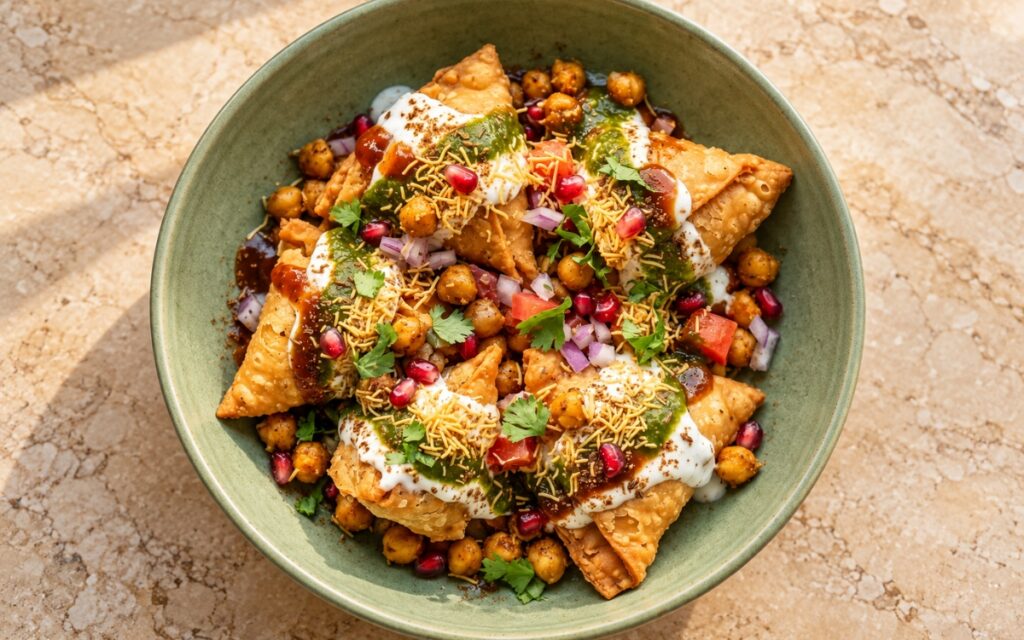
Samosa Chaat
Crisp homemade potato and pea samosas broken into bowls and topped with warm chickpeas, yogurt, green chutney, tamarind chutney, sev and chaat spices.
-
Thai Red Curry Shrimp
Plump shrimp simmered in a creamy red coconut curry with bell peppers, bamboo shoots, lime leaves and Thai basil, served with jasmine rice.
-
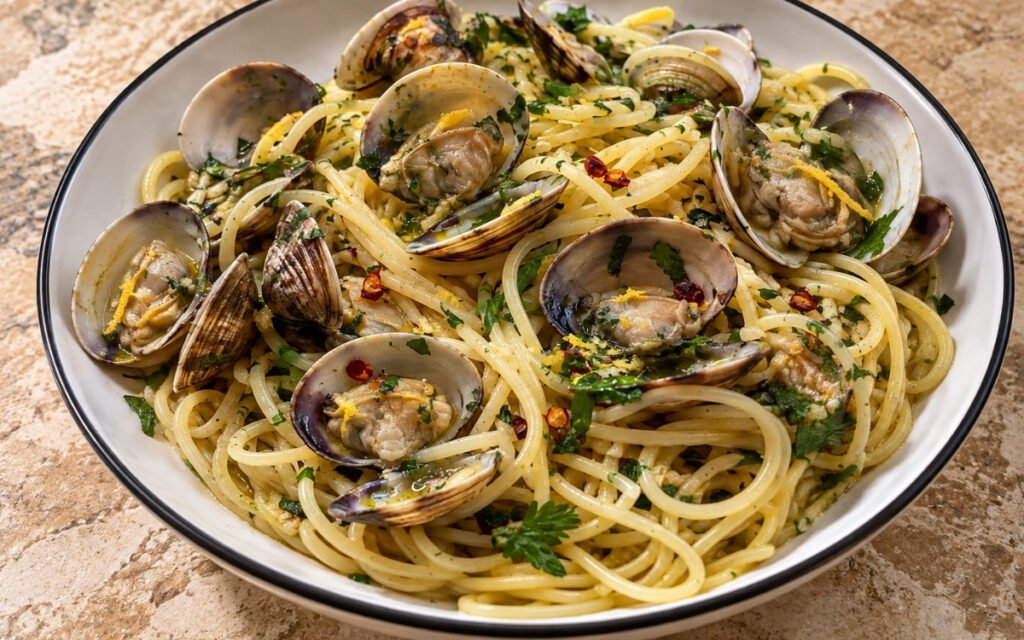
Spaghetti alle Vongole
Fresh clams in a light olive-oil, white wine, and garlic emulsion with parsley and lemon zest, tossed with al dente spaghetti.

You might also like
You might also like
-
Piña Colada Protein Smoothie
Thick, creamy tropical protein smoothie built on frozen pineapple, coconut milk, and coconut cream, finished with toasted coconut.
-
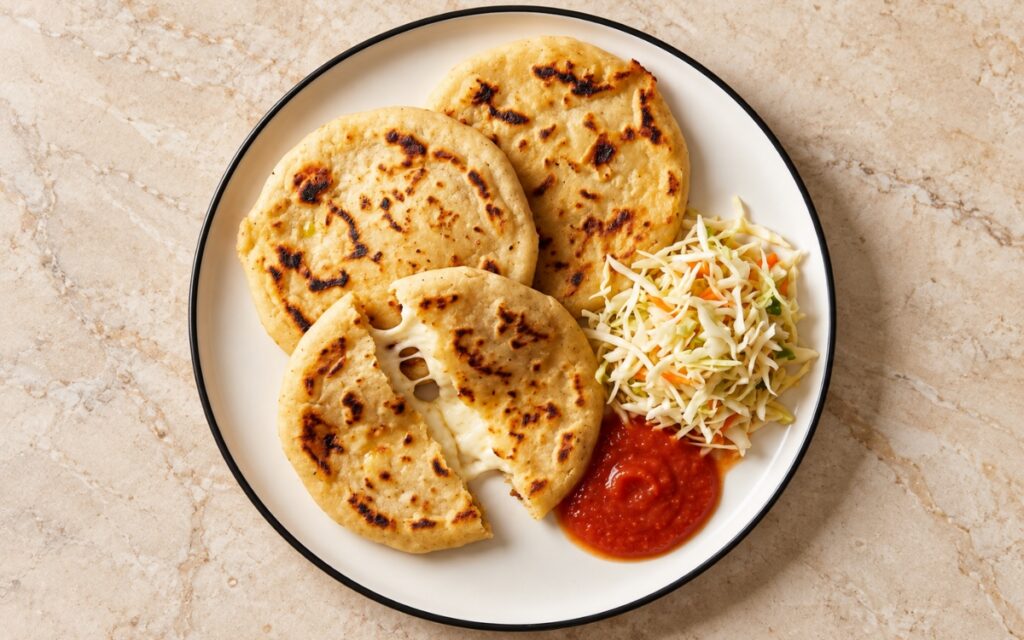
Salvadoran Cheese Pupusas with Curtido & Salsa Roja
Thick corn masa pupusas filled with melted white cheese and griddled until golden, served with tangy cabbage curtido and smooth tomato salsa roja.
-
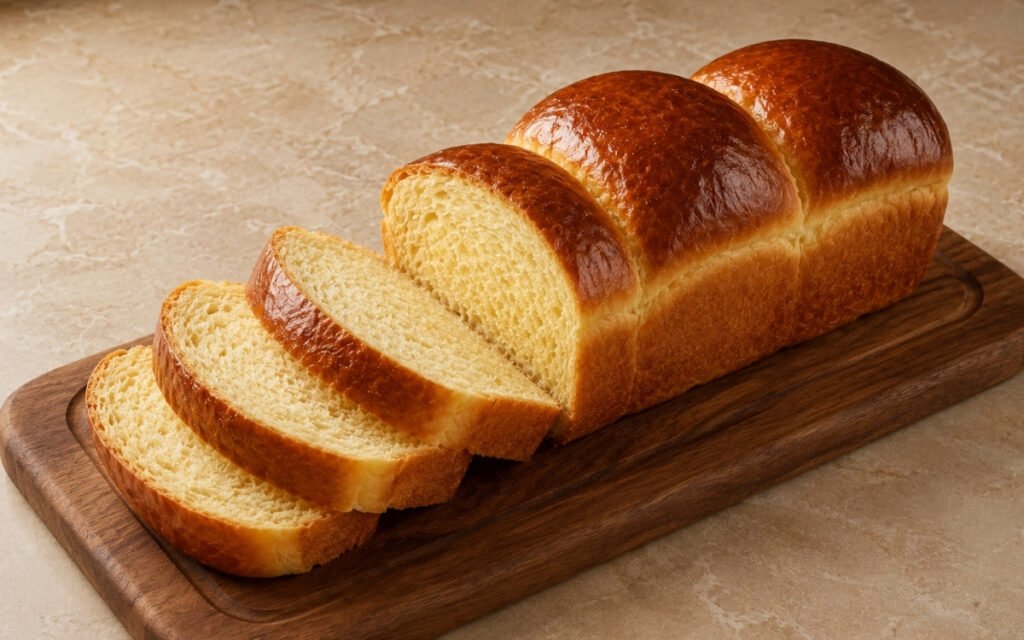
Brioche Toast Bread
Enriched dough with four eggs and butter added gradually after gluten development — overnight cold-fermented for flavour, three-piece shaped in a loaf pan, baked to a deep golden glossy crust. The brioche built for toast.


Masala Dosa with Potato Filling
Ingredients
Method
- Rinse the 240g rice in several changes of water until the water runs mostly clear. Combine it with the 15g chana dal and the fenugreek seeds in a large bowl, cover generously with water and soak for 4–6 hours. Rinse the 80g urad dal separately and soak it in its own bowl of water for the same 4–6 hours. Both should swell visibly, and a soaked rice grain should break easily between your fingers when ready. Keep the poha aside for now, since it needs only a short soak just before grinding. That separate soak is what allows the urad dal to be ground entirely on its own at the next stage, which is exactly where the batter’s genuine lightness is built.
- About 20 minutes before grinding, soak the 20g poha in water for 15–20 minutes. Drain the urad dal and grind it first, adding cold water a little at a time, only enough to keep the blades moving, until very smooth, light and fluffy, almost mousse-like. Scrape it into a large bowl. Drain the rice mixture and the poha and grind them together, adding water gradually, until mostly smooth but with a very slight fine grain still perceptible between your fingertips. Combine both batters thoroughly by hand. The batter should be thick but pourable — looser than pancake batter, but thicker than crêpe batter at this stage. That deliberately coarser rice grind is what gives the finished dosa its crisp, shattering texture, since an ultra-smooth rice paste cooks up softer and more pancake-like.
- Transfer the batter to a bowl with plenty of headroom, at least twice its volume, cover loosely and leave it in a warm place, ideally around 26–32°C, for 8–12 hours. It is ready when it has risen by about 50–100%, the surface shows small bubbles, the batter looks lighter and aerated, and it smells pleasantly sour rather than harsh. In a cool room, fermentation will take longer. If the batter has barely risen after 12 hours, give it more time in a warmer spot rather than cooking it flat. That combination of volume, bubbles and a clean tang is a far more reliable readiness signal than the clock, since the room’s own temperature decides how quickly fermentation genuinely moves.
- Stir the fermented batter gently, just enough to even it out without beating out all the air. Add the 8g salt and enough water, a few tablespoons at a time, to reach a spreadable dosa consistency — it should pour easily and spread in circles without tearing, but still coat a ladle lightly. Let the salted batter rest for 10–15 minutes before cooking. If in doubt, cook one test dosa first and adjust: batter that is too thick makes a heavy dosa that is hard to spread, while batter that is too thin will not brown properly and may tear. That short rest after salting lets the salt dissolve fully and the batter settle, so every ladleful behaves the same way on the pan.
- During the last stretch of fermentation, place the 650g potatoes, whole or in large chunks, in a pan of cold salted water. Bring to the boil and cook for 15–20 minutes depending on size, until a knife slides in with only slight resistance. Drain, cool slightly, peel if needed, and break into rough bite-sized pieces by hand. Do not mash them completely smooth. Waxy or all-purpose potatoes hold their shape well here, while very floury potatoes collapse much more easily into paste. That just-tender cook is what lets the potatoes break into soft, distinct pieces, keeping the finished filling lightly chunky rather than gluey.
- Heat the 2 tbsp oil or ghee in a wide pan over medium heat. Add the mustard seeds and let them crackle, about 30 seconds. Add the 1 tsp urad dal and 1 tsp chana dal and stir for 1–2 minutes until lightly golden. Add the asafoetida if using, then the curry leaves, onion, green chillies and ginger, and cook for 4–5 minutes until the onion softens and turns lightly translucent, not deeply browned. Stir in the turmeric briefly, then add the potatoes, salt to taste and 60ml water. Fold everything together, lightly crushing some potatoes while leaving plenty of chunks, and add up to 40ml more water only if needed to help the filling come together. Cook for 2–3 minutes until heated through and lightly coated, then finish with the cilantro and lemon juice. The filling should be soft, spoonable and cohesive enough to mound, never wet or soupy. That restrained water is what protects the crisp dosa later, since a wet filling steams its shell soft within minutes.
- Set a well-seasoned cast-iron tawa or a good nonstick pan over medium to medium-high heat. It is ready when a few drops of water sprinkled on the surface dance and evaporate quickly, but it should not be so hot that the batter seizes instantly and refuses to spread. If using cast iron, grease it lightly, then wipe it almost dry with a folded paper towel. If the batter grabs immediately and forms a thick patch instead of spreading thin, the pan is too hot: lower the heat, cool the pan briefly, wipe it and try again. That narrow heat window is what lets the batter spread into a thin, even sheet before it sets, rather than seizing in place.
- Stir the batter lightly before each dosa. Pour a generous ladleful onto the centre of the pan and immediately spread it outward in a spiral with the bottom of the ladle into a large, thin circle, as wide as the pan comfortably allows. Drizzle a little oil or ghee around the edges and a few drops over the surface. Cook for about 2–3 minutes, until the top looks dry, the edges lift cleanly and the underside turns deep golden and crisp. Do not flip, unless the dosa is a little thick and needs extra cooking. Spoon a quarter of the potato filling along the centre or slightly off-centre, fold one side over, then fold again or close in half. Remove and repeat with the remaining batter and filling, wiping the pan lightly and regulating the heat between dosas so each one spreads easily. That single-sided cook is what concentrates all the browning on the outer surface, giving the shell its deep-golden crispness.
- Serve each dosa immediately, straight from the pan, while the shell is still crisp, with coconut chutney and sambar alongside if using. The outside should be golden, thin and lacy at the edges, while the filling stays soft, warm and lightly chunky inside the fold. Serve each dosa as it is cooked rather than stacking them, since trapped steam softens the shell quickly. That immediate service is what preserves the contrast the whole recipe builds, because a dosa begins losing its crispness within minutes of meeting its moist filling.