
Piña Colada Protein Smoothie
A thick, creamy pineapple-coconut protein smoothie inspired by the classic piña colada flavour profile, but built as a breakfast or post-workout drink, with frozen pineapple giving it a cold tropical body while coconut milk, Greek yogurt, coconut cream, and vanilla protein powder make it rich, smooth, and high in protein. Toasting the coconut flakes just until lightly golden and fragrant, then pulling them off the heat immediately, is the technique the garnish depends on, since coconut moves from golden to burnt in a matter of seconds once it starts browning. Keeping the fruit frozen and the dairy fully cold, rather than reaching for extra ice, is what gives this smoothie real tropical thickness without diluting the pineapple and coconut flavour the way melted ice would. Adding the liquid ingredients first and the frozen pineapple last, the same circulation principle used elsewhere in this collection’s other protein smoothies, is what keeps the blender moving properly and prevents the protein powder from clumping around the blades. A small amount of lime juice brightens the pineapple and keeps the finished drink from tasting flat or overly rich, balancing the coconut cream’s own heaviness. The payoff is a smoothie with real tropical character — thick, cold, and dessert-like, pineapple leading with rich coconut right behind it.

Prep Time : 10 min
Total Time : 30 min
Servings : 4
10 min
30 min
4
Ingredients
For the Smoothie Base
• 450g frozen pineapple chunks
• 2 medium ripe bananas, sliced and preferably frozen (about 220–240g total)
• 300g Greek yogurt — full-fat or 5% gives the richest result
• 360ml chilled coconut milk, well shaken
• 80ml coconut cream, plus more for garnish
• 60g vanilla protein powder
• 2–3 tbsp honey or maple syrup, to taste
• 1 tsp vanilla extract
• 1–2 tbsp fresh lime juice, optional but recommended for brightness
• Small pinch of fine sea salt
• 6–10 ice cubes, only if needed for extra thickness or coldness
For the Garnish
• 3–4 tbsp coconut cream
• 80–100g small pineapple chunks
• 20–25g unsweetened coconut flakes or chips, toasted
Directions
- Toast the Coconut
Place the coconut flakes in a dry skillet over low to medium-low heat. Toast, stirring often, for 3–5 minutes, until lightly golden and fragrant, then remove immediately to a plate and cool. Coconut can go from golden to burnt very quickly — once you see light brown edges, take it off the heat. That speed is exactly why constant stirring and immediate removal matter here, since the thin flakes carry almost no reserve between visibly golden and bitter. - Prepare the Smoothie Components
If the bananas aren’t frozen, slice them and use them cold, and make sure the coconut milk, Greek yogurt, and coconut cream are all cold as well. If a thicker smoothie is the goal, chill the serving glasses for 10–15 minutes before filling. Frozen fruit plus cold dairy and liquid is what gives this smoothie a thick tropical body without needing too much ice, which can dilute the flavour. That combination matters because ice is the one thickening option here that actively works against the pineapple and coconut flavour the rest of the recipe is built to showcase. - Blend the Smoothie
Add to a blender in this order: coconut milk, Greek yogurt, coconut cream, vanilla protein powder, honey or maple syrup, vanilla extract, lime juice if using, a pinch of salt, bananas, and frozen pineapple. Blend until smooth, thick, and creamy. If the blender struggles, stop and scrape down the sides, then blend again, adding a small splash of extra coconut milk only if needed. Add the liquid first and the frozen fruit last — this helps the blender circulate properly and prevents the protein powder from clumping around the blades. That order matters especially here, since protein powder is exactly the kind of dry ingredient that clings to a dry or under-liquid blade assembly rather than dispersing evenly. - Adjust the Texture
Check the consistency — the finished smoothie should be thick, creamy, cold, and pourable, but not thin. If it’s too thick, add coconut milk, 1–2 tablespoons at a time; if it’s too thin, add a few more frozen pineapple chunks or a little extra Greek yogurt; if it’s not cold enough, blend in a few ice cubes. The smoothie should taste clearly of pineapple first, then rich coconut, with enough sweetness to feel dessert-like but still fresh. That order of flavours is exactly what keeps this reading as a piña colada rather than a generic tropical smoothie, since pineapple needs to lead rather than disappear behind the coconut’s own richness. - Portion and Finish
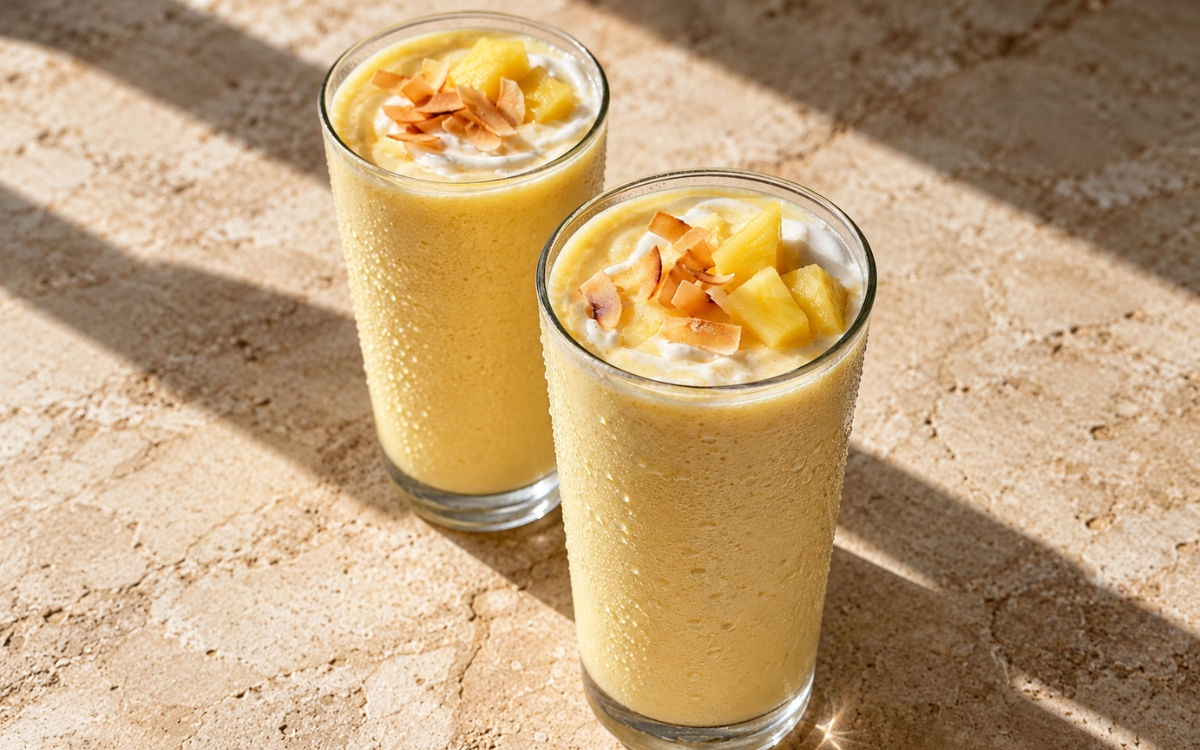
Divide the smoothie among 4 glasses, about 250ml each. Top each serving with a small swirl of coconut cream, a few pineapple chunks, and a sprinkle of toasted coconut flakes, then serve immediately. That immediate serving protects the toasted coconut’s crunch and the smoothie’s own cold thickness, both of which soften within minutes once the finished drink sits out.
*Notes :
- Vanilla protein powder works best here, supporting the tropical flavour rather than competing with it, while an unflavoured powder may need a little extra vanilla and sweetener to reach the same rounded profile. Plant-based protein powders also tend to thicken more after blending than whey does, so a little extra coconut milk and immediate serving help keep the texture from turning overly dense.
- Coconut milk and coconut cream play genuinely different roles here — the milk builds the smoothie’s main body, while the cream pushes it toward the fuller, richer piña colada feel the recipe is modeled on. Too much coconut cream relative to the milk makes the finished drink heavy rather than lush, so the stated balance is worth keeping rather than adjusting on instinct.
- Banana does double duty in this smoothie, building a genuinely milkshake-like body and smooth texture while also softening the pineapple’s own natural acidity, which keeps the finished drink from tasting sharp or unbalanced against the rich coconut.
- Frozen pineapple is essential to the texture here, and fresh pineapple alone makes the smoothie noticeably looser unless more ice is added to compensate — ice that then mutes the very tropical flavour the fruit itself was meant to carry.
Why This Recipe Works
This recipe works because the coconut flakes are toasted only until lightly golden, pulled from the heat the moment they start to brown, protecting them from turning bitter. Keeping the fruit frozen and the dairy fully cold builds real tropical thickness without relying on ice that would dilute the flavour, and adding the liquid first with the frozen pineapple last keeps the protein powder from clumping around the blades. Lime juice brightens the pineapple against the coconut cream’s richness, and the balance between coconut milk and coconut cream keeps the finished drink lush rather than heavy. Serving immediately protects the toasted coconut’s crunch and the smoothie’s own cold, thick texture before either has a chance to soften.
Ingredient Breakdown
Frozen Pineapple Chunks
— The structural foundation — delivers real tropical thickness and flavour without relying on ice that would dilute it.
Toasted Coconut Flakes (Pulled Off Heat Immediately)
— The finishing technique — stopping right at golden protects them from turning bitter in seconds.
Liquids Added Before the Frozen Fruit
— The critical technique — keeps the blender circulating properly and prevents the protein powder from clumping around the blades.
Coconut Milk and Coconut Cream (Balanced)
— The flavour backbone — milk builds the body while cream adds richness, and keeping the ratio in check avoids a heavy result.
Vanilla Protein Powder
— The structural technique — supports the tropical flavour rather than competing with it, unlike an unflavoured powder would.
Ripe Banana
— The critical technique — builds milkshake-like body while softening the pineapple’s natural acidity.
Lime Juice
— The finishing technique — brightens the pineapple and keeps the drink from tasting flat or overly rich against the coconut.
Flavor Structure Explained
This piña colada protein smoothie follows a layered balance model:
- Bright, tropical foundation (frozen pineapple)
- Rich coconut register (coconut milk, coconut cream)
- Tangy structural base (Greek yogurt, lime juice)
- Toasted, sweet finish (toasted coconut flakes, coconut cream swirl)
Frozen pineapple sets this smoothie’s bright, tropical foundation, the flavour meant to lead every sip. Coconut milk and coconut cream together build a rich, genuinely piña-colada-like register underneath it. Greek yogurt and lime juice hold the blend together structurally while keeping the richness from tasting flat or heavy, and toasted coconut flakes alongside a coconut cream swirl finish the glass with a sweet, toasted contrast on top.
Common Mistakes to Avoid
- Walking Away While Toasting the Coconut – This lets it go from golden to burnt in seconds. Always stir often and remove it the moment light brown edges appear.
- Relying on Fresh Pineapple and Extra Ice Instead of Frozen Fruit – This dilutes the tropical flavour the recipe is built around. Always use frozen pineapple for the real thickness it provides.
- Adding the Protein Powder Before the Liquid – This lets it clump around the blades instead of dispersing evenly. Always add the liquids first and the frozen fruit last.
- Overloading on Coconut Cream – This makes the finished smoothie heavy rather than lush. Always keep the stated balance between coconut milk and coconut cream.
- Letting the Smoothie Sit Before Serving – This lets it loosen as the fruit thaws and the protein powder keeps hydrating. Always serve immediately, or stir and re-blend if it does sit.
Variations
Extra-Tropical Version
Add a small handful of frozen mango alongside the pineapple, layering in another bright tropical fruit note that still lets the pineapple and coconut lead the overall flavour.
Plant-Protein Version
Swap in a plant-based protein powder, adding a little extra coconut milk and serving immediately, since plant protein tends to thicken more after blending than whey does.
Extra-Lime Version
Increase the lime juice slightly for a brighter, more sharply tropical profile that cuts further through the coconut cream’s richness than the base recipe’s smaller amount.
Unflavored Protein Version
Use an unflavoured protein powder instead of vanilla, adding a touch more vanilla extract and sweetener to keep the same rounded, dessert-like profile intact.
Storage & Make-Ahead
This smoothie is genuinely best served immediately, since it loosens slightly as the frozen fruit thaws and the protein powder continues hydrating, moving away from its ideal thick, cold texture fairly quickly.
If it does sit for a while, a brief stir or re-blend brings the texture back close to its original thickness, though it won’t fully match a freshly blended glass straight off the blades.
The coconut flakes can be toasted a few days ahead and kept in a sealed container at room temperature, which leaves only the actual blending and garnishing for right before serving.
Bananas can be sliced and frozen in a sealed bag well in advance, so it’s worth freezing a larger batch whenever ripe ones are on hand to always have some ready.
Frequently Asked Questions
Why does the coconut need such close attention while toasting?
Coconut flakes are thin enough that they move from golden to burnt within seconds once browning starts, so constant stirring and immediate removal are what protect the batch from turning bitter.
Why use frozen pineapple instead of fresh with extra ice?
Frozen pineapple builds real tropical thickness and flavour on its own, while fresh pineapple plus extra ice to compensate ends up diluting the very flavour the fruit is meant to carry.
Why does the protein powder need to go in after the liquid rather than before?
Protein powder clumps around the blades when it sits on top of a dry or under-liquid blend, so adding the liquid first and the frozen fruit last keeps the blender circulating everything evenly.
Why does the balance between coconut milk and coconut cream matter so much?
Coconut milk builds the smoothie’s main body while the cream adds richness, and leaning too heavily on cream makes the finished drink taste heavy rather than genuinely lush.
Are there other tropical smoothies or coconut-based recipes worth trying?
Pineapple Coconut Smoothie and Mango Coconut Smoothie Bowl both offer other tropical fruit-and-coconut directions worth exploring. Piña Colada Mocktail carries the same flavour pairing into a non-blended drink, Mocha Protein Smoothie offers a different protein-forward smoothie direction entirely, and Coconut Lime Muffins brings the coconut flavour used here into baked territory worth trying as well.
Nutrition Facts
( Per Serving — 250 ml )
Calories
~465 kcal
Protein
~19 g
Fat
~23 g
Carbs
~45 g
Calories
~465 kcal
Protein
~19 g
Fat
~23 g
Carbs
~45 g
Related Recipes
Related Recipes
-

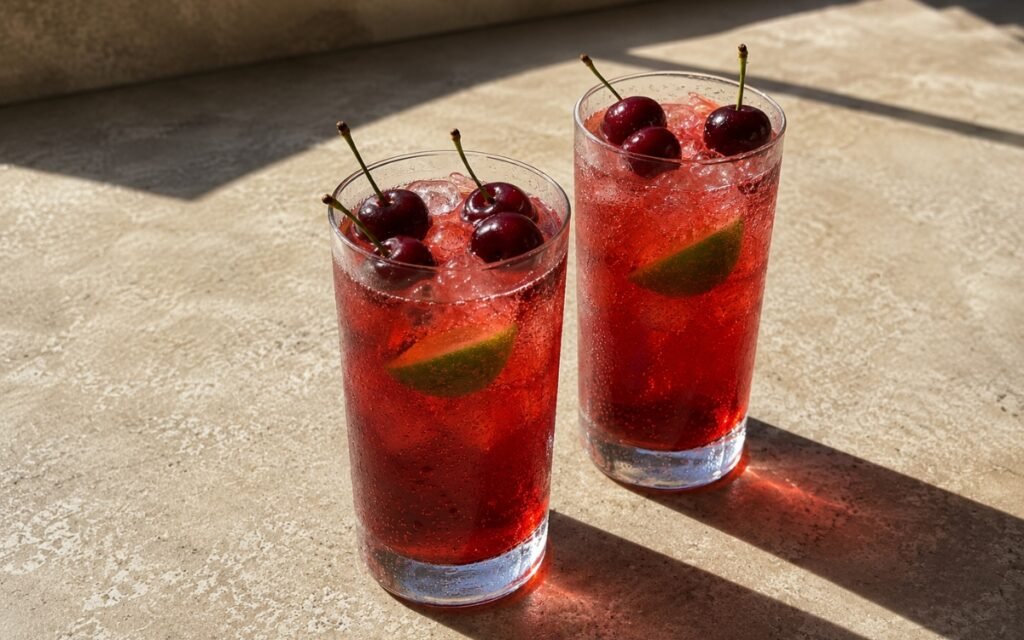
Cherry Lime Rickey Mocktail
Dark cherries with lime juice and white verjus over club soda — sharp, fruity, and classic.
-
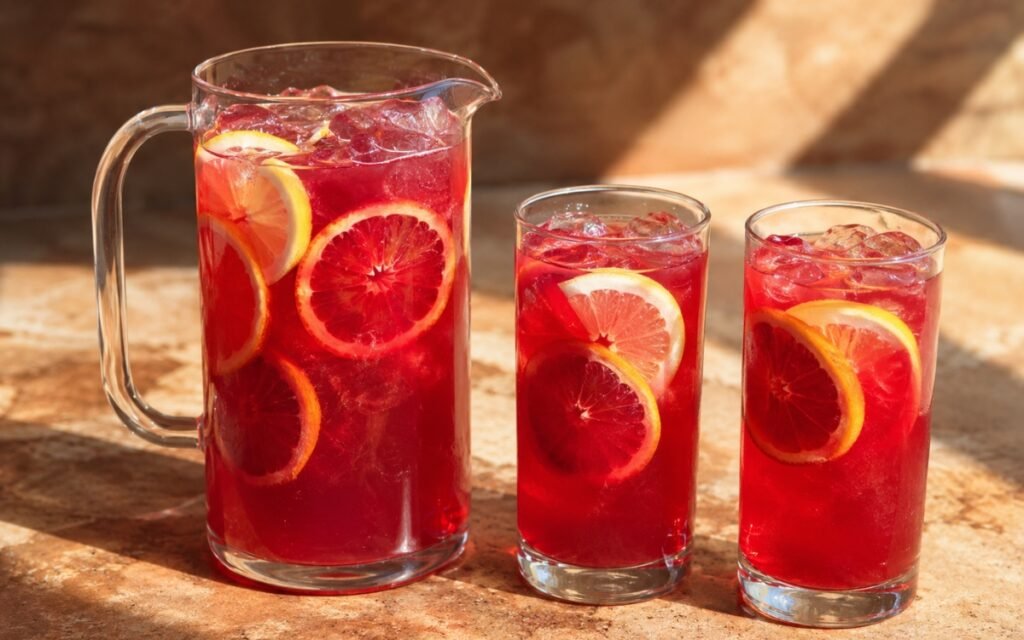
Blood Orange Citrus Pitcher
Deep ruby blood orange pitcher drink with fresh lemon juice, fragrant citrus zest, and lightly sweetened brown sugar syrup.
-
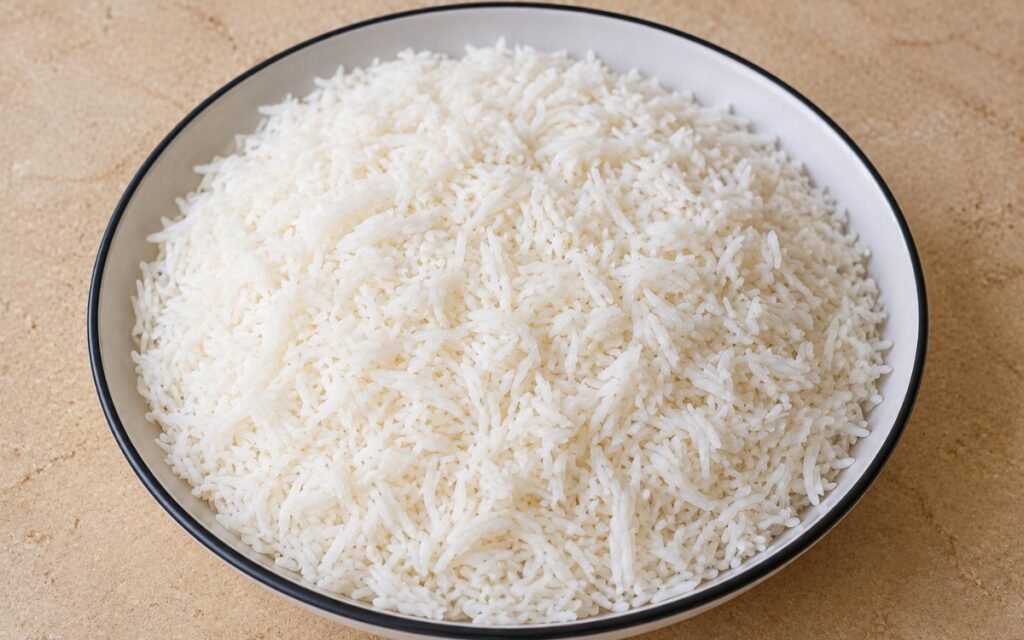
Plain Steamed Basmati Rice
Basmati rinsed thoroughly, boiled uncovered then simmered covered undisturbed for 15 minutes, rested and fluffed. Long, separate grains every time.
You might also like
You might also like
-
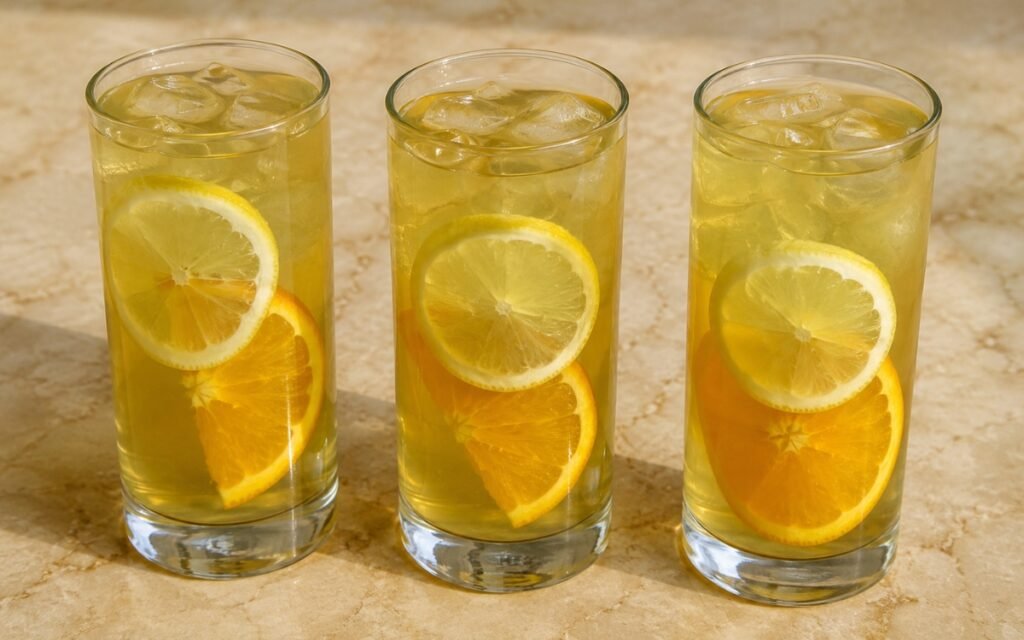
Fresh Citrus Green Iced Tea
Green tea at 75–80°C for 2–3 minutes, thin peel-on citrus slices cold-infused 15–20 minutes — strained promptly, honey, chilled. Light, bright, and clean.
-
Orange Mango Creamsicle Smoothie
A bright orange smoothie with a creamy vanilla-yogurt body, blended smooth with sweet mango and fresh orange for classic creamsicle flavor.
-
Easy Breakfast Shakshuka
Bell pepper and onion in butter, spices dry-toasted on the bare pan, crushed tomatoes simmered thick — six eggs baked at 190°C with feta and cilantro. Under 30 minutes, eaten from the skillet.
Piña Colada Protein Smoothie
Ingredients
Method
- Place the coconut flakes in a dry skillet over low to medium-low heat. Toast, stirring often, for 3–5 minutes, until lightly golden and fragrant, then remove immediately to a plate and cool. Coconut can go from golden to burnt very quickly — once you see light brown edges, take it off the heat. That speed is exactly why constant stirring and immediate removal matter here, since the thin flakes carry almost no reserve between visibly golden and bitter.
- If the bananas aren’t frozen, slice them and use them cold, and make sure the coconut milk, Greek yogurt, and coconut cream are all cold as well. If a thicker smoothie is the goal, chill the serving glasses for 10–15 minutes before filling. Frozen fruit plus cold dairy and liquid is what gives this smoothie a thick tropical body without needing too much ice, which can dilute the flavour. That combination matters because ice is the one thickening option here that actively works against the pineapple and coconut flavour the rest of the recipe is built to showcase.
- Add to a blender in this order: coconut milk, Greek yogurt, coconut cream, vanilla protein powder, honey or maple syrup, vanilla extract, lime juice if using, a pinch of salt, bananas, and frozen pineapple. Blend until smooth, thick, and creamy. If the blender struggles, stop and scrape down the sides, then blend again, adding a small splash of extra coconut milk only if needed. Add the liquid first and the frozen fruit last — this helps the blender circulate properly and prevents the protein powder from clumping around the blades. That order matters especially here, since protein powder is exactly the kind of dry ingredient that clings to a dry or under-liquid blade assembly rather than dispersing evenly.
- Check the consistency — the finished smoothie should be thick, creamy, cold, and pourable, but not thin. If it’s too thick, add coconut milk, 1–2 tablespoons at a time; if it’s too thin, add a few more frozen pineapple chunks or a little extra Greek yogurt; if it’s not cold enough, blend in a few ice cubes. The smoothie should taste clearly of pineapple first, then rich coconut, with enough sweetness to feel dessert-like but still fresh. That order of flavours is exactly what keeps this reading as a piña colada rather than a generic tropical smoothie, since pineapple needs to lead rather than disappear behind the coconut’s own richness.
- Divide the smoothie among 4 glasses, about 250ml each. Top each serving with a small swirl of coconut cream, a few pineapple chunks, and a sprinkle of toasted coconut flakes, then serve immediately. That immediate serving protects the toasted coconut’s crunch and the smoothie’s own cold thickness, both of which soften within minutes once the finished drink sits out.