
Fresh Citrus Green Iced Tea
Fresh Citrus Green Iced Tea is the most precisely timed of the fresh-fruit-infused green tea preparations in this collection, because whole citrus slices behave very differently in cold liquid than berries or peaches do. Where fresh berries and peaches infuse gently and slowly over 30 to 60 minutes with minimal risk of bitterness, citrus peel contains bitter compounds that begin leaching into the liquid relatively quickly, which is why this preparation’s infusion window is the shortest of the three — just 15 to 20 minutes. The green tea base follows the same strict low-temperature discipline used throughout this collection’s green tea preparations — 75–80°C, 2–3 minutes, bags removed without squeezing — because green tea above 80°C develops a harsh bitterness that would compound with any pith bitterness from the citrus rather than staying separate from it. The lemon and orange are sliced very thinly with the peel left on and seeds removed, since thick slices release too much pithy bitterness before contributing enough clean citrus aroma to justify the contact. Once the citrus is removed, additional brightness comes from a small amount of fresh juice stirred in afterward rather than from extending the infusion — a deliberate choice that keeps the bitterness risk contained to a fixed, predictable window. The result is light, aromatic, and structured for hot days without becoming overly sweet.

Prep Time : 15 min
Steep Time : 2-3 min
Servings : 8
15 min
2-3 min
8
Ingredients
For the Green Tea Base
• 1.65 litres water
• 6–7 green tea bags — Sencha or China Green — this one on Amazon
• 2–3 Tbsp mild honey — to taste; start with 2 Tbsp — this one on Amazon
For the Citrus Infusion
• 1 medium lemon — very thinly sliced, peel on, seeds removed
• 1 medium orange — very thinly sliced, peel on, seeds removed
• 1–2 Tbsp fresh lemon or orange juice — optional, for extra brightness
For Serving
• Ice
• Fresh citrus slices
This post may contain affiliate links. As an Amazon Associate I earn from qualifying purchases, at no additional cost to you.
Directions
- Brew the Green Tea at the Correct Temperature
Heat the 1.65 litres of water to 75–80°C — do not allow it to boil. Green tea brewed above this range extracts harsh, bitter catechin compounds that no amount of citrus or honey can mask afterward, and the consequence here is compounded by the fact that this recipe already carries a small bitterness risk from the citrus peel. Getting the tea base clean from the start matters more in this preparation than almost anywhere else in this collection. If you don’t have a thermometer, bring the water to a full boil and let it rest uncovered for 4–5 minutes before brewing. - Steep Precisely and Remove the Tea
Add the green tea bags and steep for 2–3 minutes maximum. This is a tight window, and it matters here specifically because the tea needs to stay clean enough to absorb a brief, bright citrus infusion without tipping into a combined bitterness that’s hard to walk back. Remove the bags gently without squeezing, since squeezing forces out the most concentrated and bitter fraction held inside them. Let the tea cool to lukewarm before continuing. - Sweeten While Warm
While the tea is still warm, stir in 2 tablespoons of mild honey until fully dissolved, taking advantage of the warmth for even integration. Taste carefully and add up to 1 additional tablespoon only if needed — the tea should be lightly sweetened at this stage, not sweet, since the citrus will introduce its own bright, slightly tart character once it’s added. Let the tea cool fully to room temperature before adding the citrus. - Prepare the Citrus
Wash the lemon and orange thoroughly, especially since the peel is staying on for this infusion. Slice both very thinly — thinner than you might slice citrus for garnish — and remove any visible seeds, which can introduce a faint bitterness of their own if left in. Thin slicing matters more here than it might seem: thick slices expose a larger surface area of pith relative to their volume, meaning they release pithy bitterness before contributing enough clean citrus oil and aroma to be worth the trade-off. - Infuse the Citrus Cold
Add the citrus slices to the completely cooled tea. Refrigerate and allow the infusion to develop for 15–20 minutes only, checking at the 15-minute mark. This window is considerably shorter than the fruit infusions used elsewhere in this collection precisely because citrus peel’s bitter compounds extract more readily than the gentler aromatic compounds in berries or peach flesh — what you’re looking for is a tea that smells clearly and freshly of citrus, bright and clean, before any pith bitterness has had the chance to develop. - Strain Promptly and Adjust Brightness
Remove the citrus slices promptly once the desired aroma has developed — this is not a step where waiting a little longer produces a stronger, equally pleasant result, since citrus peel left in past the window introduces a bitterness that’s genuinely difficult to correct afterward. If the tea still needs more citrus lift once the slices are out, stir in 1–2 tablespoons of fresh lemon or orange juice rather than extending the infusion time — this is the correct way to add brightness without risking pith bitterness. - Continue Chilling and Serve
Continue chilling the strained tea for 1–2 hours until fully cold and balanced. Fill glasses with ice, pour over the chilled citrus green iced tea, and garnish with a fresh citrus slice if desired. Serve cold, clean, lightly citrusy, and not overly sweet.
*Notes :
- Slice thickness is the single most consequential variable in this recipe, more so than in any other fresh-fruit infusion in this collection. A slice that’s too thick exposes proportionally more pith to the liquid, and pith’s bitter compounds extract readily even within the short 15–20 minute window — thin, near-translucent slices are what allow the peel’s aromatic oils to contribute brightness without the bitterness that thicker slices would introduce.
- The decision to correct brightness with added juice rather than extended infusion time is intentional and should not be treated as a workaround. Extending the citrus infusion even by another 10 minutes risks tipping a clean, bright tea into one with a noticeable bitter edge that honey cannot fully smooth over. Fresh juice, stirred in after straining, adds acidity and brightness without any of that risk.
- Citrus variety affects the character of the finished tea more than it might seem. A standard yellow lemon paired with a sweet navel or Valencia orange produces the most balanced, classic result. Substituting a Meyer lemon softens the tartness and adds a slightly floral note, while blood orange in place of standard orange deepens the colour and adds a faintly berry-like undertone to the citrus character.
Why This Recipe Works
This recipe works because the green tea is brewed within a strict, low-bitterness window that leaves room for a citrus infusion that carries its own small bitterness risk. The citrus is sliced thin specifically to maximise aromatic oil contribution relative to pith exposure.
The infusion window is kept deliberately short, shorter than any other fresh-fruit infusion in this collection, because citrus peel’s bitter compounds extract faster than fruit flesh’s gentler aromatics.
And any additional brightness comes from fresh juice added after straining rather than from extending contact time, keeping the bitterness risk contained and predictable.
Ingredient Breakdown
Green Tea Brewed at 75–80°C for 2–3 Minutes
The clean, bitterness-free backbone — essential here since the tea must stay clean enough to absorb a citrus infusion with its own bitterness risk.
Very Thin, Peel-On Citrus Slices, Seeds Removed
The aromatic-to-pith ratio control — thin slicing maximises oil release while minimising bitter pith exposure.
15–20 Minute Cold Infusion, Strained Promptly
The shortest fruit infusion window in this collection — citrus peel’s bitter compounds extract faster than berry or peach flesh’s gentler aromatics.
Optional Fresh Juice Added After Straining
The correct brightness correction — adjusting acidity without risking extended pith contact.
Flavor Structure Explained
This Fresh Citrus Green Iced Tea follows a layered balance model:
- Fresh tea core (green tea)
- Bright citrus character (lemon and orange)
- Gentle balancing sweetness (honey)
- Clean aromatic freshness (cold citrus infusion)
- Crisp refreshing finish (tea-citrus harmony)
Green tea defines the foundation with clean grassy notes and a delicate structure that remains smooth and free of bitterness through careful brewing. Lemon and orange provide the defining citrus layer, contributing fresh aromatics, gentle tartness, and bright fragrance through a brief cold infusion that preserves freshness while avoiding pith bitterness. Honey quietly softens the sharper edges, creating balance without becoming a noticeable flavor. When added, a small amount of fresh citrus juice acts as a structural accent, sharpening the existing citrus character and increasing freshness without changing the drink’s overall profile. The result is an iced tea built around clarity, clean citrus expression, and restrained balance, where tea and fruit remain equally fresh and refined.
Common Mistakes to Avoid
- Brewing the Green Tea Above 80°C – Extracts bitter compounds that compound with any pith bitterness from the citrus. Always strictly 75–80°C.
- Slicing the Citrus Too Thick – Releases pithy bitterness before contributing enough clean aroma. Always slice as thin as possible.
- Leaving Seeds in the Citrus Slices – Introduces a faint bitterness of their own. Always remove visible seeds before infusing.
- Extending the Citrus Infusion Past 20 Minutes – Risks a bitterness that honey cannot fully correct. Always strain on schedule and add juice instead if more brightness is needed.
- Squeezing the Tea Bags – Releases the most astringent fraction. Always remove gently.
Variations
With Jasmine
Replace the green tea with jasmine green tea for a more floral, fragrant direction, in the spirit of the Orange Jasmine Iced Tea.
With Thyme
Add a few lightly clapped thyme sprigs alongside the citrus during the infusion for an herbal lift, in the direction of the Thyme Lemon Orange Green Tea Cooler.
As a Lemonade
Skip the tea entirely and build the citrus combination on a lemonade base instead, as in the Green Tea Lemonade.
With Grapefruit
Replace the orange with thinly sliced grapefruit for a drier, more bitter-leaning citrus character.
Storage & Make-Ahead
Brewed and sweetened green tea, before the citrus is added, can be refrigerated for up to 1 day.
Once assembled and the citrus has been strained out, the tea is best enjoyed within 24 hours. The bright citrus aroma fades noticeably after the first day, and any citrus peel left in the liquid will continue to release bitter compounds during storage.
Frequently Asked Questions
Why is the citrus infusion window so much shorter than the berry or peach infusions in this collection?
Citrus peel contains bitter compounds — primarily in the white pith just beneath the coloured skin — that extract into liquid considerably faster than the gentler aromatic compounds found in berry skins or peach flesh. Where fruit flesh can infuse gently for 30 to 60 minutes with minimal risk, citrus peel needs to come out within 15 to 20 minutes to avoid that bitterness developing.
Why correct brightness with added juice rather than just leaving the citrus in longer?
Extending the infusion risks crossing into bitterness that’s genuinely difficult to correct afterward, since pith compounds don’t reverse once they’re in the liquid. Fresh juice, stirred in after the slices are removed, adds the same acidity and brightness without any of that risk, making it the more reliable way to adjust the citrus level.
Does slice thickness really make that much difference?
Yes — thinner slices expose less pith relative to the amount of aromatic peel oil they contribute, meaning they release more clean citrus fragrance for the same amount of bitter pith. Thicker slices tip that ratio in the wrong direction and can introduce noticeable bitterness even within the recommended infusion window.
What other citrus and green tea preparations share this approach?
The Orange Jasmine Iced Tea shares orange as the primary citrus on a more floral, fragrant jasmine tea base in place of standard green tea. The Thyme Lemon Orange Green Tea Cooler shares the same dual lemon-and-orange citrus combination on a green tea base with thyme’s herbal lift added alongside it. The Green Tea Lemonade shares the green tea and citrus pairing in a lemonade-led format rather than an infused iced tea.
Nutrition Facts
( per serving )
Calories
~30 kcal
Protein
0 g
Fat
0 g
Carbs
8 g
Calories
~30 kcal
Protein
0 g
Fat
0 g
Carbs
8 g
Related Recipes
Related Recipes

Orange Cold Brew Iced Tea
Black tea cold brewed 8–12 hours in cold filtered water — orange peel infused 10–12 minutes, fresh orange juice. Ultra-smooth and gently citrusy.
Blueberry Black Iced Tea
Black tea at 90–95°C for 2½–3 minutes, lemon peel infused cold, blueberries gently fork-mashed and lightly strained — added gradually, chilled. Bright and tea-forward.
Fresh Berry Green Iced Tea
Green tea at 75–80°C for 2–3 minutes, mixed berries lightly crushed and cold-infused 30–45 minutes — strained cleanly, honey, chilled. Light, crisp, delicately fruity.



You might also like
You might also like
Basil Mango White Iced Tea
White tea at 75–80°C for 3–4 minutes, mango blended with basil and strained — lemon peel, light honey, chilled. Tropical, green, and clean.
Pomegranate Lemonade
Honey-lemon syrup with zest off heat, 500ml pure pomegranate juice — fresh lemon, salt for anti-astringency, cold water, chilled. Ruby-red and grown-up.
Blackberry Lime Infused Water
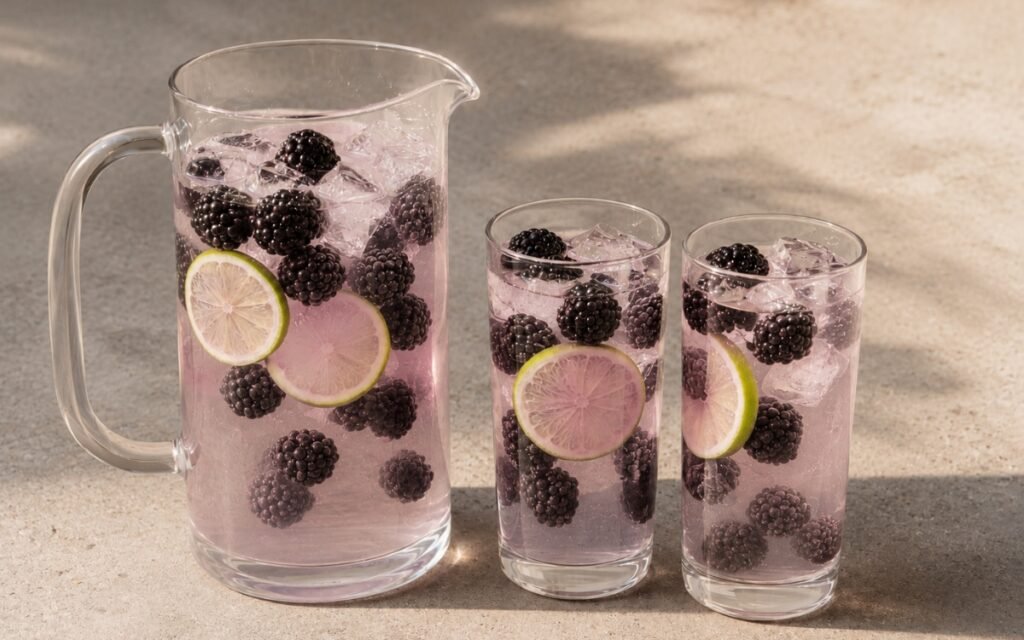
Blackberries mashed by cracking the skin without crushing seeds, whole blackberries and lime slices cold-infused in 3L water — removed after 4 hours. Dark purple and quietly complex.



Fresh Citrus Green Iced Tea
Ingredients
Method
- Heat the 1.65 litres of water to 75–80°C — do not allow it to boil. Green tea brewed above this range extracts harsh, bitter catechin compounds that no amount of citrus or honey can mask afterward, and the consequence here is compounded by the fact that this recipe already carries a small bitterness risk from the citrus peel. Getting the tea base clean from the start matters more in this preparation than almost anywhere else in this collection. If you don’t have a thermometer, bring the water to a full boil and let it rest uncovered for 4–5 minutes before brewing.
- Add the green tea bags and steep for 2–3 minutes maximum. This is a tight window, and it matters here specifically because the tea needs to stay clean enough to absorb a brief, bright citrus infusion without tipping into a combined bitterness that’s hard to walk back. Remove the bags gently without squeezing, since squeezing forces out the most concentrated and bitter fraction held inside them. Let the tea cool to lukewarm before continuing.
- While the tea is still warm, stir in 2 tablespoons of mild honey until fully dissolved, taking advantage of the warmth for even integration. Taste carefully and add up to 1 additional tablespoon only if needed — the tea should be lightly sweetened at this stage, not sweet, since the citrus will introduce its own bright, slightly tart character once it’s added. Let the tea cool fully to room temperature before adding the citrus.
- Wash the lemon and orange thoroughly, especially since the peel is staying on for this infusion. Slice both very thinly — thinner than you might slice citrus for garnish — and remove any visible seeds, which can introduce a faint bitterness of their own if left in. Thin slicing matters more here than it might seem: thick slices expose a larger surface area of pith relative to their volume, meaning they release pithy bitterness before contributing enough clean citrus oil and aroma to be worth the trade-off.
- Add the citrus slices to the completely cooled tea. Refrigerate and allow the infusion to develop for 15–20 minutes only, checking at the 15-minute mark. This window is considerably shorter than the fruit infusions used elsewhere in this collection precisely because citrus peel’s bitter compounds extract more readily than the gentler aromatic compounds in berries or peach flesh — what you’re looking for is a tea that smells clearly and freshly of citrus, bright and clean, before any pith bitterness has had the chance to develop.
- Remove the citrus slices promptly once the desired aroma has developed — this is not a step where waiting a little longer produces a stronger, equally pleasant result, since citrus peel left in past the window introduces a bitterness that’s genuinely difficult to correct afterward. If the tea still needs more citrus lift once the slices are out, stir in 1–2 tablespoons of fresh lemon or orange juice rather than extending the infusion time — this is the correct way to add brightness without risking pith bitterness.
- Continue chilling the strained tea for 1–2 hours until fully cold and balanced. Fill glasses with ice, pour over the chilled citrus green iced tea, and garnish with a fresh citrus slice if desired. Serve cold, clean, lightly citrusy, and not overly sweet.