
Fig Jasmine Iced Tea
Fig Jasmine Iced Tea is the most distinctive in technique among this collection’s jasmine fruit pairings — fig is mashed rather than blended, infused directly in the tea rather than strained beforehand, and the entire combined mixture is only strained at the very end. This reversed order is specifically dictated by fig’s delicate, easily bruised flesh: blending fig the way blackberry or peach is handled elsewhere in this collection would break down its skin and seeds too aggressively, producing a muddier result than the gentle mash-and-infuse approach this recipe uses instead. The jasmine tea base brews at the same low 75–80°C used throughout this collection’s jasmine and green tea preparations, protecting both the green tea structure beneath and the floral scent layered onto it. Lemon peel infuses briefly beforehand for fragrance alone, the same purely aromatic role it plays throughout this collection. The fig itself is only lightly mashed with a fork — never puréed — then infused directly in the cooled, citrus-scented tea for a brief 10 to 15 minutes, since fig’s character turns muddy notably fast with extended contact. A final straining, with only the lightest pressing, separates the soft fig pulp from the finished liquid. The result is floral, softly fruity, restrained, and refined.

Prep Time : 15 min
Steep Time : 2-3 min
Servings : 8
15 min
2-3 min
8
Ingredients
For the Jasmine Tea Base
• 1.65 litres water
• 6 jasmine green tea bags — or 12g loose-leaf jasmine green tea — this one on Amazon
For the Fig Infusion
• 3–4 ripe figs — about 200–220g total
For the Citrus & Sweetening
• 2 strips lemon peel — yellow part only, no white pith
• 1½–2 Tbsp mild honey — to taste; start with 1½ Tbsp — this one on Amazon
For Serving
• Ice
• Fresh fig halves or slices
• Lemon peel twists — optional
This post may contain affiliate links. As an Amazon Associate I earn from qualifying purchases, at no additional cost to you.
Directions
- Brew the Jasmine Tea
Heat the water to 75–80°C — do not boil. Jasmine tea’s green tea base is just as sensitive to over-extraction as standard green tea, and the floral scenting layered onto it is even more delicate. Add the jasmine tea and steep for 2–3 minutes maximum. Remove the bags gently without squeezing, or strain the loose leaves completely. Let the tea cool to lukewarm. - Sweeten While Warm
While the tea is still warm, stir in 1½ tablespoons of honey until fully dissolved. Taste and add up to ½ tablespoon more only if needed. This drink should stay dry and floral, not sweet — fig will contribute its own gentle natural sweetness during the infusion, so restraint here keeps the final balance correct. - Cool to Room Temperature
Let the tea cool fully to room temperature before adding the lemon peel. - Infuse the Lemon Peel
Add the lemon peel strips to the cooled tea and let infuse for 4–5 minutes only, just until a clean citrus aroma develops. Remove the peel promptly to avoid bitterness — leaving citrus peel too long against jasmine’s floral intensity compounds into something specifically unpleasant, the same risk addressed throughout this collection’s jasmine preparations. - Prepare the Figs
Cut the figs in half and scoop out the soft flesh. Lightly mash the flesh with a fork until just broken down. Do not purée it — fig’s delicate flesh and small seeds are specifically suited to a gentle mash rather than aggressive blending, which would break the seeds apart and introduce a bitter, gritty character. - Infuse the Fig
Add the mashed fig flesh to the cooled tea. Stir gently and refrigerate for 10–15 minutes only, just until a soft fig aroma develops. Do not extend the infusion — fig turns muddy fast, shifting from a soft, pleasant aroma into something heavier and less defined within a relatively short window compared to firmer fruits. - Strain
Strain the tea through a fine-mesh sieve into a clean pitcher. Let it drain naturally or press only very lightly. Do not force fig pulp through the sieve — fig’s soft flesh and small seeds specifically require a gentler hand than the firm pressing used for raspberry or blackberry purées elsewhere in this collection, since forcing the pulp through would introduce cloudiness and a gritty seed texture. - Chill
Refrigerate for 1–2 hours until fully cold and integrated. The cold rest allows jasmine’s floral character and fig’s soft sweetness to settle into a single cohesive, restrained whole. - Serve
Fill glasses with ice, pour over the chilled fig jasmine iced tea, and garnish with fresh fig halves or slices and optional lemon peel twists. Serve cold, floral, softly fruity, and clean.
*Notes :
- Fig’s delicate structure is the reason this recipe departs from the blend-and-strain technique used for blackberry and the simmer-and-strain technique used for peach elsewhere in this collection. A gentle fork-mash, followed by a brief direct infusion in the tea itself, preserves fig’s soft, subtle character far better than blending would, while the final light straining removes the solids without forcing through anything that would cloud the result.
- The 10–15 minute fig infusion window is notably shorter than the cold berry infusions used in some other preparations in this collection, reflecting how quickly fig’s character shifts from pleasantly soft to muddy with extended contact. Tasting at the 10-minute mark, where practical, helps catch the right moment before that shift happens.
- Fig ripeness significantly affects this recipe’s outcome. Fully ripe, soft figs mash easily and release their aroma readily during the brief infusion; underripe figs are firmer, mash less completely, and contribute considerably less aroma in the same window.
Why This Recipe Works
This recipe works because fig is handled with techniques specifically suited to its delicate structure rather than methods borrowed from firmer fruits. The gentle mash avoids breaking the seeds, which a blender would do.
The direct, brief infusion in the tea itself — rather than a separate strain-first step — lets fig’s soft aroma develop naturally before the window closes. And the final light straining removes solids without forcing through anything that would compromise the tea’s clarity.
Ingredient Breakdown
Jasmine Tea Brewed at 75–80°C for 2–3 Minutes
The floral, clean backbone — protected with the same care as standard green tea.
Lemon Peel, Infused Cold for 4–5 Minutes
The background fragrance — brief, to avoid compounding bitterness against jasmine’s floral intensity.
Fig, Gently Mashed and Directly Infused
The fruit-specific technique — avoiding the seed-breaking and over-extraction that blending would cause.
10–15 Minute Fig Infusion, Lightly Strained
The shortest fruit window outside citrus in this collection — fig turns muddy notably fast.
Flavor Structure Explained
This Fig Jasmine Iced Tea follows a restrained balance model:
- Floral tea core (jasmine green tea)
- Soft autumn fruit character (fig)
- Gentle balancing sweetness (honey)
- Subtle citrus aromatics (lemon peel)
- Elegant seasonal finish (floral-fruit harmony)
Jasmine tea defines the foundation with expressive floral aromatics layered over the clean, grassy structure of green tea, providing the drink’s primary identity. Fig contributes a quiet layer of soft fruit sweetness and subtle earthy depth that supports the floral notes without becoming a dominant flavor. Its restrained character lends warmth and a distinctly seasonal quality, enriching the tea rather than redirecting it toward fruitiness. Lemon peel adds a delicate citrus fragrance that links the jasmine and fig into a cohesive aromatic profile without introducing noticeable acidity. Honey gently smooths the transitions between the tea, floral, and fruit elements, adding balance while remaining almost imperceptible as a separate taste. The result is an iced tea built around refinement and subtlety, where jasmine leads, fig adds quiet warmth, and every element works together in understated harmony.
Common Mistakes to Avoid
- Brewing the Jasmine Tea Above 80°C – Strips both the green tea structure and the floral scent. Always strictly 75–80°C.
- Leaving the Lemon Peel In Beyond 5 Minutes – Compounds bitterness with jasmine’s floral intensity. Always remove promptly.
- Puréeing the Fig Instead of Mashing – Breaks the seeds and introduces a bitter, gritty character. Always mash gently with a fork.
- Extending the Fig Infusion Beyond 15 Minutes – Fig turns muddy fast. Always strain on schedule.
- Forcing Fig Pulp Through the Sieve – Introduces cloudiness and seed grit. Always let it drain naturally or press only very lightly.
Variations
With Blackberry
Replace the fig with strained blackberry purée for a more assertive, deeply coloured fruit direction, as in the Blackberry Jasmine Iced Tea.
With Peach
Replace the fig with strained peach purée for a softer, warmer jasmine direction, as in the Peach Jasmine Iced Tea.
With Orange
Replace the fig with orange peel and juice for a brighter, more citrus-forward jasmine direction, in the spirit of the Orange Jasmine Iced Tea.
With Honey-Soaked Fig Garnish
Toss the fresh fig garnish halves lightly in a little extra honey before serving for a more decadent presentation.
Storage & Make-Ahead
Brewed and sweetened jasmine tea, before the fig is added, can be refrigerated for up to 1 day.
Once assembled and the fig has been strained out, the tea is best enjoyed within 24 hours. The fig’s delicate aroma fades noticeably after the first day, more quickly than the aromas of firmer fruits in this collection.
Frequently Asked Questions
Why is fig mashed rather than blended like other fruits in this collection?
Fig’s flesh and small seeds are notably more delicate than berries or stone fruit. Blending would break the seeds apart and release a bitter, gritty character into the purée. A gentle fork-mash breaks down the flesh just enough to release aroma without damaging the seeds, preserving fig’s soft, subtle character.
Why is the fig infused directly in the tea rather than strained into a separate syrup first?
Fig’s aroma develops quickly and directly when mashed flesh sits in liquid, and a brief direct infusion captures that aroma more effectively than a separate cooking or blending step would for this particular fruit. The final straining at the end removes the solids cleanly without needing a separate syrup-making process.
Why does the fig infusion window need to be so much shorter than other fruit infusions?
Fig’s character shifts from soft and pleasant to muddy and undefined considerably faster than firmer fruits like peach or apple. The 10–15 minute window is calibrated specifically to capture fig’s gentle aroma before that shift happens.
What other jasmine and fruit tea preparations share this approach?
The Orange Jasmine Iced Tea shares the jasmine tea foundation with orange’s brighter, more citrus-forward direction in place of fig’s deep, soft sweetness. The Blackberry Jasmine Iced Tea shares the jasmine tea base with blackberry’s more assertive, deeply coloured fruit handled through a blend-and-strain technique rather than fig’s gentle mash. The Peach Jasmine Iced Tea shares the soft, restrained fruit-under-jasmine hierarchy with peach’s lighter, more summery character in place of fig’s deeper autumnal sweetness.
Nutrition Facts
( per serving )
Calories
~35 kcal
Protein
0 g
Fat
0 g
Carbs
9 g
Calories
~35 kcal
Protein
0 g
Fat
0 g
Carbs
9 g
Related Recipes
Related Recipes

Raspberry Iced Black Tea
Black tea at 90–95°C for 2½–3 minutes, lemon peel infused cold, raspberries blended and firmly strained — combined and tasted, chilled. Bright and tea-forward.
Fresh Peach Iced Tea
Black tea at 90–95°C for 2½–3 minutes, raw peach slices cold-infused 45–60 minutes — strained cleanly, honey, chilled. Bright, fresh, fruit-forward.
Classic Iced Black Tea
Black tea at 90–95°C for 2½–3 minutes, honey dissolved warm, lemon peel infused cold 5–10 minutes — chilled. Crisp, clean, timeless.



You might also like
You might also like
Pineapple Mint Infused Water
Pineapple lightly pressed and clapped mint leaves cold-infused in 3L water — removed after 4 hours before fermentation develops. Tropical warmth and mint coolness.
Hibiscus and Orange Poached Pears with Vanilla Ice Cream
Pink-magenta hibiscus-orange poached pears served over vanilla bean ice cream with fresh orange zest.
Lemon Posset Brûlée in Lemon Shells
Creamy lemon posset set inside hollowed lemon shells, finished with a thin brûléed sugar crust for crackly caramelized contrast.
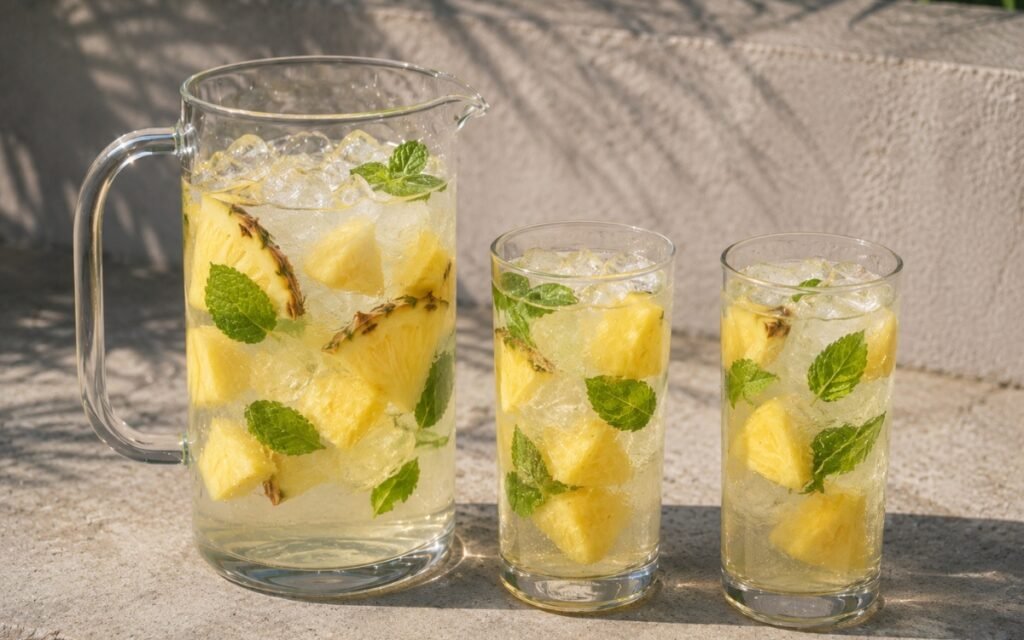
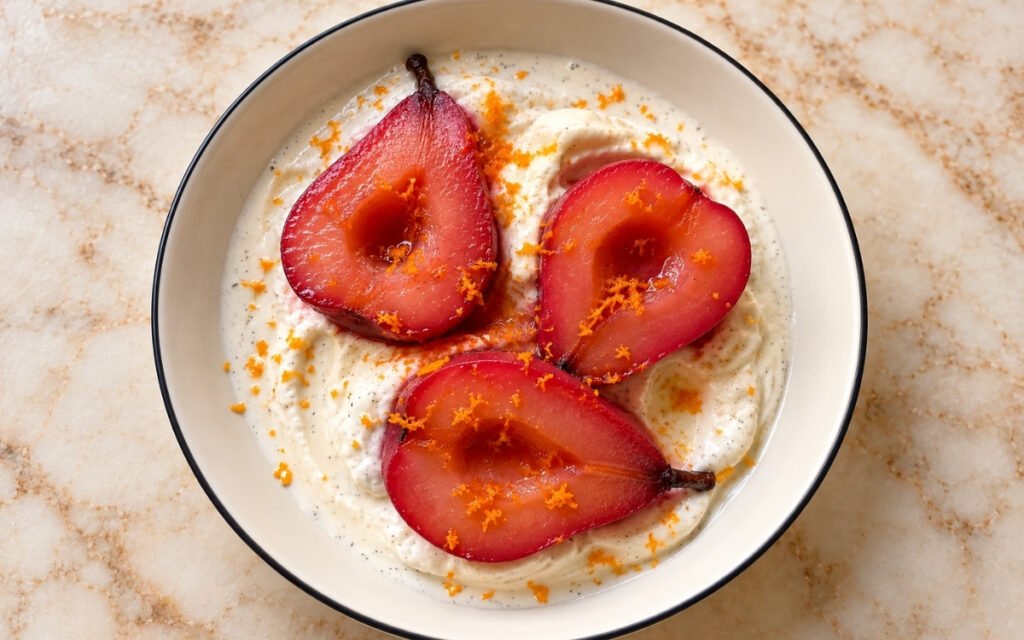
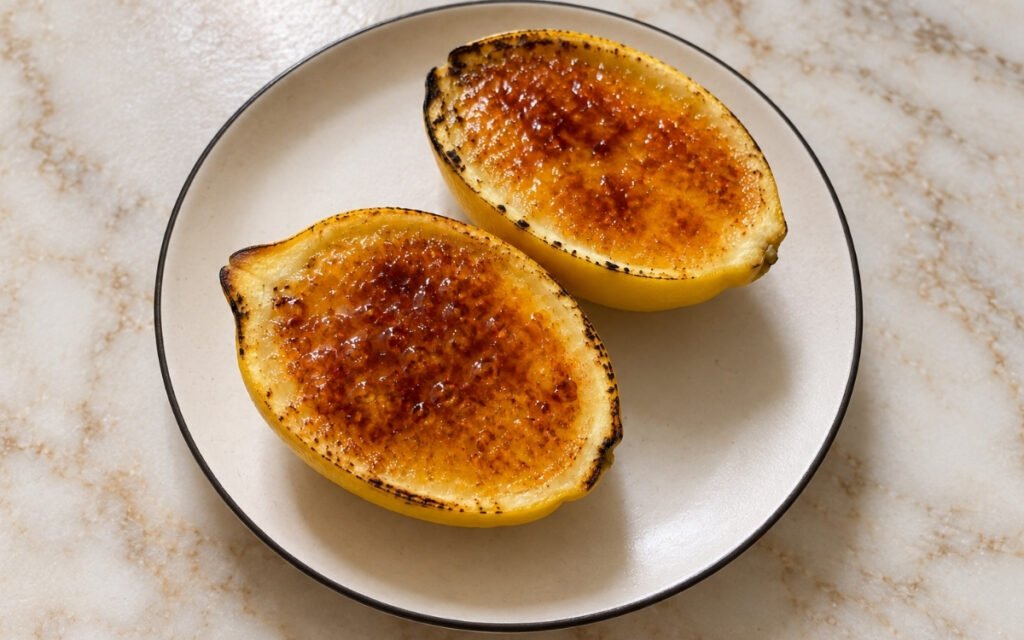

Fig Jasmine Iced Tea
Ingredients
Method
- Heat the water to 75–80°C — do not boil. Jasmine tea’s green tea base is just as sensitive to over-extraction as standard green tea, and the floral scenting layered onto it is even more delicate. Add the jasmine tea and steep for 2–3 minutes maximum. Remove the bags gently without squeezing, or strain the loose leaves completely. Let the tea cool to lukewarm.
- While the tea is still warm, stir in 1½ tablespoons of honey until fully dissolved. Taste and add up to ½ tablespoon more only if needed. This drink should stay dry and floral, not sweet — fig will contribute its own gentle natural sweetness during the infusion, so restraint here keeps the final balance correct.
- Let the tea cool fully to room temperature before adding the lemon peel.
- Add the lemon peel strips to the cooled tea and let infuse for 4–5 minutes only, just until a clean citrus aroma develops. Remove the peel promptly to avoid bitterness — leaving citrus peel too long against jasmine’s floral intensity compounds into something specifically unpleasant, the same risk addressed throughout this collection’s jasmine preparations.
- Cut the figs in half and scoop out the soft flesh. Lightly mash the flesh with a fork until just broken down. Do not purée it — fig’s delicate flesh and small seeds are specifically suited to a gentle mash rather than aggressive blending, which would break the seeds apart and introduce a bitter, gritty character.
- Add the mashed fig flesh to the cooled tea. Stir gently and refrigerate for 10–15 minutes only, just until a soft fig aroma develops. Do not extend the infusion — fig turns muddy fast, shifting from a soft, pleasant aroma into something heavier and less defined within a relatively short window compared to firmer fruits.
- Strain the tea through a fine-mesh sieve into a clean pitcher. Let it drain naturally or press only very lightly. Do not force fig pulp through the sieve — fig’s soft flesh and small seeds specifically require a gentler hand than the firm pressing used for raspberry or blackberry purées elsewhere in this collection, since forcing the pulp through would introduce cloudiness and a gritty seed texture.
- Refrigerate for 1–2 hours until fully cold and integrated. The cold rest allows jasmine’s floral character and fig’s soft sweetness to settle into a single cohesive, restrained whole.
- Fill glasses with ice, pour over the chilled fig jasmine iced tea, and garnish with fresh fig halves or slices and optional lemon peel twists. Serve cold, floral, softly fruity, and clean.