Traditional Spanish Berenjenas con Miel (Fried Eggplant with Honey)
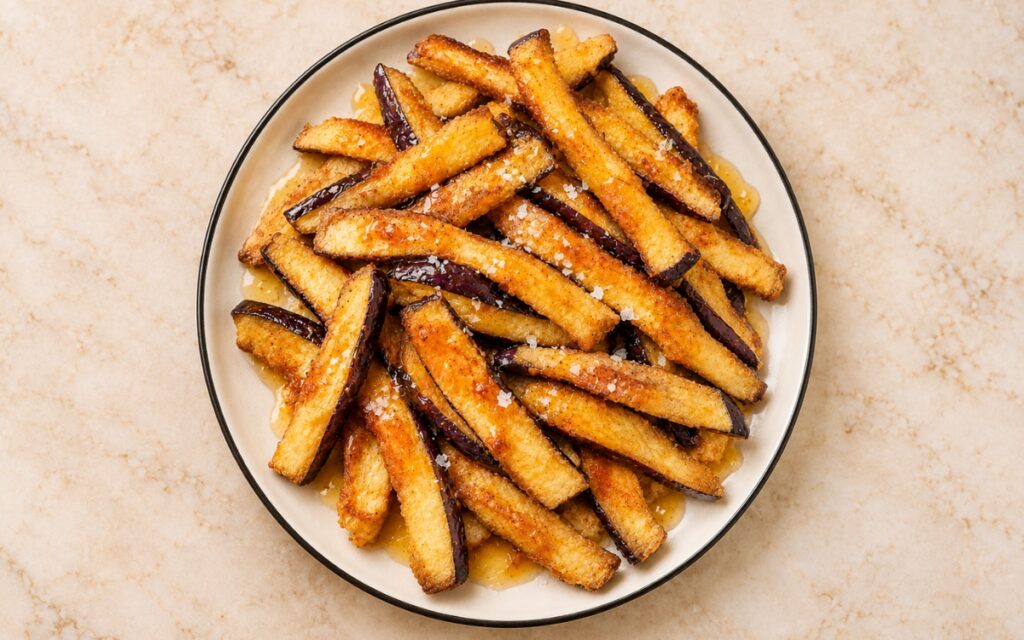
Traditional Spanish berenjenas con miel is an Andalusian tapa of 800g of long, slender eggplant batons soaked briefly in milk, tossed in a very thin coat of flour, and deep-fried in mild Spanish olive oil until the crust is thin, brittle, and deeply golden while the inside turns soft and creamy, then finished with a drizzle of golden honey and a few flakes of sea salt. Drying the milk-soaked batons thoroughly and coating them in only a whisper of flour just before frying, rather than leaving them wet or battering them, is the technique this whole tapa depends on for a crisp, delicate crust — moisture turns flour gummy and makes the oil spit, the same dry-surface principle used elsewhere in this collection whenever a thin coating must fry crisp. Frying at 175–180°C in small batches is what keeps the batons crisp rather than greasy. Adding the honey only after frying is what keeps the crust from softening. The payoff is a tapa with real, irresistible contrast — brittle, savoury, golden eggplant, creamy centres, warm honey, and a clean, salty finish.
- Prep Time : 15 min
- Total Time : 1 hr 5 min
- Servings : 4
Ingredients
For the Eggplant
- 800g fresh eggplants (about 2 medium-large eggplants)
- 700ml whole milk, for soaking
- 120g all-purpose wheat flour, for coating
- 4g fine sea salt
- 1–1.5 litres mild Spanish olive oil, for deep-frying
For Finishing
- 80g mild golden honey, preferably orange blossom or wildflower honey
- 2g flaky sea salt
Directions
- Cut and Soak the Eggplant
Wash the 800g eggplants, trim the stems, and leave the purple skin on. Cut them lengthwise into slices about 1cm thick, then cut each slice into long batons about 1 × 1cm and 7–10cm long, keeping a narrow strip of purple skin along some edges for a rustic look. Put the batons in a large bowl, cover with the 700ml milk, weigh them down with a small plate if needed, and refrigerate for 30 minutes. Drain them thoroughly and pat them dry with clean towels. Dry surfaces are what let the flour form a crisp, thin coating. - Apply the Thin Flour Coating
Mix the 120g flour and 4g fine sea salt in a wide, shallow bowl and add the drained batons in small batches, tossing gently until each piece has a very thin, even layer. Shake off the excess in a sieve or colander so the eggplant is still recognisable under the flour, and lay the coated batons apart on a tray. Coat them shortly before frying and go straight to the oil, because flour that sits absorbs moisture and turns sticky. A thin dry dusting is what fries into a delicate crust instead of a heavy batter. - Fry Until Golden and Crisp
Pour 1–1.5 litres of mild Spanish olive oil into a deep, heavy saucepan to a depth of about 5–6cm, never filling the pan more than halfway, and heat it to 175–180°C. Lower in the first batch of batons with enough room to move freely and fry for 3–4 minutes, turning gently once or twice, until the coating is golden-brown and crisp with a few darker toasted patches and purple skin still visible. Lift them out with a spider strainer onto a wire rack over a tray and let the oil recover to 175–180°C before the next batch. Small batches are what keep the oil hot enough for a crisp, non-greasy crust. - Warm the Honey
Spoon the 80g honey into a small heatproof bowl. If it is thick or crystallised, warm it gently by setting the bowl over a bowl of warm water until it is fluid and easy to drizzle, keeping it below about 40°C to preserve its delicate flavour. Do not dilute it with water or reduce it to a thick syrup. It should fall in thin, golden-amber ribbons with a light body. Honey added after frying, never during cooking, is what avoids scorching and keeps the crust from softening. - Drizzle and Serve
Divide the fried eggplant among 4 warm white plates in generous, loosely crisscrossed mounds, letting a few longer strips extend toward the rim. Drizzle about 20g honey over each portion in thin, irregular ribbons, leaving some batons mostly golden and crisp, and sprinkle the 2g flaky sea salt evenly across all four plates. Serve immediately while the eggplant is hot and the crust is still brittle. Honey and salt at the last moment are what keep the contrast between crisp coating and sweet glaze.
*Notes :
- Drying the milk-soaked eggplant thoroughly deserves genuine recognition as the detail most directly responsible for a thin, crisp crust. Water left on the surface turns the flour into a gummy paste and makes the hot oil spit, whereas dry, firm batons take only a light, even dusting that sets into a delicate shell within minutes of frying.
- Keeping the flour coating thin deserves the same attention this technique receives throughout this collection’s other lightly floured fried vegetables. A heavy layer fries into a thick, doughy batter that hides the eggplant and soaks up oil, whereas a whisper of flour crisps into a brittle skin and leaves the creamy interior as the centre of the tapa.
- Holding the oil at 175–180°C deserves genuine respect as the detail most directly responsible for a crisp, non-greasy result. Frying in small batches lets the temperature recover between additions, whereas an overcrowded pan drops the heat so the eggplant drinks oil and turns limp, and stacking hot pieces traps steam and softens the crust.
- Adding the honey at the very end deserves attention as a genuine, checkable timing cue rather than a casual detail. Honey in the oil would scorch and spoil the crust, and a drizzle applied early softens the coating, so each plate is dressed just before it reaches the table.
Why This Recipe Works
This recipe works because every step protects the crispness of a very thin crust. Soaking the batons in milk and drying them well prepares the eggplant, and a light dusting of flour applied just before frying cannot turn gummy. Oil held at 175–180°C in small batches sets the shell quickly while the centre turns soft and creamy, and a wire rack stops trapped steam from softening it afterwards. Honey and flaky salt go on only when serving, so nothing interferes with the crust. The result is a crisp, golden, sweet-and-salty tapa.
Ingredient Breakdown
Slender Eggplant Batons (800g)
The defining ingredient — firm, glossy eggplant with minimal seeds becomes soft and creamy inside while a strip of purple skin gives structure.
Milk Soak (700ml)
The preparatory technique — a 30-minute soak helps moderate bitterness and primes the eggplant for frying once it is dried.
Thin Flour Coating (120g)
The crisp shell — plain wheat flour dusted lightly forms a thin, brittle crust without the heaviness of batter or breadcrumbs.
Mild Spanish Olive Oil (1–1.5 Litres)
The frying medium — stable oil at 175–180°C crisps the coating quickly without a heavy flavour.
Mild Golden Honey (80g)
The sweet finish — orange blossom or wildflower honey gives a glossy amber glaze that does not overpower the eggplant.
Flaky Sea Salt (2g)
The finishing touch — crunchy crystals sharpen the sweetness and keep the tapa balanced.
Flavor Structure Explained
This Spanish berenjenas con miel follows a layered balance model:
- Soft, mild foundation (tender, creamy eggplant)
- Crisp, toasty shell (thin flour crust fried golden)
- Rich, fruity background (mild Spanish olive oil)
- Warm, floral sweetness (golden honey)
- Sharp, salty finish (flaky sea salt)
The tender eggplant provides a soft, mild foundation beneath a crisp, toasty shell of thin fried flour. Mild olive oil adds a rich, fruity background, while the golden honey brings a warm, floral sweetness that clings in ribbons. Flaky sea salt provides a sharp, salty finish that stops the sweetness from becoming cloying and ties this classic tapa together.
Common Mistakes to Avoid
- Frying Wet Eggplant – This turns the flour into a gummy coating and makes the oil splatter. Always drain the milk-soaked batons thoroughly and pat them dry before coating.
- Coating Too Thickly – This fries into a heavy, doughy batter that hides the eggplant. Always toss lightly and shake off the excess flour in a sieve.
- Overcrowding the Pan – This drops the oil temperature and leaves the eggplant greasy and soft. Always fry small batches at 175–180°C and let the oil recover.
- Stacking the Hot Batons – This traps steam and softens the crust. Always drain the fried pieces on a wire rack positioned over a tray.
- Honeying Too Early – This softens the crust, and honey in the oil would scorch. Always drizzle the honey immediately before serving, after frying.
Variations
Miel de Caña Version
Replace the honey with 80g of miel de caña, the dark sugarcane syrup used in the traditional Andalusian version, which produces a darker, more robust, molasses-like coating than golden honey.
Salted Water Soak Version
Soak the batons in lightly salted water instead of milk, as some traditional recipes do, but still drain and dry them thoroughly before they are dusted with flour.
Orange Blossom Honey Version
Choose a mild orange blossom honey for the drizzle, which complements the delicate eggplant with a subtle floral note and avoids strongly flavoured or bitter honeys.
Reheated Version
Re-crisp undressed leftover batons in a 200°C oven or an air fryer until crisp, then add fresh honey only after reheating so the coating stays brittle.
Storage & Make-Ahead
Berenjenas con miel is best eaten fresh from the oil, because the contrast between a brittle, hot crust and a soft interior fades quickly as the eggplant cools.
Cut and soak the eggplant batons ahead of time if you like, but drain and dry them thoroughly and apply the flour only shortly before they go into the oil.
Avoid preparing fully dressed portions in advance, since extended contact with the sweet honey softens the fried coating and leaves it limp and sticky.
Refrigerate undressed leftovers in an airtight container at 4°C or below for up to 2 days, keeping the honey and flaky salt separate until you are ready to serve again.
Reheat leftover batons in a 200°C oven or an air fryer until crisp again, then add fresh honey and flaky salt only after they have come out.
Frequently Asked Questions
Why is the eggplant soaked in milk before frying?
A 30-minute milk soak helps moderate any bitterness in the flesh and prepares it for frying, though it must be drained and dried thoroughly afterwards so the flour can form a crisp, thin coating.
Why is only a very thin layer of flour used?
A light dusting fries into a delicate, brittle crust, whereas a thick coating becomes a heavy, doughy batter that soaks up oil and hides the creamy eggplant underneath it.
Why is the oil kept at 175–180°C and used in small batches?
Hot oil sets the crust quickly so the eggplant absorbs little oil, whereas an overcrowded pan lowers the temperature and leaves the batons greasy and soft.
Why is the honey added only after frying?
Honey in hot oil would scorch, and honey added early softens the coating, so drizzling it just before serving keeps the contrast between the crisp crust and the sweet glaze.
Are there other classic eggplant, fried vegetable, or honey dishes worth trying?
Eggplant Parmesan and Baba Ganoush both offer other classic eggplant directions worth exploring, and Spanish Escalivada with Burrata & Capers is also worth trying for another Spanish vegetable tapa. Crispy Zucchini Fritters is another crisp fried vegetable dish worth making, while Whipped Feta with Spiced Honey is worth trying for another savoury dish finished with a drizzle of honey.
Nutrition Facts
( Per Serving )
- Calories
- ~320 kcal
- Protein
- 5 g
- Fat
- 15 g
- Carbs
- 42 g
-

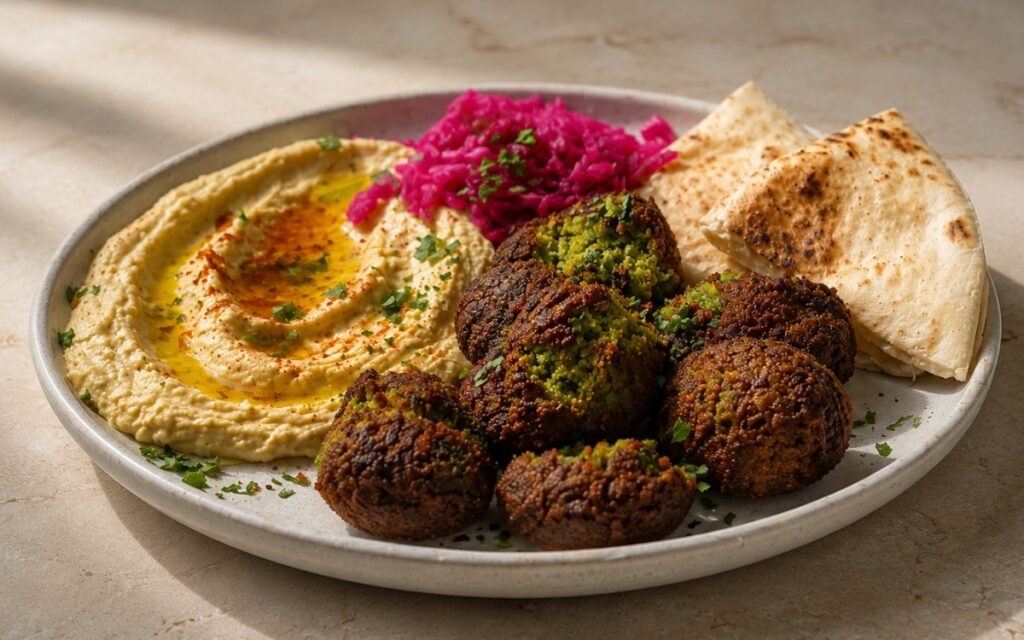
Crispy Falafel Plate with Hummus & Pickled Cabbage
Golden shallow-fried falafel discs with a green herb centre, creamy hummus, pink pickled red cabbage and warm pita.
-
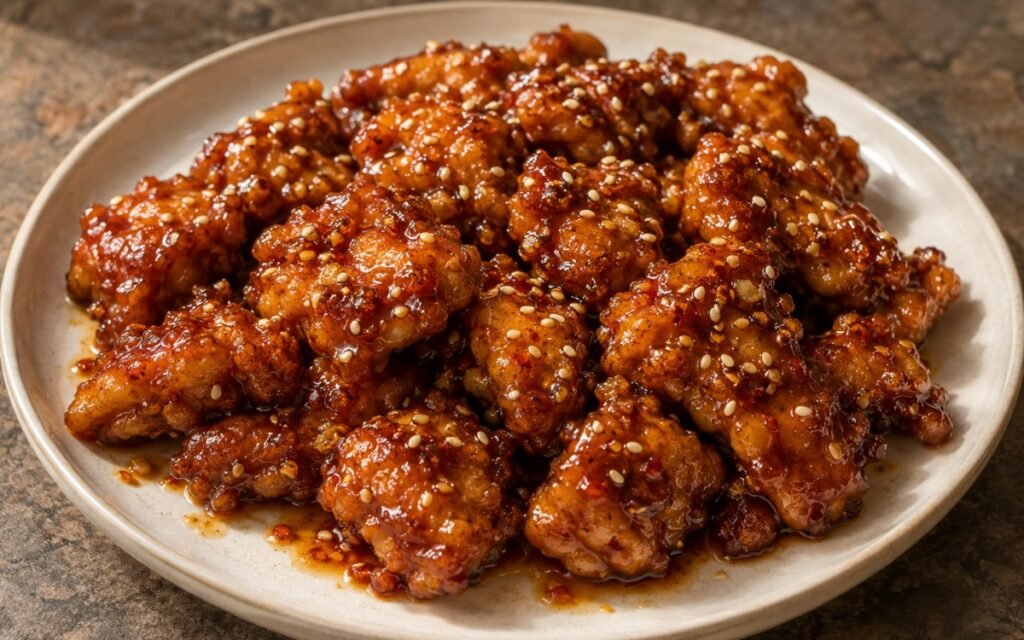
Crispy Honey Garlic Chicken
Chicken coated in cornstarch, partially seared for crust, finished in a honey soy garlic glaze that clings. Crisp and sticky.
-
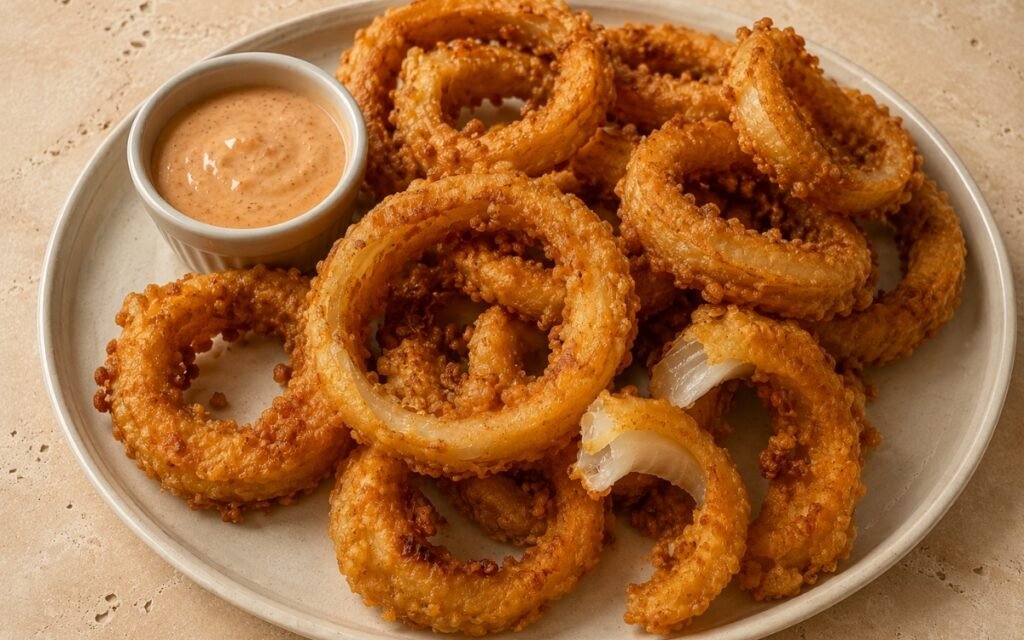
Homemade Onion Rings
Three-stage breaded onion rings — flour, spiced baking-powder batter, panko — fried at 185°C for maximum shatter, served with a spicy mushroom-powder dipping sauce. 35 minutes.
-
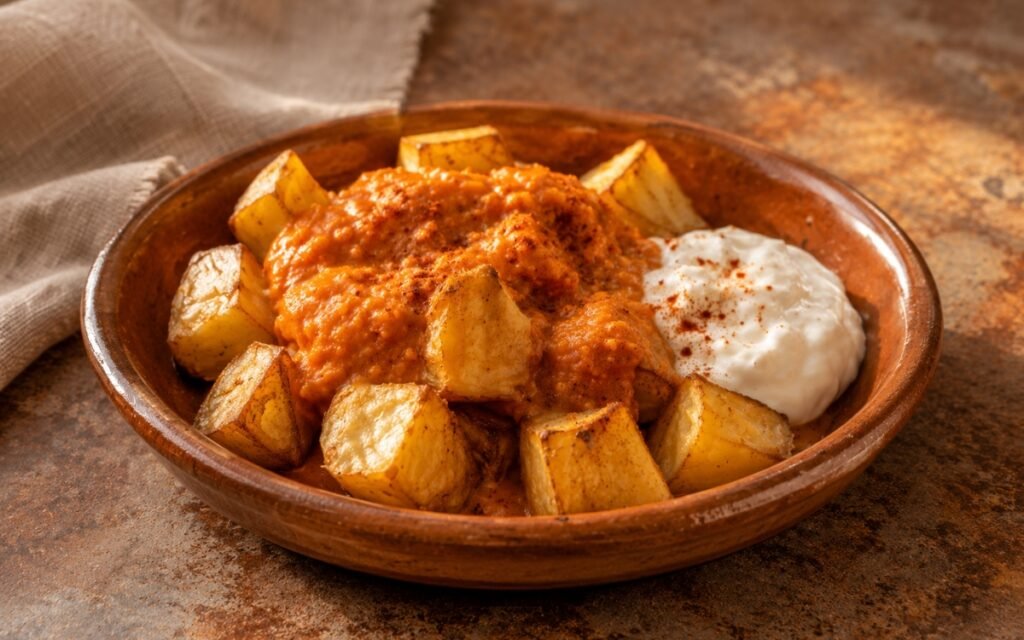
Patatas Bravas with Mayonnaise-Style Aioli
Potatoes parboiled, shaken rough, roasted on a preheated tray — smoky bravas sauce with sherry vinegar, creamy garlic aioli.
-
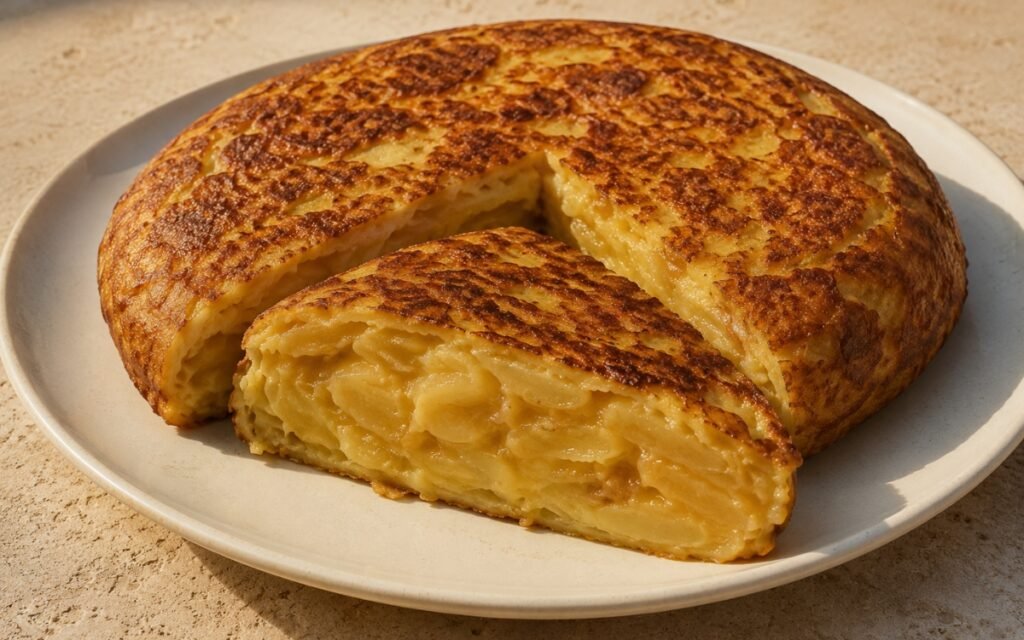
Spanish Tortilla / Tortilla Española
Thin potato slices gently cooked in olive oil, folded into beaten eggs, and cooked slowly for a golden exterior and soft, custardy centre.
-
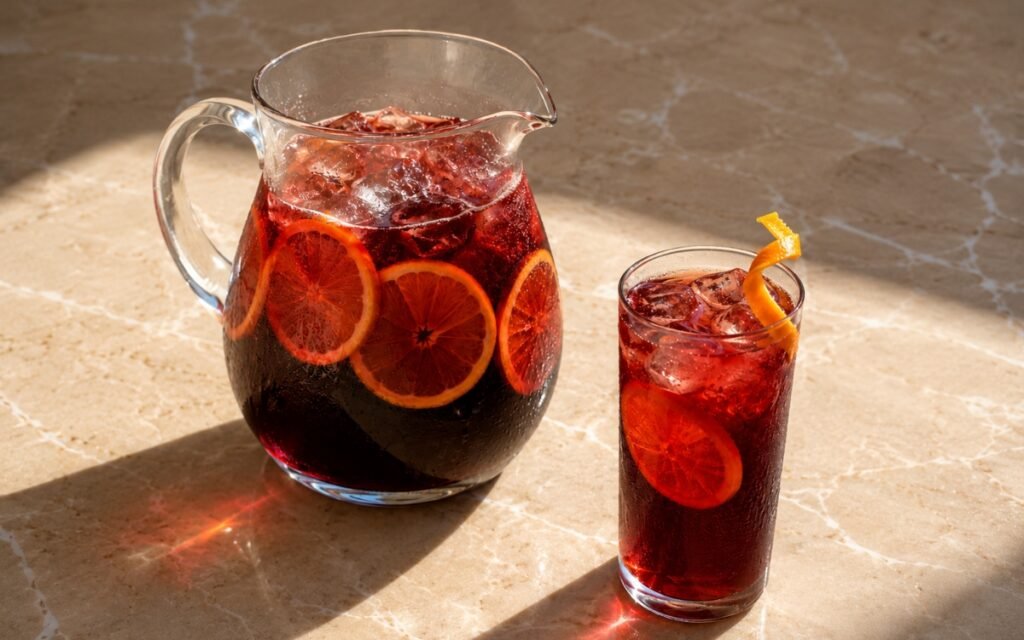
Virgin Spanish Sangria
Wine-like citrus mocktail with macerated fruit and verjus, lightly tannic, bright, festive, and convincingly grown-up.