
Pasta e Ceci
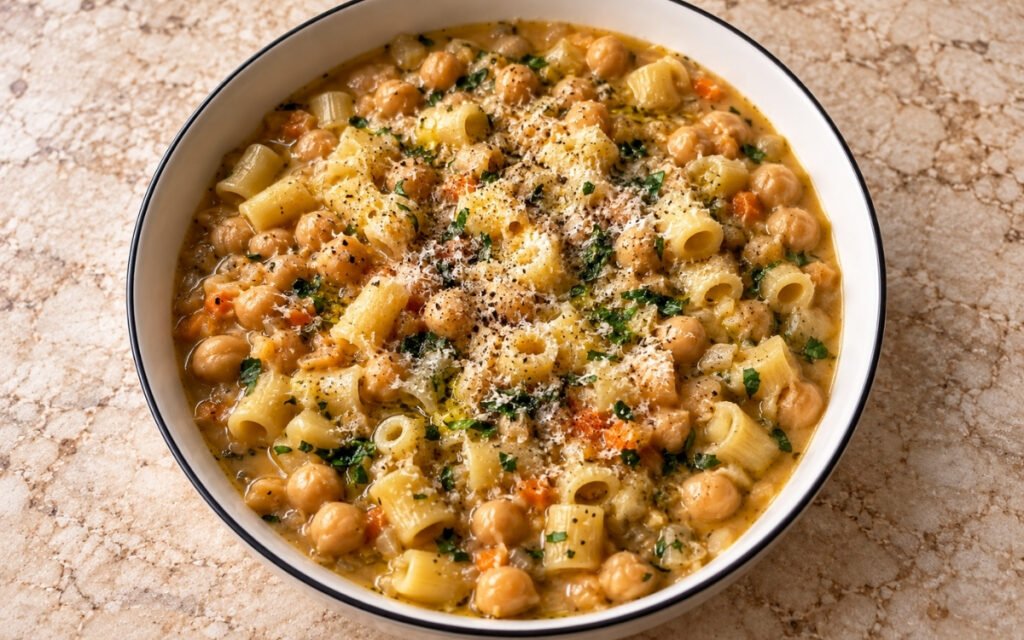
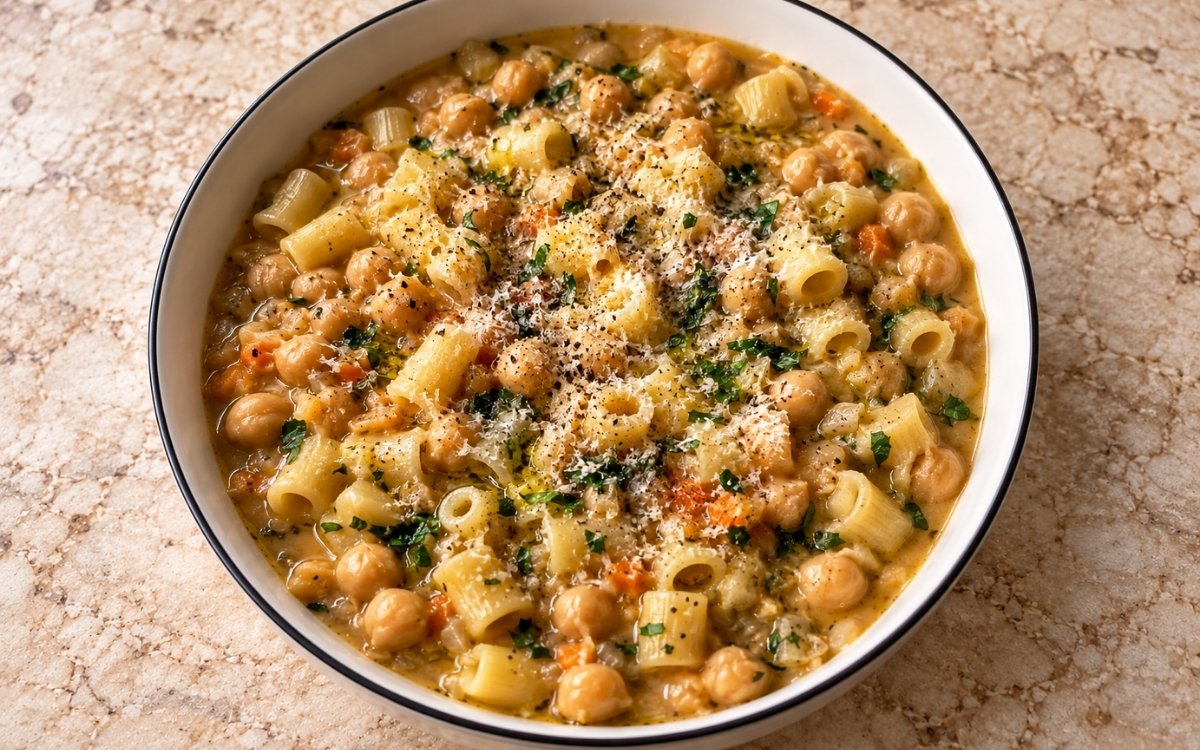
Rustic Italian pasta e ceci made with small pasta, chickpeas, soffritto, garlic, rosemary, olive oil, and a thick brothy chickpea base, sitting somewhere between soup and pasta — loose, creamy, hearty, and spoonable, not dry like regular pasta and not thin like clear soup. Blending or mashing about a third of the chickpeas back into the broth is the technique this whole dish depends on for real, creamy body without ever needing cream — skipping this step leaves the dish tasting genuinely watery, the same partial-blend-for-body principle used elsewhere in this collection whenever a legume-based soup or stew needs its own natural starch to build thickness rather than relying on added dairy. Cooking the pasta directly in the chickpea broth, rather than boiling it separately, is what lets it release starch straight into the base, thickening the dish quickly and building real cohesion. Finishing the dish slightly looser than intended on the plate is what accounts for how much it continues thickening as it sits. The payoff is a dish with real, rustic Italian comfort — a thick, glossy, spoonable chickpea and pasta base, finished with Parmigiano-Reggiano, olive oil, and fresh parsley.
Prep Time : 15 min
Cook Time : 40 min
Servings : 4
15 min
40 min
4
Ingredients
For the Chickpea Base
• 45ml extra-virgin olive oil — this one on Amazon
• 120g yellow onion, finely diced
• 70g carrot, finely diced
• 70g celery, finely diced
• 4 garlic cloves, finely minced
• 1 small rosemary sprig
• 1 bay leaf
• 15g tomato paste, optional but classical in many versions
• 600g cooked chickpeas, drained — from about 250g dried chickpeas, cooked, or 2 x 400g cans, drained and rinsed
• 1.1–1.3L vegetable stock, chicken stock, chickpea cooking liquid, or water
• 1 Parmesan rind, optional but recommended
• 8g fine sea salt, plus more to taste
• ½ tsp black pepper
For the Pasta
• 240g small pasta, such as ditalini, tubetti, small rigatoni, or broken short pasta — this one on Amazon
• 200–300ml hot water or stock, as needed for loosening
For Finishing
• 30g Parmigiano-Reggiano, finely grated, plus more for serving — this one on Amazon
• 15ml extra-virgin olive oil
• 10g flat-leaf parsley, finely chopped
• Black pepper, to taste
This post may contain affiliate links. As an Amazon Associate I earn from qualifying purchases, at no additional cost to you.
Directions
- Build the Soffritto
Heat the olive oil in a heavy pot over medium-low heat. Add the onion, carrot, and celery. Cook for 8–10 minutes, stirring often, until softened and sweet but not browned. Add the garlic, rosemary, and bay leaf. Cook for 1 minute, just until fragrant. The vegetables should soften slowly and melt into the base. If they brown aggressively, the final flavor becomes heavier and less clean. That deliberately gentle, slow cooking protects the soffritto’s own intended role — melting into the base as a sweet, aromatic foundation rather than announcing itself with the heavier flavour real browning would introduce. - Add Tomato Paste and Chickpeas
Add the tomato paste if using and cook for 1–2 minutes, stirring it into the oil and vegetables until it darkens slightly. Add the chickpeas and stir to coat them in the soffritto. Cook for 2–3 minutes so they absorb the aromatic oil. If using canned chickpeas, drain and rinse them first. If using home-cooked chickpeas, keep some chickpea cooking liquid for the broth. Coating the chickpeas directly in the aromatic oil before any liquid is added gives them real, direct contact with the soffritto’s own flavour, letting them absorb it rather than simply floating in a separately built broth later. - Simmer the Chickpea Base
Add the stock, chickpea cooking liquid, or water. Add the Parmesan rind if using, salt, and black pepper. Bring to a simmer and cook gently for 20–25 minutes, until the chickpeas are very tender and the broth tastes seasoned and rounded. Remove the rosemary stem, bay leaf, and Parmesan rind. That extended simmer gives the chickpeas real time to soften fully while the Parmesan rind, if used, slowly releases genuine savoury depth directly into the surrounding broth. - Thicken the Base
Scoop out about one-third of the chickpeas and broth and blend until smooth, or mash them directly in the pot with a potato masher. Return the blended chickpeas to the pot and stir. The base should now look creamy and thickened, but still loose enough to cook pasta. This is what gives pasta e ceci its body without cream. If you skip this, the dish can taste watery. If you blend too much, it becomes heavy and pasty. That specific one-third portion is a genuine, deliberate balance point — blending less would leave the dish thinner than intended, while blending more would push it toward a heavier, pastier texture than this rustic dish is meant to have. - Cook the Pasta in the Chickpea Broth
Bring the pot back to a steady simmer. Add the small pasta directly into the chickpea base and cook, stirring often, until the pasta is al dente. Add hot water or stock as needed during cooking to keep the texture loose and brothy. Pasta cooked directly in the chickpea broth releases starch and thickens the dish quickly. Stir often, especially near the end, so the pasta does not stick to the bottom. The final texture should be thick, glossy, and spoonable — not dry. Cooking the pasta directly in this already-thickened broth, rather than boiling it separately, is what lets its own released starch join and further thicken the base, building real cohesion between the pasta and the surrounding chickpea liquid. - Finish
When the pasta is just tender, turn off the heat. Stir in the grated Parmigiano-Reggiano, finishing olive oil, parsley, and more black pepper. Rest for 3–5 minutes before serving. Add a splash of hot water or stock if it tightens too much. Pasta e ceci keeps thickening as it sits. Finish it slightly looser than you want on the plate. That deliberate looseness at the finishing stage accounts directly for how much the dish continues absorbing liquid and thickening even after the heat is off, protecting it from turning too dense by the time it’s actually served.
*Notes :
- Blending or mashing about a third of the chickpeas back into the broth deserves genuine recognition as the technique most directly responsible for whether this dish achieves real, creamy body or tastes thin and watery. The recipe’s own explicit framing — “this is what gives pasta e ceci its body without cream” — reflects exactly how central this step is, and the specific one-third portion protects against both the watery result of skipping it and the overly heavy, pasty texture that blending too much would produce.
- Cooking the pasta directly in the chickpea broth, rather than boiling it separately and combining afterward, deserves the same attention this technique receives throughout this collection’s other brothy, one-pot pasta dishes. That direct contact lets the pasta’s own released starch join and thicken the surrounding liquid quickly, building real cohesion between every component rather than simply combining two separately cooked elements at the end.
- Keeping the soffritto vegetables cooking gently, without any real browning, deserves genuine respect as a deliberate restraint specific to this dish’s own intended character. The recipe’s own explicit warning that aggressive browning makes the final flavour “heavier and less clean” reflects real understanding of what a proper soffritto’s job actually is — melting into sweetness rather than contributing the deeper, more assertive flavour real caramelisation would introduce.
- Finishing the dish deliberately looser than the intended final serving texture deserves attention as a genuine, practical adjustment rather than an inconsistency. Pasta e ceci continues absorbing liquid and thickening considerably even after the heat is turned off, and finishing it at the exact texture you want on the plate would mean it’s already too thick by the time it’s actually served.
Why This Recipe Works
This recipe works because the soffritto is cooked slowly and gently, melting into sweetness without ever browning aggressively. Coating the chickpeas in that aromatic base before any liquid is added lets them absorb real flavour directly.
Blending about a third of the chickpeas back into the broth builds genuine creamy body without any cream, and cooking the pasta directly in that thickened base lets its own starch further cohere the dish.
Finishing deliberately looser than the intended final texture accounts for how much the dish continues thickening as it rests, delivering the correct, spoonable consistency right at serving.
Ingredient Breakdown
Gently Cooked Soffritto
The critical technique — softened slowly without browning, protecting the dish’s own clean, rounded flavour.
Chickpeas Coated in Aromatic Oil
The critical technique — direct contact with the soffritto before liquid is added lets the chickpeas absorb real flavour.
Partially Blended Chickpeas (About One-Third)
The critical technique — the specific portion that builds genuine creamy body without ever needing cream.
Pasta Cooked Directly in the Broth
The critical technique — releases starch straight into the base, building real cohesion between pasta and liquid.
Optional Parmesan Rind
The flavour-building addition — slowly releases savoury depth into the broth during the extended simmer.
Deliberately Loose Finishing Consistency
The critical finishing technique — accounts for how much the dish continues thickening as it rests before serving.
Flavor Structure Explained
This pasta e ceci follows a layered balance model:
- Sweet, gentle aromatic base (slow-cooked, unbrowned soffritto)
- Hearty legume body (chickpeas, partially blended for creaminess)
- Savoury depth (optional Parmesan rind, tomato paste)
- Herbal background note (rosemary, bay leaf)
- Rich finishing touch (Parmigiano-Reggiano, finishing olive oil, parsley)
A slow-cooked, deliberately unbrowned soffritto provides this dish’s sweet, gentle aromatic base. Chickpeas, partially blended back into the broth, contribute hearty legume body and genuine creaminess without cream. An optional Parmesan rind and a touch of tomato paste add real savoury depth throughout the simmer. Rosemary and bay leaf layer in classic herbal background flavour. Grated Parmigiano-Reggiano, a finishing drizzle of olive oil, and fresh parsley tie the whole rustic, spoonable dish together right at serving.
Common Mistakes to Avoid
- Browning the Soffritto Vegetables – This makes the final flavour heavier and less clean. Always cook them slowly until softened, never browned.
- Skipping the Chickpea-Blending Step – This leaves the dish tasting watery rather than creamy. Always blend or mash about a third of the chickpeas back into the broth.
- Boiling the Pasta Separately – This misses the real cohesion built by cooking it directly in the chickpea broth. Always add it straight into the base.
- Finishing the Dish at Your Intended Final Texture – This leaves it too thick by the time it’s actually served. Always finish it slightly looser than you want on the plate.
- Overcooking the Pasta – It continues softening in the hot chickpea base after the heat is off. Always pull it while just tender.
Variations
Rustic Hand-Mashed Version
Mash the reserved chickpeas by hand with a potato masher rather than blending them smooth, per the recipe’s own suggestion, for a more rustic, textured final consistency with visible chickpea fragments throughout.
Tomato-Forward Version
Increase the tomato paste slightly for a more pronounced tomato note, while still keeping the overall amount modest so the dish doesn’t shift toward a red tomato pasta.
Extra-Herbal Version
Add a small handful of fresh thyme alongside the rosemary during the soffritto stage for a more layered, complex herbal background note running through the finished broth.
Dried Chickpea Version
Cook 250g dried chickpeas from scratch rather than using canned, per the recipe’s own note, reserving some of their own cooking liquid to use in place of stock for a deeper, more integrated chickpea flavour.
Storage & Make-Ahead
The best pasta shapes for this dish are genuinely small ones — ditalini, tubetti, small rigatoni, or broken short pasta — and long pasta shapes like spaghetti should be avoided, since they don’t suit this dish’s characteristic spoonable, brothy texture.
The texture target throughout is genuinely halfway between soup and pasta, meaning creamy, brothy, and spoonable rather than either fully dry like a normal pasta dish or thin and clear like a light soup.
Do not overcook the pasta while it’s still in the hot broth, since it continues softening considerably even after the heat has been turned off, and pulling it while still just tender protects the final texture from turning mushy.
The optional Parmesan rind adds real depth to the broth without making the finished dish taste overtly cheesy, so remove it before serving, and keep any tomato paste used to a genuinely small amount, since this dish is not meant to become a red tomato pasta.
If reheating leftovers, add extra water or stock as you warm them through, since the pasta will continue absorbing liquid from the surrounding broth overnight, leaving the dish considerably thicker and drier than it was when freshly made.
Frequently Asked Questions
Why does a portion of the chickpeas need to be blended or mashed back into the broth?
That step is specifically what gives pasta e ceci its real, creamy body without ever needing cream. Skipping it leaves the dish tasting genuinely watery, since the whole chickpeas alone don’t provide enough thickening on their own.
Why is the pasta cooked directly in the chickpea broth instead of separately?
Pasta cooked this way releases its own starch straight into the surrounding base, thickening the dish quickly and building real cohesion between the pasta and the broth, rather than simply combining two separately cooked components at the end.
Why shouldn’t the soffritto vegetables be allowed to brown?
Real browning makes the final flavour heavier and less clean than this dish is meant to be. The vegetables are meant to soften slowly and melt into the base, contributing sweetness rather than the deeper flavour actual caramelisation would introduce.
Why does the dish need to be finished looser than the texture you actually want on the plate?
Pasta e ceci continues absorbing liquid and thickening considerably even after the heat is off. Finishing it at your intended final texture would mean it’s already too thick by the time it’s actually served.
Are there other classic chickpea, legume, or grain-based Mediterranean dishes worth trying?
Roasted Cauliflower & Chickpea Salad offers another classic chickpea-forward dish worth exploring. Egyptian Balela and Classic Hummus are also worth trying for other chickpea-based directions, and Freekeh Grain Salad and Classic Tabbouleh Salad offer other hearty, herb-forward grain dishes worth exploring.
Nutrition Facts
( per serving )
Calories
~520 kcal
Protein
20 g
Fat
16 g
Carbs
76 g
Calories
~250 kcal
Protein
20 g
Fat
016 g
Carbs
76 g
Related Recipes
Related Recipes

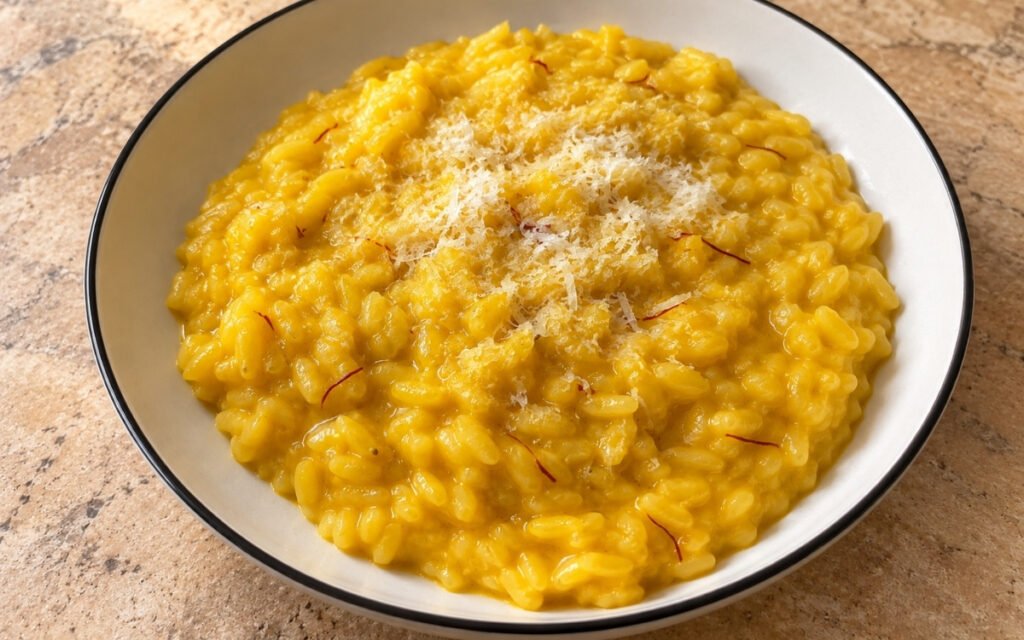
Risotto alla Milanese
Deep golden Carnaroli rice with saffron, white wine, and a Parmigiano-Reggiano mantecatura, finished to a loose, glossy all’onda texture.
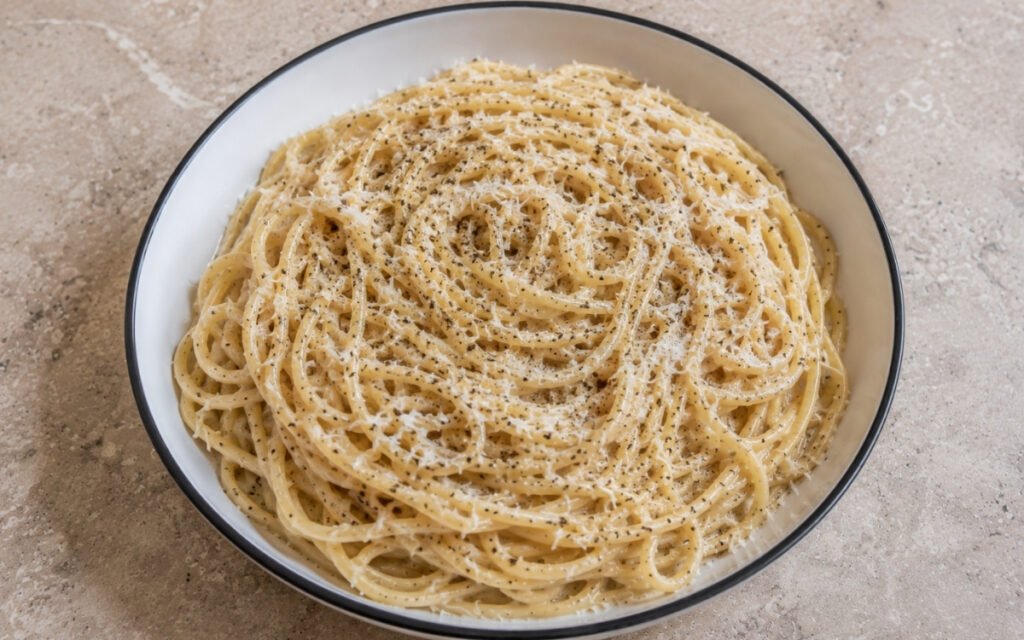
Classic Cacio e Pepe Pasta
Toasted cracked pepper, two cheeses, and chilled butter — the no-clump paste technique that makes this finally work.
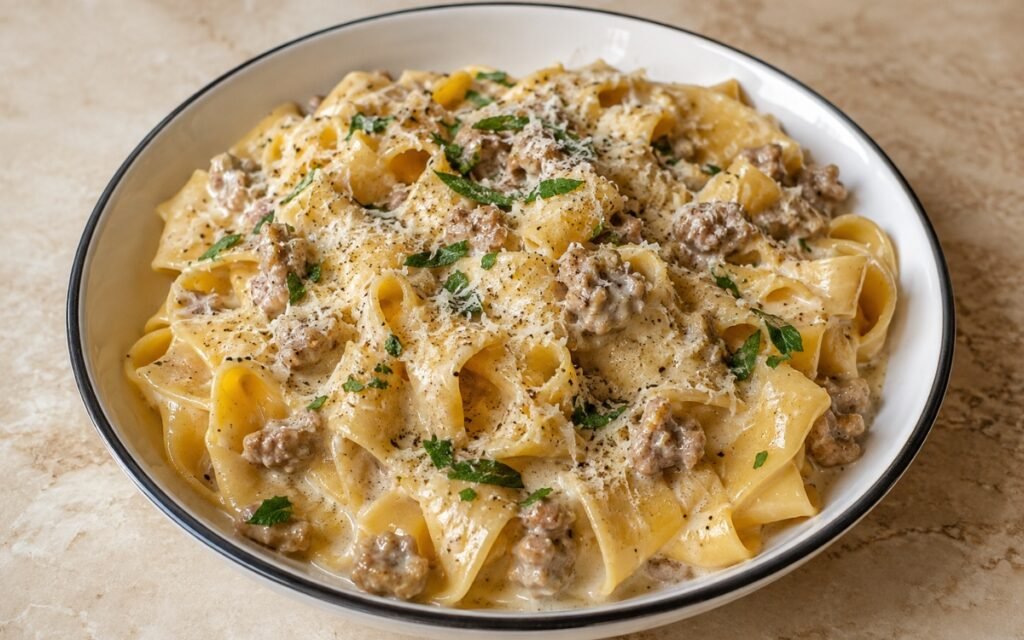
Pappardelle White Sausage Ragù
Wide pappardelle ribbons coated in a pale, glossy sausage ragù emulsified from browned sausage fat, pasta water, and Parmigiano-Reggiano.
You might also like
You might also like
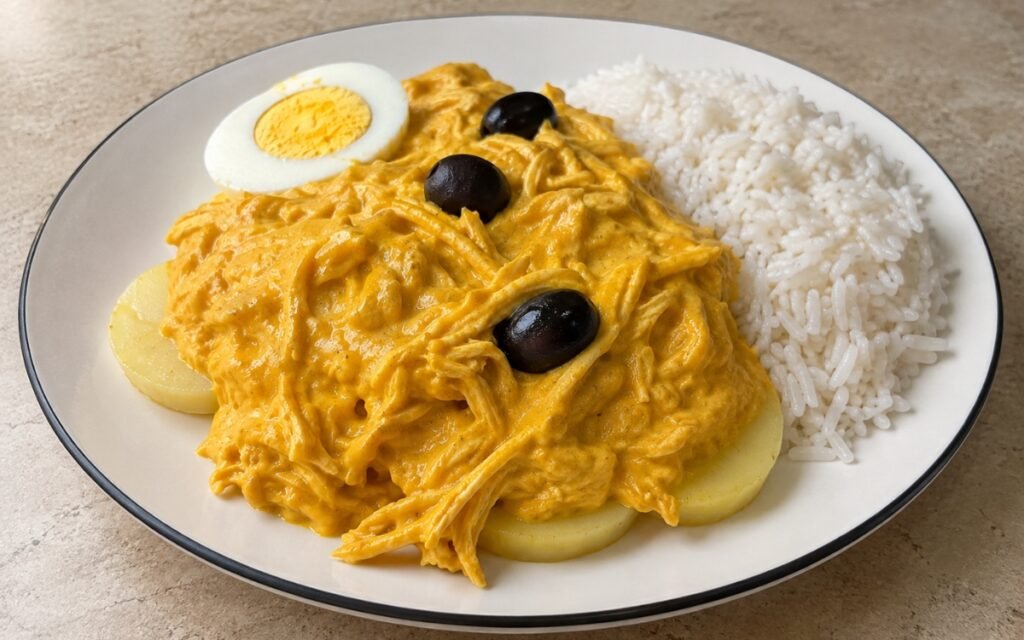
Ají de Gallina
Tender shredded chicken in a rich, velvety ají amarillo cream sauce with bread, evaporated milk, and walnuts, served over sliced potatoes.
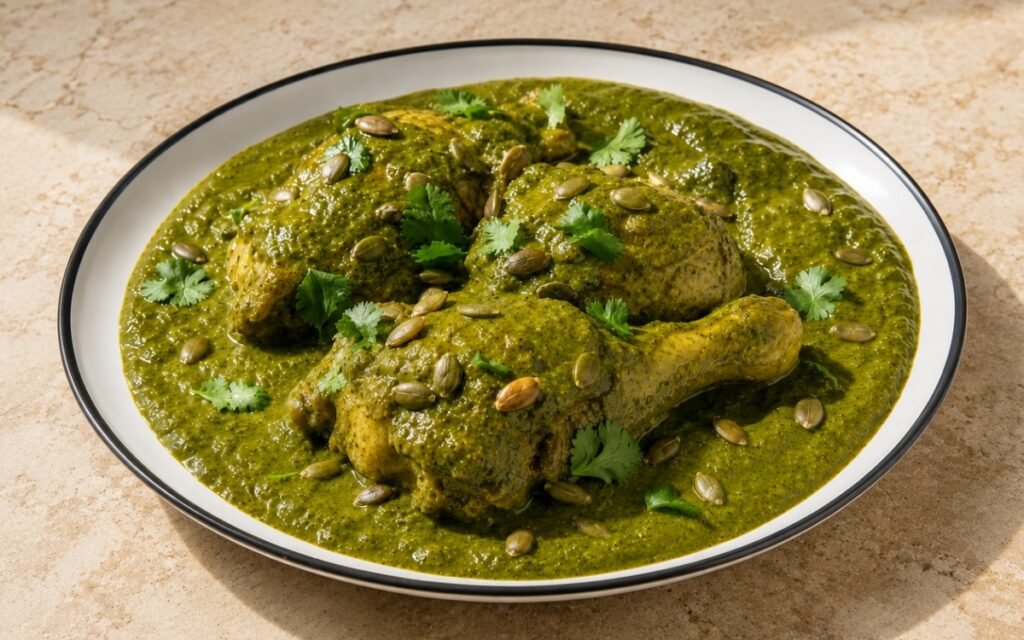
Pipián Verde Chicken
Gently poached chicken finished in a vivid green pipián sauce of roasted tomatillos, pumpkin seeds, green chiles, and herbs.
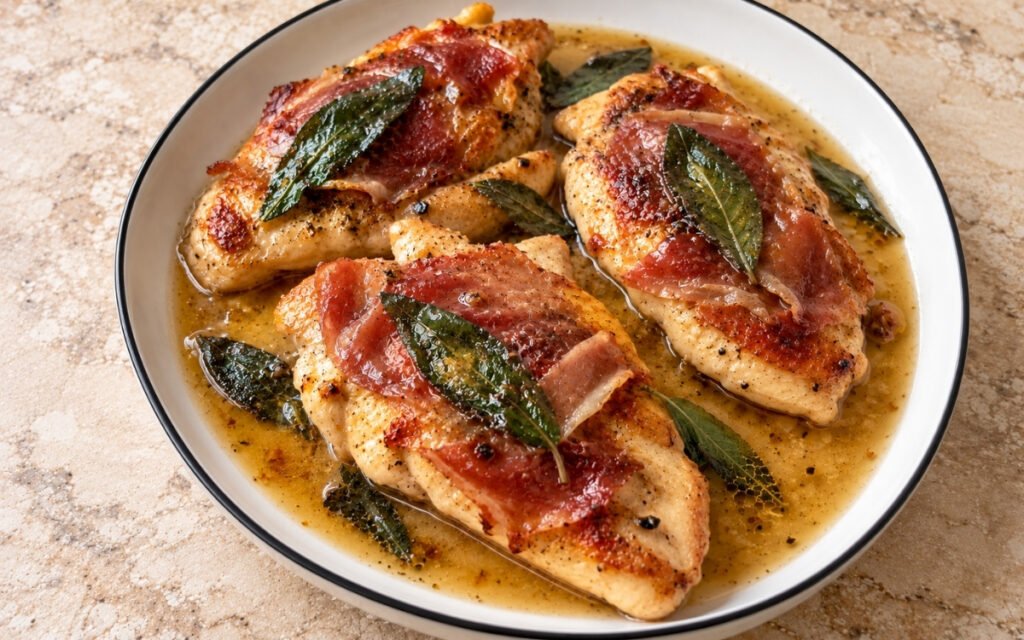
Chicken Saltimbocca
Thin seared chicken cutlets topped with prosciutto and sage, finished in a glossy buttery white wine pan sauce.
Pasta e Ceci
Ingredients
Method
- Heat the olive oil in a heavy pot over medium-low heat. Add the onion, carrot, and celery. Cook for 8–10 minutes, stirring often, until softened and sweet but not browned. Add the garlic, rosemary, and bay leaf. Cook for 1 minute, just until fragrant. The vegetables should soften slowly and melt into the base. If they brown aggressively, the final flavor becomes heavier and less clean. That deliberately gentle, slow cooking protects the soffritto’s own intended role — melting into the base as a sweet, aromatic foundation rather than announcing itself with the heavier flavour real browning would introduce.
- Add the tomato paste if using and cook for 1–2 minutes, stirring it into the oil and vegetables until it darkens slightly. Add the chickpeas and stir to coat them in the soffritto. Cook for 2–3 minutes so they absorb the aromatic oil. If using canned chickpeas, drain and rinse them first. If using home-cooked chickpeas, keep some chickpea cooking liquid for the broth. Coating the chickpeas directly in the aromatic oil before any liquid is added gives them real, direct contact with the soffritto’s own flavour, letting them absorb it rather than simply floating in a separately built broth later.
- Add the stock, chickpea cooking liquid, or water. Add the Parmesan rind if using, salt, and black pepper. Bring to a simmer and cook gently for 20–25 minutes, until the chickpeas are very tender and the broth tastes seasoned and rounded. Remove the rosemary stem, bay leaf, and Parmesan rind. That extended simmer gives the chickpeas real time to soften fully while the Parmesan rind, if used, slowly releases genuine savoury depth directly into the surrounding broth.
- Scoop out about one-third of the chickpeas and broth and blend until smooth, or mash them directly in the pot with a potato masher. Return the blended chickpeas to the pot and stir. The base should now look creamy and thickened, but still loose enough to cook pasta. This is what gives pasta e ceci its body without cream. If you skip this, the dish can taste watery. If you blend too much, it becomes heavy and pasty. That specific one-third portion is a genuine, deliberate balance point — blending less would leave the dish thinner than intended, while blending more would push it toward a heavier, pastier texture than this rustic dish is meant to have.
- Bring the pot back to a steady simmer. Add the small pasta directly into the chickpea base and cook, stirring often, until the pasta is al dente. Add hot water or stock as needed during cooking to keep the texture loose and brothy. Pasta cooked directly in the chickpea broth releases starch and thickens the dish quickly. Stir often, especially near the end, so the pasta does not stick to the bottom. The final texture should be thick, glossy, and spoonable — not dry. Cooking the pasta directly in this already-thickened broth, rather than boiling it separately, is what lets its own released starch join and further thicken the base, building real cohesion between the pasta and the surrounding chickpea liquid.
- When the pasta is just tender, turn off the heat. Stir in the grated Parmigiano-Reggiano, finishing olive oil, parsley, and more black pepper. Rest for 3–5 minutes before serving. Add a splash of hot water or stock if it tightens too much. Pasta e ceci keeps thickening as it sits. Finish it slightly looser than you want on the plate. That deliberate looseness at the finishing stage accounts directly for how much the dish continues absorbing liquid and thickening even after the heat is off, protecting it from turning too dense by the time it’s actually served.