Nuoc Cham (Vietnamese Dipping Sauce)
Traditional Vietnamese nuoc cham is a light, refreshing dipping sauce made with fish sauce, fresh lime juice, sugar, garlic, and red chilies, combining savoury umami, bright citrus acidity, gentle sweetness, and fresh chili heat in a delicate, translucent golden-amber liquid with a thin, watery-light body. Dissolving the sugar in warm water before any fish sauce or lime goes in, rather than stirring it into cold liquid, is the technique this whole sauce depends on for its balance, because undissolved sugar leaves the sweetness patchy and the first dip tasting sharper than the last, the same dissolve-first principle used elsewhere in this collection whenever a thin sauce must taste even. Cooling the sugar water completely before adding the lime is what protects the fresh citrus aroma from heat. Hand-mincing the garlic and slicing the chilies into rings, instead of blending them, is what keeps every piece visible and individually bright. The payoff is a clean, balanced sauce with real freshness — salty, sour, sweet, and spicy in turn — made for spring rolls, grilled meats, noodle bowls, and crispy dishes.
- Prep Time : 10 min
- Total Time : 20 min
- Servings : 12
Ingredients
For the Nuoc Cham Base
- 145ml warm water
- 90ml Vietnamese fish sauce (nước mắm)
- 75ml freshly squeezed lime juice
- 45g granulated white sugar
For the Fresh Aromatics
- 20g fresh garlic, about 5 cloves, very finely minced
- 10g fresh red Thai chilies, about 2–3 chilies, thinly sliced, seeds retained
For Finishing
- 15g fresh carrot, finely julienned
- 1 fresh lime, cut into small wedges
Directions
- Dissolve the Sugar
Pour the 145ml warm water into a medium mixing bowl, add the 45g granulated sugar, and stir for about 1 minute until it has dissolved completely. Leave the mixture to cool to room temperature before adding anything else. The liquid should look completely clear, with no sugar crystals visible on the bottom of the bowl or on the spoon. Use warm water, never boiling. That gentle approach is what keeps the later lime and fish sauce fresh, because heat would dull the citrus and sharpen the fish sauce. - Build the Fish Sauce Base
Add the 90ml Vietnamese fish sauce to the cooled sugar water, then pour in the 75ml freshly squeezed lime juice and stir gently until everything is combined. Taste the base and judge the balance between salty, sour, and sweet. The sauce should be thin, translucent, and pale golden-amber, with savoury depth up front and a fresh acidic lift behind it. Fix any imbalance with small additions of water, sugar, or lime juice. That approach is what protects the balance, because fish sauce varies widely in saltiness and extra salt would overshoot. - Prepare the Garlic and Chilies
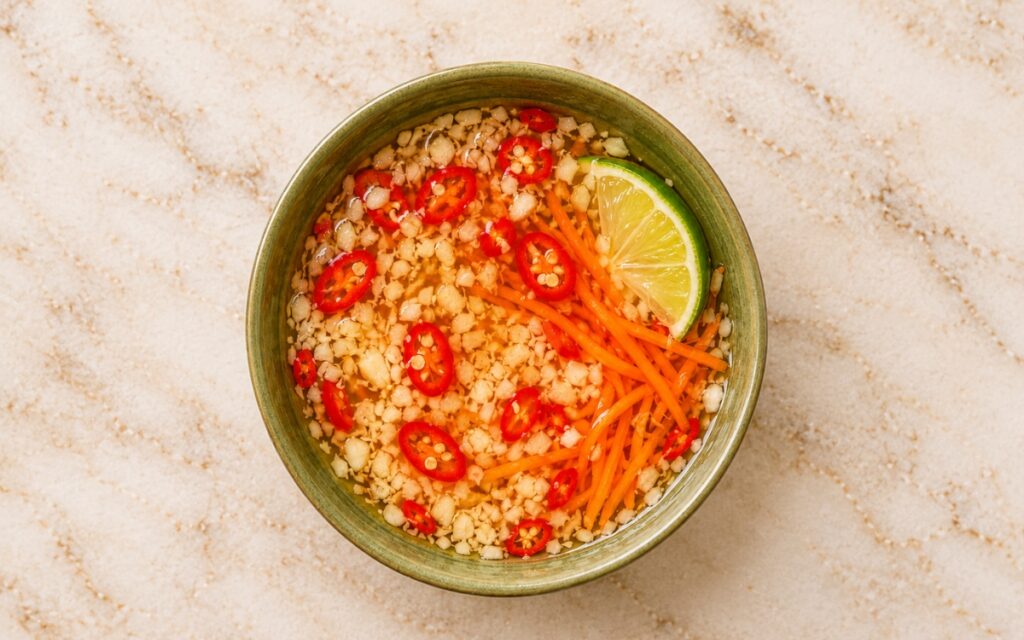
Peel the garlic and mince it very finely into small, irregular pieces, then slice the red Thai chilies into thin rings, keeping some of the seeds. Stir both into the sauce gently so they spread through the liquid. The sauce should now hold abundant pale garlic fragments and vivid red chili rings suspended in clear golden liquid. Never blend the aromatics into a paste. That hand-cut texture is what keeps each piece recognisable and the sauce clear instead of cloudy and muddy. - Rest and Adjust
Let the sauce rest at room temperature for 10 minutes so the garlic and chilies start releasing their flavour into the liquid. Stir and taste again, then correct it: add lime juice for more acidity, sugar for more sweetness, or a little water to soften excessive saltiness. Check the finished yield and bring it to about 360ml if needed. The sauce should taste bright, savoury, lightly sweet, and moderately spicy with a clean citrus finish. That short rest is what lets the aromatics bloom without turning the garlic harsh. - Finish and Serve
Pour the nuoc cham into a shallow serving bowl, add the finely julienned carrot in a loose gathering along one side, and lean one small lime wedge against the inner edge. Let the chili rings and minced garlic settle naturally across the surface. Serve it straight away, stirring once before dipping so the aromatics redistribute. The sauce should stay thin, refreshing, and translucent rather than thick or syrupy. That last-minute garnish is what keeps the carrot crisp and the aroma of the lime lively.
*Notes :
- Dissolving the sugar in warm water first deserves genuine recognition as the technique most directly responsible for how evenly this sauce tastes. Sugar dissolves slowly in cold, acidic, salty liquid, so adding it to the finished fish sauce and lime leaves crystals on the bottom, and each dip then tastes either too sharp or too sweet rather than consistently balanced.
- Adding the fish sauce and lime only after the sugar water has cooled deserves the same attention this collection gives to every fresh, uncooked sauce. Warm liquid dulls the brightness of lime juice and strengthens the smell of fish sauce, so waiting until the water reaches room temperature keeps the sauce clean, fresh, and pleasantly citrusy instead of heavy.
- Tasting and adjusting in small steps deserves genuine respect as the detail most directly responsible for a balanced result. Fish sauce brands, limes, and chilies all vary in strength, so correcting with a little water, sugar, or lime juice rather than extra salt lets you reach the classic sweet, salty, sour, and spicy balance reliably.
- Keeping the garlic and chilies cut by hand deserves attention as a genuine, visible sign of authenticity rather than decoration. Blending would turn them into a paste that clouds the sauce and tastes harsher, whereas minced garlic and sliced chili rings stay individually bright and release flavour gently into the thin golden liquid.
Why This Recipe Works
This recipe works because every step keeps the sauce thin, clear, and balanced. Dissolving the sugar in warm water first removes any grittiness, and cooling it protects the lime and fish sauce from heat. Cutting the garlic and chilies by hand keeps them visible instead of cloudy. A short rest lets their flavour move into the liquid, and a final taste lets you correct salt, acid, and sweetness. The result is a refreshing, translucent golden-amber sauce with sweet, salty, sour, and spicy notes in balance.
Ingredient Breakdown
Vietnamese Fish Sauce
The savoury foundation — good nước mắm gives clean umami and salt, whereas sweetened or premixed dipping sauces taste flat.
Fresh Lime Juice
The bright acidity — freshly squeezed lime gives the sour lift and citrus aroma that bottled juice cannot match.
White Granulated Sugar
The balancing sweetness — it softens the salt and acid, and dissolving it fully keeps every spoonful even.
Garlic and Red Chilies
The aromatic heat — finely minced garlic and sliced red Thai chilies add pungency and fresh spice that stay visible.
Warm-Water Dissolving
The critical technique — warm water melts the sugar quickly while cooling keeps the later lime and fish sauce fresh.
Julienned Carrot
The finishing element — added just before serving, it brings a crisp, sweet freshness and the traditional look of the sauce.
Flavor Structure Explained
This nuoc cham follows a layered balance model:
- Savoury umami foundation (Vietnamese fish sauce)
- Bright citrus acidity (fresh lime juice)
- Gentle clean sweetness (white granulated sugar)
- Fresh pungent heat (garlic, red Thai chilies)
- Crisp, sweet finish (julienned carrot, lime wedge)
Vietnamese fish sauce provides the savoury umami foundation that every other element answers, and fresh lime juice cuts through it with a bright citrus acidity. Granulated sugar adds a gentle sweetness that rounds the salt and the sourness without turning the sauce sugary. Garlic and chilies add fresh pungent heat, while julienned carrot and a lime wedge finish it with crisp sweetness and aroma that tie this dipping sauce together.
Common Mistakes to Avoid
- Using Boiling Water – This dulls the lime and sharpens the fish sauce. Always use warm water to dissolve the sugar, and cool it to room temperature before adding the fish sauce and lime.
- Adding Extra Salt – This overshoots the seasoning because fish sauce is already very salty. Always correct the balance with small additions of water, sugar, or lime juice.
- Blending the Aromatics – This turns the garlic and chilies into a paste that clouds the sauce. Always mince the garlic and slice the chilies by hand so the pieces stay visible.
- Thickening the Sauce – This ruins its watery-light, translucent character. Always keep it thin and never add cornstarch, flour, or any other thickener.
- Adding the Carrot Too Early – This lets it soften and lose its crispness in the acidic liquid. Always julienne the carrot and add it just before serving.
Variations
Lemon Version
Replace the lime juice with an equal amount of fresh lemon juice for a slightly different, softer acidity that still keeps the sauce bright, clean, and refreshing at the table.
Milder Version
Use fewer chilies or swap in a milder red chili with the seeds removed for a gentler sauce that keeps the savoury and citrus balance without the same heat.
Extra-Garlic Version
Add another clove of very finely minced garlic and let the sauce rest the full 10 minutes for a more pungent, garlic-forward sauce suited to grilled meats and noodles.
Noodle Salad Version
Pour the finished sauce over rice noodles, fresh herbs, and grilled pork, using the carrot and lime as part of the dressing for a light, refreshing noodle bowl.
Storage & Make-Ahead
Refrigerate the sauce in a clean airtight container at 4°C or below for up to 2–3 days, because the fresh garlic, chilies, and lime juice are perishable and lose their brightness quickly.
Keep the julienned carrot and lime wedges separate until serving, because the carrot softens in the acidic liquid and the lime wedge looks and tastes freshest when added at the last moment.
Make the base of water, sugar, fish sauce, and lime a few hours ahead if you can, because the flavours settle together, then add the garlic and chilies shortly before serving for the freshest bite.
Bring the cold sauce back to room temperature before serving, because chilled fish sauce tastes duller and less aromatic, and a short wait lets the garlic and citrus come forward again.
Stir the sauce well before each use, because the minced garlic and chili pieces sink to the bottom, and a quick stir spreads them evenly through every dip.
Frequently Asked Questions
Why is the sugar dissolved in warm water before the fish sauce is added?
Sugar dissolves fully in warm water, whereas in cold salty or acidic liquid it stays gritty, so dissolving first gives an even sweetness in every spoonful of the finished sauce.
Why is the sauce not heated after the lime is added?
Heat dulls the aroma of fresh lime juice and sharpens the smell of fish sauce, so keeping the finished sauce at room temperature preserves the fresh citrus character that defines nuoc cham.
Why are the garlic and chilies cut by hand instead of blended?
Hand-cut pieces stay clearly visible and flavour the sauce gently, whereas blending makes a cloudy paste that tastes harsher and hides the clear golden colour of a good nuoc cham.
Why does the sauce need to rest for 10 minutes before serving?
The rest lets the garlic and chilies release their flavour into the liquid, so the sauce tastes rounder and more aromatic than it does when it is served straight after mixing.
Are there other classic Vietnamese noodle bowl, rice bowl, or salad dishes worth trying?
Bún Chả — Vietnamese Grilled Pork Noodle Bowl and Lemongrass Pork Vermicelli Bowl are classic Vietnamese noodle bowls that welcome a fish sauce dipping sauce, while Vietnamese Lemongrass Chicken Rice Bowl offers lemongrass chicken over rice in the same flavours. Vietnamese Green Papaya Salad (Gỏi Đu Đủ) and Vietnamese Rare Beef Salad — Bò Tái Chanh are also worth trying as fresh Vietnamese salads built on lime, chili, and herbs.
Nutrition Facts
( Per Serving — 30ml )
- Calories
- ~20 kcal
- Protein
- 1 g
- Fat
- 0 g
- Carbs
- 5 g
-

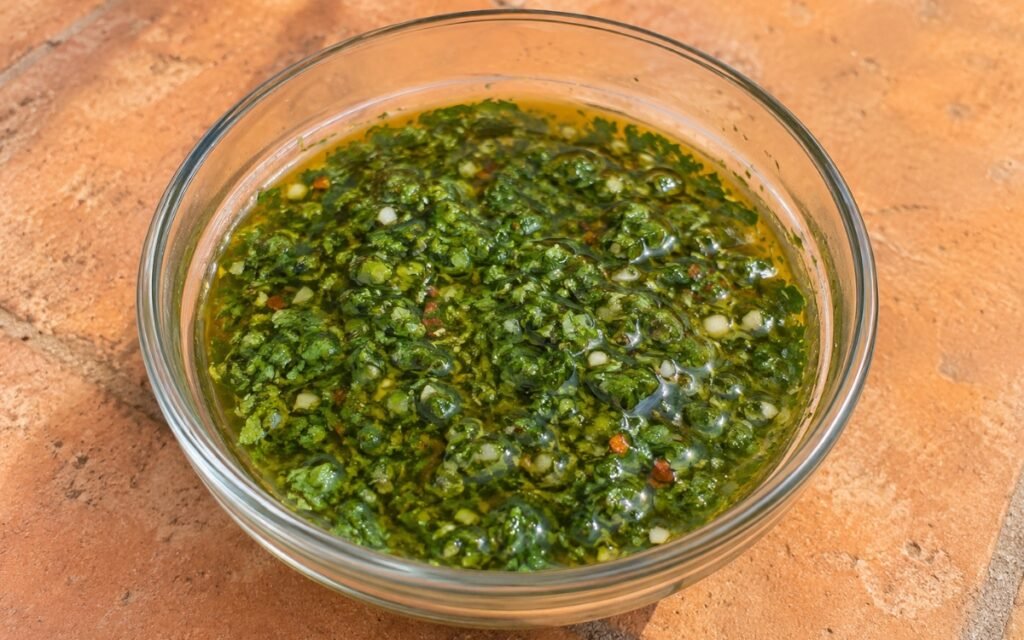
Classic Chimichurri Sauce
Bold parsley, garlic, oregano, and chili blended with olive oil deliver sharp, herbaceous punch and heat.
-
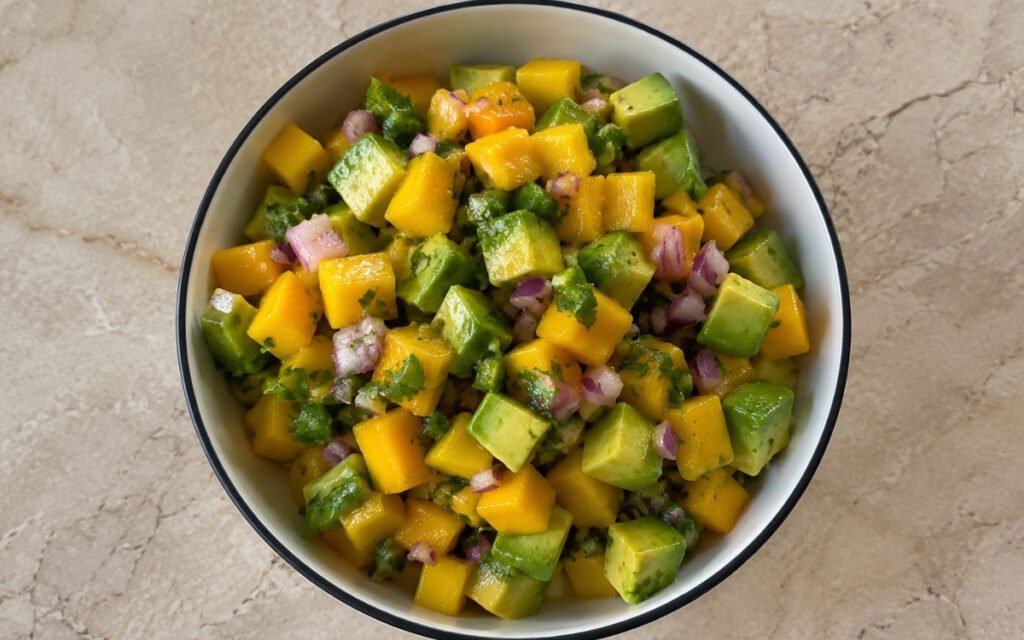
Avocado & Mango Salsa
Sweet mango, creamy avocado, sharp red onion, and jalapeño in a lime-herb dressing — the condiment that makes every Mexican and South American dish taste complete.
-
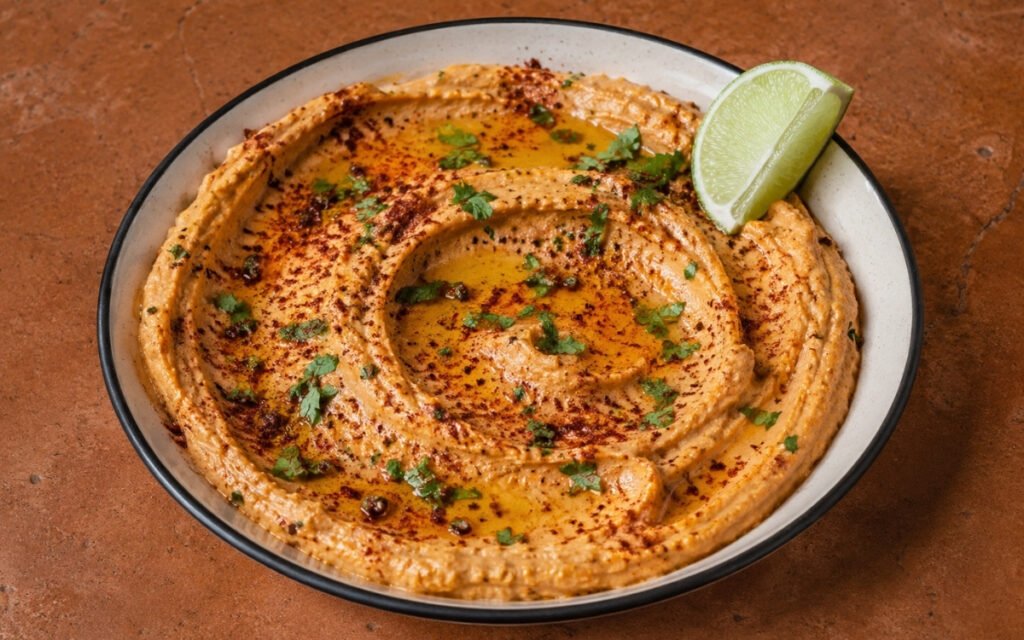
Chipotle and Lime Hummus
Chipotle pepper in adobo and fresh lime blended into the classic hummus base — smoky, warm, and bold, finished with cilantro and sumac.
-
Chili Lime Chicken Rice Bowl
Chili-lime marinated chicken and charred corn over cilantro-lime rice with black beans, avocado, and Greek yogurt crema — vibrant, balanced, 45 minutes.
-
Chili Lime Noodles with Fresh Coriander & Shrimp
Tender noodles coated in glossy chili-lime sauce, with bright citrus acidity, warming chili heat, and a savory finish.
-
Chili Lime Shrimp
Shrimp dried and seared, garlic and chilies added after the flip, glazed in lime honey butter sauce built in the pan. Bright and spicy.