Lebanese Mujadara
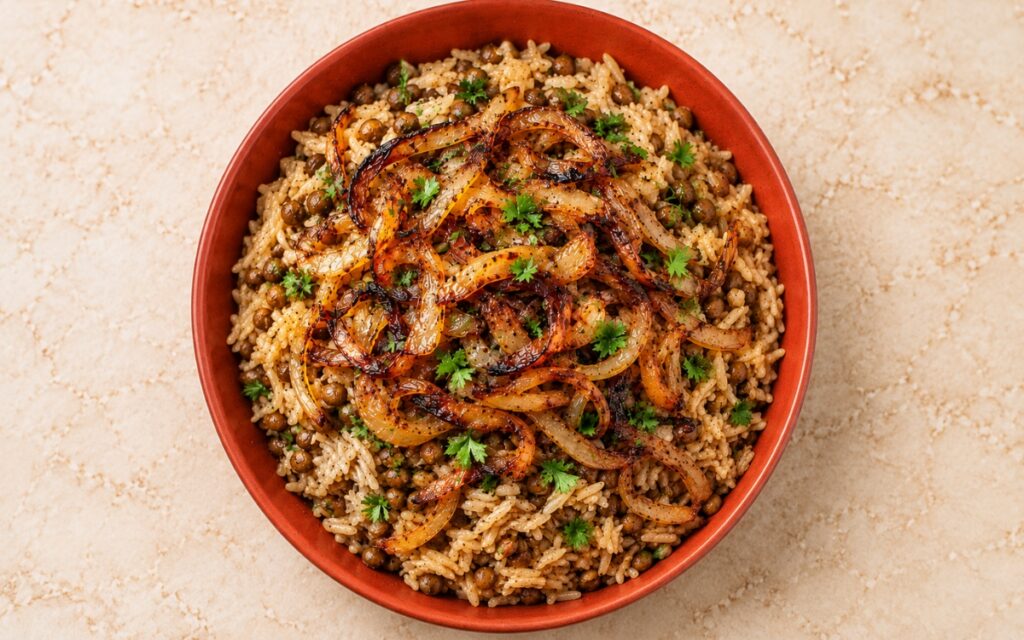
Lebanese mujadara is a substantial dish of tender whole brown lentils and fluffy long-grain rice cooked together in the lentils’ own cooking liquid with cumin and onion-infused olive oil, topped with a generous mound of slowly caramelised, glossy mahogany-brown onion strands, the key being the contrast between earthy, distinct grains and lentils and the sweet, lightly crisp onions above them. Cooking the lentils only until they are 75–80% done and then finishing them together with the rice, rather than boiling them fully soft first, is the technique this whole dish depends on for lentils that stay whole and rice that stays separate — fully cooked lentils collapse into a mush while the rice is still firm, the same stagger-the-cooking principle used elsewhere in this collection whenever two grains share one pot. Caramelising 750g of onions slowly in olive oil is what builds the sweet, deep flavour that carries the plain base. Resting the covered pot for 10 minutes is what lets the steam finish the rice evenly. The payoff is a mujadara with real, humble depth — nutty lentils, fragrant rice, and sweet, smoky onions.
- Prep Time : 20 min
- Total Time : 1 hr 35 min
- Servings : 4
Ingredients
For the Lebanese Rice and Lentils
- 220g whole brown or green lentils, preferably small varieties that retain their shape
- 220g long-grain white rice, preferably basmati
- 1.2L water, for initially cooking the lentils
- 450–480ml reserved lentil cooking liquid, for cooking the rice and lentils together
- 3g ground cumin
- 1g freshly ground black pepper
- 7g fine sea salt, or to taste
- 30ml onion-infused olive oil, taken from the caramelised onions
- About one-third of the prepared caramelised onions
For the Deeply Caramelised Onions
- 750g yellow onions, about 5 large onions
- 100ml extra virgin olive oil
- 3g fine sea salt
- 30–60ml water, only if needed to control browning
For Serving
- All the remaining caramelised onions
- 8–10g fresh flat-leaf parsley, lightly chopped, optional
- A small amount of the reserved onion-infused olive oil, if needed for finishing
Directions
- Par-Cook the Lentils
Spread the lentils on a plate, remove any stones or damaged lentils, then rinse them thoroughly in a fine-mesh sieve under cold running water. Put them in a medium saucepan with the 1.2L water, bring to a gentle boil over medium-high heat, then reduce to a controlled simmer and cook uncovered for 15–20 minutes, depending on the variety. Press a few between your fingers: they should be mostly tender outside but slightly firm in the centre. Drain over a large bowl, reserving the liquid, and measure out 450–480ml for the rice. Stopping early is what keeps the lentils whole when they finish with the rice. - Slice the Onions
Peel the yellow onions, trim the root and stem ends, and cut each in half lengthwise. Lay the halves cut-side down and slice into thin half-moons 3–4mm thick, then separate the layers gently with your fingers and keep the slices as even as possible in a large bowl. The onions should form abundant long, curved strands rather than small diced pieces. Even slices are what let the whole batch caramelise at the same rate without some strands burning while others stay pale. - Caramelise the Onions Slowly
Set a large, wide, heavy skillet over medium heat, warm the 100ml olive oil without letting it smoke, then add the onions and 3g salt and stir until coated. Cook over medium heat for 8–10 minutes, stirring occasionally, until they soften and release moisture, then reduce to medium-low and cook for 20–25 minutes, stirring every few minutes, until pale golden and then medium brown. Stir more often as they darken and continue for another 10–15 minutes until most reach chestnut to deep mahogany, with some thin strands crisp at the tips. If dark residue builds up, add 15–20ml water and scrape. Slow, even heat is what makes sweet, deeply coloured onions instead of bitter ones. - Set Aside the Topping and Infused Oil
Take the skillet off the heat and use a slotted spoon to move about two-thirds of the onions to a plate, spreading them loosely rather than piling them. Leave about one-third in the skillet, and collect about 30ml of the onion-infused olive oil from the pan to cook the rice, leaving the remaining flavoured oil with the onions. Keep the topping uncovered while you prepare the rice. Spreading the onions out is what keeps them from steaming and softening in their own heat. - Rinse the Rice
Put the 220g long-grain rice in a medium bowl, cover with cold water, and gently move the grains with your fingers to release surface starch, then drain the cloudy water. Repeat 3–4 times until the water is noticeably clearer, then tip the rice into a fine-mesh sieve and drain it thoroughly for about 5 minutes. The grains should be clean, well drained, and separate. Rinsing off loose starch is what stops the rice from turning sticky and gluey in the pot. - Build the Rice and Lentil Base
Set a medium heavy-bottomed pot with a tight-fitting lid over medium heat, add the 30ml reserved onion-infused olive oil and the one-third portion of caramelised onions, and stir gently for about 30 seconds. Add the drained rice and stir carefully for 1–2 minutes to coat the grains without breaking them, then add the par-cooked lentils, the cumin, pepper, and 7g salt, and fold together. Pour in 450ml reserved lentil liquid, stir once, and bring to a gentle simmer. Add another 20–30ml only if needed. Coating the rice in the flavoured oil is what keeps the grains distinct. - Simmer the Rice and Lentils Together
When the liquid simmers, reduce the heat to very low, cover with the tight lid, and cook gently for 15–18 minutes without lifting the lid repeatedly or stirring. After about 15 minutes check briefly: the rice should be tender, most of the liquid absorbed, and the lentils fully cooked but rounded. If the rice is still firm and the pot is dry, add 20–30ml hot reserved liquid, cover, and cook 3–5 minutes more. Turn off the heat and leave covered for 10 minutes. Steady covered steam is what cooks both grains evenly. - Fluff and Adjust
Remove the lid, let the excess steam escape briefly, and gently fluff the rice and lentils with a fork or wide paddle, working from the edges towards the centre and lifting rather than stirring. Separate any compacted portions without crushing the lentils, then taste and adjust the salt, cumin, and pepper. If the mixture seems slightly dry, fold in a small drizzle of the reserved onion-infused olive oil and keep it warm until serving. It should look fluffy, beige-brown, and moist but not wet. Lifting rather than stirring is what keeps the grains separate. - Refresh the Onion Topping
Check the reserved onions: if they have cooled considerably, warm them in a skillet over medium-low heat for 1–2 minutes, stirring gently, until they regain a glossy sheen. If you like, raise the heat for the final 30–60 seconds to refresh the lightly crisp edges, and remove them immediately before any begin to burn, keeping the long strands intact. Reheating just before serving is what restores the glossy sheen and the crisp tips that cooling softens. - Assemble and Serve
Divide the rice and lentil mixture between four warm, shallow bowls, spooning it into generous, slightly irregular mounds without compressing the grains so that lentils remain visible. Divide the reserved onions into four portions and place them prominently over the centre of each bowl, letting long strands curl across the surface and some darker, crisp edges show. Scatter over only a small amount of chopped parsley, finish with a very light drizzle of onion-infused oil if needed, and serve warm. Building the mound loosely is what keeps the rice fluffy and the onions on top.
*Notes :
- Partially cooking the lentils deserves genuine recognition as the technique most directly responsible for a mujadara with distinct, whole lentils instead of a mush. Lentils take longer than white rice to soften, so stopping them at about 75–80% done and finishing them in the rice pot lets both reach tenderness at the same moment while the lentil skins stay intact.
- Keeping the lentil cooking liquid deserves the same attention this technique receives throughout this collection’s other dishes that cook grains in a flavoured stock. The liquid carries a natural light brown tint and a subtle earthiness from the lentils, so cooking the rice in it gives the whole pot colour and flavour without any artificial additions.
- Caramelising a generous 750g of onions deserves genuine respect as the detail most directly responsible for the sweet, deep flavour that defines mujadara. The onions must travel from pale gold through chestnut to mahogany over low, patient heat, because rushing them leaves them pale and raw-tasting or scorches them into bitter black strands that ruin the oil.
- Resting the covered pot for 10 minutes deserves attention as a genuine, checkable readiness step rather than a loose approximation. The grains are almost done when the heat is switched off, so the trapped steam finishes the rice evenly and lets it firm up slightly, which is why lifting the lid early leaves the base wet and uneven.
Why This Recipe Works
This recipe works because the pot and the onions are each timed for their own texture. Lentils stopped at 75–80% done finish alongside rice cooked in their own flavourful liquid, so both stay tender and separate. A third of the caramelised onions and their oil flavour the base from the start, while the remaining two-thirds stay glossy and lightly crisp for the top. Cumin is kept restrained, so the earthy lentils, sweet onions, and olive oil lead, and a covered rest finishes the steam. The result is a moist, hearty, naturally cohesive dish in which every grain, lentil, and onion strand stays distinct.
Ingredient Breakdown
Whole Brown or Green Lentils (220g)
The structural foundation — small whole lentils keep their shape and give the dish an earthy, nutty body.
Basmati Long-Grain Rice (220g)
The structural partner — long grains stay separate and fluffy when cooked in the savoury lentil liquid.
Slowly Caramelised Onions (750g)
The defining flavour ingredient — abundant slow-cooked onions give the sweetness, colour, and aroma that carry the whole dish.
Reserved Lentil Cooking Liquid
The flavour foundation — it tints the rice light brown and adds earthy lentil flavour to every grain.
Onion-Infused Olive Oil
The finishing technique — the oil left from caramelising carries onion sweetness and a subtle sheen through the rice.
Restrained Cumin
The balancing spice — a small amount adds warmth without hiding the lentils, rice, and onions.
Flavor Structure Explained
This Lebanese mujadara follows a layered balance model:
- Earthy, nutty foundation (whole brown lentils)
- Fluffy, neutral body (basmati rice cooked in lentil liquid)
- Sweet, deep topping (slowly caramelised onion strands)
- Warm, subtle spice (cumin and black pepper)
- Fresh, green accent (a light scattering of flat-leaf parsley)
Whole brown lentils give the dish an earthy, nutty foundation, and basmati rice cooked in the lentil liquid provides a fluffy, neutral body that carries the flavour of the pot. Slowly caramelised onion strands supply a sweet, deep topping with crisp edges that contrasts with the soft grains, while cumin and black pepper add a subtle, warm spice. A very light scattering of parsley gives a fresh green accent that ties this Lebanese mujadara together.
Common Mistakes to Avoid
- Boiling the Lentils Fully Soft – This makes them collapse into mush while the rice is still firm. Always stop at 75–80% cooked, with a slightly firm centre.
- Rushing the Onions – This leaves them pale or burns them black and bitter. Always cook them slowly to chestnut and mahogany, stirring more as they darken.
- Skipping the Rice Rinse – This leaves loose starch that makes the rice gluey and sticky. Always rinse 3–4 times and drain thoroughly before cooking.
- Stirring the Pot While It Simmers – This breaks the grains and turns the rice sticky. Always cook it covered on very low heat and do not stir or lift the lid repeatedly.
- Serving Cold Onions – This leaves them limp and dull instead of glossy and crisp. Always warm the topping in a skillet before it goes on the rice.
Variations
Green Lentil Version
Use whole green lentils in place of the brown, which the recipe allows, for a slightly peppery flavour while the par-cooking, rice, and onion method stay unchanged.
Room-Temperature Version
Serve the mujadara at room temperature, as it is also enjoyed, which gives a milder, more settled flavour but less of the glossy warm-onion presentation.
Other Long-Grain Rice Version
Use another long-grain white rice in place of the basmati, adjusting the cooking liquid slightly for the variety, which gives a softer grain with the same balance of lentils and onions.
Extra-Crisp Onion Version
Raise the heat briefly for the last 30–60 seconds when refreshing the topping to crisp the edges further, which adds crunch and a smokier note over the soft rice.
Storage & Make-Ahead
The lentils can be par-cooked and the onions caramelised earlier in the day and refrigerated in covered containers if you are not continuing promptly, then the rice and lentils finished close to serving time.
Refrigerate cooked mujadara promptly in shallow airtight containers and eat it within 3 days, because the cooked rice should be cooled rapidly rather than left at room temperature for an extended period.
Reheat thoroughly until the mujadara is steaming hot, adding a small splash of water, covering the pot, and warming gently so the rice and lentils soften again without drying out or sticking.
Reheat the caramelised onions separately in a skillet to restore their glossy texture and lightly crisp edges, and then spoon them over the warm rice and lentils just before serving.
Serve the mujadara warm or at room temperature, since both are traditional, although the glossy onion topping is at its best when the rice and lentils underneath are still warm.
Frequently Asked Questions
Why are the lentils only partially cooked before the rice is added?
Lentils need longer than rice, so stopping them at 75–80% done lets both finish together in the pot, leaving whole, tender lentils and separate rice grains rather than mush.
Why is the lentil cooking liquid used for the rice?
It carries earthy flavour and a natural light brown tint from the lentils, so the rice absorbs both as it cooks, giving the dish depth and colour without added ingredients.
Why are the onions cooked so slowly?
Gentle heat lets the sugars in the onions caramelise gradually from pale gold to deep mahogany, giving sweetness without bitterness, whereas fast heat burns the edges before the centres soften.
Why is the pot rested covered for 10 minutes?
The rice is nearly done when the heat is turned off, so the trapped steam finishes cooking it evenly and lets the grains firm up, keeping the mujadara fluffy rather than wet.
Are there other classic lentil, rice, or Lebanese dishes worth trying?
Red Lentil Dal Tadka and Traditional Turkish Kuru Fasulye both offer other classic lentil and legume directions worth exploring, and Greek Lemon Rice is also worth trying for another simple, fragrant rice. Lebanese Chicken Shawarma Rice Bowl is another Lebanese rice dish, while Lebanese Fattoush Salad is a fresh Lebanese salad that suits the same table.
Nutrition Facts
( Per Serving — 1 bowl with onion topping )
- Calories
- ~640 kcal
- Protein
- 20 g
- Fat
- 20 g
- Carbs
- 94 g
-

Vegetable Biryani
Classical-style vegetable biryani with basmati rice layered over a thick yogurt-spiced vegetable masala, fried onions, herbs, and saffron milk, finished on dum.
-
Dal Makhani
Classical-style dal makhani with whole black lentils and kidney beans, slow-cooked into a thick, velvety, creamy dal with butter and cream.
-
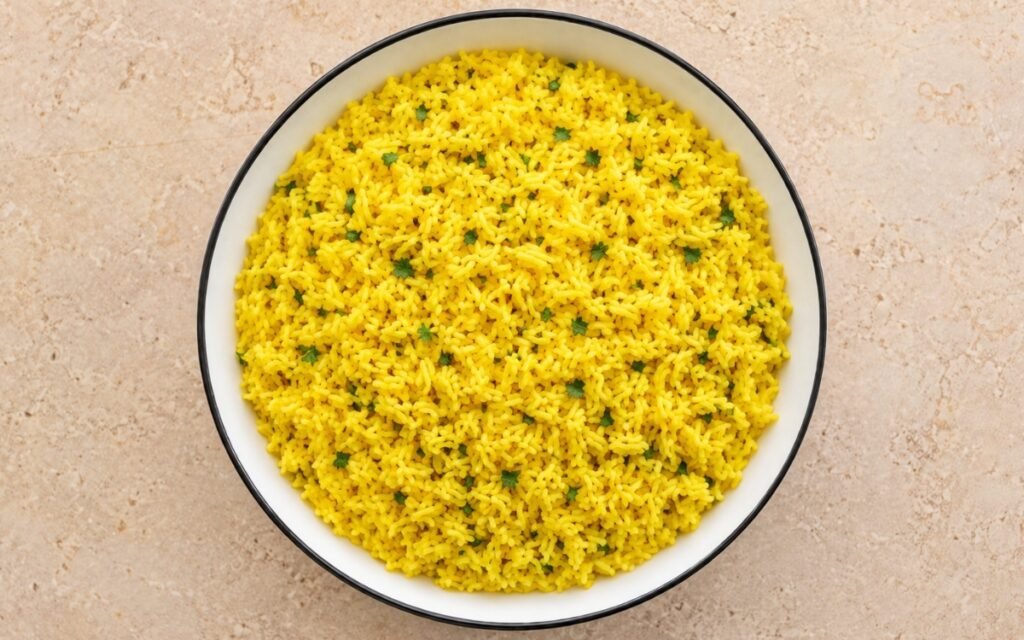
Garlic Turmeric Yellow Rice
Fluffy golden long-grain rice with garlic, bloomed turmeric and cumin, finished with melted butter and fresh parsley.


-
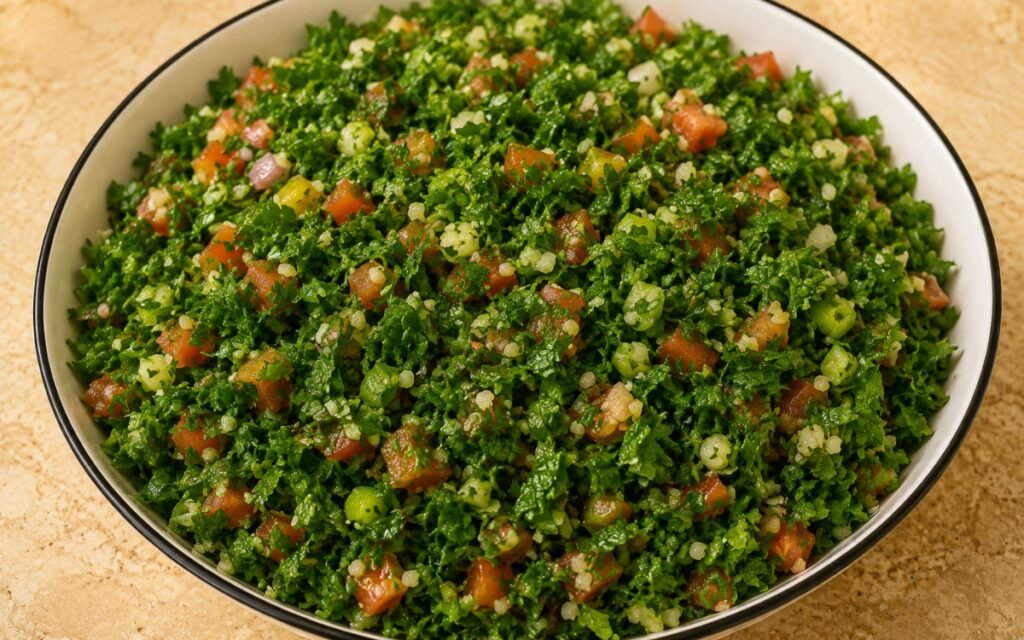
Classic Tabbouleh Salad
Authentic parsley-forward tabbouleh with bulgur, fresh mint, tomatoes, cucumber, and lemon dressing.
-
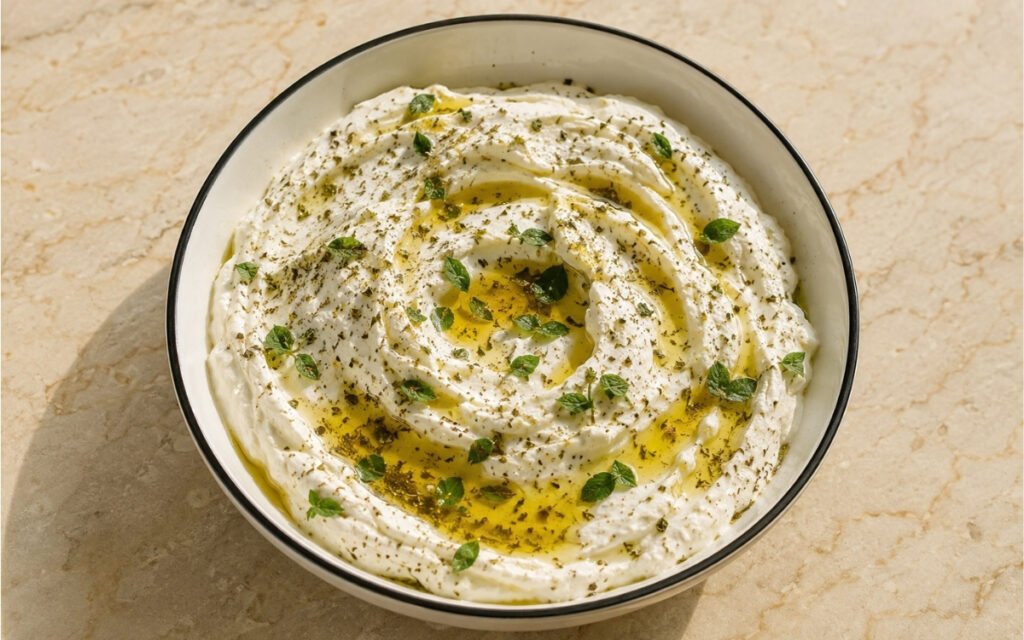
Authentic Labneh
Whole milk yogurt and salt strained through cheesecloth for 24–48 hours — the most effort-to-reward preparation in the collection, finished with olive oil and za’atar or sumac.
-
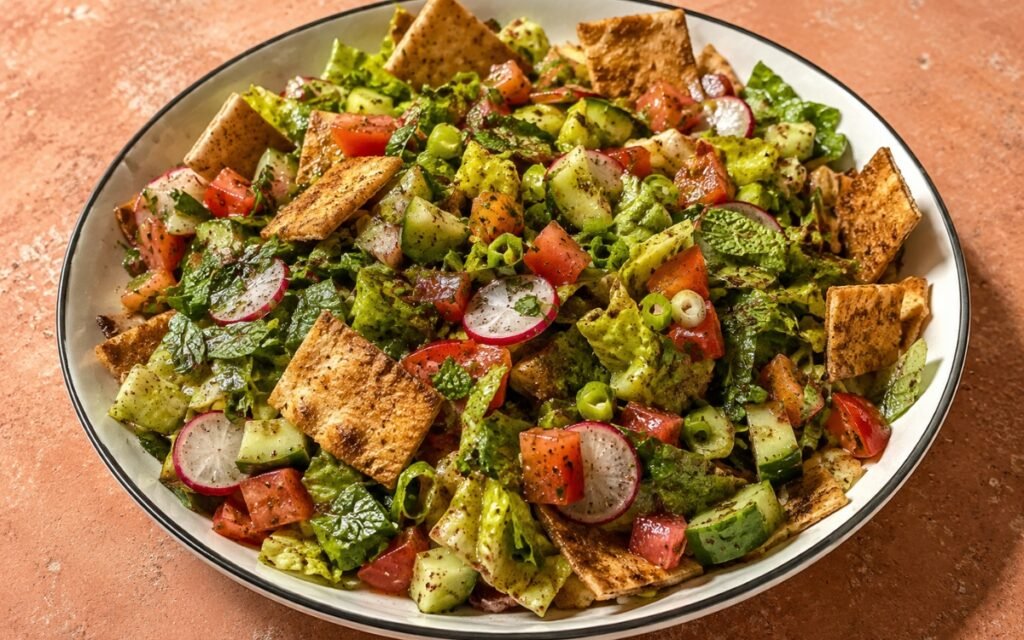
Lebanese Fattoush Salad
Crispy pita bread salad with fresh vegetables, herbs, and tangy sumac pomegranate dressing.