
Lebanese Fattoush Salad
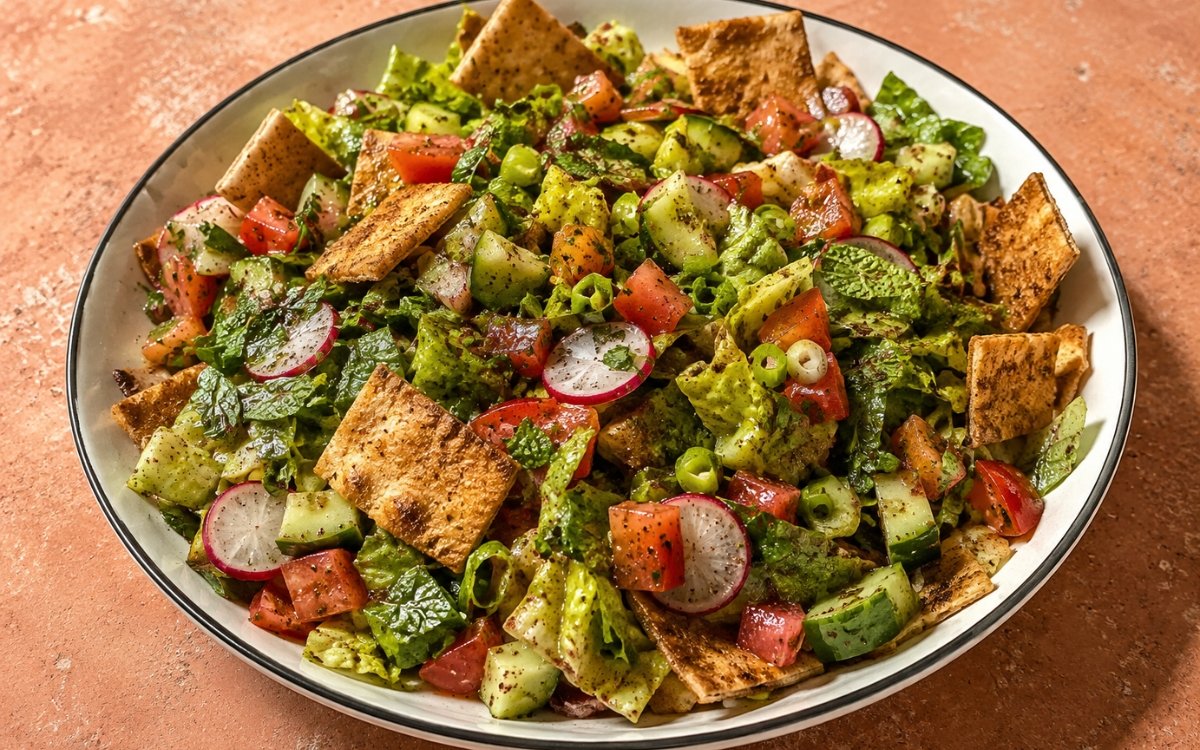
A vibrant Middle Eastern bread salad featuring crisp vegetables, toasted pita chips, and a tangy sumac dressing. This refreshing Lebanese classic combines romaine lettuce, tomatoes, cucumbers, and radishes with aromatic herbs and a zesty pomegranate molasses vinaigrette.
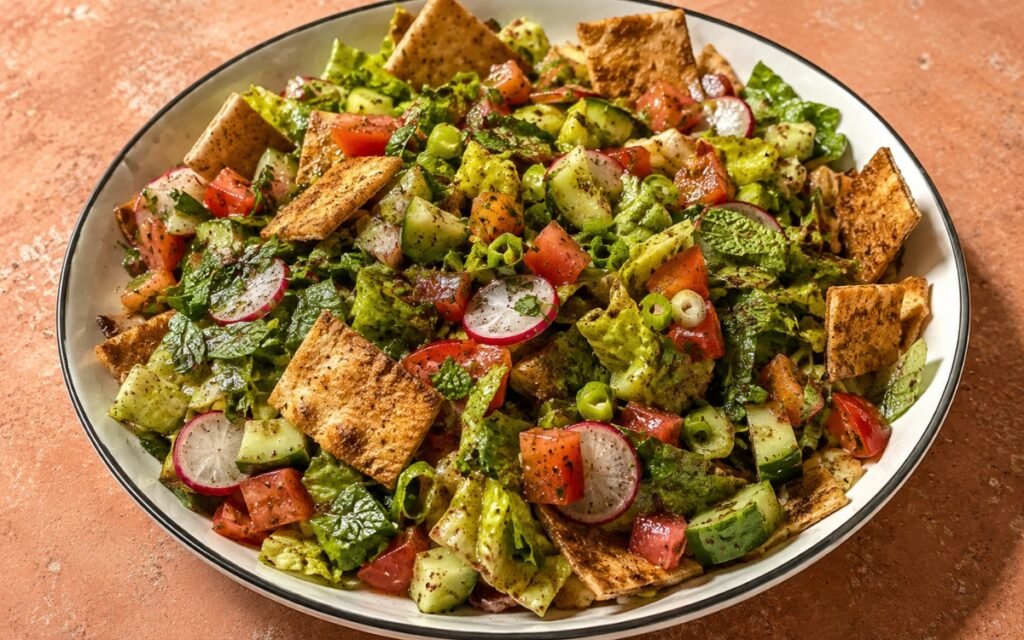
Prep Time : 15 min
Cook Time : 5 min
Servings : 4
15 min
5 min
4
Ingredients
For the Salad
• 2 whole wheat pita breads, cut into squares
• 4 cups chopped romaine lettuce
• 2 medium tomatoes, diced
• 1 large cucumber, diced
• 4 radishes, thinly sliced
• 3 spring onions, chopped
• 1/2 cup fresh parsley, chopped
• 1/4 cup fresh mint, chopped
• 100g purslane leaves (optional)
For the Sumac Dressing
• 3 tablespoons lemon juice
• 2 tablespoons extra virgin olive oil — this one on Amazon
• 1 tablespoon pomegranate molasses — this one on Amazon
• 2 teaspoons sumac
• 1 clove garlic, minced
• 1/2 teaspoon salt
• 1/4 teaspoon black pepper
This post may contain affiliate links. As an Amazon Associate I earn from qualifying purchases, at no additional cost to you.
Directions
- Prepare and Toast the Pita Chips
Preheat the oven to 180°C (356°F). Using a sharp knife or kitchen scissors, cut the whole wheat pita breads into 2–3 cm squares. Spread the pieces evenly on a baking sheet in a single layer so they toast evenly rather than steam. If desired, lightly drizzle with a small amount of olive oil and toss to coat, which helps the pita develop deeper color and crispness. Bake for 4–6 minutes, stirring once halfway through, until the pita pieces turn golden and crisp around the edges. Remove the tray from the oven and allow the pita chips to cool completely. As they cool they will firm up further and become crunchy. - Prepare the Romaine Lettuce
Separate the romaine leaves and rinse them thoroughly in a bowl of cold water to remove any dirt or grit trapped in the folds of the leaves. Lift the lettuce from the water and dry it completely using a salad spinner or clean kitchen towel. Chop the lettuce into bite-sized pieces about 3–4 cm wide and place them in a large salad bowl that allows enough room to toss the salad easily. - Dice the Tomatoes
Wash the tomatoes and pat them dry. Using a sharp knife, dice them into small cubes roughly 1 cm in size. If the tomatoes are particularly juicy, remove some of the seed pulp so the salad does not become watery. Place the diced tomatoes into the bowl with the lettuce. - Prepare the Cucumber
Wash the cucumber and trim the ends. Dice it into cubes similar in size to the tomatoes so the salad remains balanced in texture. If the cucumber has large seeds, slice it lengthwise and remove the seeds before dicing. Add the prepared cucumber to the bowl. - Slice the Radishes
Wash the radishes thoroughly and trim the stem ends. Slice them very thinly, preferably using a mandoline or sharp knife. Thin slices add crisp texture and peppery flavor without overwhelming the other vegetables. Add the radishes to the bowl. - Prepare the Spring Onions
Trim the root ends from the spring onions and slice them thinly, including both the white and light green portions. Thin slicing ensures the onion flavor distributes evenly throughout the salad. Add them to the bowl with the other vegetables. - Prepare the Fresh Herbs
Rinse the parsley and mint thoroughly and dry them completely. Remove any thick stems and chop the leaves roughly but evenly so they disperse throughout the salad. Parsley provides bright herbal freshness while mint adds a cooling aromatic lift. Add the herbs to the bowl. - Add Purslane (Optional)
If using purslane, rinse the leaves and stems thoroughly and pat dry. Remove any tough stems and add the tender leaves and smaller stems directly to the salad bowl. Purslane adds a slightly tangy flavor and succulent texture typical of traditional Lebanese fattoush. - Prepare the Sumac Dressing
In a small bowl combine the fresh lemon juice, extra virgin olive oil, pomegranate molasses, sumac, minced garlic, salt, and black pepper. Whisk vigorously for about 20 seconds until the mixture emulsifies slightly and becomes well combined. The dressing should taste bright, tangy, and slightly fruity from the pomegranate molasses. - Combine the Salad
Gently toss the lettuce, vegetables, and herbs together so the ingredients are evenly distributed before dressing. This ensures every bite contains a balanced mixture of textures and flavors. - Add the Dressing
Pour the prepared dressing over the salad and toss thoroughly but gently until all vegetables are lightly coated. - Add the Pita Chips
Just before serving, add the cooled toasted pita chips to the bowl and toss lightly once or twice. Adding the pita at the last moment keeps them crisp and prevents them from absorbing too much dressing. - Serve Immediately
Transfer the salad to a large serving platter or individual bowls and serve immediately. Fattoush is best enjoyed fresh while the vegetables remain crisp and the pita chips maintain their crunch.
*Notes :
- Fattoush is a traditional Levantine bread salad that transforms leftover pita bread into a crisp topping for fresh vegetables.
- Sumac is a key ingredient that provides the salad’s distinctive tangy flavor. It contributes a citrus-like acidity that complements the lemon dressing and fresh herbs.
- Pomegranate molasses adds depth and slight sweetness that balances the acidity of the lemon juice and sumac.
- The pita chips should always be added at the last moment to prevent them from becoming soggy.
- Fresh herbs are essential to authentic fattoush, particularly parsley and mint, which provide aromatic freshness.
Why This Recipe Works
This recipe works because it balances crisp vegetables, bright acidity, and crunchy texture.
Romaine lettuce provides structure, while tomatoes and cucumbers add juiciness and freshness. Radishes introduce a peppery bite that contrasts with the sweetness of pomegranate molasses.
The toasted pita chips add crunch and transform the salad into a satisfying dish.
Ingredient Breakdown
Romaine Lettuce
Provides crisp structure and mild flavor that supports the dressing.
Tomatoes
Add juiciness and subtle sweetness.
Cucumber
Contributes refreshing crunch and hydration.
Radishes
Bring peppery sharpness and crisp texture.
Parsley
Adds fresh herbal brightness.
Mint
Provides cooling aromatic notes.
Pita Bread
Creates crunchy texture and makes the salad more substantial.
Sumac
Introduces citrus-like tanginess characteristic of Middle Eastern cuisine.
Pomegranate Molasses
Adds fruity acidity and subtle sweetness.
Flavor Structure Explained
The flavor structure of fattoush is built on bright acidity, herbal freshness, and crunchy contrast.
Lemon juice and sumac deliver sharp citrus acidity, while pomegranate molasses adds depth and sweetness. Fresh herbs bring aromatic brightness, and toasted pita chips introduce satisfying crunch.
Common Mistakes to Avoid
- Adding Pita Too Early – Pita chips should be added just before serving to prevent them from becoming soggy.
- Using Wet Vegetables – Excess moisture dilutes the dressing and softens the pita chips.
- Skipping the Sumac – Sumac provides the signature tangy flavor essential to authentic fattoush.
- Cutting Vegetables Too Large – Small, evenly sized pieces create the best balance of textures.
Variations
Grilled Chicken Fattoush
Add sliced grilled chicken for a more substantial meal.
Chickpea Fattoush
Add cooked chickpeas for additional protein and texture.
Spicy Variation
Add a pinch of Aleppo pepper or chili flakes to the dressing.
Herb-Heavy Version
Increase parsley and mint for a greener, more aromatic salad.
Storage & Make-Ahead
The chopped vegetables and dressing can be prepared up to 24 hours in advance and stored separately in the refrigerator.
Pita chips should always be toasted fresh or stored separately to maintain crispness.
Once assembled and dressed, the salad is best eaten immediately.
Freezing is not recommended.
Frequently Asked Questions
What is purslane?
Purslane is a leafy succulent herb commonly used in Middle Eastern salads. It has a slightly tangy flavor and crisp texture.
Can I make fattoush without pomegranate molasses?
Yes. You can substitute a small amount of extra lemon juice with a pinch of sugar to mimic the sweet-tart balance.
What type of pita works best?
Whole wheat or traditional Arabic pita breads work well because they toast into crisp chips.
Can fattoush be made ahead of time?
The vegetables and dressing can be prepared ahead, but the pita chips should be added right before serving.
Nutrition Facts
( per serving )
Calories
~165 kcal
Protein
5 g
Fat
8 g
Carbs
21 g
Calories
~165 kcal
Protein
5 g
Fat
8 g
Carbs
21 g
Related Recipes
Related Recipes

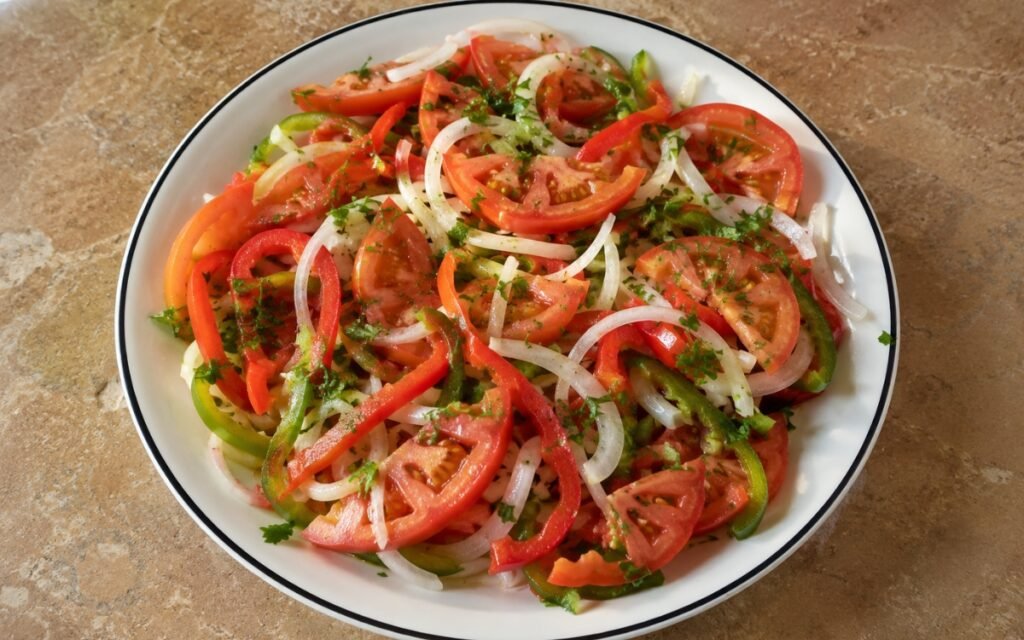
Authentic Argentine Criolla Salad
Classic Argentine salad with sliced tomatoes, onions, and peppers dressed in olive oil and vinegar.
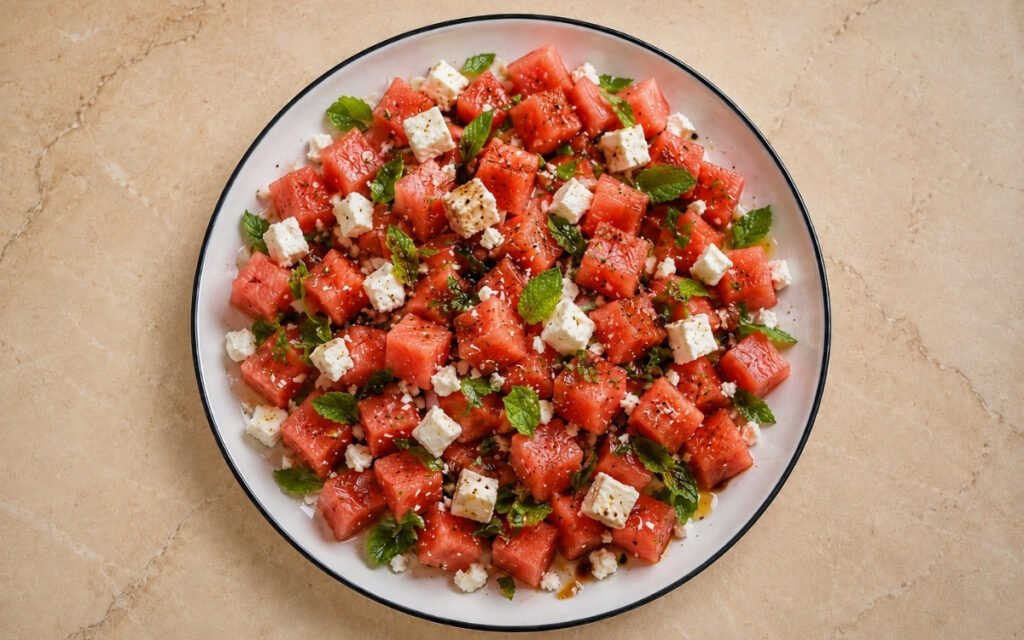
Watermelon Feta Salad
Sweet watermelon, salty feta, fresh mint, and honey-lime-balsamic dressing — the freshest summer salad built entirely on contrast, ready in 10 minutes.
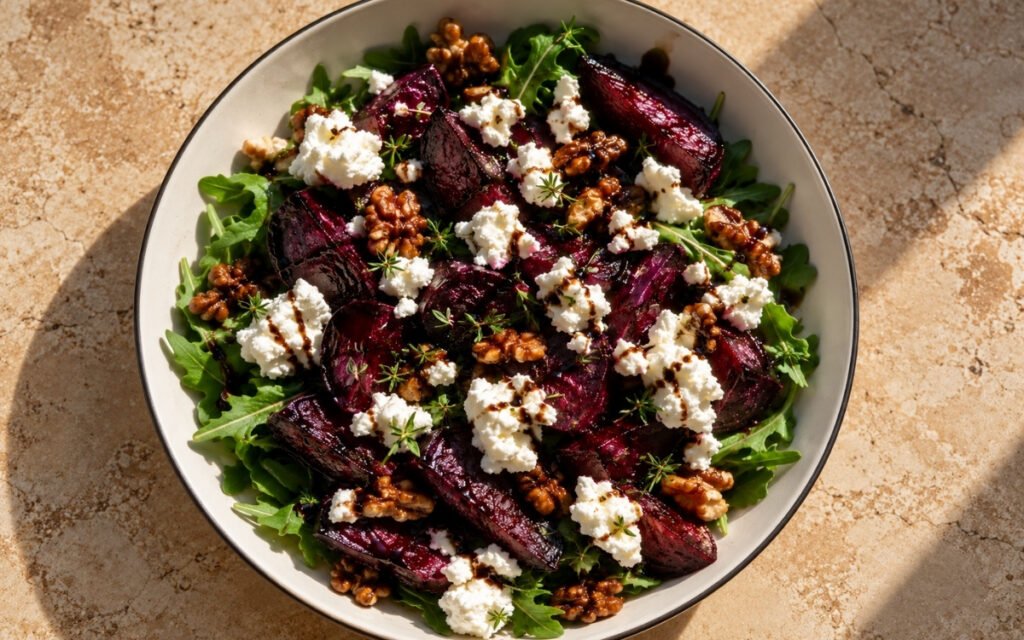
Roasted Beetroot and Goat Cheese Salad
Deep caramelized beet wedges with peppery rocket, creamy goat cheese, candied walnuts, thyme, and a dark balsamic reduction.
You might also like
You might also like
Tomato Basil Virgin Mary Mocktail
Ripe tomatoes blended with celery, fresh basil, lemon, and seasoning — gently strained, chilled, served over ice with celery and cracked black pepper.
Whipped Feta with Spiced Honey
Silky whipped feta with warm Aleppo pepper and garlic-infused honey, olive oil, lemon, and a sprinkle of chili.
Honey Lemonade
Fresh lemon juice and honey-infused lemon zest combined with cold water for a simple, golden lemonade.


Lebanese Fattoush Salad
Ingredients
Method
- Preheat the oven to 180°C (356°F). Using a sharp knife or kitchen scissors, cut the whole wheat pita breads into 2–3 cm squares. Spread the pieces evenly on a baking sheet in a single layer so they toast evenly rather than steam. If desired, lightly drizzle with a small amount of olive oil and toss to coat, which helps the pita develop deeper color and crispness. Bake for 4–6 minutes, stirring once halfway through, until the pita pieces turn golden and crisp around the edges. Remove the tray from the oven and allow the pita chips to cool completely. As they cool they will firm up further and become crunchy.
- Separate the romaine leaves and rinse them thoroughly in a bowl of cold water to remove any dirt or grit trapped in the folds of the leaves. Lift the lettuce from the water and dry it completely using a salad spinner or clean kitchen towel. Chop the lettuce into bite-sized pieces about 3–4 cm wide and place them in a large salad bowl that allows enough room to toss the salad easily.
- Wash the tomatoes and pat them dry. Using a sharp knife, dice them into small cubes roughly 1 cm in size. If the tomatoes are particularly juicy, remove some of the seed pulp so the salad does not become watery. Place the diced tomatoes into the bowl with the lettuce.
- Wash the cucumber and trim the ends. Dice it into cubes similar in size to the tomatoes so the salad remains balanced in texture. If the cucumber has large seeds, slice it lengthwise and remove the seeds before dicing. Add the prepared cucumber to the bowl.
- Wash the radishes thoroughly and trim the stem ends. Slice them very thinly, preferably using a mandoline or sharp knife. Thin slices add crisp texture and peppery flavor without overwhelming the other vegetables. Add the radishes to the bowl.
- Trim the root ends from the spring onions and slice them thinly, including both the white and light green portions. Thin slicing ensures the onion flavor distributes evenly throughout the salad. Add them to the bowl with the other vegetables.
- Rinse the parsley and mint thoroughly and dry them completely. Remove any thick stems and chop the leaves roughly but evenly so they disperse throughout the salad. Parsley provides bright herbal freshness while mint adds a cooling aromatic lift. Add the herbs to the bowl.
- If using purslane, rinse the leaves and stems thoroughly and pat dry. Remove any tough stems and add the tender leaves and smaller stems directly to the salad bowl. Purslane adds a slightly tangy flavor and succulent texture typical of traditional Lebanese fattoush.
- In a small bowl combine the fresh lemon juice, extra virgin olive oil, pomegranate molasses, sumac, minced garlic, salt, and black pepper. Whisk vigorously for about 20 seconds until the mixture emulsifies slightly and becomes well combined. The dressing should taste bright, tangy, and slightly fruity from the pomegranate molasses.
- Gently toss the lettuce, vegetables, and herbs together so the ingredients are evenly distributed before dressing. This ensures every bite contains a balanced mixture of textures and flavors.
- Pour the prepared dressing over the salad and toss thoroughly but gently until all vegetables are lightly coated.
- Just before serving, add the cooled toasted pita chips to the bowl and toss lightly once or twice. Adding the pita at the last moment keeps them crisp and prevents them from absorbing too much dressing.
- Transfer the salad to a large serving platter or individual bowls and serve immediately. Fattoush is best enjoyed fresh while the vegetables remain crisp and the pita chips maintain their crunch.