
Sourdough Garlic Bread
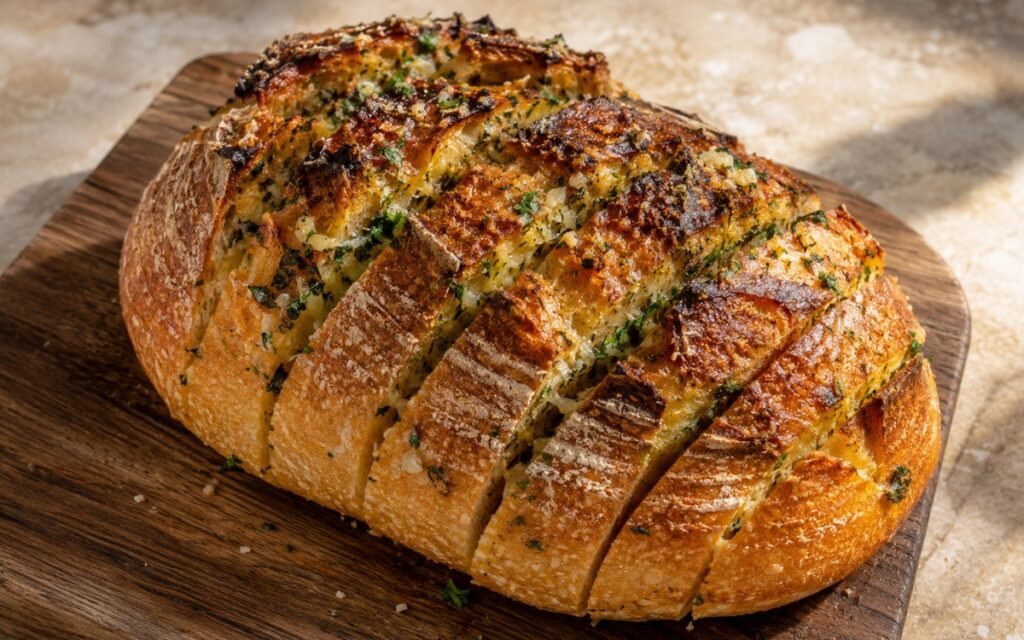
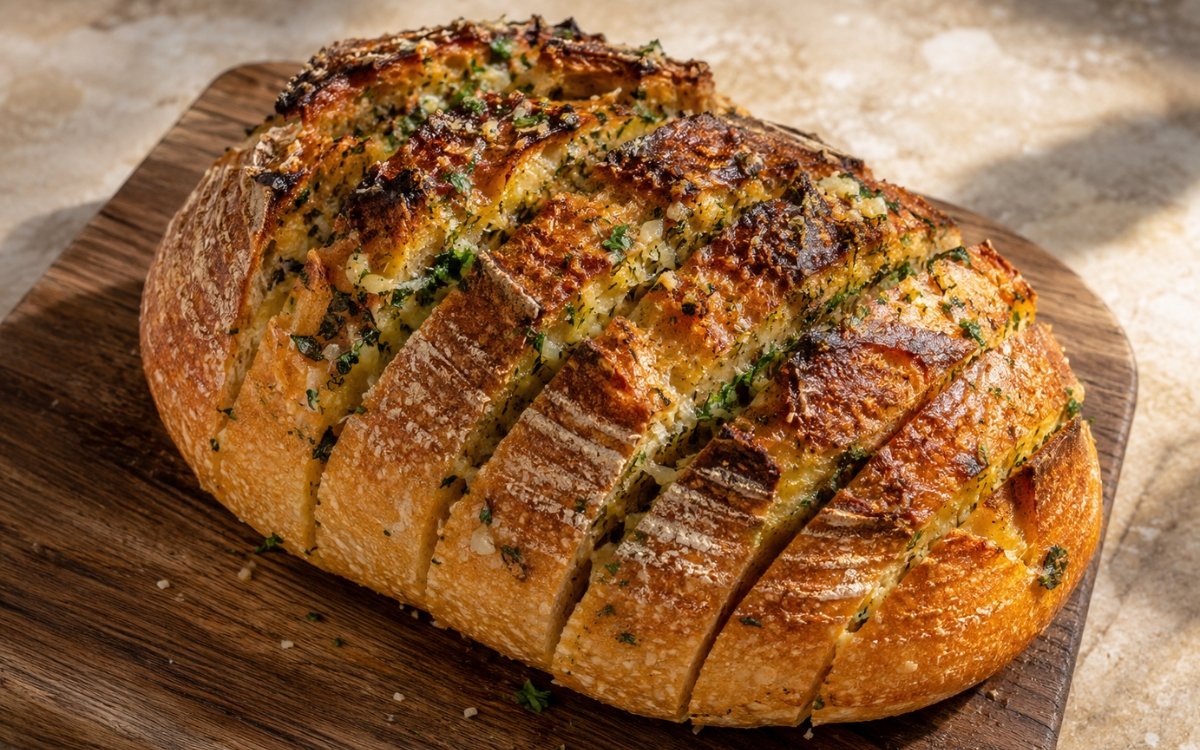
Sourdough Garlic Bread takes crusty sourdough bread generously slathered with garlic herb butter and toasts it until golden, creating the ultimate garlic bread experience. The tangy sourdough provides the perfect canvas for rich, aromatic butter that seeps into every crevice, delivering crispy edges and a soft, flavorful interior. Ensuring the butter is genuinely, fully softened before mixing matters more than it might seem — butter that’s even slightly firm tears the bread’s crumb as you try to spread it, especially against sourdough’s characteristically open, holey structure, while properly soft butter glides on evenly and works its way into every crevice. The two-stage baking approach mirrors the fat-basting technique used throughout this collection’s meat preparations, adapted here for bread: wrapping loosely in foil for the first stage traps just enough steam to let the butter fully melt and soak into the bread’s interior, while the final unwrapped stage develops genuine crisp, golden edges that the covered stage alone could never produce. The result is bread that’s soft and butter-soaked throughout its interior while still delivering the crisp, golden crust that separates real garlic bread from a merely buttered slice.
Prep Time : 10 min
Cook Time : 12 min
Servings : 4
10 min
12 min
4
Ingredients
For the Garlic Butter
• 115g unsalted butter, softened — this one on Amazon
• 6 cloves garlic, minced (about 18g)
• 20g fresh parsley, finely chopped
• 5g fresh basil, finely chopped
• 3g sea salt
• 1g black pepper
• 2g red pepper flakes (optional)
• 30g Parmesan cheese, finely grated — this one on Amazon
For the Bread
1 large sourdough loaf (about 450g)
This post may contain affiliate links. As an Amazon Associate I earn from qualifying purchases, at no additional cost to you.
Directions
- Make Garlic Butter
Preheat oven to 200°C (400°F). In a bowl, mix the 115g softened butter with the 18g garlic, 20g parsley, 5g basil, 3g salt, 1g black pepper, 2g red pepper flakes (optional), and 30g Parmesan until fully uniform, working it thoroughly with a spatula or fork so no streaks of unmixed butter remain. Make sure the butter is truly soft so it spreads easily without tearing the bread — if it’s still cool and firm from the refrigerator, let it sit at room temperature a bit longer before proceeding, since rushing this stage with underprepared butter will make the next step noticeably harder and less even. - Prepare the Bread
Cut the 450g sourdough loaf in half horizontally for two large pieces. For pull-apart style, slice into 2.5cm slices without cutting through the bottom crust so the loaf holds together, working with a sharp, serrated bread knife and a gentle sawing motion to avoid crushing the loaf’s structure as you cut. - Spread and Wrap
Spread the garlic butter generously over the cut surfaces, all the way to the edges, and between slices if using the pull-apart method, making sure every exposed crevice gets a genuine coating rather than just the most accessible flat surfaces. Wrap the bread loosely in foil — loose enough to allow a little steam circulation, but sealed enough to keep the interior soft and prevent drying, since a too-tight wrap traps excessive moisture while a too-loose one lets the interior dry out before the butter has fully melted in. - Bake and Serve
Bake the foil-wrapped bread on a baking sheet for 10 minutes so the butter melts and soaks in. Unwrap and bake 2–3 minutes more until edges are golden and crisp and the butter is bubbling. Slice or portion and serve immediately while hot.
*Notes :
- Ensuring the butter is genuinely soft before mixing, rather than just cool-but-workable, is worth the extra few minutes it might take. Sourdough’s characteristically open, irregular crumb structure means firm, unspreadable butter tends to tear and drag at the bread’s surface rather than gliding on evenly, and an uneven butter application directly translates into uneven flavor and browning once the bread bakes.
- The two-stage baking sequence — foil-wrapped first, unwrapped second — is specifically what allows this recipe to achieve both a soft, fully butter-soaked interior and a genuinely crisp, golden exterior in the same piece of bread. Skipping the foil-wrapped stage would leave the interior underdeveloped, since the butter wouldn’t have enough contained heat and time to fully melt and penetrate; skipping the unwrapped finishing stage would leave the bread soft throughout without the crisp edges garlic bread is specifically known for.
- Working the garlic butter into every crevice, rather than just spreading it across the most visible flat surfaces, matters particularly for the pull-apart slicing method, where the cuts create considerably more surface area than a simple halved loaf. Missing those interior cuts leaves noticeably plain, unbuttered bites throughout the finished loaf.
Why This Recipe Works
This recipe works because genuinely softened butter spreads evenly without tearing sourdough’s open crumb structure. Thorough coating into every crevice, especially with the pull-apart slicing method, ensures consistent flavor throughout.
The two-stage baking sequence — covered, then uncovered — allows the butter to fully melt and soak into the bread’s interior before the final stage develops genuine crisp, golden edges. And serving immediately while hot preserves that textural contrast at its peak.
Ingredient Breakdown
Sourdough Bread
The foundation — a tangy, open-crumbed base that specifically benefits from thorough, even butter penetration.
Genuinely Softened Butter
The spreading requirement — cool or firm butter tears sourdough’s structure rather than gliding on evenly.
Garlic, Parsley, Basil, Parmesan
The flavor blend — savory, herbaceous, and umami-rich, fully incorporated into the butter.
Two-Stage Baking (Wrapped, Then Unwrapped)
The defining technique — soft, saturated interior followed by crisp, golden edges.
Flavor Structure Explained
This Sourdough Garlic Bread follows a rich textural balance model:
- Tangy bread core (sourdough)
- Rich garlic base (garlic herb butter)
- Herbal aromatic depth (fresh herbs)
- Soft soaked interior (butter-filled crevices)
- Crisp golden finish (two-stage baking)
Sourdough defines the foundation with a tangy, complex flavor that gives the garlic bread more character than a neutral loaf would provide. Garlic herb butter forms the main flavor register, carrying richness, savory depth, and aromatic warmth into the bread’s open crumb and crevices. The bread’s natural acidity balances the butter, keeping the richness from feeling flat or overly heavy. The two-stage baking sequence creates the essential textural contrast, first allowing the butter to melt deeply into the interior, then crisping the edges until golden. This produces a soft, saturated center against a crisp exterior. The result is a garlic bread preparation built around richness, tang, and texture, where sourdough, garlic butter, herbs, and crisp edges remain clearly balanced.
Common Mistakes to Avoid
- Using Butter That Isn’t Fully Softened – Tears the bread’s surface rather than spreading evenly. Always let the butter come to genuine room temperature first.
- Skipping the Foil-Wrapped First Stage – Leaves the interior underdeveloped and the butter incompletely melted in. Always start covered.
- Skipping the Unwrapped Finishing Stage – Leaves the bread soft throughout without the characteristic crisp edges. Always finish uncovered.
- Missing the Interior Cuts When Using the Pull-Apart Method – Leaves plain, unbuttered bites throughout the loaf. Always work the butter thoroughly into every crevice.
- Letting the Bread Sit Before Serving – Loses the crisp-soft textural contrast as it cools. Always serve immediately while hot.
Variations
With a Homemade Loaf
For a from-scratch approach to the sourdough itself, see the Sourdough Bread recipe.
With Baguette
For a related garlic bread preparation using a different crusty loaf, adapt this technique to the Classic French Baguette.
With Ciabatta
For a comparable open-crumb bread well suited to this same butter technique, try the Ciabatta Rolls & Semi-Baguettes.
With Extra Cheese
Add a layer of shredded mozzarella during the final unwrapped baking stage for a cheesy garlic bread direction.
Storage & Make-Ahead
Garlic butter can be made up to 3 days in advance and refrigerated in a sealed container. Soften it again before spreading.
Baked garlic bread is best eaten immediately. Leftovers can be reheated in a hot oven, though the crisp texture will not fully return if reheated in the microwave.
Frequently Asked Questions
Why does the butter need to be genuinely softened rather than just slightly cool?
Sourdough’s naturally open, irregular crumb structure is more delicate to spread on than a denser sandwich bread, and firm butter tends to tear and drag at that surface rather than gliding on smoothly. Fully softened butter spreads evenly into every crevice without damaging the bread, which directly affects how evenly the finished garlic bread bakes and tastes.
Why does the bread need to bake in two separate stages instead of just going straight into the oven unwrapped?
The foil-wrapped stage traps heat and a small amount of steam, giving the butter enough time to fully melt and soak into the bread’s interior. Skipping straight to unwrapped baking would crisp the exterior before the butter has had a chance to properly penetrate, leaving parts of the interior underdeveloped and less flavorful.
Why is it important to work the butter into every cut when using the pull-apart slicing method?
The pull-apart method creates considerably more surface area than a simple halved loaf, with butter needed between every slice rather than just across the top. Missing those interior cuts leaves noticeably plain, unbuttered bites scattered throughout what should be an evenly flavorful loaf.
What other bread options work well with this same garlic butter technique?
This same approach adapts well to the Classic French Baguette or Ciabatta Rolls & Semi-Baguettes, both of which share sourdough’s crusty exterior and open crumb structure. For making the sourdough loaf itself from scratch, see the Sourdough Bread recipe.
Nutrition Facts
( per serving )
Calories
~380 kcal
Protein
9 g
Fat
24 g
Carbs
32 g
Calories
~380 kcal
Protein
9 g
Fat
24 g
Carbs
32 g
Related Recipes
Related Recipes

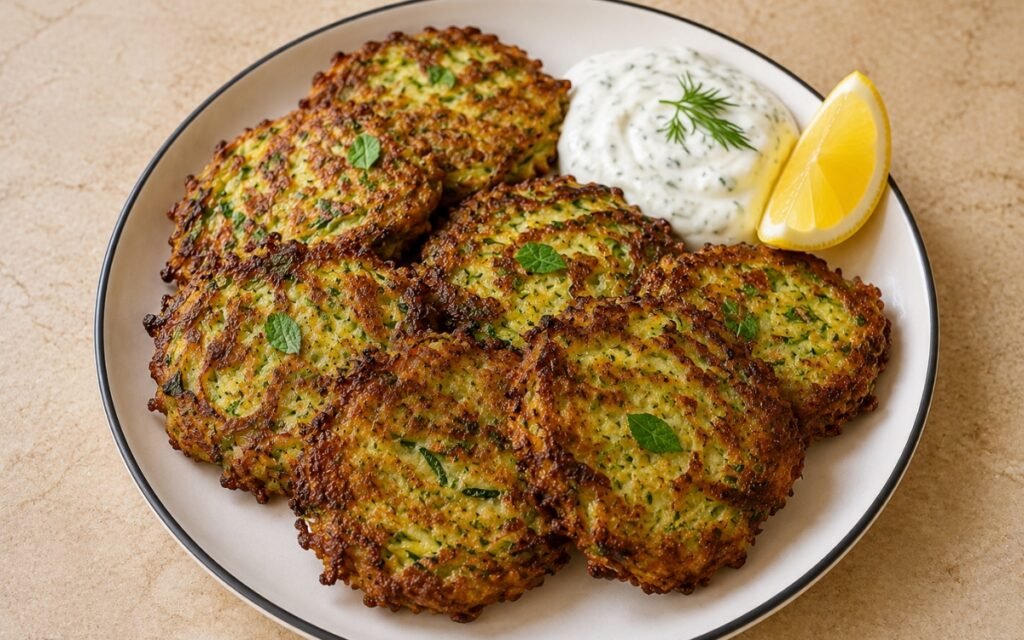
Crispy Zucchini Fritters
Zucchini salted and firmly squeezed dry, mixed into a thick herb-Parmesan batter, fried without crowding until golden. Crisp and herbaceous.
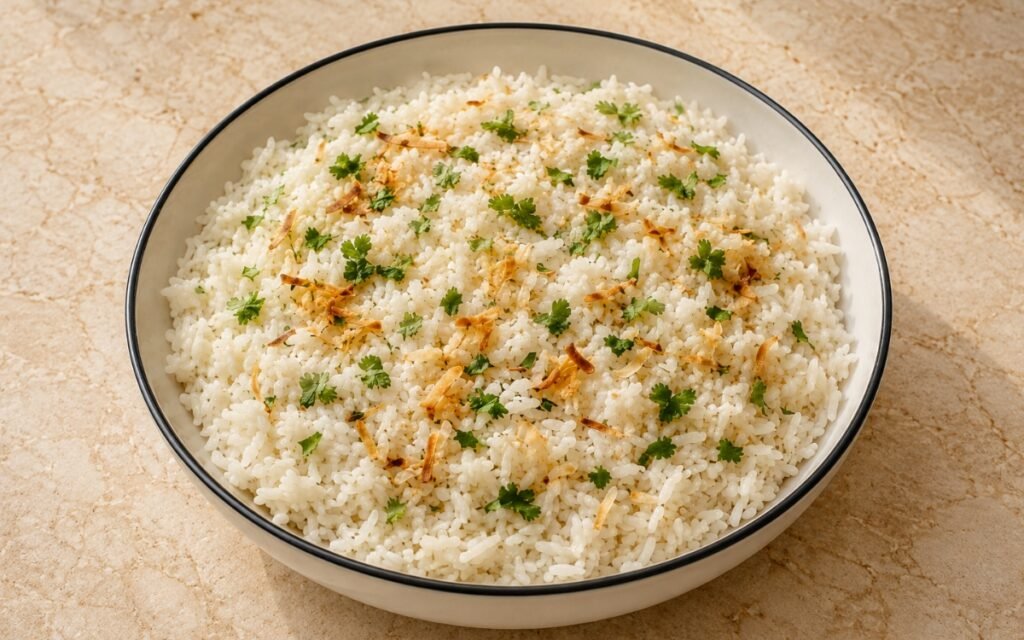
Coconut Rice
Jasmine rice rinsed thoroughly, cooked in fully whisked coconut milk over low heat, rested and fluffed, topped with toasted coconut and cilantro.
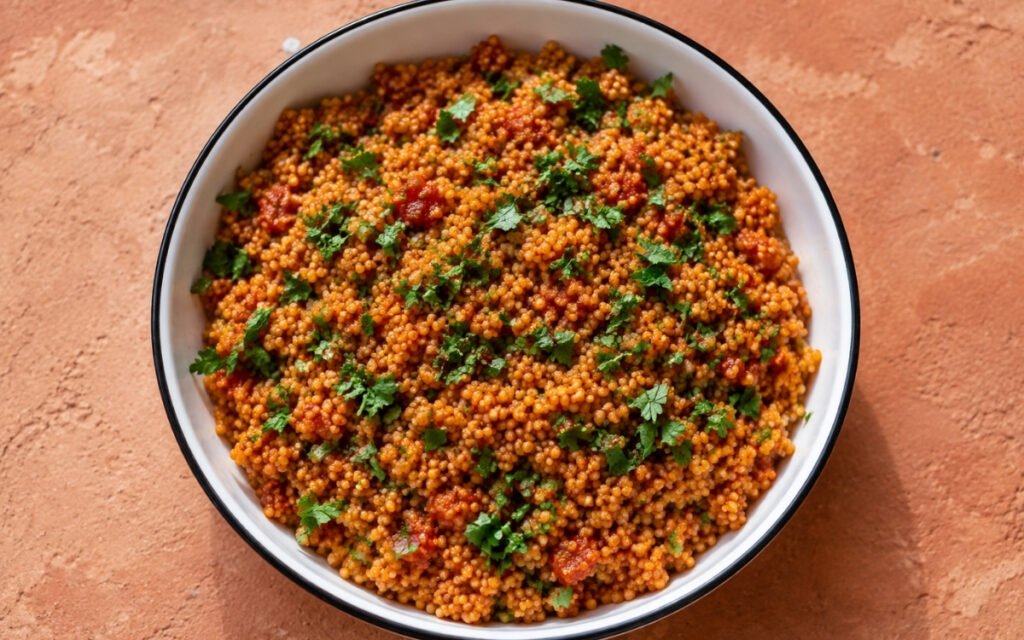
Moroccan-Style Tomato Couscous
Golden, fragrant couscous with bloomed Moroccan spices and tomato-garlic broth — a 15-minute side dish and versatile bowl base.
You might also like
You might also like
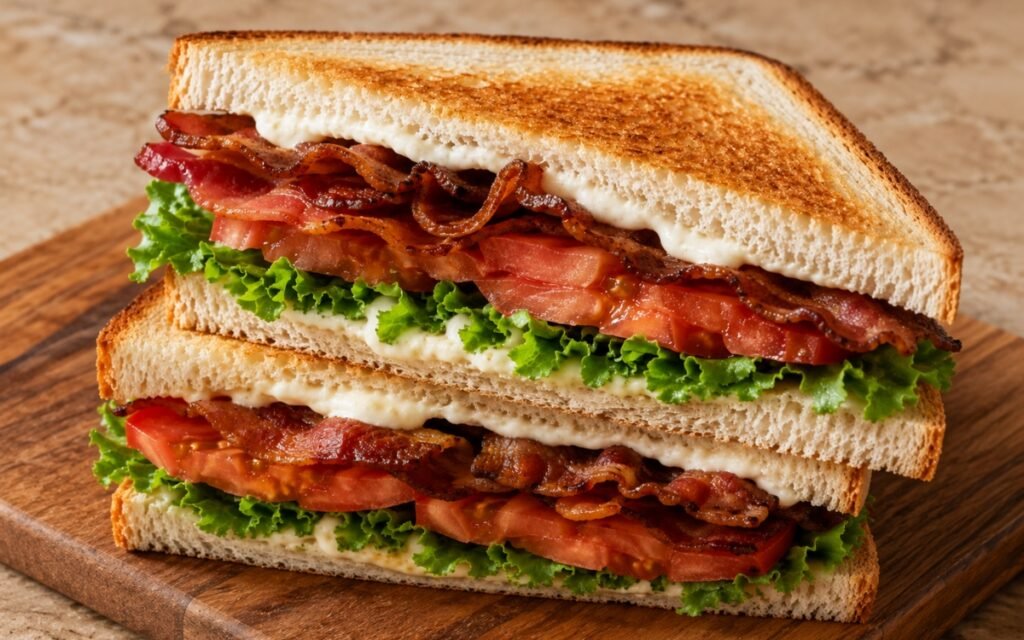
BLT Sandwich
Toasted white bread with crispy bacon, ripe tomato, crisp lettuce, and a generous layer of mayonnaise.
Bao Buns with Crispy Fried Chicken
Soft steamed bao buns filled with extremely crisp fried chicken, quick-pickled cucumber ribbons, scallions, sesame seeds, and glossy sriracha mayo.
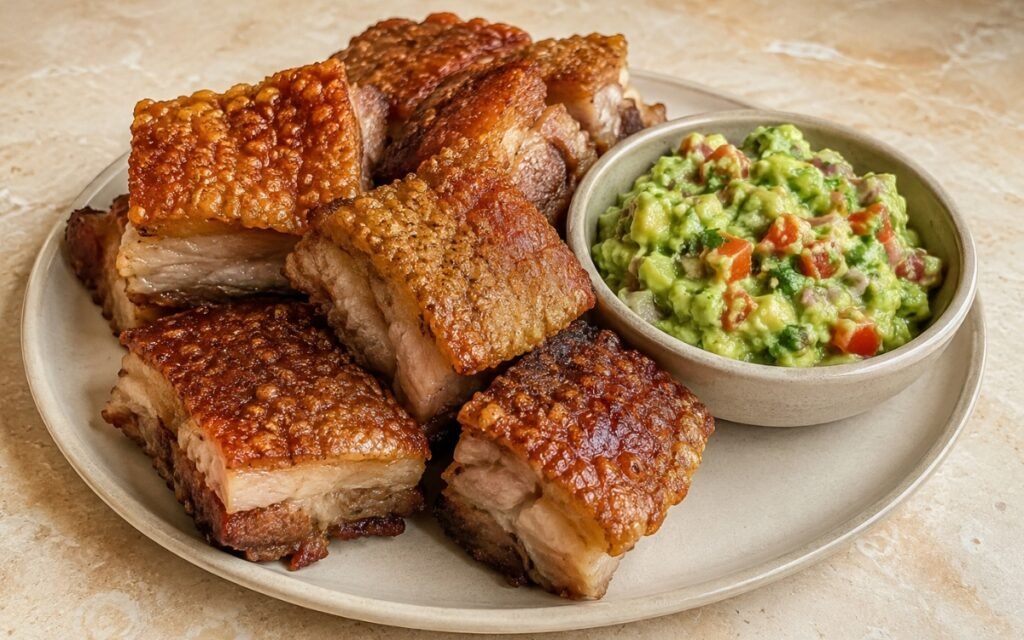
Crispy Pork Belly Chicharrón
Skin-on pork belly simmered, dried, and double-fried until the skin is blistered and crisp over rendered fat and tender meat, served with chunky guacamole.

Sourdough Garlic Bread
Ingredients
Method
- Preheat oven to 200°C (400°F). In a bowl, mix the 115g softened butter with the 18g garlic, 20g parsley, 5g basil, 3g salt, 1g black pepper, 2g red pepper flakes (optional), and 30g Parmesan until fully uniform, working it thoroughly with a spatula or fork so no streaks of unmixed butter remain. Make sure the butter is truly soft so it spreads easily without tearing the bread — if it’s still cool and firm from the refrigerator, let it sit at room temperature a bit longer before proceeding, since rushing this stage with underprepared butter will make the next step noticeably harder and less even.
- Cut the 450g sourdough loaf in half horizontally for two large pieces. For pull-apart style, slice into 2.5cm slices without cutting through the bottom crust so the loaf holds together, working with a sharp, serrated bread knife and a gentle sawing motion to avoid crushing the loaf’s structure as you cut.
- Spread the garlic butter generously over the cut surfaces, all the way to the edges, and between slices if using the pull-apart method, making sure every exposed crevice gets a genuine coating rather than just the most accessible flat surfaces. Wrap the bread loosely in foil — loose enough to allow a little steam circulation, but sealed enough to keep the interior soft and prevent drying, since a too-tight wrap traps excessive moisture while a too-loose one lets the interior dry out before the butter has fully melted in.
- Bake the foil-wrapped bread on a baking sheet for 10 minutes so the butter melts and soaks in. Unwrap and bake 2–3 minutes more until edges are golden and crisp and the butter is bubbling. Slice or portion and serve immediately while hot.