
Kofta Ka Salan
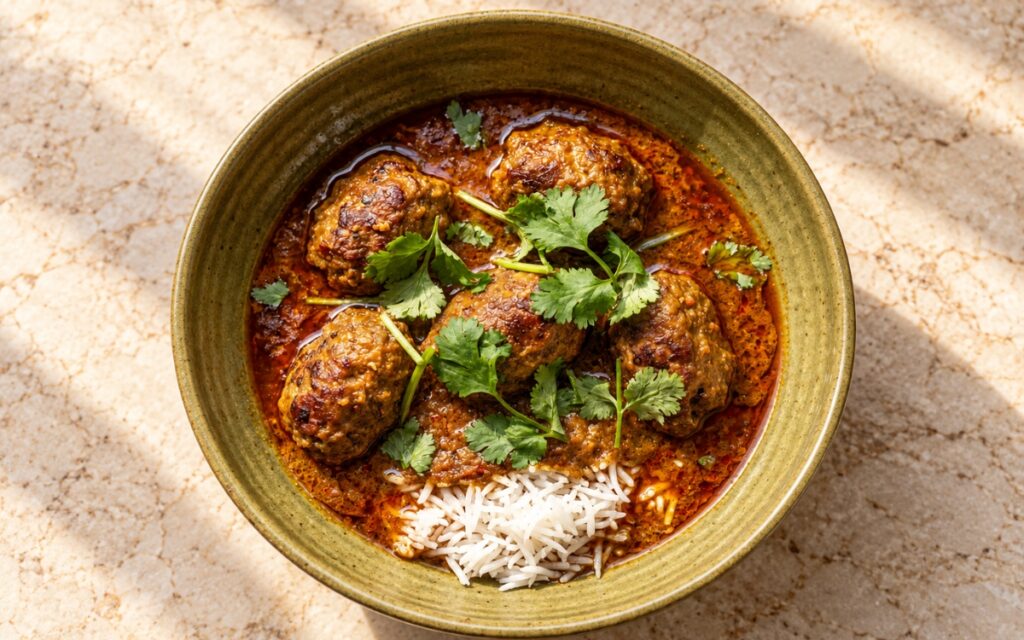
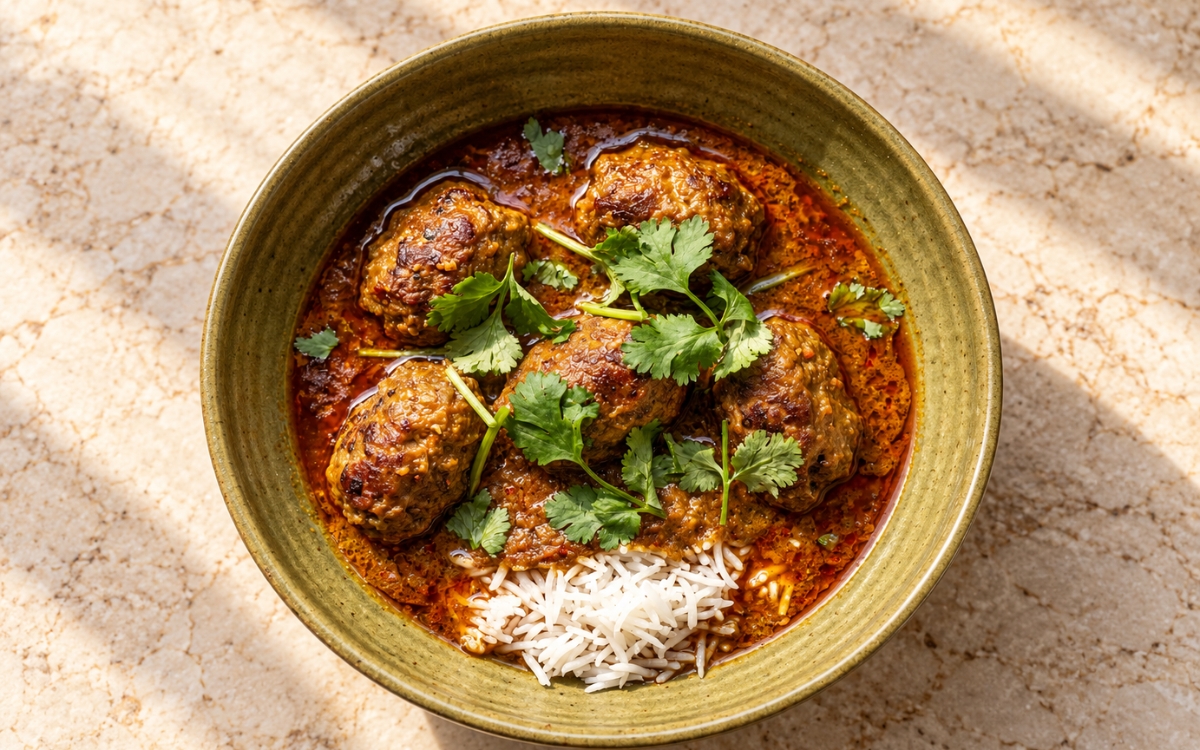
A classical-style meat kofta curry with tender koftas made from spiced minced meat, simmered in a thinner, aromatic onion-tomato-yogurt salan with visible oil sheen and deep savory flavor. Served with plain basmati rice, the gravy stays spoonable rather than heavy or overly thick.
Prep Time : 25 min
Total Time : 1 hr 30 min
Servings : 4
25 min
1 hr 30 min
4
Ingredients
For the Rice
• 300 g basmati rice (75 g per serving)
• 525 ml water
• ½ tsp salt
• 1 tsp ghee or neutral oil, optional
For the Koftas
• 800 g ground lamb or beef (or 50/50 lamb-beef), about 200 g per serving total
• 1 medium onion, very finely grated
• 1 tbsp ginger-garlic paste
• 2 tbsp chopped cilantro
• 1 green chili, very finely minced, optional
• 1 tsp ground coriander
• 1 tsp ground cumin
• ½ tsp Kashmiri chili powder or mild chili powder
• ¼ tsp turmeric
• ¾ tsp garam masala
• 1¼ tsp salt
• 2 tbsp gram flour (besan), lightly toasted, or 2 tbsp fine breadcrumbs
• 1 tbsp neutral oil or ghee, optional, helps tenderness
For Browning the Koftas
• 3–4 tbsp neutral oil
For the Salan
• 4 tbsp neutral oil or ghee
• 1 tsp cumin seeds
• 1 bay leaf
• 1 black cardamom, optional but good
• 3 green cardamom pods
• 1 small cinnamon stick
• 2 medium onions, thinly sliced
• 1½ tbsp ginger-garlic paste
• 3 medium tomatoes, finely chopped or crushed
• 150 g plain full-fat yogurt, whisked smooth
• 2 tsp ground coriander
• 1 tsp ground cumin
• 1 tsp Kashmiri chili powder
• ¼ tsp turmeric
• ¾ to 1 tsp salt, then more to taste
• 700–900 ml hot water, as needed
• ½ tsp garam masala
• 1–2 tbsp chopped cilantro
For Garnish
• Extra chopped cilantro
Directions
- Rinse and Cook the Rice
Rinse the basmati rice in several changes of cold water until it runs much clearer, then soak for 20 minutes and drain well. Combine the drained rice with the 525 ml water, salt, and ghee or oil if using in a saucepan. Bring to a boil uncovered, stir once, lower to the lowest heat, cover tightly, and cook for 12 minutes. Turn off the heat and let the rice rest covered for 10 minutes, then fluff gently with a fork. This water amount is calibrated for soaked basmati; without soaking, increase it slightly to about 550 ml. - Prepare the Kofta Mixture
Squeeze most of the excess liquid out of the grated onion using a clean towel or your hands — this matters for the koftas holding their shape. Combine the ground meat, squeezed onion, ginger-garlic paste, chopped cilantro, green chili if using, coriander, cumin, chili powder, turmeric, garam masala, salt, gram flour or breadcrumbs, and the tablespoon of oil or ghee if using in a bowl. Mix just until evenly combined, without kneading aggressively, since overworking the meat makes the koftas dense and rubbery. Cover and chill for 20 minutes, which firms the mixture up and makes shaping easier. - Shape the Koftas
Divide the mixture into 12 equal portions and shape into smooth oval or round koftas. If the mixture feels too soft, chill it a bit longer or add another tablespoon of gram flour or breadcrumbs; if it feels too stiff, add a teaspoon of water or yogurt. - Brown the Koftas
Heat the 3–4 tablespoons oil in a wide frying pan over medium heat. Brown the koftas in batches, turning carefully, until nicely colored on multiple sides — they don’t need to be fully cooked through at this stage, since they’ll finish cooking in the salan. Transfer to a plate. The koftas should be browned and holding together, but not cooked so hard that they turn dry. - Build the Salan Base
Heat the 4 tablespoons oil or ghee in a heavy pan or kadai over medium heat. Add the cumin seeds, bay leaf, black cardamom if using, green cardamom, and cinnamon, cooking for 20–30 seconds until fragrant. Add the sliced onions and cook slowly over medium heat until deep golden brown, which can take 10–12 minutes — stir often so they brown evenly without burning. Add the ginger-garlic paste and cook for 1 minute until the raw smell fades, then add the tomatoes and cook down until soft and jammy, 6–8 minutes. Add the ground coriander, cumin, Kashmiri chili powder, turmeric, and salt, cooking for 1 minute, stirring constantly. Lower the heat and add the whisked yogurt gradually, stirring continuously so it doesn’t split. Cook this masala until it thickens and the oil starts to separate at the edges — this stage is one of the main points where the dish’s flavor develops. - Turn It Into Salan
Add 700 ml hot water first, stirring well and scraping up everything from the bottom of the pan, then bring to a gentle simmer. The gravy should be clearly looser than a butter masala or korma, looking like a spoonable curry rather than a thick paste. Add more hot water as needed, up to about 900 ml total, depending on how much the koftas absorb and how thin you want the final salan. Taste the liquid now and adjust the salt if needed. - Simmer the Koftas in the Salan
Gently place the browned koftas into the simmering curry, cover partially, and simmer on low heat for 12–15 minutes, turning the koftas very gently once or twice if needed. Finish with the garam masala and chopped cilantro, then rest the curry for 5 minutes before serving. The koftas should end up fully cooked and tender, with the salan aromatic, lightly oily on top, and medium-thin rather than watery or heavy. - Serve
Serve the kofta ka salan hot with the basmati rice. Divide the rice and koftas into 4 portions, 3 koftas per serving, spooning some rice into each bowl or plate, then adding the koftas and plenty of salan around and partly over the rice. Finish with a little extra chopped cilantro.
*Notes :
- Squeezing the excess liquid out of the grated onion before it goes into the kofta mixture matters more than it might seem — too much onion moisture is one of the most common reasons koftas break apart during browning or simmering.
- Mixing the meat only until combined, rather than kneading it the way you might bread dough, keeps the koftas tender; overworking ground meat develops a denser, more rubbery texture that this dish isn’t meant to have.
- The salan needs its full frying time to develop real depth: the onions need to reach deep golden brown, the tomatoes need to cook down completely, and the yogurt-masala needs to fry until the oil separates at the edges. Rushing any of these three stages leaves the final gravy tasting thinner and less developed than it should.
- Keeping the salan slightly looser than feels necessary when it first goes into a gentle simmer accounts for how much liquid the koftas absorb as they continue cooking in the sauce — a salan that looks right before the koftas go in often turns noticeably thicker by the time it’s ready to serve.
Why This Recipe Works
Squeezing the grated onion and mixing the meat gently both protect the kofta mixture’s structure, which is what lets the koftas hold together through both browning and a long simmer. Browning the koftas before they ever meet the salan builds a layer of flavor at their surface that simmering alone wouldn’t produce, while also setting their shape before the longer cooking stage. The extended onion, tomato, and yogurt-masala cooking stages in the salan each concentrate a different layer of flavor — sweetness from the onions, tang from the tomatoes, richness from the yogurt — before any water is added to loosen the base. Simmering the koftas gently in that finished salan finishes cooking them through without the vigorous boiling that would otherwise break them apart.
Ingredient Breakdown
Ground lamb or beef
Forms the base of the koftas, with fattier blends staying more tender than very lean meat through the browning and simmering stages.
Squeezed grated onion
Adds moisture and flavor to the kofta mixture without the excess liquid that would otherwise cause the koftas to break apart.
Deeply browned salan onions
Build a sweet, savory foundation for the gravy, requiring the full 10–12 minutes to develop properly.
Whisked yogurt, added gradually
Contributes tang and body to the salan, staying smooth as long as it’s added slowly over lower heat.
Hot water, added generously
Keeps the salan at its intended looser, spoonable consistency, distinct from the thicker gravies used in butter masala or korma.
Flavor Structure Explained
This dish follows a layered balance model:
- Savory, tender centerpiece (browned meat koftas)
- Sweet, deeply cooked base (onions browned to deep golden)
- Tangy body (cooked-down tomatoes and whisked yogurt)
- Looser, spoonable consistency (generous hot water added to the salan)
- Final aromatic lift (garam masala and cilantro)
Browned meat koftas serve as this dish’s savory, tender centerpiece, their shape and flavor set before they ever meet the salan. Deeply browned onions provide a sweet, cooked base that anchors the whole gravy. Cooked-down tomatoes and whisked yogurt add a tangy body, built through the extended frying that precedes any water going into the pot. A looser, spoonable consistency — achieved by adding hot water generously rather than holding back — sets this dish apart from thicker, creamier curries in the same style. A final aromatic lift from garam masala and cilantro rounds out the salan right before serving.
Common Mistakes to Avoid
- Skipping the onion squeeze – This leaves excess moisture in the kofta mixture, causing the koftas to break; always squeeze the grated onion well first.
- Overmixing the meat – This makes the koftas dense and rubbery; always mix just until the ingredients are combined.
- Rushing the onion, tomato, or yogurt-masala stages in the salan – This leaves the gravy tasting underdeveloped; always give each stage its full cooking time.
- Making the salan too thick before the koftas go in – This leaves little room for the koftas to absorb liquid as they simmer; always keep the gravy on the looser side going in.
Variations
Beef-Only Version
Use all beef instead of the lamb-beef blend for a slightly different but equally rich flavor profile.
Extra-Spicy Version
Increase the Kashmiri chili powder or add a pinch of hot chili powder to the salan for more heat without losing the dish’s color.
Baked Kofta Version
Bake the shaped koftas at 200°C for about 15–18 minutes instead of pan-browning, then proceed to simmer them in the salan as written.
Thicker Gravy Version
Reduce the final water amount slightly and simmer the salan a little longer for a thicker, more clinging gravy closer to a butter masala consistency.
Storage & Make-Ahead
Make the koftas and salan up to a day ahead, storing them together in an airtight container in the refrigerator, since the flavor often deepens overnight.
Store leftovers in an airtight container in the refrigerator for up to 3 days, keeping the rice separate so it doesn’t absorb the salan and turn soft.
Reheat gently on the stovetop over low heat, loosening with a splash of hot water if the salan has thickened too much in the fridge.
Freeze the koftas and salan together, without the rice, for up to 2 months, thawing in the refrigerator overnight before reheating gently.
Frequently Asked Questions
Why did my koftas fall apart in the curry?
This usually traces back to not squeezing enough liquid out of the grated onion, or overmixing the meat, both of which weaken the koftas’ structure before they ever reach the pan.
Can I use only beef instead of a lamb-beef blend?
Yes, beef alone works well here, giving a slightly different but still rich flavor compared to the traditional lamb or mixed blend.
Why is my salan thicker than expected?
The koftas absorb liquid as they simmer, so a salan that looks properly loose before they go in often thickens somewhat by serving time; adding a bit more hot water brings it back to the right consistency.
Can I bake the koftas instead of pan-browning them?
Yes, baking at 200°C for about 15–18 minutes works as an alternative, giving a similar result with less standing at the stove.
What else pairs well with this kofta ka salan?
Malai Kofta and Lamb Keema Curry share a similar kofta-and-gravy or minced-meat approach if you want to build out a larger Indian-style dinner spread. For something different on the same table, Simple Beef Kofta Skewers offer a grilled alternative using similar flavors, Chicken Biryani makes a heartier rice-based option, and Plain Steamed Basmati Rice is a simple base if you’d rather skip the rice recipe built into this one.
Nutrition Facts
( Per Serving — 3 koftas, salan, and rice )
Calories
~1050 kcal
Protein
43 g
Fat
60 g
Carbs
75 g
Calories
~1050 kcal
Protein
43 g
Fat
60 g
Carbs
75 g
Related Recipes
Related Recipes
-

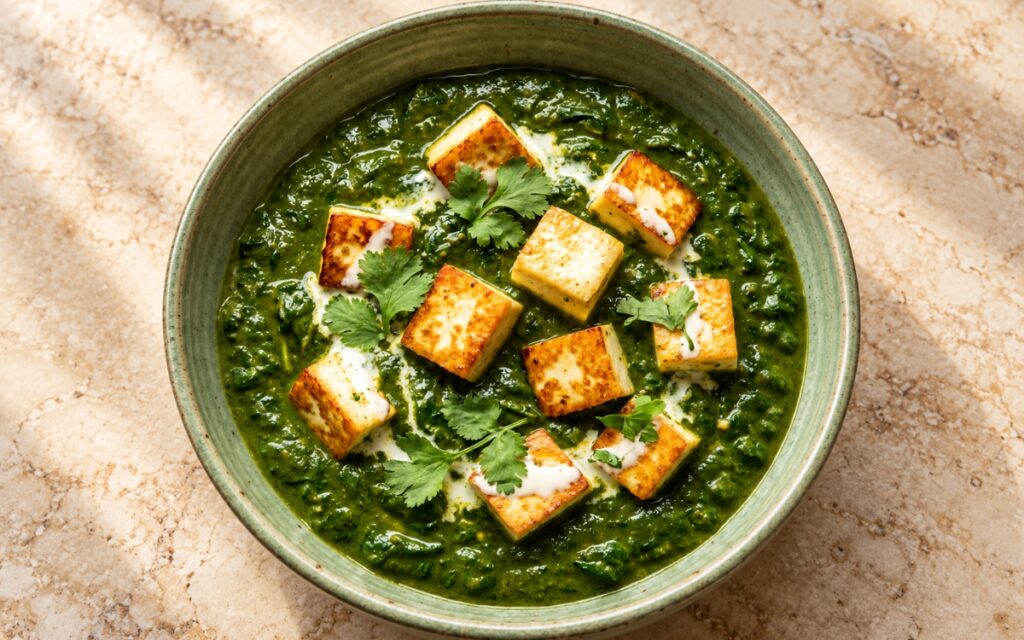
Saag Paneer
Classical saag paneer with lightly browned paneer cubes in a thick, deep-green spinach gravy enriched with cream and warm spices.
-
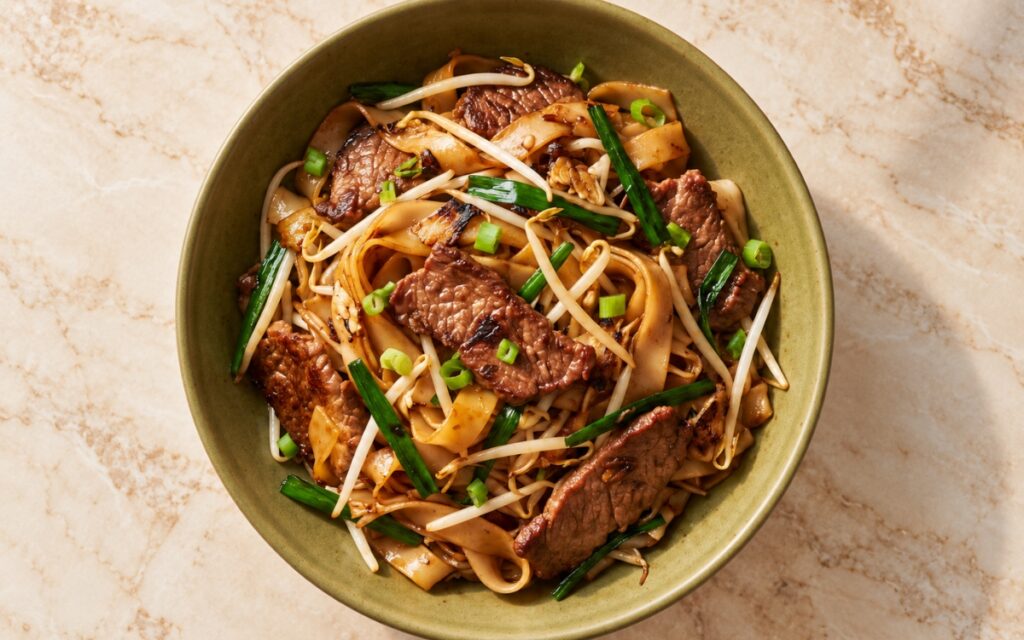
Beef Chow Fun
Glossy wide rice noodles stir-fried with tender seared beef, crisp bean sprouts, Chinese chives, and scallions in a dark soy wok sauce.
-
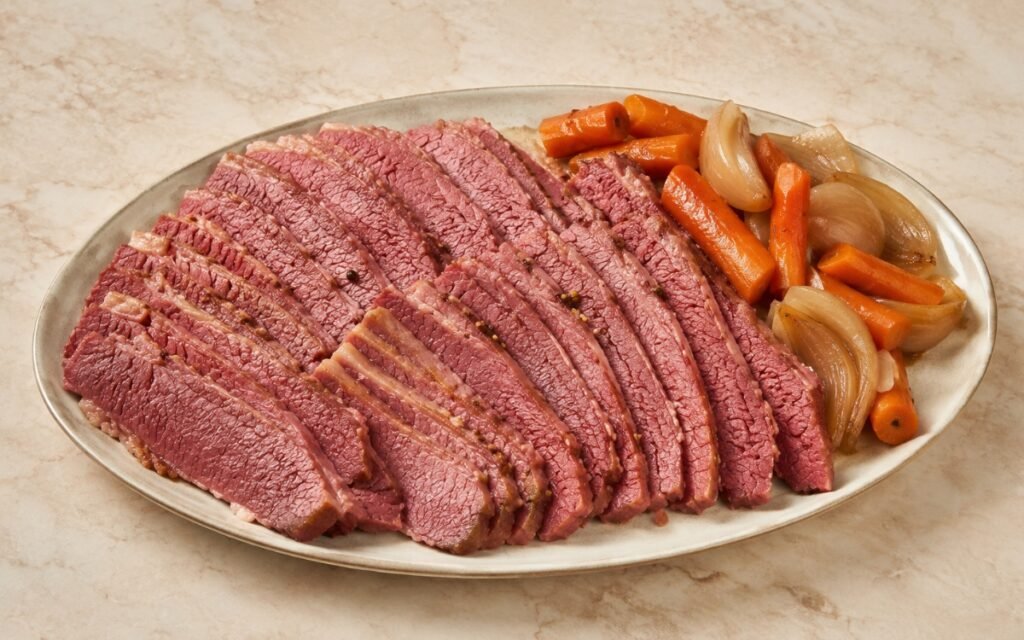
Homemade Corned Beef
Beef brisket cured in a spiced brine for a full week, then simmered gently until fork-tender, sliced thick against the grain.
You might also like
You might also like
-
Indonesian Beef Rendang
Beef chuck slow-braised in coconut milk and a fried shallot, galangal and lemongrass paste until dark and clinging, served with jasmine rice.
-
Butter Chicken
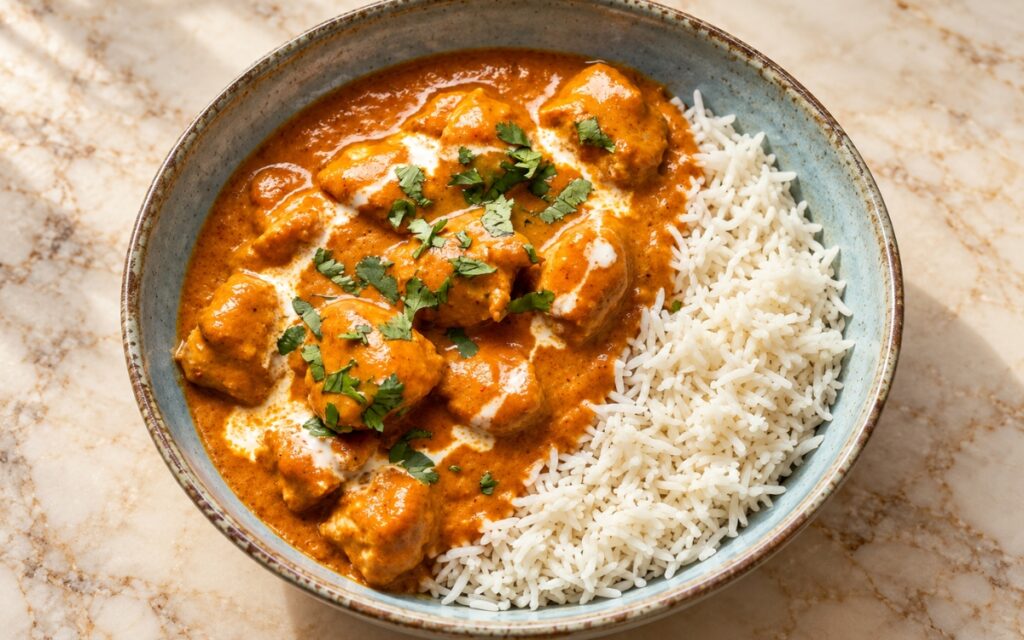
Classic butter chicken with charred marinated chicken in a smooth, velvety tomato-cream sauce, served with basmati rice for a complete meal.
-
Cuban Picadillo
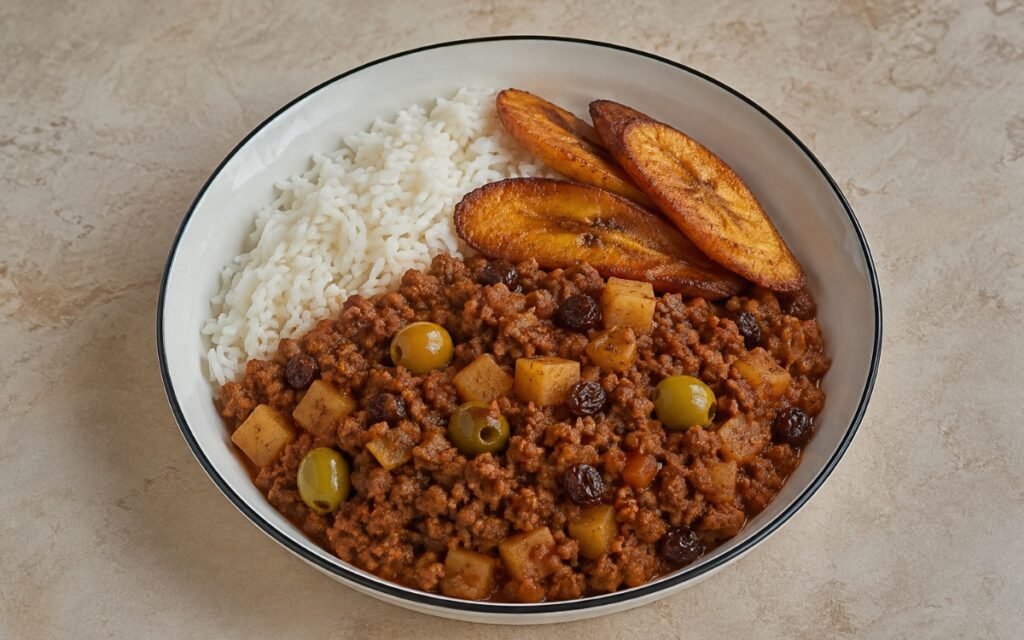
Seasoned ground beef simmered in a savory tomato sauce with green olives, raisins, and tender diced potatoes.

Kofta Ka Salan
Ingredients
Method
- Rinse the basmati rice in several changes of cold water until it runs much clearer, then soak for 20 minutes and drain well. Combine the drained rice with the 525 ml water, salt, and ghee or oil if using in a saucepan. Bring to a boil uncovered, stir once, lower to the lowest heat, cover tightly, and cook for 12 minutes. Turn off the heat and let the rice rest covered for 10 minutes, then fluff gently with a fork. This water amount is calibrated for soaked basmati; without soaking, increase it slightly to about 550 ml.
- Squeeze most of the excess liquid out of the grated onion using a clean towel or your hands — this matters for the koftas holding their shape. Combine the ground meat, squeezed onion, ginger-garlic paste, chopped cilantro, green chili if using, coriander, cumin, chili powder, turmeric, garam masala, salt, gram flour or breadcrumbs, and the tablespoon of oil or ghee if using in a bowl. Mix just until evenly combined, without kneading aggressively, since overworking the meat makes the koftas dense and rubbery. Cover and chill for 20 minutes, which firms the mixture up and makes shaping easier.
- Divide the mixture into 12 equal portions and shape into smooth oval or round koftas. If the mixture feels too soft, chill it a bit longer or add another tablespoon of gram flour or breadcrumbs; if it feels too stiff, add a teaspoon of water or yogurt.
- Heat the 3–4 tablespoons oil in a wide frying pan over medium heat. Brown the koftas in batches, turning carefully, until nicely colored on multiple sides — they don’t need to be fully cooked through at this stage, since they’ll finish cooking in the salan. Transfer to a plate. The koftas should be browned and holding together, but not cooked so hard that they turn dry.
- Heat the 4 tablespoons oil or ghee in a heavy pan or kadai over medium heat. Add the cumin seeds, bay leaf, black cardamom if using, green cardamom, and cinnamon, cooking for 20–30 seconds until fragrant. Add the sliced onions and cook slowly over medium heat until deep golden brown, which can take 10–12 minutes — stir often so they brown evenly without burning. Add the ginger-garlic paste and cook for 1 minute until the raw smell fades, then add the tomatoes and cook down until soft and jammy, 6–8 minutes. Add the ground coriander, cumin, Kashmiri chili powder, turmeric, and salt, cooking for 1 minute, stirring constantly. Lower the heat and add the whisked yogurt gradually, stirring continuously so it doesn’t split. Cook this masala until it thickens and the oil starts to separate at the edges — this stage is one of the main points where the dish’s flavor develops.
- Add 700 ml hot water first, stirring well and scraping up everything from the bottom of the pan, then bring to a gentle simmer. The gravy should be clearly looser than a butter masala or korma, looking like a spoonable curry rather than a thick paste. Add more hot water as needed, up to about 900 ml total, depending on how much the koftas absorb and how thin you want the final salan. Taste the liquid now and adjust the salt if needed.
- Gently place the browned koftas into the simmering curry, cover partially, and simmer on low heat for 12–15 minutes, turning the koftas very gently once or twice if needed. Finish with the garam masala and chopped cilantro, then rest the curry for 5 minutes before serving. The koftas should end up fully cooked and tender, with the salan aromatic, lightly oily on top, and medium-thin rather than watery or heavy.
- Serve the kofta ka salan hot with the basmati rice. Divide the rice and koftas into 4 portions, 3 koftas per serving, spooning some rice into each bowl or plate, then adding the koftas and plenty of salan around and partly over the rice. Finish with a little extra chopped cilantro.