Homemade Teriyaki Sauce
Traditional Japanese teriyaki sauce is a rich, glossy, savoury-sweet glaze made with just four ingredients, soy sauce, mirin, sake, and sugar, gently reduced until it thickens naturally into a deep amber-brown syrup with delicate caramel notes and a smooth, translucent finish. Using real hon mirin and unsalted sake is the choice this whole sauce depends on, because sweetened mirin-style seasoning and salted cooking sake change both the sweetness and the salt balance in a reduction this simple, the same ingredient-honesty principle used throughout this collection whenever a short recipe leaves nothing to hide behind. Simmering the mirin and sake first, then adding the soy sauce and sugar, is what softens the alcohol and lets the sugar dissolve cleanly. Reducing at a gentle, steady simmer and measuring the volume rather than trusting the clock is what keeps the sauce moderately fluid instead of salty and sticky, since evaporation changes with the pan and the heat, and a sauce that is stopped a little early can always be simmered a few minutes longer. The payoff is a clear, glossy sauce for glazing chicken, salmon, beef, tofu, and grilled vegetables, or for spooning over a Japanese rice bowl.

- Prep Time : 5 min
- Total Time : 30 min
- Servings : 12
Ingredients
For the Mirin and Sake
- 150ml hon mirin (Japanese sweet rice wine)
- 150ml Japanese cooking sake, unsalted
For the Soy Sauce and Sugar
- 150ml Japanese soy sauce (koikuchi shoyu)
- 75g granulated sugar
Directions
- Combine the Ingredients
Pour the mirin and sake into a medium saucepan, bring to a gentle simmer over medium heat, and cook for 2 minutes to begin reducing the alcohol. Add the soy sauce and granulated sugar and stir until the sugar has dissolved completely and the mixture is uniform. The sauce should look clear and deep amber-brown, with no undissolved sugar crystals. Use real hon mirin and unsalted sake. That choice is what keeps the sweetness and salt in balance, because sweetened mirin-style seasonings and salted cooking sake change both. - Simmer and Reduce
Bring the mixture back to a gentle simmer, reduce the heat to medium-low, and cook uncovered for 15–25 minutes, stirring occasionally, until it has reduced to about 360ml and developed a deeper caramel-brown colour with a glossy surface. It should lose roughly a quarter to a third of its starting volume and look noticeably more concentrated. Keep the simmer gentle and steady, never vigorous. That control is what prevents over-reduction, which makes the sauce overly salty and sticky. - Check the Glaze Consistency
Dip a clean spoon into the sauce and lift it above the pan. The sauce should coat the spoon in a smooth, glossy layer, and when a little drips back it should form a continuous ribbon rather than fall like water. Take the pan off the heat once the consistency and the roughly 360ml yield are right. The sauce should look smooth, translucent, dark amber-brown, and lightly syrupy. Do not add cornstarch or flour. That natural thickening from reduction and sugar is what makes this the classic version. - Cool and Finish
Let the saucepan cool for 10–15 minutes, then transfer the sauce to a clean glass jar or heatproof container and refrigerate promptly, letting it cool completely before you judge the final thickness. Stir gently before serving. Once cold, the sauce should look smooth, glossy, and slightly thicker and more syrupy, while still pourable. That full cooling is what shows the real consistency, because the sauce always tastes and looks looser while it is hot. - Serve
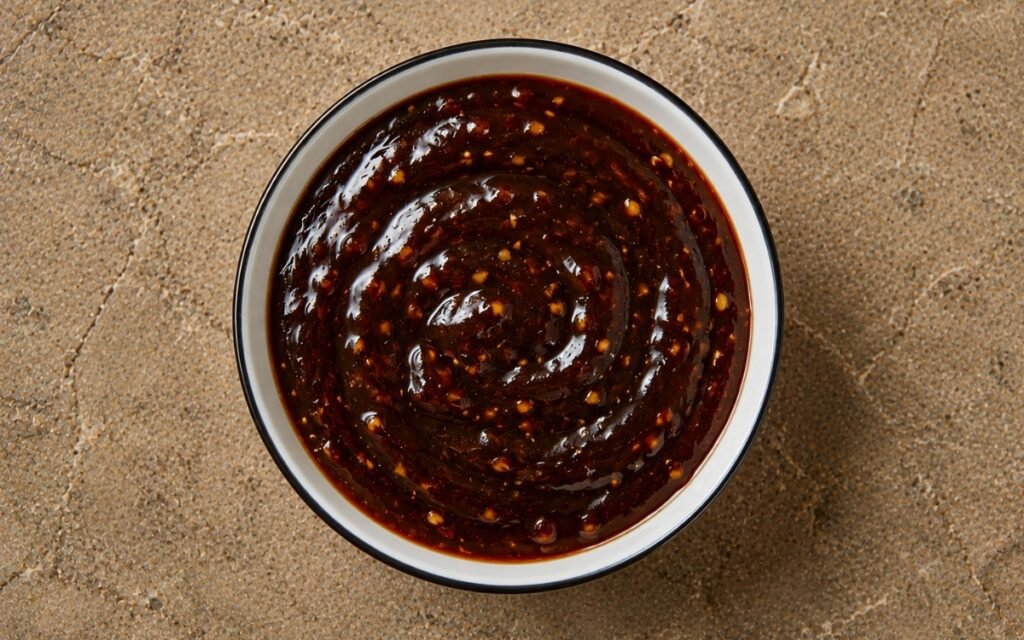
Pour the teriyaki sauce into a small warm white ceramic bowl with a thin black rim, draw a gentle spiral across the surface with a spoon, and let it settle into rounded, glossy folds. Serve with a small ceramic spoon partly dipped into the glaze. The sauce should cling to the spoon in a smooth, continuous coating with no visible chunks or seasonings. That clean presentation is what lets the colour and gloss of the reduction speak for themselves.
*Notes :
- Using hon mirin and unsalted sake deserves genuine recognition as the choice most directly responsible for the flavour of this four-ingredient sauce. Hon mirin brings natural sweetness, depth, and the glossy finish, while unsalted sake adds aroma and balances the sweetness, and with so few ingredients there is nowhere to hide a weak substitute.
- Choosing Japanese koikuchi shoyu deserves the same attention as the mirin, because it provides the balanced savoury depth that defines classic teriyaki, and it sets the colour. Dark Chinese soy sauce has a different flavour and colour profile and can make the sauce too dark and too salty, so it is better avoided here.
- Reducing by volume rather than by time deserves honest explanation as the key to a reliable result. Saucepan width, heat, and evaporation all change the clock, so measuring toward 360ml and checking that the sauce coats a spoon gives a more dependable and repeatable consistency than following a fixed number of minutes alone.
- Glazing at the very end deserves a clear and practical note for anyone using the sauce on protein. Brush it over nearly cooked chicken, salmon, or beef during the final 1–3 minutes, let it bubble briefly into a shiny coat, and apply thin layers over moderate heat, because the sugar burns easily.
Why This Recipe Works
This recipe works because four well-chosen ingredients do all the work and the method protects them. Mirin and sake bring sweetness, aroma, and gloss, soy sauce adds savoury depth, and sugar sweetens and thickens. Simmering the alcohol first softens its edge, and reducing slowly concentrates the flavour without scorching. Measuring toward a target volume, and checking the spoon coating, keeps the sauce fluid enough to brush instead of heavy and sticky, so it clings to food with a clean, balanced sweet-salty flavour and a glossy amber finish.
Ingredient Breakdown
Japanese Soy Sauce
The savoury foundation — koikuchi shoyu gives balanced salt and umami depth without the heaviness of dark soy sauce.
Hon Mirin
The gloss and sweetness — real mirin brings natural sweetness, depth, and the characteristic shine and warm amber undertones.
Unsalted Sake
The aroma — it adds fragrance and balances the sweetness of the mirin and sugar without adding extra salt.
Granulated Sugar
The clean sweetness and body — it sweetens and thickens the reduction while leaving the soy-mirin flavour in front.
Gentle Simmer
The critical technique — steady, low heat concentrates the flavour without scorching or turning the sauce bitter.
Volume Check
The finishing control — measuring toward about 360ml stops the sauce before it turns salty, sticky, and too thick.
Flavor Structure Explained
This homemade teriyaki sauce follows a layered balance model:
- Savoury umami foundation (Japanese soy sauce)
- Natural sweetness and gloss (hon mirin)
- Aromatic depth (unsalted sake)
- Clean, thickening sweetness (granulated sugar)
- Delicate caramel finish (slow reduction)
Japanese soy sauce provides the savoury umami foundation of the sauce, and hon mirin adds natural sweetness and the glossy shine. Unsalted sake brings aromatic depth that balances the sweetness, while granulated sugar adds a clean sweetness and body that make the reduction cling. Slow reduction then develops a delicate caramel finish that rounds out the flavour, giving a sauce that tastes balanced, sweet, and salty, with subtle sake and mirin notes lingering behind.
Common Mistakes to Avoid
- Using Sweetened Mirin or Salted Sake – This throws off the sweet-salty balance of a four-ingredient sauce. Always use real hon mirin and unsalted sake.
- Boiling Vigorously – This scorches the sugar and can make the sauce bitter. Always keep a gentle, steady simmer and stir now and then.
- Over-Reducing the Sauce – This makes it salty, sticky, and too thick. Always stop near 360ml while the sauce is still moderately fluid.
- Adding Cornstarch or Flour – This clouds the glaze and moves it away from the classic version. Always let reduction and sugar do the thickening.
- Glazing Too Early – This burns the sugar before the protein is cooked. Always brush it on in the final 1–3 minutes of cooking.
Variations
Ginger Garlic Version
Add a small amount of grated ginger and garlic while the sauce simmers, then strain them out, for a more aromatic everyday teriyaki.
Honey Version
Replace a little of the sugar with honey for a slightly rounder, softer sweetness and an extra-glossy finish, accepting a less traditional flavour.
Thicker Glaze Version
Reduce the sauce a few minutes longer, stopping while it still coats a spoon, for a thicker glaze that clings to skewers and salmon fillets.
Lighter Version
Whisk in a spoonful of warm water for a thinner pouring sauce that works well over rice bowls, noodles, and grilled vegetables.
Storage & Make-Ahead
Refrigerate the sauce in a clean airtight container at 4°C or below for up to 7 days, because this homemade sauce is not shelf-stable and needs the cold to stay fresh and safe.
Freeze the sauce in airtight portions for up to 3 months, then thaw it in the refrigerator and stir before using, because freezing keeps the flavour while stirring restores the smooth, glossy body.
Make the sauce a day or two ahead if you can, because a rest in the refrigerator lets the soy, mirin, and sake settle together, and the flavour tastes rounder and deeper the next day.
Cool the sauce for 10–15 minutes before refrigerating it, because sealing it hot traps steam under the lid, which thins the surface and shortens how long the sauce stays at its best.
Stir the cold sauce gently before using it, because the reduction thickens in the refrigerator, and a few turns of a spoon or a short warm-up return it to an easy, brushable consistency.
Frequently Asked Questions
Why is real hon mirin needed rather than mirin-style seasoning?
Hon mirin brings natural sweetness, depth, and gloss, whereas sweetened mirin-style seasoning changes the sugar balance and flavour of a sauce that has only four ingredients to carry it.
Why use unsalted sake rather than salted cooking sake?
Unsalted sake adds aroma and balances the sweetness without extra sodium, whereas salted cooking sake concentrates into an overly salty reduction once the sauce has simmered down by a third.
Why measure the volume instead of relying on cooking time?
Evaporation depends on the width of the pan and the strength of the heat, so measuring toward about 360ml gives a dependable consistency, whereas a fixed time can leave it thin or too thick.
Why does this classic sauce not use cornstarch?
Traditional teriyaki thickens through reduction and dissolved sugar, which keeps it translucent and glossy, whereas cornstarch or flour clouds the glaze and gives a heavier, less authentic body to the sauce.
Are there other classic teriyaki, glazed salmon, or Japanese rice bowl dishes worth trying?
Teriyaki Chicken Rice Bowl and Teriyaki Glazed Salmon Fillets are natural uses for this sauce, with teriyaki chicken over rice and glazed salmon both worth exploring. Soy Ginger Glaze is also worth trying for another soy-based glaze direction, while Japanese Chicken Yakitori Rice Bowl and Hawaiian Shoyu Chicken Rice Bowl offer other soy-glazed chicken rice bowls worth exploring.
Nutrition Facts
( Per Serving — 30ml )
- Calories
- ~55 kcal
- Protein
- 1 g
- Fat
- 0 g
- Carbs
- 10 g
-

Soy Ginger Glaze
Glossy soy sauce, mirin, honey and fresh ginger reduce into a sticky 8-minute glaze for salmon, chicken and tofu.
-
Avocado & Mango Salsa
Sweet mango, creamy avocado, sharp red onion, and jalapeño in a lime-herb dressing — the condiment that makes every Mexican and South American dish taste complete.
-
Argentine Chimichurri Steak
Thick, dry-brined steak grilled until deeply charred with a pink medium-rare centre, finished with loose, hand-chopped chimichurri.
-
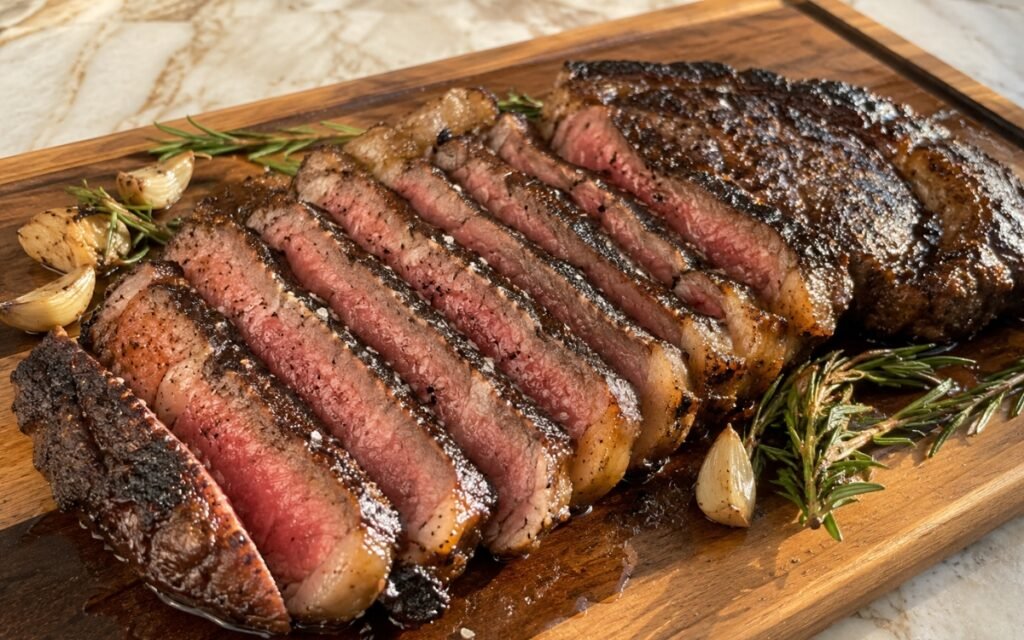
Classic Ribeye Steak
Marbled ribeye seared to perfection and basted with garlic herb butter for steakhouse flavor.
-
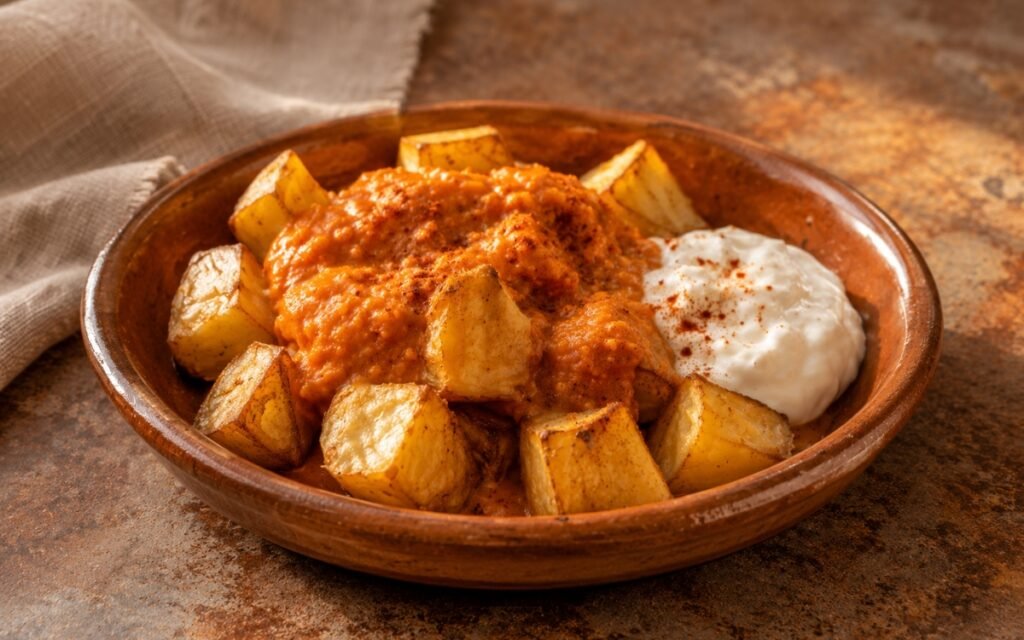
Patatas Bravas with Mayonnaise-Style Aioli
Potatoes parboiled, shaken rough, roasted on a preheated tray — smoky bravas sauce with sherry vinegar, creamy garlic aioli.
-
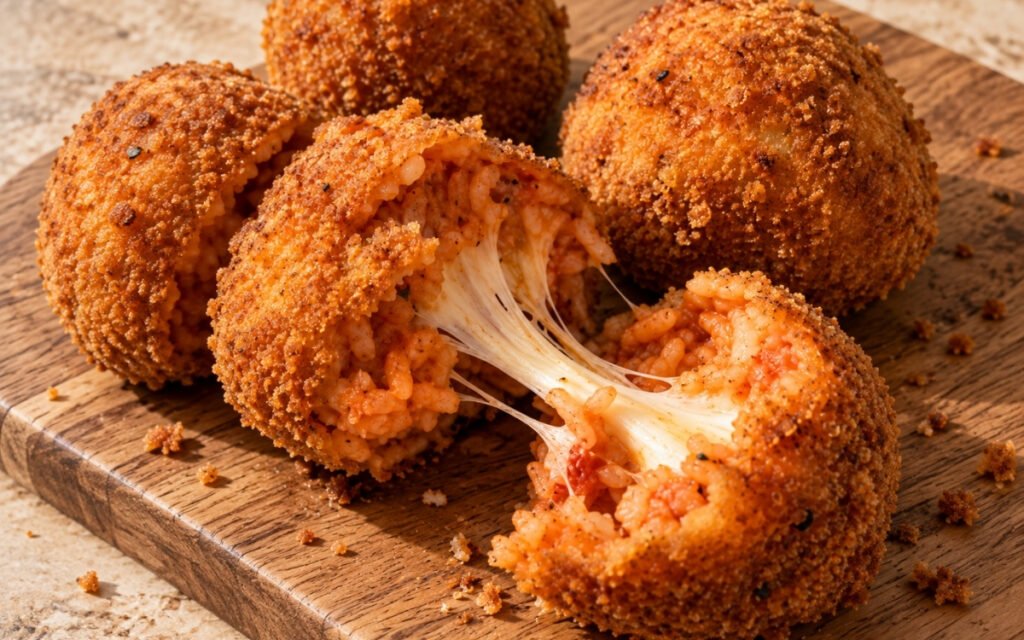
Supplì al Telefono
Oblong fried rice croquettes made with a tomato-enriched rice base, filled with mozzarella, breaded and fried until deeply golden.