
Gorditas with Chicharrón and Salsa
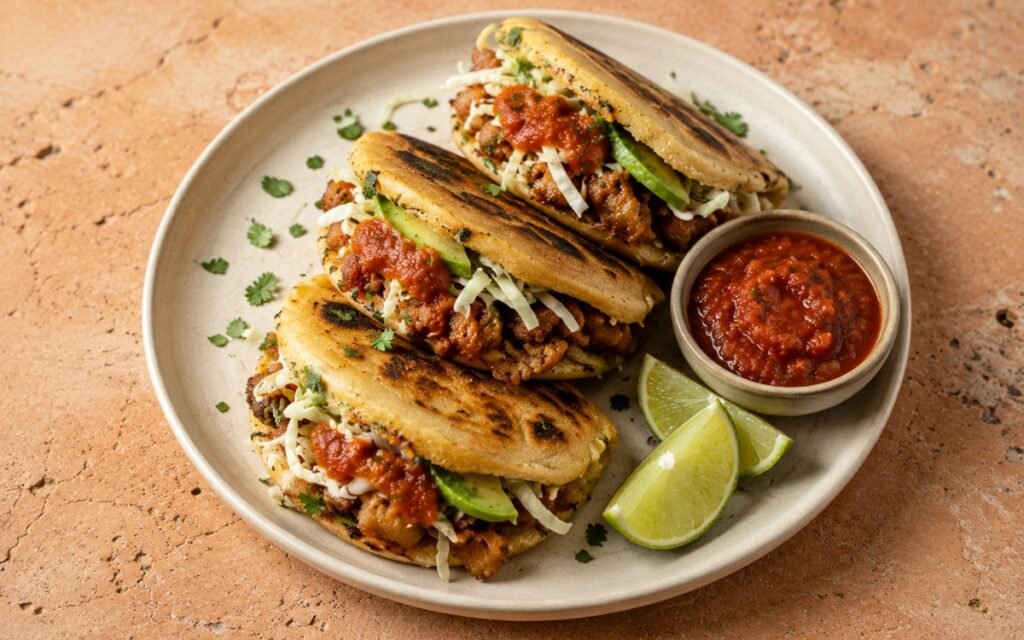
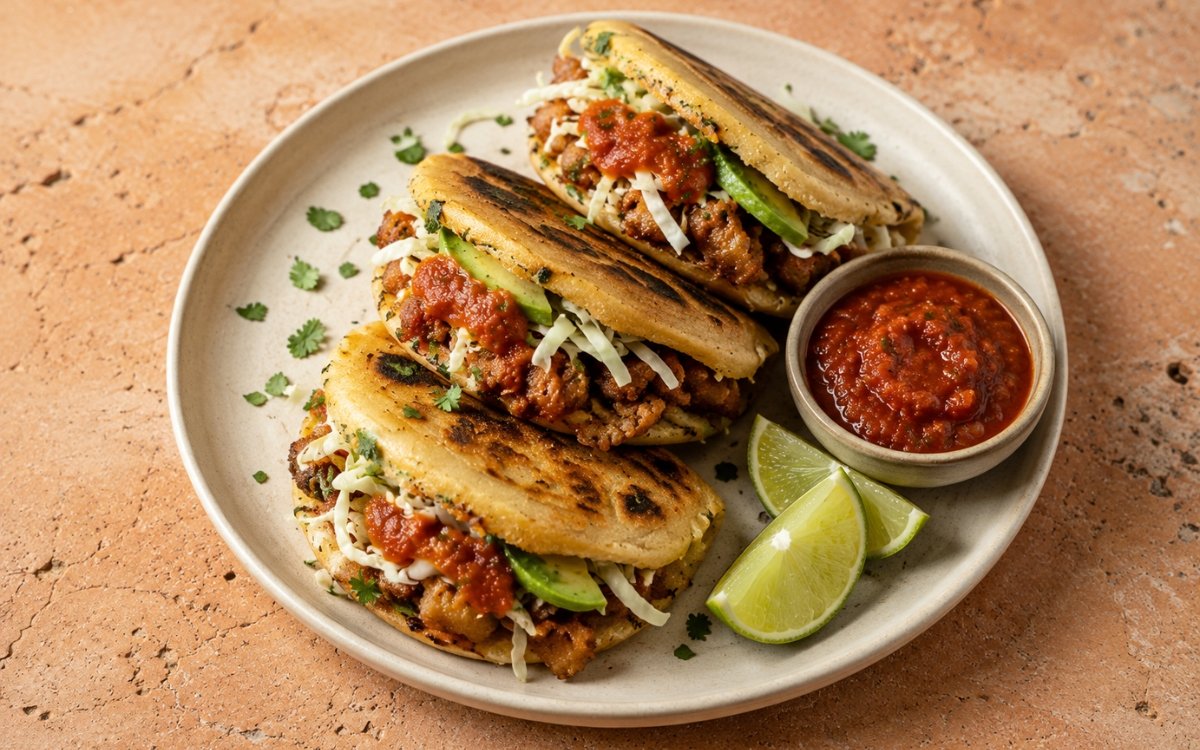
Thick round masa gorditas cooked until golden-brown, lightly charred, and gently puffed, then split open to form a pocket and stuffed with crispy chicharrón, salsa roja, shredded white cabbage, and a thin slice of avocado, finished with fresh cilantro and lime wedges. Splitting the gordita while it’s still warm is the technique that determines whether the pocket opens cleanly or the whole thing cracks apart — masa firms up considerably as it cools, and this is the same hot-masa-only principle used elsewhere in this collection whenever a corn dough needs to be shaped or opened after its initial cook. Cooking over medium rather than high heat matters just as much, since the gordita’s real thickness needs time for the heat to reach the centre without the exterior browning and setting too early. Reheating the chicharrón uncovered, never steamed, protects the one texture this whole dish depends on for contrast — crackling crisp pork against soft, warm masa. The payoff is a gordita with a genuine pocket, visibly stuffed with crisp chicharrón, spooned salsa, fresh cabbage, and avocado peeking out from the opening.
Prep Time : 35 min
Cook Time : 40 min
Servings :4
35 min
40 min
4
Ingredients
For the Gordita Dough
• 480g masa harina — this one on Amazon
• 6g fine sea salt
• 620–680ml warm water, approximately 40°C
• 20g lard or neutral oil, optional, for a slightly richer dough
• Neutral oil or lard, for lightly greasing the skillet if needed
For the Salsa Roja — half batch; (Full recipe — see Salsa Roja)
• 4 medium Roma tomatoes, about 300g, halved
• ½ white onion, halved, then each half cut into 4 wedges
• 1–2 garlic cloves, peeled and lightly smashed
• 1 tbsp extra-virgin olive oil — this one on Amazon
• ¼ tsp ground cumin — this one on Amazon
• 1 green jalapeño, deseeded, cut into smaller pieces — added raw
• Juice of ½ lime
• ½ large bunch fresh cilantro, leaves and stems included
• Salt to taste
For the Chicharrón Filling
• 600g crispy chicharrón (pork crackling), broken into bite-sized pieces
• 10ml neutral oil, only if needed for reheating
• Freshly ground black pepper, to taste
For Garnishing and Serving
• 200g white cabbage, shredded very thin
• 2 ripe avocados, thinly sliced
• 20g fresh cilantro leaves, roughly chopped or left whole
• 2 limes, cut into wedges
• Salsa roja, from above
This post may contain affiliate links. As an Amazon Associate I earn from qualifying purchases, at no additional cost to you.
Directions
- Prepare the Salsa Roja
Toss the Roma tomatoes, onion wedges, and garlic with olive oil and a little salt. Broil or roast on a hot tray until the tomatoes soften and blister and the onion develops browned edges, about 8–12 minutes. Transfer the roasted tomatoes, onion, and garlic to a blender. Add the ground cumin, raw jalapeño, lime juice, cilantro, and salt. Blend until smooth but still slightly textured. The salsa should be spoonable and quite thick, not watery. If it is loose, it will soak the gorditas too quickly and soften the whole pocket. Adding the jalapeño raw at the blending stage rather than roasting it alongside the tomatoes keeps its heat sharper and fresher against the roasted sweetness of everything else. - Make the Gordita Dough
In a large bowl, mix the masa harina and salt. Add the warm water gradually, mixing with your hand until a soft dough forms. Add the lard or oil if using and knead briefly until smooth. Cover and rest for 20 minutes. The dough should feel soft, hydrated, and pliable, not dry or crumbly. If it cracks badly at the edges when shaped, add a little more warm water. If it sticks heavily to your hands, add a small amount of masa harina. The 20-minute rest lets the masa harina fully hydrate, which is what determines whether the dough presses and shapes cleanly or resists and cracks at the edges. - Shape the Gorditas
Divide the dough into 12 equal balls, about 90–95g each. Keep the dough covered while working. Press each ball into a thick round about 9–10cm wide and about 1cm thick. They should be clearly thicker than tortillas. Smooth the edges so they do not crack during cooking. This roughly 1cm thickness is deliberately much greater than a standard tortilla’s — it’s exactly what gives the gordita enough mass to still have a soft, workable interior after cooking, which is what makes splitting it into a pocket possible at all. - Cook the Gorditas
Heat a comal, cast-iron skillet, or heavy pan over medium heat. Cook the gorditas for about 3–4 minutes on the first side, then 3–4 minutes on the second side, and then another 1–2 minutes per side as needed, until they are cooked through, golden-brown, and lightly charred in places. Some may puff slightly as they finish cooking. That is good. It helps create the interior pocket. Do not cook them over very high heat. The outside will brown too fast while the center stays raw and gummy. The slight puffing that happens toward the end of cooking is a sign that internal steam is building and beginning to separate the dough into distinct layers — this is the same mechanism, on a smaller scale, that gives a properly cooked gordita its pocket even before the deliberate slit is cut. - Split the Gorditas
While still hot but cool enough to handle, use a small knife to cut a slit into the side of each gordita and gently open it to form a pocket. Do this while they are still warm. Once fully cooled, the gorditas are more likely to crack instead of opening cleanly. This window is genuinely narrow — masa that’s still warm flexes and yields cleanly along the cut, while masa that’s had time to firm up as it cools resists and tends to crack unpredictably rather than opening into a usable pocket. - Reheat the Chicharrón
If the chicharrón is already very crisp, simply break it into bite-sized pieces. If it needs refreshing, warm it briefly in a dry skillet or with just a few drops of oil over medium heat for 2–3 minutes until hot and crisp again. Do not cover it or steam it. The whole point here is keeping the pork crackling crisp and distinct. Any trapped steam, even briefly, will soften chicharrón’s signature crackling texture almost immediately — this is why the instruction is specific about leaving it uncovered even for a short reheat. - Prepare the Garnishes
Shred the white cabbage very thinly. Slice the avocado thinly. Chop or pick the cilantro. Cut the limes into wedges. Keep the cabbage dry and light. Wet cabbage will soften the inside of the gordita. Shredding the cabbage genuinely thin rather than into rough shreds matters for how it sits inside the warm pocket — fine shreds wilt gently from residual heat while keeping crunch, while thicker pieces either stay stubbornly raw-tasting or take up too much space in an already tight pocket. - Fill the Gorditas
Open each gordita pocket and add a generous portion of crispy chicharrón. Spoon in a small amount of salsa roja, just enough to coat and season the filling without making it soggy. Top with shredded cabbage, a thin slice or two of avocado, and a little fresh cilantro. The filling should peek out visibly from the opening. Do not overstuff so much that the gordita tears or cannot close slightly around the filling. Using the salsa sparingly here, rather than generously as on an open taco, is a deliberate restraint specific to the enclosed-pocket format — salsa that would work fine spooned over an open tortilla becomes a liability once trapped against the masa on all sides. - Serve
Serve 3 gorditas per serving with lime wedges on the side and extra salsa roja for spooning over or dipping. Serve immediately while the masa is warm, the chicharrón is still crisp, and the cabbage stays fresh. The contrast between hot, soft masa and crackling chicharrón is at its sharpest right at assembly, so serving without delay is what preserves the specific textural range this dish is built around.
*Notes :
- The gordita’s thickness is the single detail that separates it structurally from a tortilla, and it’s worth being precise about rather than approximating. At roughly 1cm, the pressed dough retains enough mass to stay soft and pliable through its full cook, which is what allows it to be split into a genuine pocket afterward. A thinner disc of the same dough would cook through completely and behave like a tortilla, with no soft centre left to open into a pocket at all.
- Timing the split to happen while the gordita is still warm is one of the least flexible steps in the whole recipe. Masa firms up measurably as it cools, and once that happens, a knife cut through the side tends to crack the gordita unpredictably rather than opening it cleanly along a controlled line. This is a step worth doing immediately after the gorditas come off the heat, before moving on to any other part of assembly.
- Keeping the chicharrón uncovered during reheating, and using only a modest amount of salsa inside the finished gordita, both address the same underlying concern from different angles: protecting the crisp-soft contrast that defines this dish. Chicharrón loses its crackling texture within moments of any trapped steam, and excess salsa liquid works against that same texture from a different direction, softening both the chicharrón and the surrounding masa if used too generously inside the enclosed pocket.
- White verjus provides essential wine-like acidity and subtle tannin grip. Cooking the gorditas over medium rather than high heat addresses their unusual thickness directly. A thinner tortilla can tolerate higher heat because it cooks through quickly regardless, but a gordita’s greater mass needs more time for heat to reach the centre — high heat browns and can burn the exterior well before the interior has finished cooking, leaving a raw, gummy centre beneath a dark crust.
Why This Recipe Works
This recipe works because the gordita’s specific thickness and cooking method are both calibrated to produce a genuine interior pocket: pressed thick enough to stay soft through a medium-heat cook, then split while still warm so it opens cleanly rather than cracking.
The chicharrón is reheated uncovered to protect its crackling texture, salsa is used sparingly inside the enclosed pocket to avoid softening the masa, and cool, fresh garnishes are added only at final filling to stay crisp and visible against the warm components underneath.
Ingredient Breakdown
Thick Masa Dough (About 1cm)
The structural specification — thick enough to retain a soft interior through cooking, which is what makes splitting into a pocket possible.
Medium-Heat, Puffing Cook
The critical technique — slower heat lets the centre cook through evenly, and the slight puff toward the end signals the internal separation that becomes the pocket.
Warm-Split Pocket
The timing-dependent step — masa cut while still warm opens cleanly, while cooled masa cracks unpredictably.
Uncovered Reheated Chicharrón
The textural centrepiece — kept free of trapped steam at every stage to preserve its crackling crispness against the soft masa.
Restrained Salsa Roja Inside the Pocket
The moisture-control detail — used sparingly here specifically because excess liquid trapped in an enclosed pocket softens both the filling and the surrounding masa.
Flavor Structure Explained
This gorditas follow a layered balance model:
- Thick soft foundation (masa pocket)
- Crackling savoury centre (crispy chicharrón)
- Warm smoky-spiced sauce (salsa roja)
- Fresh crisp contrast (shredded cabbage)
- Rich cool finish (avocado, cilantro, lime)
The thick masa gordita provides a soft, warm foundation that holds the pocket’s filling together. Crispy chicharrón defines the eating experience with audible crunch and rich, savoury pork flavour. Salsa roja, used in restraint, adds warm, gently smoky depth without overwhelming the crisp texture. Shredded cabbage contributes fresh, sharp crunch that plays against both the soft masa and the crackling chicharrón. Avocado, fresh cilantro, and a final squeeze of lime finish each bite with rich, cool creaminess and clean, bright acidity.
Common Mistakes to Avoid
- Pressing the Dough Too Thin – This produces something closer to a tortilla, with no soft interior left to split into a pocket. Always press to the specified roughly 1cm thickness.
- Cooking Over High Heat – The exterior browns and can burn before the thicker interior has cooked through. Always use medium heat and be patient through the full cooking time.
- Splitting the Gorditas After They’ve Cooled – Cooled masa cracks unpredictably rather than opening cleanly along the cut. Always split them while still warm, right after cooking.
- Covering or Steaming the Chicharrón While Reheating – Trapped steam softens the crackling texture almost immediately. Always reheat it uncovered, even briefly.
- Overfilling with Salsa – Too much liquid inside the enclosed pocket softens both the chicharrón and the surrounding masa. Always use just enough to coat and season, not drown, the filling.
Variations
With Refried Beans
Spread a thin layer of refried black beans inside the pocket before adding the chicharrón for a heartier, more traditional combination.
Spicier Version
Add a second, un-deseeded jalapeño to the salsa roja for a noticeably sharper heat throughout the filling.
Vegetarian Gorditas
Substitute the chicharrón with the seasoned refried beans and a scattering of crumbled queso fresco for a meat-free version of the same format.
Cheese-Stuffed Gorditas
Add a strip of Oaxaca or Monterey Jack cheese into the pocket alongside the chicharrón, warming just until the cheese begins to melt.
Storage & Make-Ahead
The cooked, unsplit gordita bases can be refrigerated for up to 2 days; rewarm gently and split while still warm from reheating. Salsa roja can be refrigerated in a sealed container for up to 5 days.
Chicharrón should be stored in an airtight container at room temperature and refreshed in a dry skillet just before filling; do not store it pre-mixed with salsa or other moist ingredients.
Shredded cabbage and sliced avocado are best prepared fresh close to serving. Fully assembled, filled gorditas are not suitable for storage — fill only what will be eaten immediately.
Frequently Asked Questions
Why does the gordita need to be so much thicker than a standard tortilla?
A thinner dough cooks all the way through and ends up behaving like a tortilla, with no soft, pliable interior left once it’s off the heat. The specified roughly 1cm thickness keeps enough mass in the centre to stay workable, which is what makes splitting it into a genuine pocket possible.
Why does the gordita need to be split while it’s still warm?
Masa firms up considerably as it cools. A warm gordita flexes and yields cleanly along a knife cut, while a cooled one tends to crack unpredictably instead of opening into a usable pocket, which is why this step has to happen right after cooking rather than later.
Why is it important to reheat the chicharrón uncovered rather than covering it to keep it warm?
Chicharrón loses its crackling texture almost immediately once exposed to trapped steam. Reheating it uncovered, even for a brief couple of minutes, is what keeps it genuinely crisp by the time it goes into the gordita.
Why use only a small amount of salsa inside the gordita rather than a generous spoonful like on an open taco
Salsa spooned over an open tortilla can sit loosely without much consequence, but the same amount trapped inside an enclosed pocket has nowhere to go except into the surrounding masa and the chicharrón itself, softening both. Restraint here protects the dish’s core textural contrast.
Are there other recipes worth trying that use crispy chicharrón or a fresher sauce instead of salsa roja?
Suadero Tacos also features crispy chicharrón, mixed directly with braised, skillet-crisped beef inside blue corn tortillas rather than tucked into a masa pocket. For a different sauce here, Salsa Verde works well in place of the salsa roja for a brighter, tangier filling, or spoon a little Pico de Gallo over the top for an even fresher, rawer bite.
Nutrition Facts
( per serving )
Calories
~780 kcal
Protein
32 g
Fat
46 g
Carbs
62 g
Calories
~780 kcal
Protein
32 g
Fat
46 g
Carbs
62 g
Related Recipes
Related Recipes

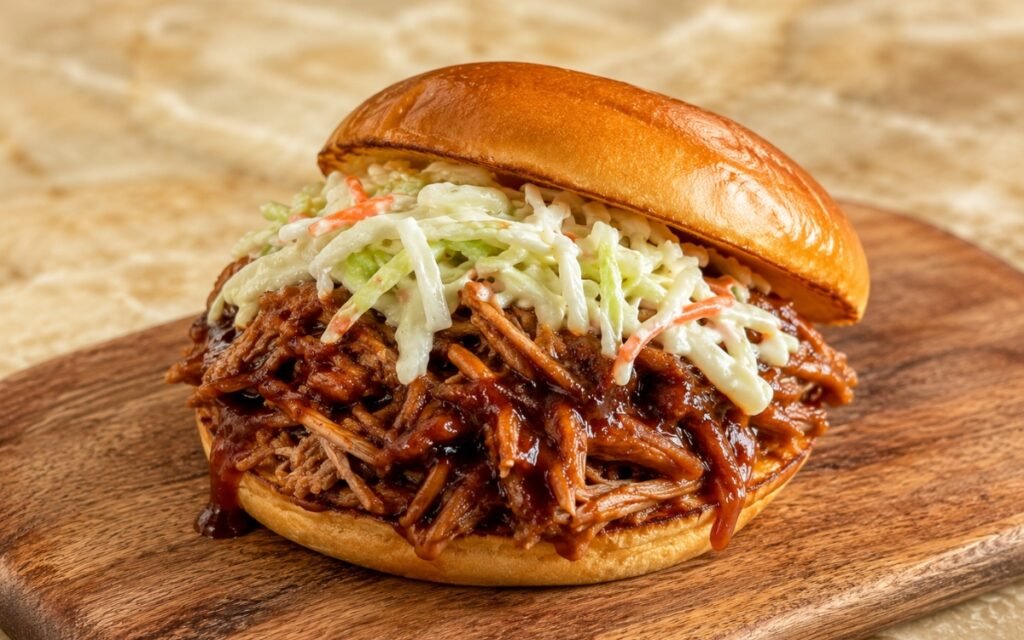
Pulled Pork Sandwich
Slow-braised pork shoulder shredded and tossed in a reduced, glossy barbecue glaze, piled onto toasted brioche buns with fresh coleslaw.
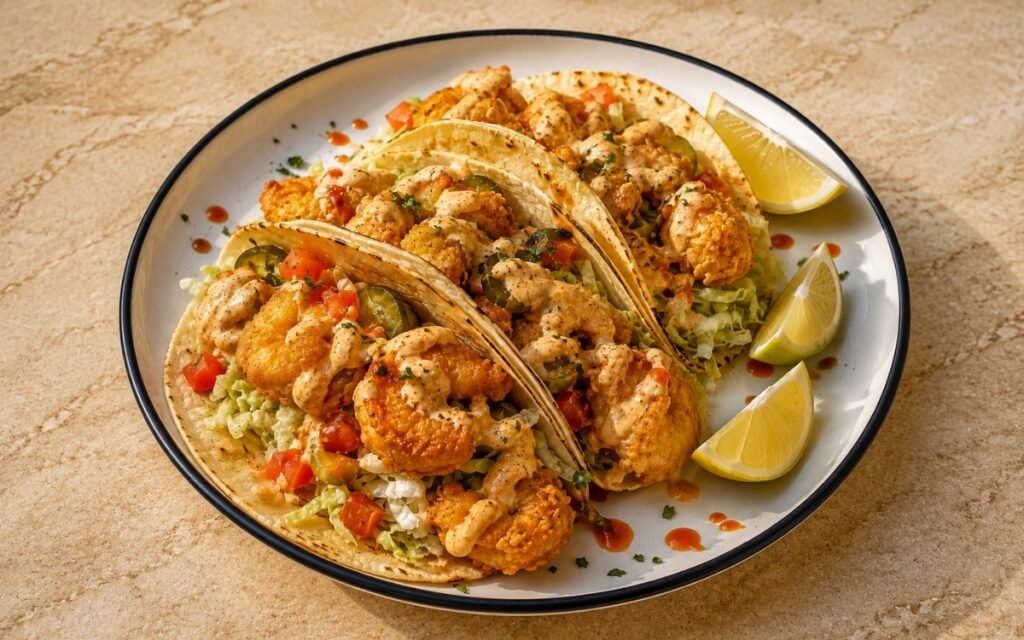
Shrimp Po’Boy Tacos
Crispy fried shrimp in warm homemade corn tortillas with cold shredded lettuce, tomato, pickles, and creamy remoulade.
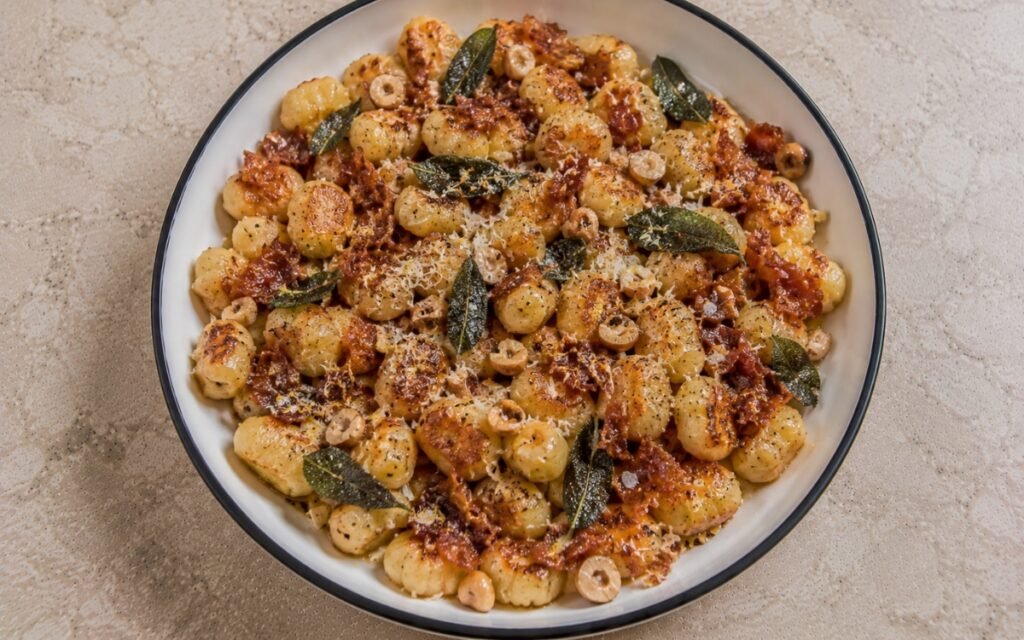
Brown Butter Sage Gnocchi with Crispy Prosciutto
Gnocchi tossed in brown butter with fried sage until golden-edged, emulsified with gnocchi water, finished with crispy prosciutto and Parmigiano — 25 minutes.
You might also like
You might also like
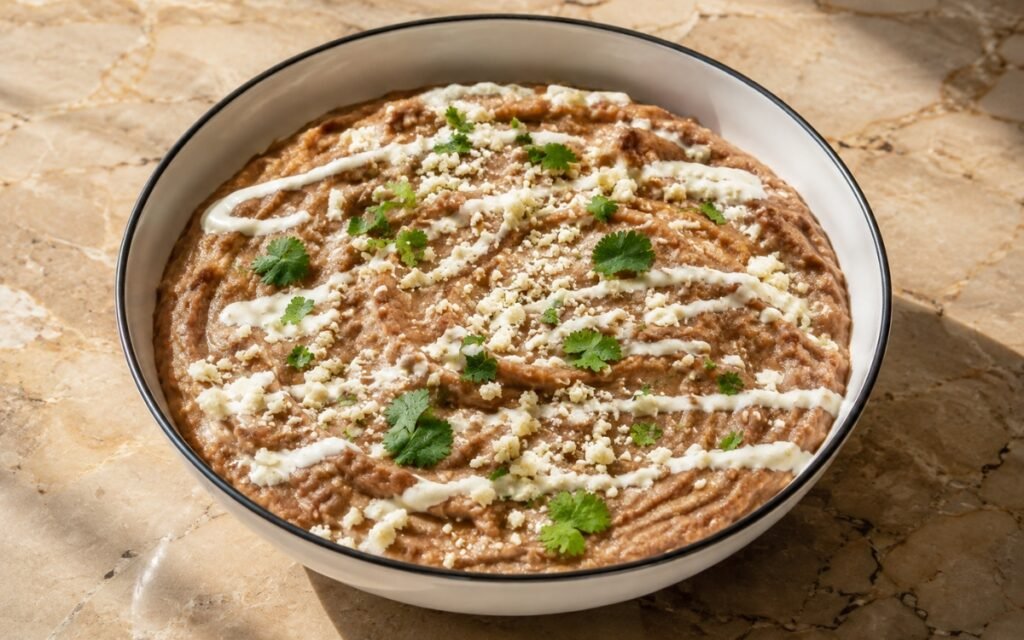
Refried Beans
Creamy pinto beans simmered slowly, mashed and fried in lard with onion and garlic until glossy and spreadable.
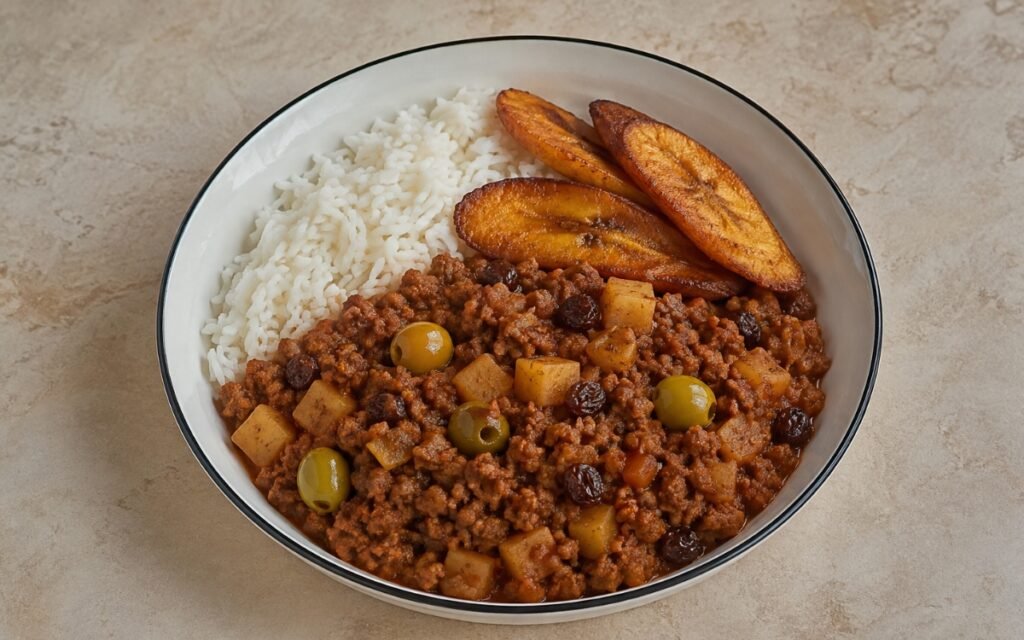
Cuban Picadillo
Seasoned ground beef simmered in a savory tomato sauce with green olives, raisins, and tender diced potatoes.
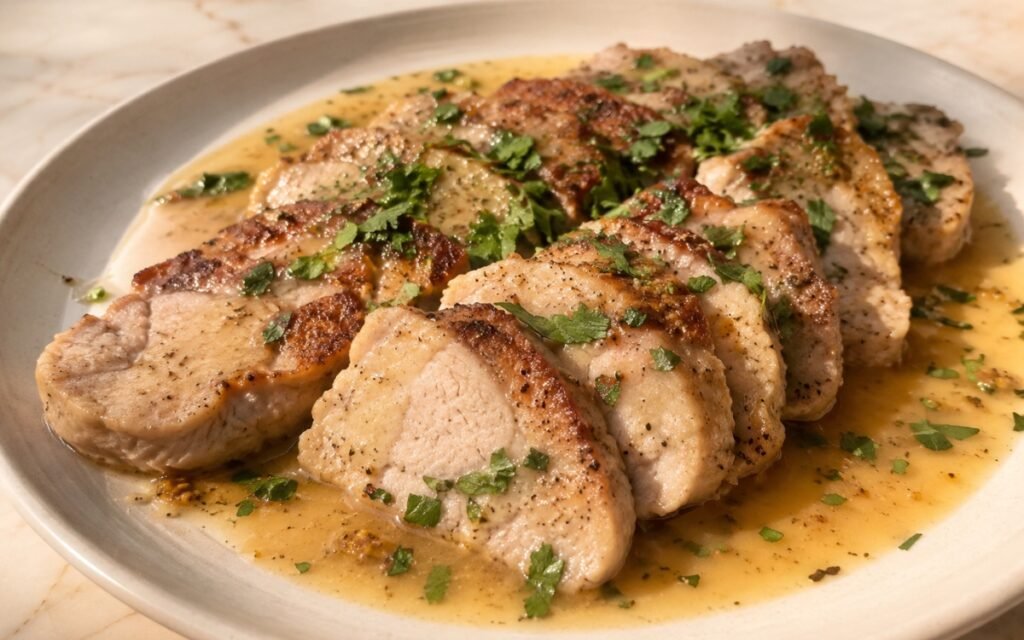
Pan-Seared Pork Medallions
Pork tenderloin sliced and pounded even, seared golden, finished with a rich Dijon pan sauce from the fond. Quick and restaurant-quality.
Gorditas with Chicharrón and Salsa
Ingredients
Method
- Toss the Roma tomatoes, onion wedges, and garlic with olive oil and a little salt. Broil or roast on a hot tray until the tomatoes soften and blister and the onion develops browned edges, about 8–12 minutes. Transfer the roasted tomatoes, onion, and garlic to a blender. Add the ground cumin, raw jalapeño, lime juice, cilantro, and salt. Blend until smooth but still slightly textured. The salsa should be spoonable and quite thick, not watery. If it is loose, it will soak the gorditas too quickly and soften the whole pocket. Adding the jalapeño raw at the blending stage rather than roasting it alongside the tomatoes keeps its heat sharper and fresher against the roasted sweetness of everything else.
- In a large bowl, mix the masa harina and salt. Add the warm water gradually, mixing with your hand until a soft dough forms. Add the lard or oil if using and knead briefly until smooth. Cover and rest for 20 minutes. The dough should feel soft, hydrated, and pliable, not dry or crumbly. If it cracks badly at the edges when shaped, add a little more warm water. If it sticks heavily to your hands, add a small amount of masa harina. The 20-minute rest lets the masa harina fully hydrate, which is what determines whether the dough presses and shapes cleanly or resists and cracks at the edges.
- Divide the dough into 12 equal balls, about 90–95g each. Keep the dough covered while working. Press each ball into a thick round about 9–10cm wide and about 1cm thick. They should be clearly thicker than tortillas. Smooth the edges so they do not crack during cooking. This roughly 1cm thickness is deliberately much greater than a standard tortilla’s — it’s exactly what gives the gordita enough mass to still have a soft, workable interior after cooking, which is what makes splitting it into a pocket possible at all.
- Heat a comal, cast-iron skillet, or heavy pan over medium heat. Cook the gorditas for about 3–4 minutes on the first side, then 3–4 minutes on the second side, and then another 1–2 minutes per side as needed, until they are cooked through, golden-brown, and lightly charred in places. Some may puff slightly as they finish cooking. That is good. It helps create the interior pocket. Do not cook them over very high heat. The outside will brown too fast while the center stays raw and gummy. The slight puffing that happens toward the end of cooking is a sign that internal steam is building and beginning to separate the dough into distinct layers — this is the same mechanism, on a smaller scale, that gives a properly cooked gordita its pocket even before the deliberate slit is cut.
- While still hot but cool enough to handle, use a small knife to cut a slit into the side of each gordita and gently open it to form a pocket. Do this while they are still warm. Once fully cooled, the gorditas are more likely to crack instead of opening cleanly. This window is genuinely narrow — masa that’s still warm flexes and yields cleanly along the cut, while masa that’s had time to firm up as it cools resists and tends to crack unpredictably rather than opening into a usable pocket.
- If the chicharrón is already very crisp, simply break it into bite-sized pieces. If it needs refreshing, warm it briefly in a dry skillet or with just a few drops of oil over medium heat for 2–3 minutes until hot and crisp again. Do not cover it or steam it. The whole point here is keeping the pork crackling crisp and distinct. Any trapped steam, even briefly, will soften chicharrón’s signature crackling texture almost immediately — this is why the instruction is specific about leaving it uncovered even for a short reheat.
- Shred the white cabbage very thinly. Slice the avocado thinly. Chop or pick the cilantro. Cut the limes into wedges. Keep the cabbage dry and light. Wet cabbage will soften the inside of the gordita. Shredding the cabbage genuinely thin rather than into rough shreds matters for how it sits inside the warm pocket — fine shreds wilt gently from residual heat while keeping crunch, while thicker pieces either stay stubbornly raw-tasting or take up too much space in an already tight pocket.
- Open each gordita pocket and add a generous portion of crispy chicharrón. Spoon in a small amount of salsa roja, just enough to coat and season the filling without making it soggy. Top with shredded cabbage, a thin slice or two of avocado, and a little fresh cilantro. The filling should peek out visibly from the opening. Do not overstuff so much that the gordita tears or cannot close slightly around the filling. Using the salsa sparingly here, rather than generously as on an open taco, is a deliberate restraint specific to the enclosed-pocket format — salsa that would work fine spooned over an open tortilla becomes a liability once trapped against the masa on all sides.
- Serve 3 gorditas per serving with lime wedges on the side and extra salsa roja for spooning over or dipping. Serve immediately while the masa is warm, the chicharrón is still crisp, and the cabbage stays fresh. The contrast between hot, soft masa and crackling chicharrón is at its sharpest right at assembly, so serving without delay is what preserves the specific textural range this dish is built around.