Gochujang Mayo
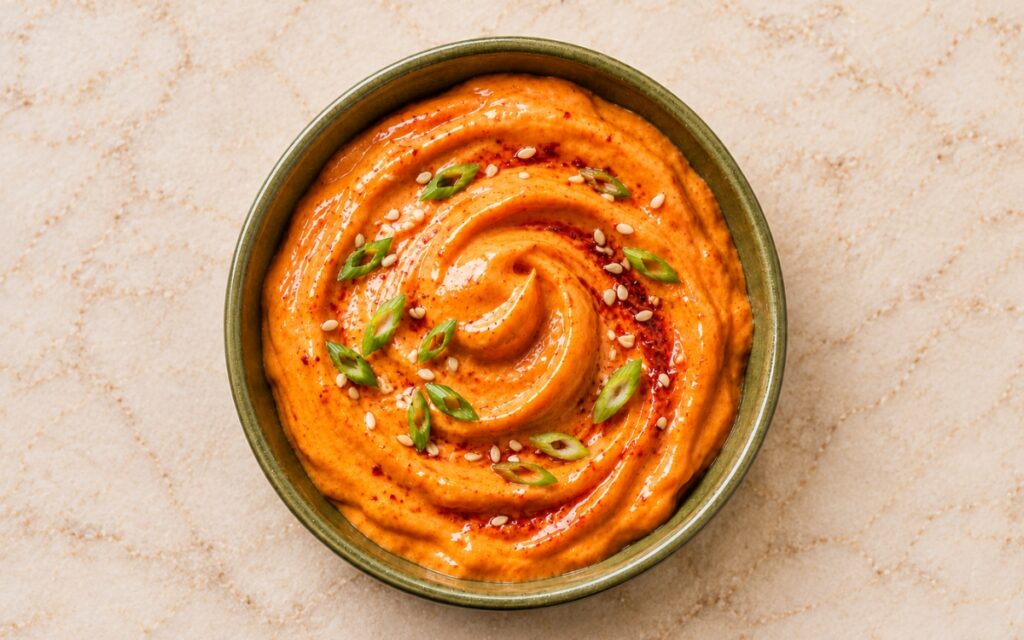
Gochujang mayo is a rich, creamy Korean-inspired sauce that combines homemade mayonnaise with fermented Korean red chili paste, rice vinegar, a touch of honey, and toasted sesame oil into a thick, velvety coral-orange spread, the key being the balance between savoury umami, gentle sweetness, tangy acidity, and warming chili heat. Building a stable mayonnaise first and folding the gochujang mixture in in three additions, rather than whisking the paste in raw, is the technique this whole sauce depends on for a smooth, fully emulsified finish — a stiff paste dumped in at once leaves lumps and can loosen the emulsion, the same build-the-base-then-fold-in principle used elsewhere in this collection whenever a thick flavouring joins a sauce. Loosening the paste with honey, soy sauce, and a little water first is what lets it blend without streaks. Using toasted sesame oil sparingly is what keeps the fermented chili in front. The payoff is a mayo with real, bold character — thick, silky, and deep coral, with clear spoon swirls and a chili warmth that builds slowly.
- Prep Time : 15 min
- Total Time : 30 min
- Servings : 12
Ingredients
For the Homemade Mayonnaise Base
- 1 large pasteurized egg yolk, about 18–20g
- 245ml neutral oil, such as sunflower or grapeseed oil
- 8g Dijon mustard
- 10ml rice vinegar
- 8ml freshly squeezed lime juice
- 1g fine sea salt, or to taste
For the Gochujang Flavouring
- 60g Korean gochujang (fermented red chili paste)
- 10g honey
- 5ml toasted sesame oil
- 5ml light soy sauce
- 5–10ml cold water, only if needed to adjust consistency
For Finishing
- 3g toasted white sesame seeds
- 1 small green scallion, thinly sliced diagonally
- ½ tsp additional gochujang, thinned with a few drops of water, for a subtle finishing streak (optional)
Directions
- Prepare the Mayonnaise Base
Place the pasteurized egg yolk, Dijon mustard, rice vinegar, lime juice, and salt in a clean mixing bowl and whisk for 30–45 seconds until smooth. Begin adding the neutral oil a few drops at a time, whisking continuously, and once 40–50ml of oil is in and the mixture begins to thicken, continue in a very thin, steady stream until all 245ml is incorporated. It should be pale ivory-yellow, thick, and able to hold soft peaks with no oil separating. That especially slow start is what builds a stable initial emulsion, so the mayonnaise does not split. - Prepare the Gochujang Mixture
In a separate small bowl, combine the gochujang, honey, toasted sesame oil, and soy sauce and whisk until smooth, deep red-orange, and free of lumps. If the paste is very stiff, add about 5ml cold water to make it easier to blend. Taste it before adding any extra salt to the sauce, because gochujang brands vary considerably in saltiness, sweetness, and heat. That pre-mixing is what lets the thick paste blend into the mayonnaise evenly instead of leaving streaks. - Combine and Emulsify
Add about one-third of the gochujang mixture to the mayonnaise and whisk gently until fully incorporated, then add the remainder in two more additions, whisking until the sauce turns an even coral-orange with very fine dark chili flecks. If needed, whisk in the remaining cold water 1 tsp at a time until it is thick but easily spreadable. Taste and adjust with a few drops of lime juice, a little honey, or more gochujang. That staged folding is what keeps the emulsion intact and the sauce silky rather than loose. - Rest and Develop the Flavour
Transfer the mayonnaise to a clean container, cover it, and refrigerate for about 15 minutes. Stir it gently before serving. During this short rest the flavours settle, so the fermented chili, sesame, acidity, and creamy mayonnaise taste like one balanced sauce instead of separate parts. If time is short, the sauce is still delicious straight away. That brief chill is what rounds the heat and firms the body for serving. - Finish and Serve
Spoon the gochujang mayo into a small olive-green ceramic bowl and draw broad, rounded spiral swirls with the back of a spoon. Lay a very thin streak of the diluted reserved gochujang along one groove if you like, then scatter a restrained amount of toasted white sesame seeds and thinly sliced scallion over the top. Serve chilled. The sauce should hold distinct swirls with a gentle satin sheen. That restrained finish is what shows the coral colour and keeps the focus on the chili.
*Notes :
- Folding the gochujang mixture into a finished mayonnaise in three additions deserves genuine recognition as the technique most directly responsible for a smooth, fully emulsified sauce. A thick, salty paste added all at once can loosen the emulsion and leave streaks, whereas gradual additions let each portion disperse evenly and keep the sauce thick and velvety.
- Tasting the gochujang before adding any extra salt deserves the same attention this technique receives throughout this collection’s other fermented, salty flavourings. Brands vary widely in saltiness, sweetness, and heat, so adjusting honey, lime, or paste only after combining prevents a sauce that tastes overwhelmingly sweet, salty, or spicy.
- Using toasted sesame oil sparingly deserves genuine respect as the detail most directly responsible for letting the fermented chili stay dominant. Its nutty perfume is strong, so a mere 5ml gives a subtle background note, whereas more would overpower the gochujang and push the sauce toward a flat, oily nuttiness.
- Choosing pasteurized yolks deserves attention as a genuine, checkable safeguard rather than a loose precaution. Gochujang, vinegar, and lime juice do not make unpasteurized raw egg safe, so pasteurized yolks, clean equipment, and refrigeration at 4°C or below are what keep this uncooked sauce safe for its 2 days of storage.
Why This Recipe Works
This recipe works because a stable mayonnaise is built first and the gochujang is made ready to join it. A slow, patient oil addition gives a thick, glossy base, and a pre-mixed paste of gochujang, honey, sesame oil, and soy blends in without streaks or lumps. Adding it in three portions keeps the emulsion intact, and small adjustments of lime, honey, or paste balance the heat. A short chill then settles the flavours, so the finished sauce is thick, silky, savoury, sweet, tangy, and gently hot.
Ingredient Breakdown
Gochujang
The defining flavour ingredient — fermented Korean red chili paste brings savoury umami, gentle sweetness, and warming heat in one spoonful.
Staged Gochujang Folding
The critical technique — three small additions keep the emulsion intact and the sauce a smooth, even coral-orange.
Slow Oil Emulsion
The critical technique — drop-by-drop oil builds a stable base that can carry a thick, salty paste without splitting.
Honey and Rice Vinegar
The balancing element — gentle sweetness and tang round the chili heat and keep the fermented flavour bright.
Toasted Sesame Oil
The finishing technique — a small measure adds nutty depth without overpowering the chili paste.
Pasteurized Egg Yolk
The critical safeguard — it supplies the emulsifier and richness while making the uncooked sauce safer to eat.
Flavor Structure Explained
This gochujang mayo follows a layered balance model:
- Rich, creamy foundation (egg yolk emulsified with neutral oil)
- Savoury, fermented depth (gochujang and light soy sauce)
- Gentle sweet balance (honey)
- Tangy, bright lift (rice vinegar and lime juice)
- Nutty, warming finish (toasted sesame oil and sesame seeds)
The egg yolk and neutral oil provide the rich, creamy foundation that cools and softens the chili. Gochujang and soy sauce bring a savoury, fermented depth, while honey adds a gentle sweetness that rounds the heat. Rice vinegar and lime lift the sauce with a tangy brightness, and toasted sesame oil adds a nutty warmth that ties this gochujang mayo together.
Common Mistakes to Avoid
- Adding the Paste All at Once – This loosens the emulsion and leaves streaks of unblended chili. Always whisk the gochujang mixture in three additions until even.
- Rushing the First Oil – This floods the yolk before it can emulsify, so the base splits. Always add the first 40–50ml of oil a few drops at a time.
- Overusing Sesame Oil – This overpowers the fermented chili with a heavy, nutty flavour. Always keep it to a small measure and taste before adding more.
- Adding Salt Without Tasting – This makes the sauce too salty because gochujang and soy already carry salt. Always taste the paste and adjust after combining.
- Thinning It Too Much – This ruins the thick body and the swirls. Always add cold water 1 tsp at a time and only if the sauce is too stiff.
Variations
Extra-Hot Version
Add a little more gochujang a teaspoon at a time and a few drops of lime to keep the balance, which gives a hotter sauce for fried chicken without losing its creamy texture.
Milder Version
Reduce the gochujang slightly and increase the honey by a small amount to soften the heat, which suits sandwiches and children’s plates while keeping the same coral colour.
Lemon-Free Version
Replace the lime juice with a little extra rice vinegar for a cleaner, rounder tang, which keeps the sauce balanced and slightly less fragrant than the citrus version.
Quick Dip Version
Skip the chill and serve straight after mixing, which works well when time is short, though the flavours taste less settled than after the 15-minute rest.
Storage & Make-Ahead
Refrigerate the mayo immediately in a clean airtight container at 4°C or below and use it within 2 days, because an uncooked egg emulsion must stay cold to remain safe and fresh.
Do not leave the mayonnaise at room temperature for extended periods, because the uncooked yolk and oil-rich emulsion provide an ideal environment for bacteria to grow quickly in a warm kitchen.
Make the sauce about 15 minutes ahead and chill it, because the flavours settle and the fermented chili, sesame, and acidity taste more cohesive than in a freshly whisked sauce.
Keep the sesame seeds and scallion separate until serving, because moisture softens the seeds and the scallion wilts in the sauce, so the garnish looks fresh and tastes crisp.
Stir the chilled sauce gently before serving, because a short rest in the cold firms it, and a few gentle turns of a spoon bring back its smooth, spreadable body.
Frequently Asked Questions
Why is the gochujang mixed with honey, sesame oil, and soy before it joins the mayonnaise?
Pre-mixing loosens the thick paste into a smooth, even blend, so it folds into the emulsion without streaks or lumps and keeps the finished sauce silky and evenly coloured.
Why is the gochujang mixture added in three portions?
Smaller additions disperse evenly and protect the emulsion, whereas a thick, salty paste added all at once can loosen the sauce and leave unblended streaks of chili.
Why should the gochujang be tasted before more salt is added?
Brands differ considerably in saltiness, sweetness, and heat, so tasting after combining lets you balance the sauce instead of ending up overwhelmingly salty, sweet, or spicy.
Why are pasteurized egg yolks used for this sauce?
The mayonnaise is uncooked, and the gochujang, vinegar, and lime juice do not make unpasteurized raw egg safe, whereas pasteurized yolks reduce the food-safety risk.
Are there other classic Korean sauce, fried chicken, or crispy snack dishes worth trying?
Gochujang Honey Sauce offers another classic gochujang sauce direction worth exploring, and Korean Soy Garlic Fried Chicken is also worth trying for a Korean fried chicken to serve with it. Crispy Salmon Bites with Spicy Mayo and Spicy Fried Chicken Sandwich are also worth trying for other spicy, creamy dishes worth exploring, while Crispy Sweet Potato Fries offers a crisp side for dipping.
Nutrition Facts
( Per Serving — 30ml )
- Calories
- ~190 kcal
- Protein
- 1 g
- Fat
- 20 g
- Carbs
- 3 g
-

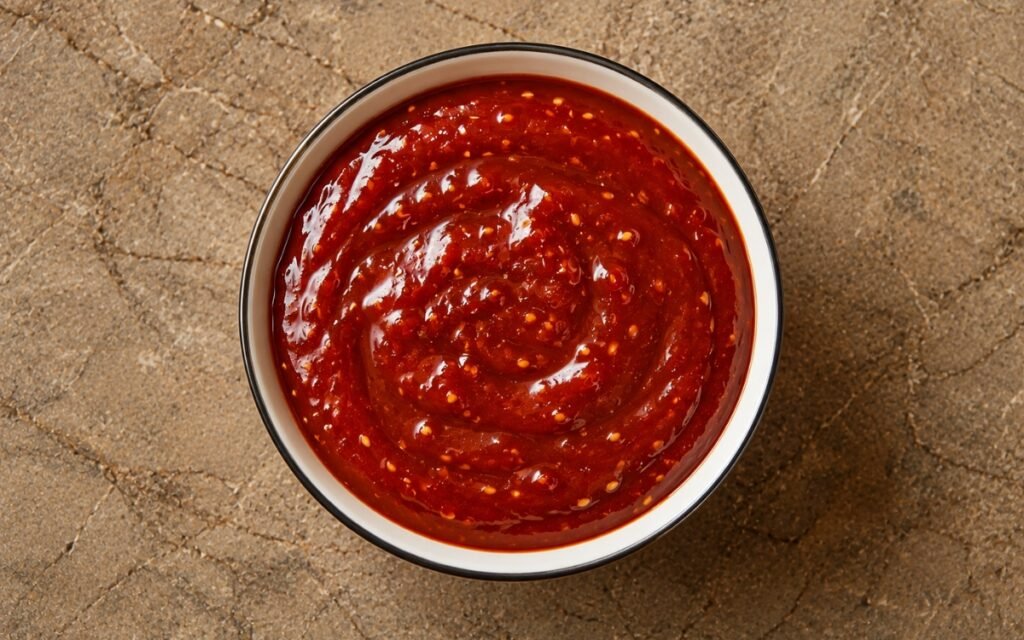
Gochujang Honey Sauce
Korean fermented chili paste and honey create an addictive sweet-spicy glaze — ready in 10 minutes.
-
Korean Army Stew / Budae Jjigae
Spicy red kimchi stew with ramen, luncheon meat, sausages, tofu, and mushrooms, topped with a layer of melted cheese.
-
Korean Spicy Chicken Dakgalbi Bowl
Glossy gochujang chicken with sweet potato, cabbage, and onion over white rice, topped with sesame seeds and scallion.


-
Korean Spicy Pork / Jeyuk Bokkeum
Thinly sliced pork in a glossy red gochujang glaze with onion and scallion, served beside white rice and topped with toasted sesame seeds.
-
Korean BBQ Chicken Wings
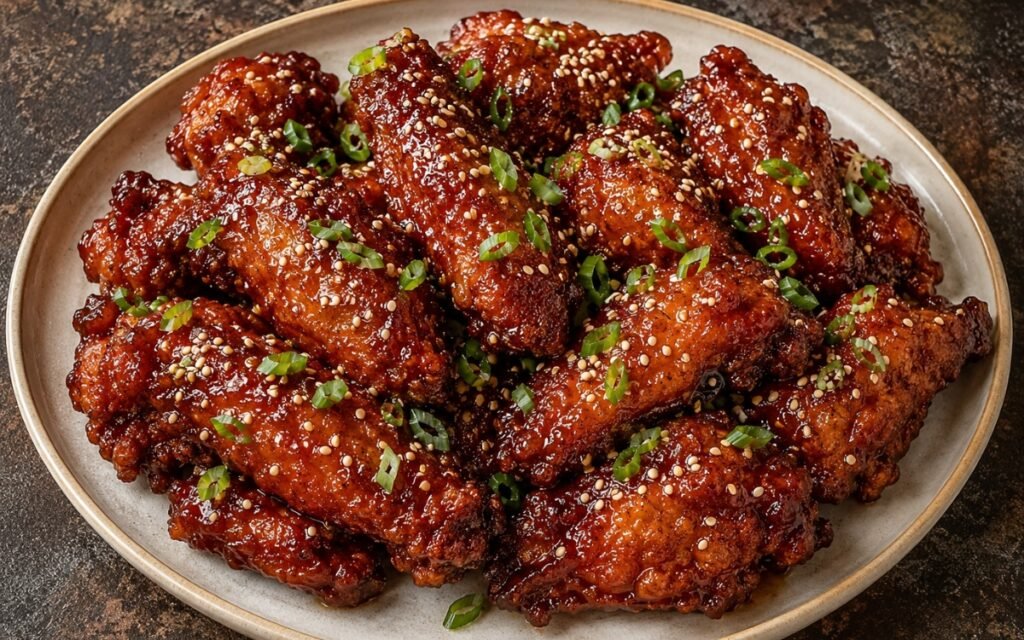
Double-fried wings glazed in sticky gochujang barbecue deliver shattering crunch with sweet-heat intensity and garlic depth.
-
Korean Corn Dogs
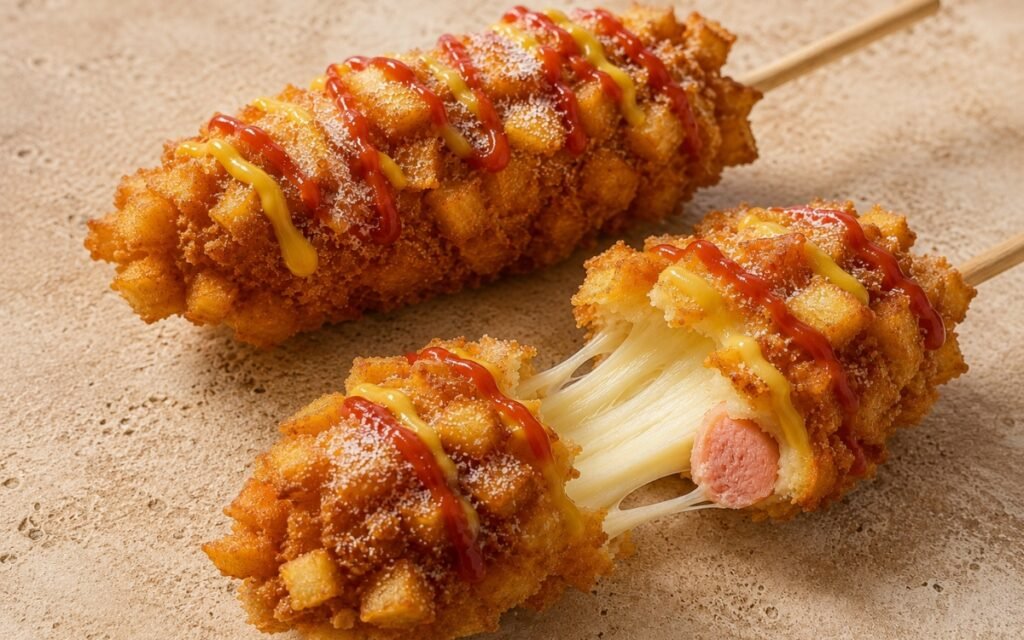
Yeasted batter, chilled potato cube crust, panko, and stretchy mozzarella — fried at 175°C with continuous rotation, finished with sugar and salt, drizzled with gochujang sauce.