
Korean Spicy Pork / Jeyuk Bokkeum
Jeyuk bokkeum is a Korean spicy pork stir-fry of thinly sliced pork shoulder or neck coated in a glossy gochujang and gochugaru marinade, tossed with onion and scallions over high heat until lightly charred, and served beside a small mound of hot white rice with toasted sesame seeds. Stir-frying the marinated pork hot and fast in a wide, properly preheated pan, rather than crowding or covering it, is the technique this whole dish depends on for a thick, glossy glaze with charred edges — a crowded pan traps the released juices, so the pork steams in thin red liquid instead of caramelising, the same hot-pan-and-reduce principle used elsewhere in this collection whenever a sugar-rich marinade must cling to browned meat. Slicing the pork as thinly as possible across the grain is what lets every piece cook through before the sauce scorches. Mixing the sliced onion into the marinade is what softens it and lets it absorb the gochujang before it reaches the pan. The payoff is jeyuk bokkeum with real, lacquered depth — bright red, tender pork with caramelised edges, soft sweet onion, and a clinging spicy glaze beside fluffy white rice.

Prep Time : 20 min
Total Time : 1 hr 10 min
Servings : 4
20 min
1 hr 10 min
4
Ingredients
For the Rice
• 300g Korean short-grain or medium-grain white rice
• Water, as needed for cooking the rice
For the Pork and Marinade
• 700g pork shoulder, pork neck, or a well-marbled pork belly and shoulder mix, thinly sliced
• 2 tbsp gochujang
• 1 tbsp gochugaru
• 2 tbsp soy sauce
• 1 tbsp Korean rice syrup, honey, or brown sugar
• 1 tbsp mirin or rice wine
• 1 tbsp sesame oil
• 4 garlic cloves, finely grated or minced
• 1 tsp fresh ginger, grated
• ½ tsp black pepper
For the Vegetables
• 1 medium onion, thinly sliced
• 4 scallions, cut on the bias into 3–4 cm pieces
• 1 tbsp neutral oil, plus more if needed
For the Finish
• 2 tsp toasted sesame seeds
• 2 scallions, thinly sliced
• A few drops of sesame oil, optional
Directions
- Cook the Rice
Rinse the 300g of rice in several changes of cold water until the water runs mostly clear, then drain well. Cook it by your usual method, in a rice cooker or a covered saucepan with the water it needs, until the grains are tender and fluffy. Start it first so it finishes while the pork marinates, then keep it covered and warm. The rice should be hot and ready before the pan goes on. That timing is what lets the pork go straight from the pan to the plate, since jeyuk bokkeum is at its best served immediately. - Slice and Marinate the Pork
If the 700g of pork is not already thinly sliced, freeze it for 20–30 minutes until firm, then slice it as thinly as possible across the grain. In a large bowl, stir together the 2 tbsp gochujang, 1 tbsp gochugaru, 2 tbsp soy sauce, 1 tbsp rice syrup, 1 tbsp mirin, 1 tbsp sesame oil, 4 grated garlic cloves, 1 tsp grated ginger, and ½ tsp black pepper. Add the pork and sliced onion, mix until every piece is coated, and marinate covered in the refrigerator for 30 minutes. The sauce should cling rather than pool, so add no extra liquid. That thin slicing is what lets the pork cook through in minutes, while the onion softens and absorbs flavour in the marinade. - Prep the Pan
Separate the 4 bias-cut scallion pieces from the 2 thinly sliced scallions kept for the garnish, so the right ones go into the pan later. Set a large heavy skillet, sauté pan, or wok over medium-high to high heat and let it get properly hot before adding the 1 tbsp of neutral oil. The oil should shimmer and loosen across the surface within a few seconds. A wide base matters as much as the heat. That combination is what keeps the pork in contact with hot metal, so it chars lightly instead of steaming in its own juices. - Stir-Fry the Pork
Add the marinated pork and onion to the hot pan in a single layer if possible, or cook in 2 batches if the pan would otherwise be crowded. Stir-fry for 4–6 minutes, turning and tossing often, until the pork is cooked through with no raw pink left, the onion is tender, and the loose marinade has reduced to a thick, shiny glaze. Add the scallion pieces for the last 1–2 minutes and toss briefly, until some pork and onion edges catch a light char. Keep the heat high and the pan uncovered. That evaporation is what turns a wet red marinade into a clinging glaze rather than a soupy braise. - Finish and Plate
Taste and adjust if needed, and add a few drops of sesame oil off the heat if you want a little extra shine. Spoon a small mound of hot rice onto each of 4 plates or bowls, then arrange a generous portion of pork alongside it rather than fully over it. Scatter the 2 tsp of toasted sesame seeds and the thinly sliced scallions across the pork, and serve at once. The pork should look bright red, glossy, and lightly charred, not dark or wet. That immediate plating is what keeps the glaze glossy and the pork tender and juicy.
*Notes :
- Cooking the pork over high heat in a wide, uncrowded pan deserves genuine recognition as the technique most directly responsible for the dish’s charred edges and thick glaze. Moisture released from the meat evaporates quickly on a hot, open surface, while a crowded or covered pan traps it and leaves the pork pale, wet, and braised rather than caramelised, which is a genuinely different dish.
- Slicing the pork very thin across the grain deserves the same attention this technique receives throughout this collection’s other fast stir-fries. Thick pieces will not cook through in the few minutes the marinade can survive over high heat, so they either stay raw in the centre or burn on the outside while you wait for the middle to cook.
- Choosing pork shoulder or neck deserves genuine respect as the detail most directly responsible for tender slices that do not turn greasy. Pure pork belly is richer and more traditional in some versions, but it renders far more fat and looks heavier, so it needs less added oil and any excess rendered fat poured off the pan before the glaze forms.
- Watching the sauce while it reduces deserves attention as a genuine, checkable cue rather than a loose approximation. If it starts catching before the pork is cooked, lowering the heat slightly and adding only 1–2 tbsp of water to loosen it, then reducing again quickly, saves the glaze without ever turning it into a soupy stew.
Why This Recipe Works
This recipe works because a gochujang and gochugaru marinade seasons very thin pork slices and softens the onion before anything touches the pan. A properly hot, wide skillet then lets the pork brown and the sugars caramelise, instead of steaming in its own juices. Cooking in a single layer, or in 2 batches, keeps that heat steady, so the loose marinade reduces into a shiny glaze within 4–6 minutes. Scallions added at the very end stay bright, and the pork finishes tender, genuinely juicy, and lightly charred beside plain hot rice.
Ingredient Breakdown
Thin Slicing Across the Grain
The critical technique — very thin slices cook through in minutes, so the pork stays tender before the glaze can scorch.
Pork Shoulder or Neck
The critical ingredient choice — well-marbled cuts balance fat and tenderness, staying juicy without the heavy richness of pure pork belly.
Gochujang and Gochugaru
The defining flavour ingredient — fermented paste gives savoury depth and body, while the flakes add clean heat and deep red colour.
Onion in the Marinade
The structural choice — sliced onion softens as it marinates, absorbing the sauce and adding sweetness that rounds off the heat.
Hot, Wide Pan
The critical safeguard — high heat and a roomy surface let moisture evaporate fast, so the pork chars lightly instead of steaming.
Scallions Added Late
The finishing technique — adding the bias-cut pieces in the last 1–2 minutes keeps them bright and fresh against the glossy glaze.
Flavor Structure Explained
This Korean spicy pork / jeyuk bokkeum follows a layered balance model:
- Neutral, fluffy foundation (white rice)
- Savoury, caramelised core (thin pork, soy sauce, gochujang)
- Spicy, glossy glaze (gochujang, gochugaru, rice syrup or honey, mirin)
- Sweet, tender body (softened onion, charred edges)
- Aromatic, nutty finish (garlic, ginger, sesame oil, toasted sesame seeds, scallion)
White rice gives the plate its soft, neutral base, so the pork and glaze stay the focus. Thin pork forms the savoury, caramelised core, and it carries the sharper edge of soy sauce and fermented gochujang. Gochujang, gochugaru, rice syrup, and mirin then build the spicy, glossy glaze, while the soft onion adds tender sweetness and a few charred edges. Garlic, ginger, sesame oil, toasted seeds, and fresh scallion add the aromatic finish that ties jeyuk bokkeum together.
Common Mistakes to Avoid
- Slicing the Pork Too Thick – This stops the pieces cooking through in the quick stir-fry, leaving them tough or underdone. Always slice as thinly as possible across the grain, freezing the pork briefly first.
- Crowding the Pan – This releases steam and boils the pork in its own juices instead of charring it. Always cook in a single layer, or in 2 batches if needed.
- Starting With a Pan That Is Not Hot Enough – This lets the marinade loosen and stew before any browning begins. Always heat the skillet properly over medium-high to high heat before adding the oil and pork.
- Covering the Pan – This traps moisture, so the sauce never reduces and the dish turns into a soupy braise. Always cook uncovered over high heat until the glaze is thick and glossy.
- Adding Extra Liquid to the Marinade – This thins the sauce, so it cannot cling to the pork. Always keep the marinade thick, adding only 1–2 tbsp of water in the pan if it starts to catch.
Variations
Extra-Hot Version
Increase the gochugaru by ½–1 tbsp for a stronger kick, tasting the marinade as you go so the heat stays balanced against the sweetness.
Restaurant-Sweet Version
Add 1 extra tsp of rice syrup or sugar to the marinade for a slightly sweeter, stickier glaze that softens the heat of the gochujang.
Pork Belly Version
Swap part or all of the shoulder for thinly sliced pork belly, reduce the added oil, and pour off any excess rendered fat for a richer, more traditional result.
Two-Batch Version
Cook the pork in 2 batches in a smaller pan, returning the first batch for the final toss, so every slice keeps contact with the hot surface and chars properly.
Storage & Make-Ahead
Jeyuk bokkeum is best eaten fresh, while the glaze is glossy and the pork tender, so cook it just before serving and have the rice hot and waiting on the plates beforehand.
Keep any leftover pork in an airtight container in the refrigerator for up to 3 days, stored separately from the rice so the sauce does not soften the grains or turn the rice sticky.
Reheat the pork in a hot skillet for 2–3 minutes, with a small splash of water if the glaze looks tight, though the sauce will be less glossy and the onions noticeably softer than on the day.
Cook the rice ahead, refrigerate it, and reheat it covered with a spoonful of water until steaming, so the plate comes together as soon as the pork is done and nothing waits.
Slice the pork, onion, and scallions earlier in the day and keep them refrigerated, leaving only the 30-minute marinade and the quick 4–6 minute stir-fry for serving time.
Frequently Asked Questions
Why must the pork be sliced as thinly as possible across the grain?
Thin slices cook through in the 4–6 minutes the stir-fry allows, while slicing across the grain keeps each piece tender, whereas thick pieces stay underdone or toughen before the sauce reduces.
Why does the pan need to be properly hot and wide before the pork goes in?
Strong heat and a roomy surface let moisture evaporate quickly, so the pork chars lightly and the sauce reduces to a glaze, while a crowded pan steams the meat instead.
Why is the pork cooked uncovered until the sauce turns thick and glossy?
The marinade first loosens and looks wet, and only open, high-heat cooking evaporates that liquid into a thick, shiny glaze that clings to the pork, rather than leaving a soupy braise.
Why is pork shoulder or neck preferred over pure pork belly?
Well-marbled shoulder or neck balances tenderness with fat and keeps the dish lighter, while pure pork belly renders much more fat, looks heavier on the plate, and needs excess fat poured off.
Are there other classic Korean rice bowl, sauce, or noodle dishes worth trying?
Korean Spicy Chicken Dakgalbi Bowl offers another classic spicy Korean direction worth exploring. Korean Beef Bulgogi Rice Bowl and Gochujang Honey Sauce are also worth trying for other savoury and sauce directions, and Korean Bibimbap and Japchae — Korean Glass Noodle Stir-Fry offer other rice and noodle dishes worth exploring.
Nutrition Facts
( Per Serving )
Calories
~790 kcal
Protein
39 g
Fat
35 g
Carbs
74 g
Calories
~790 kcal
Protein
39 g
Fat
35 g
Carbs
74 g
Related Recipes
Related Recipes
-

Char Siu Fried Rice
Golden-brown jasmine fried rice with diced char siu, egg curds, peas, carrots, and scallions, topped with larger glossy slices of roast pork.
-
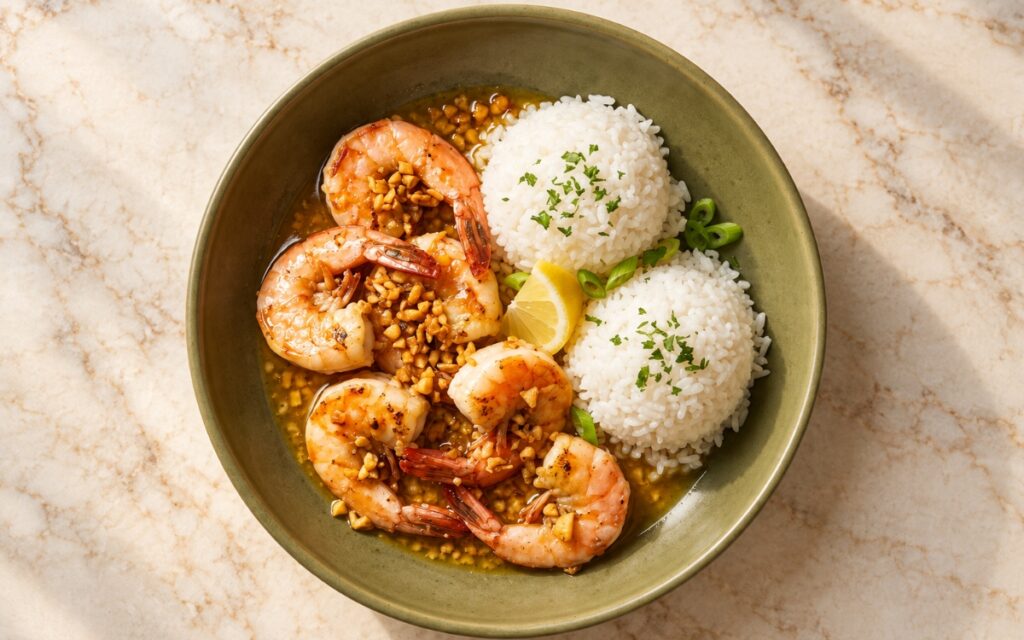
Hawaiian Garlic Shrimp Bowl
Seared shell-on shrimp tossed in golden garlic butter, served beside two scoops of fluffy white rice with a lemon wedge, parsley, and scallions.
-
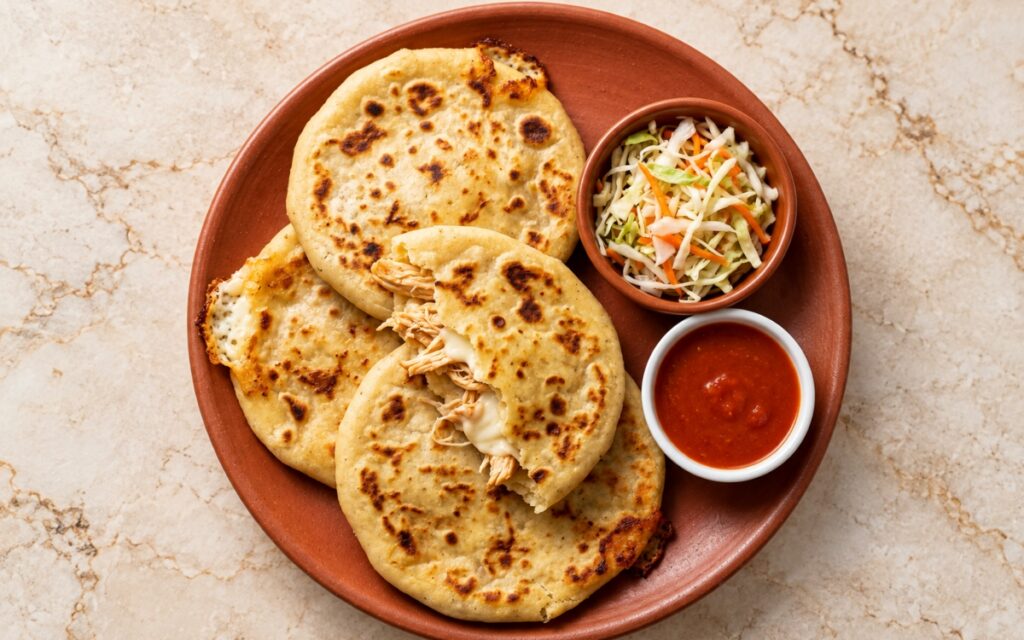
Salvadoran Chicken Pupusas
Thick corn masa pupusas filled with seasoned shredded chicken and melted white cheese, griddled until golden and served with curtido and salsa roja.

You might also like
You might also like
-
Korean Army Stew / Budae Jjigae
Spicy red kimchi stew with ramen, luncheon meat, sausages, tofu, and mushrooms, topped with a layer of melted cheese.
-
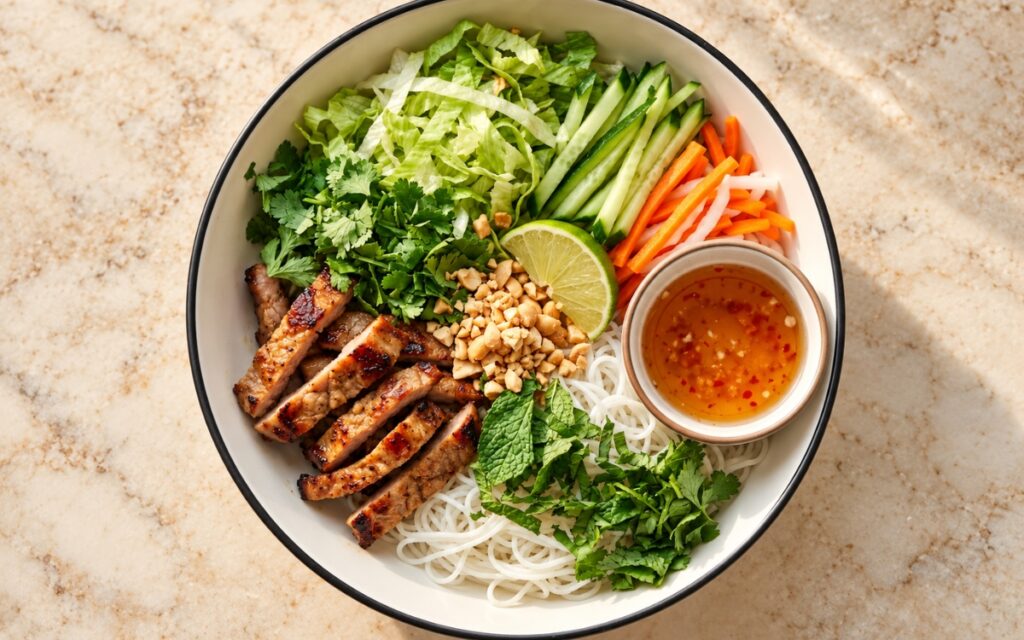
Lemongrass Pork Vermicelli Bowl
A Vietnamese-style bowl of grilled lemongrass pork over rice vermicelli with lettuce, cucumber, pickled carrot and daikon, herbs, peanuts and nuoc cham.
-
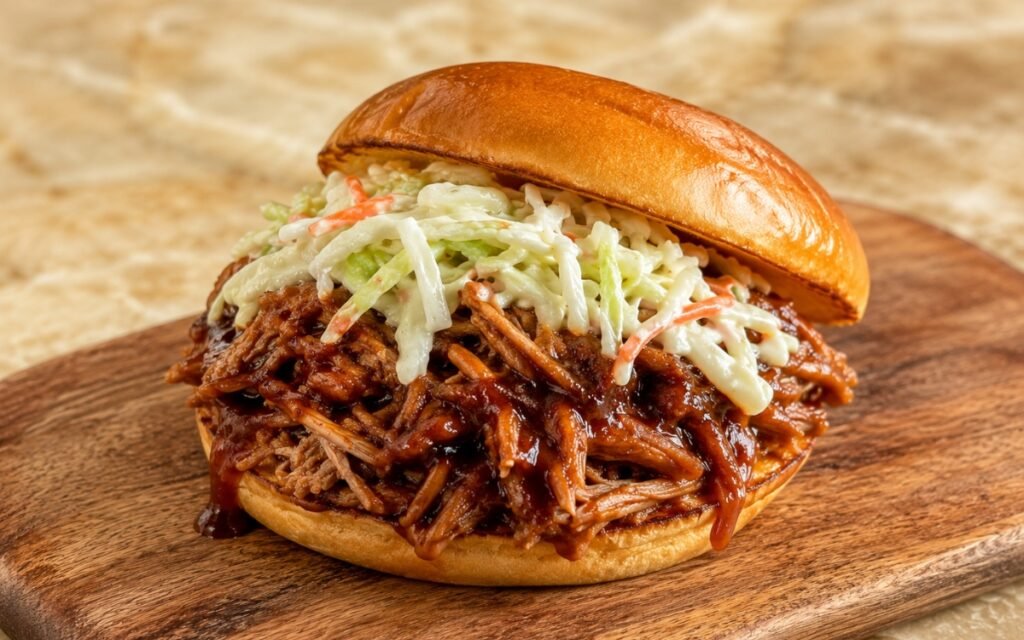
Pulled Pork Sandwich
Slow-braised pork shoulder shredded and tossed in a reduced, glossy barbecue glaze, piled onto toasted brioche buns with fresh coleslaw.


Korean Spicy Pork / Jeyuk Bokkeum
Ingredients
Method
- Rinse the 300g of rice in several changes of cold water until the water runs mostly clear, then drain well. Cook it by your usual method, in a rice cooker or a covered saucepan with the water it needs, until the grains are tender and fluffy. Start it first so it finishes while the pork marinates, then keep it covered and warm. The rice should be hot and ready before the pan goes on. That timing is what lets the pork go straight from the pan to the plate, since jeyuk bokkeum is at its best served immediately.
- If the 700g of pork is not already thinly sliced, freeze it for 20–30 minutes until firm, then slice it as thinly as possible across the grain. In a large bowl, stir together the 2 tbsp gochujang, 1 tbsp gochugaru, 2 tbsp soy sauce, 1 tbsp rice syrup, 1 tbsp mirin, 1 tbsp sesame oil, 4 grated garlic cloves, 1 tsp grated ginger, and ½ tsp black pepper. Add the pork and sliced onion, mix until every piece is coated, and marinate covered in the refrigerator for 30 minutes. The sauce should cling rather than pool, so add no extra liquid. That thin slicing is what lets the pork cook through in minutes, while the onion softens and absorbs flavour in the marinade.
- Separate the 4 bias-cut scallion pieces from the 2 thinly sliced scallions kept for the garnish, so the right ones go into the pan later. Set a large heavy skillet, sauté pan, or wok over medium-high to high heat and let it get properly hot before adding the 1 tbsp of neutral oil. The oil should shimmer and loosen across the surface within a few seconds. A wide base matters as much as the heat. That combination is what keeps the pork in contact with hot metal, so it chars lightly instead of steaming in its own juices.
- Add the marinated pork and onion to the hot pan in a single layer if possible, or cook in 2 batches if the pan would otherwise be crowded. Stir-fry for 4–6 minutes, turning and tossing often, until the pork is cooked through with no raw pink left, the onion is tender, and the loose marinade has reduced to a thick, shiny glaze. Add the scallion pieces for the last 1–2 minutes and toss briefly, until some pork and onion edges catch a light char. Keep the heat high and the pan uncovered. That evaporation is what turns a wet red marinade into a clinging glaze rather than a soupy braise.
- Taste and adjust if needed, and add a few drops of sesame oil off the heat if you want a little extra shine. Spoon a small mound of hot rice onto each of 4 plates or bowls, then arrange a generous portion of pork alongside it rather than fully over it. Scatter the 2 tsp of toasted sesame seeds and the thinly sliced scallions across the pork, and serve at once. The pork should look bright red, glossy, and lightly charred, not dark or wet. That immediate plating is what keeps the glaze glossy and the pork tender and juicy.