French Brick Chicken Frites
French brick chicken frites is a bistro-inspired plate of one large boneless, skin-on chicken thigh pressed flat against a hot skillet until the skin turns deeply golden, crisp, and caramelised, served with thin twice-fried pommes frites and a silky whole-grain Dijon mustard cream sauce made with white wine, shallots, and butter, the key being the contrast between shattering skin, juicy meat, and a rich, tangy sauce. Pressing the thigh skin-side down under a heavy weight, rather than simply searing it loose, is the technique this whole dish depends on for its edge-to-edge crust — a skin that lifts from the pan stays pale and rubbery in patches, the same keep-full-contact principle used elsewhere in this collection whenever a crisp crust must be built from rendering fat. Frying the potatoes twice is what gives soft, fluffy centres under a crisp, golden shell. Plating the sauce underneath, never over the skin, is what keeps the crust crisp to the last bite. The payoff is a bistro plate with real, confident contrast — mahogany skin, tender thigh meat, crunchy frites, and a velvety mustard sauce dotted with seeds.

- Prep Time : 30 min
- Total Time : 1 hr 20 min
- Servings : 4
Ingredients
For the Brick Chicken
- 4 large boneless, skin-on chicken thighs, about 250–300g each (1–1.2kg total)
- 10g fine sea salt
- 2g freshly ground black pepper
- 20ml neutral cooking oil
- 4 fresh thyme sprigs
For the French Pommes Frites
- 1.2kg floury potatoes, preferably Agria or Russet
- 1.5–2 litres neutral frying oil, as needed
- 6g fine sea salt
- 5g fresh flat-leaf parsley, finely chopped
For the Whole-Grain Mustard Cream Sauce
- 100g shallots, finely minced
- 10g garlic (about 2 cloves), finely minced
- 120ml dry white wine
- 180ml unsalted chicken stock
- 160ml heavy cream (30–35% fat)
- 45g whole-grain Dijon mustard (moutarde à l’ancienne)
- 10g smooth Dijon mustard
- 25g cold unsalted butter, cubed
- 2 fresh thyme sprigs
- 1g freshly ground black pepper
- Fine sea salt, to taste
- 15–30ml hot water or chicken stock, only if needed
For Finishing
- 12g fresh flat-leaf parsley, finely chopped
- 4 small fresh thyme sprigs
- Freshly cracked black pepper, to finish
Directions
- Prepare the Chicken Thighs
Pat the thighs thoroughly dry with paper towels and remove any bones, cartilage, and tough connective tissue if they are not already boneless. Open each thigh into one broad, roughly rectangular piece with the skin intact across the top, then gently flatten the thickest parts to 2–3cm without pounding the meat thin. Season both sides with the 10g salt and 2g pepper, and leave the thighs uncovered in the refrigerator while you prepare the potatoes. That dry, intact skin is what lets the surface brown evenly instead of steaming. - Cut and First-Fry the Frites
Peel the potatoes and cut them into thin, even matchsticks 5–7mm thick, then soak them in cold water for 20 minutes to wash off surface starch. Drain and dry them completely with clean towels. Heat the frying oil to 150°C in a deep, heavy pot filled no more than halfway, and fry the potatoes in batches for 5–6 minutes, until tender and pale golden but not browned. Cool them on a wire rack for at least 15 minutes. That gentle first fry is what cooks the interiors through without any colour. - Pan-Press the Chicken
Heat a large, heavy cast-iron skillet over medium heat with a thin layer of the 20ml oil and place one or two thighs in it, skin-side down. Immediately set a foil-wrapped heavy skillet or flat-bottomed pot on top and press firmly so the whole skin touches the pan. Cook for 10–14 minutes, lowering the heat to medium-low as the fat renders, until the skin is deep golden to chestnut-brown with small blisters. Flip, lay in the thyme, and cook 4–6 minutes more until the thickest part reaches 74°C. That constant contact is what turns the skin into one crisp, even sheet. - Rest and Hold the Chicken
Transfer each thigh to a wire rack skin-side up, and pour off the excess rendered fat from the skillet between batches, saving the pan drippings but discarding any burnt particles. Repeat with the remaining thighs. Rest the chicken uncovered for about 5 minutes, and if you are working in batches keep the finished thighs on the rack in a low oven at about 90°C. Never cover them or set them skin-side down. That open rest is what keeps the crust crisp instead of letting trapped steam soften it. - Make the Mustard Cream Sauce
Leave about 15ml of fat and the browned drippings in the skillet, reduce the heat to medium-low, and cook the shallots for 3–4 minutes until soft and translucent. Add the garlic for 30 seconds, then pour in the wine, scraping up the browned residue, and simmer 3–4 minutes until reduced by about half. Add the stock and thyme, simmer 4–5 minutes, then stir in the cream, both mustards, and 1g pepper and simmer 3–5 minutes until it coats a spoon. That wine reduction is what balances the rich cream before the butter goes in. - Finish the Sauce and Frites
Remove the thyme sprigs, lower the heat as far as possible, and whisk in the cold butter a few cubes at a time until the sauce is silky, then season with salt and loosen with a little hot stock or water if it thickens. Just before serving, heat the frying oil to 180–185°C and fry the cooled potatoes in small batches for 2–4 minutes until deeply golden and crisp. Drain on a rack, season at once with the 6g salt, and toss with the 5g parsley. That second hot fry is what gives the crisp shell and fluffy centre. - Plate and Serve
Spoon about a quarter of the mustard sauce onto each warm plate and spread it into a broad, shallow pool with the seeds showing. Set one thigh on top, skin-side up, keeping the crisp skin completely clear of the sauce, and pile the frites on the opposite side so a few touch the sauce while most stay dry. Sprinkle with the 12g parsley and cracked pepper, add a thyme sprig, and serve immediately. That sauce-under-the-skin plating is what preserves the contrast between crisp skin and velvety sauce.
*Notes :
- Pressing the thigh skin-side down under a weight deserves genuine recognition as the technique most directly responsible for the skin’s crisp, even crust. The weight forces every part of the skin against the hot pan while the fat renders slowly, whereas an unweighted thigh curls and lifts, leaving pale, flabby patches next to burnt ones and a crust that softens within minutes.
- Drying the skin and keeping the heat moderate deserves the same attention this technique receives throughout this collection’s other pan-crisped poultry dishes. Surface moisture turns to steam and prevents browning, and excessive heat scorches the skin before the fat beneath has melted, so a dry thigh on steady, medium heat gives a deeper, crunchier result.
- Frying the potatoes twice deserves genuine respect as the detail most directly responsible for fries that are fluffy inside and crisp outside. The first fry at 150°C cooks the starch through without colour, and the cooled sticks then crisp quickly at 180–185°C, whereas a single fry leaves either raw centres or a limp, greasy, over-browned exterior.
- Plating the sauce beneath the chicken deserves attention as a genuine, checkable serving cue rather than a loose approximation. Any cream spooned over the crust softens it within seconds, so a pool under the thigh lets only the underside and edges meet the sauce, preserving the contrast between brittle skin and the velvety mustard sauce.
Why This Recipe Works
This recipe works because every component protects a contrast. Drying and flattening the thigh, then pressing it skin-side down, renders the fat slowly and builds a crisp, mahogany crust over juicy meat. Frying the potatoes twice gives fluffy centres and golden, separate sticks, and a sauce made on the pan drippings with wine, cream, and whole-grain mustard supplies rich, tangy depth. Plating the sauce beneath the chicken keeps the skin crisp until the last bite, so each forkful has crunch, tenderness, tang, and a velvety finish that never turns heavy or soggy.
Ingredient Breakdown
Boneless Skin-On Thighs
The structural foundation — a single flat sheet of skin over thick, juicy thigh meat gives even crisping and tender flesh.
Brick-Pressing
The critical technique — constant, even contact with the hot skillet renders the fat slowly and builds an edge-to-edge crust.
Double-Fried Floury Potatoes
The critical technique — a gentle first fry cooks the centre, and a hotter second fry crisps the golden shell.
Whole-Grain Dijon Mustard
The defining flavour ingredient — visible seeds and a mild, rustic tang cut through the cream, supported by smooth Dijon.
Reduced White Wine
The core flavour-building stage — reducing it by half before the cream goes in balances the sauce with a clean acidity.
Cold Butter Finish
The finishing technique — cubes whisked in over low heat give the sauce a glossy, silky body without splitting it.
Flavor Structure Explained
This French brick chicken frites follows a layered balance model:
- Crisp, caramelised crust (pressed chicken skin and rendered fat)
- Juicy, savoury core (skin-on boneless thigh meat)
- Tangy, rustic bite (whole-grain and smooth Dijon mustard)
- Rich, silky body (cream, butter, shallots, and white wine)
- Golden, salty crunch (twice-fried frites and fresh parsley)
The pressed skin gives a crisp, caramelised crust over the juicy, savoury thigh meat beneath it. Whole-grain and smooth Dijon mustard add a tangy, rustic bite that cuts the richness of the cream, butter, shallots, and wine in the sauce. Twice-fried frites bring a golden, salty crunch alongside the meat, giving the plate a satisfying bistro rhythm of crisp, creamy, and tangy bites, and fresh parsley and thyme add a green lift that ties this plate together.
Common Mistakes to Avoid
- Leaving the Skin Damp – This creates steam and stops the skin from browning evenly. Always pat the thighs thoroughly dry and chill them uncovered before cooking.
- Cooking on High Heat – This scorches the skin before the fat renders, leaving it bitter. Always keep the heat at medium, then lower it as the fat melts.
- Covering the Rested Chicken – This traps steam and softens the crust. Always rest the thighs uncovered, skin-side up, on a wire rack.
- Boiling the Sauce After the Butter – This can split the emulsion into a greasy, grainy sauce. Always whisk in the cold butter over the lowest heat.
- Saucing the Chicken Skin – This turns the crisp crust soft within seconds. Always pool the sauce on the plate first and set the thigh on top.
Variations
Extra-Seeded Version
Use only whole-grain Dijon mustard and omit the smooth Dijon for a milder, more rustic sauce with even more visible seeds, though it will taste slightly less sharp and tangy.
Stock Version
Use chicken stock in place of the wine, adding a little extra stock and a few drops of lemon juice if the sauce needs balance, for a milder cream sauce without alcohol.
Oven-Finished Version
Press the thighs skin-side down until deeply golden, then finish the flesh side in a 190°C oven until the centre reaches 74°C, which frees the stovetop for sauce and frites.
Herb Version
Add a few finely chopped tarragon leaves to the finished sauce for a classic bistro aroma that complements the mustard, keeping the parsley and thyme garnish for colour on the plate.
Storage & Make-Ahead
Cut and soak the potatoes several hours ahead and keep them submerged in cold water in the refrigerator, then drain and dry them thoroughly before frying so the oil does not spatter.
Debone and season the chicken up to 24 hours in advance and refrigerate it uncovered on a rack, since the dry surface helps the skin crisp better when it hits the hot pan.
Refrigerate leftover chicken and sauce in separate containers at 4°C or below for up to 3 days, because keeping them apart protects the crust and stops the sauce from turning thin.
Reheat the chicken in a 190°C oven until thoroughly hot with the skin exposed, and warm the sauce gently over low heat with a splash of stock, because rapid heat could split it.
Serve the fries fresh, since they lose their crispness within minutes of leaving the oil and do not reheat well, so the second fry should happen immediately before plating.
Frequently Asked Questions
Why is the chicken thigh pressed under a weight while it cooks?
Pressing keeps the whole skin in contact with the hot pan, so the fat renders evenly and the skin crisps in one sheet, whereas an unweighted thigh curls and browns unevenly with pale, rubbery patches.
Why are the frites fried twice at different temperatures?
The first fry at 150°C gently cooks the potato through, and the cooled sticks then crisp quickly at 180–185°C, giving a fluffy centre and a golden shell instead of a limp or raw-centred fry.
Why is the wine reduced before the cream is added to the sauce?
Reducing the wine concentrates its flavour and cooks off harsh acidity, so the finished sauce tastes balanced and rounded, whereas adding cream first leaves a thinner, sharper, less developed sauce.
Why must the sauce be spooned onto the plate before the chicken is placed on it?
Cream sauce softens crisp skin within seconds, so pooling it underneath lets only the underside and edges touch it, which keeps the crust crunchy while the sauce still flavours the meat.
Are there other classic chicken, fries, or steak dishes worth trying?
Crispy Oven-Baked Chicken Thighs offers another classic crisp chicken thigh direction worth exploring, and Thin & Crispy Baked Potato Fries is also worth trying for a lighter take on thin, crispy fries. Classic Ribeye Steak and Steakhouse Peppercorn Crusted Steak are also worth trying for other seared steak dishes, while Honey Mustard Pork Chops offers another mustard-flavoured main worth exploring.
Nutrition Facts
( Per Serving )
- Calories
- ~1150 kcal
- Protein
- 52 g
- Fat
- 72 g
- Carbs
- 70 g
-

Classic Ribeye Steak
Marbled ribeye seared to perfection and basted with garlic herb butter for steakhouse flavor.
-
Shrimp Fajita
Smoked paprika and cumin-marinated shrimp seared 30–45 seconds per side in cast iron with charred tri-colour peppers and caramelised onions — the fastest fajita in the collection.
-
Caribbean Coconut Rice and Beans
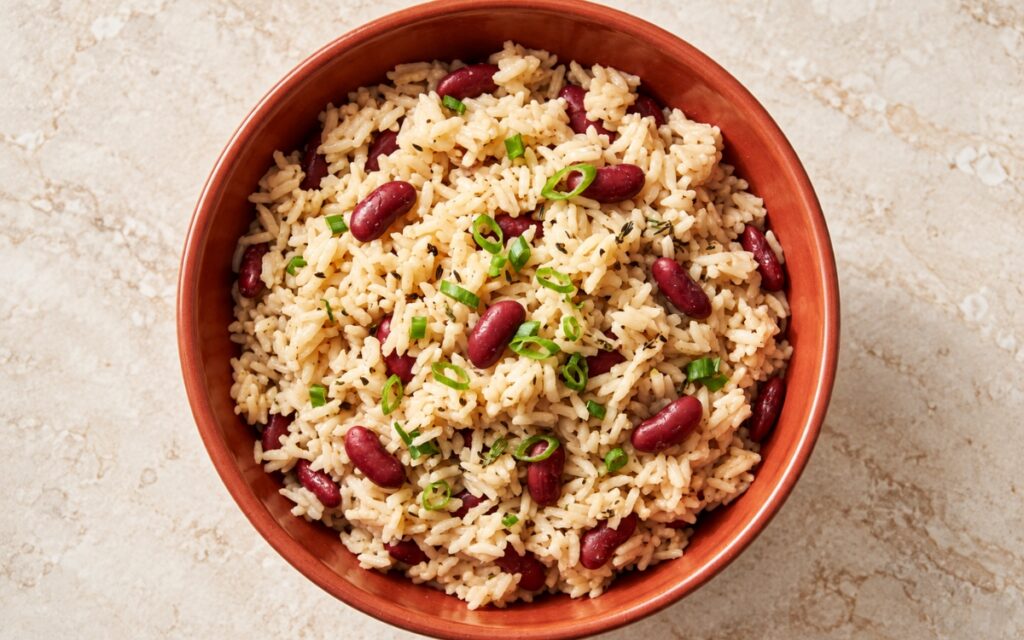
Classic Caribbean-style coconut rice and beans made with fluffy long-grain rice, red kidney beans, coconut milk, scallions, thyme, and gentle allspice.
-
Garlic Herb Pork Tenderloin
Pork tenderloin trimmed, coated in Dijon mustard and fresh herb paste — seared for color, roasted precisely, rested and sliced. Elegant and aromatic.
-
Classic Chimichurri Sauce
Bold parsley, garlic, oregano, and chili blended with olive oil deliver sharp, herbaceous punch and heat.
-
American Corn Dogs
Smoked frankfurters dusted in flour, dipped in thick cornmeal batter, and deep-fried until deeply golden, crisp, and slightly bumpy.