Classic French Beef Tartare
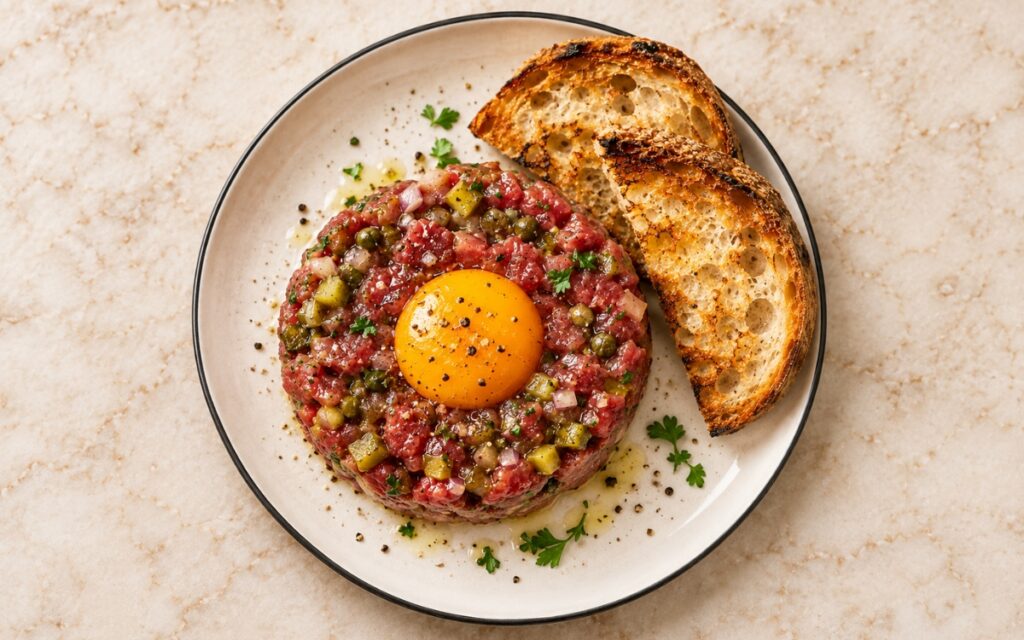
Classic French beef tartare is a traditional bistro dish of very fresh, hand-cut raw beef folded with finely diced cornichons, capers, shallots, Dijon mustard, parsley, and savoury seasonings, shaped into a generous round mound and topped with an intact golden egg yolk, the key being the contrast between clean, tender beef and bright, tangy pickles against a rich yolk. Cutting the beef by hand into small, distinct cubes, rather than grinding or mincing it into a paste, is the technique this whole tartare depends on for its tender, structured bite — ground meat turns smooth and sticky under the dressing, the same cut-it-by-hand principle used elsewhere in this collection whenever a raw ingredient must keep its natural texture. Keeping the beef cold and handling it briefly is what protects both its texture and its freshness. Seasoning the dressing before it meets the beef is what keeps the flavour balanced without tasting the raw meat. The payoff is a tartare with real, bistro-style finesse — ruby beef, sharp pickles and capers, a silky golden yolk, and crisp toasted sourdough to scoop it all up.
- Prep Time : 25 min
- Total Time : 30 min
- Servings : 4
Ingredients
For the Beef Tartare
- 600g premium beef tenderloin (filet mignon) or lean top sirloin, very fresh, a whole-muscle cut suitable for raw preparation
- 60g shallots, very finely diced
- 80g cornichons (small French pickles), finely diced
- 35g capers, drained, some left whole and others roughly chopped
- 25g Dijon mustard
- 10ml Worcestershire sauce
- 20ml extra virgin olive oil
- 12g fresh flat-leaf parsley, finely chopped
- 6g fine sea salt, adjusted to taste
- 2g freshly ground black pepper
- 3–5 drops Tabasco sauce, optional
For the Egg Yolks
- 4 large pasteurised egg yolks, kept intact
For the Toasted Sourdough
- 4 thick slices rustic sourdough bread, about 50–60g each
- 15ml extra virgin olive oil
For Finishing
- 5g fresh flat-leaf parsley, roughly chopped
- Freshly cracked black pepper, to finish
- 5ml extra virgin olive oil, optional
Directions
- Cut the Beef by Hand
Keep the beef refrigerated at 4°C or below until you are ready to work, and use a sharp knife and a clean board. Remove all visible silverskin, tough connective tissue, and excess outer fat. Cut the beef into thin slices about 4–5mm thick, then into narrow strips, and cut the strips crosswise into small, irregular cubes about 4–5mm across. Move the diced beef into a chilled bowl and return it to the refrigerator. That hand-cut texture is what gives distinct ruby pieces and a tender bite instead of a smooth paste. - Prepare the Garnishes and Dressing
Dice the shallots into pieces about 2–3mm across, dice the cornichons to a similar size, and drain the capers thoroughly, leaving some whole and chopping the rest roughly. Chop the 12g parsley finely. In a small bowl, whisk the Dijon mustard, Worcestershire sauce, 20ml olive oil, the salt, the pepper, and the Tabasco if using. The garnishes should look relatively dry, with recognisable pieces of pickle, caper, and shallot. That dryness is what stops pickle brine from turning the tartare watery and masking the beef. - Toast the Sourdough
Cut each thick slice of sourdough in half to make eight substantial pieces and brush both sides lightly with the 15ml olive oil. Heat a cast-iron skillet or heavy frying pan over medium-high heat and toast the bread for 2–3 minutes per side, until it is deeply golden with crisp edges and a few lightly charred patches. The slices should be crisp outside with a slightly tender centre. Keep the toast separate from the beef. That separate, crisp toast is what gives the tartare a crunchy partner without softening it. - Mix the Tartare
Take the chilled beef from the refrigerator only when everything else is ready, and add the shallots, cornichons, capers, and chopped parsley. Pour in the seasoned mustard dressing and fold gently with a spoon or spatula until evenly distributed, mixing briefly until the beef has a light, glossy coating but still shows its distinct diced texture. Never mix it to a paste or press it down. Season at the last moment so the salt has little time to draw out moisture. That brief, gentle folding is what keeps the tartare moist and tender. - Shape and Finish the Tartare
Set a round metal food ring, about 9–10cm across, in the centre of a chilled serving plate and spoon in one-quarter of the beef mixture. Press lightly with the back of a spoon into a cylinder about 2.5–3cm tall, then lift the ring away carefully, leaving a rounded mound with slightly rustic edges. Make a shallow indentation in the centre and set one intact pasteurised yolk in it. Repeat for the remaining portions. That gentle shaping is what keeps the beef tender rather than dense. - Plate and Serve
Finish each mound with a little cracked black pepper and a restrained scatter of the 5g chopped parsley, and add a few drops of olive oil around the beef if you like. Lean two toasted sourdough halves against each other beside each tartare, keeping them apart from the raw beef, and check that every yolk is still centred and intact. Serve at once and let each diner break the yolk and fold it into the beef before eating. That immediate service is what keeps the tartare cold, fresh, and perfectly textured.
*Notes :
- Cutting the beef by hand into small cubes deserves genuine recognition as the technique most directly responsible for the tartare’s tender, structured bite. A sharp knife separates the muscle fibres cleanly, so every piece stays distinct and moist, whereas a grinder crushes the fibres into a sticky paste that turns dense and tacky once it meets the mustard dressing.
- Keeping the beef cold and handling it as little as possible deserves the same attention this technique receives throughout this collection’s other raw and no-cook dishes. Warm hands and long handling soften the meat and speed up quality loss, so working from the refrigerator, using a chilled bowl, and mixing only at the end keeps the texture clean and the flavour fresh.
- Draining the capers and cornichons thoroughly deserves genuine respect as the detail most directly responsible for a moist but not watery tartare. Excess brine seeps out of the pickles and capers into the beef, thinning the dressing and drowning the delicate flavour of the meat, whereas well-drained, finely diced garnishes add sharp accents while leaving the beef at the centre.
- Using pasteurised yolks and very fresh whole-muscle beef from a trusted supplier deserves attention as a genuine, checkable safety cue rather than a loose approximation. Raw beef and raw egg can carry harmful bacteria, so these choices reduce uncertainty without removing the risk, and the dish is not suitable for pregnant people, young children, older adults, or anyone immunocompromised.
Why This Recipe Works
This recipe works because every decision protects the clean flavour and delicate texture of raw beef. Hand-cutting small cubes keeps the meat tender, and a cold bowl with brief handling keeps it fresh. Dry, finely diced cornichons, capers, and shallots add sharp, salty, aromatic contrast without watering the mix, while a seasoned mustard dressing coats the beef lightly. A lightly shaped mound, a creamy yolk, and crisp toasted sourdough then complete the plate, giving soft beef, bright acidity, and satisfying crunch in every bite from the first spoonful to the last.
Ingredient Breakdown
Hand-Cut Tenderloin or Sirloin
The critical technique — small cubes from a fresh whole-muscle cut keep a tender, structured bite.
Cold, Brief Handling
The critical safeguard — working from the refrigerator and mixing at the last moment protects the beef’s texture and freshness.
Cornichons and Capers (Drained)
The defining flavour ingredient — their sharp acidity and saltiness lift the beef, but only if drained dry and diced small.
Seasoned Mustard Dressing
The flavour foundation — Dijon, Worcestershire, oil, and salt, mixed first, season the beef without tasting raw meat.
Intact Pasteurised Egg Yolk
The finishing touch — stirred in at the table, it adds a silky richness that coats the beef.
Toasted Sourdough
The structural choice — a crisp, golden slice with open crumb gives crunch against the soft, cold tartare.
Flavor Structure Explained
This classic French beef tartare follows a layered balance model:
- Clean, tender foundation (hand-cut raw beef tenderloin or sirloin)
- Sharp, briny accent (cornichons and capers)
- Aromatic, pungent bite (shallots, Dijon mustard, and black pepper)
- Savoury, spicy background (Worcestershire sauce, Tabasco, and sea salt)
- Silky, crisp finish (egg yolk and toasted sourdough)
The hand-cut beef provides the clean, tender foundation, with its cool, delicate flavour staying at the centre of the plate. Cornichons and capers add a sharp, briny accent, while shallots, mustard, and pepper bring an aromatic, pungent bite. Worcestershire sauce and a few drops of Tabasco add a savoury, slightly spicy background to every forkful, and the creamy yolk and crisp toasted sourdough add a silky, crunchy finish that ties this tartare together.
Common Mistakes to Avoid
- Grinding the Beef – This crushes the fibres into a sticky, dense paste. Always cut the beef by hand into small cubes with a very sharp knife.
- Using Beef Not Meant for Raw Eating – This increases the risk of foodborne illness. Always use very fresh whole-muscle beef from a trusted supplier, kept at 4°C or below.
- Leaving the Garnishes Wet – This lets brine thin the dressing and wash out the beef flavour. Always drain the capers and cornichons well before dicing them.
- Overmixing and Compressing – This makes the tartare dense and pasty. Always fold briefly and press the mound only lightly into the ring.
- Seasoning Too Early – This draws moisture from the beef and weakens the texture. Always season the dressing first and mix the tartare immediately before serving.
Variations
Classic Tenderloin Version
Use beef tenderloin for the most delicate, buttery texture, which gives a very tender tartare with a mild beef flavour that lets the pickles, capers, and mustard stand out clearly.
Sirloin Version
Use lean top sirloin for a stronger, more pronounced beef flavour and a slightly firmer bite, trimming it carefully so that no silverskin or fat remains in the finished tartare.
Spicier Version
Add the optional drops of Tabasco, increasing them cautiously and tasting only a safely prepared sample, for a gentle heat that lifts the mustard and Worcestershire without hiding the beef.
Separate-Garnish Version
Serve the shallots, cornichons, capers, and parsley in small piles beside the beef so each diner mixes their own, a traditional bistro style that offers more control over the flavour.
Storage & Make-Ahead
Beef tartare is intended for immediate eating, so cut and mix the beef only when your guests are ready, and never store or reuse leftover assembled raw tartare, because it is not safe.
Prepare the shallots, cornichons, capers, parsley, and mustard dressing in advance and keep them refrigerated separately, since this lets the final assembly take only a few minutes with cold meat.
Keep the whole piece of beef refrigerated at 4°C or below until the moment you start cutting it, and chill the mixing bowl and serving plates, so the tartare stays cold throughout the service.
Toast the sourdough just before serving so it is warm, crisp, and golden, and keep it apart from the raw beef, because bread left against the tartare soaks up moisture and softens.
Serve the tartare straight away with the yolk intact, and mention the raw beef and egg to your guests, since the dish is not recommended for pregnant people, young children, older adults, or the immunocompromised.
Frequently Asked Questions
Why is the beef cut by hand rather than ground?
Hand-cutting leaves small, distinct cubes with intact fibres, giving a tender, structured bite, whereas a grinder crushes the meat into a sticky paste that turns dense and loses the clean texture that defines a tartare.
Why are the capers and cornichons drained and diced finely?
Drained, small pieces spread their sharp, briny flavour evenly without releasing brine, which would thin the dressing, make the tartare watery, and overpower the delicate flavour of the raw beef.
Why is the dressing seasoned before it is mixed into the beef?
Raw beef should not be tasted for seasoning, so adjusting the salt, pepper, mustard, and sauces in the dressing first lets the tartare be balanced and keeps the salt from drawing moisture out of the meat early.
Why is the tartare served immediately with the yolk left whole?
Raw beef is at its best, and safest, when it is freshly prepared and cold, and a whole yolk stirred in at the table gives a silky richness that stays glossy rather than diluting the mix.
Are there other classic French bistro, steak, or bread dishes worth trying?
Classic French Baguette offers another classic French direction worth exploring, ideal for serving alongside tartare, and Thin & Crispy Baked Potato Fries is also worth trying as a crisp bistro-style side. Steakhouse Peppercorn Crusted Steak and Classic Ribeye Steak are also worth trying for other classic beef steak dishes, while Tuna Niçoise Salad offers another French bistro favourite worth exploring.
Nutrition Facts
( Per Serving — 1 tartare portion with 2 toast halves )
- Calories
- ~520 kcal
- Protein
- 41 g
- Fat
- 22 g
- Carbs
- 32 g
-

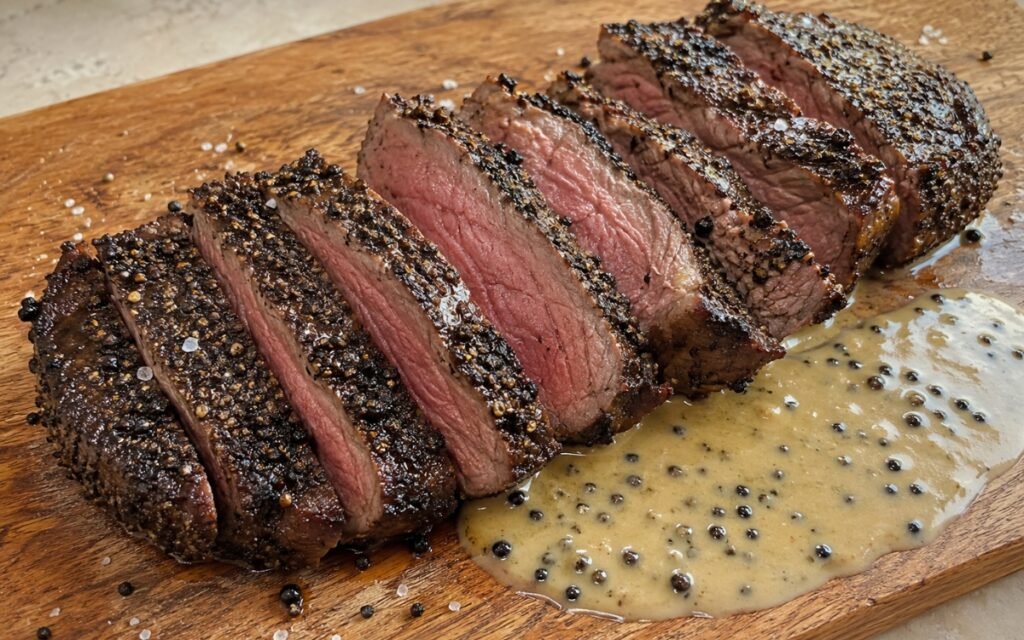
Steakhouse Peppercorn Crusted Steak
Steak tempered and dried, coated in coarsely crushed peppercorns — seared undisturbed, butter-basted, optional brandy cream sauce, rested. Sharp, tender, rich.
-
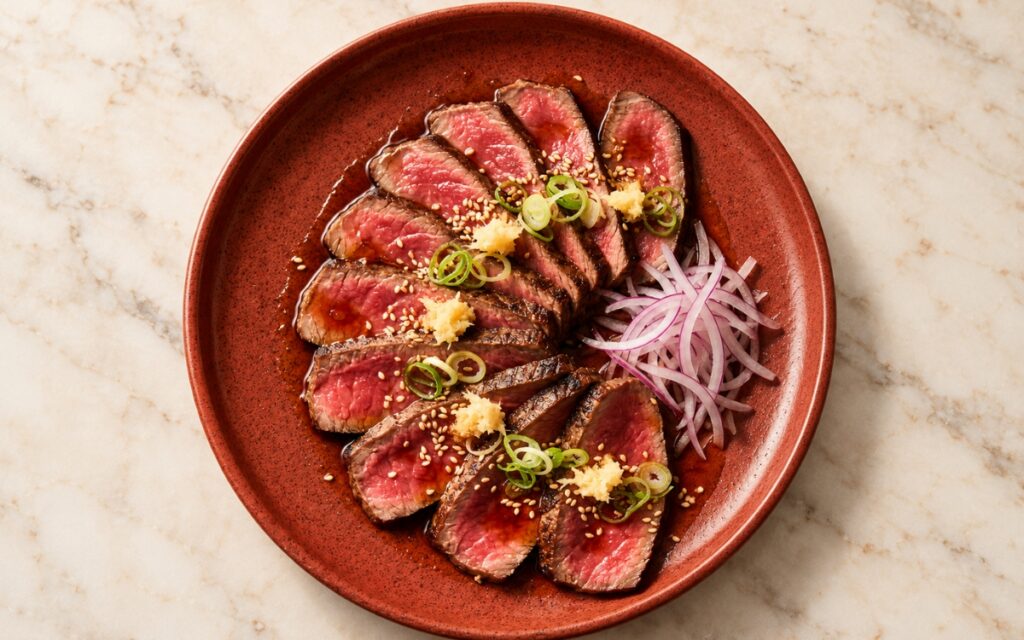
Beef Tataki
A classic Japanese-style appetizer of thick beef seared on the outside, kept rare inside, sliced thin, and served cold with citrus ponzu.
-
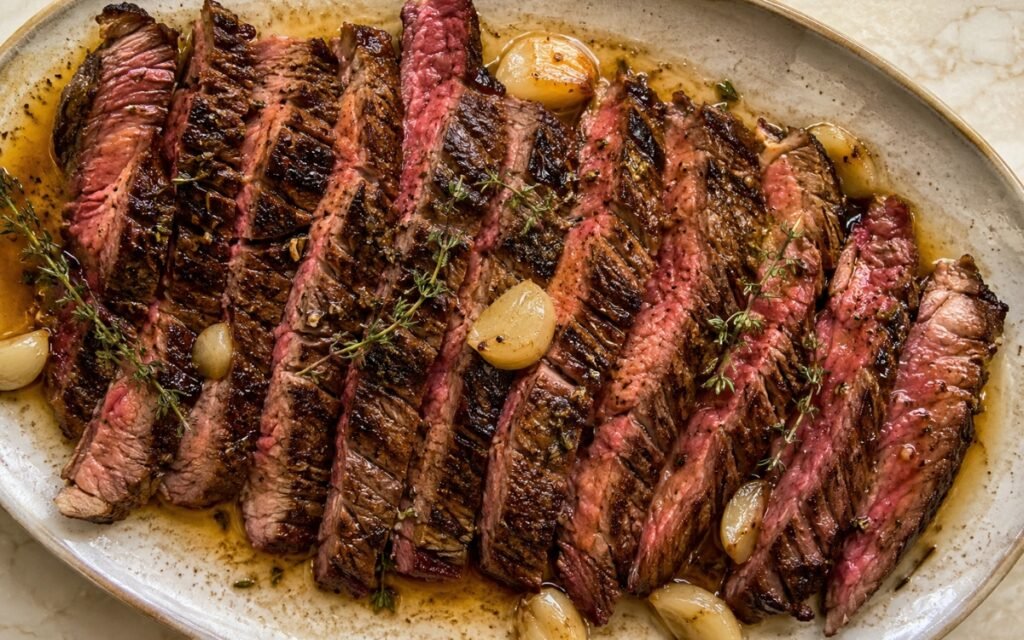
Pan-Seared Skirt Steak
Quick-seared skirt steak with garlic herb butter, sliced against the grain for maximum tenderness.
-
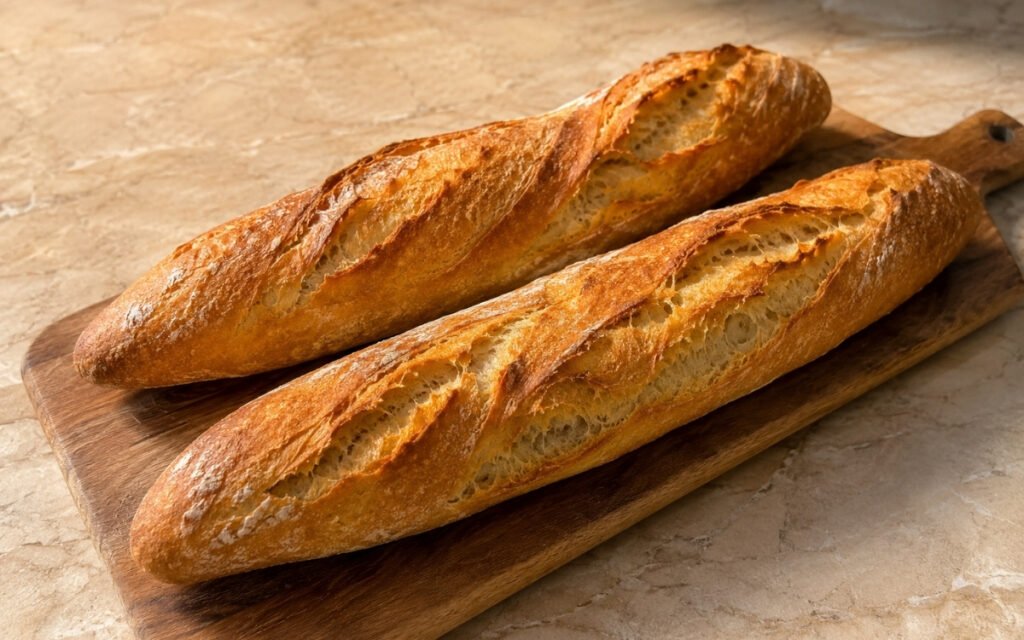
Classic French Baguette
Overnight poolish, proper scoring, and steam baking — a classic French baguette with crackling crust and complex flavour made properly at home.
-
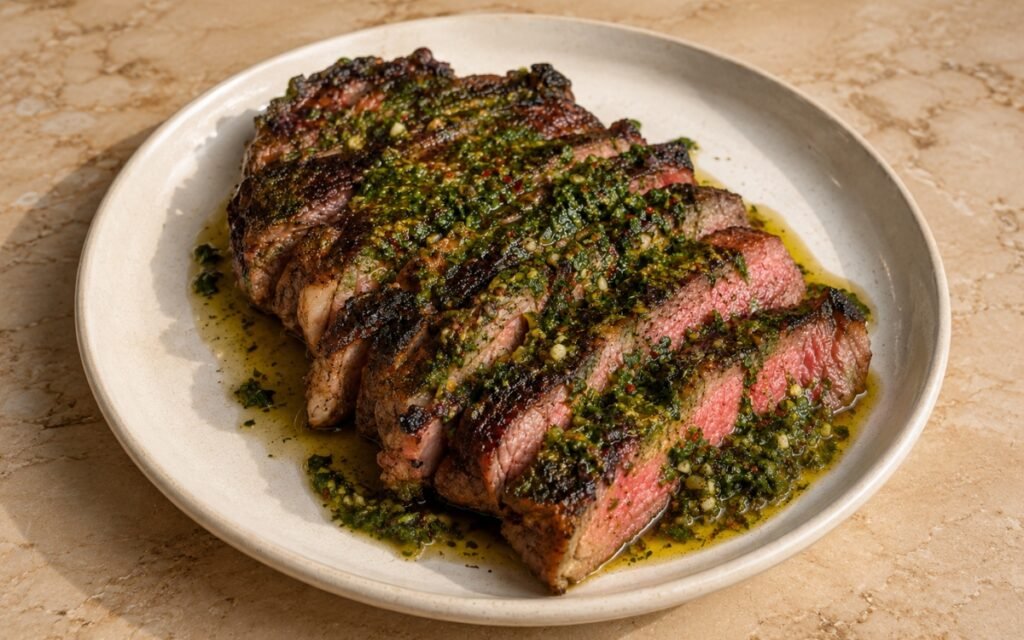
Argentine Chimichurri Steak
Thick, dry-brined steak grilled until deeply charred with a pink medium-rare centre, finished with loose, hand-chopped chimichurri.
-
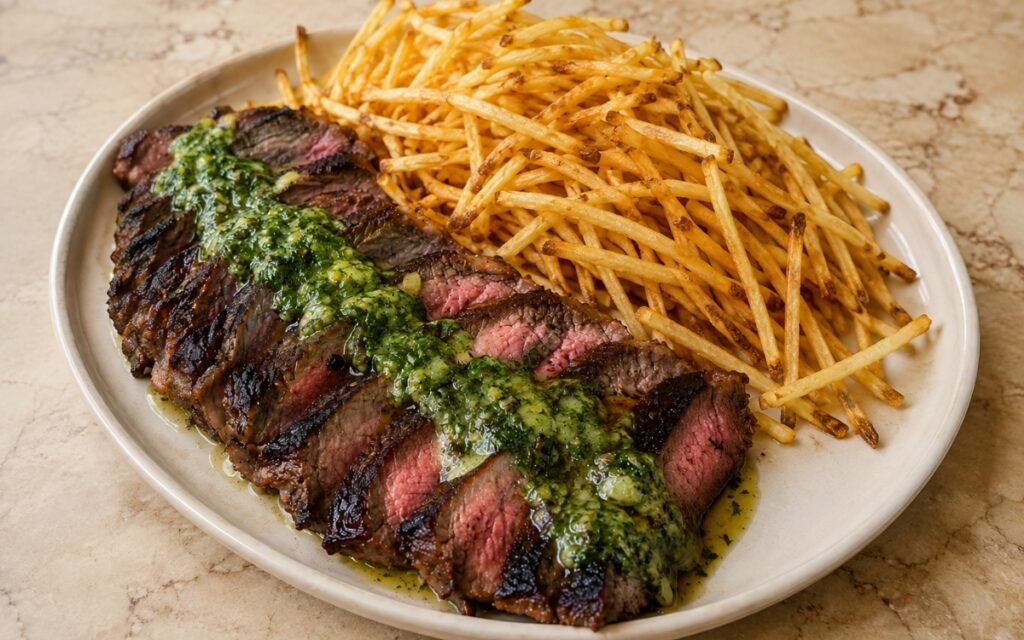
Paris Steak Frites
Seared medium-rare steak with a deep crust, double-fried shoestring frites, and a rich café de Paris-style herb butter sauce.