Turkish Lahmacun
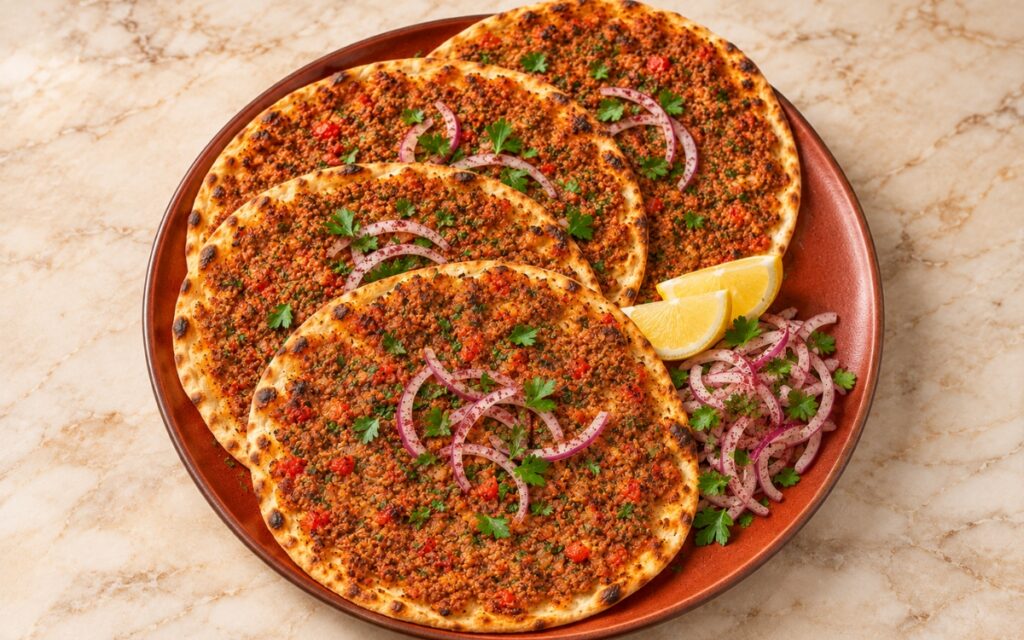
Turkish lahmacun is an extremely thin, handmade wheat flatbread spread with a finely minced topping of lamb, beef, ripe tomatoes, red pepper, onion, garlic, parsley, Turkish red pepper paste, and warm spices, baked on a blazing-hot stone until the edges are golden and blistered and the meat is roasted, then served with a sharp sumac red onion salad, parsley, and lemon, the key being the contrast between a crisp, thin base and a moist, richly spiced topping. Rolling each dough ball out to about 1.5–2mm and baking at the highest oven temperature available, rather than using a thick dough or a moderate oven, is the technique this whole flatbread depends on for a base that crisps before the topping dries out — thick dough bakes slowly and leaves the meat grey and tough, the same thin-and-hot principle used elsewhere in this collection whenever a topping cooks raw on a flatbread. Mincing the vegetables very finely is what lets the topping spread in a thin, even layer. Squeezing off excess tomato juice is what keeps the base crisp. The payoff is a lahmacun with real, bold character — crisp edges, juicy spiced meat, and tangy sumac onions.
- Prep Time : 35 min
- Total Time : 3 hr 15 min
- Servings : 8
Ingredients
For the Traditional Lahmacun Dough
- 650g white wheat flour, preferably 11–12% protein
- 400ml lukewarm water, about 25–28°C
- 5g instant dry yeast, or 15g fresh yeast
- 12g fine sea salt
For the Traditional Lamb and Beef Topping
- 250g ground lamb, preferably 15–20% fat
- 250g ground beef, preferably 15–20% fat
- 200g ripe tomatoes, finely chopped, excess watery juice removed
- 130g red bell pepper, very finely chopped
- 110g yellow onion, very finely chopped
- 18g garlic (about 4–5 cloves), finely minced
- 30g fresh flat-leaf parsley, finely chopped
- 35g Turkish red pepper paste (biber salçası), preferably mild
- 15ml extra virgin olive oil
- 1½ tsp Turkish pul biber or Aleppo pepper
- 1 tsp sweet paprika
- ½ tsp ground cumin
- ½ tsp freshly ground black pepper
- 8g fine sea salt, adjusted to the saltiness of the pepper paste
For the Sumac Red Onion Salad
- 180g red onion, very thinly sliced into crescents
- 6g ground sumac (about 2 tsp)
- 10g fresh flat-leaf parsley, roughly chopped
- 1 tbsp fresh lemon juice
- 1 small pinch fine sea salt
For Finishing and Serving
- 15g fresh flat-leaf parsley leaves
- 2 lemons, cut into 8 wedges
- Additional sumac, optional
- 20–30g extra flour, for shaping and dusting
Directions
- Prepare and Knead the Lahmacun Dough
Combine the flour and instant yeast in a large bowl, add the lukewarm water, and mix until the flour is fully hydrated, then add the salt and keep mixing into a rough dough. Tip it onto a clean surface and knead for 8–10 minutes, stretching and folding, or use a dough hook for 6–8 minutes on low to medium speed, until the dough is smooth, elastic, soft, flexible, and only slightly tacky. Shape it into a smooth ball. That thorough kneading is what makes the dough strong enough to roll paper-thin. - Ferment the Dough
Move the kneaded dough to a clean bowl, cover it with a damp towel or reusable cover, and leave it at about 24–26°C for 60–90 minutes, until roughly doubled in volume with a smooth, slightly domed surface. The dough should feel lighter and more elastic when pressed gently with a fingertip. That full rise is what keeps the thin base light, crisp, and easy to roll. - Divide into Eight Dough Balls
Gently turn the fermented dough onto a lightly floured surface and divide it into 8 equal portions of about 133g each. Shape every portion into a smooth, tight ball, set the balls on a lightly floured tray, and cover them with a clean towel. Rest them for 20–30 minutes, until they feel relaxed and soft. That rest is what stops the dough springing back when it is rolled, so each ball stretches into a wide, thin, even circle. - Prepare the Vegetables and Mix the Lahmacun Topping
Wash and dry the tomatoes, bell pepper, and parsley. Finely chop the tomato flesh and drain off a little excess juice, then chop the pepper into 2–3mm pieces and mince the onion, garlic, and parsley very finely, pulsing in a food processor if you like but never puréeing. In a large bowl, work the lamb and beef together with the vegetables, red pepper paste, olive oil, pul biber, paprika, cumin, black pepper, and salt for 2–3 minutes, until moist, spreadable, and cohesive. Chill it. That fine chopping is what makes a thin, even topping. - Make the Sumac Red Onion Salad
Peel the red onion and slice it into extremely thin crescents, put them in a small bowl, and add the sumac with a small pinch of salt. Rub the onion gently with your fingers for 20–30 seconds, then add the lemon juice and chopped parsley and toss lightly until coated. Rest for about 10 minutes and keep it covered until serving. The onion should turn tender and bright pink-red, and taste sharp, tangy, and lightly astringent. That rubbing is what softens the onion and draws out its flavour. - Preheat the Oven for High-Heat Baking
Put a pizza stone, baking steel, or heavy inverted tray in the oven and heat it to 275°C conventional if it will go that high, or 250°C if the oven’s maximum is lower, letting the baking surface heat for at least 45 minutes. Dust a pizza peel or another transfer surface with flour and set the shaped dough and chilled topping nearby so each lahmacun can be assembled right before baking. That long preheat is what stores the heat that crisps the thin dough in minutes. - Roll the Lahmacun Dough Extremely Thin
Put one rested dough ball on a lightly floured surface, flatten it with your fingertips, and roll outwards from the centre with a rolling pin, turning the dough often to keep it roughly round. Roll until it is about 28–30cm across and 1.5–2mm thick, keeping the whole base thin, including the edges, and accepting slight irregularities around the rim. Move it onto the floured peel, then roll the others as oven space becomes available. That thinness is what lets the base bake crisp before the meat dries. - Spread the Raw Meat Topping
Divide the topping into 8 equal portions of about 125–135g. Put one portion in the centre of a rolled dough circle and spread it outwards with the back of a spoon or your fingertips until it covers almost the whole surface, leaving just 5–8mm of bare dough around the edge. Press gently into an even, thin layer without thick mounds or large chunks, keeping the surface slightly rustic with fine meat granules and pepper fragments visible. Bake at once after spreading. That immediate baking is what prevents a soggy base. - Bake Until Crisp and Deeply Roasted
Slide one or two assembled lahmacuns onto the preheated surface and bake at 275°C for 6–8 minutes, or at 250°C for 8–10 minutes, watching the edges in the last minutes. The rim should turn golden-beige with occasional dark blisters, the meat should change from raw red to a cooked reddish-brown with a few darker caramelised specks, and the vegetables should soften into the topping, which stays lightly moist. The meat must reach 71°C at the thickest point. Lift each onto a rack or plate and repeat. That short, fierce bake is what roasts the topping without drying it. - Garnish and Serve the Lahmacuns
Arrange the baked lahmacuns on a large warm plate, overlapping slightly, with the round shapes and meat-covered surfaces visible. Scatter a modest amount of fresh parsley over the topping, lay a few thin strands of sumac onion on each, taking care not to hide the roasted meat, and put the rest of the onion salad beside them with the lemon wedges. Sprinkle a little extra sumac over if you like, and serve four flatbreads per large platter, 1 per person. That fresh, sharp garnish is what cuts through the richness of the lamb and beef.
*Notes :
- Rolling the dough to about 1.5–2mm deserves genuine recognition as the technique most directly responsible for a crisp, thin base that bakes in minutes. A dough rolled thicker takes far longer to cook through, so the raw meat topping dries out and turns tough and grey before the base is crisp, and the result is a soft, bready flatbread rather than the delicate, crackling lahmacun.
- Baking at the highest oven temperature deserves the same attention this technique receives throughout this collection’s other stone-baked flatbreads. A very hot, thoroughly preheated stone cooks the underside and edges in 6–8 minutes, locking juices into the meat, whereas a moderate oven dries the topping slowly and leaves the dough pale, chewy, and stiff.
- Chopping the vegetables extremely fine deserves genuine respect as the detail most directly responsible for a topping that spreads evenly and bakes as one cohesive layer. Large pieces of tomato, pepper, or onion form lumps that steam under the meat, make the dough soggy, and cause the topping to slide off, whereas finely minced vegetables melt into the lamb and beef.
- Removing excess tomato juice deserves attention as a genuine, checkable moisture cue rather than a loose approximation. The topping should feel moist and spreadable but never wet, and if free liquid collects in the bowl it should be poured off rather than thickened with flour or crumbs, because extra water is the main cause of a limp, soggy base.
Why This Recipe Works
This recipe works because the dough and topping are both built for fast, fierce heat. A well-kneaded dough rolled to 1.5–2mm bakes crisp on a stone that has been heating for at least 45 minutes, while the very finely minced lamb, beef, vegetables, and red pepper paste spread into a thin, moist layer that cooks in 6–8 minutes. Draining the tomato keeps the base crisp, and the sharp sumac onion salad, parsley, and lemon cut through the rich, spiced meat on every flatbread.
Ingredient Breakdown
Lamb and Beef (250g Each)
The structural foundation — equal parts of moderately fatty meat give a juicy, richly flavoured topping that does not dry in the oven.
Finely Minced Vegetables
The critical technique — tomato, pepper, onion, and garlic chopped very fine blend into the meat so the topping spreads thinly.
Turkish Red Pepper Paste (Biber Salçası)
The defining flavour ingredient — a mild, concentrated paste gives the topping its colour and its deep, sweet, peppery flavour.
Extremely Thin Dough (1.5–2mm)
The critical safeguard — a thin base bakes quickly, so it turns crisp before the topping can dry out.
Preheated Stone or Steel
The critical timing technique — stored heat blisters the base and edges in minutes without overcooking the meat.
Sumac Red Onion Salad
The finishing touch — sharp, tangy onions with sumac, parsley, and lemon cut through the richness of the spiced meat.
Flavor Structure Explained
This Turkish lahmacun follows a layered balance model:
- Crisp, thin foundation (hand-rolled wheat flatbread with blistered edges)
- Rich, savoury body (finely minced lamb and beef)
- Sweet, peppery depth (tomato, red bell pepper, and biber salçası)
- Warm, earthy spice (pul biber, paprika, cumin, and black pepper)
- Sharp, fresh finish (sumac onions, parsley, and lemon)
The thin, blistered flatbread provides the crisp foundation of each lahmacun, while finely minced lamb and beef give it a rich, savoury body. Tomato, red pepper, and pepper paste add a sweet, peppery depth, and pul biber, paprika, and cumin bring a warm, earthy spice. Sumac onions, parsley, and lemon add a sharp, fresh finish that cuts the richness and ties this Turkish lahmacun together.
Common Mistakes to Avoid
- Rolling the Dough Too Thick – This bakes slowly so the meat dries out before the base crisps. Always roll each ball to about 1.5–2mm, including the edges.
- Baking in a Moderate Oven – This leaves a pale, chewy base and a dry topping. Always use the highest temperature, preheated on a stone for at least 45 minutes.
- Leaving the Topping Wet – This turns the dough soggy and makes the meat slide. Always drain excess tomato juice and pour off free liquid instead of adding flour.
- Chopping the Vegetables Coarsely – This makes lumps that steam and prevent a thin spread. Always mince them to 2–3mm or pulse briefly without puréeing.
- Assembling Before the Oven Is Ready – This lets the topping soak into the dough. Always spread the meat and bake immediately.
Variations
Lower-Oven Version
If your oven only reaches 250°C, bake each lahmacun for 8–10 minutes rather than 6–8, which cooks the meat to 71°C and crisps the base while losing only a little of the blistering on the edge.
Pul Biber Version
Use Aleppo pepper in place of the Turkish pul biber, which gives a similar mild, fruity heat with a slightly tangier flavour while the paste, paprika, and cumin stay exactly the same.
Fresh Yeast Version
Replace the 5g of instant yeast with 15g of fresh yeast crumbled into the lukewarm water, which gives the same flavour and rise while the rest of the dough method stays unchanged.
Open-Faced Platter Version
Serve the lahmacuns completely flat and open, with the sumac onions and lemon on the side, which keeps the crisp base intact instead of folding it around the salad as a wrap.
Storage & Make-Ahead
The dough balls can be portioned and rested a little in advance, while the topping can be mixed and refrigerated until assembly, because both need to be ready before the oven is at full heat.
Mix the topping ahead and keep it covered in the refrigerator, but roll and top the dough only when oven space is free, since a topped, rolled base soaks up moisture and cannot wait.
Bake one or two lahmacuns at a time and keep the finished ones loosely covered on a wire rack, because stacking them while hot traps steam and softens the crisp, thin bases.
Refrigerate any leftover baked lahmacuns in an airtight container for 2–3 days, then reheat on a hot stone or in a dry pan until the base is crisp and the topping hot.
Prepare the sumac onion salad just before serving, since the onions hold a bright pink colour and a crisp, sharp bite for only a short time after being rubbed with salt and sumac.
Frequently Asked Questions
Why is the dough rolled out so thin?
A base of about 1.5–2mm cooks in minutes on a hot stone, so it turns crisp before the raw meat topping dries out, whereas thicker dough bakes slowly and leaves the meat tough and the flatbread soft.
Why must the baking stone be preheated for at least 45 minutes?
A stone that is fully heated stores enough energy to blister the base and edges within 6–8 minutes, locking juices into the meat, whereas a half-heated surface leaves pale, chewy dough and a dry topping.
Why are the vegetables chopped so finely?
Very fine pieces blend into the lamb and beef, so the topping spreads thinly and evenly and bakes as a cohesive layer, whereas large chunks steam, make the dough soggy, and slide off the flatbread.
Why is excess tomato juice drained instead of adding flour to the topping?
Draining removes the water that would soak the thin dough, while the meat and paste supply all the binding needed, so the base stays crisp and the topping tastes concentrated rather than diluted by starch.
Are there other classic Turkish, flatbread, or spiced meat dishes worth trying?
Homemade Lavash (Flatbread) and Homemade Pita Flatbread both offer other classic flatbread directions worth exploring. Turkish Adana Kebab with Tomato Couscous is also worth trying for another Turkish spiced lamb dish, Turkish Bulgur Salad (Kısır) offers a fresh Turkish salad for the same table, and Meat Burek with Spiced Ground Beef is another meat-filled dough dish worth exploring.
Nutrition Facts
( Per Serving — 1 lahmacun )
- Calories
- ~520 kcal
- Protein
- 24 g
- Fat
- 17 g
- Carbs
- 66 g
-

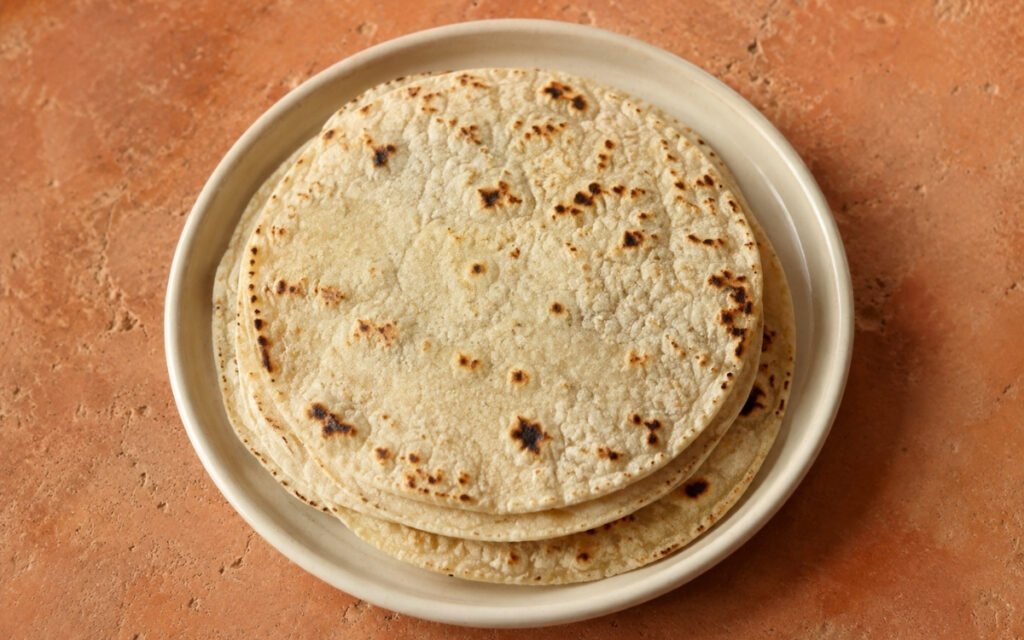
Homemade Corn Tortillas
Masa harina, water, and salt — pressed thin, char-cooked, and stacked under a cloth. Soft, pliable corn tortillas in 45 minutes from three ingredients.
-
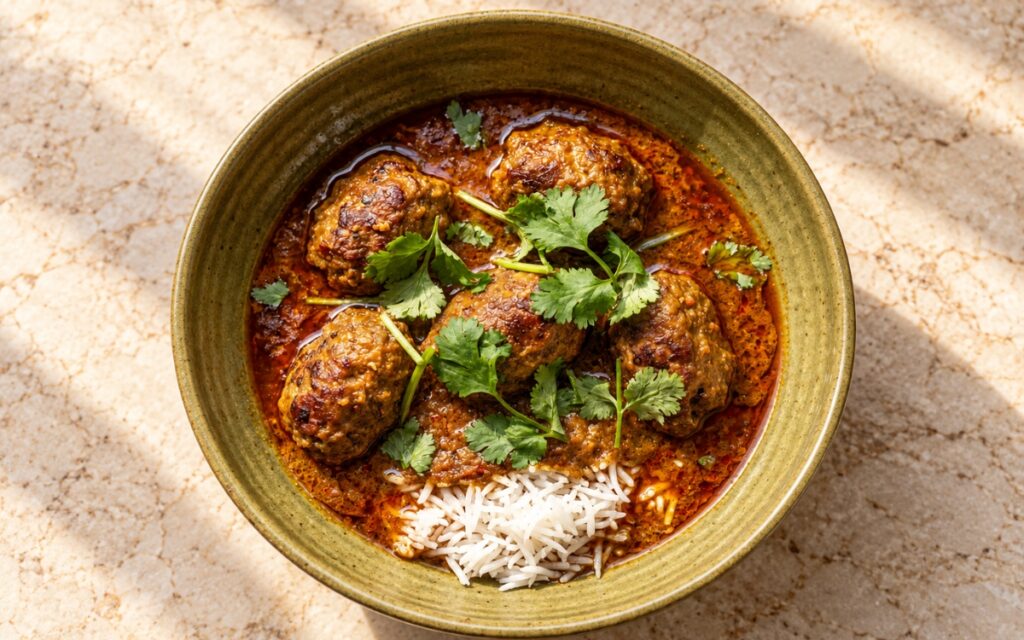
Kofta Ka Salan
Classical-style meat kofta curry with tender koftas simmered in a thinner, aromatic onion-tomato-yogurt salan, served with basmati rice.
-
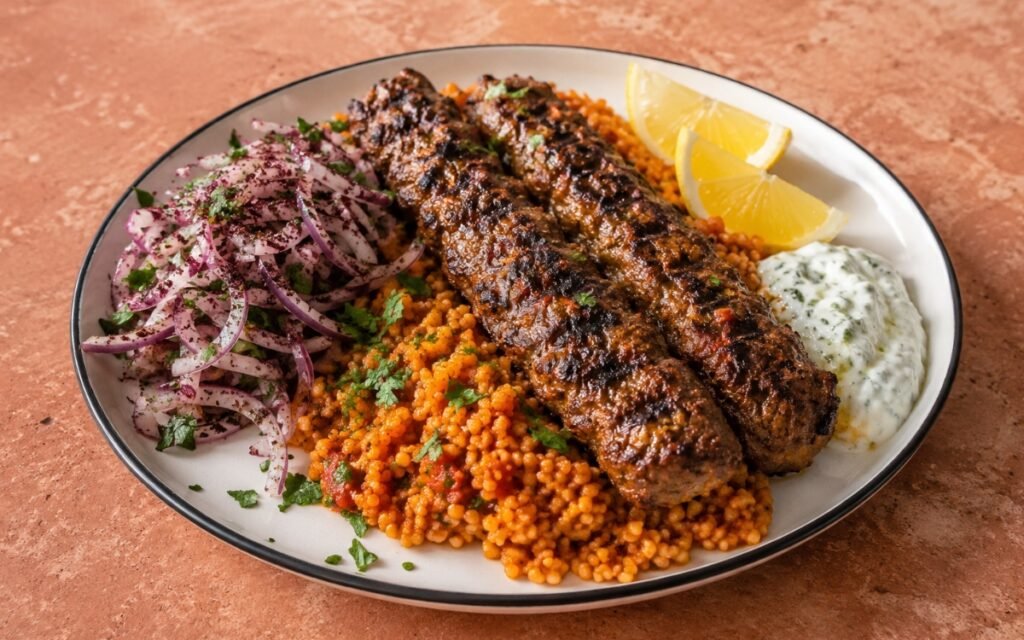
Turkish Adana Kebab with Tomato Couscous
Charred ground lamb Adana kebabs with pul biber on flat skewers, served over spiced tomato couscous with sumac onions.
-
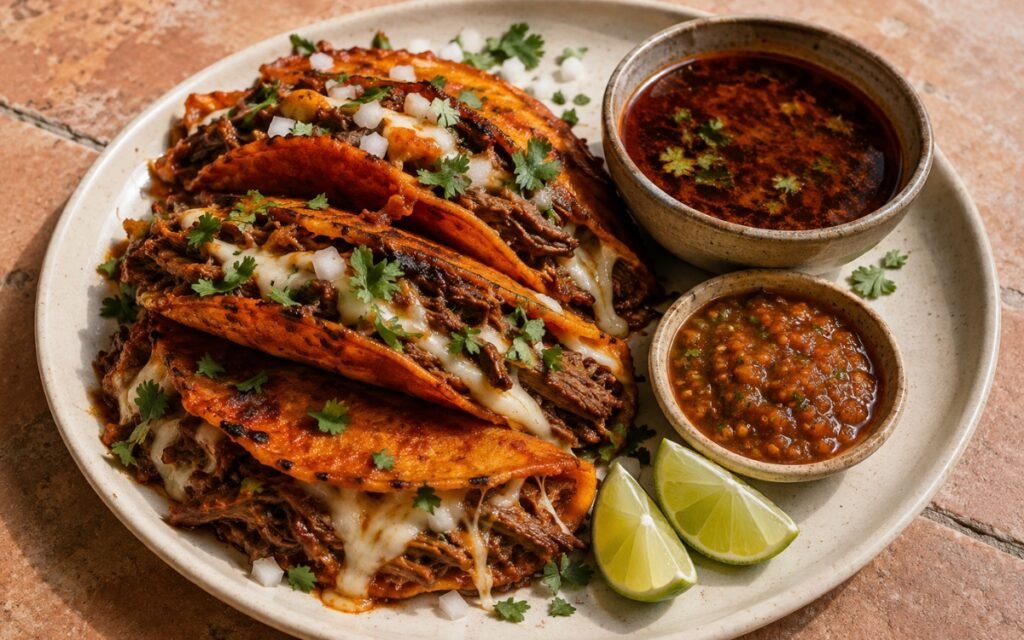
Birria Tacos with Consommé (Quesabirria)
Three-cut beef braised into a deep chile consommé, shredded, stuffed into small tortillas with Oaxaca cheese, and fried in birria fat until crisp and red-orange.
-
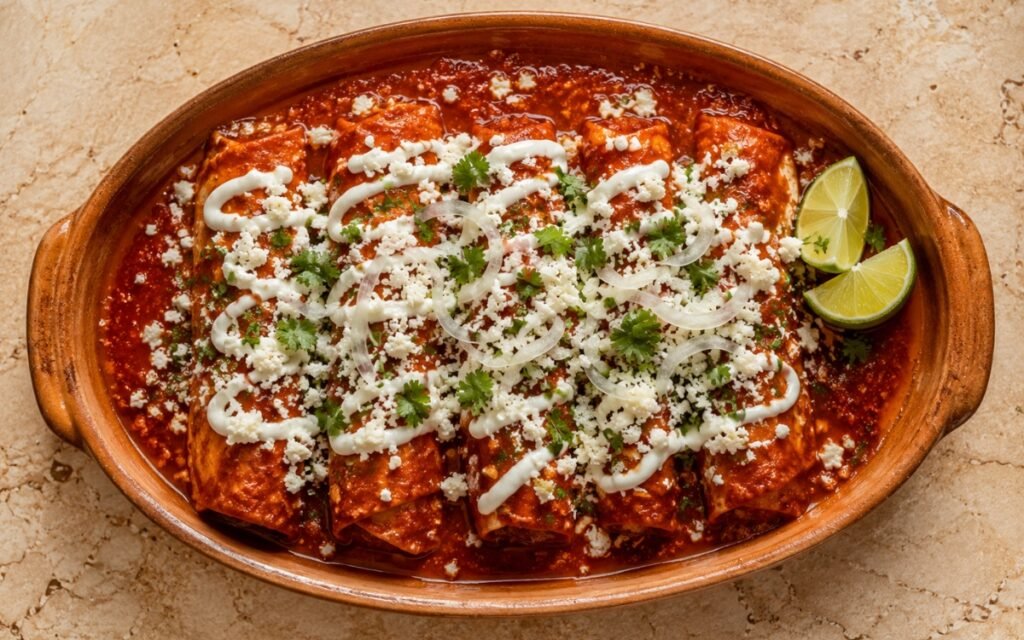
Enchiladas Rojas
Corn tortillas rolled with spiced ground beef and creamy black beans, coated in a glossy toasted-chile red sauce, and topped with queso fresco and crema.
-
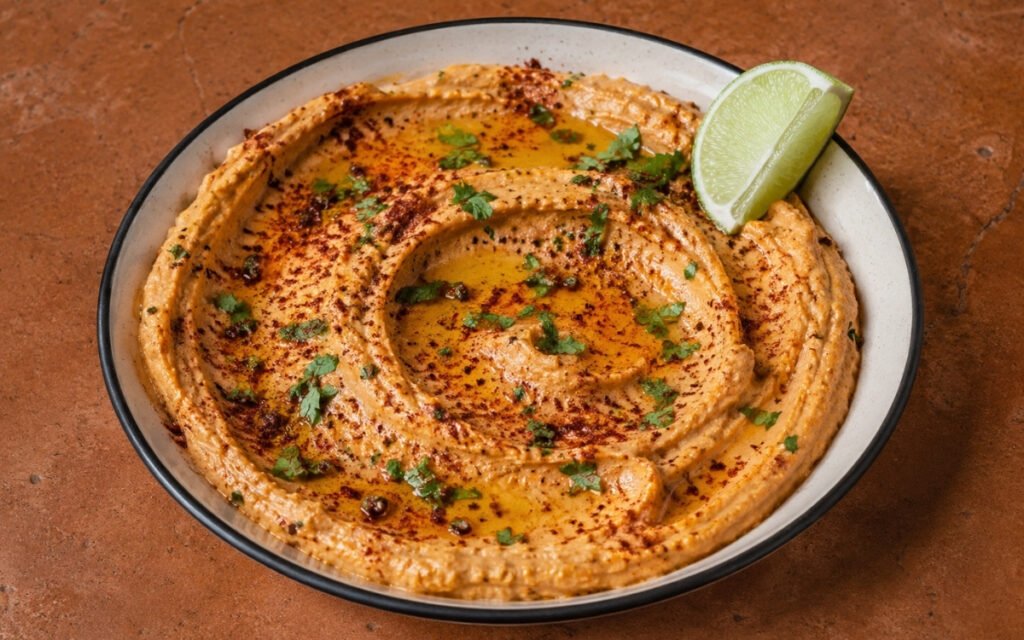
Chipotle and Lime Hummus
Chipotle pepper in adobo and fresh lime blended into the classic hummus base — smoky, warm, and bold, finished with cilantro and sumac.