
Salsa Verde with Capers and Herbs
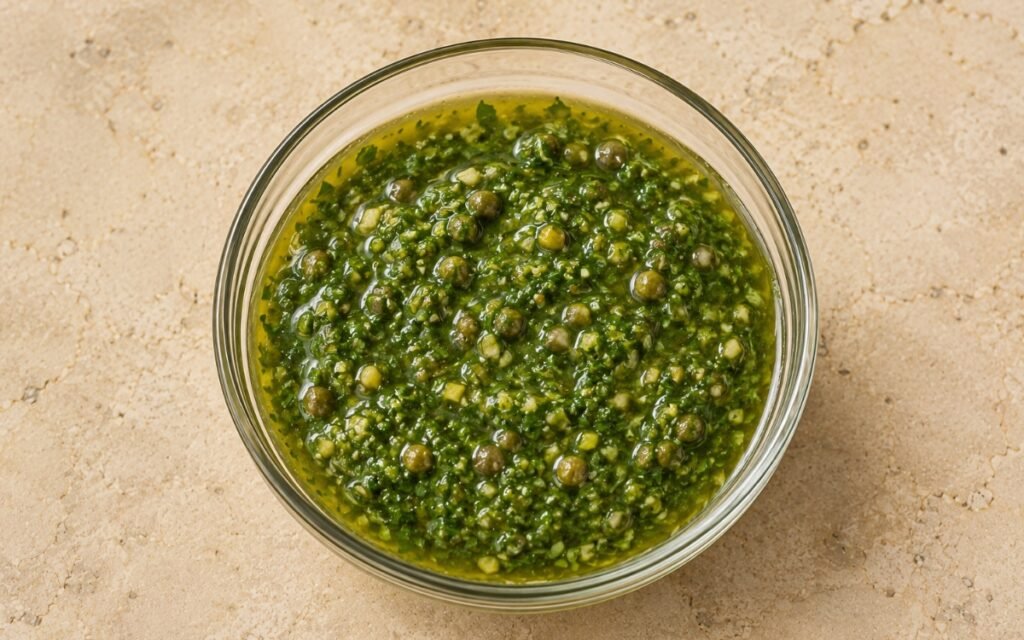
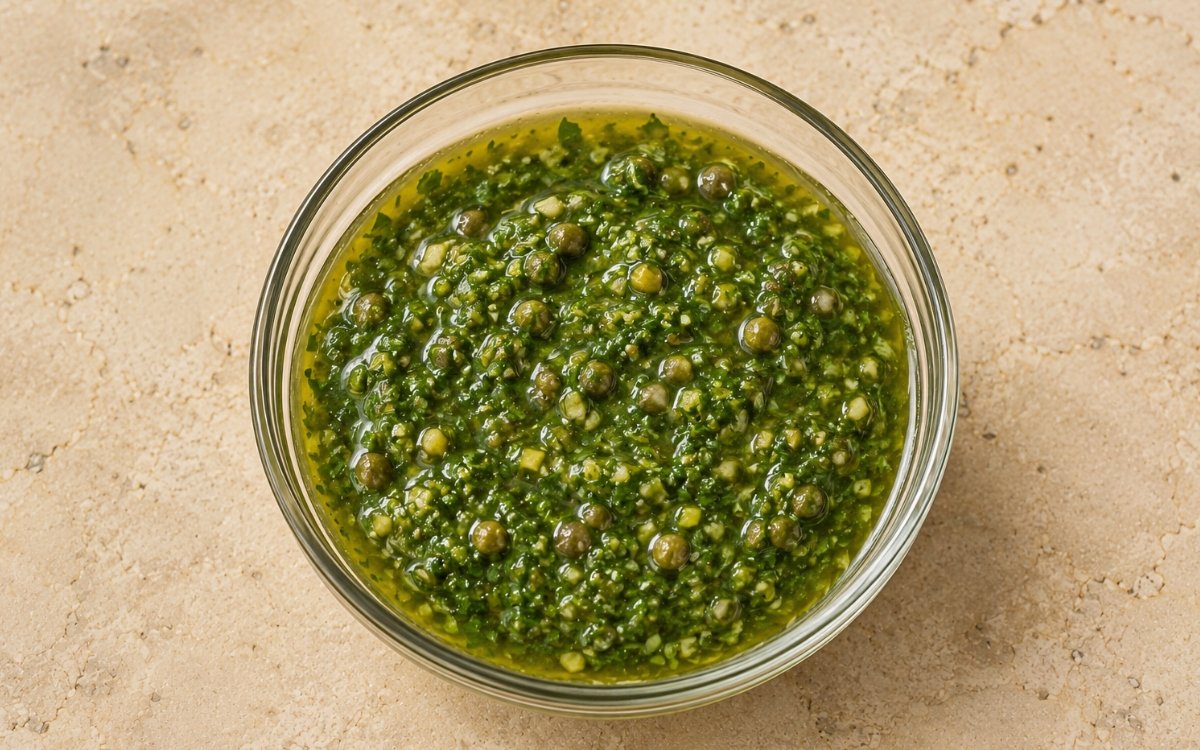
Italian salsa verde is one of the great condiments of Mediterranean cooking — punchy, briny, herbaceous, and full of complex savory depth from capers and anchovies. This finely chopped version takes 15 minutes and transforms grilled meats, roasted vegetables, and simply cooked fish into something genuinely memorable.
Prep Time : 15 min
Cook Time : 0 min
Servings : 4
15 min
0 min
4
Ingredients
Herb Base
• 40g fresh flat-leaf parsley
• 15g fresh mint leaves
• 10g fresh basil leaves
Briny Elements
• 20g capers, drained and roughly chopped
• 4 anchovy fillets in oil, drained — this one on Amazon
• 20g cornichons or small gherkins, finely chopped
Acid & Oil
• 25ml red wine vinegar — this one on Amazon
• 90ml extra-virgin olive oil — this one on Amazon
Seasoning
• Salt and freshly ground black pepper to taste
This post may contain affiliate links. As an Amazon Associate I earn from qualifying purchases, at no additional cost to you.
Directions
- Wash and Dry the Herbs Thoroughly
Rinse parsley, mint, and basil in cold water, then dry completely. Proper drying prevents dilution and helps the olive oil coat the herbs evenly once the sauce is assembled. - Hand-Chop for Authentic Texture
Remove leaves from thicker stems and gather them on a large cutting board. Using a sharp chef’s knife, finely chop with a steady rocking motion until uniformly minced but still slightly coarse. This hand-cut texture gives salsa verde character that blending cannot replicate. - Add Capers, Anchovies, and Cornichons
Place drained capers, anchovy fillets, and chopped cornichons on the board with the herbs. Chop everything together until the anchovies nearly dissolve and the capers are broken into small pieces, creating a deeply savory, integrated mixture. - Transfer and Add Aromatics
Move the chopped mixture to a bowl. Stir in minced garlic and Dijon mustard, which adds sharpness and helps lightly emulsify the sauce. - Incorporate Vinegar and Olive Oil
Add red wine vinegar and mix to moisten the herbs. Then drizzle in olive oil gradually while stirring until the sauce becomes cohesive yet clearly textured. - Season and Adjust
Taste before adding salt, as the briny elements already contribute salinity. Finish with generous black pepper and adjust acidity or oil as needed for balance.
*Notes :
- The anchovy question arises frequently with those unfamiliar with their culinary role. When cooked or blended into sauces, anchovies do not taste fishy — they dissolve and contribute deep, meaty, savory umami that intensifies and amplifies other flavors. A sauce made without anchovies tastes noticeably flatter and less complex than one made with them. The function of anchovies in Italian cuisine is that of a flavor amplifier, not a fish flavoring.
- Mint is an unusual but traditional element in certain regional Italian salsa verde preparations, particularly in Lombardy and Piedmont. Its clean, cooling note provides contrast to the richness of the olive oil and the punchy brine of the capers. Do not skip it — its contribution is subtle but noticeable.
- Red wine vinegar is the traditional acid in this sauce and should not be substituted with lemon juice or white wine vinegar without significantly changing the character. Red wine vinegar’s robust, tannic acidity specifically complements the richness of grilled meats, which is salsa verde’s primary pairing.
Why This Recipe Works
This italian salsa verde works because it layers multiple sources of savory complexity — anchovy umami, caper brine, cornichon acidity, and Dijon sharpness — into an herb base that already has considerable character from three different fresh herbs. The result is a sauce with depth that tastes as though it took far longer to prepare than 15 minutes. The hand-chopping method preserves textural integrity and prevents the bitterness that results from over-processing.
Ingredient Breakdown
Fresh Parsley
The dominant herb — provides clean brightness and vivid color as the sauce’s primary flavor note.
Mint and Basil
Supporting herbs that add cooling freshness (mint) and sweet aromatic warmth (basil) to create complexity beyond parsley alone.
Capers
Contribute briny, salty intensity and a subtle floral note characteristic of Italian Mediterranean cooking.
Anchovy Fillets
The secret ingredient — provide deep umami and savory amplification without any detectable fish flavor.
Cornichons
Add sharp, pickled acidity and subtle sweetness that brightens the sauce.
Dijon Mustard
Provides emulsifying properties and adds fermented complexity.
Red Wine Vinegar
Delivers bold, tannic acidity that balances the olive oil and complements the brine elements.
Flavor Structure Explained
This salsa verde follows a layered balance model:
- Fresh herbal top note (parsley, mint, basil)
- Briny savory depth (capers, anchovies, cornichons)
- Emulsified base (olive oil, vinegar, Dijon)
- Bright acidity (vinegar, Dijon)
- Fat-driven body (olive oil)
The herb blend defines the aromatic lead, delivering a fresh, green intensity that sits on top of the profile. The briny elements create depth and complexity underneath, adding saltiness and umami that prevent the sauce from feeling flat. The emulsified base forms the structural medium, allowing sharp and rich elements to coexist smoothly. Vinegar and Dijon sharpen the profile, lifting and defining the edges, while olive oil provides weight and cohesion, ensuring the sauce feels full rather than thin.
Common Mistakes to Avoid
- Using a Food Processor – A food processor creates a paste rather than a textured sauce and bruises the herbs, creating bitter flavors. Always chop by hand.
- Omitting the Anchovies – The sauce without anchovies lacks the depth that makes it extraordinary. The anchovies are not detectable as fish — they simply make the sauce taste more complex and satisfying.
- Over-salting – Capers, anchovies, and cornichons all contain significant salt. Always taste before adding any additional salt.
Variations
Vegetarian Version
Omit anchovies and add an additional teaspoon of capers and a small amount of miso paste or soy sauce to maintain the umami depth.
Spanish-Style Salsa Verde
Add tsp of sweet smoked paprika and replace mint with fresh oregano for a Spanish-inspired variation.
Tuna Version
dd 40g of high-quality canned tuna to make a heartier condiment excellent for crostini.
Spicy Version
Add a small amount of finely chopped fresh chili or red pepper flakes for heat.
Storage & Make-Ahead
Store in an airtight container in the refrigerator for up to 3 days. The flavor actually intensifies and improves over the first 24 hours as all the components infuse into the olive oil. The herbs will lose some brightness over time. Bring to room temperature and stir before serving. Not suitable for freezing.
Frequently Asked Questions
What dishes pair best with salsa verde?
Grilled steak, lamb chops, roasted lamb shoulder, bollito misto (poached meats), grilled salmon fillets, burrata, pan-seared chicken breast, and roasted root vegetables.
Is this the same as Mexican salsa verde?
No — Mexican salsa verde is made with tomatillos and is a completely different sauce. Italian salsa verde is an herb-based oil condiment with no relation to the Mexican version despite the shared name.
Can I make this salsa verde ahead for a dinner party?
Yes — making it up to 24 hours ahead actually improves the flavor. Store covered and bring to room temperature 30 minutes before serving.
What can I use instead of cornichons?
Any small sour pickles work. Caperberries (larger capers) make an acceptable substitute with a slightly different texture.
Nutrition Facts
( per serving )
Calories
~148 kcal
Protein
2 g
Fat
15 g
Carbs
3 g
Calories
~148 kcal
Protein
2 g
Fat
15 g
Carbs
3 g
Related Recipes
Related Recipes

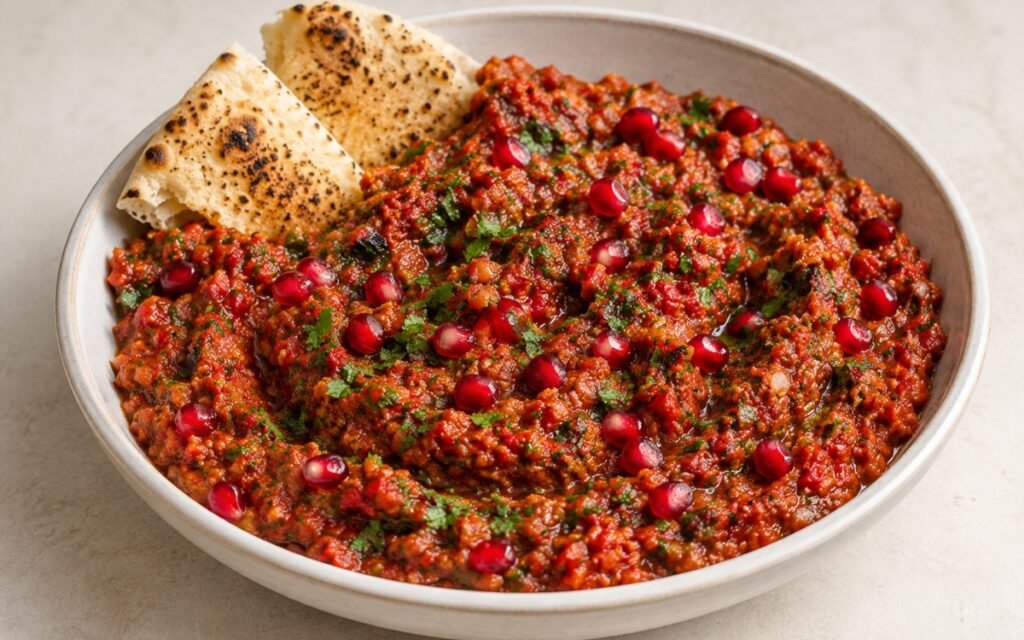
Turkish Ezme
Charred peppers, salt-drained tomatoes, bloomed tomato paste with pul biber and sumac, and pomegranate molasses — hand-chopped, rested 20 minutes. The Turkish condiment with layers a salsa cannot produce.
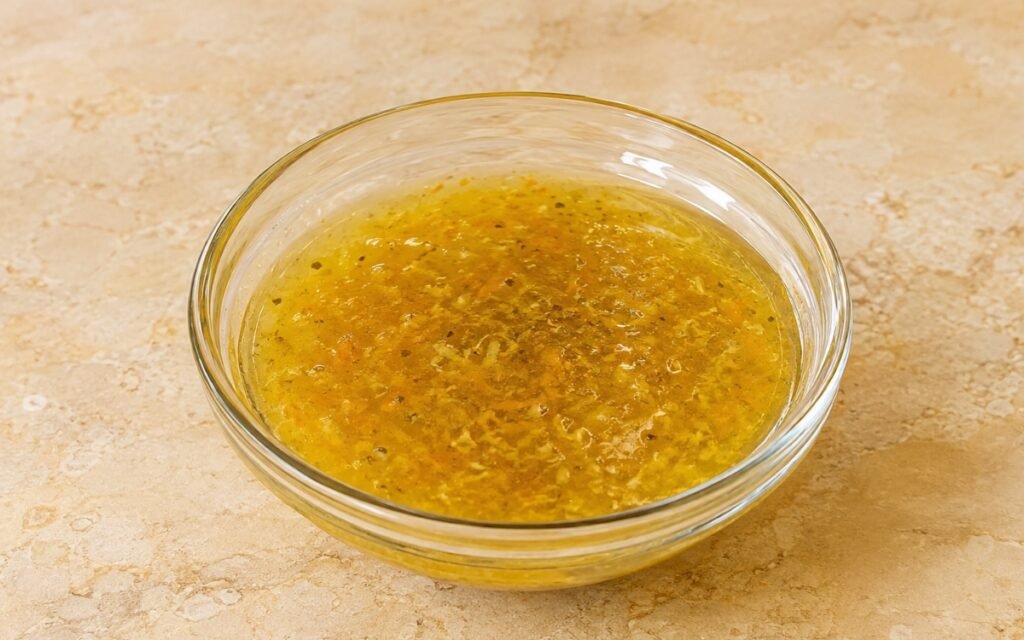
Citrus Olive Oil Dressing
Three citrus fruits and quality olive oil create a bright, layered 10-minute dressing for everything.
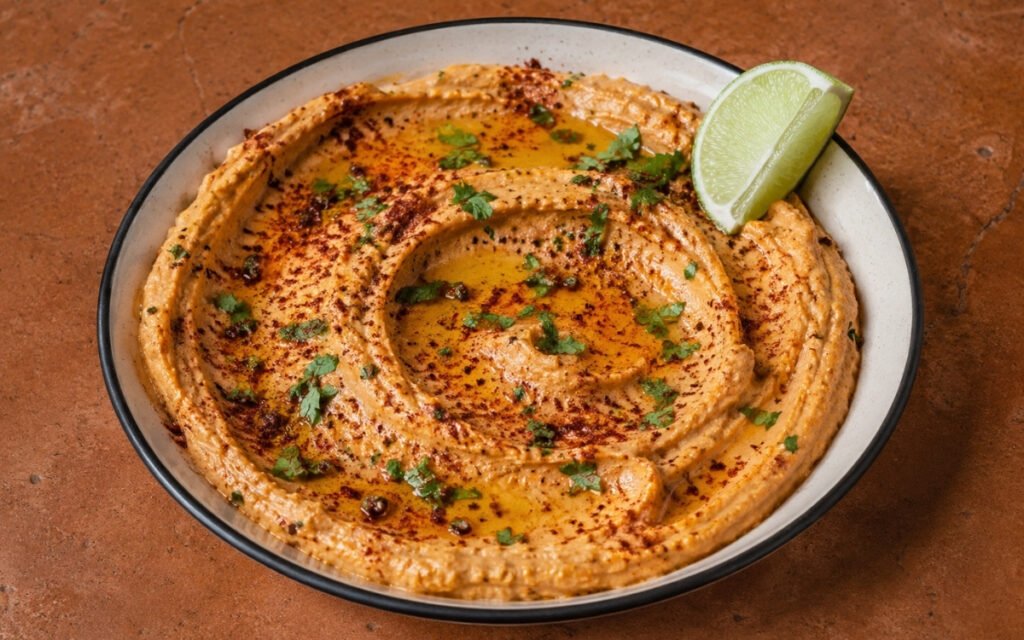
Chipotle and Lime Hummus
Chipotle pepper in adobo and fresh lime blended into the classic hummus base — smoky, warm, and bold, finished with cilantro and sumac.
You might also like
You might also like
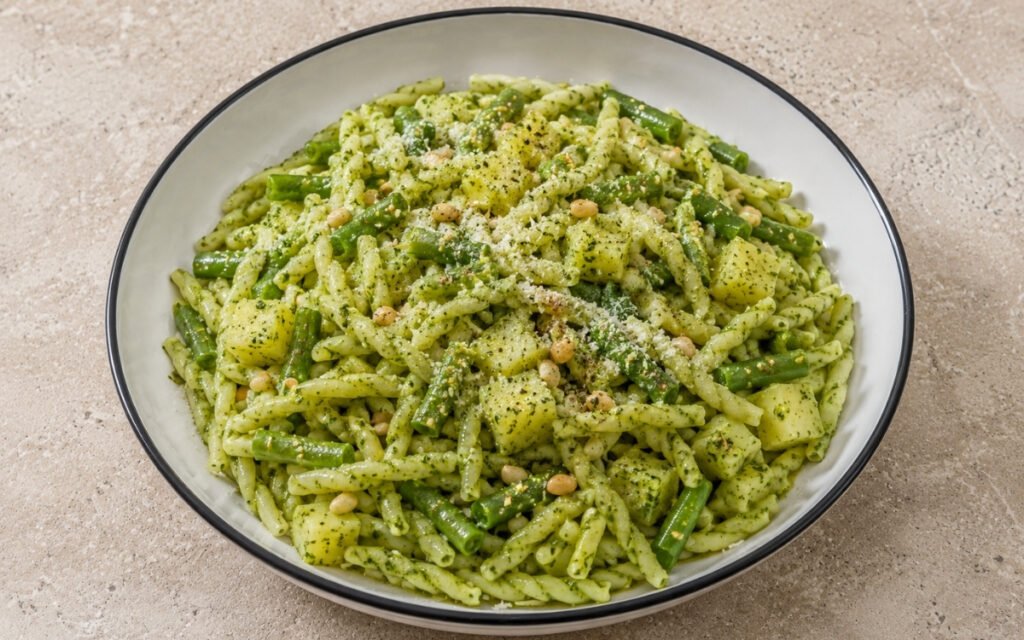
Fresh Homemade Basil Pesto Pasta
Fresh basil pesto with the traditional Ligurian potato and green bean combination — better than any jar.
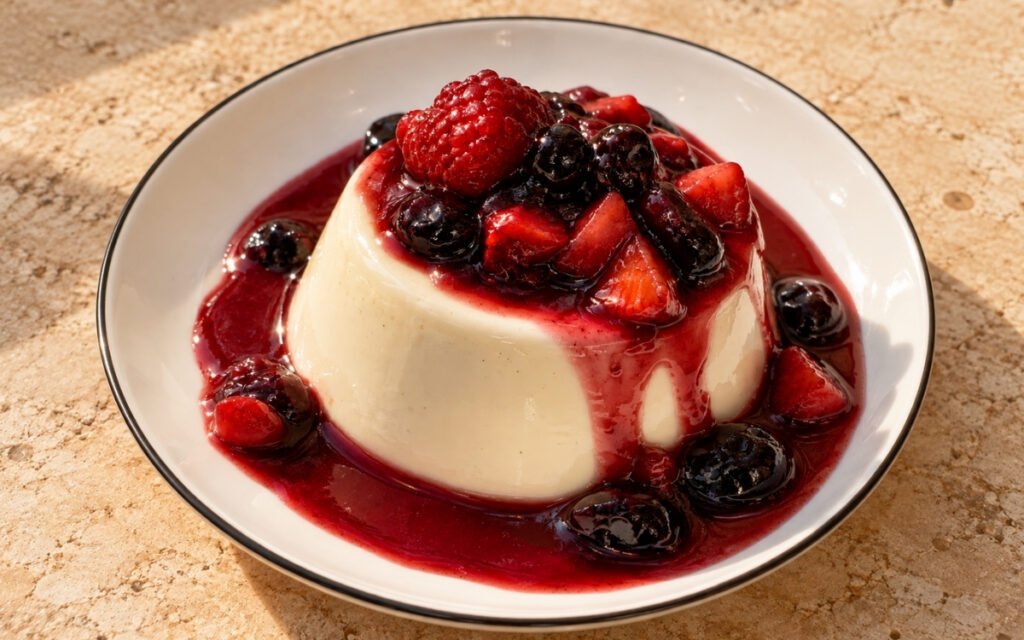
Panna Cotta
Delicately set cream, milk, sugar, vanilla and gelatin panna cotta, unmolded and topped with glossy berry sauce and macerated berries.
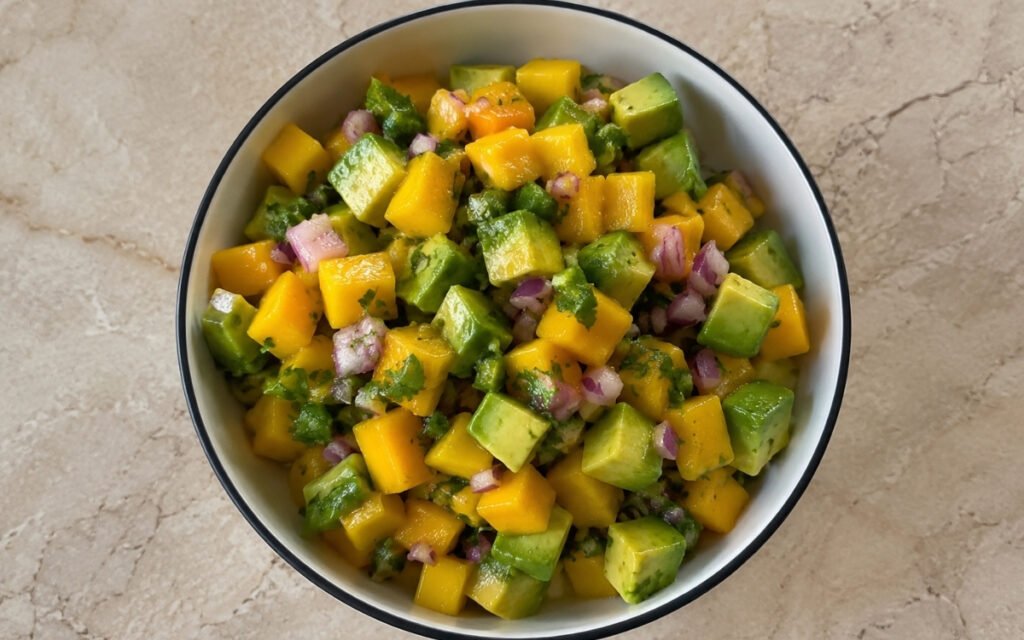
Avocado & Mango Salsa
Sweet mango, creamy avocado, sharp red onion, and jalapeño in a lime-herb dressing — the condiment that makes every Mexican and South American dish taste complete.
Salsa Verde with Capers and Herbs
Ingredients
Method
- Rinse parsley, mint, and basil in cold water, then dry completely. Proper drying prevents dilution and helps the olive oil coat the herbs evenly once the sauce is assembled.
- Remove leaves from thicker stems and gather them on a large cutting board. Using a sharp chef’s knife, finely chop with a steady rocking motion until uniformly minced but still slightly coarse. This hand-cut texture gives salsa verde character that blending cannot replicate.
- Place drained capers, anchovy fillets, and chopped cornichons on the board with the herbs. Chop everything together until the anchovies nearly dissolve and the capers are broken into small pieces, creating a deeply savory, integrated mixture.
- Move the chopped mixture to a bowl. Stir in minced garlic and Dijon mustard, which adds sharpness and helps lightly emulsify the sauce.
- Add red wine vinegar and mix to moisten the herbs. Then drizzle in olive oil gradually while stirring until the sauce becomes cohesive yet clearly textured.
- Taste before adding salt, as the briny elements already contribute salinity. Finish with generous black pepper and adjust acidity or oil as needed for balance.