
Creamy Dijon Mustard Pan Sauce
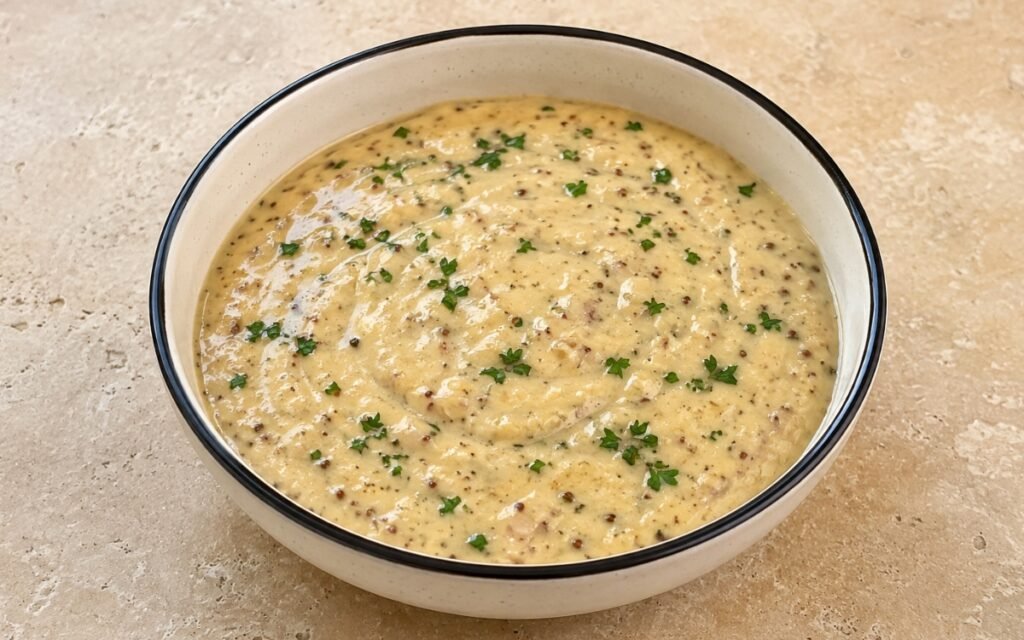
This elegant French-inspired pan sauce transforms simple weeknight proteins into restaurant-worthy meals in just 10 minutes. Rich cream, tangy Dijon mustard, and aromatic shallots create complex flavors that complement chicken, pork, and fish beautifully while utilizing the flavorful fond left in your cooking pan.
Prep Time : 5 min
Cook Time : 10 min
Servings : 4
5 min
10 min
4
Ingredients
Aromatics
• 30g shallots, finely minced
• 10g garlic, minced (about 2–3 cloves)
• 15g unsalted butter — this one on Amazon
Finishing
• 5g fresh parsley, chopped
• Salt to taste
• Freshly ground black pepper to taste
This post may contain affiliate links. As an Amazon Associate I earn from qualifying purchases, at no additional cost to you.
Directions
- Prepare the Pan and Preserve the Fond
After removing the cooked protein, pour off most of the excess fat, leaving about one tablespoon in the pan along with the browned bits stuck to the bottom. These caramelized residues — known as fond — are essential for building depth and must not be discarded or washed away. They will dissolve during deglazing and form the flavor base of the sauce. - Melt the Butter and Soften the Shallots
Add unsalted butter over medium heat and let it melt fully, swirling to coat the pan. Once foaming, add finely minced shallots and cook for about 2 minutes, stirring constantly until soft, translucent, and lightly golden. Shallots provide gentle sweetness and aromatic depth without the sharpness of onions. - Bloom the Garlic Briefly
Add minced garlic and cook for about 30 seconds, stirring continuously just until fragrant. Avoid browning, which would introduce bitterness and overpower the sauce’s delicate balance. - Deglaze with White Wine
Pour in dry white wine and immediately scrape the bottom of the pan with a wooden spoon or spatula to release all the fond. Let the wine simmer energetically for 1–2 minutes until reduced by roughly half, concentrating flavor and allowing the alcohol to cook off. - Incorporate Cream and Mustard
Lower the heat to medium-low and add heavy cream and Dijon mustard together. Whisk continuously for about 30 seconds until smooth and fully combined, ensuring the mustard disperses evenly without lumps. - Simmer, Adjust, and Finish
Let the sauce simmer gently for 3–4 minutes, stirring occasionally, until thick enough to coat the back of a spoon. Remove from heat, season with salt and freshly ground black pepper, then stir in chopped parsley. Spoon the finished pan sauce immediately over the cooked protein.
*Notes :
- The quality of the fond — the browned bits left in the pan after cooking the protein — directly determines the flavor depth of the finished pan sauce. A pan in which the protein was cooked over high heat until genuinely well-browned will produce a far more flavorful sauce than one where the protein was cooked at lower temperatures or removed before thorough browning. Always cook your protein until it develops a deep, even sear before removing it to make this sauce.
- Shallots are specifically recommended over onions in this sauce because their more delicate, sweeter flavor integrates smoothly without any sharp raw bite that can linger in quick-cooked sauces. In a pan sauce that cooks for only a few minutes, fully softening the aromatics is essential — undercooked shallots or garlic will taste raw and sharp in the finished sauce rather than mellow and aromatic.
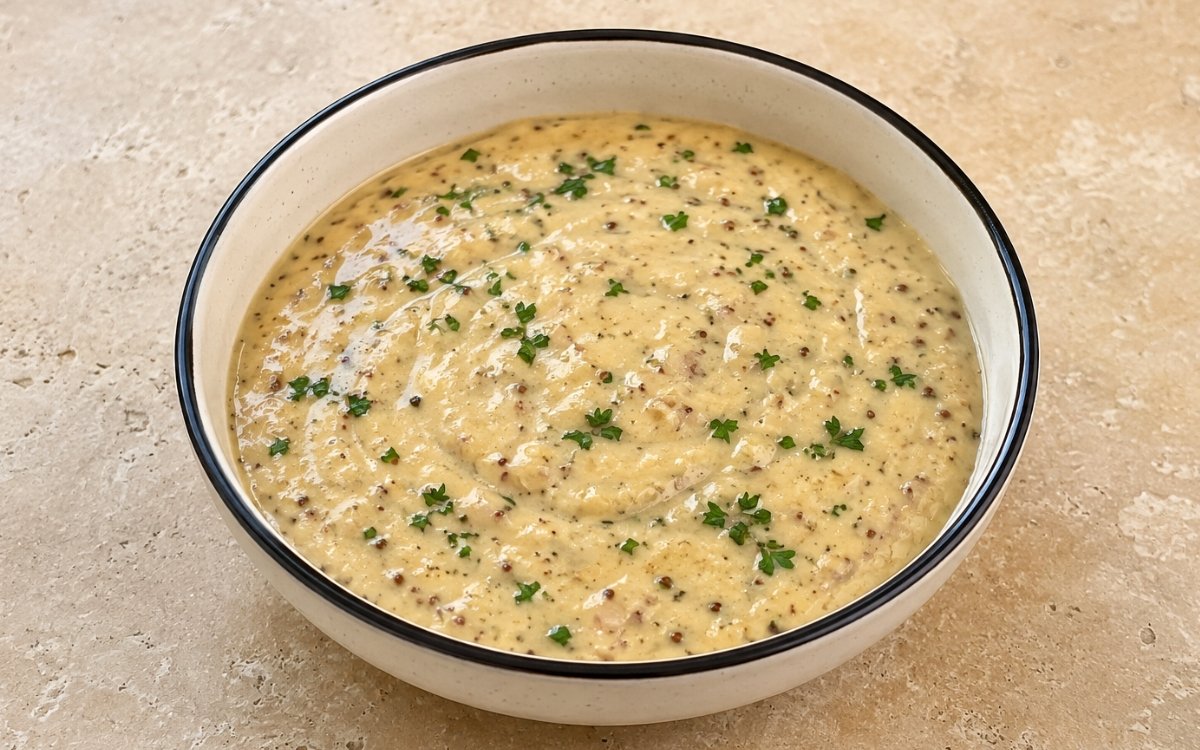
- Dijon mustard plays a dual role here. It adds a characteristic tangy sharpness that makes the sauce lively and complex rather than flat, and it acts as a natural emulsifier that helps bind the cream to the wine reduction and pan drippings, creating a more stable, glossy sauce. Whole-grain mustard can be substituted for a rustic texture and slightly different visual appeal, though the flavor will be somewhat milder.
- Heavy cream is essential for achieving the correct consistency and richness. Half-and-half or milk will not reduce to the same coating consistency and will produce a thinner, less stable sauce. If reducing fat is a priority, crème fraîche can be used as a partial substitute — it will thicken the sauce differently and add a slight tang, but it can curdle if cooked at too high a temperature, so extra care with heat management is required.
Why This Recipe Works
This pan sauce works because it systematically builds flavor at each stage rather than simply combining ingredients. Sautéing shallots and garlic in butter creates an aromatic base. Deglazing with wine dissolves the concentrated fond and introduces acidity. Reducing the wine concentrates flavor and removes raw alcohol. Adding cream and mustard together creates a smooth, stable, richly flavored sauce in minutes.
The technique of using the same pan in which the protein was cooked is what distinguishes a pan sauce from a sauce made separately — every layer of flavor created during the cooking process is captured and incorporated, making the finished sauce directly complementary to whatever protein it accompanies.
Ingredient Breakdown
Shallots
Provide sweet, delicate onion flavor that melts into the sauce smoothly. Their milder profile makes them ideal for quick-cooked sauces where raw harshness must be eliminated in a short time.
Garlic
Adds savory depth and aromatic warmth that complements the mustard and cream.
Unsalted Butter
Used to sauté the aromatics and adds richness and a subtle dairy flavor to the sauce base.
Dry White Wine
The deglazing liquid that dissolves the fond, contributes fruity acidity, and provides complexity that prevents the cream sauce from tasting flat.
Heavy Cream
Provides the rich, luscious body and smooth texture that defines a classic French pan sauce.
Dijon Mustard
Introduces tangy sharpness, savory depth, and acts as an emulsifier that stabilizes the finished sauce.
Fresh Parsley
Added at the very end to preserve its vibrant color and fresh herbal aroma, providing a bright finishing note.
Flavor Structure Explained
This pan sauce follows a layered balance model:
- Deep savory foundation (fond)
- Aromatic sweetness (shallots, garlic)
- Bright acidity (white wine)
- Rich body (heavy cream)
- Defining sharpness (Dijon mustard)
- Fresh herbal lift (parsley)
Fond establishes the structural base, delivering concentrated savory depth that anchors the entire profile. Shallots and garlic build aromatic sweetness on top, softening and enriching the foundation. White wine introduces acidity that lifts and separates the heavier elements, preventing muddiness. Heavy cream creates a smooth, neutral body that carries and integrates all flavors. Dijon defines the sauce’s character with sharp, complex contrast. Fresh parsley finishes the profile with a clean, aromatic lift that keeps the sauce balanced rather than heavy.
Common Mistakes to Avoid
- Discarding the Fond – Washing or wiping the pan before making the sauce destroys the flavor foundation. The browned bits are the entire point of a pan sauce — they must be preserved and dissolved into the liquid.
- Burning the Garlic – Garlic added after the shallots needs only 30 seconds over medium heat. Burning it will make the entire sauce bitter and unpleasant.
- Boiling the Cream at High Heat – Heavy cream that boils aggressively can break or reduce too quickly, producing a greasy, separated sauce. Keep the heat at medium-low once the cream is added.
- Under-reducing the Wine – Insufficient reduction leaves a sharp, raw alcohol flavor in the sauce. Allow the wine to fully reduce by half before adding the cream.
Variations
Tarragon Dijon Mustard Pan Sauce
Replace the parsley with fresh tarragon for a classic French-style sauce especially well-suited to chicken.
Whole-Grain Mustard Pan Sauce Version
Substitute whole-grain mustard for a more rustic appearance and slightly milder, nuttier mustard flavor.
Cognac Pan Sauce
Replace the white wine with cognac or brandy for a richer, more aromatic deglazing liquid with a deeper flavor profile.
Mushroom Dijon Pan Sauce
Sauté 80g sliced mushrooms with the shallots until browned before deglazing for a heartier, earthier variation.
Storage & Make-Ahead
This pan sauce is best made fresh and served immediately as it is created as a finishing element for a just-cooked protein. However, it can be refrigerated in an airtight container for up to 3 days. To reheat, warm gently in a small saucepan over low heat, adding a splash of cream and whisking continuously to restore the original smooth consistency. Avoid microwaving, which can cause the cream to separate.
Frequently Asked Questions
Can I make this sauce without wine?
Yes. Substitute the wine with an equal amount of low-sodium chicken broth or vegetable broth. The sauce will be slightly less complex, but still excellent. Add a small squeeze of lemon juice at the end to compensate for the acidity the wine provides.
What proteins does this sauce pair best with?
Seared chicken breasts or thighs, pork chops, salmon fillets, and thick-cut pork tenderloin medallions are the best matches. It also works beautifully tossed with pasta and roasted vegetables.
The sauce is too thin — how do I fix it?
Continue simmering over medium-low heat for 1–2 additional minutes, stirring constantly. The cream will continue to reduce and thicken. Alternatively, remove the pan from heat and whisk in an additional teaspoon of Dijon mustard, which will also thicken the sauce slightly.
Can I use crème fraîche instead of heavy cream?
Yes, but be very careful with heat. Crème fraîche is more prone to curdling than heavy cream if the temperature is too high. Keep the heat at the lowest setting and do not allow the sauce to boil once the crème fraîche is added.
Nutrition Facts
( per serving )
Calories
~108 kcal
Protein
2 g
Fat
10 g
Carbs
~3 g
Calories
~108 kcal
Protein
2 g
Fat
10 g
Carbs
~3 g
Related Recipes
Related Recipes

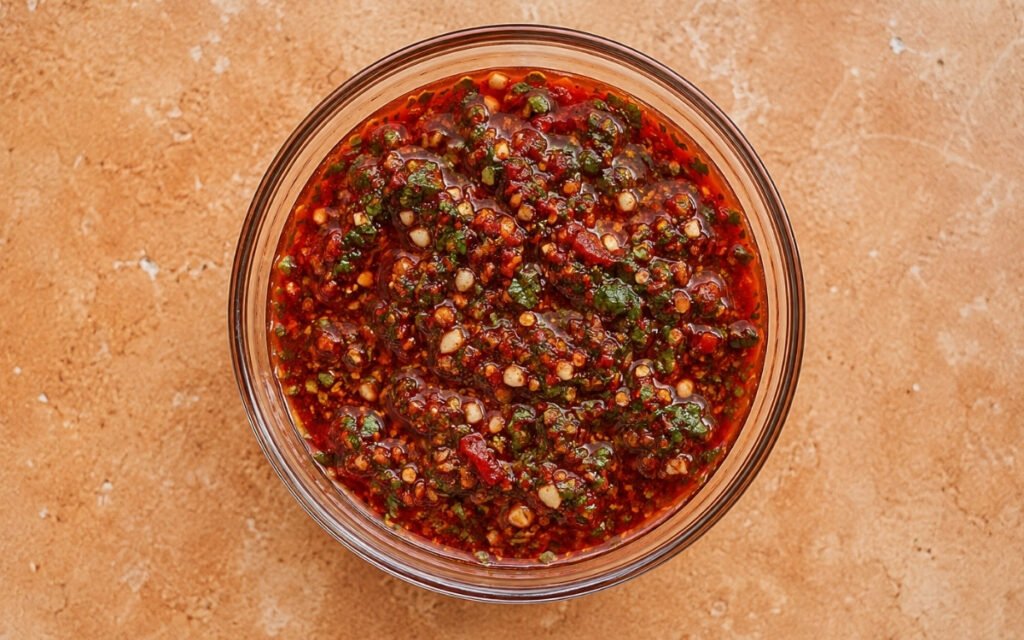
Red Chimichurri (Chimichurri Rojo)
Smoky chimichurri rojo with roasted red pepper, chipotle in adobo, and fresh herbs — the bolder, deeper alternative to the classic green version.
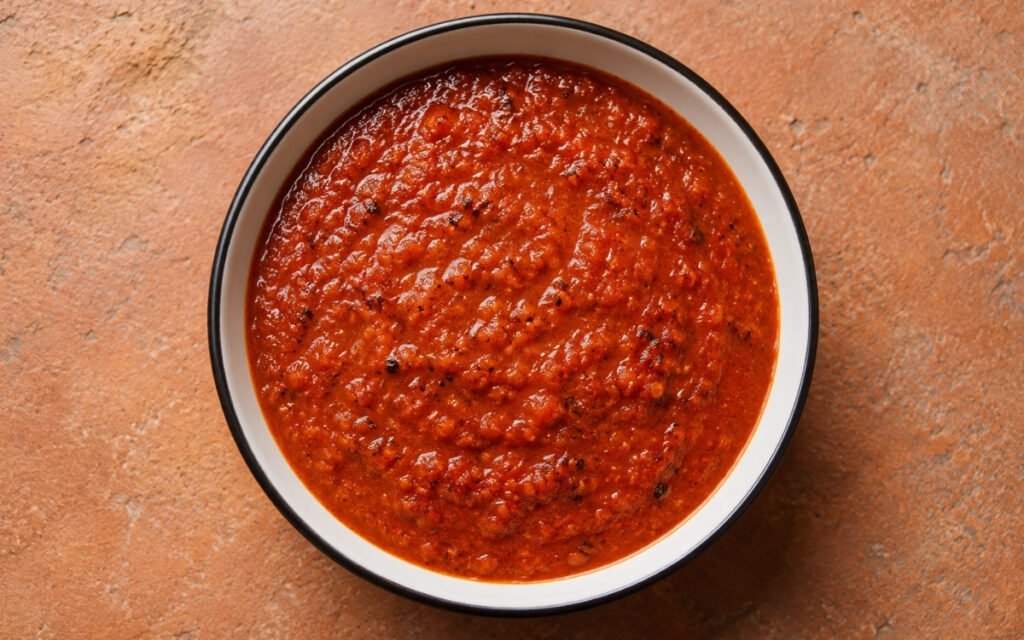
Salsa Roja
Broiled Roma tomatoes and caramelised onion blended with raw jalapeño and fresh cilantro — the classic Mexican red salsa, rich and bright, ready in 20 minutes.
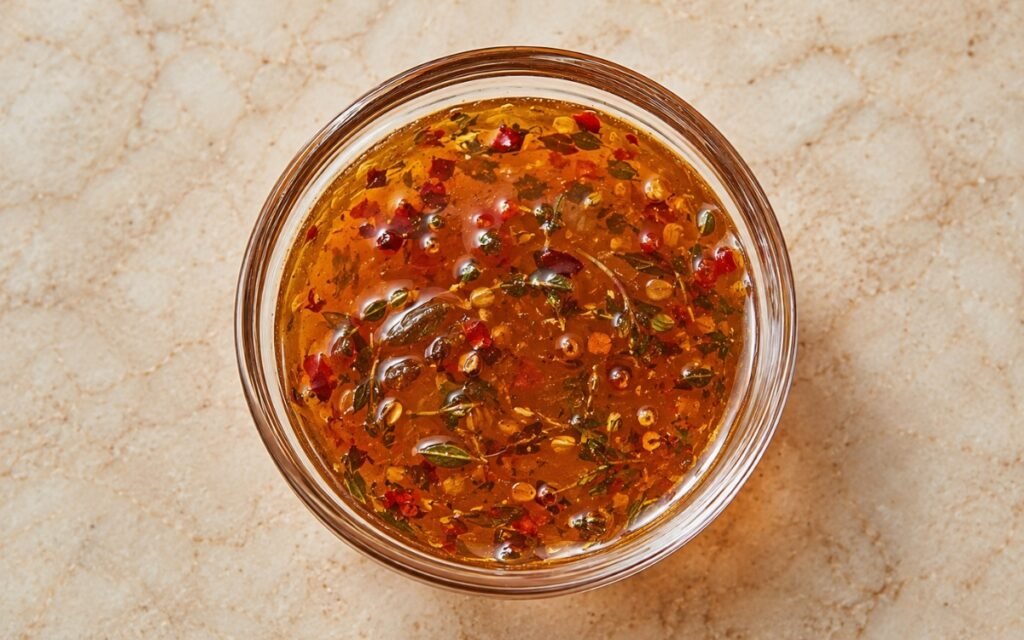
Spicy Honey Drizzle
Honey infused with chili heat and vinegar — 10-minute sweet-heat drizzle for everything.
You might also like
You might also like
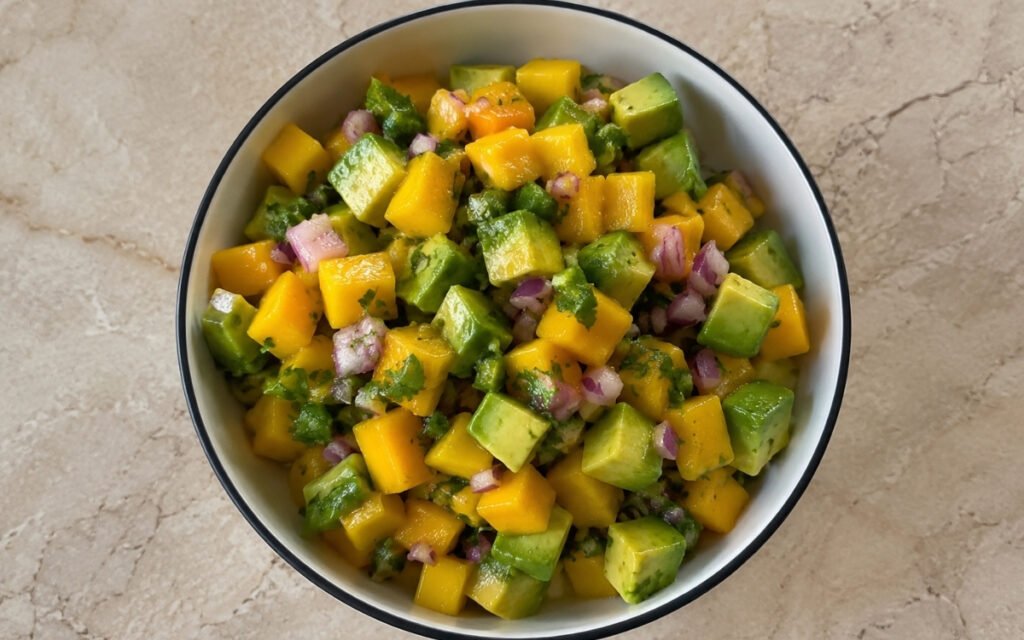
Avocado & Mango Salsa
Sweet mango, creamy avocado, sharp red onion, and jalapeño in a lime-herb dressing — the condiment that makes every Mexican and South American dish taste complete.
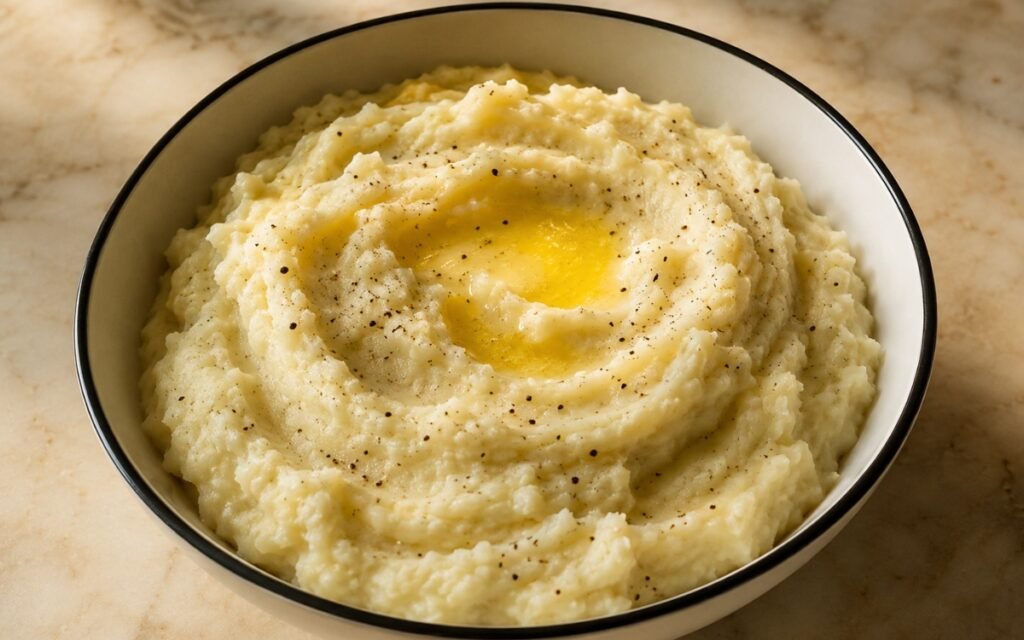
Classic Mashed Potatoes
Creamy, buttery mashed potatoes with perfectly smooth texture – the ultimate comfort food side dish.
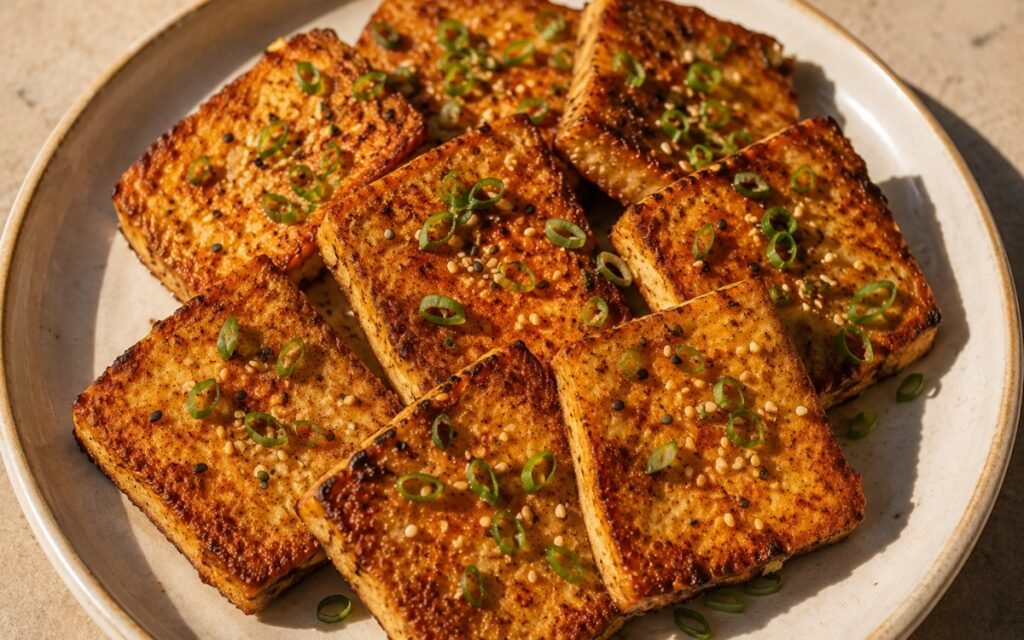
Crispy Tofu Steaks
Tofu pressed thoroughly, marinated in soy, sesame, garlic, ginger, coated in cornstarch, fried until golden. Crisp and umami-packed.
Creamy Dijon Mustard Pan Sauce
Ingredients
Method
- After removing the cooked protein, pour off most of the excess fat, leaving about one tablespoon in the pan along with the browned bits stuck to the bottom. These caramelized residues — known as fond — are essential for building depth and must not be discarded or washed away. They will dissolve during deglazing and form the flavor base of the sauce.
- Add unsalted butter over medium heat and let it melt fully, swirling to coat the pan. Once foaming, add finely minced shallots and cook for about 2 minutes, stirring constantly until soft, translucent, and lightly golden. Shallots provide gentle sweetness and aromatic depth without the sharpness of onions.
- Add minced garlic and cook for about 30 seconds, stirring continuously just until fragrant. Avoid browning, which would introduce bitterness and overpower the sauce’s delicate balance.
- Pour in dry white wine and immediately scrape the bottom of the pan with a wooden spoon or spatula to release all the fond. Let the wine simmer energetically for 1–2 minutes until reduced by roughly half, concentrating flavor and allowing the alcohol to cook off.
- Lower the heat to medium-low and add heavy cream and Dijon mustard together. Whisk continuously for about 30 seconds until smooth and fully combined, ensuring the mustard disperses evenly without lumps.
- Let the sauce simmer gently for 3–4 minutes, stirring occasionally, until thick enough to coat the back of a spoon. Remove from heat, season with salt and freshly ground black pepper, then stir in chopped parsley. Spoon the finished sauce immediately over the cooked protein.