
Portokalopita
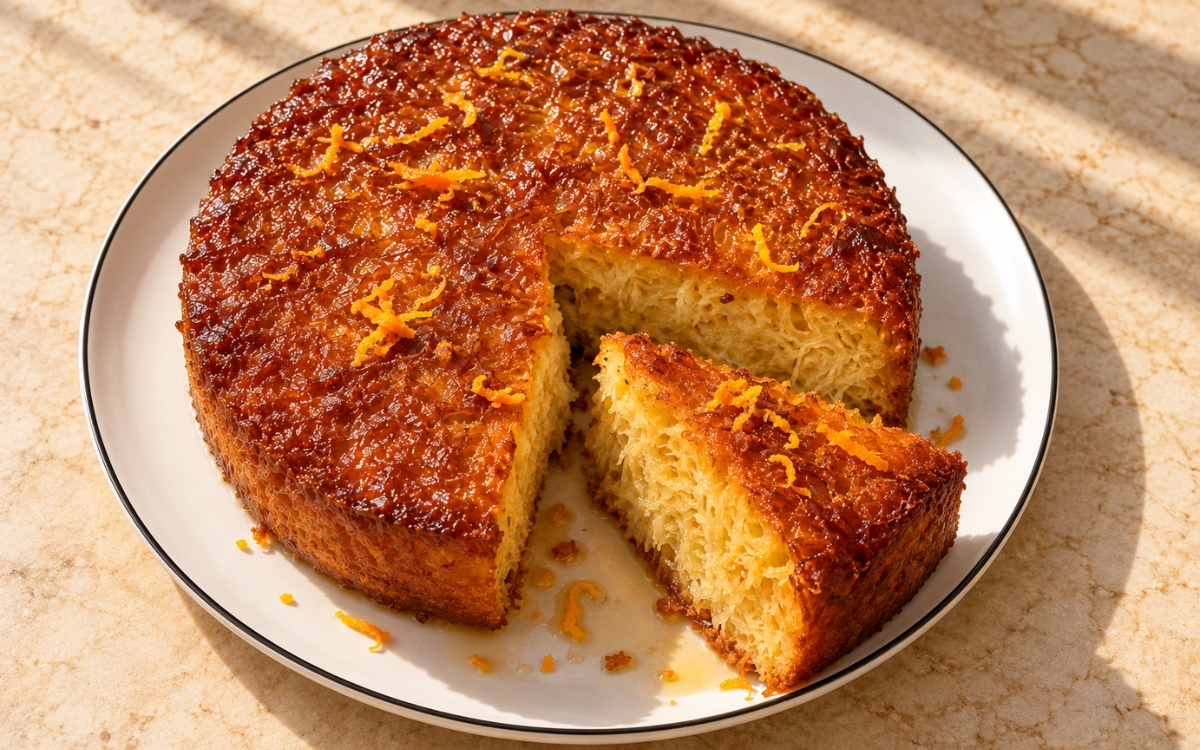
A classic Greek orange phyllo cake made with dried shredded phyllo folded into a yogurt-orange batter, baked until deep golden, then soaked with orange syrup until intensely moist and glossy, full of delicate syrup-soaked strands inside. Drying the phyllo thoroughly before shredding it is the step the entire interior texture depends on — the same fully-dried-before-shredding approach used elsewhere in this collection whenever a delicate dough needs to lose its moisture before it’s broken down, since phyllo that’s still soft turns dense and gummy rather than light and strand-like. Pouring the cooled syrup over the cake while it’s still very hot, in several gradual additions, is what lets the cake absorb it evenly without flooding the top or collapsing the crumb.

Prep Time : 35 min
Total Time : 4 hr 15 min
Servings : 10
35 min
4 hr 15 min
10
Ingredients
For the Orange Syrup
• 300 g granulated sugar
• 300 ml water
• 200 ml fresh orange juice
• Finely peeled zest strips from 1 orange
• 1 small cinnamon stick
• 1 tsp lemon juice
For the Cake
• 375 g phyllo dough, thawed if frozen
• 4 large eggs, room temperature
• 180 g granulated sugar
• 400 g full-fat Greek yogurt, room temperature
• 180 ml neutral oil
• 100 ml fresh orange juice
• 1 tbsp finely grated orange zest
• 1 tsp vanilla extract
• 2 tsp baking powder
• ¼ tsp fine salt
For the Pan
• Soft butter or neutral oil, for greasing
Optional Finish
• A little extra finely grated orange zest, for scattering over the top
Directions
- Dry the Phyllo
Separate the phyllo sheets loosely and spread them out on clean trays or the counter, letting them dry at room temperature for 1½ to 2 hours, until they feel papery, dry, and slightly brittle. Once dry, roughly shred or tear the phyllo into loose strips about 2.5–5 cm long, keeping the strands separated and fluffy rather than compressed. - Make the Orange Syrup
Combine the sugar, water, orange juice, orange zest strips, cinnamon stick, and lemon juice in a saucepan, then bring to a boil, stirring just until the sugar dissolves. Reduce to a gentle simmer and cook for 5 minutes, then remove from the heat and let the syrup cool completely. Remove the cinnamon stick and zest strips before using. - Prep the Pan and Oven
Heat the oven to 175°C conventional / 160°C fan. Grease a 9-inch / 23 cm round cake pan well — a springform pan works too, but make sure it’s tightly sealed and set on a tray in case of any syrup seepage later. - Mix the Batter
Whisk the eggs and sugar together in a large bowl until slightly thickened and pale, about 2 to 3 minutes, then whisk in the Greek yogurt, oil, orange juice, orange zest, and vanilla until smooth. Add the baking powder and salt and whisk again until fully combined. - Fold in the Phyllo
Add the dried shredded phyllo gradually, folding gently after each addition so the strands are evenly coated, breaking up any large clumps with your fingers as you go. The mixture should look loose, evenly moistened, and full of separated strands rather than packed or pasty. Work fairly quickly once the phyllo goes in, since it can soak unevenly if left to sit before baking. - Bake the Cake
Transfer the mixture to the prepared pan and spread it out evenly without pressing down too firmly, then bake for 50 to 55 minutes, until the cake is deeply golden brown on top, well risen, and set in the center. The surface should look richly colored and crisp, and the center should spring back lightly when touched. - Syrup the Cake
Place the hot cake on a rack, and while it’s still very hot, pierce it all over with a skewer or thin knife. Slowly pour the completely cooled syrup over the hot cake in several additions, letting each one absorb before adding more, using all of the syrup. Let the cake stand in the pan until the syrup is fully absorbed and the cake is moist throughout, at least 1½ hours. - Unmold and Serve
Once fully rested, run a thin knife around the edge if needed and remove the cake from the pan. Transfer it to a serving plate and finish with a little extra orange zest if desired, then cut into 10 wedges.
*Notes :
- Thoroughly drying the phyllo before shredding it isn’t a step to rush, even though it adds real time to the process. Phyllo that’s still soft when shredded traps moisture inside the strands, and that moisture turns the baked interior dense and gummy instead of light and distinctly strand-like.
- Keeping the shredded phyllo loose rather than compressed matters all the way through mixing and panning. Pressing it down, whether while folding it into the batter or spreading it in the pan, pushes the strands together into a heavier, less airy texture than this cake is meant to have.
- The temperature contrast between the hot cake and the fully cooled syrup is deliberate rather than incidental. That contrast is what lets the cake absorb the syrup evenly through its structure without the center collapsing or the texture turning soggy rather than moist.
- Pouring the syrup in stages, rather than all at once, gives the cake time to actually drink each addition in before more arrives. A single large pour tends to flood the surface and run off the sides instead of soaking evenly through the crumb.
Why This Recipe Works
This recipe works because thoroughly dried phyllo breaks down into light, separate strands that hold their texture once baked and syrup-soaked, rather than collapsing into a gummy mass. Folding the phyllo in gently and working quickly once it’s added keeps the batter evenly moistened without compressing the strands, and baking until the top is deeply golden and the center springs back ensures the structure is fully set before the syrup goes on. Pouring cooled syrup over a hot cake in gradual additions is the technique that actually gets the syrup to distribute evenly through the crumb, and resting the cake for the full absorption time is what turns a freshly baked cake into one that’s moist throughout rather than just on the surface.
Ingredient Breakdown
Thoroughly Dried Phyllo
The critical texture technique — must be fully dry before shredding or the interior turns dense and gummy.
Full-Fat Greek Yogurt
The structural richness — gives the cake its best texture and a fuller, richer flavor than lower-fat alternatives.
Orange Zest and Juice
The flavor signature — layered into both the batter and the syrup for citrus flavor throughout.
Orange Syrup
The moisture-and-flavor finish — poured over the hot cake in stages for even absorption.
Cinnamon Stick (Syrup)
The subtle spice accent — infuses warmth into the syrup without overwhelming the orange flavor.
Loose, Unpacked Phyllo Strands
The critical technique — keeping them separated rather than compressed is what gives the finished cake its light texture.
Flavor Structure Explained
This portokalopita follows a layered balance model:
- Light, strand-like foundation (dried, shredded phyllo)
- Rich, tangy body (Greek yogurt batter)
- Bright citrus core (orange zest and juice in the batter)
- Deep, aromatic finish (orange and cinnamon syrup)
- Final citrus garnish (scattered fresh zest)
Dried, shredded phyllo forms the light, strand-like foundation of this cake, while the Greek yogurt batter adds richness and a slight tang that carries through every bite. Orange zest and juice in the batter bring a bright citrus core, the orange and cinnamon syrup poured over the hot cake deepens that citrus flavor into something more aromatic, and a final scatter of fresh zest finishes the presentation with one more layer of citrus brightness.
Common Mistakes to Avoid
- Shredding the Phyllo Before It’s Fully Dry – This leaves the interior dense and gummy instead of light and strand-like. Always let the phyllo dry for the full 1½ to 2 hours before shredding.
- Compressing the Shredded Phyllo – This makes the finished cake heavy. Always keep the strands loose and separated while folding and panning.
- Pouring Hot or Warm Syrup Over the Cake – This can make the cake collapse or absorb unevenly. Always let the syrup cool completely before using it.
- Pouring All the Syrup On at Once – This floods the surface instead of soaking evenly into the crumb. Always add it gradually, letting each addition absorb first.
- Slicing Before the Cake Has Fully Rested – This leaves the center seeming wet and unset. Always let it rest at least 1½ hours after syruping.
Variations
Extra-Spiced Syrup Version
Add a small piece of star anise or a few whole cloves to the syrup along with the cinnamon stick, per the recipe’s own aromatic base, for a more complex, warmly spiced finish throughout the cake.
Honey Syrup Version
Replace a portion of the granulated sugar in the syrup with honey for a deeper, slightly floral sweetness that pairs particularly well with the orange and cinnamon already in the mix.
Walnut Version
Fold 60–80 g of finely chopped walnuts into the batter along with the shredded phyllo for added texture and a nuttier flavor throughout the crumb.
Make-Ahead Version
Bake and syrup the cake a full day ahead, letting it rest overnight at cool room temperature or in the refrigerator, per the recipe’s own make-ahead guidance, since the flavor and texture both improve once the syrup has had extra time to distribute.
Storage & Make-Ahead
Portokalopita is one of the more genuinely forgiving make-ahead desserts in this collection, since it actually improves with time rather than just holding steady. The syrup continues distributing through the crumb for hours after baking, so a cake made the day before serving often tastes better than one eaten the same day.
Store the cake covered at cool room temperature for up to 1 day, or refrigerate it for up to 4 days if you need more time. Either way, bring it closer to room temperature before serving, since a cold, syrup-soaked cake tastes noticeably denser and less vibrant than one closer to room temperature.
The full resting period after syruping — at least 1½ hours — isn’t optional if you want clean, evenly moist slices. A cake cut before that rest is complete will look and taste wet and unset in the center, even if the syrup has technically been poured on already.
If you’re serving this for a gathering, baking it the morning of or the day before gives you one less thing to manage close to serving time, and the cake genuinely benefits from that extra settling time rather than suffering for it.
Frequently Asked Questions
Can I skip drying the phyllo and use it straight from the package?
No — phyllo that’s still soft traps moisture and turns the baked interior dense and gummy instead of light and strand-like. Always let the sheets dry at room temperature for the full 1½ to 2 hours before shredding them.
Why did my cake turn out soggy instead of evenly moist?
This usually comes from pouring the syrup on too quickly or while it was still warm, which floods the surface instead of letting it absorb gradually. Make sure the syrup is fully cooled, and pour it over the hot cake in several additions, letting each one soak in first.
Can I make this cake ahead of time?
Yes, and it’s actually recommended, since the syrup continues distributing through the crumb for hours after baking. Make it a day ahead, store it covered at cool room temperature or in the refrigerator, and bring it closer to room temperature before serving.
Why does my cake taste bitter?
This usually comes from zesting too deeply into the white pith underneath the orange peel, which carries a noticeable bitterness. Zest only the orange-colored outer layer, and use a fine grater or zester rather than a coarse one.
What other citrus desserts and drinks pair well with this one?
Orange & Earl Grey Loaf, Crepes Suzette, Hibiscus and Orange Poached Pears with Vanilla Ice Cream, Greek Frappé, and Sticky Toffee Pudding all share similar citrus, syrup-soaked, or classic European dessert techniques and make good options to try next.
Nutrition Facts
( Per Serving — 1 wedge )
Calories
~380 kcal
Protein
7 g
Fat
18 g
Carbs
48 g
Calories
~380 kcal
Protein
7 g
Fat
18 g
Carbs
48 g
Related Recipes
Related Recipes
-

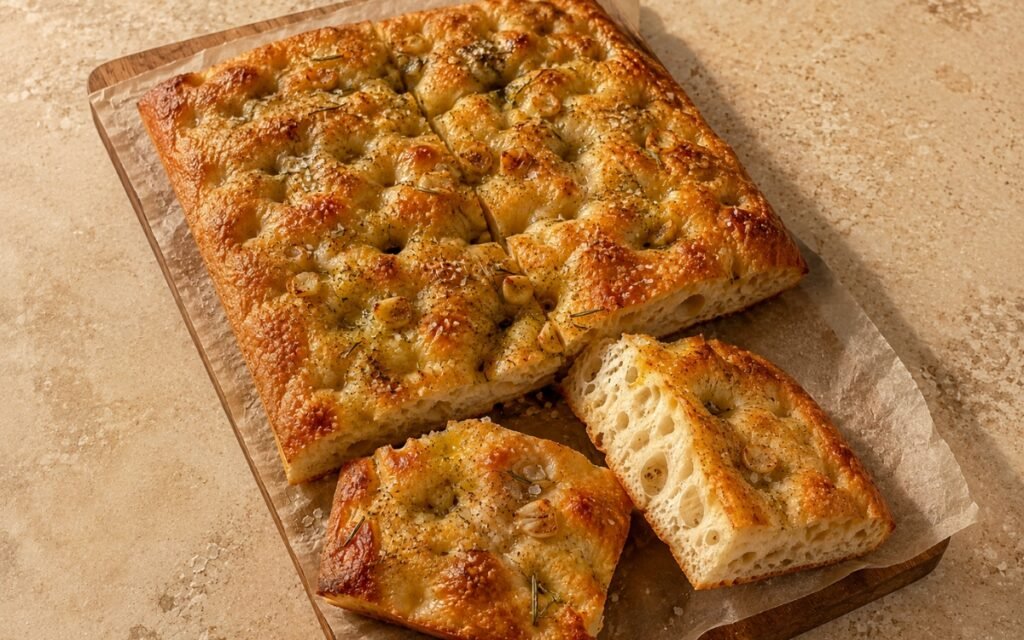
Garlic Butter Focaccia
A golden, high-hydration focaccia with a crisp fried bottom, deeply dimpled airy crumb, and glossy garlic rosemary butter, built over a 48–72 hour cold ferment.
-
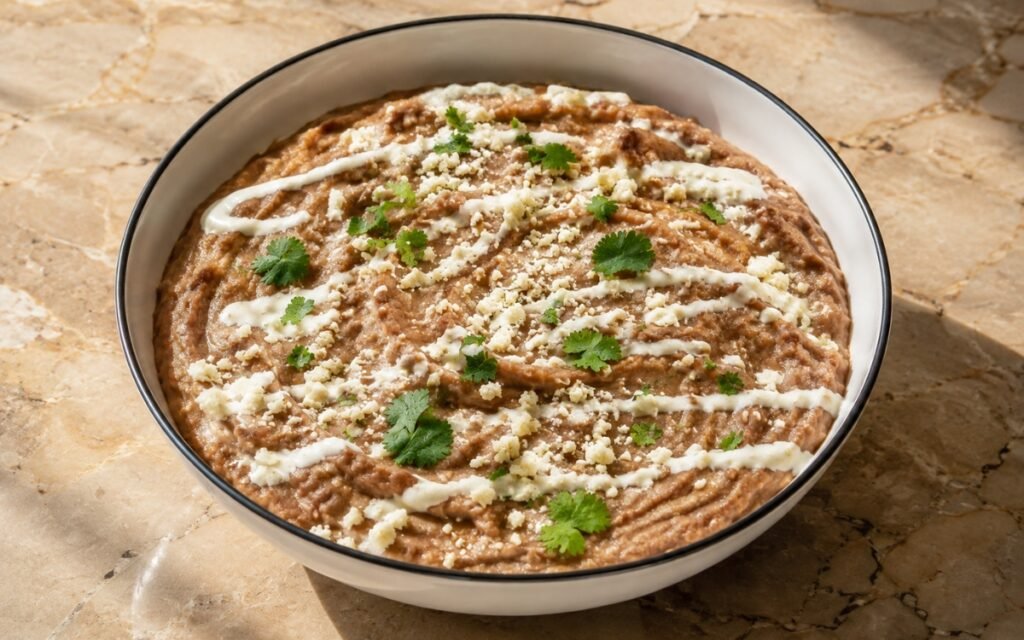
Refried Beans
Creamy pinto beans simmered slowly, mashed and fried in lard with onion and garlic until glossy and spreadable.
-
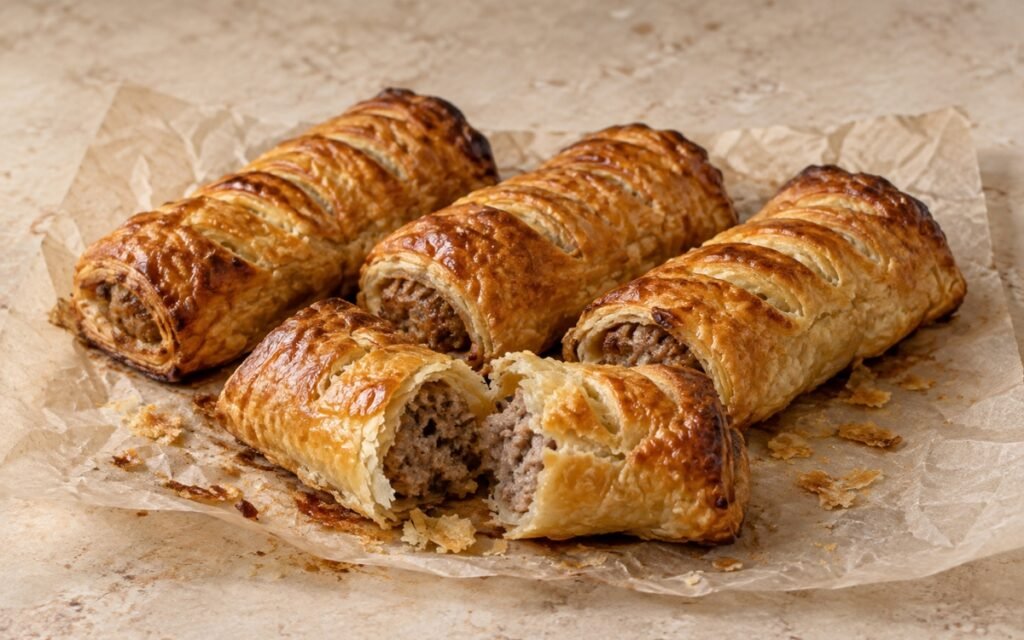
British Sausage Rolls
Seasoned pork sausage meat wrapped in flaky puff pastry, brushed with egg wash, scored, and baked until deeply golden and crisp.
You might also like
You might also like
-
Salted Caramel Espresso Cookies
Soft, thick espresso cookies with gooey salted caramel hidden inside and a light sprinkle of flaky salt.
-
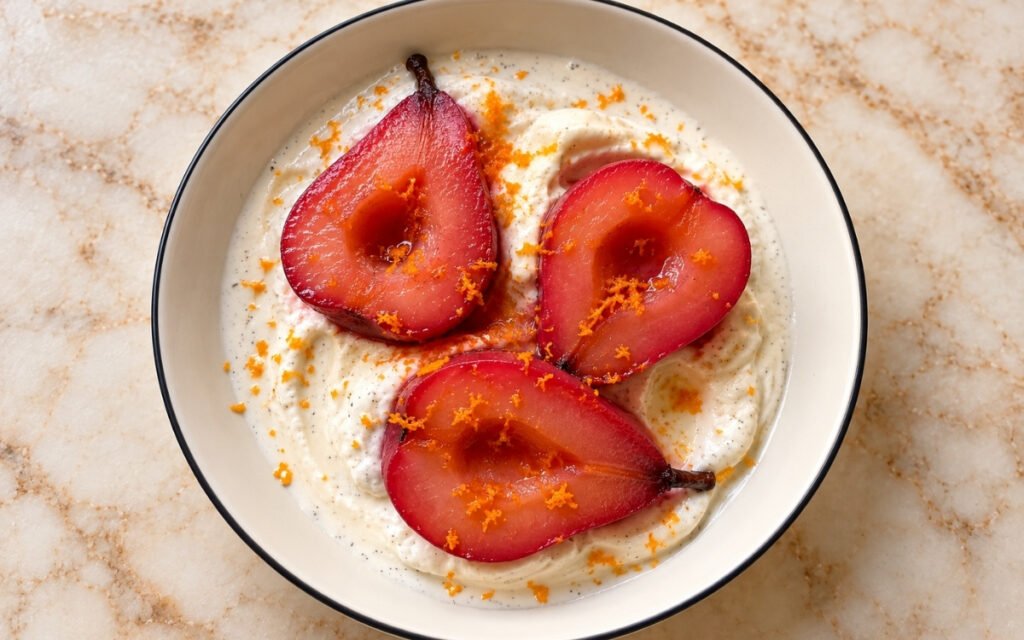
Hibiscus and Orange Poached Pears with Vanilla Ice Cream
Pink-magenta hibiscus-orange poached pears served over vanilla bean ice cream with fresh orange zest.
-
Tamarind Date Chutney
A glossy, sweet-tangy Indian chutney of tamarind and dates with jaggery, roasted cumin, dry ginger, Kashmiri chilli and black salt.

Portokalopita
Ingredients
Method
- Separate the phyllo sheets loosely and spread them out on clean trays or the counter, letting them dry at room temperature for 1½ to 2 hours, until they feel papery, dry, and slightly brittle. Once dry, roughly shred or tear the phyllo into loose strips about 2.5–5 cm long, keeping the strands separated and fluffy rather than compressed.
- Combine the sugar, water, orange juice, orange zest strips, cinnamon stick, and lemon juice in a saucepan, then bring to a boil, stirring just until the sugar dissolves. Reduce to a gentle simmer and cook for 5 minutes, then remove from the heat and let the syrup cool completely. Remove the cinnamon stick and zest strips before using.
- Heat the oven to 175°C conventional / 160°C fan. Grease a 9-inch / 23 cm round cake pan well — a springform pan works too, but make sure it’s tightly sealed and set on a tray in case of any syrup seepage later.
- Whisk the eggs and sugar together in a large bowl until slightly thickened and pale, about 2 to 3 minutes, then whisk in the Greek yogurt, oil, orange juice, orange zest, and vanilla until smooth. Add the baking powder and salt and whisk again until fully combined.
- Add the dried shredded phyllo gradually, folding gently after each addition so the strands are evenly coated, breaking up any large clumps with your fingers as you go. The mixture should look loose, evenly moistened, and full of separated strands rather than packed or pasty. Work fairly quickly once the phyllo goes in, since it can soak unevenly if left to sit before baking.
- Transfer the mixture to the prepared pan and spread it out evenly without pressing down too firmly, then bake for 50 to 55 minutes, until the cake is deeply golden brown on top, well risen, and set in the center. The surface should look richly colored and crisp, and the center should spring back lightly when touched.
- Place the hot cake on a rack, and while it’s still very hot, pierce it all over with a skewer or thin knife. Slowly pour the completely cooled syrup over the hot cake in several additions, letting each one absorb before adding more, using all of the syrup. Let the cake stand in the pan until the syrup is fully absorbed and the cake is moist throughout, at least 1½ hours.
- Once fully rested, run a thin knife around the edge if needed and remove the cake from the pan. Transfer it to a serving plate and finish with a little extra orange zest if desired, then cut into 10 wedges.