
British Sausage Rolls
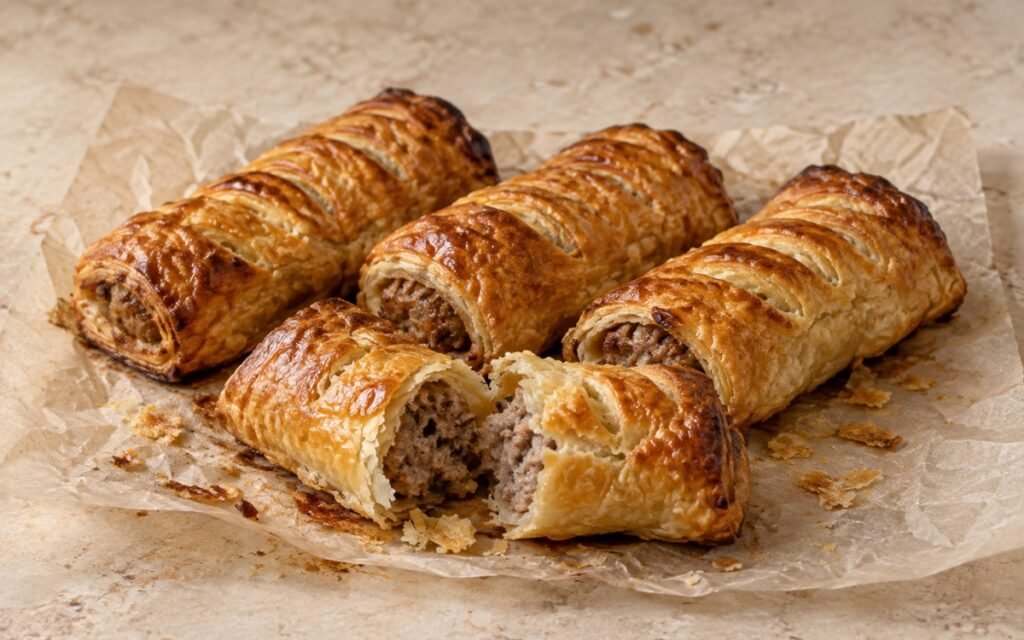
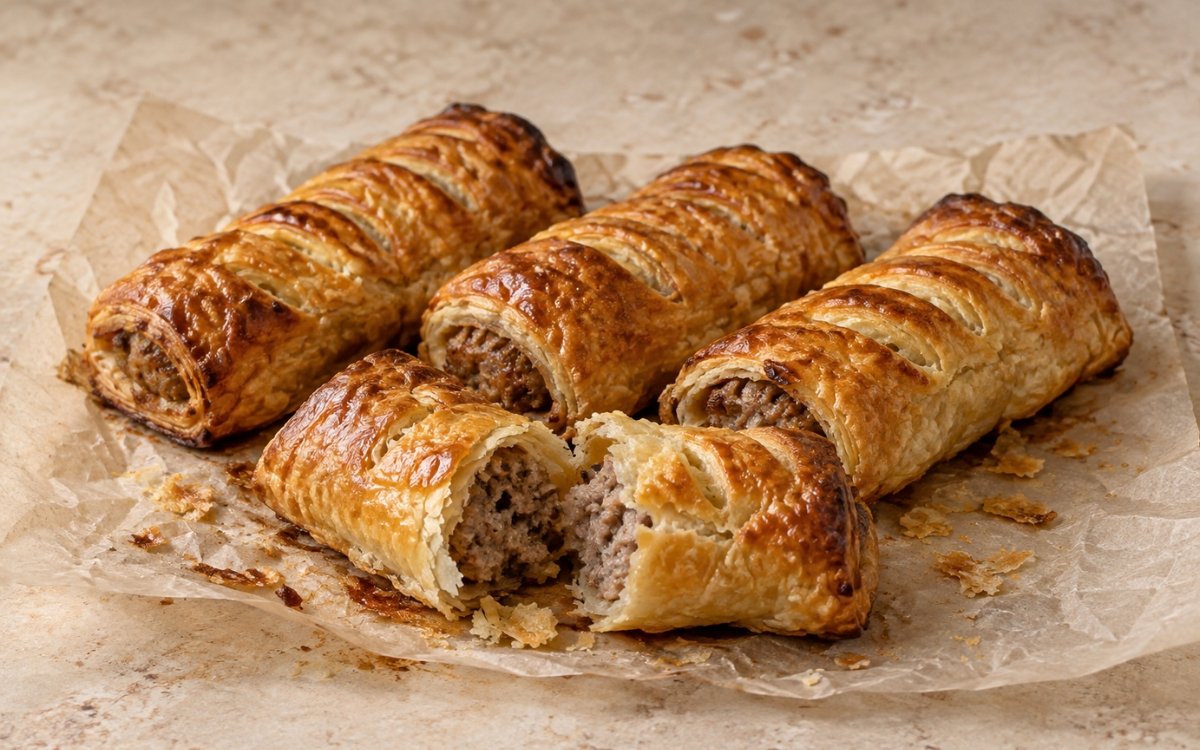
Classic British sausage rolls made with seasoned pork sausage meat wrapped in flaky puff pastry, brushed with egg wash, scored across the top, and baked until deeply golden and crisp. The key is keeping the pastry cold, seasoning the sausage filling properly, and baking hot enough so the pastry puffs before the fat can leak out. Keeping the pastry genuinely cold at every stage is the technique this whole recipe depends on for clean, flaky layers — warm pastry bakes flat and greasy, the same keep-the-pastry-cold principle used elsewhere in this collection whenever a butter-laminated dough’s own layers depend on cold fat holding its structure right up until the oven’s heat. Mixing the sausage filling only until evenly combined, stopping well before it turns paste-like, is what keeps it juicy rather than dense and bouncy. Chilling the wrapped, scored rolls before baking is what lets the pastry puff cleanly rather than melting and leaking fat before it sets. The payoff is a sausage roll with real, classic contrast — deeply golden, crisp, flaky pastry around a juicy, well-seasoned sausage filling.
Prep Time : 25 min
Cook Time : 25 min
Servings : 16
25 min
25 min
16
Ingredients
For the Sausage Filling
• 800g pork sausage meat
• 80g fresh breadcrumbs
• 1 small yellow onion, very finely grated or minced
• 2 garlic cloves, finely grated
• 10g Dijon mustard or English mustard — this one on Amazon
• 10ml Worcestershire sauce — this one on Amazon
• 1 lemon, thinly sliced
• 8g fresh parsley, finely chopped
• 1 tsp fresh thyme leaves or ½ tsp dried thyme
• ½ tsp dried sage — this one on Amazon
• ¼ tsp ground mace or nutmeg, optional but classic
• 4g fine sea salt, only if the sausage meat is not already well seasoned
• 2g black pepper
For the Pastry
• 2 sheets all-butter puff pastry, about 320g each — this one on Amazon
• Flour, for light dusting if needed
For Egg Wash
• 1 large egg
• 15ml milk or water
• Small pinch of fine sea salt
For Serving
• Tomato ketchup
• English mustard or yellow mustard
This post may contain affiliate links. As an Amazon Associate I earn from qualifying purchases, at no additional cost to you.
Directions
- Make the Sausage Filling
In a large bowl, combine the sausage meat, breadcrumbs, onion, garlic, mustard, Worcestershire sauce, parsley, thyme, sage, mace or nutmeg if using, salt if needed, and black pepper. Mix with your hand until evenly combined but not overworked. The filling should hold together and feel slightly sticky, but it should not become paste-like. Overmixing makes the sausage dense and bouncy instead of juicy. Ground meat’s proteins bind together more tightly the more they’re handled, and stopping the mixing once everything is evenly distributed is what keeps that binding from tightening into the springier, less juicy texture overworked sausage filling develops. - Divide the Filling
Divide the sausage mixture into 4 equal portions, about 200g each. Roll each portion into a long sausage shape roughly the same length as your puff pastry sheet. Keep the filling cold while preparing the pastry. Keeping the filling cold through this stage protects it from softening and losing shape before it ever meets the pastry, making the whole wrapping process considerably easier to control. - Prepare the Pastry
Unroll the puff pastry sheets on a lightly floured surface if needed. Cut each sheet in half lengthwise so you have 4 long pastry rectangles. Place one sausage filling log along the center of each rectangle. Cold pastry is easier to wrap and bakes with better layers. If the pastry becomes soft or greasy, chill it for 10 minutes before continuing. That built-in checkpoint — chilling the pastry again if it starts to soften — reflects real awareness of how quickly butter-laminated dough can lose its structure once it warms even slightly during handling. - Wrap the Sausage Rolls
Brush one long edge of each pastry rectangle lightly with egg wash. Fold the pastry over the sausage filling, enclosing it fully. Press the seam firmly to seal. Turn each roll seam-side down. Trim only if needed, then cut each long roll into 4 pieces, giving you 16 sausage rolls total. The seam should be underneath and fully closed. Weak seams open in the oven and expose the filling. Placing the finished roll seam-side down keeps that pressed seal pressed shut under its own weight, giving it a head start on staying closed before it ever reaches the hot oven. - Chill Before Baking
Place the sausage rolls on a parchment-lined baking tray, leaving space between them. Chill for 20 minutes. While they chill, preheat the oven to 200°C fan / 220°C conventional. Chilling firms the pastry and filling. This helps the puff pastry rise cleanly instead of melting and leaking fat before it sets. That firming period re-solidifies the pastry’s own butter layers after all the handling involved in wrapping and cutting, giving the rolls real structural stability right before they meet the oven’s aggressive heat. - Egg Wash and Score
Whisk the egg, milk or water, and small pinch of salt together. Brush the tops of the chilled sausage rolls lightly with egg wash. Score each roll with 2 to 3 shallow diagonal cuts across the top. Do not cut all the way through to the filling. The scoring gives steam somewhere to escape and gives the classic bakery-style sausage roll look. Those shallow cuts give the pastry’s own internal steam a controlled, predictable place to vent as it bakes — without them, that same pressure would find its own way out, often splitting the pastry unevenly rather than puffing cleanly. - Bake
Bake for 22 to 28 minutes, until the pastry is deeply golden-brown, puffed, crisp, and the sausage filling is fully cooked. The internal temperature of the filling should reach at least 72°C. Do not pull them when the pastry is only pale gold. Puff pastry needs strong color to become fully crisp and flaky. That deep golden colour reflects real, substantial baking having taken place all the way through the pastry’s many butter-laminated layers — a paler roll pulled too early would still carry underbaked, less crisp layers despite looking technically done. - Rest and Serve
Let the sausage rolls rest on the tray for 5 minutes, then transfer to a rack or serving board. Serve warm with ramekins of tomato ketchup and mustard for dipping. That brief rest lets the filling’s own residual heat settle slightly, making the rolls easier to handle and eat without the hot filling spilling out the moment they’re bitten into.
*Notes :
- Keeping the pastry genuinely cold at every single stage deserves recognition as the technique most responsible for whether these sausage rolls turn out flaky or flat and greasy. Puff pastry’s own layers depend entirely on distinct, cold butter holding its shape right up until the oven’s heat converts it to steam — pastry that’s warmed even slightly during handling loses that structural integrity, baking up dense and greasy rather than genuinely puffed and crisp.
- Mixing the sausage filling only until evenly combined, stopping well short of paste-like, deserves the same attention this technique receives throughout this collection’s other ground meat preparations. Overworking the mixture tightens the meat’s protein network more than necessary, producing a springier, denser texture that works against the juicy, tender filling this recipe depends on.
- Chilling the fully wrapped, scored rolls before they ever reach the oven deserves genuine respect as a real, functional step rather than an optional pause. That chilling period re-firms the pastry’s butter layers after all the handling involved in wrapping and cutting, giving the rolls real structural stability right before the oven’s aggressive heat — skipping this step risks the pastry melting and leaking fat before it’s properly set.
- Scoring the tops with shallow, deliberate cuts deserves attention as a genuinely functional detail beyond its classic bakery appearance. Those cuts give the pastry’s own internal steam pressure a controlled, predictable place to escape as it bakes — without them, that same pressure would find its own way out, often splitting the pastry unevenly rather than puffing cleanly into distinct layers.
Why This Recipe Works
This recipe works because the pastry is kept genuinely cold at every stage, protecting the distinct butter layers that give puff pastry its characteristic flakiness. The sausage filling is mixed only until combined, keeping it juicy rather than dense.
The rolls are chilled again once fully wrapped and scored, firming everything back up before the oven’s heat.
Shallow scoring gives steam a controlled path to escape, and baking until genuinely deep golden confirms the pastry has fully puffed and crisped throughout. Resting briefly after baking makes the finished rolls easier to handle and eat.
Ingredient Breakdown
Cold Puff Pastry (At Every Stage)
The critical technique — cold, distinct butter layers are what actually produce real puff and flakiness in the oven.
Minimally Mixed Sausage Filling
The critical technique — stopping before paste-like protects the filling from turning dense and bouncy.
Firmly Sealed, Seam-Down Rolls
The critical technique — protects against the filling escaping during baking.
Pre-Bake Chill (Fully Assembled Rolls)
The critical technique — re-firms the pastry’s butter layers before the oven’s aggressive heat.
Shallow Diagonal Scoring
The finishing technique — gives internal steam a controlled path to escape, protecting the pastry’s clean puff.
Flavor Structure Explained
This British sausage roll follows a layered balance model:
- Crisp, flaky foundation (cold, well-laminated puff pastry)
- Juicy savoury centre (minimally mixed sausage filling)
- Warm herbal depth (thyme, sage, mace or nutmeg)
- Sharp background note (mustard, Worcestershire sauce)
- Glossy golden finish (egg wash)
Cold, well-laminated puff pastry provides this sausage roll’s crisp, genuinely flaky foundation. A minimally mixed sausage filling contributes a juicy, savoury centre rather than a dense one. Thyme, sage, and optional mace or nutmeg layer in warm, classic herbal depth throughout the meat. Mustard and Worcestershire sauce add a sharp, savoury background note, and a glossy egg wash finishes the pastry with its characteristic deep golden colour, tying every layer together into one classic, satisfying bake.
Common Mistakes to Avoid
- Letting the Pastry Warm During Handling – This causes it to bake flat and greasy rather than flaky. Always keep it genuinely cold, chilling again if needed.
- Overmixing the Sausage Filling – This makes it dense and bouncy rather than juicy. Always stop as soon as it’s evenly combined.
- Skipping the Pre-Bake Chill – This risks the pastry melting and leaking fat before it sets. Always chill the fully wrapped rolls before baking.
- Skipping the Scoring – This leaves steam no controlled path to escape, risking uneven splitting. Always score with shallow diagonal cuts.
- Pulling the Rolls While Still Pale – This means the pastry hasn’t fully puffed and crisped. Always bake until deeply golden-brown.
Variations
Extra-Herbal Version
Increase the fresh thyme and parsley for a more pronounced herbal note throughout the filling.
Spicy Version
Add a pinch of chili flakes or a dash of hot sauce to the sausage mixture for extra heat.
Cheese British Sausage Rolls
Add a thin strip of grated cheddar alongside the sausage filling for a melty, cheesy variation.
Mini Version
Cut each roll into smaller pieces for bite-sized party sausage rolls, adjusting the bake time slightly shorter.
Storage & Make-Ahead
Use all-butter puff pastry for the best flavor and flaky layers.
Sausage meat is usually already seasoned, so taste your brand before adding too much extra salt.
These are best served warm, but they also reheat well in a 180°C oven for 8 to 10 minutes.
Frequently Asked Questions
Why does the pastry need to stay cold at every single stage?
Puff pastry’s flakiness depends entirely on distinct, cold butter layers holding their shape until the oven’s heat converts them to steam. Pastry warmed during handling loses that structure, baking up dense and greasy rather than properly puffed.
Why should the sausage filling be mixed only until combined rather than more thoroughly?
Overworking the mixture tightens the meat’s protein network more than necessary, producing a springier, denser texture. Stopping once everything is evenly combined keeps the filling genuinely juicy.
Why do the fully wrapped rolls need to chill again before baking?
That chill re-firms the pastry’s butter layers after all the handling involved in wrapping and cutting, giving the rolls real structural stability right before the oven’s aggressive heat. Skipping it risks the pastry melting and leaking fat before it sets.
Why does the top need to be scored before baking?
Those shallow cuts give the pastry’s own internal steam pressure a controlled, predictable place to escape. Without them, that pressure finds its own way out, often splitting the pastry unevenly rather than puffing cleanly.
Are there other classic pastry, savoury biscuit, or handheld party food dishes worth trying?
Classic Southern Buttermilk Biscuits and Baked Beef Piroshki both offer other classic savoury baking directions worth exploring. Sausages in Blankets is also worth trying for a related, smaller-format sausage pastry, and American Corn Dogs offers another classic handheld party food worth exploring.
Nutrition Facts
( Per Serving — 1 sausage roll )
Calories
~320 kcal
Protein
10 g
Fat
24 g
Carbs
18 g
Calories
~320 kcal
Protein
10 g
Fat
24 g
Carbs
18 g
Related Recipes
Related Recipes

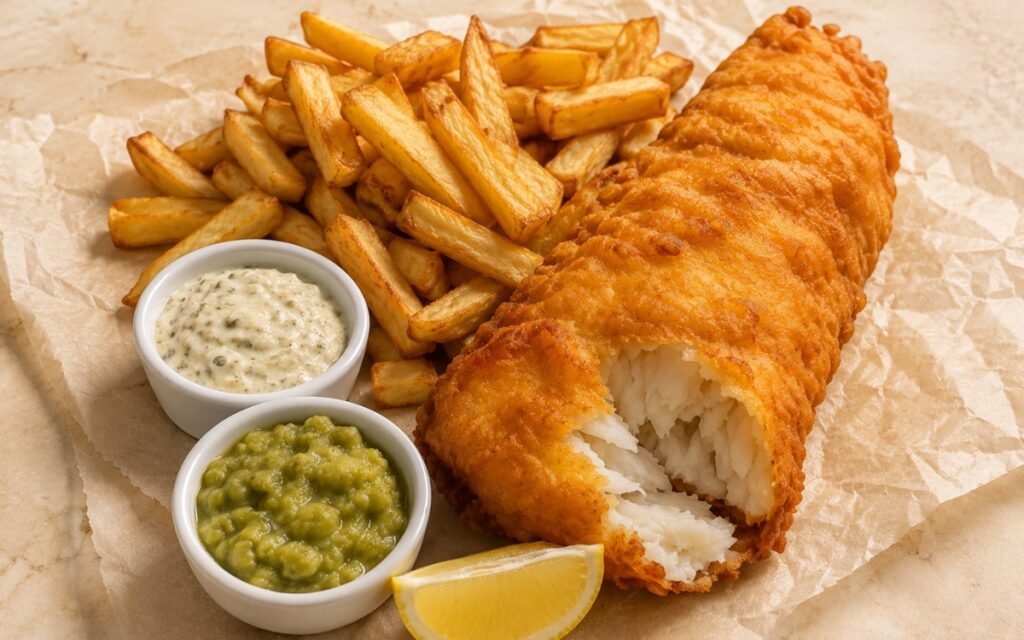
Classic British Fish and Chips
Beer-battered cod fried until crisp and puffed, served with fluffy double-fried chips, rustic mushy peas, and sharp tartar sauce.
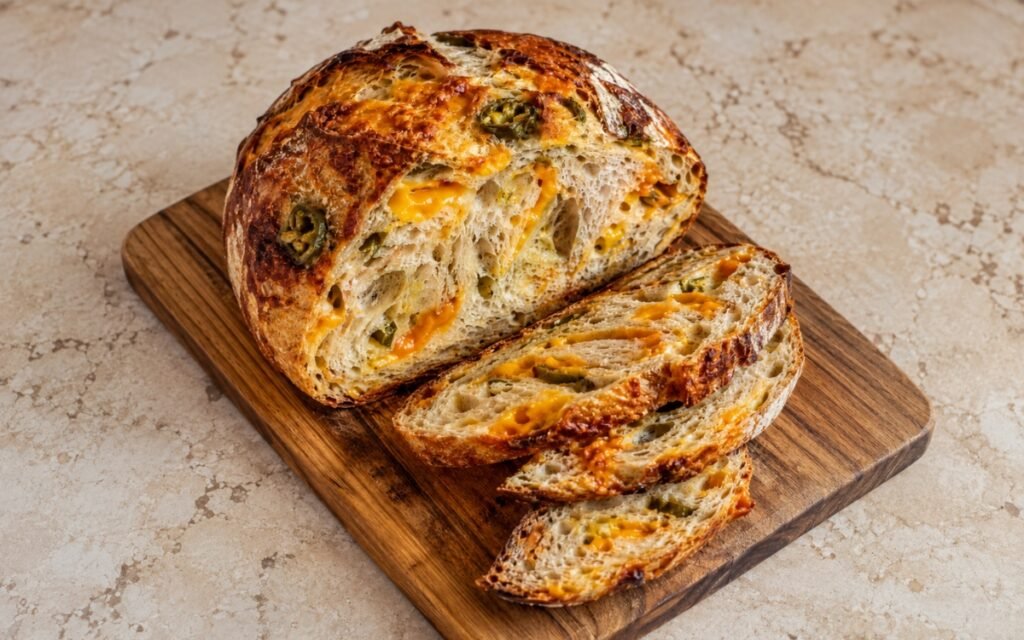
Jalapeño Cheddar Sourdough Bread
A round sourdough loaf studded with 1cm sharp cheddar chunks and fresh jalapeño, baked deeply golden with melted cheese pockets throughout.
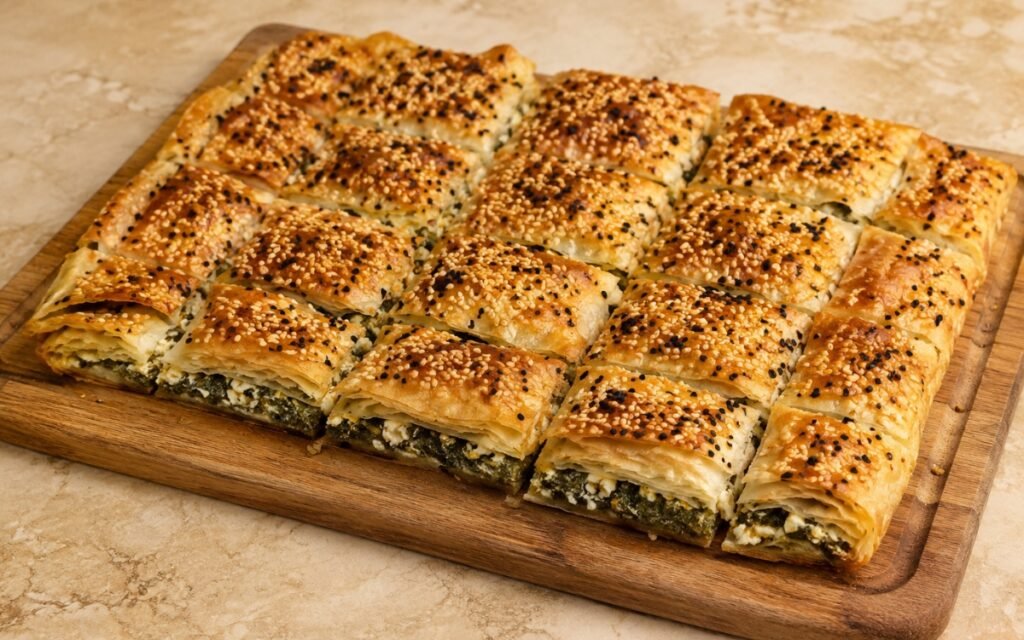
Turkish Börek — Spinach and Feta Borek
Pressed spinach and feta layered between phyllo sheets with a light milk-yogurt coating — pre-cut before baking, sesame and nigella seeds over egg wash, baked deeply golden. Crisp outside, soft custardy inside.
You might also like
You might also like
Carnitas Tacos with Pickled Red Onion
Pork shoulder braised in citrus and lard until tender, then crisped hot and fast for caramelised edges. Topped with pickled red onion and cilantro.
Homemade Pretzel Bites
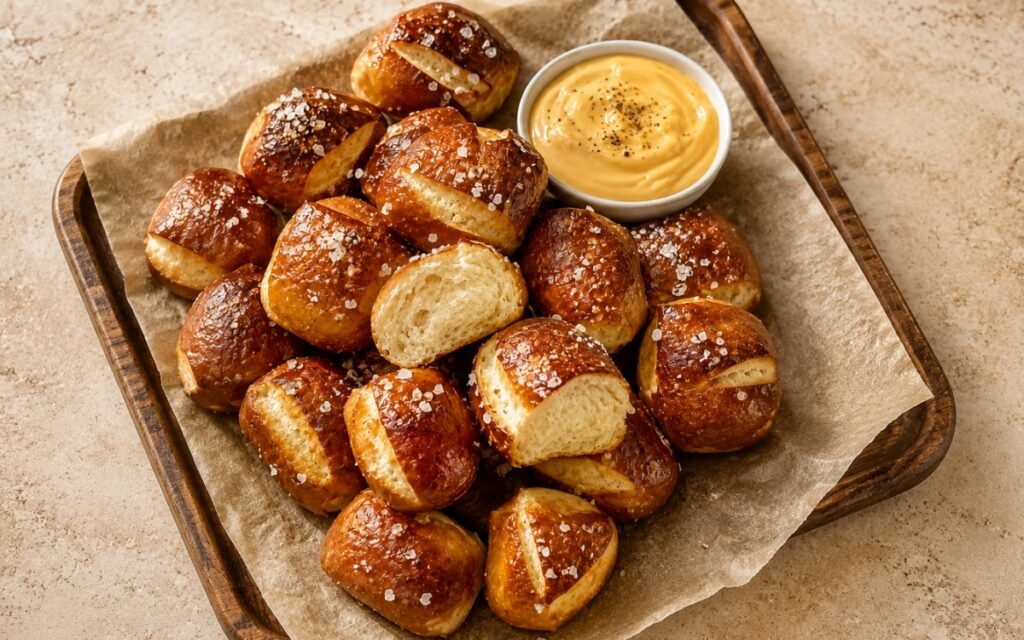
Soft homemade pretzel bites with deep golden glossy crusts, a chewy outside, and a soft pale interior, served with warm cheese dip.
Hush Puppies
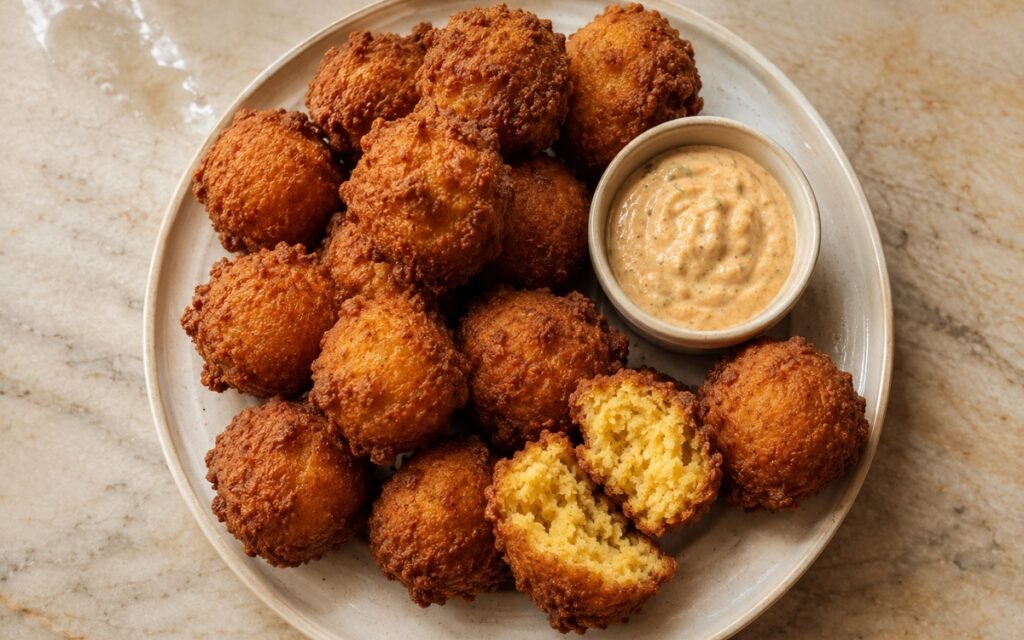
Thick cornmeal batter with finely minced onion, fried until deeply golden and crisp outside with a soft, steaming interior, served with tangy remoulade.

British Sausage Rolls
Ingredients
Method
- In a large bowl, combine the sausage meat, breadcrumbs, onion, garlic, mustard, Worcestershire sauce, parsley, thyme, sage, mace or nutmeg if using, salt if needed, and black pepper. Mix with your hand until evenly combined but not overworked. The filling should hold together and feel slightly sticky, but it should not become paste-like. Overmixing makes the sausage dense and bouncy instead of juicy. Ground meat’s proteins bind together more tightly the more they’re handled, and stopping the mixing once everything is evenly distributed is what keeps that binding from tightening into the springier, less juicy texture overworked sausage filling develops.
- Divide the sausage mixture into 4 equal portions, about 200g each. Roll each portion into a long sausage shape roughly the same length as your puff pastry sheet. Keep the filling cold while preparing the pastry. Keeping the filling cold through this stage protects it from softening and losing shape before it ever meets the pastry, making the whole wrapping process considerably easier to control.
- Unroll the puff pastry sheets on a lightly floured surface if needed. Cut each sheet in half lengthwise so you have 4 long pastry rectangles. Place one sausage filling log along the center of each rectangle. Cold pastry is easier to wrap and bakes with better layers. If the pastry becomes soft or greasy, chill it for 10 minutes before continuing. That built-in checkpoint — chilling the pastry again if it starts to soften — reflects real awareness of how quickly butter-laminated dough can lose its structure once it warms even slightly during handling.
- Brush one long edge of each pastry rectangle lightly with egg wash. Fold the pastry over the sausage filling, enclosing it fully. Press the seam firmly to seal. Turn each roll seam-side down. Trim only if needed, then cut each long roll into 4 pieces, giving you 16 sausage rolls total. The seam should be underneath and fully closed. Weak seams open in the oven and expose the filling. Placing the finished roll seam-side down keeps that pressed seal pressed shut under its own weight, giving it a head start on staying closed before it ever reaches the hot oven.
- Place the sausage rolls on a parchment-lined baking tray, leaving space between them. Chill for 20 minutes. While they chill, preheat the oven to 200°C fan / 220°C conventional. Chilling firms the pastry and filling. This helps the puff pastry rise cleanly instead of melting and leaking fat before it sets. That firming period re-solidifies the pastry’s own butter layers after all the handling involved in wrapping and cutting, giving the rolls real structural stability right before they meet the oven’s aggressive heat.
- Whisk the egg, milk or water, and small pinch of salt together. Brush the tops of the chilled sausage rolls lightly with egg wash. Score each roll with 2 to 3 shallow diagonal cuts across the top. Do not cut all the way through to the filling. The scoring gives steam somewhere to escape and gives the classic bakery-style sausage roll look. Those shallow cuts give the pastry’s own internal steam a controlled, predictable place to vent as it bakes — without them, that same pressure would find its own way out, often splitting the pastry unevenly rather than puffing cleanly.
- Bake for 22 to 28 minutes, until the pastry is deeply golden-brown, puffed, crisp, and the sausage filling is fully cooked. The internal temperature of the filling should reach at least 72°C. Do not pull them when the pastry is only pale gold. Puff pastry needs strong color to become fully crisp and flaky. That deep golden colour reflects real, substantial baking having taken place all the way through the pastry’s many butter-laminated layers — a paler roll pulled too early would still carry underbaked, less crisp layers despite looking technically done.
- Let the sausage rolls rest on the tray for 5 minutes, then transfer to a rack or serving board. Serve warm with ramekins of tomato ketchup and mustard for dipping. That brief rest lets the filling’s own residual heat settle slightly, making the rolls easier to handle and eat without the hot filling spilling out the moment they’re bitten into.