
Colombian Empanadas
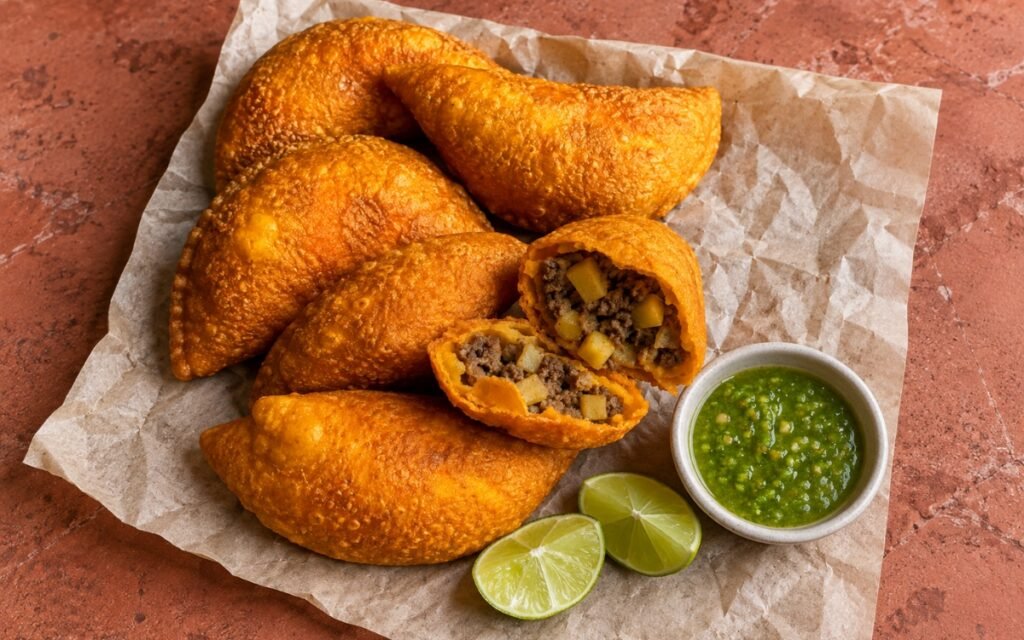
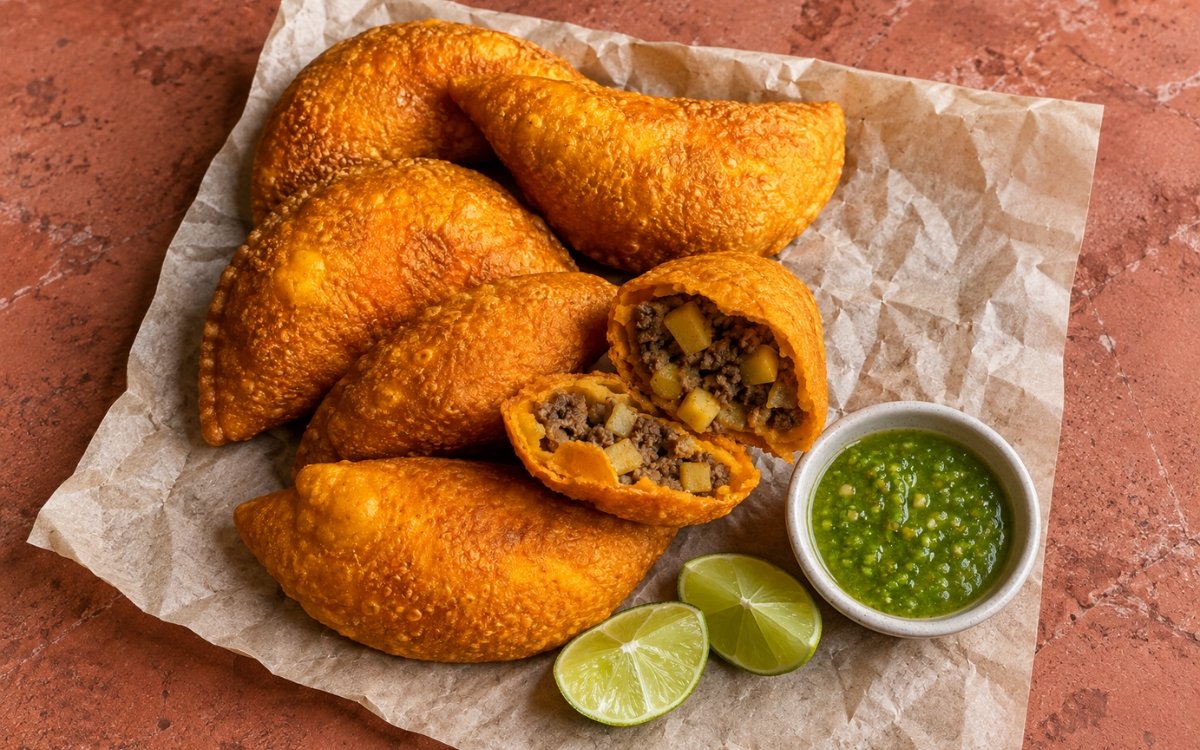
Classic Colombian empanadas made with a crisp golden corn masa shell and a savory potato-beef filling, served with bright green ají picante and lime wedges. The key is keeping the filling moist but not wet, shaping the empanadas while the masa is still soft and hydrated, then frying hot enough to make the shell crisp without turning greasy. Mashing the potatoes only roughly, rather than perfectly smooth, is the technique this whole filling depends on for real cohesion — that partially mashed texture is what binds the beef and other ingredients into a filling that stays together once wrapped, the same rough-mash-for-binding principle used elsewhere in this collection whenever a starchy vegetable’s job is structural rather than purely textural. Letting the filling cool fully before it ever meets the masa is what protects the dough from softening prematurely during shaping. Maintaining oil at a genuine 175°C throughout frying is what produces a crisp, craggy shell rather than a greasy or pale one. The payoff is an empanada with real, authentic contrast — a crisp, deep golden-orange corn shell around a savoury, cohesive potato-beef filling, brightened by sharp, fresh ají picante.
Prep Time : 45 min
Cook Time : 45 min
Servings : 4
45 min
45 min
4
Ingredients
For the Potato and Beef Filling
• 500g potatoes, peeled and cut into small cubes
• 350g ground beef
• 20ml neutral oil
• 120g white onion, finely diced
• 80g tomato, finely diced or grated
• 3 garlic cloves, finely minced
• 8g fine sea salt, divided
• 2g black pepper
• 2g ground cumin — this one on Amazon
• 1 tsp achiote powder or paprika — this one on Amazon
• 20g fresh cilantro, finely chopped
• 60 to 120ml potato cooking water, only as needed
For the Corn Masa Shell
• 400g pre-cooked yellow cornmeal / masarepa — this one on Amazon
• 560ml warm water, about 40°C
• 10g fine sea salt
• 1 tsp achiote powder or paprika, for deeper color
• 15ml neutral oil
For the Ají Picante
• 30g fresh cilantro, finely chopped
• 25g scallions, finely chopped
• 1 small hot green chili, finely minced, or to taste
• 1 small garlic clove, finely grated
• 30ml white vinegar
• 30ml fresh lime juice
• 45ml cold water
• 15ml neutral oil or olive oil
• 3g fine sea salt
• 1 small pinch sugar
• 40g tomato, finely diced, optional
For Frying
• Neutral oil, as needed for deep-frying
For Serving
• Lime wedges
• Ají picante
This post may contain affiliate links. As an Amazon Associate I earn from qualifying purchases, at no additional cost to you.
Directions
- Cook the Potatoes
Place the diced potatoes in a pot of cold salted water. Bring to a boil and cook for 10 to 12 minutes, until fully tender. Drain, reserving some of the cooking water. Mash the potatoes roughly while still warm. They should be mostly mashed but not perfectly smooth. The potato is what binds the filling. If the potato stays in hard cubes, the filling will fall apart inside the empanadas. That specific, rough mash gives the potato genuine structural work to do — enough broken-down starch to physically bind the other ingredients together, while still retaining enough texture to keep the filling from turning into a smooth paste. - Make the Beef Filling
Heat the oil in a skillet over medium heat. Add the onion and cook for 4 to 5 minutes, until softened. Add the tomato, garlic, black pepper, cumin, achiote or paprika, and about 5g salt. Cook for 3 to 4 minutes, until the tomato breaks down and the mixture looks thick and saucy. Add the ground beef and cook for 6 to 8 minutes, breaking it up well with a spatula, until browned and cooked through. Stir in the mashed potatoes and cilantro. Add a splash of reserved potato water only if the mixture feels dry. The filling should be soft, cohesive, and spoonable, but not wet. If liquid pools in the pan, cook it down before shaping or the empanadas can burst while frying. That specific, checkable texture — cohesive but genuinely not wet — is directly what protects the masa’s own ability to seal cleanly around the filling once shaping begins. - Cool the Filling
Transfer the filling to a tray or bowl and let it cool until warm or room temperature. Taste and adjust with the remaining salt if needed. Hot filling softens the masa too much and makes the empanadas harder to seal. That cooling period protects the dough from a real, specific risk — masa in direct contact with genuinely hot filling would soften considerably faster than intended, compromising its ability to hold a clean seal during shaping. - Make the Ají Picante
In a bowl, mix the cilantro, scallions, chili, garlic, vinegar, lime juice, water, oil, salt, sugar, and tomato if using. Let it sit for at least 15 minutes before serving. The ají should taste sharp, fresh, salty, and lightly spicy. It is supposed to cut through the fried masa, not taste mild or flat. That resting period gives the individual ingredients real time to meld together into one cohesive, sharp condiment, rather than tasting like separate components simply sharing the same bowl. - Make the Masa Dough
In a large bowl, mix the warm water, salt, achiote or paprika, and oil. Add the masarepa gradually, mixing with your hand or a spoon until a soft dough forms. Knead gently for 2 to 3 minutes, then cover and rest for 10 minutes. After resting, the dough should feel soft, smooth, and easy to press without cracking. If the dough cracks around the edges when pressed, add warm water 1 tbsp at a time. If it feels sticky and loose, add a little more masarepa. Adding the masarepa gradually while mixing, rather than dumping it in all at once, is what prevents dry lumps from forming — pre-cooked cornmeal hydrates quickly, and lumps that form early tend to persist even through continued mixing. - Divide the Dough
Divide the masa into 16 equal portions, about 55 to 60g each. Keep the portions covered with a damp towel so they do not dry out. That damp covering protects every unshaped portion from drying and cracking at the edges while you work through the rest, which would otherwise compromise the dough’s ability to seal cleanly around the filling. - Shape the Empanadas
Place one dough portion between two sheets of plastic wrap or parchment. Press into a round about 12 to 13cm wide. Add about 2 tbsp filling to one side of the dough, leaving a clean edge. Fold the dough over into a half-moon shape. Press the edges firmly to seal, then trim with a bowl or round cutter if you want a cleaner shape. Repeat with the remaining dough and filling. The edge must be fully closed with no filling exposed. Any weak seam can open in the fryer. That thorough, deliberate sealing along the entire edge is what protects each empanada from splitting open the moment it hits the genuinely hot oil, where any weak point would be exposed immediately. - Heat the Oil
Heat neutral oil in a deep pot to 175°C. Set a wire rack or paper towel-lined tray nearby. 175°C is the target. Cooler oil makes greasy empanadas; hotter oil browns the outside before the shell crisps properly. Maintaining that specific temperature protects the empanadas from both directions at once — too cool lets the masa soak up excess fat before it ever crisps, while too hot darkens the shell well before it’s actually developed the proper crisp, craggy texture. - Fry the Empanadas
Fry the empanadas in batches for 4 to 5 minutes, turning occasionally, until deep golden-orange, crisp, and lightly blistered. Do not overcrowd the pot. Transfer to the rack and season lightly with a tiny pinch of salt while hot if needed. The shell should look crisp and craggy, not pale and soft. If the color is right but the crust still feels soft, fry 30 to 60 seconds longer. That specific visual and textural check — colour alone isn’t enough — protects against pulling the empanadas before the shell has genuinely finished developing its full, characteristic crispness. - Serve
Serve the empanadas hot with lime wedges and ají picante on the side. Each serving gets 4 empanadas. Serving while genuinely hot delivers the shell at its crispest — that texture softens steadily the moment the empanadas come off the heat.
*Notes :
- Mashing the potatoes only roughly, stopping well short of perfectly smooth, deserves genuine recognition as the technique responsible for whether this filling actually holds together once wrapped. That partially broken-down starch structure is what physically binds the beef and other ingredients into one cohesive mass — potatoes left in hard, unmashed cubes simply wouldn’t provide that same binding function, leaving the filling prone to falling apart inside the fried shell.
- Cooling the filling fully before it ever meets the masa deserves the same attention this technique receives throughout this collection’s other filled, fried dough dishes. Masa in direct contact with genuinely hot filling softens considerably faster than intended, and that premature softening works directly against the dough’s own ability to hold a clean, secure seal during the shaping stage that follows.
- Maintaining the oil at a genuine, specific 175°C throughout frying deserves recognition as the detail most responsible for the empanadas’ final texture in either direction. Cooler oil lets the masa absorb excess fat before it ever has the chance to crisp, while hotter oil browns the shell’s exterior well before it’s actually developed the crisp, craggy texture the recipe depends on — that narrow target avoids both failure modes at once.
- The recipe’s own explicit emphasis on the ají picante tasting sharp and bright, specifically because it needs to cut through the fried masa, deserves to be understood as this condiment’s real functional purpose rather than simply a flavour preference. A mild or flat ají would leave the whole plate feeling heavier and less balanced than the genuine contrast this dish is built around.
Why This Recipe Works
This recipe works because the potatoes are mashed only roughly, giving the filling real, physical binding structure. The filling itself is cooked until cohesive but genuinely not wet, and cooled fully before it ever meets the masa, protecting the dough’s own ability to seal cleanly.
The masarepa is hydrated gradually to avoid lumps, and every shaped empanada is sealed thoroughly along its entire edge before frying.
Maintaining a specific, targeted oil temperature throughout frying protects the shell from both greasiness and underdevelopment, and a bright, sharp ají picante provides the genuine acidic contrast this dish depends on.
Ingredient Breakdown
Roughly Mashed Potatoes
The critical binding technique — partially broken-down starch physically holds the filling together once wrapped.
Moist-But-Not-Wet Beef Filling
The critical technique — a specific, checkable texture that protects the masa’s ability to seal around it.
Fully Cooled Filling (Before Shaping)
The critical technique — protects the masa from softening prematurely during the shaping stage.
Gradually Hydrated Masarepa Dough
The critical technique — prevents dry lumps that would persist even through continued mixing.
Maintained 175°C Frying Temperature
The critical cooking technique — protects the shell from both excess oil absorption and underdeveloped crispness.
Flavor Structure Explained
This Colombian empanada follows a layered balance model:
- Crisp, golden foundation (fried corn masa shell)
- Savoury, cohesive centre (potato-bound beef filling)
- Warm aromatic spice (cumin, achiote or paprika)
- Sharp, bright finish (ají picante, lime)
The fried corn masa shell provides this empanada’s crisp, genuinely craggy golden foundation. A potato-bound beef filling defines the savoury, cohesive centre, its texture protected by careful mashing and moisture control. Cumin and achiote or paprika layer in warm, classic aromatic spice throughout the filling. A bright, sharp ají picante, alongside fresh lime wedges, finishes each empanada with the necessary acidic contrast that cuts through the fried masa’s own richness.
Common Mistakes to Avoid
- Leaving the Potatoes in Hard Cubes – This prevents the filling from binding together. Always mash them roughly while still warm.
- Letting the Filling Stay Wet – This risks the empanadas bursting during frying. Always cook off excess liquid before it cools.
- Shaping the Empanadas With Still-Hot Filling – This softens the masa too much for a clean seal. Always cool the filling fully first.
- Adding the Masarepa All at Once – This risks dry lumps that persist even through mixing. Always add it gradually while stirring.
- Frying at the Wrong Oil Temperature – Too cool makes them greasy; too hot browns them before the shell crisps. Always maintain the specific 175°C target.
Variations
Extra-Spicy Version
Increase the chili in the ají picante, or add a second chili, for more heat.
Achiote Version
Use achiote specifically rather than paprika, per the recipe’s own note, for a more vivid, traditional golden-orange shell.
Chicken Version
Substitute shredded cooked chicken for ground beef for a different, equally classic filling.
Baked Colombian Empanadas
For a lighter alternative, bake the shaped empanadas at a high temperature until golden, accepting a less classically crisp shell than deep frying provides.
Storage & Make-Ahead
Use pre-cooked yellow cornmeal / masarepa, not raw cornmeal or polenta. The filling must be cooled before shaping.
The masa should stay covered while you work, because dried edges crack easily.
Frequently Asked Questions
Why do the potatoes need to be mashed only roughly rather than perfectly smooth?
That partially broken-down starch structure is what physically binds the beef and other ingredients into one cohesive filling. Potatoes left in hard, unmashed cubes wouldn’t provide that same binding function, leaving the filling prone to falling apart.
Why does the filling need to cool fully before meeting the masa?
Masa in direct contact with genuinely hot filling softens considerably faster than intended, working against the dough’s own ability to hold a clean, secure seal during shaping.
Why does the masarepa need to be added gradually rather than all at once?
Pre-cooked cornmeal hydrates quickly on contact with liquid, and dry lumps formed from an aggressive, all-at-once addition tend to persist even through continued mixing. Adding it gradually avoids that problem entirely.
Why does the frying oil need to stay at such a specific temperature?
Cooler oil lets the masa absorb excess fat before it crisps, while hotter oil browns the shell before it develops proper crispness. The specific 175°C target avoids both problems at once.
Are there other classic Latin American empanada, fried dumpling, or beef filling dishes worth trying?
Corviche de Pescado offers another classic fried dumpling worth exploring, built on a plantain dough instead. Beef Empanadas and Baked Beef Piroshki are also worth trying for other classic filled pastry directions, and Cuban Picadillo offers a related, spiced ground beef filling worth exploring in a different format.
Nutrition Facts
( Per Serving — 4 empanadas )
Calories
~680 kcal
Protein
26 g
Fat
42 g
Carbs
74 g
Calories
~680 kcal
Protein
26 g
Fat
42 g
Carbs
74 g
Related Recipes
Related Recipes

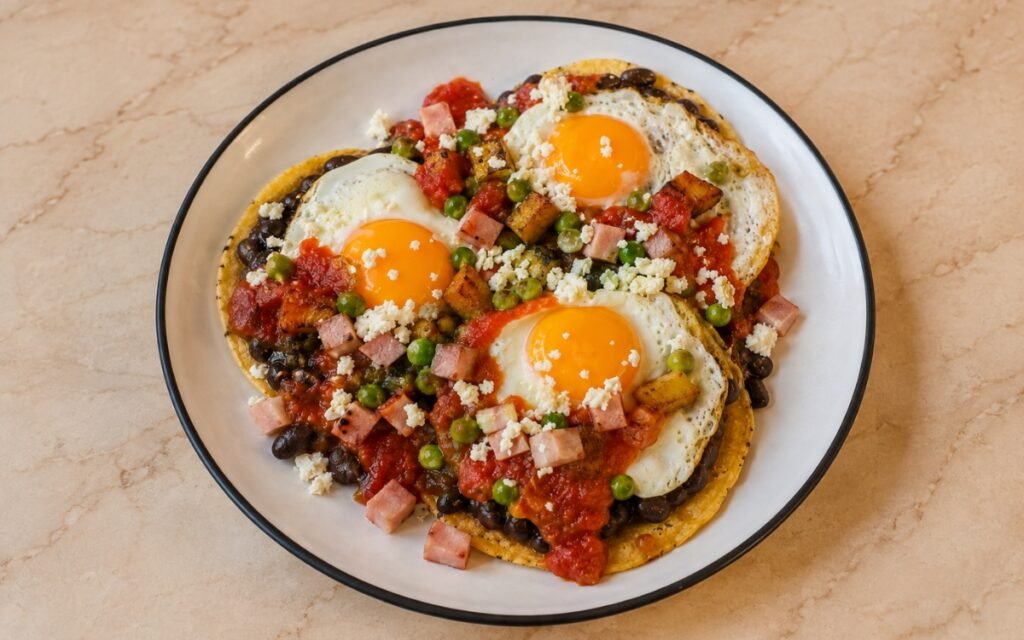
Huevos Motuleños
Crisp corn tortillas layered with black beans and fried eggs, topped with light tomato sauce, ham, peas, and sweet fried plantain.
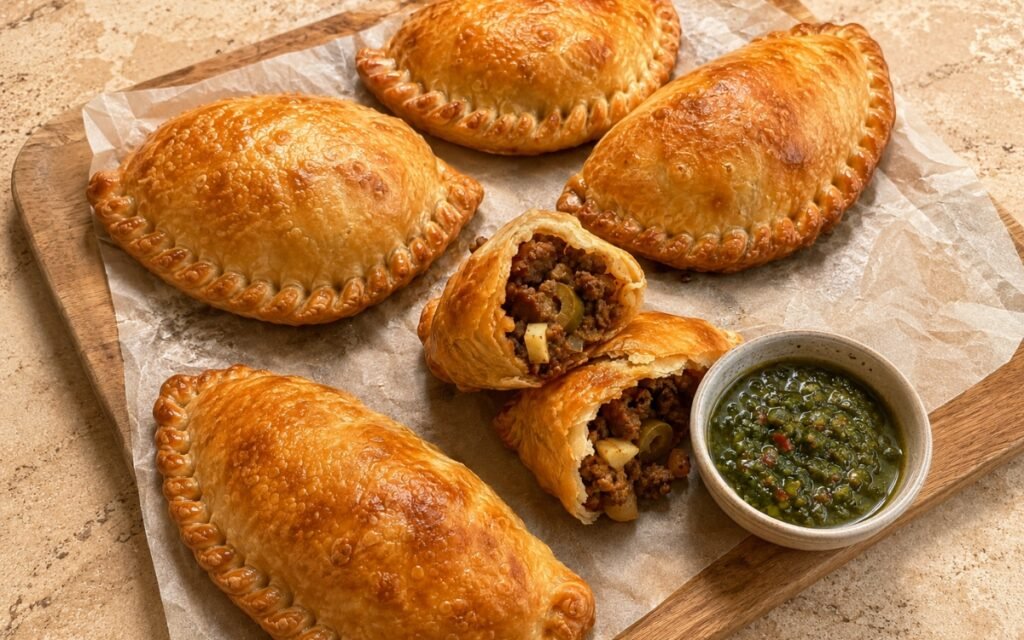
Beef Empanadas
Flaky, blistered baked pastry sealed around a savory beef filling with paprika, cumin, green olives, and hard-boiled egg.
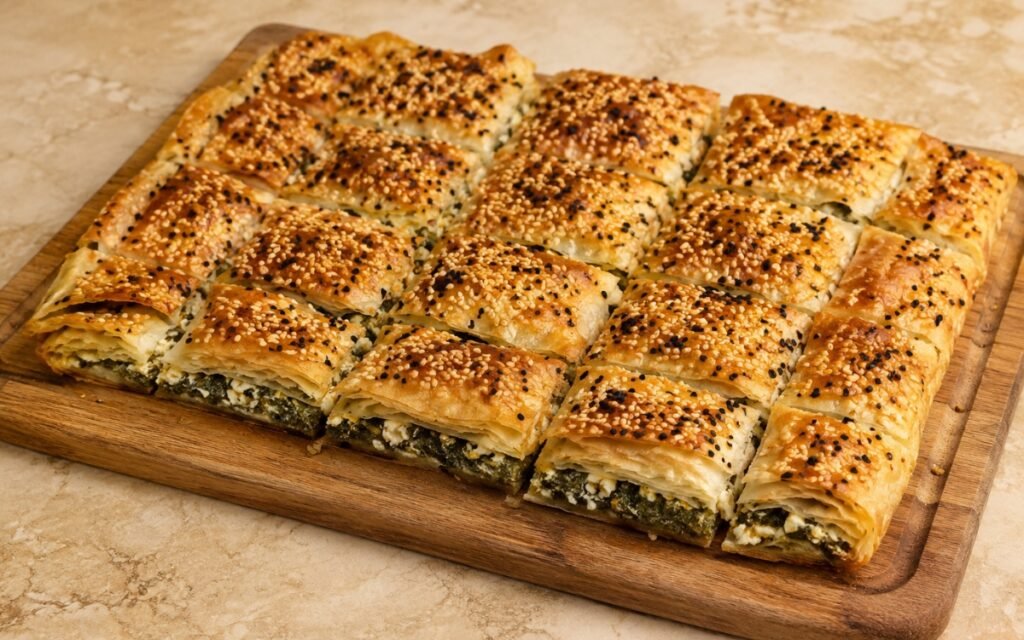
Turkish Börek — Spinach and Feta Borek
Pressed spinach and feta layered between phyllo sheets with a light milk-yogurt coating — pre-cut before baking, sesame and nigella seeds over egg wash, baked deeply golden. Crisp outside, soft custardy inside.
You might also like
You might also like
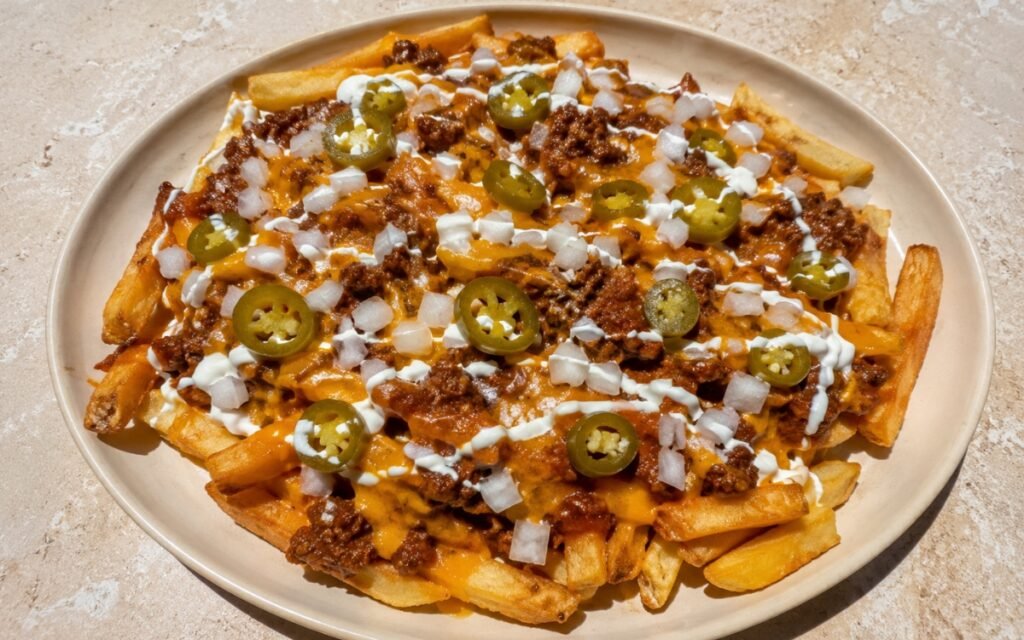
Loaded Chili Cheese Fries
Double-fried thick-cut potatoes topped with rich, reduced beef chili, melted Mexican cheese, diced onion, pickled jalapeños, and sour cream.
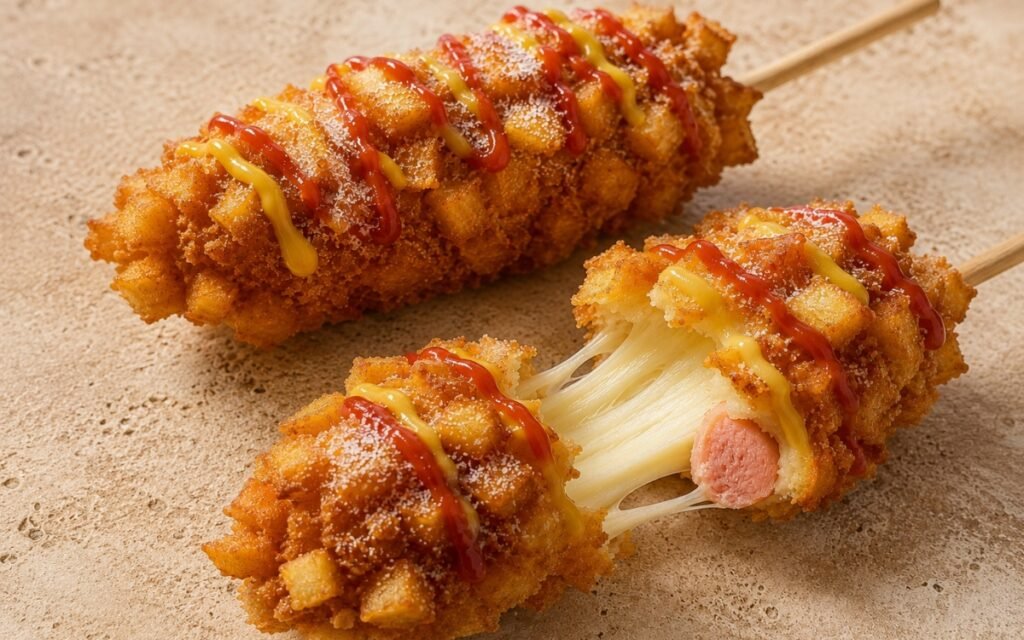
Korean Corn Dogs
Yeasted batter, chilled potato cube crust, panko, and stretchy mozzarella — fried at 175°C with continuous rotation, finished with sugar and salt, drizzled with gochujang sauce.
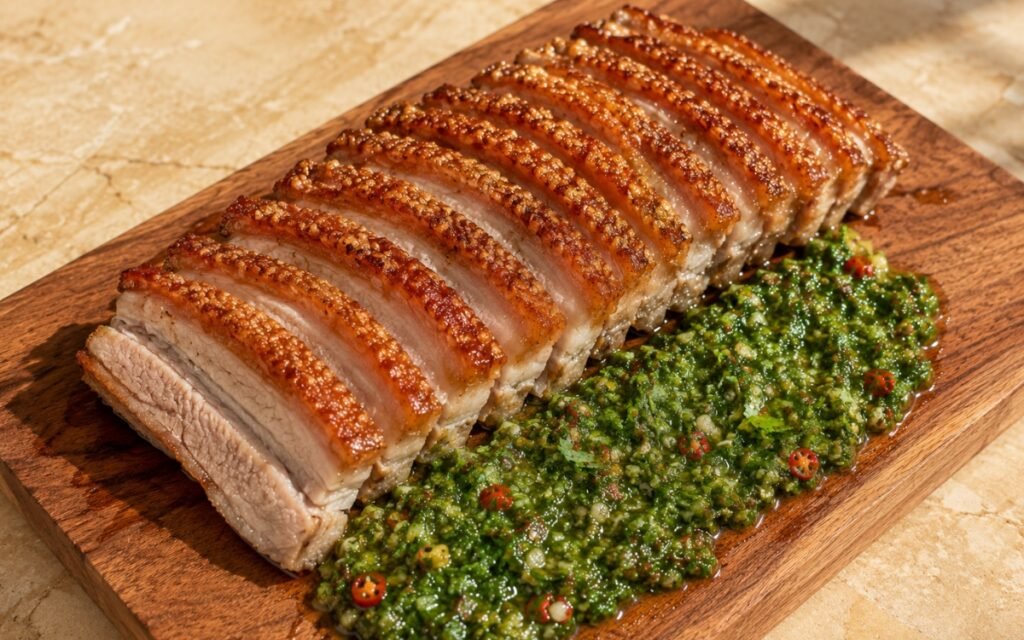
Steam-Roasted Pork Belly with Vietnamese-ish Herb Sauce
Skin-on pork belly steam-roasted for tender meat, finished hot for deep crackling, sliced thick and served with a sharp herb sauce.
Colombian Empanadas
Ingredients
Method
- Place the diced potatoes in a pot of cold salted water. Bring to a boil and cook for 10 to 12 minutes, until fully tender. Drain, reserving some of the cooking water. Mash the potatoes roughly while still warm. They should be mostly mashed but not perfectly smooth. The potato is what binds the filling. If the potato stays in hard cubes, the filling will fall apart inside the empanadas. That specific, rough mash gives the potato genuine structural work to do — enough broken-down starch to physically bind the other ingredients together, while still retaining enough texture to keep the filling from turning into a smooth paste.
- Heat the oil in a skillet over medium heat. Add the onion and cook for 4 to 5 minutes, until softened. Add the tomato, garlic, black pepper, cumin, achiote or paprika, and about 5g salt. Cook for 3 to 4 minutes, until the tomato breaks down and the mixture looks thick and saucy. Add the ground beef and cook for 6 to 8 minutes, breaking it up well with a spatula, until browned and cooked through. Stir in the mashed potatoes and cilantro. Add a splash of reserved potato water only if the mixture feels dry. The filling should be soft, cohesive, and spoonable, but not wet. If liquid pools in the pan, cook it down before shaping or the empanadas can burst while frying. That specific, checkable texture — cohesive but genuinely not wet — is directly what protects the masa’s own ability to seal cleanly around the filling once shaping begins.
- Transfer the filling to a tray or bowl and let it cool until warm or room temperature. Taste and adjust with the remaining salt if needed. Hot filling softens the masa too much and makes the empanadas harder to seal. That cooling period protects the dough from a real, specific risk — masa in direct contact with genuinely hot filling would soften considerably faster than intended, compromising its ability to hold a clean seal during shaping.
- In a bowl, mix the cilantro, scallions, chili, garlic, vinegar, lime juice, water, oil, salt, sugar, and tomato if using. Let it sit for at least 15 minutes before serving. The ají should taste sharp, fresh, salty, and lightly spicy. It is supposed to cut through the fried masa, not taste mild or flat. That resting period gives the individual ingredients real time to meld together into one cohesive, sharp condiment, rather than tasting like separate components simply sharing the same bowl.
- In a large bowl, mix the warm water, salt, achiote or paprika, and oil. Add the masarepa gradually, mixing with your hand or a spoon until a soft dough forms. Knead gently for 2 to 3 minutes, then cover and rest for 10 minutes. After resting, the dough should feel soft, smooth, and easy to press without cracking. If the dough cracks around the edges when pressed, add warm water 1 tbsp at a time. If it feels sticky and loose, add a little more masarepa. Adding the masarepa gradually while mixing, rather than dumping it in all at once, is what prevents dry lumps from forming — pre-cooked cornmeal hydrates quickly, and lumps that form early tend to persist even through continued mixing.
- Divide the masa into 16 equal portions, about 55 to 60g each. Keep the portions covered with a damp towel so they do not dry out. That damp covering protects every unshaped portion from drying and cracking at the edges while you work through the rest, which would otherwise compromise the dough’s ability to seal cleanly around the filling.
- Place one dough portion between two sheets of plastic wrap or parchment. Press into a round about 12 to 13cm wide. Add about 2 tbsp filling to one side of the dough, leaving a clean edge. Fold the dough over into a half-moon shape. Press the edges firmly to seal, then trim with a bowl or round cutter if you want a cleaner shape. Repeat with the remaining dough and filling. The edge must be fully closed with no filling exposed. Any weak seam can open in the fryer. That thorough, deliberate sealing along the entire edge is what protects each empanada from splitting open the moment it hits the genuinely hot oil, where any weak point would be exposed immediately.
- Heat neutral oil in a deep pot to 175°C. Set a wire rack or paper towel-lined tray nearby. 175°C is the target. Cooler oil makes greasy empanadas; hotter oil browns the outside before the shell crisps properly. Maintaining that specific temperature protects the empanadas from both directions at once — too cool lets the masa soak up excess fat before it ever crisps, while too hot darkens the shell well before it’s actually developed the proper crisp, craggy texture.
- Fry the empanadas in batches for 4 to 5 minutes, turning occasionally, until deep golden-orange, crisp, and lightly blistered. Do not overcrowd the pot. Transfer to the rack and season lightly with a tiny pinch of salt while hot if needed. The shell should look crisp and craggy, not pale and soft. If the color is right but the crust still feels soft, fry 30 to 60 seconds longer. That specific visual and textural check — colour alone isn’t enough — protects against pulling the empanadas before the shell has genuinely finished developing its full, characteristic crispness.
- Serve the empanadas hot with lime wedges and ají picante on the side. Each serving gets 4 empanadas. Serving while genuinely hot delivers the shell at its crispest — that texture softens steadily the moment the empanadas come off the heat.