
Salted Caramel Espresso Cookies
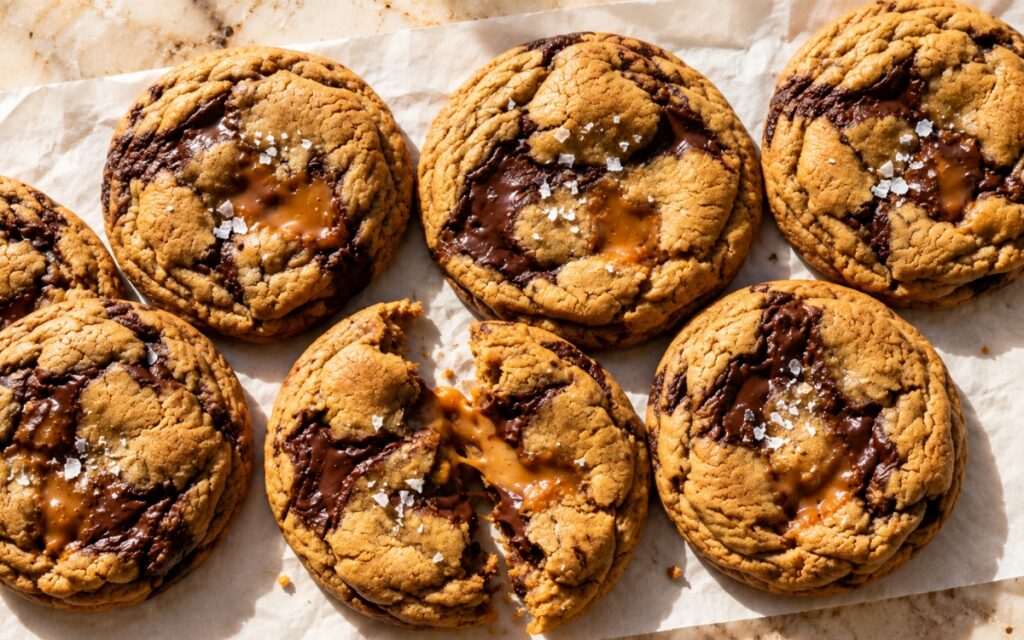
Soft, thick espresso cookies with deep golden edges, darker coffee-toned centers, and gooey salted caramel hidden inside and peeking through in glossy pockets, finished with a light sprinkle of flaky salt. Freezing the caramel pieces before they’re sealed into the dough is the step the entire caramel-control strategy depends on — the same freeze-the-filling-first approach used elsewhere in this collection whenever a soft, meltable center needs to stay put rather than leak out during baking. Fully enclosing the caramel with no thin spots is just as critical, since any opening in the dough becomes the exit point once the caramel starts to soften and expand in the oven’s heat.
Prep Time : 35 min
Total Time : 2 hr 20 min
Servings : 12
35 min
2 hr 20 min
12
Ingredients
For the Espresso Cookie Dough
• 225 g unsalted butter, softened
• 150 g light brown sugar
• 75 g dark brown sugar
• 90 g granulated sugar
• 1 large egg, room temperature
• 1 large egg yolk, room temperature
• 2 tsp vanilla extract
• 2 tbsp instant espresso powder
• 1 tbsp hot water
• 320 g all-purpose flour
• 20 g cornstarch
• 1 tsp baking soda
• ½ tsp baking powder
• ¾ tsp fine salt
For the Caramel Centers
• 220 g soft chewy caramels, unwrapped
• ¼ tsp flaky salt, divided, optional if the caramels are not already salted
For Finishing
• Flaky sea salt, for sprinkling after baking
Directions
- Prepare the Caramel Centers
Cut or flatten the soft caramels into 24 small portions, dividing larger caramels so each cookie gets about 8–10 g, and flatten each piece into a small thick disk. Add a tiny pinch of flaky salt to each piece if using unsalted caramels. Place the caramel portions on a parchment-lined plate or tray and freeze for 20 to 30 minutes, until firm. This matters for keeping the caramel centered longer during baking and preventing it from leaking out immediately. - Prepare the Espresso and Dry Mix
Dissolve the espresso powder in the hot water and let it cool slightly. Whisk together the flour, cornstarch, baking soda, baking powder, and fine salt in a medium bowl until evenly combined. - Cream the Butter and Sugars
Beat the softened butter, light brown sugar, dark brown sugar, and granulated sugar together until creamy, lighter in color, and smooth, about 2 to 3 minutes. Don’t overwhip until fluffy like a cake batter — the goal is a creamy but still dense cookie base. - Add the Wet Ingredients
Beat in the egg, egg yolk, vanilla, and dissolved espresso until fully incorporated, scraping the bowl well so no butter-sugar paste remains at the bottom. - Finish the Dough
Add the dry ingredients and mix on low just until no dry flour remains. The dough should be soft, thick, and slightly tacky, but not loose. Don’t overmix once the flour is added, or the cookies can bake up tougher and spread less evenly. - Chill the Dough
Cover the dough and chill for 45 to 60 minutes, until firm enough to scoop cleanly. This chilling step is critical for thick cookies with defined edges and better control over the caramel centers. - Portion and Fill
Line baking sheets with parchment and divide the dough into 24 portions, about 40–45 g each. Flatten one portion of dough in your palm, place one frozen caramel piece in the center, cover with a little extra dough if needed, and seal completely around the caramel, rolling gently into a ball. Make sure the caramel is fully enclosed with no thin spots or openings, since any gap can let it leak out excessively. Arrange the filled dough balls on a tray and chill or freeze again for 15 to 20 minutes before baking. - Bake
Heat the oven to 180°C conventional / 170°C fan. Place the cookies on the prepared trays with enough space between them, about 6 per tray, and bake for 10 to 12 minutes, until the edges are set and deep golden, the tops are crackled and puffed, and the centers still look slightly soft and darker. Don’t overbake — the cookies should look just underdone in the center when removed, since they finish setting on the tray. For more visible caramel pockets, gently press a very small extra piece of caramel into the top of a few cookies before baking, but do this sparingly, since exposed caramel can run. - Cool and Finish
Let the cookies cool on the baking sheet for 10 to 15 minutes, then sprinkle lightly with flaky sea salt while still warm. Transfer to a rack to cool further. If you want one cookie to crack open with visible oozing caramel, wait at least 10 minutes before opening it, since the caramel will be extremely hot straight from the oven.
*Notes :
- Freezing the caramel pieces before they go into the dough is one of the two most important steps for controlling leaks, and it’s worth treating as non-negotiable rather than optional. A soft, room-temperature caramel starts softening the moment it’s enclosed in dough, while a frozen piece buys real time before the heat of the oven reaches it.
- Fully sealing the caramel inside the dough, with no thin spots or gaps, is the second half of that same leak-control strategy. Any opening in the dough becomes an escape route once the caramel inside starts to soften and expand, so taking the extra moment to check for a complete seal pays off at the baking stage.
- Dissolving the espresso powder in hot water before it joins the dough keeps the coffee flavor smooth and evenly distributed rather than gritty. This matters just as much here as in any other espresso-forward bake in this collection, since undissolved powder tends to clump into small, unpleasant specks.
- Resisting the urge to bake past the point where the centers still look slightly soft protects both the dough’s texture and the caramel’s. Cookies pulled too late risk a caramel center that’s cooked past gooey into something closer to hard candy, on top of a dough that’s lost its chewy softness.
Why This Recipe Works
This recipe works because freezing the caramel centers and fully sealing them inside the dough together control how much caramel leaks out during baking, keeping it gooey and centered rather than pooled on the tray. Dissolving the espresso powder first keeps the coffee flavor smooth and evenly distributed, deepening the dough’s flavor without overpowering the caramel. Chilling the dough twice — once before portioning and again after filling — keeps the cookies thick with defined edges, and pulling them from the oven while the centers still look slightly soft lets the carryover heat finish setting the dough without overcooking the caramel inside.
Ingredient Breakdown
Frozen Caramel Centers
The critical filling technique — freezing first is what keeps the caramel centered and controls leaking.
Fully Sealed Dough
The critical technique — no thin spots or gaps means the caramel stays enclosed during baking.
Dissolved Espresso Powder
The flavor-distribution technique — dissolving first avoids gritty specks and deepens the dough’s flavor.
Extra Egg Yolk
The richness booster — increases chew without making the dough cakey.
Cornstarch
The texture technique — keeps the cookies soft, slightly thicker, and more tender in the center.
Flaky Sea Salt (Finish)
The flavor contrast — a light sprinkle after baking balances the sweetness of the caramel.
Flavor Structure Explained
This salted caramel espresso cookie follows a layered balance model:
- Soft, chewy foundation (creamed butter, extra egg yolk, cornstarch)
- Deep coffee undertone (dissolved espresso powder)
- Gooey hidden center (frozen, fully sealed caramel)
- Salty finishing contrast (flaky sea salt)
Creamed butter, the extra egg yolk, and cornstarch together build the soft, chewy foundation of this cookie, while dissolved espresso powder deepens the dough with a coffee undertone that supports rather than competes with the caramel. The frozen, fully sealed caramel center provides the gooey, molten surprise at the core of each cookie, and a finishing sprinkle of flaky sea salt ties the sweetness and coffee flavor together with a sharp, salty contrast.
Common Mistakes to Avoid
- Skipping the Caramel Freezing Step – This lets the caramel soften and leak out too early during baking. Always freeze the caramel pieces for 20 to 30 minutes before filling.
- Leaving Thin Spots or Gaps When Sealing the Dough – This gives the caramel an escape route as it softens. Always check that the caramel is fully enclosed with no openings.
- Adding Espresso Powder Without Dissolving It First – This leaves gritty specks through the dough. Always dissolve it in hot water before mixing it in.
- Skipping the Second Chill After Filling – This makes the filled dough balls harder to bake evenly and more prone to leaking. Always chill or freeze them again for 15 to 20 minutes before baking.
- Overbaking Past a Soft Center – This overcooks the caramel and loses the dough’s chewy texture. Always pull the cookies while the centers still look slightly soft and darker.
Variations
Dark Chocolate Drizzle Version
Drizzle melted dark chocolate over the cooled cookies, per a simple finishing touch, for a richer flavor that pairs particularly well with both the espresso and the caramel.
Extra-Salty Version
Increase the flaky salt sprinkled after baking slightly beyond the recipe’s own suggestion for a more pronounced sweet-and-salty contrast.
Mini Cookie Version
Portion the dough into smaller pieces with correspondingly smaller caramel centers, about 25–28 g dough with 4–5 g caramel, for bite-sized cookies, reducing the baking time by 1 to 2 minutes.
Nutty Version
Press a few chopped toasted pecans into the top of each dough ball before baking, for added crunch against the soft dough and gooey caramel center.
Storage & Make-Ahead
These cookies store reasonably well, making them a workable make-ahead option as long as you account for how the caramel behaves over time. Keep them in an airtight container at room temperature for up to 3 days, rewarming them briefly before eating to soften the caramel back toward its original gooey texture.
The dough and caramel prep are both well suited to being done ahead of actual baking day. Freeze the caramel portions and prepare the dough, then fill and shape the cookies, keeping them chilled or frozen until you’re ready to bake — this is actually built into the recipe’s own process with its two separate chilling stages.
If you’re baking across multiple trays, keep any remaining filled dough balls chilled in the refrigerator or freezer rather than at room temperature, since warm dough makes the caramel more likely to shift off-center or leak during baking.
Rewarming stored cookies for a few seconds before serving brings back much of the gooey caramel texture that firms up as the cookies sit. This is a small step worth doing if the cookies are more than a day old.
Frequently Asked Questions
Why did my caramel leak out during baking?
This almost always comes from either skipping the caramel freezing step or leaving a thin spot or gap when sealing the dough around it. Freeze the caramel pieces fully before filling, and double-check that each dough ball is completely sealed with no visible openings.
Can I use hard caramel candy instead of soft chewy caramels?
No — hard caramel candy behaves very differently under heat and won’t melt into the same gooey, oozing texture this recipe depends on. Use soft, chewy caramels specifically, whether individually wrapped or from a firm caramel confection block.
Why does my dough taste gritty instead of smooth?
This usually comes from adding the espresso powder directly to the dough without dissolving it first. Always dissolve it in the hot water called for in the recipe before mixing it into the wet ingredients.
Can I make the dough and caramel ahead of time?
Yes, and the recipe’s own two-stage chilling process makes this easy to plan around. Freeze the caramel pieces and prepare, fill, and shape the cookies, then keep them chilled or frozen until you’re ready to bake.
What other espresso, caramel, or toffee treats pair well with this one?
Espresso Brownie Chocolate Chip Cookies, Chai White Chocolate Toffee Cookies, Banana Espresso Chocolate Chip Muffins, Salted Caramel Iced Latte, and Sticky Toffee Pudding all share similar espresso, caramel, or toffee-forward techniques and make good options to try next.
Nutrition Facts
( Per Serving — 2 cookies )
Calories
~360 kcal
Protein
4 g
Fat
17 g
Carbs
49 g
Calories
~360 kcal
Protein
4 g
Fat
17 g
Carbs
49 g
Related Recipes
Related Recipes
-

Indonesian Beef Rendang
Beef chuck slow-braised in coconut milk and a fried shallot, galangal and lemongrass paste until dark and clinging, served with jasmine rice.
-
Gobi Manchurian
Crisp battered cauliflower florets tossed in a glossy, dark soy-chilli sauce with charred spring onions, onion and green bell pepper.
-
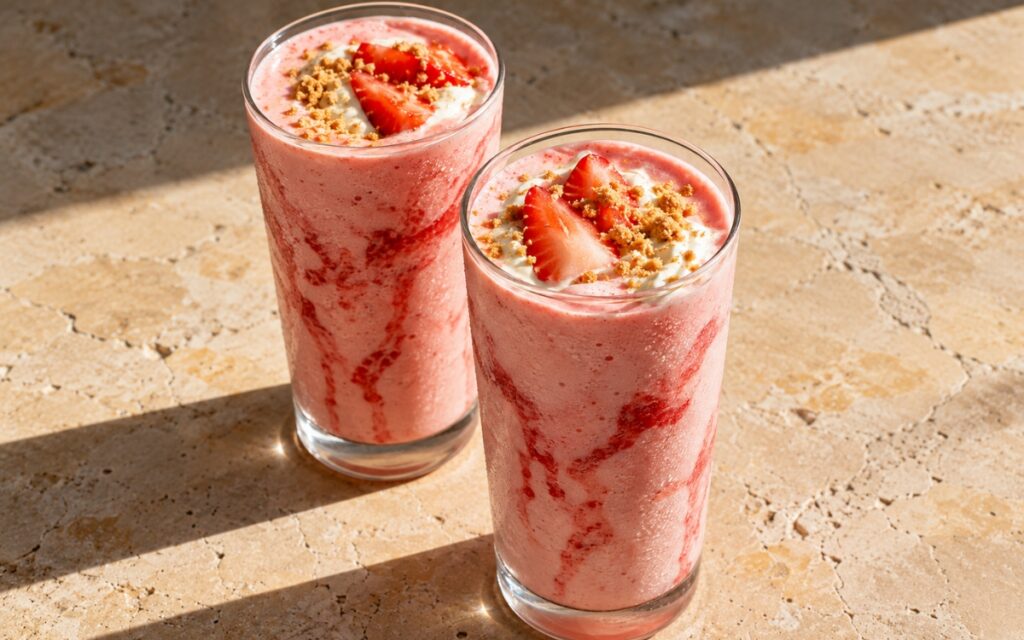
Strawberry Cheesecake Smoothie
Thick, creamy strawberry smoothie with a genuine cheesecake body from cream cheese, Greek yogurt, and lemon, finished with graham crumbs.


You might also like
You might also like
-
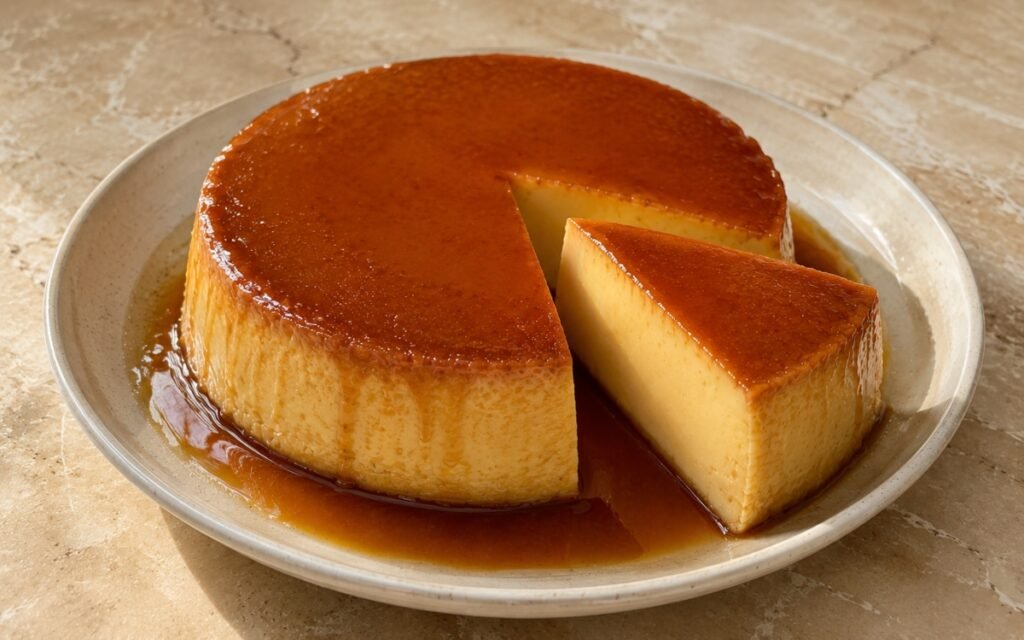
Flan Round Cake
A silky three-milk custard baked gently in a water bath over deep amber caramel, chilled overnight, and unmoulded glossy and smooth.
-
Orange & Earl Grey Loaf
A tender tea loaf scented with orange zest and Earl Grey tea, finished with a light citrus glaze.
-
Banana Bread Donut Bites
Small baked banana bread donut bites with a soft, moist interior, finished warm in a generous cinnamon-sugar coating.


Salted Caramel Espresso Cookies
Ingredients
Method
- Cut or flatten the soft caramels into 24 small portions, dividing larger caramels so each cookie gets about 8–10 g, and flatten each piece into a small thick disk. Add a tiny pinch of flaky salt to each piece if using unsalted caramels. Place the caramel portions on a parchment-lined plate or tray and freeze for 20 to 30 minutes, until firm. This matters for keeping the caramel centered longer during baking and preventing it from leaking out immediately.
- Dissolve the espresso powder in the hot water and let it cool slightly. Whisk together the flour, cornstarch, baking soda, baking powder, and fine salt in a medium bowl until evenly combined.
- Beat the softened butter, light brown sugar, dark brown sugar, and granulated sugar together until creamy, lighter in color, and smooth, about 2 to 3 minutes. Don’t overwhip until fluffy like a cake batter — the goal is a creamy but still dense cookie base.
- Beat in the egg, egg yolk, vanilla, and dissolved espresso until fully incorporated, scraping the bowl well so no butter-sugar paste remains at the bottom.
- Add the dry ingredients and mix on low just until no dry flour remains. The dough should be soft, thick, and slightly tacky, but not loose. Don’t overmix once the flour is added, or the cookies can bake up tougher and spread less evenly.
- Cover the dough and chill for 45 to 60 minutes, until firm enough to scoop cleanly. This chilling step is critical for thick cookies with defined edges and better control over the caramel centers.
- Line baking sheets with parchment and divide the dough into 24 portions, about 40–45 g each. Flatten one portion of dough in your palm, place one frozen caramel piece in the center, cover with a little extra dough if needed, and seal completely around the caramel, rolling gently into a ball. Make sure the caramel is fully enclosed with no thin spots or openings, since any gap can let it leak out excessively. Arrange the filled dough balls on a tray and chill or freeze again for 15 to 20 minutes before baking.
- Heat the oven to 180°C conventional / 170°C fan. Place the cookies on the prepared trays with enough space between them, about 6 per tray, and bake for 10 to 12 minutes, until the edges are set and deep golden, the tops are crackled and puffed, and the centers still look slightly soft and darker. Don’t overbake — the cookies should look just underdone in the center when removed, since they finish setting on the tray. For more visible caramel pockets, gently press a very small extra piece of caramel into the top of a few cookies before baking, but do this sparingly, since exposed caramel can run.
- Let the cookies cool on the baking sheet for 10 to 15 minutes, then sprinkle lightly with flaky sea salt while still warm. Transfer to a rack to cool further. If you want one cookie to crack open with visible oozing caramel, wait at least 10 minutes before opening it, since the caramel will be extremely hot straight from the oven.