
Orange & Earl Grey Loaf
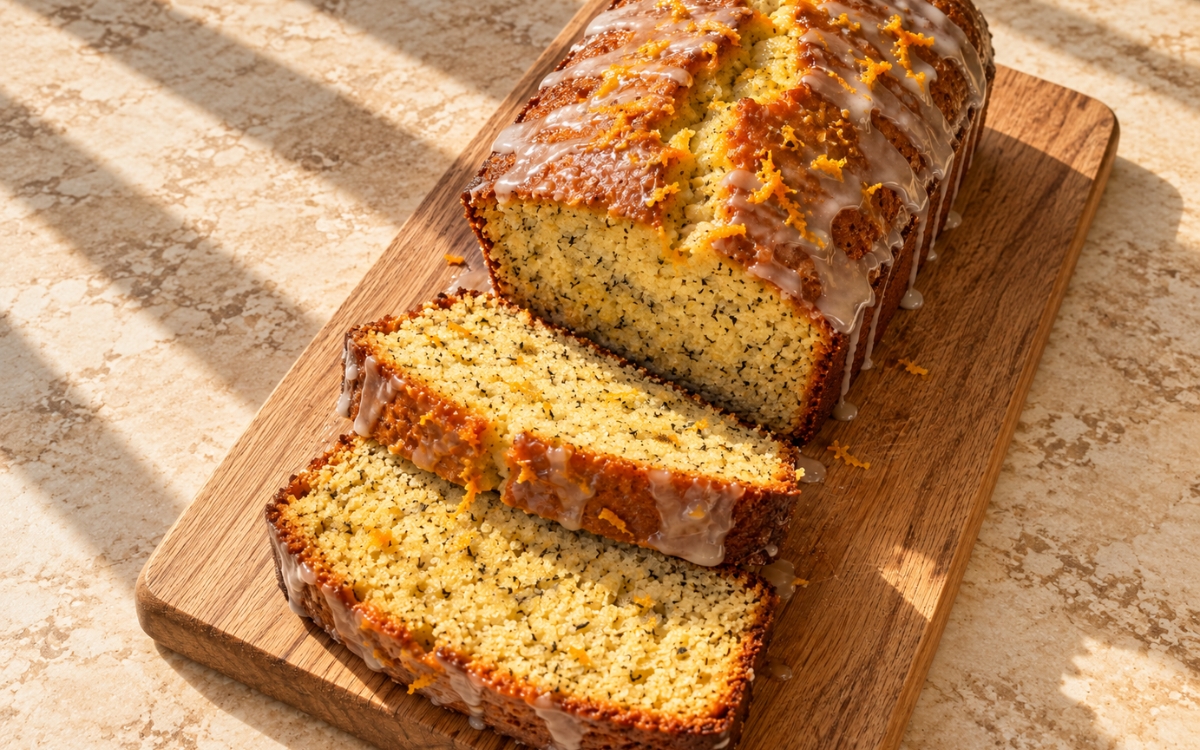
A tender tea loaf with a soft, fine crumb, scented with orange zest and Earl Grey tea, then finished with a light citrus glaze and a scatter of fresh zest. Infusing the milk with tea bags first and folding finely ground tea leaves into the dry ingredients second is a deliberate double approach — the same layered-flavor technique used elsewhere in this collection whenever one ingredient needs to come through both subtly in the crumb and distinctly as visible flecks. Cooling the Earl Grey milk before it meets the butter mixture keeps the batter from melting prematurely, and waiting until the loaf is completely cool before glazing is what keeps the citrus glaze sitting cleanly on top rather than soaking in and disappearing.

Prep Time : 25 min
Total Time : 1 hr 40 min
Servings : 10
25 min
1 hr 40 min
10
Ingredients
Earl Grey Infusion
• 180 ml whole milk
• 2 Earl Grey tea bags
Loaf Batter
• 250 g all-purpose flour
• 2 tsp baking powder
• ½ tsp fine salt
• 2 tsp finely ground Earl Grey tea leaves (from 2 more tea bags)
• 170 g unsalted butter, softened
• 200 g granulated sugar
• 3 large eggs, room temperature
• 1 tbsp finely grated orange zest (from 1–2 oranges)
• 1 tsp vanilla extract
• 120 g sour cream or full-fat Greek yogurt, room temperature
• 30 ml fresh orange juice
Orange Glaze
• 120 g powdered sugar
• 20–30 ml fresh orange juice
• 1 tsp finely grated orange zest
• Pinch of fine salt
Finish
• Extra orange zest, for scattering over the glaze
Directions
- Infuse the Earl Grey
Heat the milk just until hot but not boiling, remove from the heat, add the tea bags, cover, and steep for 15 minutes. Press the tea bags well to extract flavor, then discard them, and cool the infused milk until just lukewarm or room temperature before mixing it into the batter. You should still have close to 180 ml — top up with a little extra milk if it’s slightly short. - Prep the Pan and Oven
Heat the oven to 175°C conventional / 160°C fan. Grease a 9×5-inch loaf pan and line it with parchment, leaving overhang on the long sides for easy lifting. - Combine the Dry Ingredients
Whisk together the flour, baking powder, salt, and finely ground Earl Grey tea leaves in a medium bowl until evenly combined, breaking up any tea clumps well so the flecks distribute evenly through the loaf. - Cream the Butter and Sugar
Beat the softened butter and sugar together in a large bowl for 3 to 4 minutes until light, creamy, and slightly fluffy. Proper creaming at this stage is what gives the loaf its fine, tender crumb once baked. - Add the Eggs and Flavorings
Add the eggs one at a time, beating well after each addition and scraping down the bowl as needed. Beat in the orange zest and vanilla — if the mixture looks slightly curdled at this stage, that’s normal and nothing to worry about. - Finish the Batter
Mix the sour cream and orange juice into the cooled Earl Grey milk. Add the dry ingredients to the butter mixture in 3 additions, alternating with the Earl Grey milk mixture in 2 additions, beginning and ending with the dry ingredients, mixing on low speed or folding gently just until combined after each addition. Don’t overmix once the flour goes in — the finished batter should be thick, smooth, and evenly flecked with tea. - Bake the Loaf
Scrape the batter into the prepared pan and level the top, then bake for 55 to 65 minutes, until the loaf is well risen, deeply golden on top, and a skewer inserted in the center comes out clean or with a few moist crumbs. The internal temperature should read about 95–98°C in the center. Tent loosely with foil during the last 15 to 20 minutes if the top is browning too quickly before the center bakes through. - Cool
Let the loaf cool in the pan for 15 minutes, then lift it out using the parchment and transfer it to a wire rack. Cool completely before glazing — a loaf that’s even slightly warm will melt the glaze and let it soak in too much rather than sitting cleanly on top. - Make the Orange Glaze
Whisk together the powdered sugar, orange juice, orange zest, and salt until smooth, adjusting with a few extra drops of orange juice if needed. The glaze should end up thick but pourable, so it drizzles and sets rather than disappearing into the loaf. - Glaze and Finish
Drizzle the glaze over the cooled loaf and scatter a little extra orange zest over the top while the glaze is still wet. Let the glaze set before slicing into 10 pieces.
*Notes :
- Using the Earl Grey tea in two different forms is a deliberate choice rather than redundancy. The milk infusion carries the tea’s flavor subtly through the whole crumb, while the finely ground tea leaves folded into the dry ingredients add visible flecks and a more concentrated tea taste in each bite.
- Grinding the tea leaves finely before adding them matters more than it might seem. Large pieces left whole can taste harsh and bitter once baked, and they create an unpleasant, almost gritty texture that fine grounds avoid entirely.
- Cooling the infused milk before it meets the creamed butter mixture protects the batter’s final texture. Warm milk added at that stage can partially melt the butter that was just carefully creamed, undoing the airy structure that step was meant to build.
- Waiting for the loaf to cool completely before glazing deserves the same patience as the baking itself. A loaf with any remaining warmth melts the glaze on contact, letting it soak into the crumb rather than setting as a clean, thin layer on top.
Why This Recipe Works
This recipe works because infusing the milk with tea bags and folding in finely ground tea leaves together build Earl Grey flavor in two layers — one subtle and one more concentrated — rather than relying on a single approach. Properly creaming the butter and sugar gives the loaf its fine, tender crumb, and alternating the dry ingredients with the cooled tea-infused milk keeps the batter from overmixing while it comes together evenly. Baking until the center is just set, tenting with foil if the top darkens too fast, protects the crumb from drying out, and cooling the loaf fully before glazing is what keeps the citrus glaze sitting cleanly on top instead of melting in.
Ingredient Breakdown
Earl Grey Milk Infusion
The subtle flavor base — steeped tea bags carry tea flavor through the entire crumb.
Finely Ground Earl Grey Tea Leaves
The concentrated flavor accent — adds visible flecks and a stronger tea taste when ground fine.
Orange Zest and Juice
The citrus pairing — layered into both the batter and the glaze for flavor that carries through the whole loaf.
Sour Cream or Greek Yogurt
The moisture technique — keeps the crumb soft and tender alongside the creamed butter.
Properly Creamed Butter and Sugar
The critical technique — builds the fine, tender crumb this loaf is known for.
Orange Glaze
The finishing layer — applied only once the loaf is fully cool so it sets cleanly rather than soaking in.
Flavor Structure Explained
This orange and Earl Grey loaf follows a layered balance model:
- Tender, moist foundation (creamed butter, sour cream)
- Subtle tea undertone (infused milk)
- Concentrated tea accent (ground tea leaves in the batter)
- Bright citrus layer (orange zest and juice)
- Glossy citrus finish (orange glaze)
Creamed butter and sour cream build the tender, moist foundation of this loaf, while the tea-infused milk carries a subtle undertone through the whole crumb. Finely ground tea leaves folded into the batter add a more concentrated accent, orange zest and juice layer in a bright citrus note throughout, and the glaze on top finishes the loaf with a glossy, citrus-forward sheen once everything has cooled.
Common Mistakes to Avoid
- Using Coarsely Ground Tea Leaves – This tastes harsh and creates an unpleasant texture. Always grind the Earl Grey tea leaves finely before adding them.
- Adding the Milk Infusion While Still Warm – This can melt the creamed butter mixture and affect the final texture. Always cool the infused milk to room temperature first.
- Overmixing After the Flour Is Added – This makes the loaf tough and prone to tunneling. Always mix or fold just until combined after each addition.
- Glazing the Loaf Before It’s Fully Cool – This melts the glaze and lets it soak in instead of setting cleanly. Always cool the loaf completely before glazing.
- Measuring Flour Inaccurately – This can make the loaf dry and tight. Always measure the flour carefully, spooning and leveling rather than scooping directly from the bag.
Variations
Lemon and Earl Grey Version
Replace the orange zest and juice in both the batter and glaze with lemon for a sharper, more tart citrus pairing against the same Earl Grey base.
Extra-Tea-Forward Version
Increase the ground Earl Grey tea leaves slightly beyond the recipe’s own measurement for a more pronounced tea flavor throughout the crumb, keeping the infusion step the same.
Glazed and Candied Version
Scatter a few pieces of finely chopped candied orange peel over the wet glaze alongside the fresh zest, per the recipe’s own finishing suggestion, for extra texture and a more concentrated citrus bite on top.
Mini Loaf Version
Divide the batter among 3 to 4 mini loaf pans instead of one standard loaf pan, reducing the baking time to about 30 to 35 minutes and checking for doneness with a skewer slightly earlier.
Storage & Make-Ahead
This loaf genuinely improves with a little time, which makes it a good make-ahead option rather than one best eaten the moment it’s baked. The tea and citrus notes settle further into the crumb over the first several hours, so baking it in the morning for evening serving, or even the day before, works in the recipe’s favor.
Keep the loaf wrapped well at room temperature for up to 2 days, or refrigerate it for up to 5 days if you need more time. Either way, bring refrigerated slices back to room temperature before serving for the softest, most tender crumb.
Glaze the loaf only once it’s fully cool, whether you’re serving it the same day or storing it for later. If you’re making the loaf ahead and plan to glaze it closer to serving time, wrap the unglazed loaf tightly and add the glaze the day you plan to serve it for the cleanest finish.
The loaf slices most cleanly once the glaze has fully set, so leaving it undisturbed for a short while after glazing is worth the wait if neat slices matter for presentation.
Frequently Asked Questions
Can I use loose-leaf Earl Grey instead of tea bags?
Yes, loose-leaf tea works well for both the infusion and the ground tea leaves folded into the batter, as long as it’s ground finely enough to avoid a harsh, gritty texture. Use a similar quantity to what the tea bags would provide, about 2 teaspoons worth for the batter.
Why did my loaf turn out dense or tunneled inside?
This usually comes from overmixing once the flour was added, especially during the alternating addition stage with the wet ingredients. Mix or fold just until each addition is combined, stopping as soon as the batter looks uniform.
Why did my glaze melt into the loaf instead of sitting on top?
This happens when the loaf still has some residual warmth when the glaze goes on. Let the loaf cool completely on a wire rack — even a slightly warm loaf will cause the glaze to soak in rather than set as a clean layer.
Can I make this loaf ahead of time?
Yes, and it’s actually recommended, since the tea and citrus flavors deepen over the first several hours after baking. Keep it wrapped at room temperature for up to 2 days or refrigerated for up to 5, bringing refrigerated slices to room temperature before serving.
What other citrus or tea-forward bakes pair well with this one?
Portokalopita Greek Orange Cake, Pistachio Lemon Muffins, Madeleines, Black Tea Orange Pitcher, and Lemon Crumble Muffins all share similar citrus or tea-infused techniques and make good options to try next.
Nutrition Facts
( Per Serving — 1 slice )
Calories
~320 kcal
Protein
4 g
Fat
15 g
Carbs
43 g
Calories
~320 kcal
Protein
4 g
Fat
15 g
Carbs
43 g
Related Recipes
Related Recipes
-

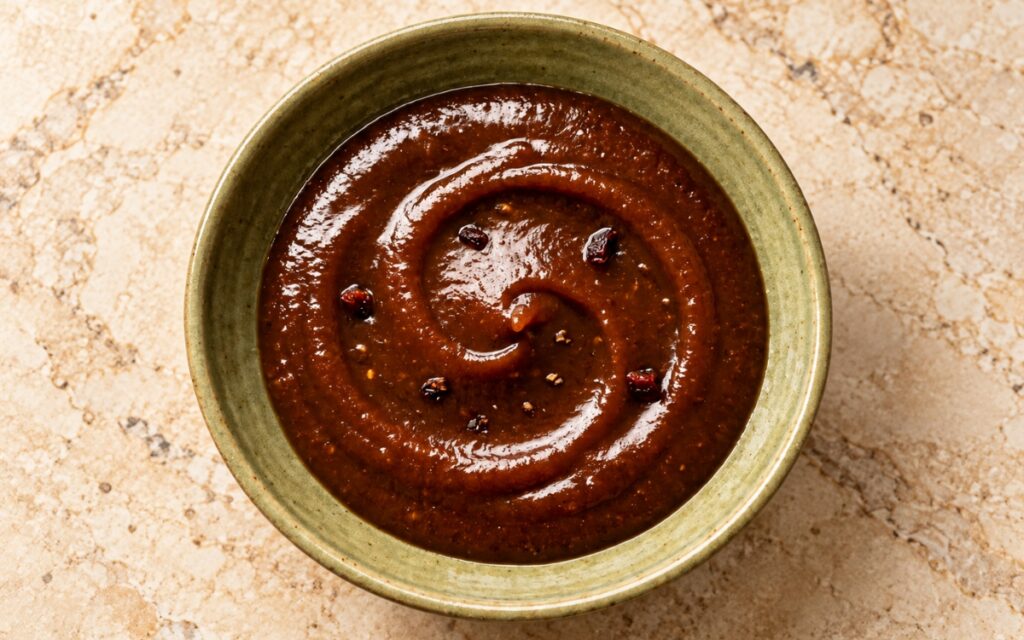
Tamarind Date Chutney
A glossy, sweet-tangy Indian chutney of tamarind and dates with jaggery, roasted cumin, dry ginger, Kashmiri chilli and black salt.
-
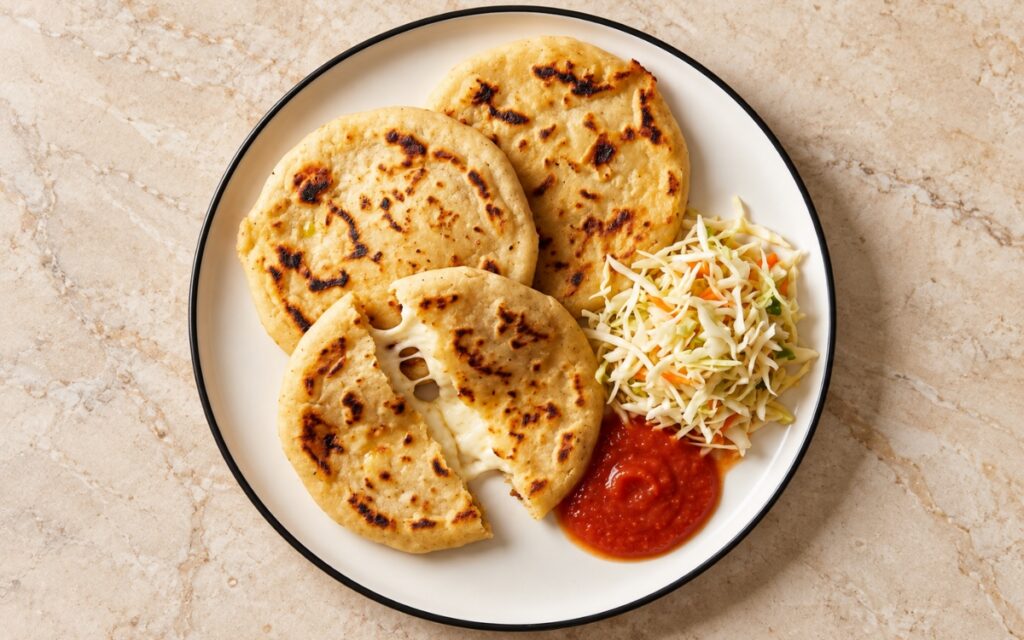
Salvadoran Cheese Pupusas with Curtido & Salsa Roja
Thick corn masa pupusas filled with melted white cheese and griddled until golden, served with tangy cabbage curtido and smooth tomato salsa roja.
-
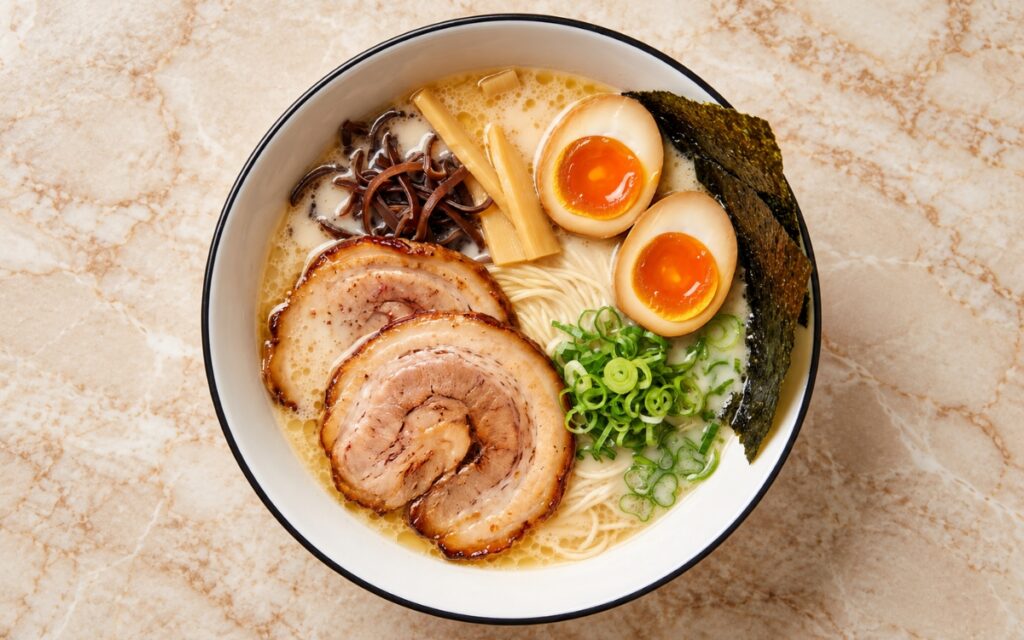
Tonkotsu Ramen
Thin Hakata-style noodles in creamy ivory pork bone broth with sliced chashu, a halved jammy egg, wood ear, bamboo shoots, scallions, and nori.
You might also like
You might also like
-
Brown Butter Date Banana Oatmeal Cookies
Thick, chewy oatmeal cookies with nutty brown butter and caramel-like date pockets.
-
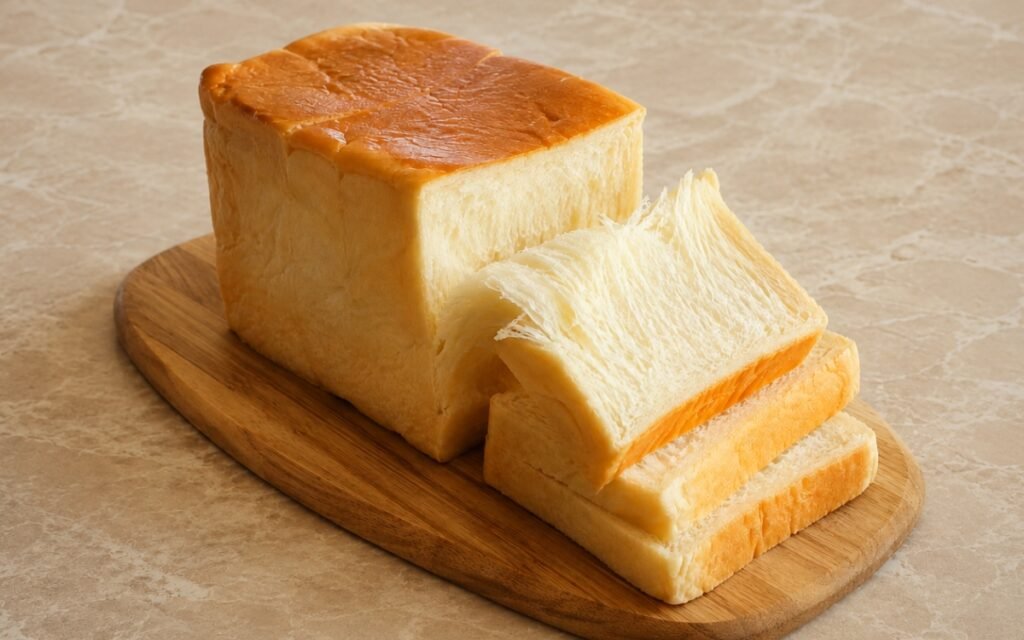
Japanese Milk Bread / Three-Part Shokupan
A tall, ultra-soft shokupan loaf shaped from three even portions that rise into a classic three-domed pull-apart top.
-
Brown Butter Blondies
Classic brown butter blondies with shiny crackly tops, deep caramel-butterscotch flavor, and a dense, chewy golden interior.

Orange & Earl Grey Loaf
Ingredients
Method
- Heat the milk just until hot but not boiling, remove from the heat, add the tea bags, cover, and steep for 15 minutes. Press the tea bags well to extract flavor, then discard them, and cool the infused milk until just lukewarm or room temperature before mixing it into the batter. You should still have close to 180 ml — top up with a little extra milk if it’s slightly short.
- Heat the oven to 175°C conventional / 160°C fan. Grease a 9×5-inch loaf pan and line it with parchment, leaving overhang on the long sides for easy lifting.
- Whisk together the flour, baking powder, salt, and finely ground Earl Grey tea leaves in a medium bowl until evenly combined, breaking up any tea clumps well so the flecks distribute evenly through the loaf.
- Beat the softened butter and sugar together in a large bowl for 3 to 4 minutes until light, creamy, and slightly fluffy. Proper creaming at this stage is what gives the loaf its fine, tender crumb once baked.
- Add the eggs one at a time, beating well after each addition and scraping down the bowl as needed. Beat in the orange zest and vanilla — if the mixture looks slightly curdled at this stage, that’s normal and nothing to worry about.
- Mix the sour cream and orange juice into the cooled Earl Grey milk. Add the dry ingredients to the butter mixture in 3 additions, alternating with the Earl Grey milk mixture in 2 additions, beginning and ending with the dry ingredients, mixing on low speed or folding gently just until combined after each addition. Don’t overmix once the flour goes in — the finished batter should be thick, smooth, and evenly flecked with tea.
- Scrape the batter into the prepared pan and level the top, then bake for 55 to 65 minutes, until the loaf is well risen, deeply golden on top, and a skewer inserted in the center comes out clean or with a few moist crumbs. The internal temperature should read about 95–98°C in the center. Tent loosely with foil during the last 15 to 20 minutes if the top is browning too quickly before the center bakes through.
- Let the loaf cool in the pan for 15 minutes, then lift it out using the parchment and transfer it to a wire rack. Cool completely before glazing — a loaf that’s even slightly warm will melt the glaze and let it soak in too much rather than sitting cleanly on top.
- Whisk together the powdered sugar, orange juice, orange zest, and salt until smooth, adjusting with a few extra drops of orange juice if needed. The glaze should end up thick but pourable, so it drizzles and sets rather than disappearing into the loaf.
- Drizzle the glaze over the cooled loaf and scatter a little extra orange zest over the top while the glaze is still wet. Let the glaze set before slicing into 10 pieces.