
Iced Flat White
A classic iced flat white made with double ristretto and cold whole milk, served over ice with only a very thin layer of microfoam at the surface. Stronger and richer than an iced latte, but still smooth and balanced — the drink should read as milk-coffee harmony, not a long diluted milk drink. Pulling genuine ristretto rather than a standard or long espresso shot is the technique this whole drink depends on for its defining richness — that shorter, more concentrated extraction is what gives the flat white its sweeter, heavier coffee character, distinct from the thinner extraction a full shot produces. Keeping the microfoam genuinely thin and loose, rather than the thick, piled foam of a cappuccino, is what preserves the flat white’s specific, restrained finish. Building the glass with milk and ice first, then pouring the ristretto over the top, protects the drink’s colour and balance the same way it does throughout every iced espresso drink in this collection. The payoff is a drink sitting in a genuinely rich, warm caramel colour zone — stronger and heavier than an iced latte, with only a whisper of silky foam visible at the surface.

Prep Time : 5 min
Cook Time : 5 min
Servings : 5
5 min
5 min
5
Ingredients
For the Iced Flat White
• 4 ristretto shots total, freshly brewed (2 ristretto shots per serving; if your machine is calibrated by standard shot count, pull from a double espresso basket but stop the extraction early for a ristretto-style yield)
• 320ml cold whole milk — this one on Amazon
• 8–10 ice cubes
Optional for the Thin Surface Sheen
• 40–60ml extra cold whole milk, only if needed for creating a very light microfoam layer
This post may contain affiliate links. As an Amazon Associate I earn from qualifying purchases, at no additional cost to you.
Directions
- Prepare the Coffee
Pull 4 ristretto shots total, divided as 2 shots per serving. The coffee should be concentrated, sweeter, and slightly heavier than a standard espresso shot. Do not over-extract it into a normal long espresso or the drink loses the more compact flat white character. The coffee should taste intense but smooth, not thin or bitter. The whole point of the iced flat white is that the smaller, more concentrated coffee base gives a richer result than an iced latte. Stopping the extraction early, rather than letting it run to a full shot’s volume, concentrates the sweeter, heavier compounds that come through earliest in extraction while leaving behind more of the thinner, sharper notes that develop later — that’s the specific chemistry ristretto is built around. - Fill the Glasses
Divide the ice between 2 glasses. Pour 160ml cold whole milk into each glass over the ice. Leave enough room for the coffee and a very thin surface layer at the top. The glasses should look milk-forward, but not filled to the rim. There needs to be room for the ristretto and for a minimal top sheen without overflow. Leaving deliberate headroom at this stage, rather than filling the glass to capacity with milk and ice alone, is what makes room for both the ristretto pour and the final microfoam finish without anything spilling over once everything is combined. - Create the Thin Microfoam
If your milk frother can texture cold milk lightly, froth a small portion of very cold whole milk until it forms only a thin, loose microfoam, not stiff foam. If you do not have a frother, shake a small amount of cold milk very briefly in a sealed jar, then let the larger bubbles settle for a few seconds before spooning only the thinnest silky top layer. You only want a whisper of foam — just enough to leave a faint white sheen across the surface. This is not cappuccino foam. If the foam looks thick, dry, or piled up, it is wrong. The correct effect is almost flat, with only a very light silky surface finish. Letting the larger, coarser bubbles settle out before using only the top layer is what separates a flat white’s thin, silky sheen from a cappuccino’s thicker, drier foam — that settling step discards exactly the bubble structure that would otherwise make the foam look piled and stiff rather than smooth. - Pour in the Ristretto
Pour half of the ristretto into each glass over the milk and ice. Stir briefly to combine. The drink should take on a pale golden caramel-white colour — richer and deeper than an iced latte, but still clearly milk-based. If the drink looks too pale, the coffee concentration is too weak. If it looks dark brown like an iced espresso drink, the milk ratio is too low. The proper color sits in that rich warm caramel zone. This specific colour target functions as a genuinely useful visual check on the drink’s balance — landing correctly in that caramel zone confirms the ristretto’s concentration and the milk ratio are both working together as intended, rather than one overpowering the other. - Finish the Surface
Spoon or pour just a little of the thin microfoam over the top of each drink so the surface gets a subtle pale sheen. Serve immediately. The final surface should look mostly flat, with only a fine creamy film visible. That restrained finish is what keeps it in flat white territory. Adding only a small, controlled amount of that thin foam, rather than covering the whole surface generously, is what keeps the drink reading as a flat white rather than drifting toward a cappuccino’s much more foam-forward presentation.
*Notes :
- Pulling genuine ristretto rather than a standard or long espresso shot is worth understanding as the single technique most responsible for this drink’s defining richness. Stopping the extraction early captures a disproportionate share of the sweeter, heavier compounds that come through first, while leaving behind more of the thinner, sharper notes that develop later in a longer pull. A full shot used in place of ristretto produces a noticeably thinner, less concentrated coffee base, and the finished drink loses the specific richness that separates a flat white from an iced latte.
- The microfoam stage deserves real attention despite how small its final contribution looks on the surface. The distinction between a flat white’s thin, silky sheen and a cappuccino’s thick, dry foam comes down almost entirely to bubble structure — letting the coarser, larger bubbles settle out before using only the finest top layer is what produces that specific silky texture, rather than the piled, drier foam a fuller, unsettled froth would leave behind.
- The drink’s target colour — a warm caramel zone that’s richer than a pale iced latte but not as dark as a straight iced espresso drink — functions as a genuinely practical check on whether the ristretto concentration and milk ratio are both correctly balanced. Landing outside that zone in either direction signals a real, correctable issue: too pale means the coffee needs more concentration, too dark means the milk ratio needs adjusting.
- Restraint with the final foam layer is worth applying deliberately rather than by feel alone. It’s tempting to add a generous, visually impressive foam cap, but doing so pushes the drink’s presentation and character toward a cappuccino’s format rather than the flat white’s specific, understated finish. A small, controlled spoonful of that thin sheen is genuinely all this drink calls for.
Why This Recipe Works
This recipe works because the coffee base is pulled as genuine ristretto rather than a standard or long shot, capturing the concentrated sweetness and richness that separates a flat white from an iced latte.
The milk and ice are built first with deliberate headroom left for both the ristretto and the final foam, and a small portion of milk is textured into a genuinely thin, loose microfoam — settled to remove coarser bubbles — rather than a thicker, drier foam.
Landing in the drink’s specific warm caramel colour zone confirms the ristretto and milk are properly balanced, and a restrained final layer of that thin foam keeps the presentation in true flat white territory rather than drifting toward a cappuccino.
Ingredient Breakdown
Genuine Ristretto (Not Standard Espresso)
The concentrated coffee base — a stopped-short extraction captures the sweeter, heavier compounds that define the flat white’s richness.
Cold Whole Milk
The body and richness — its fuller fat content is specifically what gives this drink the caramel-white colour and body it’s known for.
Thin, Settled Microfoam
The finishing texture — coarser bubbles settled out before use, producing a silky sheen rather than a thick, dry cappuccino-style foam.
Deliberate Glass Headroom
The build detail — leaves room for both the ristretto pour and the final foam layer without overflow.
Target Warm Caramel Colour
The balance check — a genuinely useful visual confirmation that the ristretto concentration and milk ratio are both correctly proportioned.
Flavor Structure Explained
This iced flat white follows a layered balance model:
- Rich concentrated foundation (ristretto)
- Full creamy body (cold whole milk)
- Cool refreshing structure (ice)
- Delicate silky finish (thin microfoam)
Genuine ristretto provides a rich, concentrated coffee foundation with real sweetness and body, distinct from a standard espresso shot’s thinner extraction. Cold whole milk contributes full, creamy richness that gives the drink its warm caramel colour and satisfying body. Ice keeps the whole drink properly chilled and refreshing. A restrained layer of thin, silky microfoam finishes the surface with a delicate, understated texture — enough to signal a flat white’s specific character without pushing toward a cappuccino’s fuller foam.
Common Mistakes to Avoid
- Using a Standard or Long Espresso Shot Instead of Ristretto – This produces a thinner, less concentrated coffee base and loses the drink’s defining richness. Always pull genuine ristretto, stopped early.
- Making the Foam Too Thick or Piled – This pushes the drink toward cappuccino territory rather than a proper flat white finish. Always keep it thin, loose, and restrained.
- Filling the Glass Too Full With Milk and Ice – This leaves no room for the ristretto and foam, risking overflow. Always leave deliberate headroom when building the glass.
- Missing the Target Caramel Colour – Too pale signals weak coffee concentration; too dark signals too little milk. Always aim for that specific warm caramel-white balance.
- Adding Too Much Foam to the Surface – A generous foam cap moves the drink toward a cappuccino’s presentation. Always add only a small, controlled amount.
Variations
Oat Milk Version
Substitute a barista-style oat milk for the dairy milk, following the identical ristretto-and-milk build and microfoam technique.
Extra-Concentrated Version
Use a slightly shorter ristretto pull for an even more intense, richer coffee base, keeping the milk ratio the same.
Vanilla Version
Add a small amount of vanilla syrup to the milk before pouring for a lightly flavoured variation on the same classic build.
Double-Strength Version
Increase to 3 ristretto shots per serving for a bolder, more coffee-forward drink.
Storage & Make-Ahead
This drink is meant to be built and served fresh; it does not hold or store well once assembled, since the ice will continue melting and diluting the drink over time.
Ristretto should be pulled just before building the glasses, but should not be brewed far in advance, since its flavour and aroma fade noticeably as it sits.
Cold milk should be kept refrigerated until the moment of use for the best texture and temperature contrast.
Frequently Asked Questions
Why does this drink specifically need ristretto instead of a standard espresso shot?
Stopping the extraction early captures a disproportionate share of the sweeter, heavier compounds that come through first in a pull, while leaving behind more of the thinner, sharper notes that develop later. A full shot in its place produces a noticeably thinner coffee base, losing the richness that defines a flat white.
Why does the microfoam need to be so thin, unlike a cappuccino’s foam?
The distinction between a flat white and a cappuccino comes down largely to bubble structure. Letting coarser, larger bubbles settle out before using only the finest top layer produces the flat white’s specific silky sheen, rather than the thicker, drier foam a cappuccino calls for.
Why does the finished drink need to land in a specific warm caramel colour range?
That colour functions as a practical check on the drink’s balance. Too pale signals the coffee concentration is too weak; too dark, closer to a straight espresso drink, signals the milk ratio is too low. The correct caramel zone confirms both components are properly proportioned.
Why is it important not to add too much foam at the end?
A generous, thick foam layer pushes the drink’s presentation and character toward a cappuccino rather than the flat white’s specific, restrained finish. Only a small, controlled amount of that thin sheen is what keeps this drink correctly in flat white territory.
Are there other espresso-and-milk iced drinks worth trying?
Iced Cortado, Iced Oat Milk Cappuccino, Classic Iced Latte, and Freddo Cappuccino all build on a related espresso foundation, each taking a different direction with milk ratio, foam texture, or dilution worth exploring.
Nutrition Facts
( per serving )
Calories
~170 kcal
Protein
9 g
Fat
9 g
Carbs
11 g
Calories
~170 kcal
Protein
9 g
Fat
9 g
Carbs
11 g
Related Recipes
Related Recipes

Pumpkin Spice Iced Latte
Pumpkin spice syrup left concentrated at the base, cold milk, and ice topped with freshly brewed espresso, finished with a light foam and spice dusting.
Cold Brew Coffee
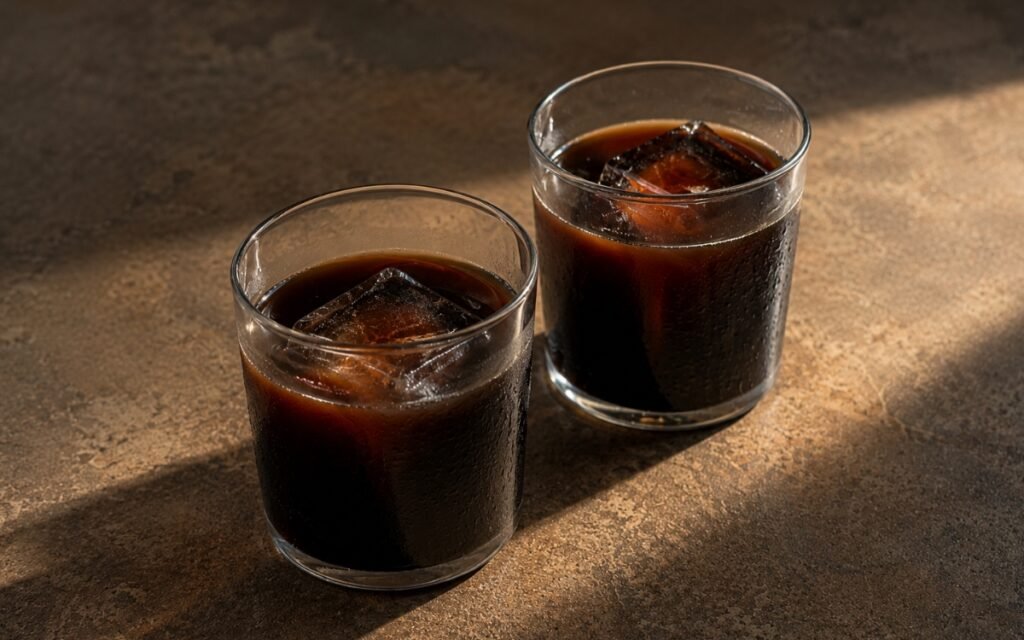
Coarsely ground coffee steeped in cold water for 12–16 hours, strained twice for clarity, and served black over a single large ice cube.
Toasted Coconut Cold Brew
Strong, chilled cold brew coffee sweetened with warm toasted coconut syrup and softened with a restrained splash of coconut milk.


You might also like
You might also like
Passion Fruit Lime Lemonade
Fresh lemon and lime juice combined with entirely uncooked passion fruit pulp for a bright, tart, vivid tropical lemonade.
Classic Pork Chops
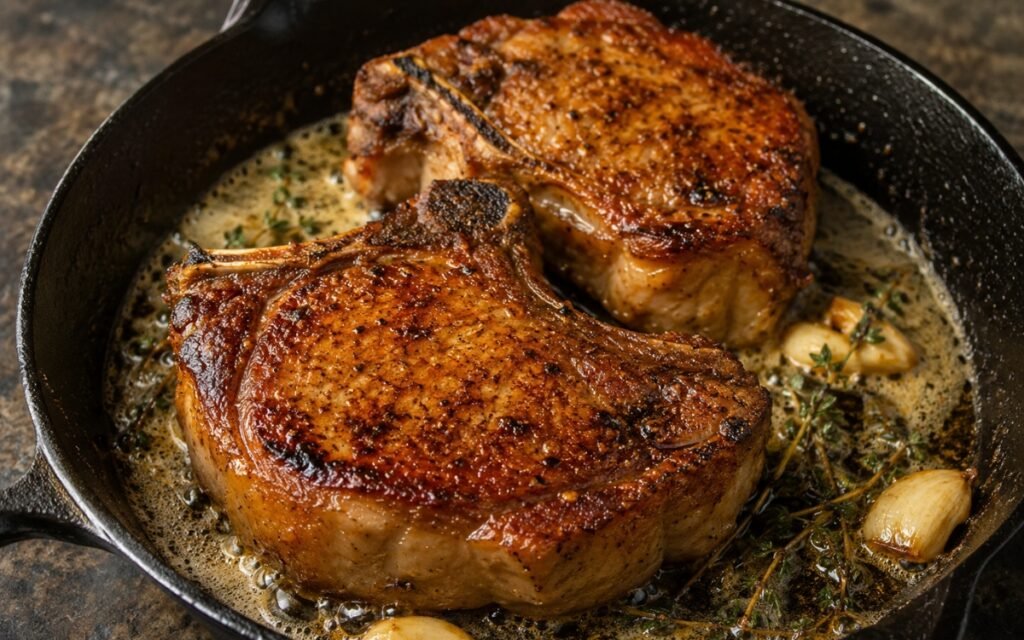
Bone-in pork chops tempered and seared undisturbed, basted with garlic thyme browned butter, fat cap rendered, rested. Juicy and aromatic.
Grilled Halloumi Chickpea Salad
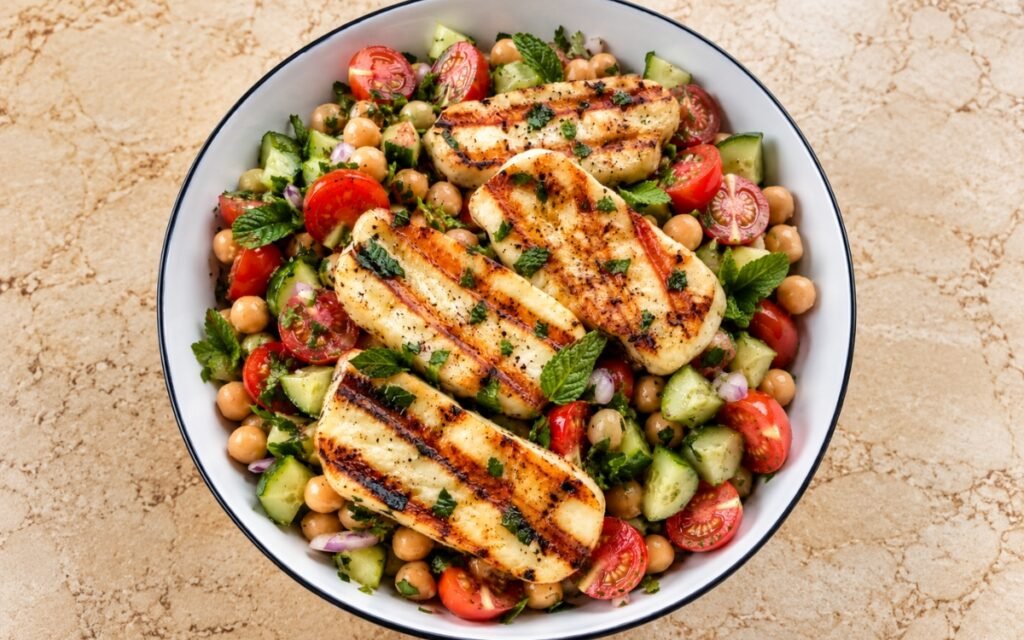
Chickpeas, cherry tomatoes, cucumber, red onion, parsley, and mint dressed with lemony olive oil, topped with warm grilled halloumi.


Iced Flat White
Ingredients
Method
- Pull 4 ristretto shots total, divided as 2 shots per serving. The coffee should be concentrated, sweeter, and slightly heavier than a standard espresso shot. Do not over-extract it into a normal long espresso or the drink loses the more compact flat white character. The coffee should taste intense but smooth, not thin or bitter. The whole point of the iced flat white is that the smaller, more concentrated coffee base gives a richer result than an iced latte. Stopping the extraction early, rather than letting it run to a full shot’s volume, concentrates the sweeter, heavier compounds that come through earliest in extraction while leaving behind more of the thinner, sharper notes that develop later — that’s the specific chemistry ristretto is built around.
- Divide the ice between 2 glasses. Pour 160ml cold whole milk into each glass over the ice. Leave enough room for the coffee and a very thin surface layer at the top. The glasses should look milk-forward, but not filled to the rim. There needs to be room for the ristretto and for a minimal top sheen without overflow. Leaving deliberate headroom at this stage, rather than filling the glass to capacity with milk and ice alone, is what makes room for both the ristretto pour and the final microfoam finish without anything spilling over once everything is combined.
- If your milk frother can texture cold milk lightly, froth a small portion of very cold whole milk until it forms only a thin, loose microfoam, not stiff foam. If you do not have a frother, shake a small amount of cold milk very briefly in a sealed jar, then let the larger bubbles settle for a few seconds before spooning only the thinnest silky top layer. You only want a whisper of foam — just enough to leave a faint white sheen across the surface. This is not cappuccino foam. If the foam looks thick, dry, or piled up, it is wrong. The correct effect is almost flat, with only a very light silky surface finish. Letting the larger, coarser bubbles settle out before using only the top layer is what separates a flat white’s thin, silky sheen from a cappuccino’s thicker, drier foam — that settling step discards exactly the bubble structure that would otherwise make the foam look piled and stiff rather than smooth.
- Pour half of the ristretto into each glass over the milk and ice. Stir briefly to combine. The drink should take on a pale golden caramel-white colour — richer and deeper than an iced latte, but still clearly milk-based. If the drink looks too pale, the coffee concentration is too weak. If it looks dark brown like an iced espresso drink, the milk ratio is too low. The proper color sits in that rich warm caramel zone. This specific colour target functions as a genuinely useful visual check on the drink’s balance — landing correctly in that caramel zone confirms the ristretto’s concentration and the milk ratio are both working together as intended, rather than one overpowering the other.
- Spoon or pour just a little of the thin microfoam over the top of each drink so the surface gets a subtle pale sheen. Serve immediately. The final surface should look mostly flat, with only a fine creamy film visible. That restrained finish is what keeps it in flat white territory. Adding only a small, controlled amount of that thin foam, rather than covering the whole surface generously, is what keeps the drink reading as a flat white rather than drifting toward a cappuccino’s much more foam-forward presentation.